8 April Mistakes Texas Gardeners Make Every Year And How To Avoid Them
April in Texas can feel like the perfect moment to plant everything at once, but that early momentum can be misleading. Warm afternoons hint at summer, while cool nights and uneven rainfall quietly keep conditions in flux.
Across Texas, from the Panhandle to the Gulf Coast, many gardeners jump ahead before soil and weather fully settle in.
Those quick decisions may not show consequences right away, but they can shape how the garden performs once heat builds.
Taking a closer look at common April missteps can help you stay on track and set your Texas garden up for a smoother, more productive season.
1. Planting Without Considering Local Frost Timing
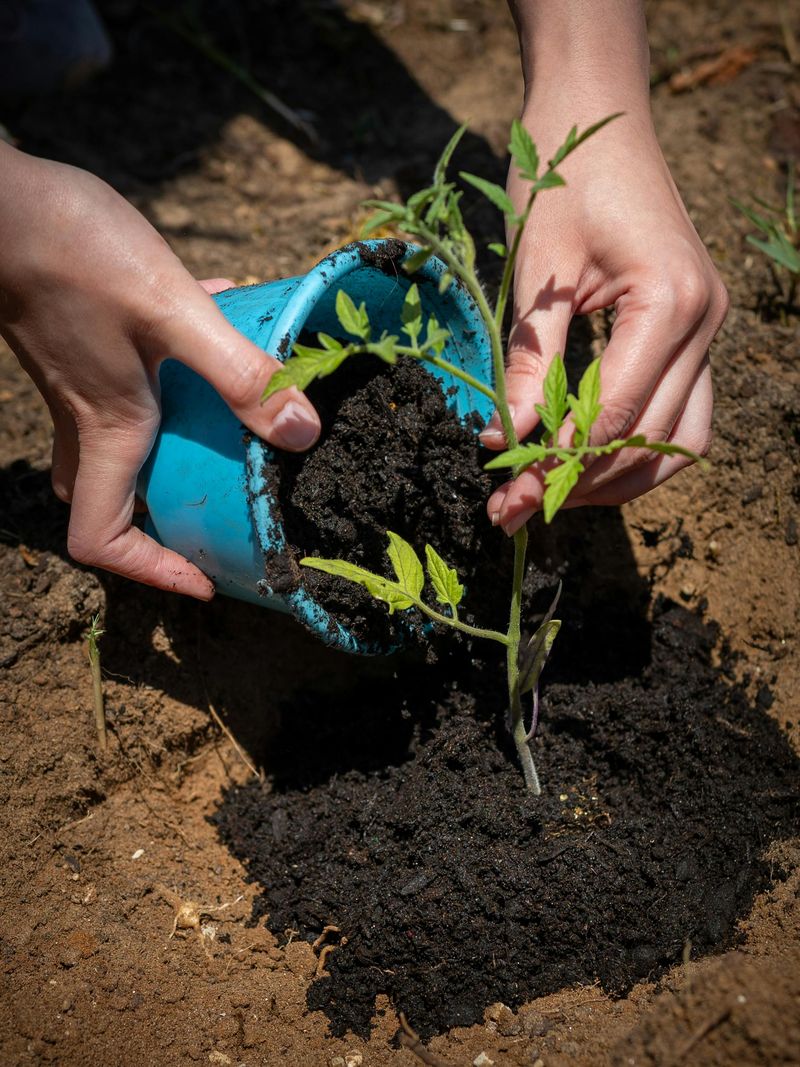
Warm afternoons in early April can make Texas feel like summer has already arrived, but the soil and the calendar tell a different story. North Texas gardeners face a realistic frost risk well into mid-March, and even into early April during unusual cold snaps.
Rushing transplants into the ground before that window has safely passed is one of the most common and costly missteps of the spring season.
Central Texas has more variability than many gardeners expect. A stretch of 80-degree days can be followed by a cold front that drops overnight temperatures into the upper 30s.
Tender crops like tomatoes, peppers, and basil are especially sensitive to those dips, and even a brief cold night can set growth back significantly.
South Texas gardeners generally enjoy an earlier planting window, but that does not mean frost risk disappears entirely in late March.
Checking your specific region’s average last frost date rather than relying on a neighbor’s experience is a smarter approach.
Local weather apps, county extension resources, and soil thermometers all help gardeners make confident, data-backed planting decisions instead of guessing based on how warm the air feels on any given afternoon in April.
2. Ignoring Soil Temperature
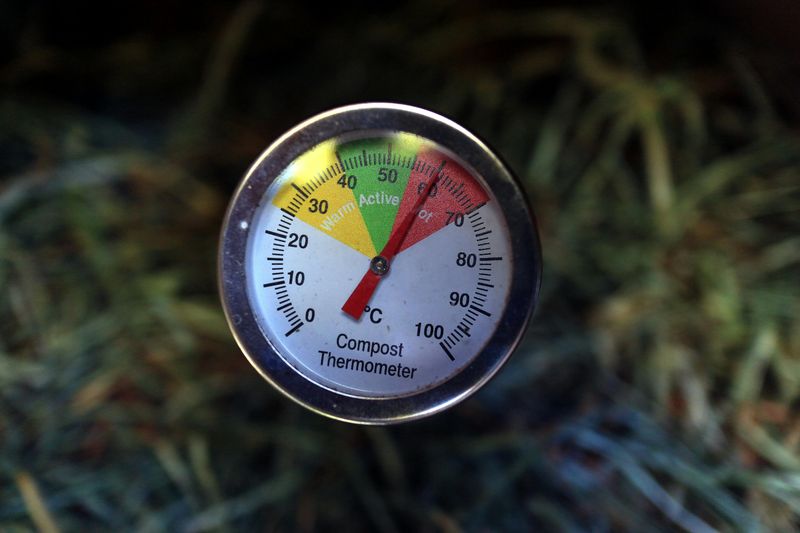
Air temperature and soil temperature are two very different things, and mixing them up is a mistake Texas gardeners make more often than they realize. Just because April afternoons feel warm does not mean the soil has caught up.
Most warm-season vegetables need soil temperatures of at least 60 to 65 degrees Fahrenheit before roots can absorb nutrients and establish properly.
Cold soil slows germination dramatically and leaves transplants sitting in a kind of suspended state where they neither thrive nor fully struggle. Seeds planted in soil that is too cold may rot before they ever sprout.
Transplants placed in under-warmed soil often look fine for a week or two, then stall out once the roots encounter conditions they cannot work with.
A basic soil thermometer, which costs only a few dollars at most garden centers, takes the guesswork out of the equation entirely.
Check the temperature at a depth of about two to three inches, ideally in the morning when readings are most consistent.
In North Texas, April soil temperatures can still hover in the mid-50s during the first half of the month.
Your Texas Garden Changes Every Week. Your Plan Should Too.
Gardening in Texas changes quickly throughout the season. Every Friday you’ll receive a simple weekly plan showing exactly what to plant, prune, fertilize, harvest, and protect so you never miss the right timing.
Waiting even one additional week for the soil to warm can lead to noticeably stronger early growth and a more productive season overall across all Texas growing regions.
3. Overwatering As Temperatures Rise
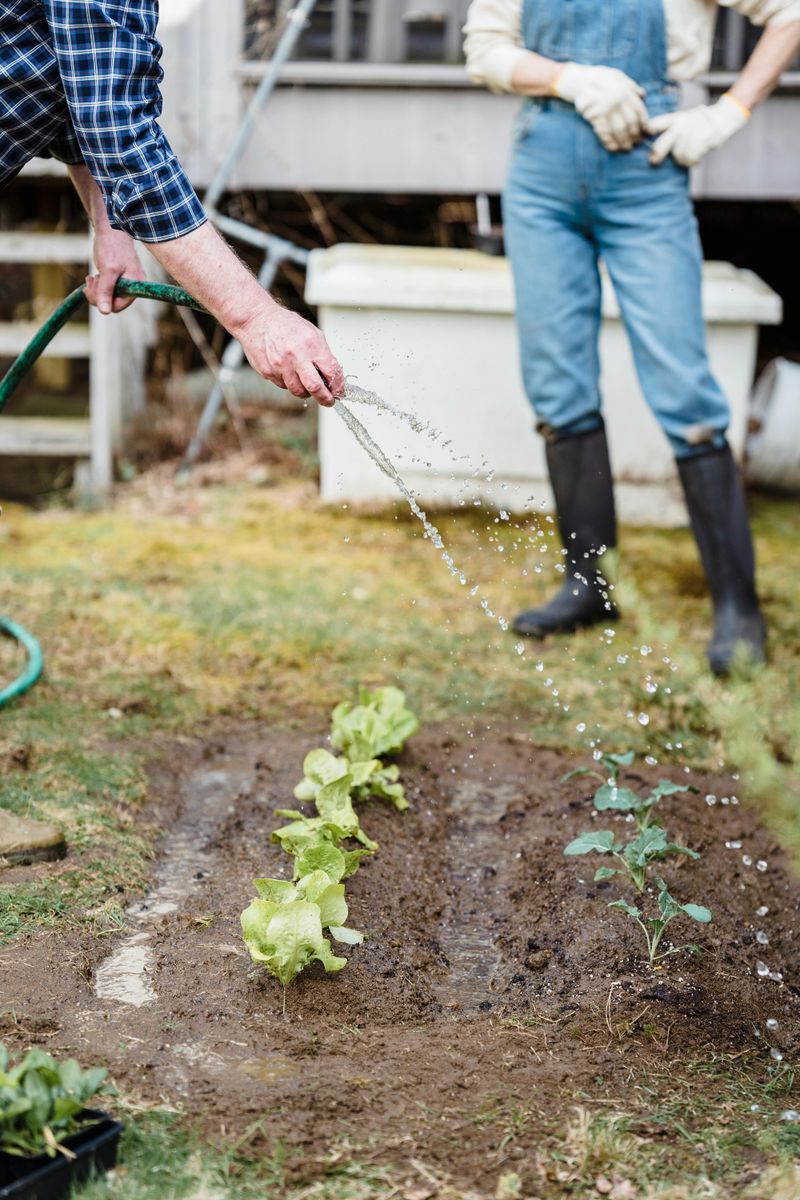
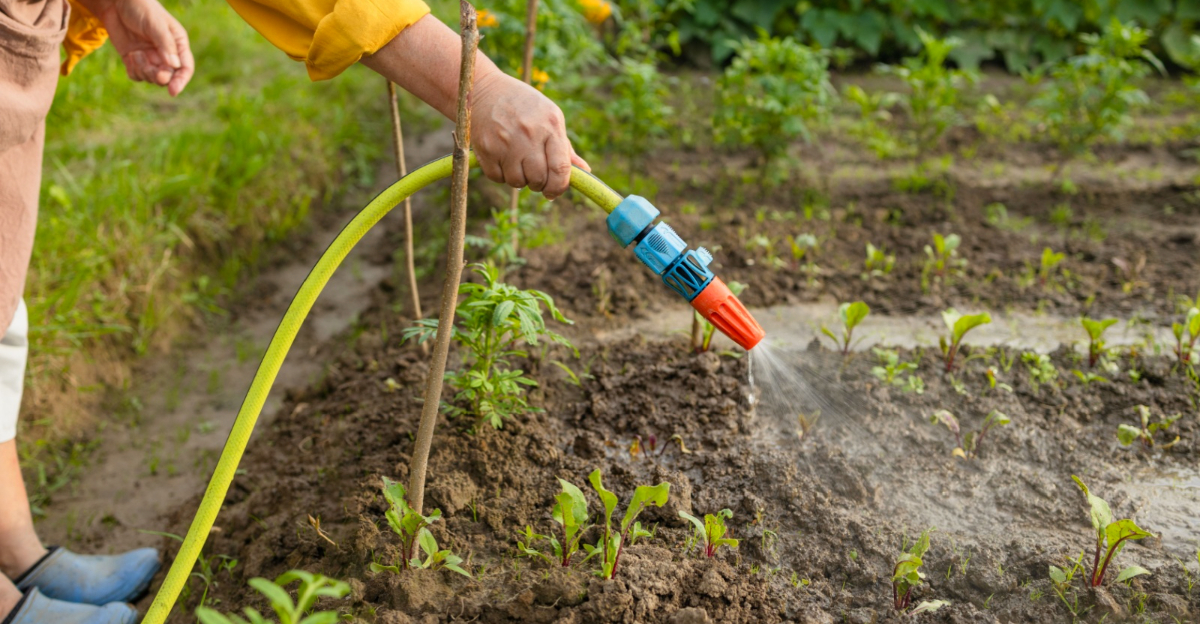
Spring enthusiasm and a garden hose can be a tricky combination. As April temperatures begin climbing across Texas, many gardeners assume their plants need more water to keep up with the heat.
The reality is that April soil often retains moisture longer than summer soil does, and watering on a fixed schedule rather than checking actual soil conditions leads to overwatering more often than not.
Root problems caused by waterlogged soil develop quietly underground before any visible symptoms appear on leaves or stems.
By the time wilting or yellowing shows up, the damage has already been building for days.
Clay-heavy soils, which are common across much of Central and North Texas, drain slowly and hold moisture for extended periods even after moderate rainfall.
A simple finger test works well as a starting point. Push a finger about an inch into the soil near the base of a plant.
If the soil feels moist at that depth, watering can wait another day or two. Drip irrigation systems and soaker hoses help deliver water directly to root zones without saturating surrounding soil.
Paying attention to rainfall totals and adjusting your watering schedule accordingly, rather than sticking to a rigid routine, will keep Texas garden beds in much better shape throughout the unpredictable April weeks.
4. Waiting Too Long To Mulch As Heat Builds
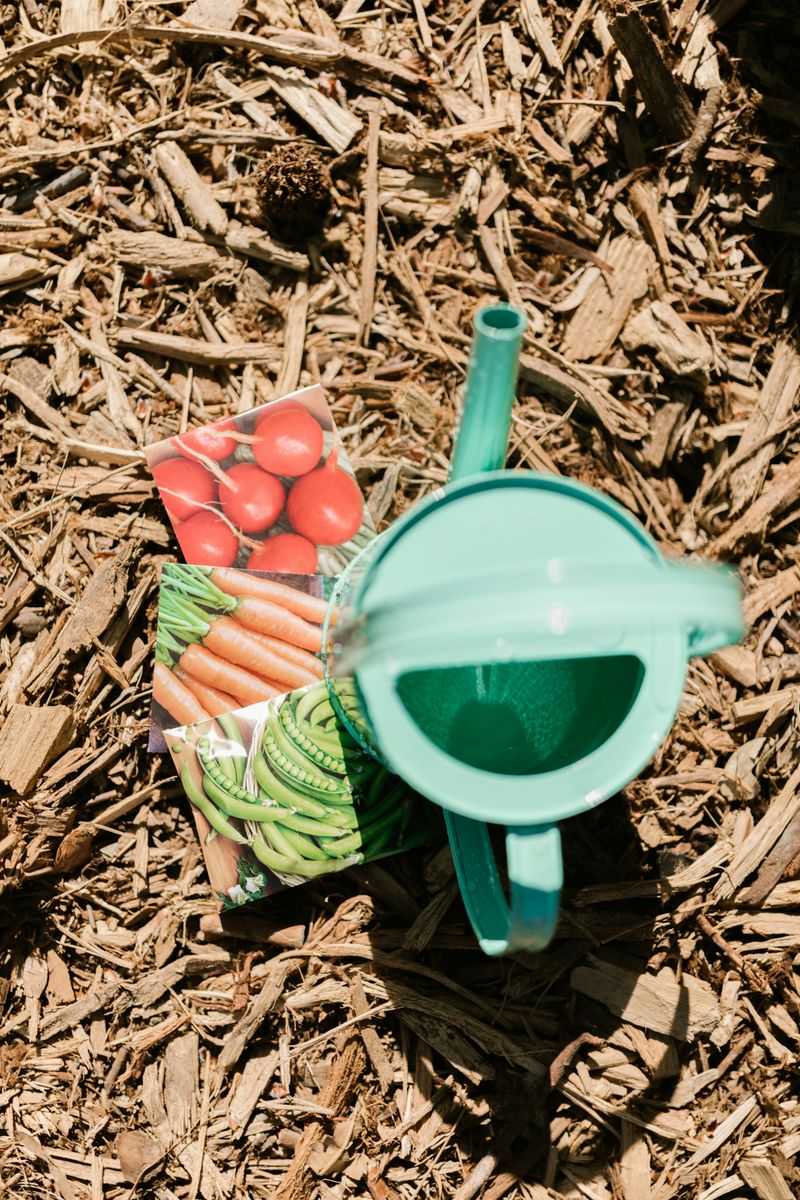
Mulching often gets treated as a late-spring task in Texas, something gardeners plan to get around to once the beds look fuller. But waiting too long to mulch in April means missing one of the most valuable windows of the entire growing season.
Applying mulch while soil temperatures are still moderate helps trap that moisture and moderate soil warmth before the intense Texas summer heat arrives.
Bare soil in Texas loses moisture quickly during April, especially on windy days or after a stretch without rain. Weeds also take full advantage of unprotected soil, establishing roots fast in the warming conditions.
A two-to-three-inch layer of organic mulch such as shredded hardwood, cedar, or pine straw addresses both of those issues at once while also gradually improving soil structure as it breaks down.
The timing matters more than many gardeners appreciate.
Mulching in early to mid-April, right after transplants go in or seeds germinate, creates a buffer zone that reduces the stress plants experience as temperatures climb through May and June.
Keep mulch a few inches away from the base of plant stems to allow air circulation and reduce the chance of moisture-related issues near the crown.
In South Texas, where heat arrives earlier, getting mulch down in the first two weeks of April is especially worthwhile for maintaining consistent soil conditions.
5. Fertilizing Without A Plan
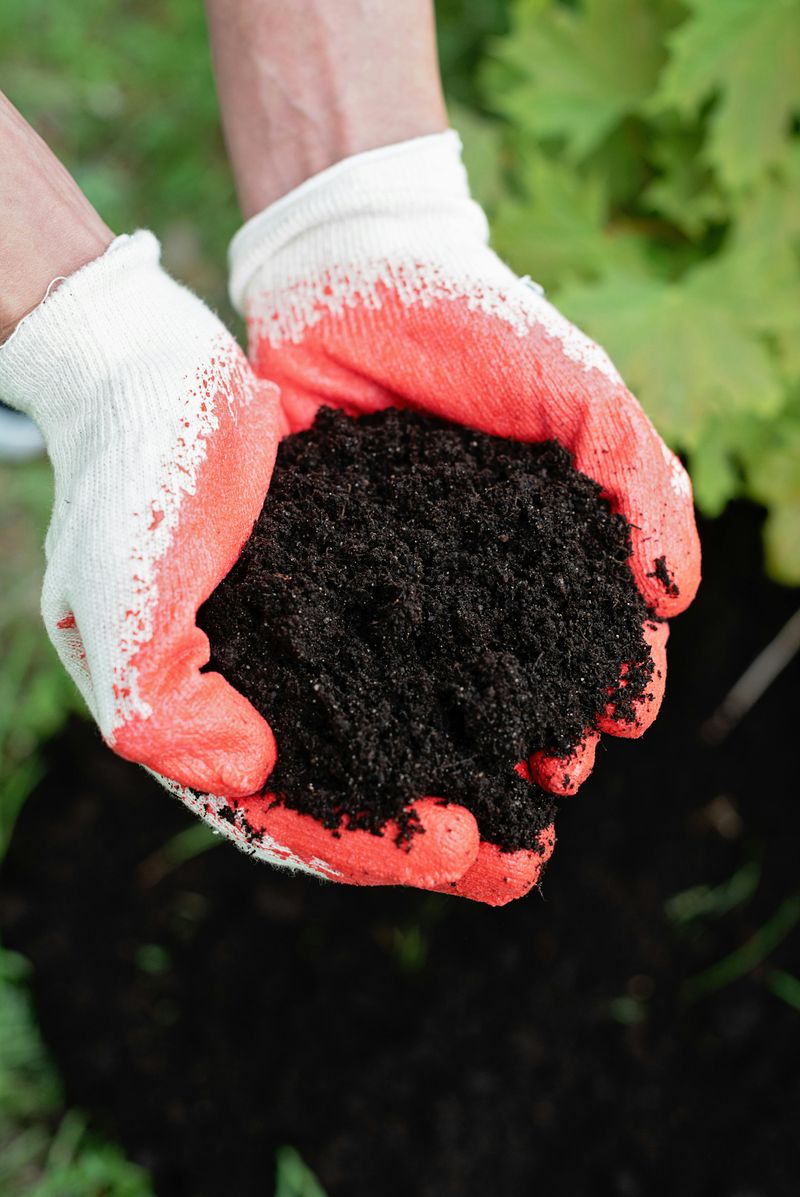
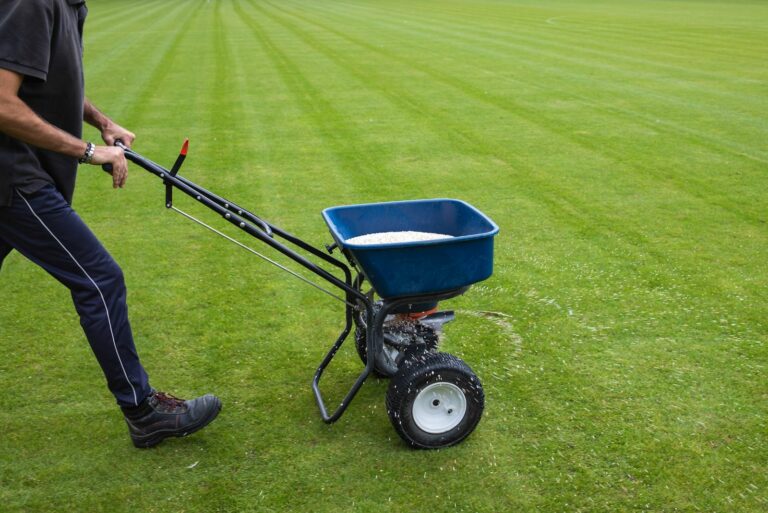
Grabbing a bag of fertilizer off the shelf and applying it generously because spring feels like a good time to feed everything is a habit that backfires regularly.
Texas soils vary widely, from the alkaline limestone-based soils common in the Hill Country to the clay-rich soils of North Texas and the sandy profiles found along the coast.
Each of those soil types interacts with fertilizer differently, and what helps in one yard may cause imbalances in another.
Applying too much nitrogen in April, for example, pushes leafy growth at the expense of flower and fruit production.
Tomatoes and peppers that receive excessive nitrogen early in the season often produce lush, dark-green foliage with far fewer fruits than expected.
Meanwhile, phosphorus and potassium, which support root development and stress tolerance, get overlooked when gardeners focus only on making things look green.
Starting with a basic soil test before adding anything to your beds gives you a clear picture of what nutrients are actually present and which ones are lacking. Many county extension offices offer affordable soil testing services throughout Texas.
Once you know your soil’s baseline, you can choose a fertilizer formulation that addresses real deficiencies rather than guessing.
Slow-release organic options work well in Texas conditions because they feed plants gradually rather than delivering a sharp nutrient spike that roots cannot fully use at once.
6. Letting Weeds Get Established Early
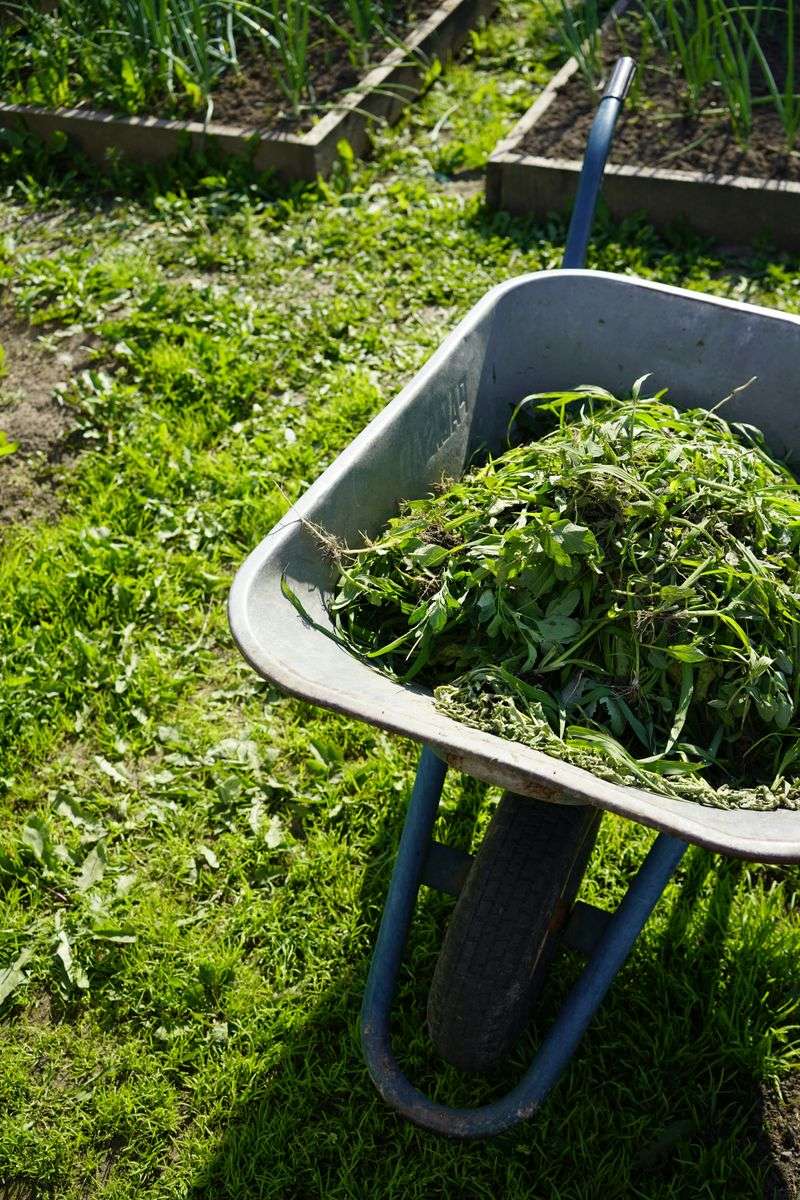
A few small weeds scattered across a garden bed in early April might not look like a serious problem, but those seedlings move fast once soil temperatures rise and spring rains arrive.
Texas springs create near-ideal conditions for weed growth, and many of the most aggressive species, including crabgrass, nutsedge, and henbit, establish deep root systems within just a couple of weeks if left unchecked.
Competition from weeds affects vegetable plants and flowers more than most gardeners expect. Established weeds pull moisture and nutrients from the same soil zone that young transplants are trying to colonize.
In the confined space of a raised bed or small in-ground plot, that competition can noticeably reduce early growth rates and stress plants heading into the hotter months.
Catching weeds at the seedling stage, when they are small and roots are shallow, takes far less effort than removing established plants later in the season.
A light pass with a stirrup hoe or hand weeder every week or so through April keeps populations manageable without requiring hours of work.
Applying mulch after weeding adds another layer of protection by blocking light from reaching weed seeds in the soil.
Staying consistent with early removal in April sets up a much cleaner, more manageable garden environment through the rest of the Texas growing season.
7. Skipping The Hardening Off Process
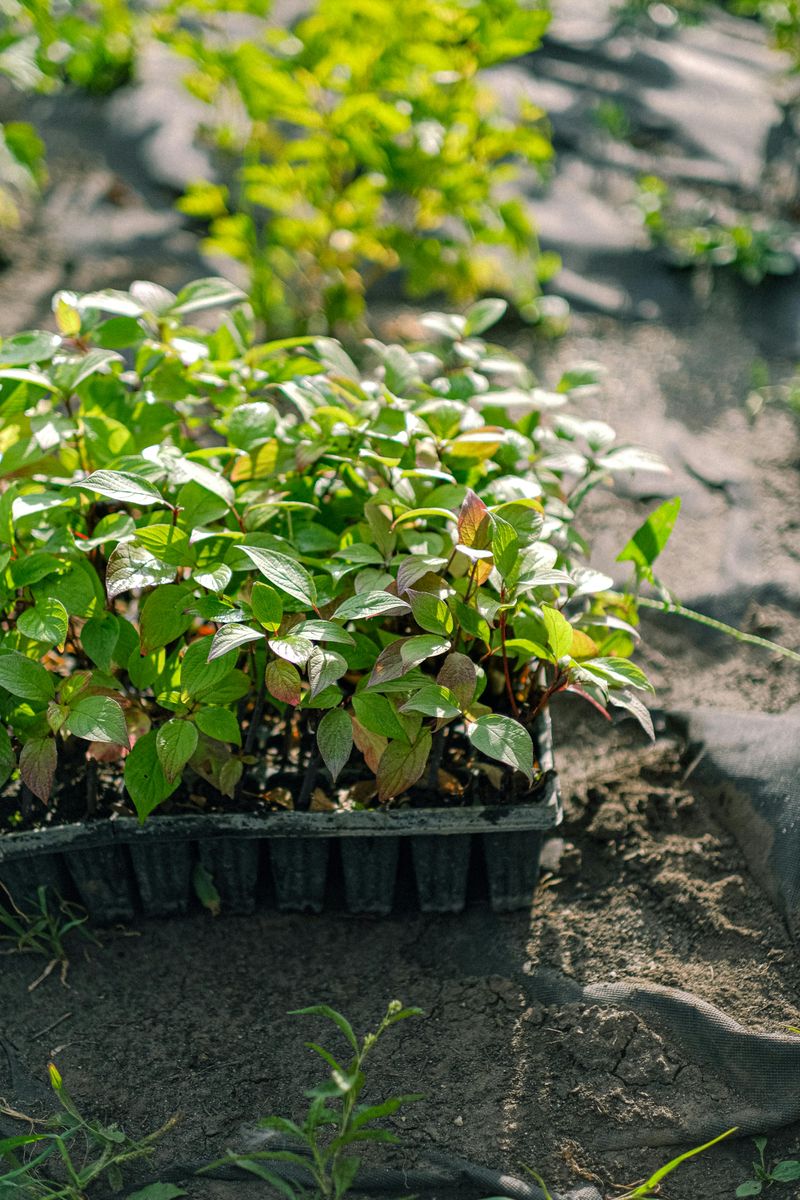
Seedlings raised indoors under grow lights or on a bright windowsill live in a sheltered, stable environment where wind, fluctuating temperatures, and intense sunlight are not part of daily life.
Moving those seedlings directly into a Texas April garden bed without any transition period puts them through a shock that can set their development back by weeks, even when outdoor conditions seem perfectly mild.
The hardening off process is straightforward but requires consistency. Starting about seven to ten days before transplanting, begin setting seedlings outside in a shaded or partially shaded spot for just a few hours each day.
Gradually increase their outdoor exposure over the following days, introducing more direct sunlight and wind as the week progresses.
By the end of the process, the plants should be spending most of the day outside and tolerating full sun without wilting.
Texas April weather adds an extra layer of consideration during this process. Afternoon winds can be strong across much of the state, and even a warm day can drop into the 50s overnight.
Bring seedlings back inside if a cold front is expected during the hardening off period. The extra time invested in this transition step pays off quickly once transplants go into the ground.
Plants that have been properly hardened off establish roots faster, handle Texas heat with more resilience, and tend to produce earlier and more consistently than those rushed into the garden.
8. Overlooking Early Pest Activity
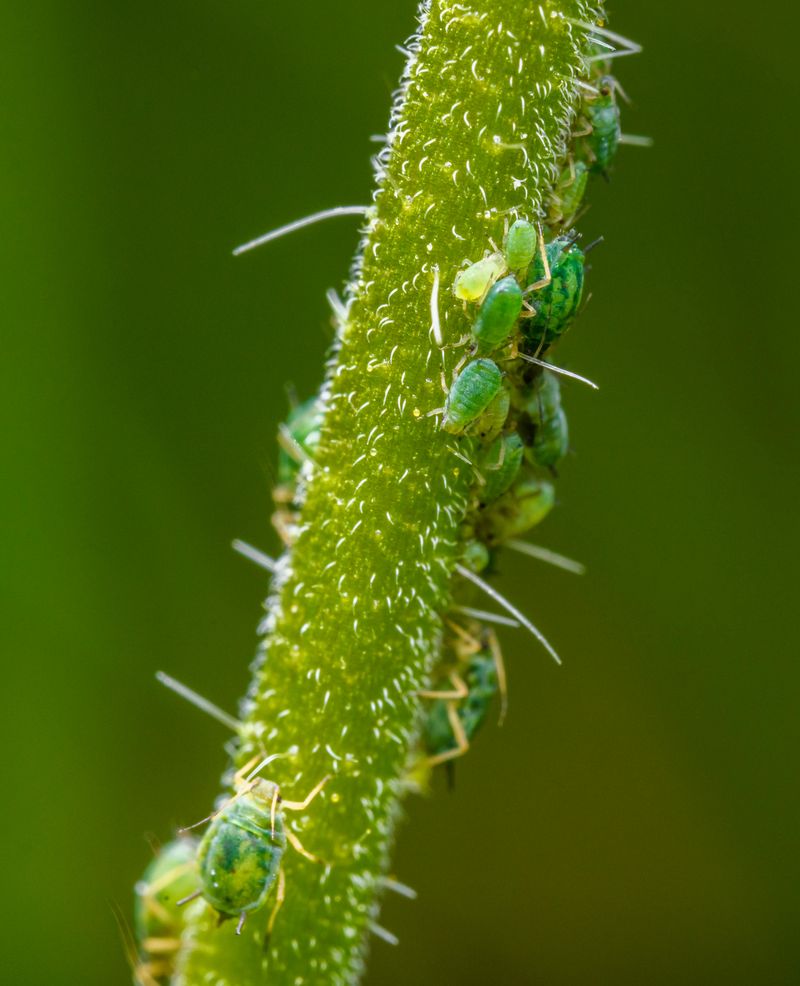
By the time pest damage becomes obvious on leaves or stems, the population causing it has usually been growing for a while.
April in Texas is when many common garden pests begin emerging and reproducing, taking advantage of tender new growth on freshly planted vegetables and flowers.
Aphids, spider mites, thrips, and cutworms are among the most frequent early-season visitors across Texas gardens.
Checking plants regularly from the moment they go into the ground is the most effective way to stay ahead of pest pressure. Flip leaves over to look at the undersides where aphid colonies and spider mite webbing tend to appear first.
Check the soil surface near transplant stems in the evening for cutworm activity, which often goes unnoticed until a seedling topples over with a cleanly severed stem near the base.
Responding early, when pest numbers are still low, gives gardeners far more options than waiting until an infestation is well established.
Beneficial insects such as ladybugs and lacewings are natural allies that move into Texas gardens in spring and help keep aphid populations in check.
Avoiding broad-spectrum pesticide applications early in the season preserves those beneficial populations.
For persistent problems, targeted organic options like insecticidal soap or neem oil can address specific pests without disrupting the broader garden ecosystem that Texas gardeners rely on throughout the growing season.