More Bats In Your Texas Garden, Less Mosquitos (Here’s How To Attract Them)
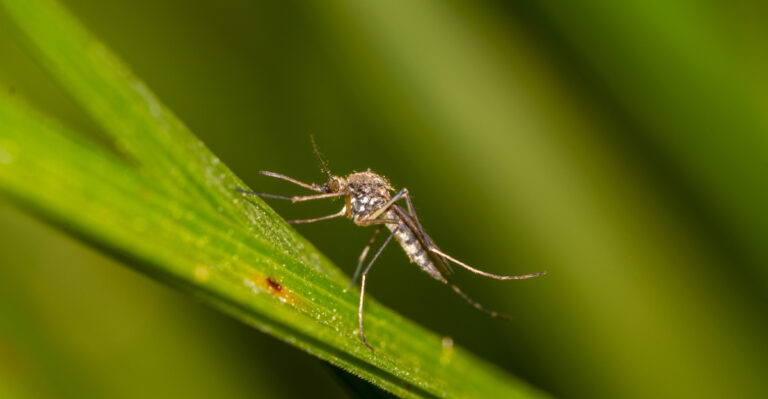
Texas mosquitoes are a force of nature, and anyone who has tried to enjoy an evening on the patio between May and October knows exactly what that means.
The sprays, the candles, the plug-in repellers – most of them take the edge off at best, and none of them come close to solving the problem in any lasting way.
Meanwhile, the mosquitoes keep showing up right on schedule, completely unbothered by everything you’ve thrown at them. Bats are a different story entirely.
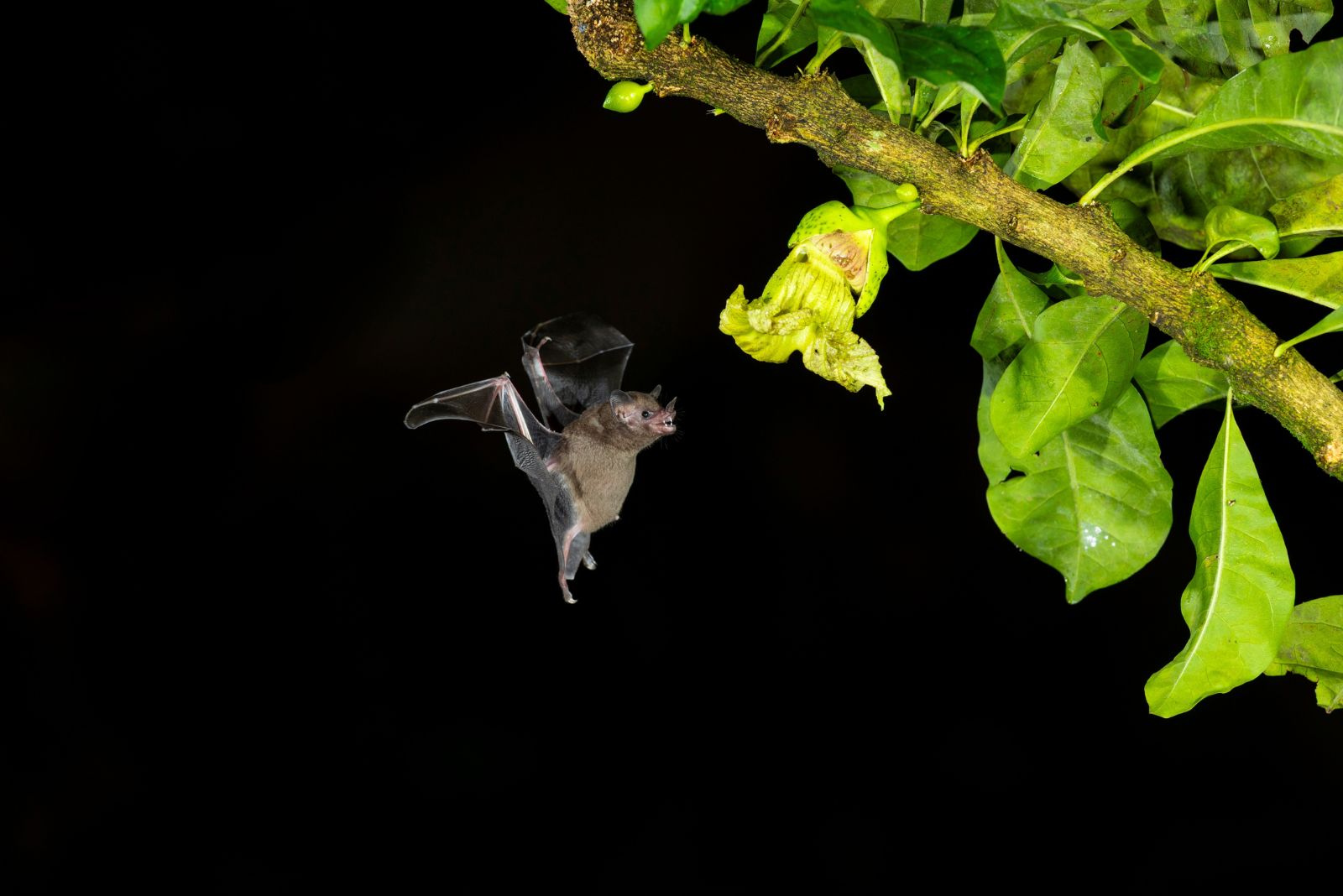
A single bat can eat hundreds of insects in one night, and mosquitoes are a significant part of what they’re hunting during the evening hours when Texas residents most want to be outside.
They work silently, they work consistently, and they ask for almost nothing beyond a safe place to roost and a water source nearby.
Attracting bats to a Texas garden is simpler than most people think, and the difference they make on mosquito pressure is genuinely noticeable.
1. Install A Bat House In The Right Spot
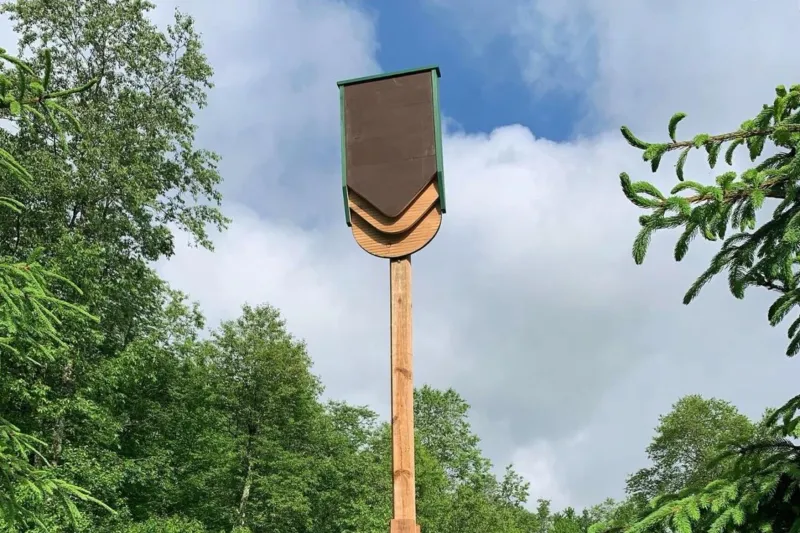
Putting up a bat house is one of the fastest ways to bring bats into your Texas yard, but placement makes all the difference. A bat house that is stuck in the wrong spot will sit empty for years.
Getting the location right from the start saves you time and frustration. Bats love warmth. Mount your bat house at least 12 to 15 feet off the ground so bats feel safe from predators.
The house should get 6 to 8 hours of direct sunlight every day. South or southeast-facing sides of buildings or poles work best for this in Texas because of the strong sun exposure.
Many people make the mistake of hanging bat houses on trees. Trees might seem like a natural choice, but they block sunlight and give predators like owls and raccoons easy access.
Mounting on a building exterior or a freestanding wooden pole is much more effective. Place the bat house close to a water source like a pond, creek, or even a large garden fountain. Bats prefer to roost within a quarter mile of water.
Texas has plenty of natural water features, so use that to your advantage. Painting your bat house a dark color can also help it absorb heat, which bats absolutely love. Dark brown or black works well in most parts of Texas.
Once everything is set up correctly, be patient. Bats may take a full season to discover and move into their new home, but once they do, your mosquito problem will shrink fast.
2. Add Night-Blooming Plants
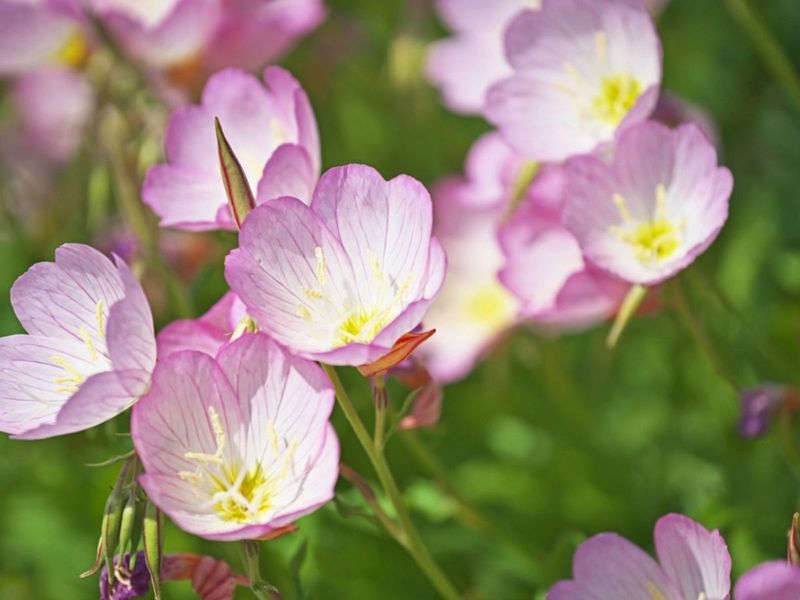
Most gardens are designed to look great during the day, but adding night-blooming plants is a game changer for attracting bats. These flowers open up at night and release strong, sweet scents that pull in moths, beetles, and other insects.
More insects at night means more food for bats, which means more bats visiting your yard. Texas is a fantastic place to grow night-blooming plants because of the warm climate. Moonflowers are a popular choice and grow easily across most of the state.
Your Texas Garden Changes Every Week. Your Plan Should Too.
Gardening in Texas changes quickly throughout the season. Every Friday you’ll receive a simple weekly plan showing exactly what to plant, prune, fertilize, harvest, and protect so you never miss the right timing.
They produce large, white blooms that open after sunset and smell incredible. Four o’clocks are another great option that thrive in Texas heat and attract plenty of nighttime insects.
Evening primrose is a native Texas plant that blooms in the late afternoon and stays open through the night. It is low maintenance and spreads easily, making it perfect for garden borders.
Night-blooming jasmine is also worth planting if you want a strong fragrance that draws insects from a wide area.
Grouping these plants together creates a concentrated feeding zone that bats will return to night after night. Think of it as setting up a dinner table for your local bat population.
The more variety you plant, the more insect species you attract, and the more bats will follow.
Beyond helping bats, night-blooming plants make your garden feel magical after dark. Sitting outside on a warm Texas evening surrounded by glowing white flowers and the quiet flutter of bats overhead is a genuinely peaceful experience that is hard to beat.
3. Provide A Water Source
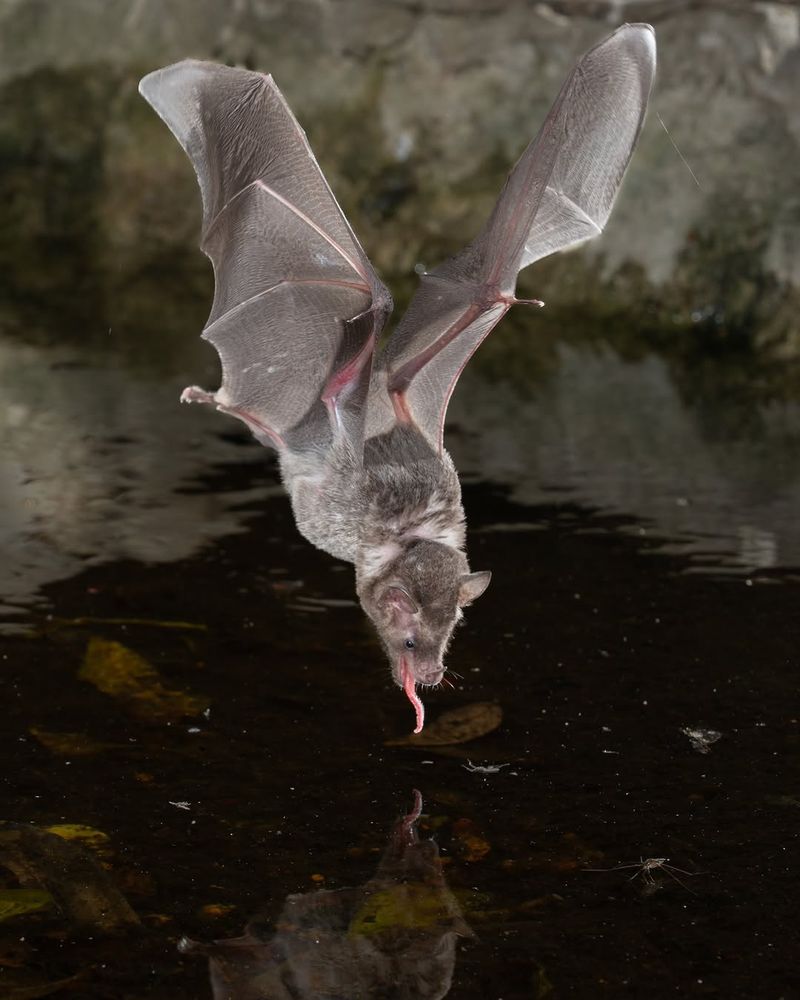
Water is one of the most important things you can offer bats. They need to drink regularly, and they do it in a unique way by swooping low over open water and skimming the surface with their mouths.
Without a reliable water source nearby, bats are much less likely to stick around your Texas property.
A garden pond is the best option if you have the space. Even a small pond that is just a few feet wide can work well.
The key is that the water needs to have open space above it so bats can swoop down without bumping into plants or fences. Keep the edges of the pond clear of tall vegetation for at least a foot or two.
A large birdbath can also work, but it needs to be placed in an open area and kept very clean. Stagnant water can breed mosquitoes, which would be counterproductive.
Change the water every two to three days, or add a small solar-powered fountain to keep it moving. Moving water stays fresher and is actually more attractive to bats.
In Texas, the summer heat can cause small water features to dry out quickly. Check your water source regularly during July and August to make sure it stays full.
Bats are creatures of habit, and if they find a reliable water spot, they will return to it every single night.
Adding a water feature also benefits birds, butterflies, and other wildlife. It makes your Texas garden a full ecosystem that supports nature in a beautiful and balanced way.
4. Avoid Using Pesticides
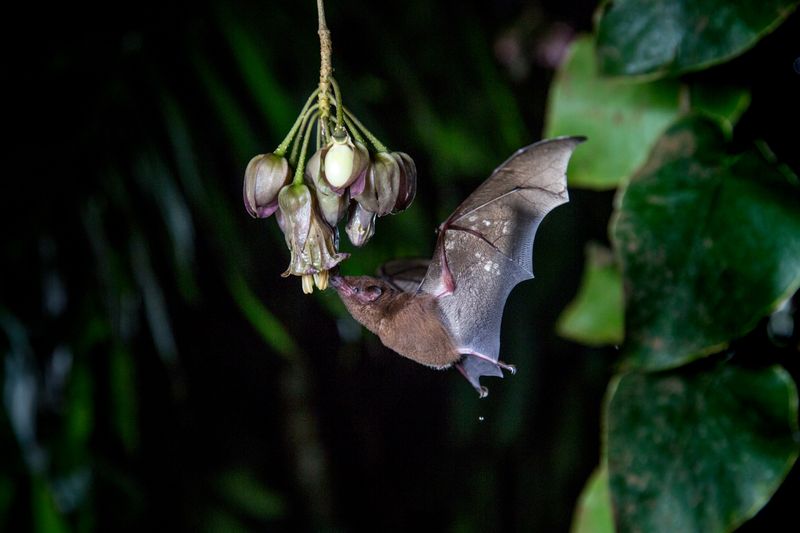
Reaching for a can of bug spray might seem like the obvious fix when mosquitoes get out of hand, but pesticides create a much bigger problem than they solve.
When you spray chemicals in your Texas yard, you are not just targeting mosquitoes. You are wiping out moths, beetles, and other flying insects that bats depend on for food.
Bats are highly sensitive to changes in their food supply. If the insect population in your yard drops because of pesticide use, bats will simply move on to find better hunting grounds.
You end up with fewer bats and the mosquitoes come right back once the chemicals wear off. It becomes a frustrating cycle that never really solves the problem.
Some pesticides can also harm bats directly. Certain chemical residues stick to insects, and when bats eat those insects, the toxins build up in their bodies over time.
This is especially concerning for bat colonies that roost nearby and feed in the same area repeatedly.
Fortunately, there are plenty of natural alternatives that work well in Texas gardens. Neem oil is a plant-based spray that targets harmful insects without affecting most beneficial wildlife.
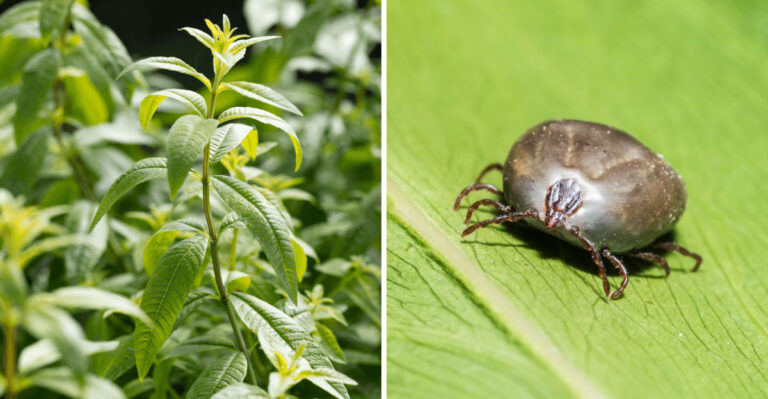
Introducing ladybugs or lacewings into your garden helps control aphids and other pests naturally. Planting marigolds, basil, and lavender around your garden borders can also help repel unwanted insects without any chemicals.
Choosing organic and natural pest control methods creates a healthier environment for every creature in your yard. Your garden becomes a place where bats, birds, and beneficial bugs can all thrive together without interference from harsh chemicals.
5. Keep Some Mature Trees Nearby
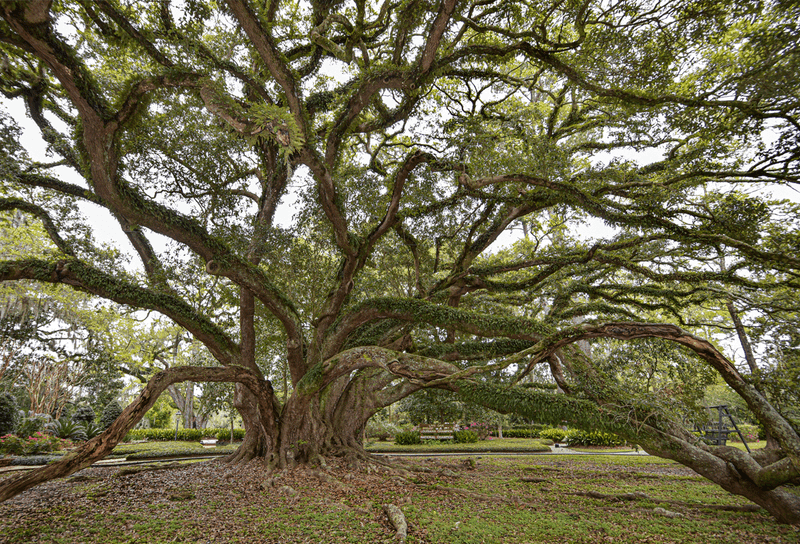
Bats are not just random flyers. They use trees as landmarks and shelter while navigating through the night.
Mature trees give bats a sense of structure in the landscape, helping them feel safe and oriented as they hunt. If your Texas property has large established trees, you already have a natural advantage when it comes to attracting bats.
Live oaks are one of the best trees for Texas bat habitats. They are native, grow large, and provide dense canopy cover that bats use for daytime roosting.
Pecan trees are another excellent choice and are incredibly common across central and south Texas. Cedar elm and bald cypress also make great additions to a bat-friendly landscape.
Mature trees with rough bark and loose sections are especially valuable because some bat species roost in the crevices and gaps beneath peeling bark. You do not need to do anything special to these trees.
Just leave them alone and let them age naturally. Resist the urge to over-trim or remove old trees unless they pose a genuine safety risk.
One thing to keep in mind is open flying space. Bats need room to maneuver while hunting, so having a mix of mature trees around the edges of your yard with an open center area works best.
Think of the trees as a frame around a wide-open stage where bats can swoop and circle freely.
Balancing shade with flight space makes your Texas garden both beautiful and functional. Your yard becomes a comfortable, well-structured environment where bats feel right at home from the moment they arrive.
6. Create A Bat-Friendly Night Environment
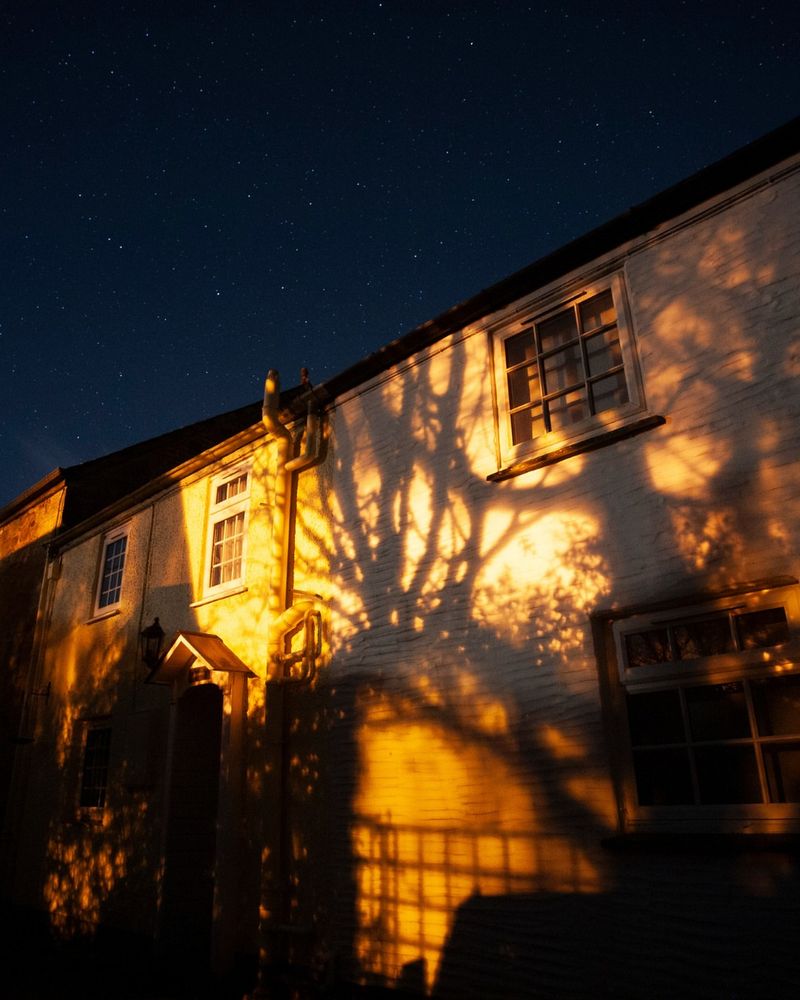
Bright outdoor lighting is one of the biggest reasons bats avoid suburban yards in Texas. Bats are naturally shy creatures that prefer darkness.
Powerful floodlights and harsh white LEDs create what wildlife experts call light pollution, which disrupts bats’ hunting behavior and makes them feel exposed and unsafe.
Reducing how much artificial light you use outside at night is one of the simplest changes you can make. Start by turning off any lights that are not necessary after 9 or 10 PM.
Motion-sensor lights are a better option than lights that stay on all night. They only activate when needed and give bats long stretches of comfortable darkness to hunt in.
When you do need outdoor lighting, choose warm-colored bulbs instead of cool white or blue-toned ones. Amber, yellow, or soft orange lights are much less disruptive to bats and other nocturnal wildlife.
These warmer tones also create a more relaxed and inviting atmosphere for people sitting outside on Texas summer evenings.
String lights with low wattage can add charm to your patio without flooding the yard with brightness. Keep them pointed downward and away from open garden areas where bats like to hunt.
The goal is to light your immediate seating area while leaving the rest of the yard as dark as possible.
Making these small lighting adjustments sends a clear signal to the local bat population that your Texas yard is a safe and welcoming place.
Over time, bats will begin to associate your garden with good hunting conditions, reliable food, and darkness, and they will keep coming back every single night.