This Is The Shrub That Crowds Out Native Plants In Texas Gardens
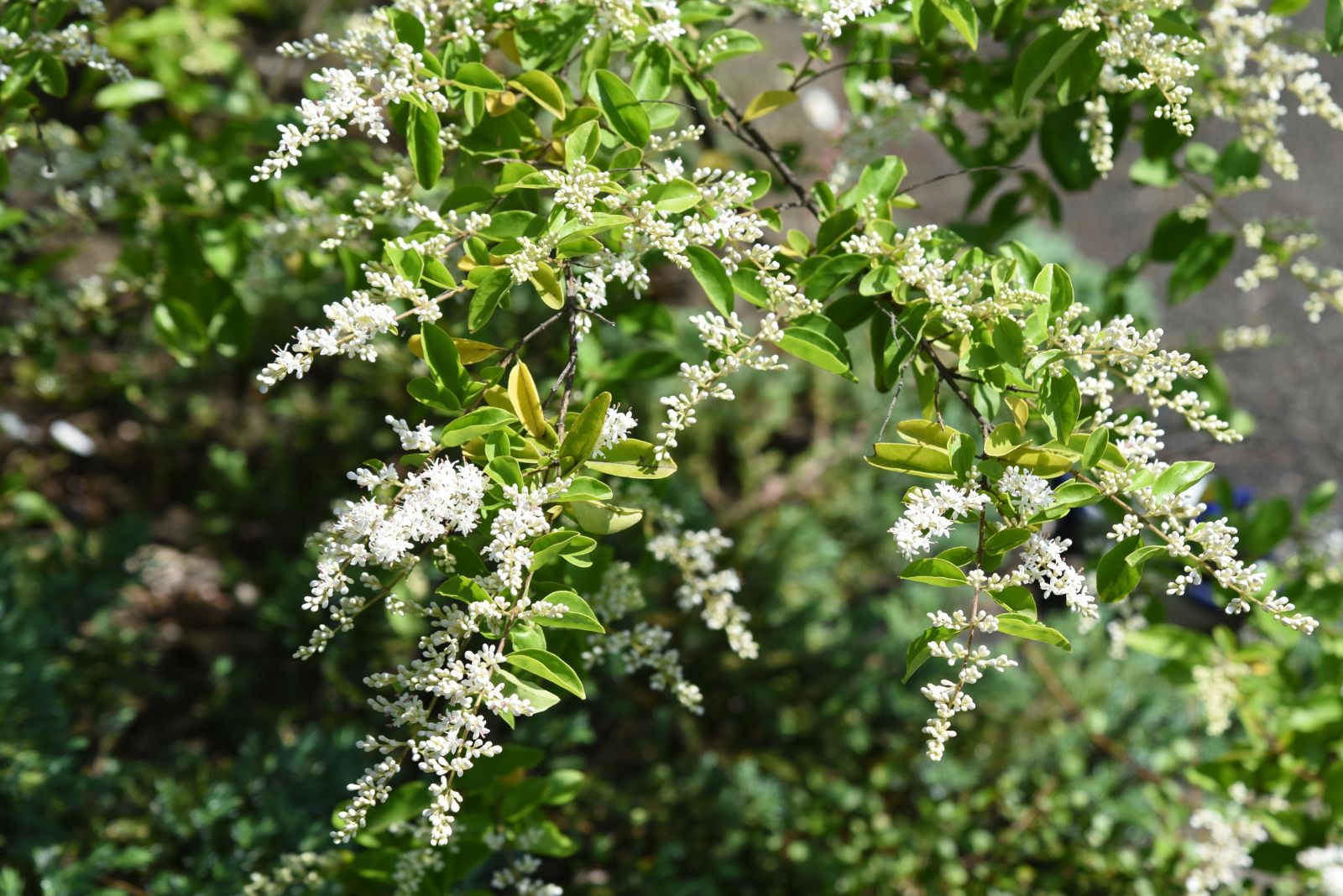
At first, this shrub can seem like a smart landscaping choice. It grows fast, fills space quickly, and creates that full, leafy look many homeowners want.
That is exactly why it has ended up in so many Texas gardens over the years. The trouble starts when it refuses to stay where it was planted.
What looks neat and useful at first can slowly turn into a plant that takes over beds, edges out better options, and causes bigger problems than people expect.
That is why more gardeners are starting to see it in a very different light. Chinese privet is known for spreading aggressively and pushing native plants out of the spaces where they should be thriving.
Once it gets established, it can form dense growth that is hard to manage and even harder to remove.
For anyone trying to build a healthier Texas garden, that makes it a shrub worth thinking twice about. Good landscaping should support the yard, not quietly work against it over time.
Why Chinese Privet Is Such A Problem In Texas Gardens
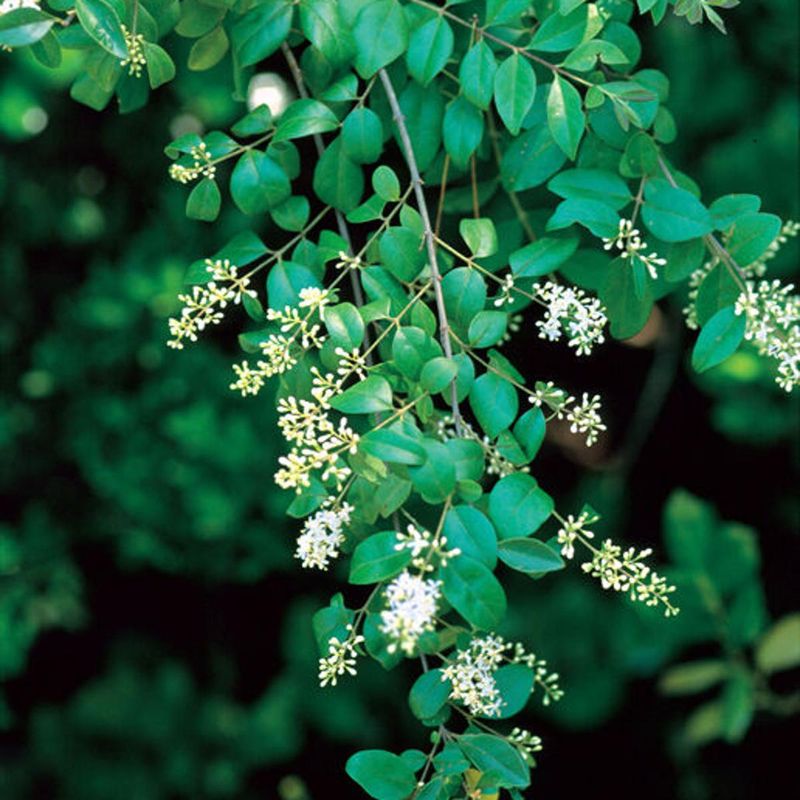
Walk along almost any fence line or wooded edge in Texas, and you might spot a shrub that looks tidy at first glance but is actually one of the state’s most unwanted plants.
Chinese privet, or Ligustrum sinense, has quietly worked its way into Texas gardens, hedgerows, and natural areas for decades.
It is evergreen, grows quickly, and looks lush, which is exactly why so many people planted it in the first place.
Texas Invasives describes Chinese privet as a troublesome and aggressive invader. It does not stay neatly in your yard.
Over time, it pushes outward, forming dense, impenetrable thickets along fencerows, creek banks, and bottomland forests throughout Texas. These thickets can stretch for acres if left alone.
The shrub thrives in a wide range of conditions, from full sun to deep shade, and it handles Texas heat reasonably well. That kind of toughness makes it very hard to manage once it takes hold.
Unlike many ornamental shrubs that stay put, Chinese privet acts more like a colonizer, claiming new ground season after season.
What makes this especially frustrating for Texas gardeners is that the shrub was once seen as a practical, low-maintenance landscaping choice. Older neighborhoods across the state still have established privet hedges that continue spreading seeds every year.
Awareness is growing, but Chinese privet remains a persistent challenge in Texas landscapes.
Recognizing it early and understanding what it does to surrounding plant life is the best way to stay ahead of it before it becomes a much bigger problem in your yard or community.
How It Crowds Out Native Plants
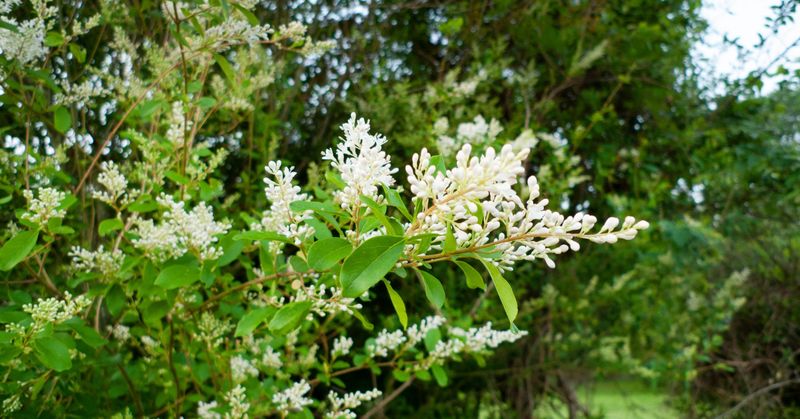
Picture a sunny woodland edge in Texas filled with native wildflowers, young trees, and shrubs that wildlife depends on. Now picture that same spot two or three years after Chinese privet moves in.
The wildflowers are gone. The young native trees are struggling. The whole area has turned into a wall of dark, leafy privet.
Your Texas Garden Changes Every Week. Your Plan Should Too.
Gardening in Texas changes quickly throughout the season. Every Friday you’ll receive a simple weekly plan showing exactly what to plant, prune, fertilize, harvest, and protect so you never miss the right timing.
That scenario plays out regularly across Texas. Chinese privet creates thick, shady masses that block native plants from getting the sunlight, space, and nutrients they need to survive.
Because privet is evergreen, it keeps its leaves all year long, meaning native plants get shaded out even in winter when they would normally have a chance to catch some light.
The shrub also grows fast enough to outpace most native vegetation. In bottomland forests and creek corridors across Texas, privet has taken over the understory layer, which is the zone between the ground and the treetops where many birds nest and feed.
When privet dominates that layer, the entire food web can shift.
Native plants like yaupon holly, beautyberry, and possumhaw are important food sources for Texas wildlife. When privet crowds them out, birds, insects, and small mammals lose the resources they rely on through the seasons.
The problem is not just about what looks pretty in a garden. It is about which plants support life and which ones just take up space.
Removing Chinese privet from Texas gardens and natural areas opens the door for native plants to reclaim their space and restore the balance that local wildlife needs to thrive.
Why It Spreads So Easily
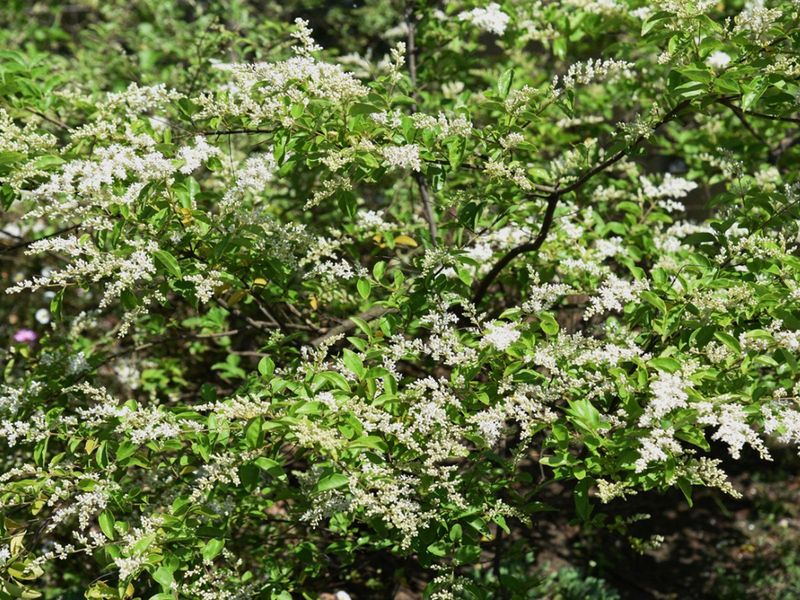
Few invasive plants have figured out the art of spreading quite as efficiently as Chinese privet. Part of what makes it so hard to contain is that it uses two very effective methods to multiply, and both of them work without any help from gardeners.
First, Chinese privet spreads through bird-dispersed seeds. The shrub produces large clusters of small, dark berries that birds eat eagerly.
When birds fly off and leave droppings in new locations, privet seeds travel with them. This means a single plant in your Texas backyard can seed new plants hundreds of feet away in a wooded area or along a creek bank within a single season.
Second, privet spreads through root sprouts. Even if you cut the shrub down, new shoots often push up from the root system.
This regrowth habit makes removal a process that usually requires more than one attempt. Roots can be stubborn, and any piece left behind in the soil can send up new growth.
Add to that the fact that Chinese privet is shade tolerant, and you have a plant that can invade places where most shrubs simply cannot compete. It creeps under tree canopies and into dense forest understories, areas that many invasive plants cannot access.
In Texas, that means it can spread into bottomland forests, creek corridors, and shaded parks that are otherwise protected from sun-loving invasives.
The combination of bird dispersal, root sprouting, and shade tolerance makes Chinese privet one of the most persistent and far-reaching invasive shrubs in the entire state. Stopping it early matters a great deal.
Why Texas Gardeners Still End Up Planting It
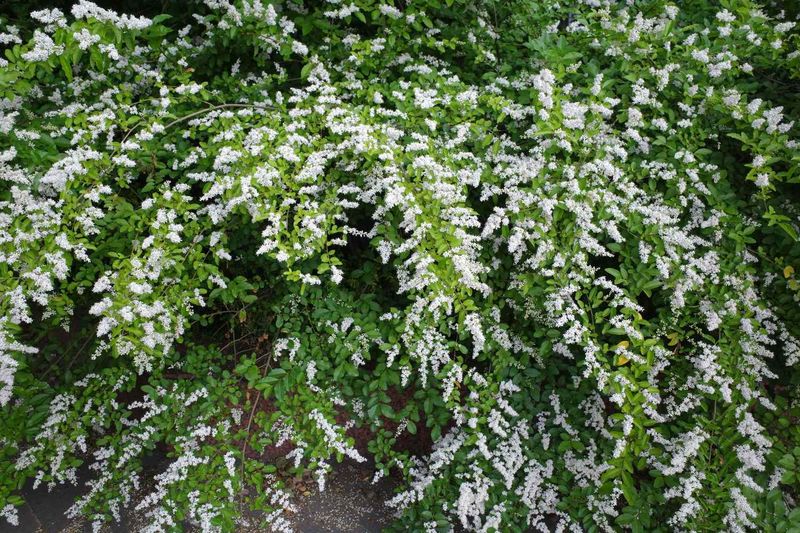
Here is a question worth asking: if Chinese privet is such a problem, why do so many Texas yards still have it? The answer has a lot to do with history and habit.
Chinese privet was brought to the United States as an ornamental shrub, valued for its fast growth, dense foliage, and ability to form a solid privacy hedge in a short amount of time.
For decades, it was a go-to choice at nurseries and garden centers across Texas. Older neighborhoods throughout the state are lined with privet hedges that have been there for thirty, forty, or even fifty years.
Many homeowners inherited these hedges when they bought their homes and simply kept maintaining them without knowing what the plant actually does beyond the yard.
There is also the issue of familiarity. Plants that have been around for a long time tend to feel safe and normal.
If your neighbors have privet, and your parents had privet, it is easy to assume it must be fine. But familiarity does not equal harmlessness, especially when a plant has been spreading into Texas natural areas for generations.
Nurseries have gotten better about labeling invasive plants and offering native alternatives, but Chinese privet still shows up in some garden centers.
Shoppers who do not know what to look for might pick it up without a second thought, especially if it is inexpensive and promises quick results.
Raising awareness among Texas gardeners is key. Once people understand what this shrub actually does to local ecosystems, most of them are genuinely motivated to make a different choice for their landscapes.
What Makes It Worse Than Just An Ugly Shrub
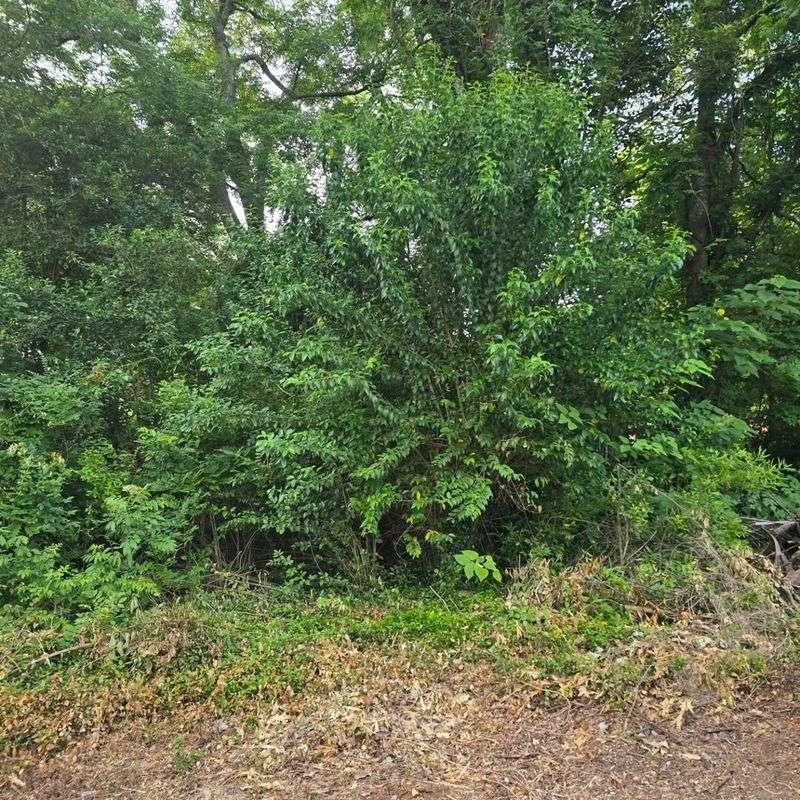
Some people hear the word invasive and think it just means a plant that looks messy or grows too fast. With Chinese privet, the problem runs much deeper than appearances.
Once it escapes the garden, it moves into forests, fields, roadsides, and riparian corridors across Texas, and it changes those ecosystems in lasting ways.
When privet takes over the understory of a Texas forest, it does not just crowd out other plants visually. It reduces the overall diversity of plant species in that area.
Fewer plant species means fewer insects, which means fewer birds and other wildlife that depend on those insects for food. The ripple effect spreads through the entire food chain.
Privet thickets also tend to be much less useful to native wildlife than the plant communities they replace. A diverse native understory offers food, shelter, and nesting spots for dozens of species.
A solid wall of privet offers very little of that. Birds may eat the berries, but that actually makes the problem worse by spreading seeds even farther.
In Texas, Chinese privet has been documented spreading into bottomland hardwood forests, creek corridors, and rights-of-way along roads and railways. These are not just garden problems.
They are landscape-scale ecological issues that affect biodiversity across entire regions of the state.
Calling Chinese privet a garden nuisance undersells how serious the situation actually is. It is an ecological threat that changes the character of Texas natural areas over time.
That is why land managers, conservation groups, and native plant advocates across the state treat it as a priority concern, not just a backyard inconvenience worth ignoring.
What To Plant Instead
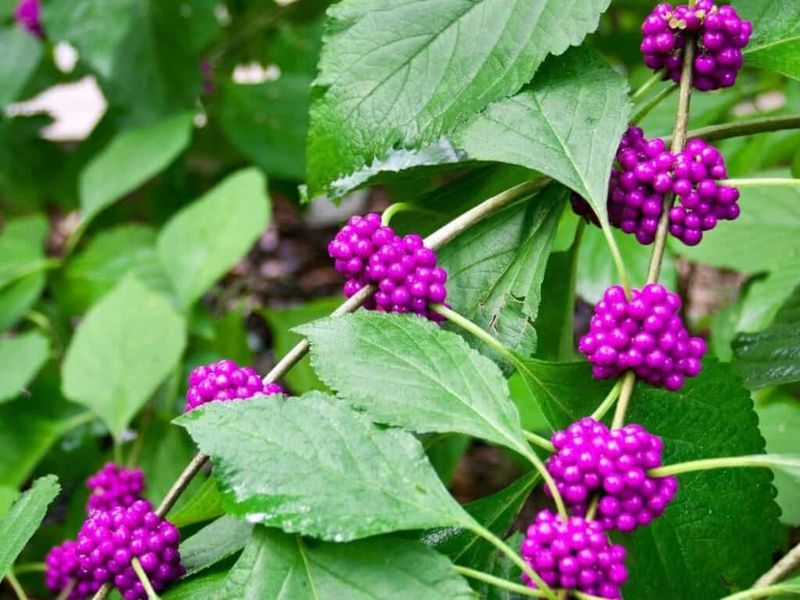
Swapping out Chinese privet for a Texas-friendly native shrub is one of the most rewarding changes a gardener can make. Native shrubs offer the same kind of structure, screening, and seasonal beauty that privet promises, but without the ecological baggage.
And once established, many of them are just as tough and low-maintenance as the invasive plants they replace.
American beautyberry is a fantastic option for Texas gardens. It grows quickly, handles heat well, and produces stunning clusters of bright purple berries in the fall that birds absolutely love.
It fills a similar role to privet as a mid-sized shrub but gives back to local wildlife instead of pushing native plants out.
Yaupon holly is another excellent choice. It is one of the most adaptable native shrubs in Texas, tolerating drought, poor soil, shade, and sun with equal ease.
Female plants produce small red berries that are a favorite among birds through the winter months. It can be pruned into a hedge shape if you want that clean, structured look.
Possumhaw holly brings brilliant winter color with its clusters of orange or red berries, and native viburnums offer beautiful white flower clusters in spring followed by berries that attract wildlife. Elbow bush and native sumacs also work well as screening shrubs in Texas landscapes.
Removing Chinese privet and replacing it with plants like these is one of the most straightforward things Texas gardeners can do to support native plants and wildlife.
Every privet shrub removed and replaced with a native alternative makes the surrounding ecosystem a little stronger, healthier, and more resilient for years to come.