This Pink Flower Is Becoming A Pennsylvania Garden Favorite
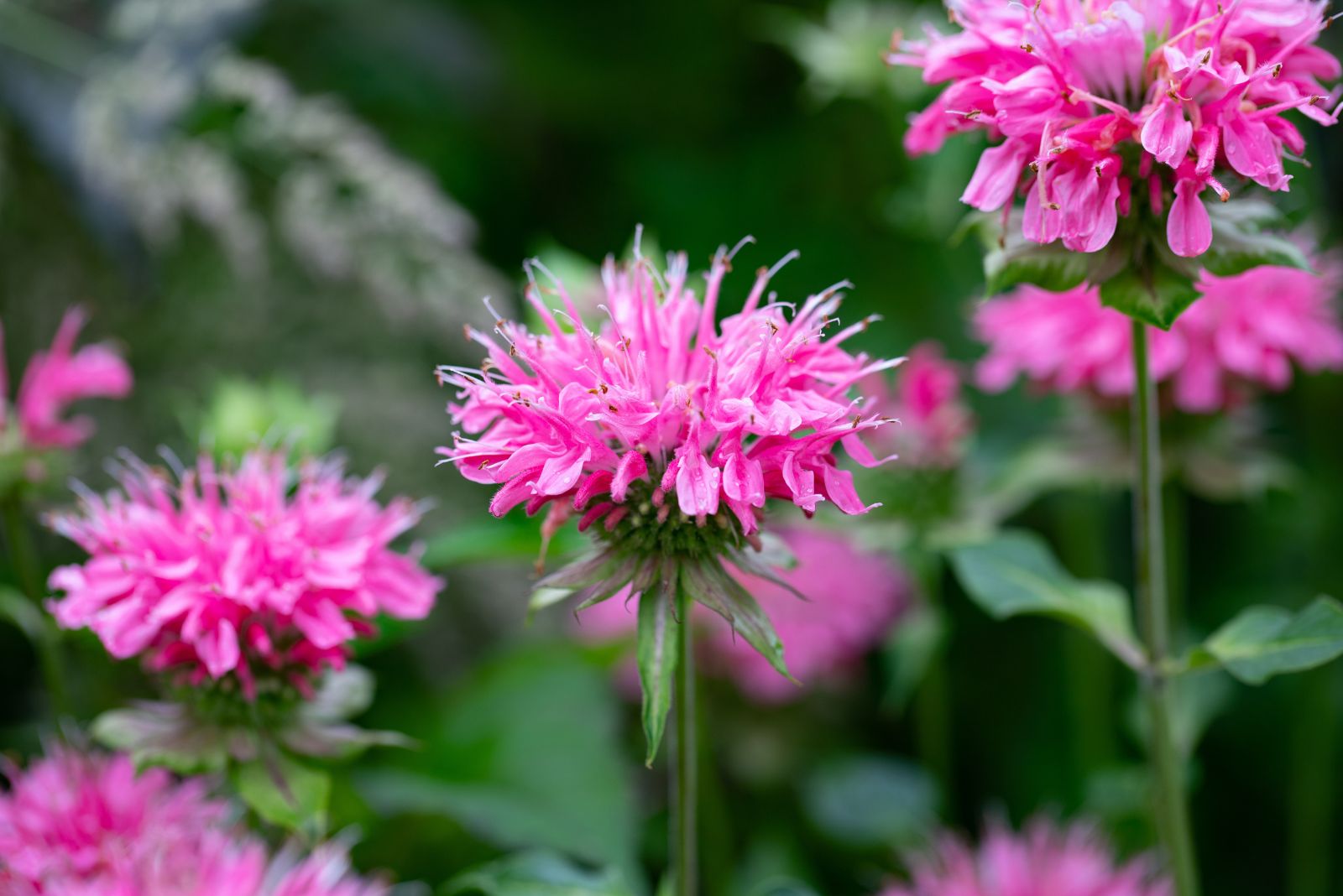
Some flowers have a way of showing up in a garden and instantly making the whole space feel more lively. This one does exactly that, with bright color, a loose natural look, and the kind of energy that draws attention without feeling too formal.
In Pennsylvania, gardeners are starting to notice it more and more, not just because it looks beautiful, but because it brings real life into the yard.
A garden can feel nice on its own, but when bees, butterflies, and hummingbirds start visiting, it feels like something special is happening.
That is a big part of why this flower is becoming such a favorite. Pink bee balm adds a cheerful burst of color while also fitting beautifully into pollinator gardens, cottage-style beds, and more relaxed landscapes.
It has personality, it stands out, and it does more than just sit there looking pretty. For Pennsylvania gardeners who want something eye-catching, useful, and full of seasonal charm, this flower checks a lot of boxes in one easygoing plant.
Why Pink Bee Balm Is Showing Up In More Pennsylvania Gardens
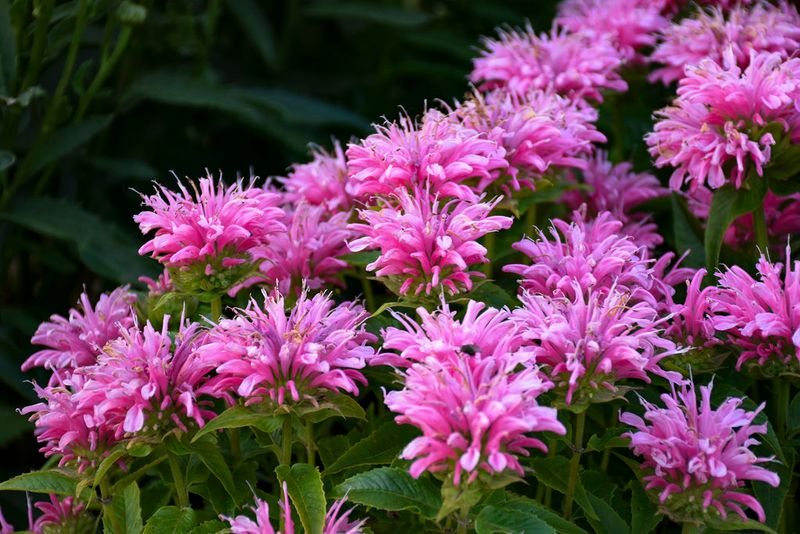
Walk through almost any plant nursery in Pennsylvania this season and you will spot Monarda front and center on the display tables.
Bee balm has been around for a long time, but pink varieties are suddenly getting a lot more attention from home gardeners across the state. Something about this plant just clicks with what Pennsylvania gardeners want right now.
Part of it comes down to a shift in how people think about their gardens. Gardeners are no longer just looking for something that looks nice on a Saturday afternoon.
They want flowers that pull double duty, looking beautiful while also supporting the local ecosystem. Bee balm checks both of those boxes without much effort on your part.
Pink bee balm, in particular, has a softer and more romantic look compared to the classic red varieties.
It fits right into cottage-style gardens, pollinator beds, and even casual backyard plantings without looking out of place. That versatility makes it a smart pick for a lot of different Pennsylvania yard styles.
Monarda didyma, the species most commonly sold in Pennsylvania nurseries, also has deep roots in the region. It is not some exotic plant that needs extra coddling to survive a Pennsylvania summer or a cold winter.
Gardeners here are realizing that this flower is practically made for their climate, and that confidence is helping drive its growing popularity across the state from the suburbs of Philadelphia all the way to the rural western counties.
What Makes It So Appealing
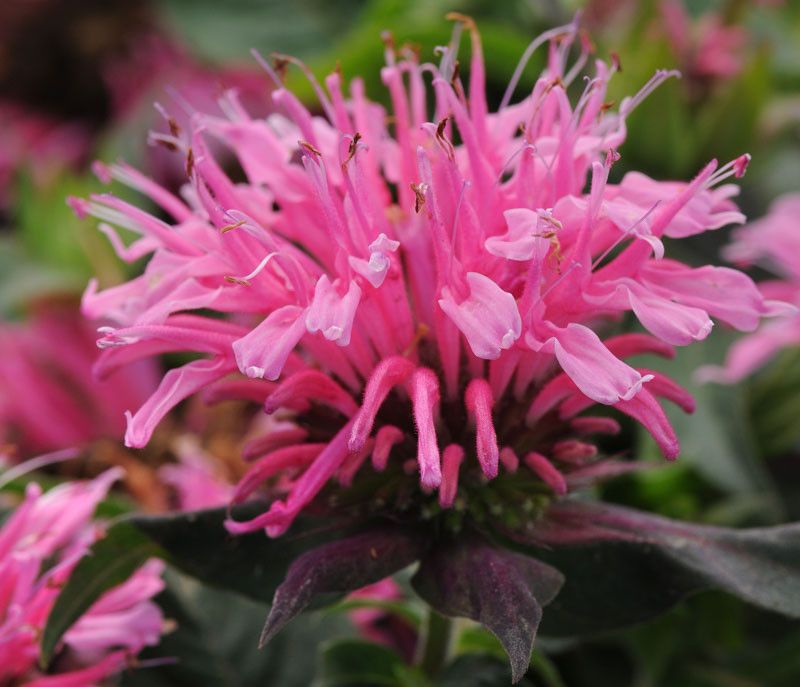
Honestly, the first time you see pink bee balm in full bloom, it stops you in your tracks. The flowers are wild-looking in the best possible way, with spiky, layered petals that fan out like a tiny firework frozen in place.
They do not look like anything else growing in a typical summer garden, and that uniqueness is a big part of the appeal.
Bloom time is another major selling point. Most spring flowers in Pennsylvania are already finished by late June, leaving a noticeable gap in the garden before fall color kicks in.
Your Pennsylvania Garden Changes Every Week. Your Plan Should Too.
Gardening in Pennsylvania changes quickly throughout the season. Every Friday you’ll receive a simple weekly plan showing exactly what to plant, prune, fertilize, harvest, and protect so you never miss the right timing.
Bee balm steps right into that window, blooming through July and into August when color is hard to come by. Having that kind of mid-summer punch in your border is genuinely useful.
Pink selections bring a slightly softer energy than the classic red or purple varieties. The color feels warm and inviting without being overpowering, which makes it easier to mix with other plants in a border.
It pairs beautifully with white coneflowers, purple salvia, and even ornamental grasses for a relaxed, layered look that feels both lively and put-together.
The plant also grows to a decent size, typically reaching two to four feet tall, so it creates real presence in the garden. It is not a filler plant that blends into the background.
Pink bee balm becomes a focal point, drawing the eye and anchoring the middle or back of a border with confidence. For Pennsylvania gardeners who want their summer beds to feel full and alive, it delivers exactly that kind of visual energy.
Why Pollinators Love It
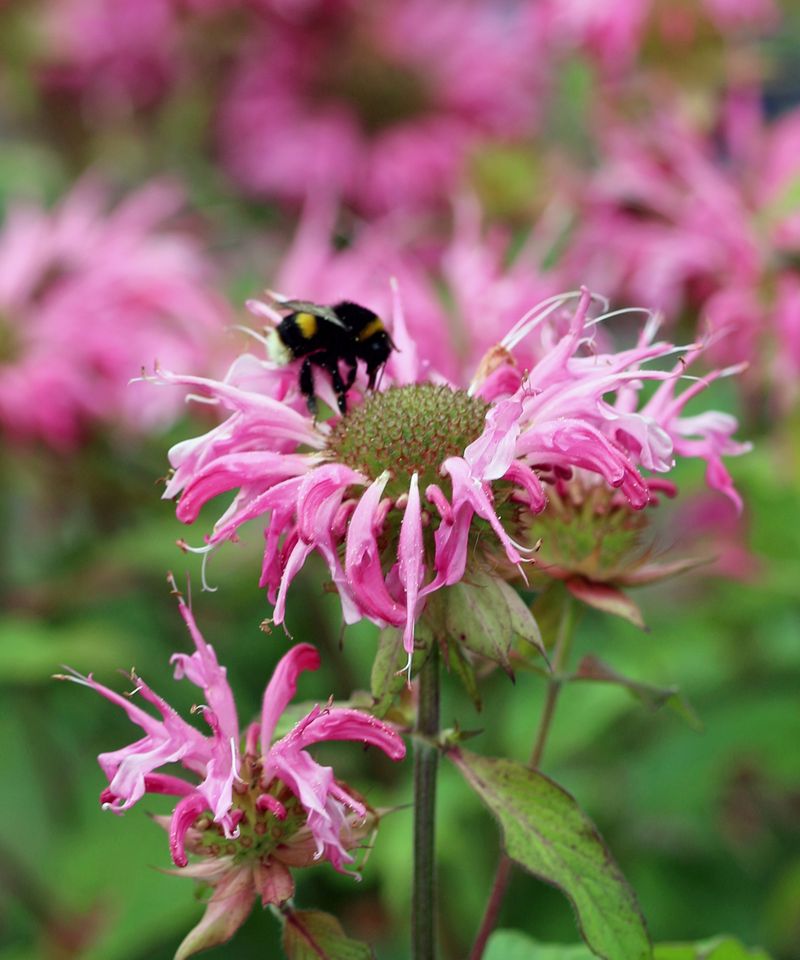
Few flowers in the Pennsylvania garden attract as much wildlife action as bee balm in full bloom. On a warm July afternoon, you can stand next to a patch of Monarda and watch the visitors roll in one after another.
Bumblebees, honeybees, hummingbirds, and several species of butterflies all treat it like a favorite restaurant they keep coming back to all season long.
Hummingbirds are especially drawn to the tubular florets that make up each flower head. The shape is perfectly designed for their long beaks, and the nectar inside is rich enough to keep them coming back day after day.
If you have ever wanted to attract hummingbirds to your Pennsylvania yard, planting bee balm is one of the most reliable ways to make that happen.
Butterflies also find Monarda hard to resist. Swallowtails and fritillaries are frequent visitors, and watching them move from bloom to bloom on a sunny morning is one of the simple pleasures of having this plant in your garden.
It turns an ordinary flower bed into something that feels genuinely alive and connected to the natural world around it.
For Pennsylvania gardeners who care about supporting local ecosystems, this matters a lot. Pollinators have been under pressure for years, and planting flowers like bee balm gives them a reliable food source right in your backyard.
Many gardeners across the state have started building entire pollinator gardens around Monarda as the anchor plant because it does the job so well and looks fantastic while doing it.
Why It Works Well In Pennsylvania
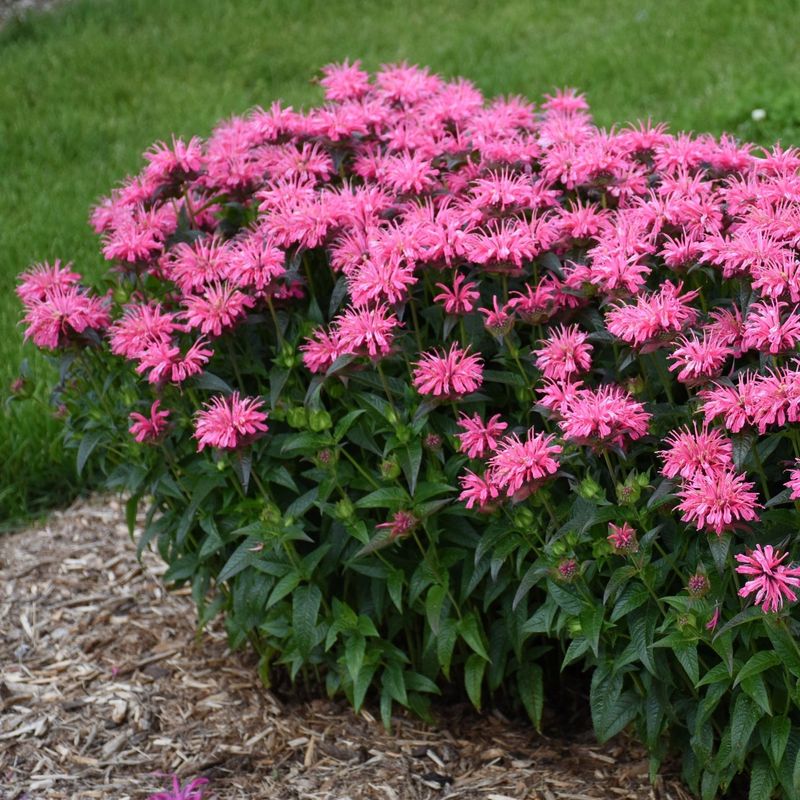
Monarda didyma is not just sold in Pennsylvania, it actually belongs here. This species is native to eastern North America, and it grows naturally in moist woodland edges and meadows across the region.
That native status matters because it means the plant is already adapted to Pennsylvania weather patterns, including the humid summers, cold winters, and unpredictable spring rain that can challenge less hardy plants.
In terms of growing conditions, bee balm is fairly flexible. It does best in full sun to light shade, which covers a huge range of typical Pennsylvania yards.
A spot that gets six or more hours of sun per day will produce the strongest blooms, but even a partially shaded location near a tree line can work well. That adaptability makes it a practical choice for gardeners who do not have perfectly sunny growing conditions.
Moisture is where bee balm really thrives. It prefers consistently moist soil, which is good news for Pennsylvania gardens that receive regular summer rainfall.
You do not need a perfectly irrigated setup to keep it happy. Many gardeners in the state find that their average yard conditions suit bee balm just fine without any extra watering effort during a normal growing season.
Because it is so well suited to the region, bee balm does not feel like a high-maintenance import that needs constant attention. It settles in, spreads gradually, and behaves like a plant that knows it belongs in a Pennsylvania garden.
That sense of ease and reliability is a big reason why more gardeners across the state are choosing to give it a permanent spot in their beds.
What Gardeners Should Know Before Planting It
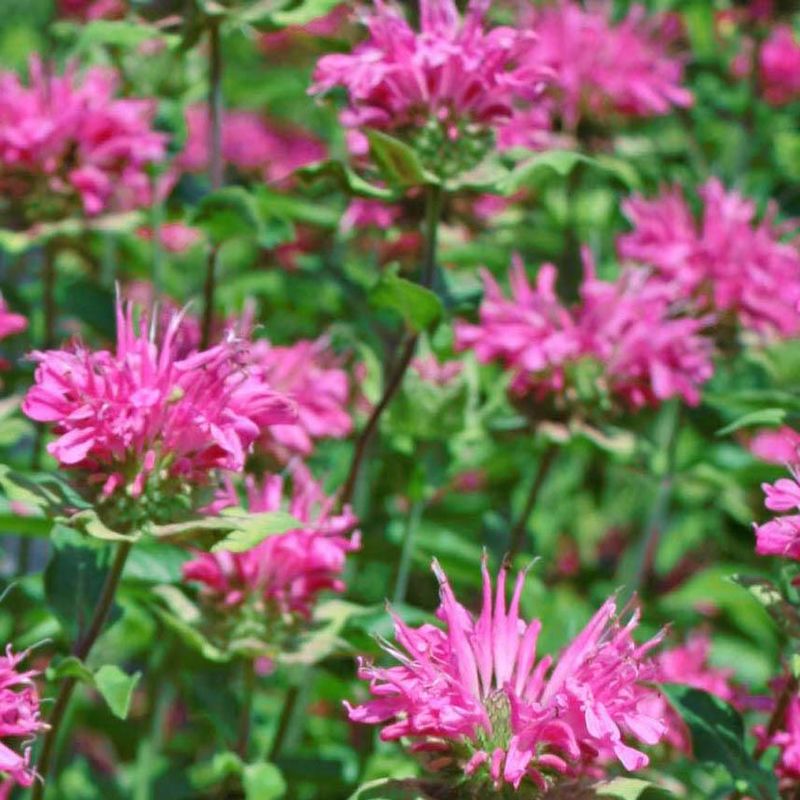
Before you rush out and fill your garden with bee balm, there is one thing worth knowing upfront: this plant can be prone to powdery mildew.
That chalky white coating on the leaves is not dangerous to people or animals, but it can make the plant look rough by late summer, especially in spots where air does not move freely around the foliage. Being aware of this ahead of time helps you set it up for success.
Spacing is the most effective tool you have against mildew problems. Planting bee balm too close together traps moisture around the leaves and creates the kind of stuffy conditions where mildew spreads fast.
Giving each plant at least eighteen to twenty-four inches of space allows air to circulate properly and keeps the foliage healthier through the season. It also gives the plant room to spread naturally, which Monarda tends to do over time.
Choosing the right spot makes a real difference too. A location with morning sun and good airflow is much better than a sheltered corner where the air feels still and damp.
Many Pennsylvania gardeners also find that dividing their bee balm every two to three years keeps it vigorous and less prone to mildew as the clumps get larger and denser.
The good news is that plant breeders have been working on this issue for years. Newer cultivars like Raspberry Wine and Jacob Cline show much stronger mildew resistance than older varieties.
Shopping for one of these improved selections gives Pennsylvania gardeners a much better starting point and a lot more confidence going into their first season with this plant.
Why Pink Bee Balm Is Worth The Space
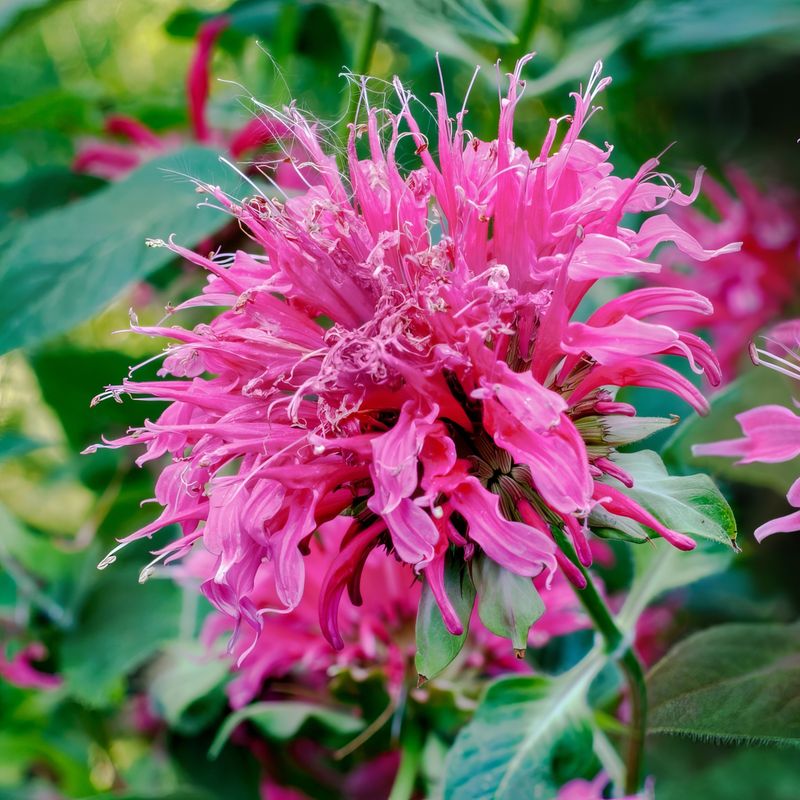
At the end of the day, pink bee balm earns its place in the garden by doing several things at once. It brings bold summer color when most other flowers have already wrapped up for the season.
It attracts bees, butterflies, and hummingbirds with almost no effort on your part. And it grows comfortably in Pennsylvania conditions without needing a lot of fussing or special care to perform well year after year.
That combination is harder to find than it sounds. Plenty of flowers look great but offer nothing to wildlife.
Others attract pollinators but are too finicky about soil or sunlight to be practical for most home gardeners.
Pink bee balm sits in a sweet spot where beauty and function come together in a way that actually works in real Pennsylvania yards, not just in magazine photos.
There is also something genuinely satisfying about watching your garden come alive with activity because of a single plant choice. Once bee balm is established and blooming, your flower bed stops being just a backdrop and becomes a place where things happen.
Hummingbirds hover, bees work, and butterflies drift from flower to flower. That kind of garden energy is something people do not forget.
Modern Pennsylvania gardeners are thinking more carefully about what they plant and why. They want beauty, yes, but they also want their gardens to mean something beyond aesthetics.
Pink bee balm answers that call directly. It is colorful, useful, native-friendly, and built for the Pennsylvania climate. That is exactly the kind of plant worth making room for in your garden this season.