How To Grow Sago Palm Successfully In Coastal And Warm Parts Of North Carolina
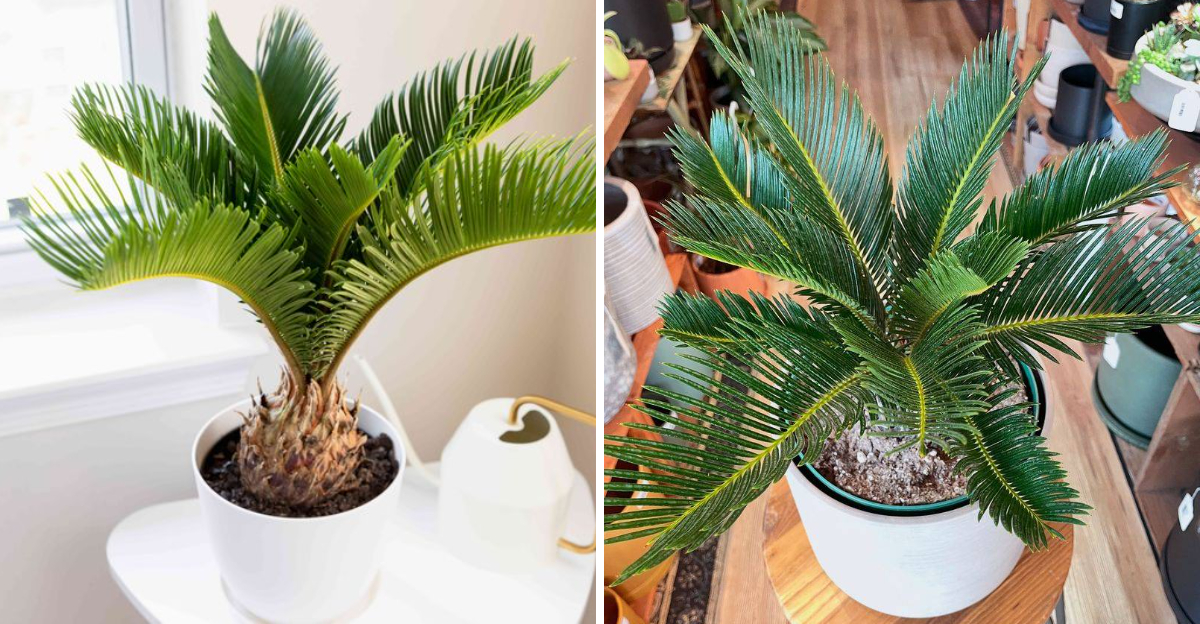
Sago palm brings a bold, tropical look that stands out in many North Carolina landscapes, especially in coastal and warmer areas where conditions are more forgiving.
With its stiff, glossy fronds and slow, steady growth, it can become a striking focal point in yards and containers alike.
But even in these milder parts of the state, it does not always thrive without the right care. Coastal conditions like sandy soil, salty air, and shifting moisture levels can affect how well it grows.
In warmer inland areas, heat and humidity bring their own challenges. Understanding how this plant responds to its environment is key to helping it stay healthy and look its best.
Small adjustments in placement, watering, and soil can make a noticeable difference over time. Once you know what sago palm needs in these regions, you can enjoy a strong, eye catching plant that adds a unique touch to your landscape.
1. Choose The Right Climate Zone First
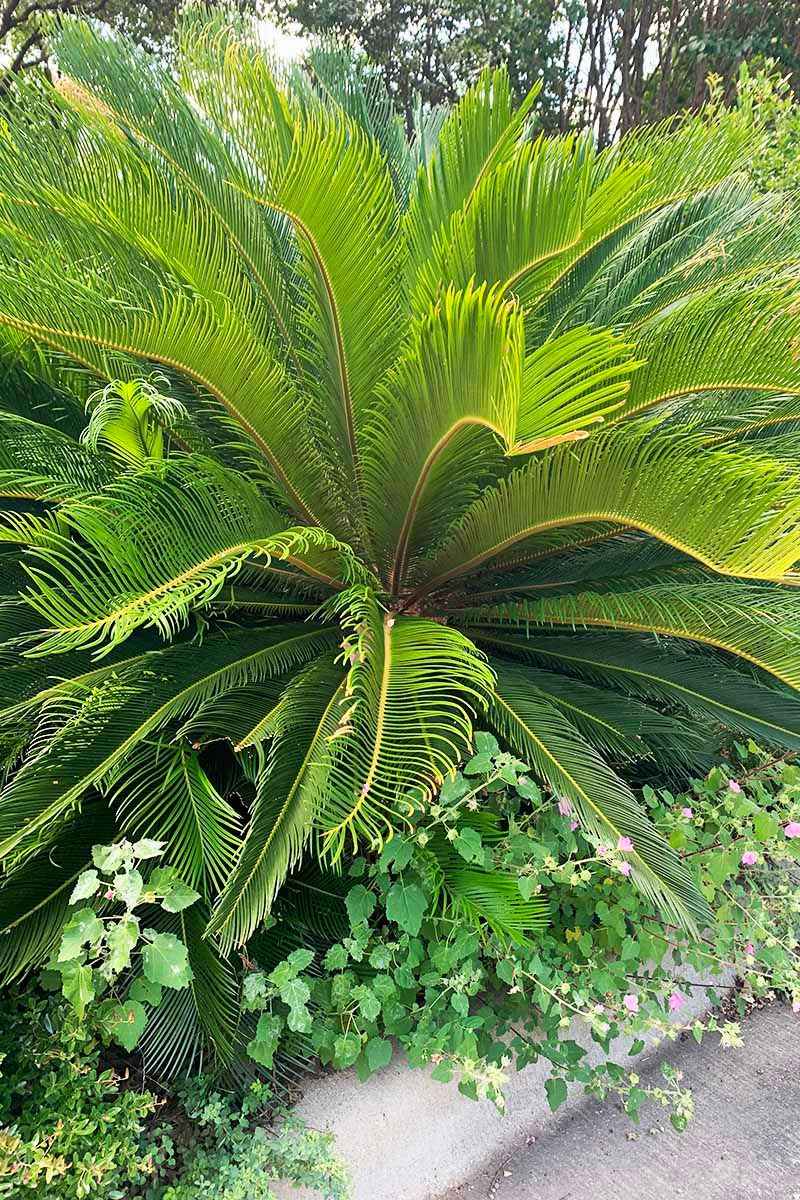
Sago palms are ancient survivors, but they do have their limits when it comes to cold. Knowing your climate zone before planting is the single most important step you can take in North Carolina.
These plants grow reliably only in USDA Zones 8 and 9, which cover the Coastal Plain and the warmest pockets of the southeastern Piedmont.
Coastal North Carolina is a sweet spot for sago palms because winters there are milder and temperature swings are far less dramatic than inland areas.
Cities like Wilmington, New Bern, and Jacksonville sit in that comfortable zone where sago palms can thrive outdoors year-round with minimal protection.
The proximity to the Atlantic Ocean keeps temperatures from dropping too sharply, even during cold snaps.
Sago palms (Cycas revoluta) can handle brief dips down to about 15 to 20 degrees Fahrenheit, but anything colder can cause serious damage to the foliage and growing crown.
Planting in a sheltered spot near a wall or fence adds a layer of warmth that makes a big difference.
Check your local USDA zone map before buying, and you will set yourself up for long-term success. Choosing the right location from the start saves time, money, and frustration down the road.
2. Plant In Well-Drained Sandy Soil
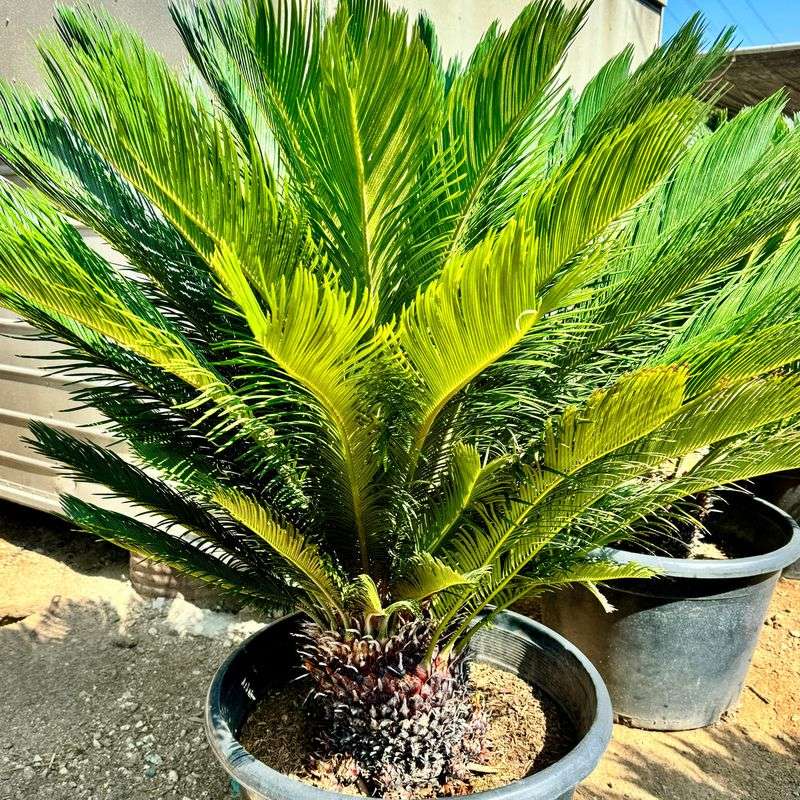
Sandy soil and sago palms were practically made for each other. Along the North Carolina coast, the naturally sandy, loose soil drains quickly after rain, which is exactly what sago palms need to stay healthy and strong.
Their roots are highly sensitive to sitting in wet or waterlogged conditions, so good drainage is not optional.
In heavier clay soils found slightly inland, water tends to pool around the roots and cause decline over time. If your yard has denser soil, building a raised bed or planting on a natural slope can make all the difference.
Mixing in coarse sand or perlite helps loosen compacted soil and improves drainage noticeably. A slightly elevated planting spot also encourages rainwater to flow away from the base naturally.
Coastal North Carolina gardeners have a real advantage here because the native soil already does most of the work. Little to no soil amendment is usually needed in areas around Wilmington or the Crystal Coast.
Your North Carolina Garden Changes Every Week. Your Plan Should Too.
Gardening in North Carolina changes quickly throughout the season. Every Friday you’ll receive a simple weekly plan showing exactly what to plant, prune, fertilize, harvest, and protect so you never miss the right timing.
Aim for a soil pH between 6.0 and 7.0 for best results. Before planting, dig a hole about twice as wide as the root ball but no deeper, and make sure water flows freely through the bottom.
Getting soil conditions right from day one means healthier roots and more vigorous fronds for years to come.
3. Avoid Overwatering Your Sago Palm
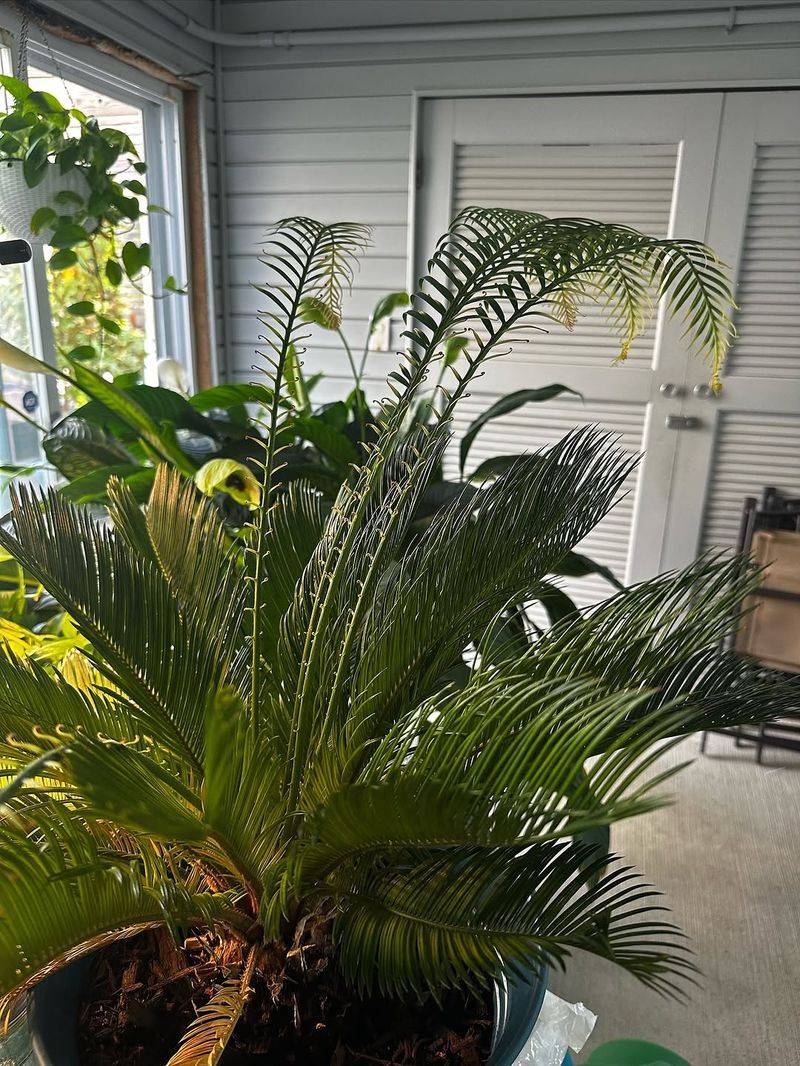
One of the most surprising things about sago palms is how little water they actually want. Once established, these plants prefer to dry out a bit between waterings rather than sit in consistently moist soil.
Overwatering is actually one of the top reasons sago palms struggle in home gardens, even in North Carolina’s warm and humid climate.
During the first growing season after planting, water deeply about once a week to help roots settle in. After that, cut back to watering only when the top two inches of soil feel completely dry.
In coastal North Carolina, summer humidity already delivers moisture through the air, which reduces how often you need to reach for the hose. Rainfall during the warmer months often provides all the water your sago palm needs.
Container-grown sago palms need even closer attention because pots dry out faster but can also retain water at the bottom if drainage holes are blocked. Always empty saucers after watering to prevent standing water from wicking back into the soil.
During the cooler months from November through February, cut back watering significantly since the plant slows down considerably.
Watching the soil rather than following a strict schedule is the smartest watering habit you can build. Your sago palm will reward that patience with steady, healthy growth.
4. Give It Full Sun For Best Results
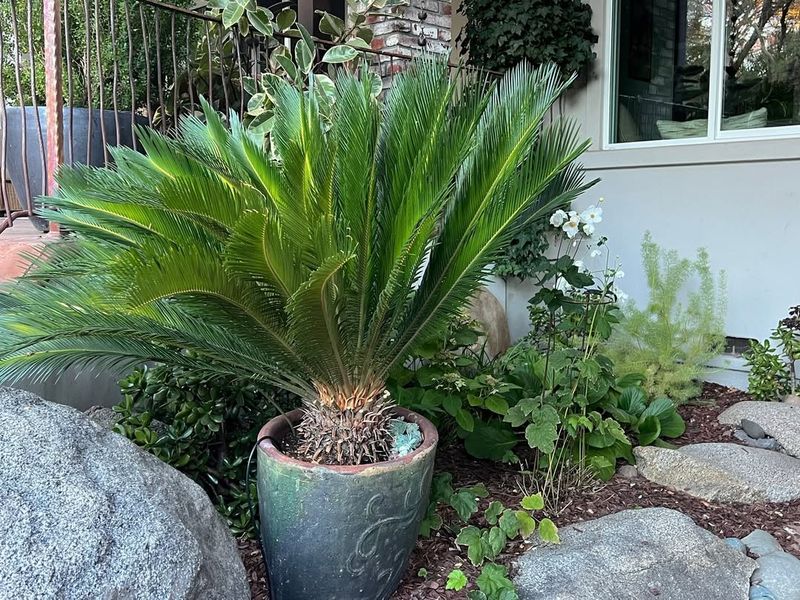
Bright sunshine is like fuel for a sago palm. These plants evolved in open, sunny environments in Japan and southern China, and they carry that love of light with them wherever they grow.
In coastal North Carolina, where sunny days are plentiful, giving your sago palm a spot with at least six hours of direct sunlight each day produces the best, most vibrant fronds.
Full sun encourages compact, upright growth and deep green color in the leaves. Plants grown in too much shade tend to produce long, stretched fronds that look thin and weak.
While light afternoon shade can reduce stress on the hottest summer days in North Carolina, the plant generally performs better with more sun rather than less. A south- or east-facing planting spot captures the most light throughout the day.
Young sago palms benefit from a little protection during their first summer since their root systems are still getting established. Once mature, they handle the full coastal sun like champions.
Avoid planting under large trees where the canopy blocks sunlight for most of the day. Open beds, sunny slopes, and spots near bright walls or fences are ideal choices.
Getting sunlight right makes the difference between a plant that merely survives and one that truly thrives and becomes a showstopper in your North Carolina landscape.
5. Protect Your Plant From Hard Freezes
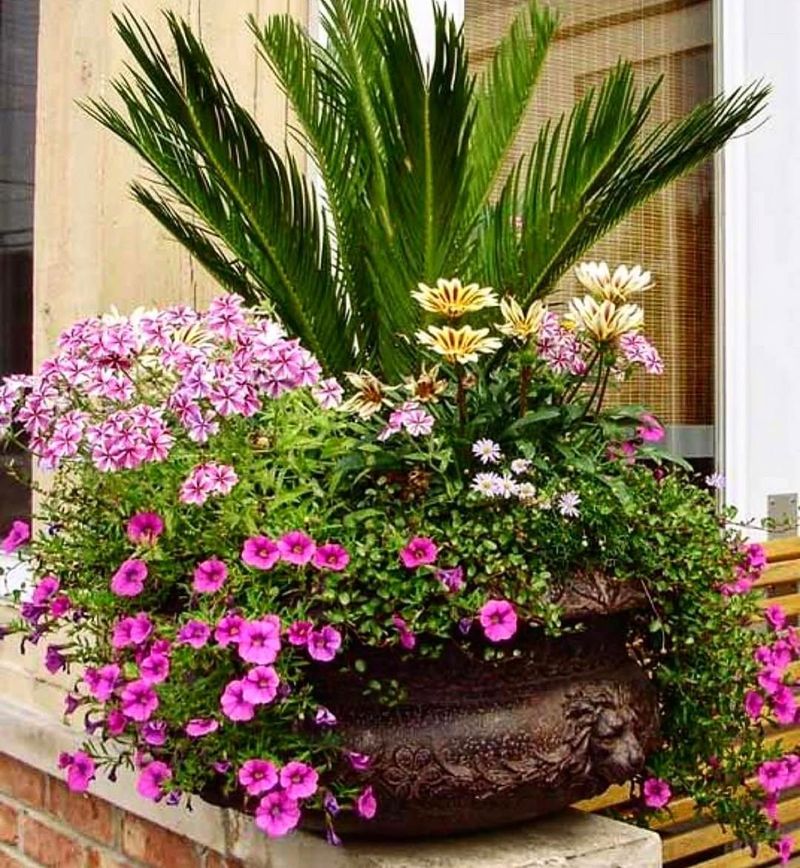
Even the warmest parts of North Carolina are not completely safe from occasional hard freezes.
Coastal areas like Wilmington and the Outer Banks see cold snaps from time to time, and a sudden drop in temperature can damage sago palm fronds or, in severe cases, harm the central growing crown.
Being prepared before a freeze hits is much easier than dealing with the aftermath. Frost cloth or burlap draped loosely over the plant creates a warm pocket of air that protects the foliage from freezing temperatures.
Avoid using plastic sheeting directly against the leaves since it traps moisture and can cause more harm than good.
For younger or smaller plants, a simple overturned bucket or cardboard box can work in a pinch during an overnight freeze. Always remove coverings once temperatures rise above freezing the next morning.
Applying a thick layer of pine straw mulch around the base of the plant before winter arrives adds insulation to the root zone and helps the plant recover faster if the top growth gets nipped by cold.
The most important area to protect is the central crown, which is the growing point at the very top of the trunk.
As long as the crown stays intact, your sago palm can push out fresh new fronds the following spring. A little preparation goes a long way in keeping your North Carolina sago palm looking its best.
6. Feed With A Balanced Palm Fertilizer
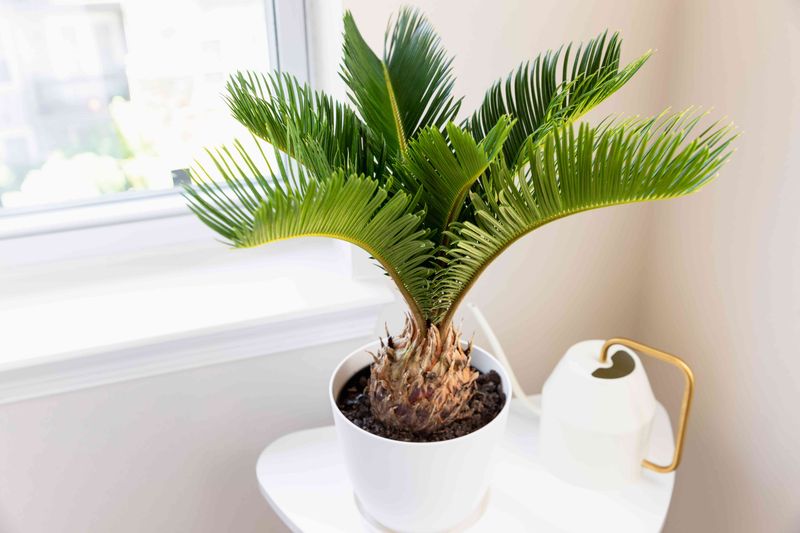
Sago palms are not heavy feeders, but they do appreciate a little nutritional boost during the growing season. A slow-release, palm-specific fertilizer works best because it delivers nutrients steadily over time without shocking the roots.
Look for a formula that includes magnesium and micronutrients like manganese and iron, since deficiencies in these elements are common in the sandy coastal soils of North Carolina.
Apply fertilizer in early spring just as new growth begins to emerge, and again in early summer to support the flush of new fronds. Avoid fertilizing in late summer or fall because you do not want to push new tender growth right before cooler weather arrives.
Follow the package directions carefully and never apply more than recommended, since over-fertilizing can scorch roots and cause long-term damage to the plant.
Yellowing fronds can sometimes signal a nutrient deficiency, especially a lack of manganese, which shows up as yellow streaks on new leaves. A targeted micronutrient spray can address this quickly.
Sandy soils along the North Carolina coast drain nutrients faster than heavier soils, so feeding twice a year keeps your sago palm well-supplied without overdoing it.
Consistent, moderate fertilizing supports strong root development and produces those gorgeous, arching dark green fronds that make sago palms such a standout in any landscape. A well-fed plant simply looks better from season to season.
7. Watch Closely For Scale Insects
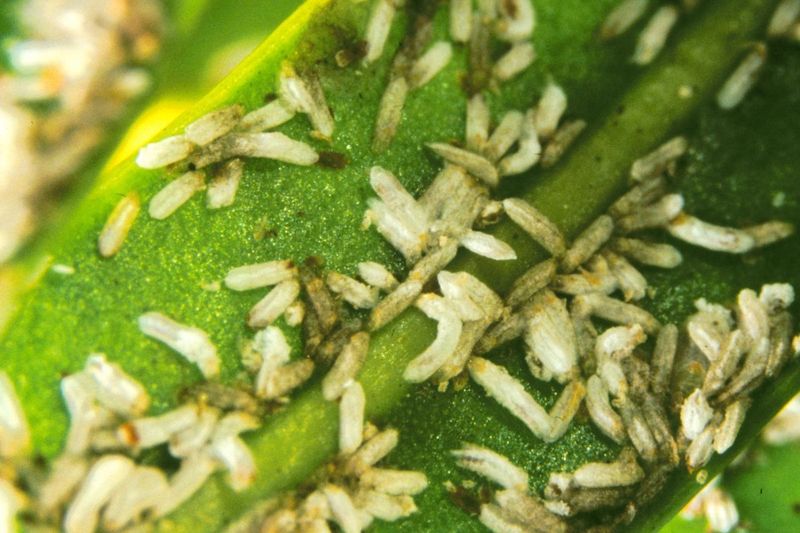
Scale insects are the most serious pest threat sago palms face, and coastal North Carolina’s warm, humid climate creates ideal conditions for them to multiply fast.
These tiny, shell-covered bugs attach themselves to fronds, stems, and even the trunk, sucking out sap and weakening the plant over time.
An infestation can turn a beautiful, healthy sago palm into a struggling, yellowing shadow of itself if left unchecked.
The most common offender is the Asian cycad scale (Aulacaspis yasumatsui), which appears as a dense white coating on the undersides of fronds and along the trunk.
Regular inspection is your best defense, ideally checking your plant every couple of weeks during the warmer months.
Catching an infestation early makes treatment much more manageable and effective. Small infestations can sometimes be wiped off by hand using a soft cloth soaked in rubbing alcohol.
For larger infestations, horticultural oil spray applied thoroughly to all leaf surfaces, including the undersides, smothers scale insects without using harsh chemicals.
Repeat applications every seven to ten days for several weeks may be needed to fully clear a heavy infestation.
Neem oil is another effective and more natural option that works well in North Carolina’s outdoor conditions. Staying consistent with inspections and acting quickly at the first sign of trouble keeps your sago palm healthy and looking sharp all year long.
8. Never Plant In Low Or Wet Areas
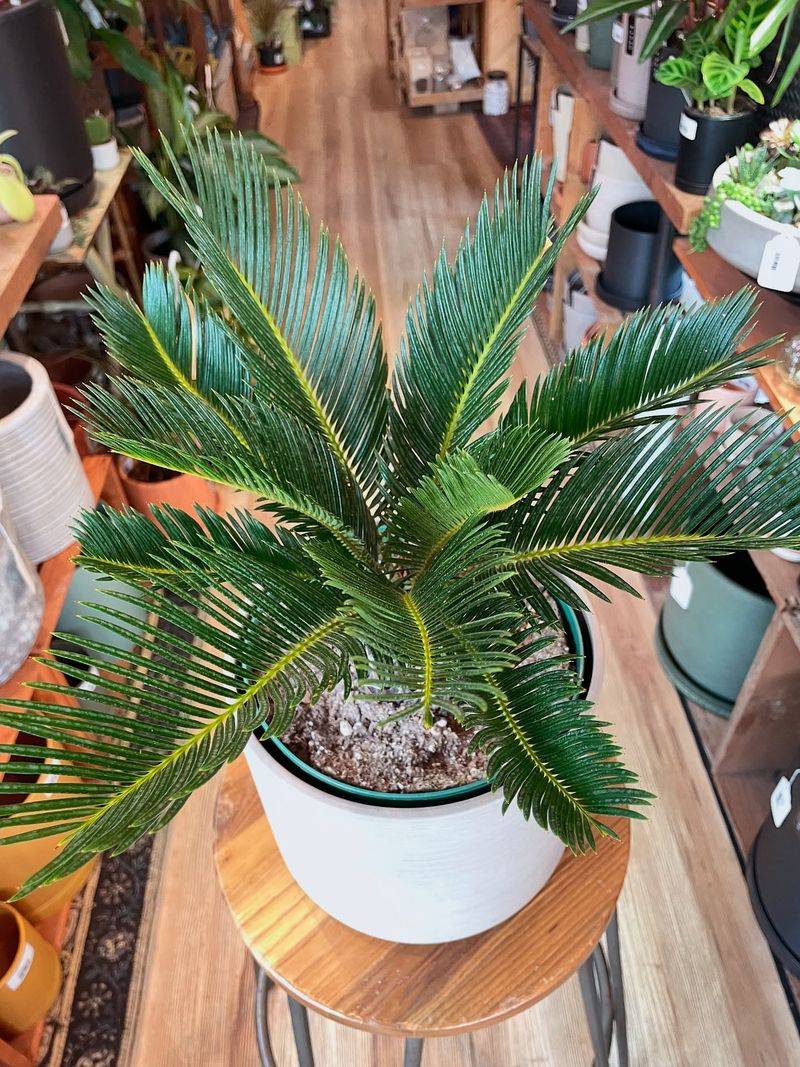
Water is essential for plant life, but too much of it in the wrong place spells trouble for sago palms. These plants absolutely cannot tolerate standing water around their roots for extended periods.
Low spots in the yard, areas near downspouts, and poorly graded garden beds that collect rainwater are exactly where sago palms should never go.
North Carolina’s coastal plain receives generous rainfall, especially during summer storm season, and low-lying areas can stay saturated for days after a heavy rain event. Sago palm roots need oxygen as much as they need moisture, and waterlogged soil suffocates roots quickly.
Even a few days of standing water can trigger root problems that take months to show up as yellowing fronds or a soft, declining trunk base.
Choosing a naturally elevated spot, a gentle slope, or a raised planting bed solves this problem completely.
Building a mound of well-draining soil just six to eight inches above the surrounding grade gives the root zone excellent drainage even during heavy coastal rain events.
Berms and raised island beds are popular landscaping choices in low-lying coastal communities like those along the North Carolina coast for exactly this reason. Before planting, observe how water moves through your yard during a rainstorm.
That simple observation can save your sago palm from years of struggle and keep it growing vigorously in your landscape for a very long time.
9. Be Patient With Its Growth Cycle
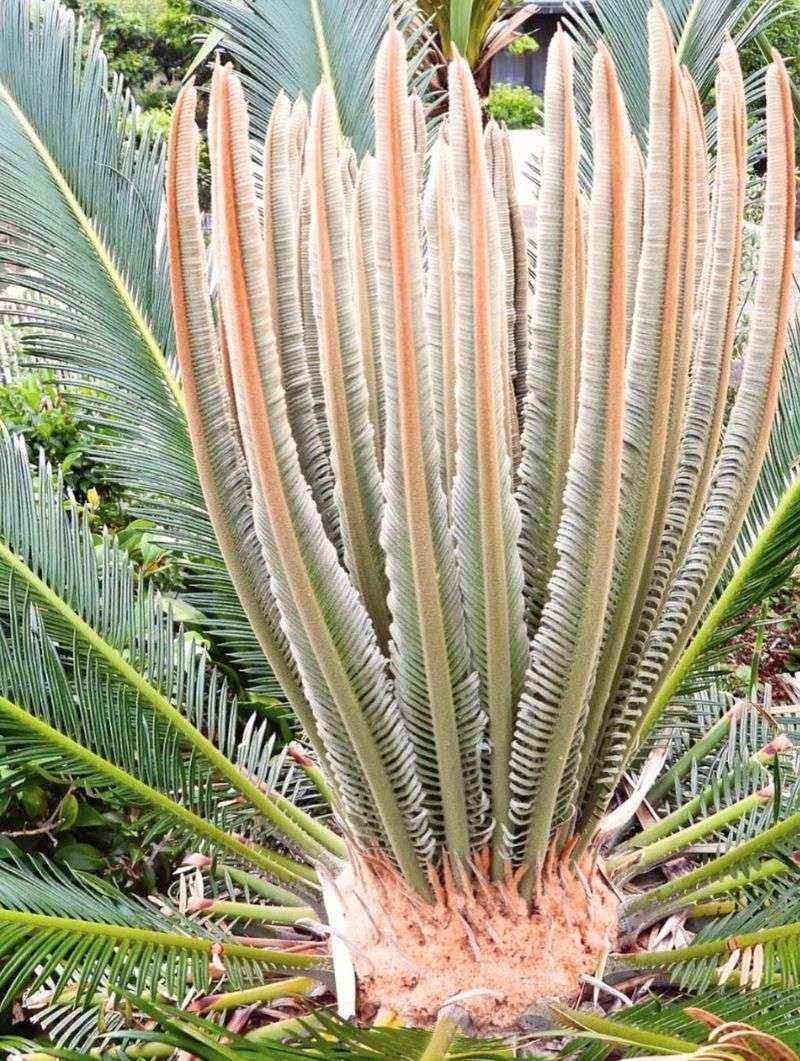
Sago palms operate on their own schedule, and that schedule is nothing like most other garden plants.
Unlike shrubs or perennials that seem to grow a little every week, sago palms grow in distinct flushes, producing a ring of new fronds all at once, typically once or twice a year.
Between those flushes, the plant looks almost completely still, which can make new gardeners nervous for no reason at all.
In coastal North Carolina, the main growth flush usually happens in spring as temperatures warm up and day length increases. A second, smaller flush sometimes occurs in late summer if conditions are favorable.
During these bursts, the new fronds emerge from the center of the crown in a tight cluster called a pup, unfurling over several weeks into the graceful arching leaves that give sago palms their signature look.
Watching this process is genuinely exciting for anyone who has been waiting patiently all winter.
Sago palms also grow very slowly in terms of height, gaining only a few inches of trunk per decade. That slow pace is part of what makes them so long-lived and low-maintenance once established.
A plant that looks small today can become a dramatic landscape centerpiece over the years. Trust the process, keep up with watering and feeding, and your North Carolina sago palm will reward your patience with steady, beautiful growth season after season.
10. Mulch Lightly And Keep It Away From The Trunk
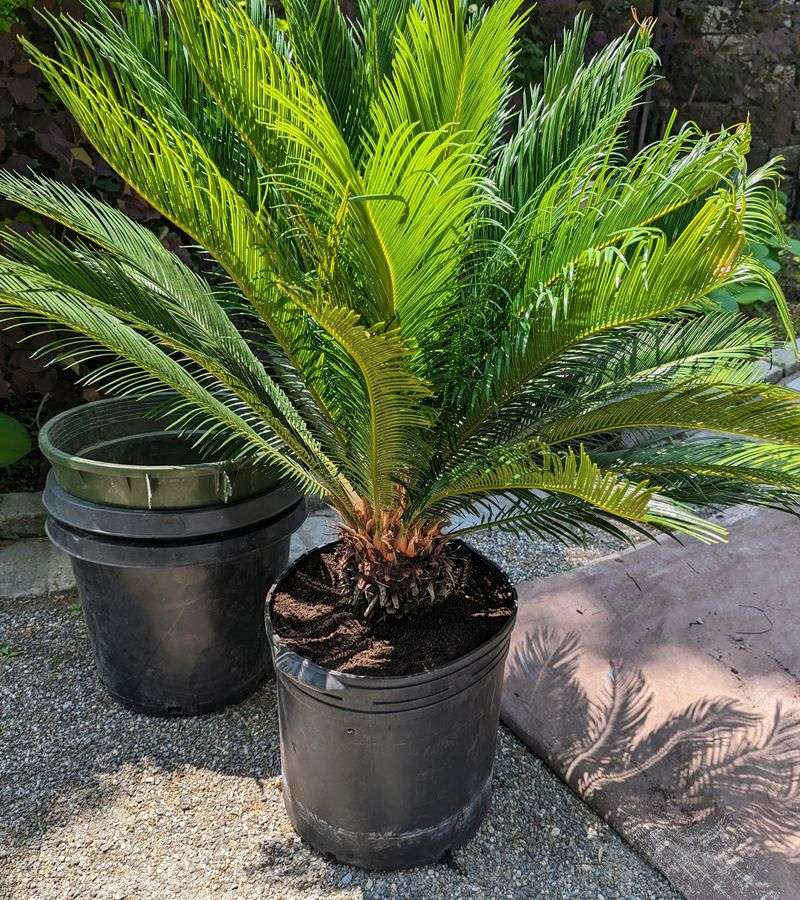
Mulch is a gardener’s best friend in many situations, but with sago palms, a little restraint goes a long way.
Applying too much mulch, or piling it directly against the trunk, creates a warm, moist environment that invites fungal issues and can slowly damage the base of the plant.
In North Carolina’s already humid coastal climate, excess moisture retention around the trunk is something to avoid carefully.
Pine bark mulch or pine straw are both excellent choices for sago palms because they break down slowly and do not compact tightly against the plant.
Apply a layer about two to three inches deep in a ring around the base, keeping it at least four to six inches away from the trunk itself.
That small gap allows air to circulate freely around the base and keeps moisture from sitting directly against the plant’s crown area at soil level.
Mulching does offer real benefits when done correctly. It moderates soil temperature during North Carolina’s occasional cold snaps, reduces weed competition, and helps retain just enough soil moisture between waterings without going overboard.
Refresh the mulch layer once a year in early spring before the growing season begins. Pulling back old mulch before adding new layers prevents buildup over time.
A simple, well-maintained mulch ring keeps your sago palm’s root zone comfortable, healthy, and protected through every season the North Carolina coast throws at it.