These Are The 8 Common Gardening Mistakes Ohioans Make In April
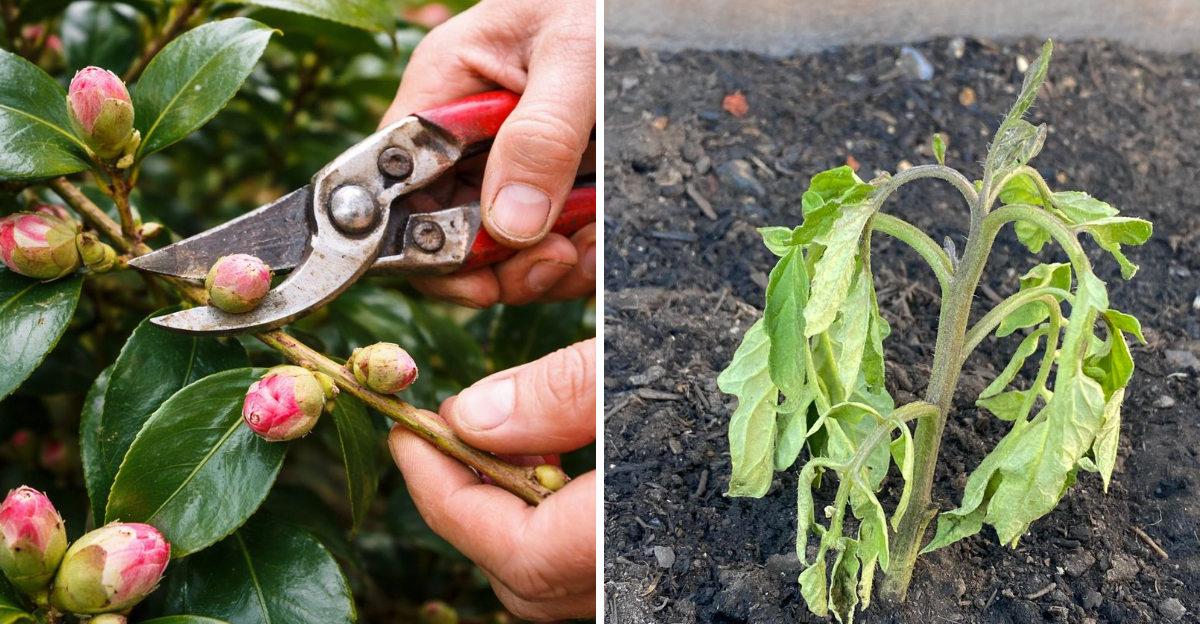
April in Ohio can make even careful gardeners second guess everything. One stretch of warm days pulls you outside, and suddenly it feels like the season is already in full swing.
It is the time of year when enthusiasm takes over. Garden centers are packed, soil starts to dry out, and every sunny afternoon feels like a green light to plant, prune, and tidy up all at once.
But Ohio spring has a habit of changing its mind just as quickly. Cold snaps, soggy soil, and shifting temperatures can turn well timed efforts into setbacks before you even notice.
Many of the most common mistakes happen right now, often with the best intentions behind them.
A move that seems harmless in April can quietly affect growth, blooms, and plant health weeks later. Slow down, read the signals carefully, and your garden will have a much better chance to thrive through the rest of the season.
1. Planting Too Early And Losing Crops To Late Frost
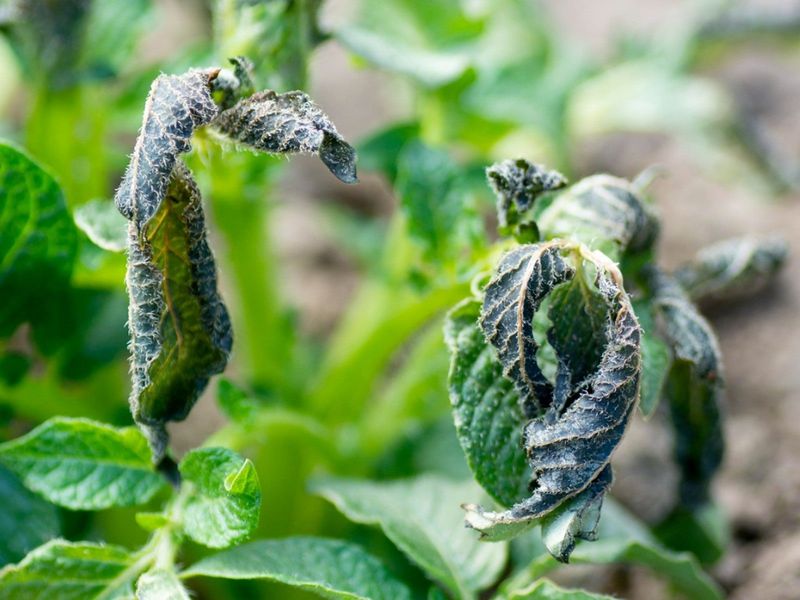
One of the most tempting things about a warm April day in Ohio is the urge to get seeds and transplants into the ground right away. The sunshine feels convincing, the air smells like spring, and the garden center shelves are fully stocked.
But Ohio’s last frost dates are not a single fixed point on the calendar.
According to Ohio State University Extension, the average last frost date varies significantly across the state. Southern Ohio counties around Cincinnati may see their last frost around mid-April, while northern Ohio near Cleveland can experience frost well into May.
A warm spell in early April does not mean frost season is finished, and a single cold night can wipe out young tomato, pepper, or basil transplants that were just getting started.
The safest approach is to check your specific county’s average last frost date using the OSU Extension resources or the National Weather Service. Soil temperature also matters as much as air temperature.
Even if nights stay above freezing, cold soil slows germination and stresses young roots. Use a soil thermometer to verify that temperatures are consistently above 50 degrees Fahrenheit before planting warm-season crops.
Starting seeds indoors and hardening off transplants gradually gives them the best chance once they do go outside.
2. Fertilizing Too Early And Wasting Your First Lawn Feeding
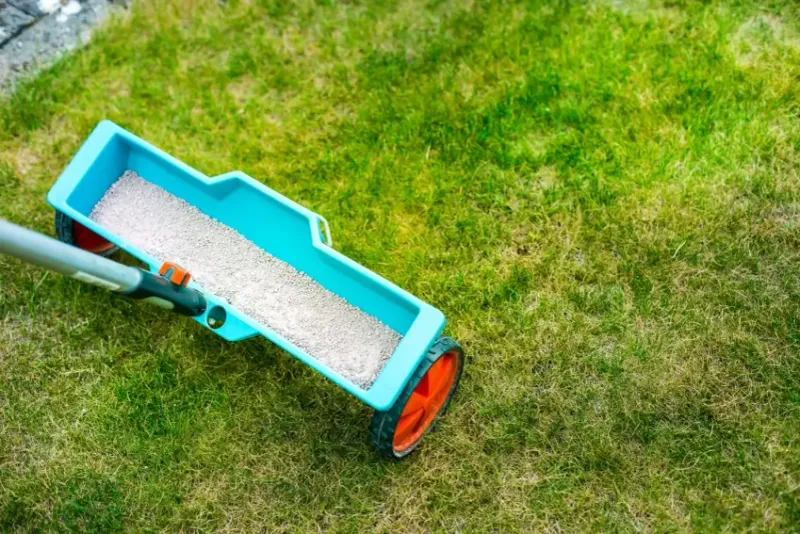
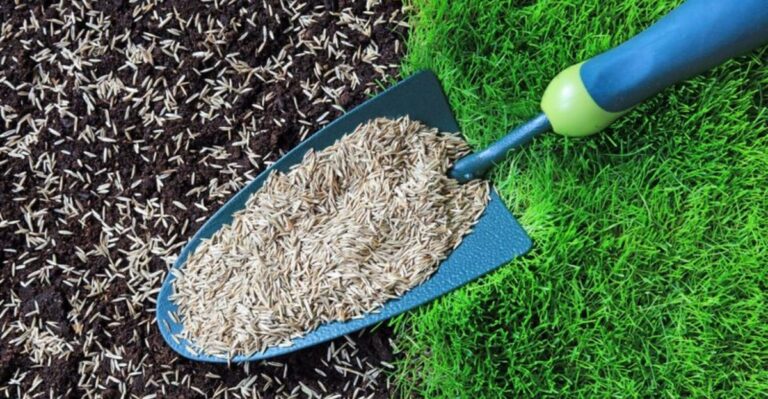
Walking outside to see a dull, patchy lawn after a long Ohio winter makes the urge to fertilize almost impossible to resist. Bags of lawn fertilizer are everywhere in April, and it feels logical to feed your grass as soon as the snow is gone.
The problem is that cool-season grasses like Kentucky bluegrass, tall fescue, and perennial ryegrass, which are the most common lawn types in Ohio, are not ready to absorb nutrients when soil temperatures are still cold.
Ohio State University Extension advises that early spring fertilizer applications, especially nitrogen-heavy ones, often do more harm than good. When soil temperatures sit below 50 degrees Fahrenheit, grass roots are still largely dormant and cannot take up nutrients efficiently.
Your Ohio Garden Changes Every Week. Your Plan Should Too.
Gardening in Ohio changes quickly throughout the season. Every Friday you’ll receive a simple weekly plan showing exactly what to plant, prune, fertilize, harvest, and protect so you never miss the right timing.
The nitrogen simply leaches through the soil or runs off with spring rains, wasting your money and potentially contributing to water quality issues in nearby streams and watersheds.
A better approach is to wait until soil temperatures reach at least 55 degrees Fahrenheit consistently, which in most parts of Ohio typically happens in mid to late April or even early May.
A light application of a slow-release fertilizer at that point supports steady growth without pushing excessive leafy growth at the expense of root development.
Testing your soil first helps you apply only what your lawn actually needs.
3. Pruning Spring Bloomers And Cutting Off This Year’s Flowers
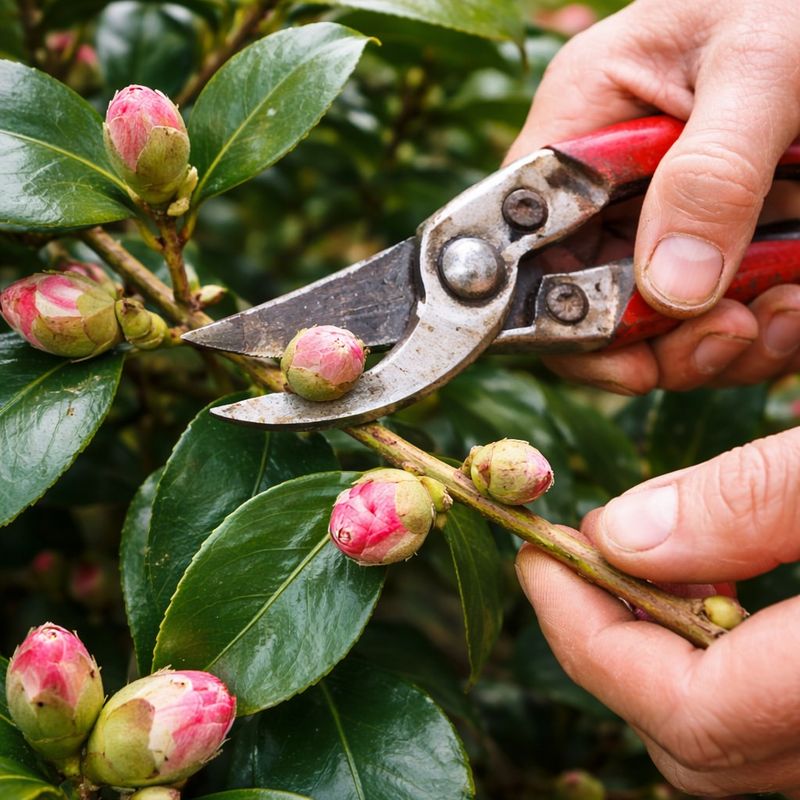
Few pruning mistakes sting quite like cutting back a forsythia or lilac in early April, only to realize weeks later that you just removed every flower bud the plant had been developing since the previous summer.
Spring-blooming shrubs set their flower buds in the fall, which means those buds are already on the branches when April arrives.
Pruning before bloom removes them entirely, leaving you with green leaves and no flowers for an entire season.
Ohio State University Extension recommends pruning spring-blooming shrubs immediately after they finish flowering, not before.
For forsythia, that window typically falls in late March through early April across southern Ohio, and slightly later in northern Ohio.
Lilacs generally bloom in May, so the pruning window for those shifts later in the season. Timing varies by location and year depending on how mild or cold winter was.
If your shrubs are overgrown or need shaping, the best strategy is to wait until the blooms fade and then prune within a few weeks of that point. That gives the plant the entire growing season to develop new growth and set buds for the following year.
Light shaping is generally less disruptive than hard cutting, and removing no more than one-third of the plant at a time keeps it healthy and productive for years to come.
4. Working Wet Soil And Damaging Its Structure For Months
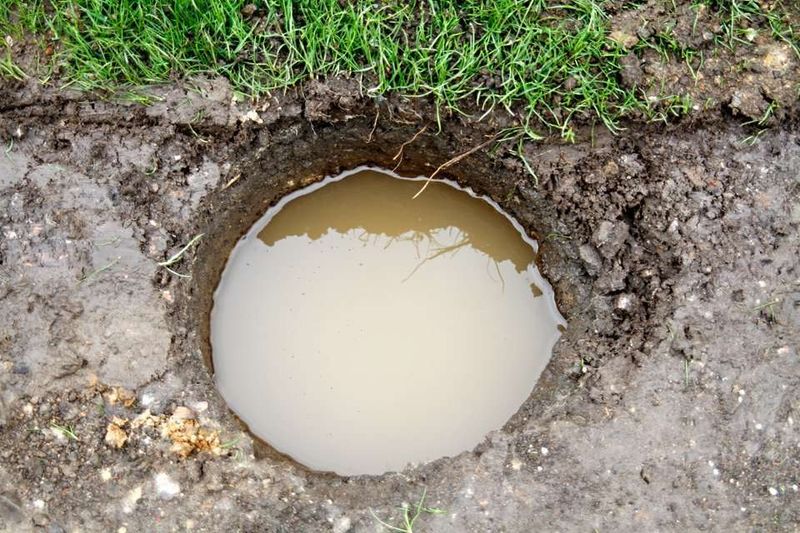
April in Ohio is a rainy month, and the combination of snowmelt and spring showers means garden soil stays saturated for longer stretches than most gardeners expect. Getting out there to dig, till, or plant the moment the calendar says spring feels productive.
But stepping into wet soil or running a tiller through it causes compaction and structural damage that can affect your garden all the way into summer.
Ohio is well known for its heavy clay soils, particularly in central and western parts of the state. Clay holds water tightly and takes much longer to drain than sandy or loamy soils.
When you work clay soil while it is wet, the particles smear together and collapse the air pockets that roots depend on for oxygen and water movement.
The result is dense, clumped soil that drains poorly and resists root penetration for weeks or even months after the damage is done.
The simple test is to grab a handful of soil and squeeze it into a ball. If it stays in a tight clump and does not crumble when you poke it, the soil is too wet to work.
Wait for a few dry days and test again. Raised beds with amended soil tend to drain faster and become workable sooner than in-ground clay beds, which is one reason many Ohio gardeners find them worth the initial setup effort.
5. Planting Vegetables Without Checking Soil Temperature
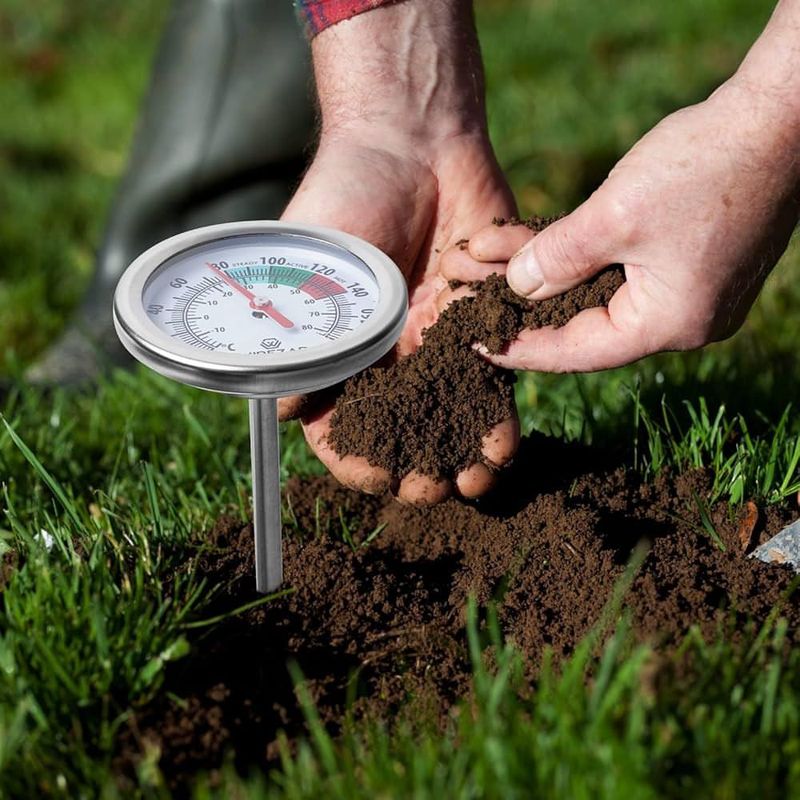
There is a common assumption that if the air feels warm enough, the soil must be ready too. April air temperatures in Ohio can climb into the 60s and even 70s on good days, which makes it feel like prime planting time.
But soil warms up much more slowly than air, and planting vegetable seeds or transplants into cold soil leads to poor germination, stunted growth, and frustration that could have been avoided with a simple check.
Different vegetables need different minimum soil temperatures to germinate and grow well. Lettuce, spinach, and peas can tolerate cooler soil around 40 to 45 degrees Fahrenheit, making them good candidates for early April planting in most Ohio regions.
Tomatoes, peppers, cucumbers, and squash need soil temperatures closer to 60 degrees Fahrenheit or warmer to establish properly.
Planting warm-season crops before that threshold is met often results in seeds that sit dormant, rot, or produce weak seedlings that struggle to catch up even after conditions improve.
A basic soil thermometer costs just a few dollars and takes the guesswork out of timing. Check the temperature a few inches below the surface, where roots will actually grow.
OSU Extension also notes that soil in raised beds and south-facing garden spots warms faster than shaded or low-lying areas.
Regional differences across Ohio mean southern gardeners may reach those benchmarks a few weeks earlier than those in the northern part of the state.
6. Overwatering During Cool Weather And Stressing Plants
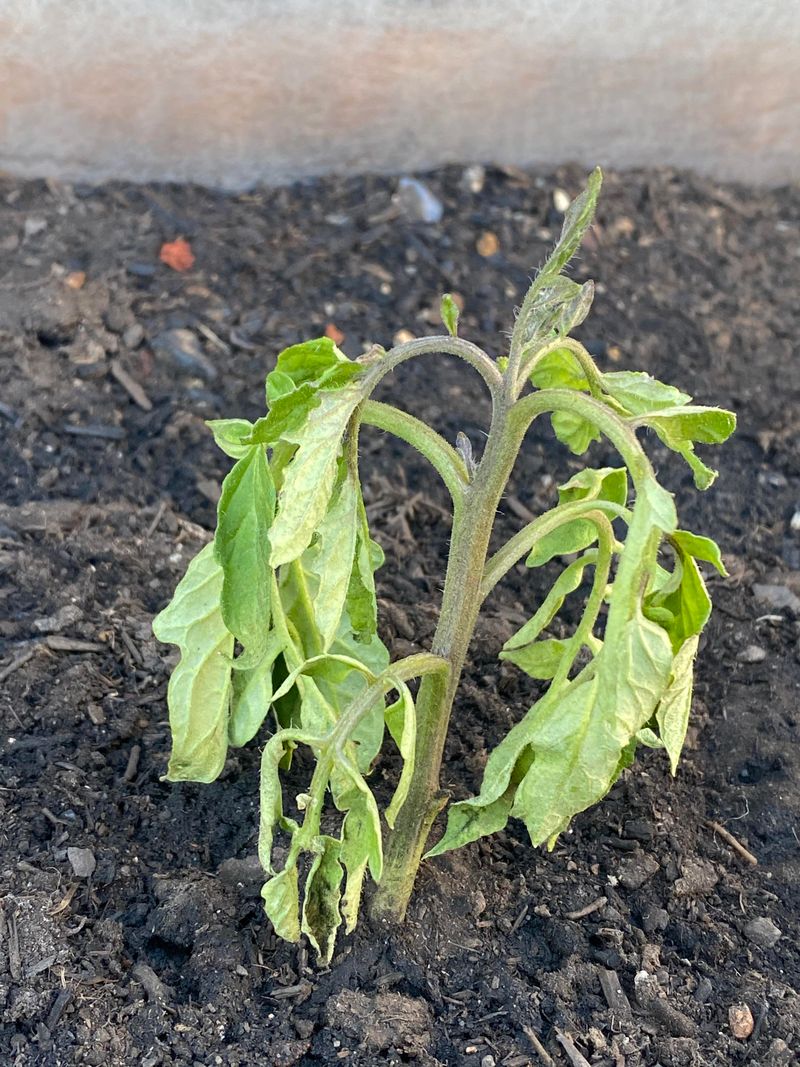
Watering is one of those garden tasks that feels helpful almost by default. If plants look a little droopy or the soil surface looks dry, the instinct is to grab the hose.
But in April, when Ohio temperatures are still cool and cloudy days are frequent, water evaporates from the soil much more slowly than it does in summer. Giving plants the same amount of water you might use in July can quickly lead to soggy root zones and stressed plants.
Roots sitting in consistently wet, cool soil are vulnerable to fungal problems and root stress that weakens the whole plant. Cool temperatures slow the rate at which roots absorb both water and oxygen, so excess moisture has nowhere to go.
Ohio’s spring rainfall patterns already deliver a good amount of moisture in April, particularly in the northeastern part of the state near the lake. Before reaching for the hose, check soil moisture a couple of inches below the surface rather than judging by the surface alone.
A straightforward finger test works well: press your finger about two inches into the soil, and if it feels moist at that depth, skip watering for that day. Containers and raised beds may dry out faster than in-ground gardens and may need more frequent monitoring.
Letting the soil guide your watering schedule rather than following a fixed routine helps plants stay healthier through Ohio’s unpredictable spring weather patterns.
7. Leaving Soil Bare When It Needs Protection Most
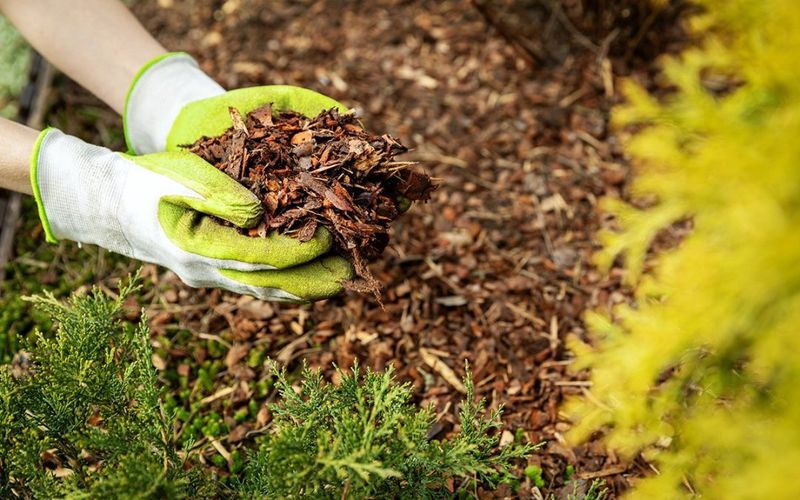
Bare soil in April might not look like a problem at first glance. The garden beds are cleaned up, the plants have not filled in yet, and there is plenty of room to see what is happening.
But bare soil in spring is actually quite vulnerable, and leaving it exposed through April can cause issues that compound as the season moves forward.
Rain hits bare soil directly, breaking up the surface and causing compaction over time. In Ohio, where April showers are reliable and sometimes heavy, exposed soil erodes and loses the loose, crumbly texture that roots love.
Weed seeds also find bare soil extremely easy to germinate in, and by the time your vegetable transplants or perennials are getting established, the weeds already have a significant head start.
Soil temperature also fluctuates more dramatically without a layer of protection above it.
Applying two to three inches of organic mulch such as shredded wood, straw, or compost around plants and across open bed areas addresses several problems at once.
Mulch holds moisture in the soil, moderates temperature swings, suppresses weed germination, and gradually breaks down to improve soil structure over time.
Ohio State University Extension recommends keeping mulch a few inches away from plant stems to prevent moisture buildup directly against them. Mulching in April, before weeds take hold, is far easier than trying to manage them once they are established.
8. Ignoring Early Pests Until They Get Out Of Control
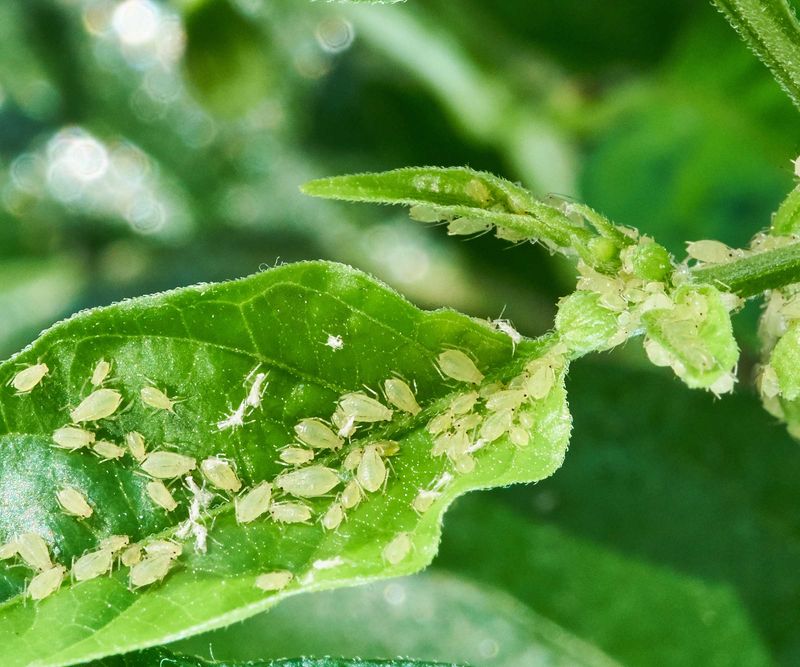
April feels like a fresh start, and it is easy to assume the garden is too young and new for pest problems to show up yet. The reality is that many common Ohio garden pests become active in early spring and can establish large populations surprisingly fast when conditions are right.
Aphids are a classic example. A small cluster on a new plant stem in early April can multiply into a full-blown infestation within a couple of weeks if left unchecked.
Aphids reproduce rapidly in mild spring temperatures, and soft new plant growth in April gives them exactly the kind of tender tissue they prefer.
Other early-season pests to watch for in Ohio gardens include slugs, which thrive in cool, moist conditions, and overwintered scale insects on woody plants.
Checking plants regularly during April, rather than waiting until damage becomes obvious, gives gardeners a much better chance of managing problems before they escalate.
Early intervention does not necessarily mean reaching for pesticides right away.
Physically removing aphids with a strong stream of water, hand-picking slugs in the evening, and encouraging beneficial insects by planting diverse flowering plants are all practical first steps.
OSU Extension recommends an integrated pest management approach, which starts with monitoring and moves toward treatment only when pest populations cross a threshold that causes real damage.
Catching problems in April keeps the rest of the growing season much more manageable.