Perennial Flowers That Keep Your Pennsylvania Garden Blooming From Spring To Fall
A garden that keeps showing color from spring all the way into fall feels like a real win in Pennsylvania. Instead of one big burst of blooms followed by months of waiting, the right perennials can keep the yard looking lively through nearly the whole growing season.
That kind of steady beauty is hard to beat, especially when you want flower beds that stay interesting without having to replant everything every few weeks. A smart mix of long-performing perennials can do a lot of the work for you.
That is part of what makes these plants so satisfying to grow. Once they are established, many of them come back year after year and keep putting on a show with far less effort than annuals.
Some start early, some hit their stride in summer, and some carry the garden right into cooler weather. When you combine them well, the whole space feels fuller, more colorful, and much more alive for longer.
For Pennsylvania gardeners who want lasting blooms without constant starting over, these perennials can make the season feel a whole lot more rewarding.
1. Black-Eyed Susan (Rudbeckia)
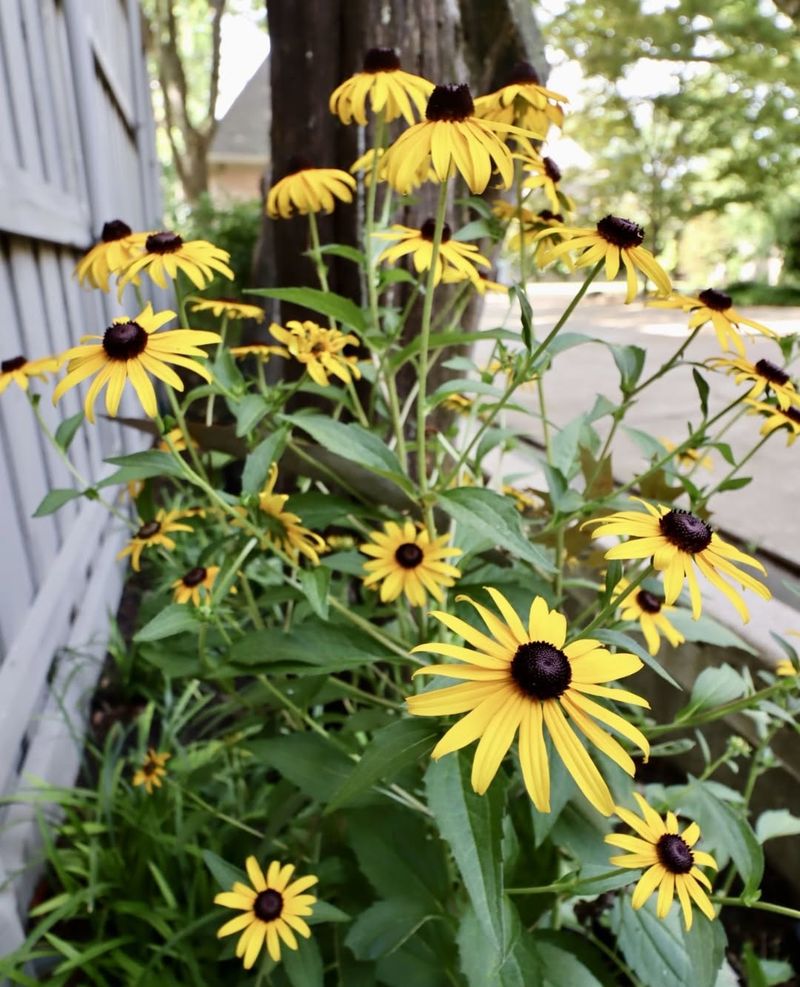
Sunny, bold, and impossible to ignore, Black-Eyed Susans are one of the most cheerful sights in any Pennsylvania garden.
These golden-yellow flowers with their dark, almost chocolate-colored centers start showing up in mid-summer and keep blooming well into fall. They feel like a little burst of sunshine even on cloudy days.
Black-Eyed Susans grow well in almost any type of soil, which makes them a top pick for gardeners across Pennsylvania. Whether your yard gets full sun or just partial sun, these flowers will still thrive.
They are also very drought-tolerant, meaning they can handle those dry Pennsylvania summers without much extra watering from you.
Another great thing about this plant is that it attracts bees, butterflies, and even goldfinches. Planting them in clusters creates a striking visual effect and gives pollinators a reliable food source.
You can deadhead the spent blooms to encourage more flowers, or leave the seed heads in place for birds to enjoy through the cooler months.
These low-maintenance beauties are a perfect starting point for beginner gardeners anywhere in Pennsylvania who want big color without a lot of fuss.
2. Coneflower (Echinacea)
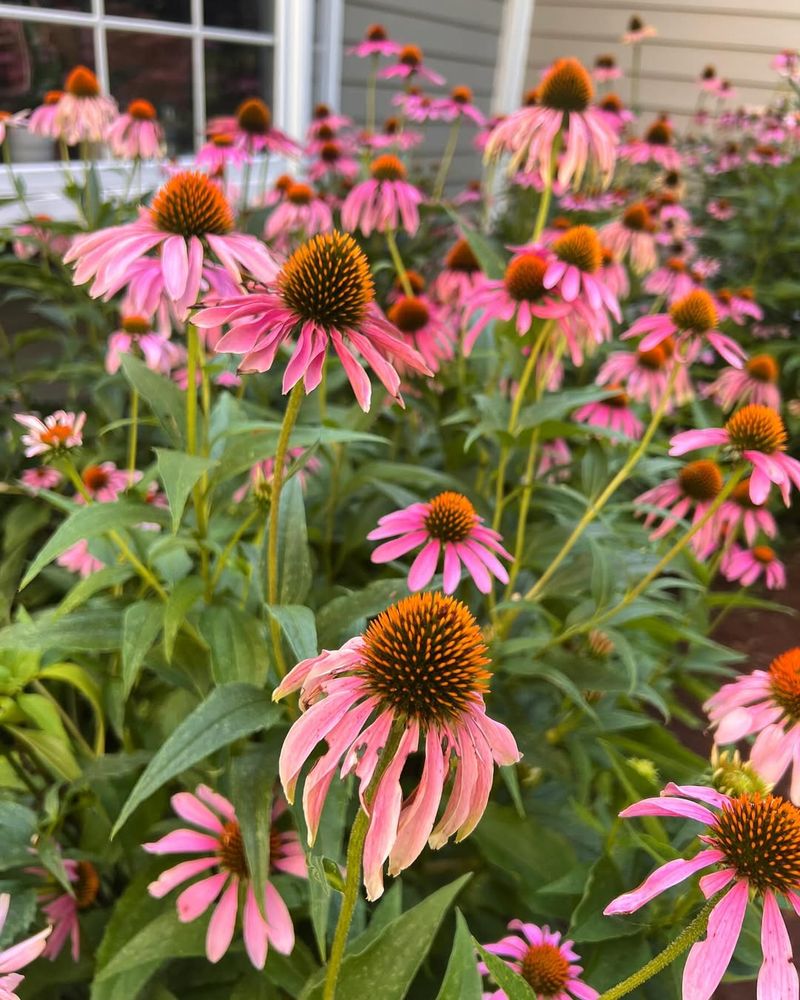
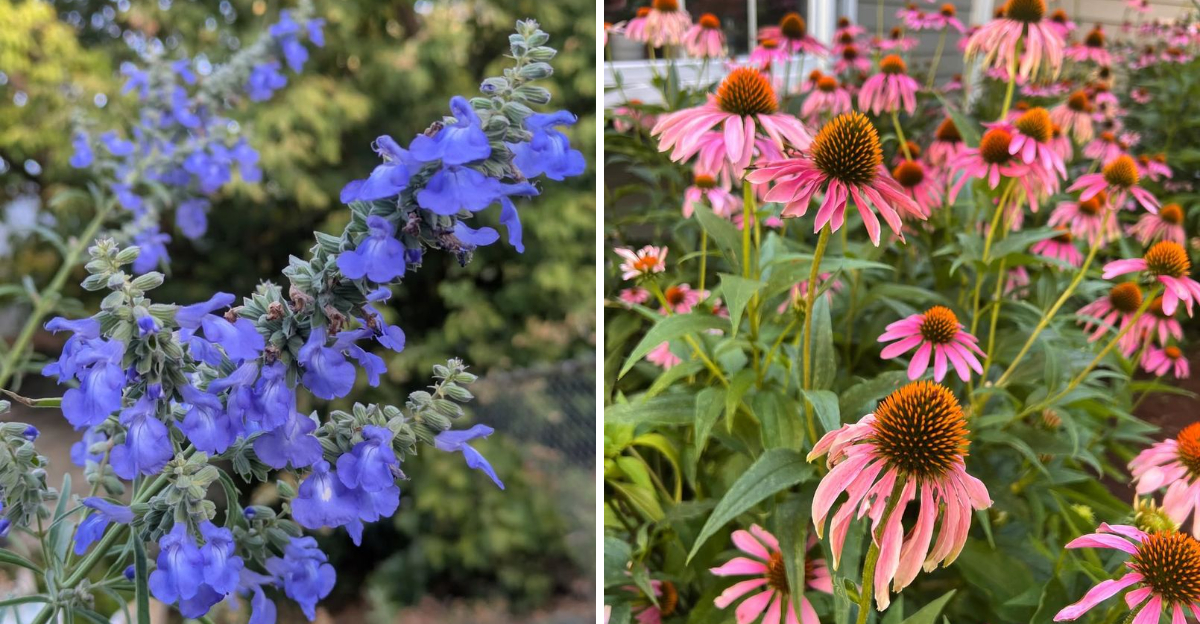
Few flowers earn their place in a Pennsylvania garden quite like the coneflower. Known by its scientific name Echinacea, this perennial starts blooming in early summer and keeps going strong right into fall.
The petals droop slightly around a spiky, raised center, giving it a look that is both wild and beautiful at the same time.
Coneflowers are remarkably tough. Once they are established in your garden, they can handle dry spells without any drama.
They grow well in full sun and adapt to a wide range of soil types, which is great news for Pennsylvania gardeners who deal with everything from rocky hillsides to clay-heavy yards.
Purple is the most common color, but you can also find white, orange, and yellow varieties to mix things up.
Your Pennsylvania Garden Changes Every Week. Your Plan Should Too.
Gardening in Pennsylvania changes quickly throughout the season. Every Friday you’ll receive a simple weekly plan showing exactly what to plant, prune, fertilize, harvest, and protect so you never miss the right timing.
Pollinators absolutely love coneflowers. Bees and butterflies flock to them from the moment the first blooms open.
If you leave the seed heads standing after the petals fall, birds like finches will visit your garden all through fall and into early winter. Deadheading some of the blooms during the season encourages even more flowers to develop.
Coneflowers also naturalize well, spreading gradually over time to fill in your garden beds beautifully year after year.
3. Daylilies (Hemerocallis)
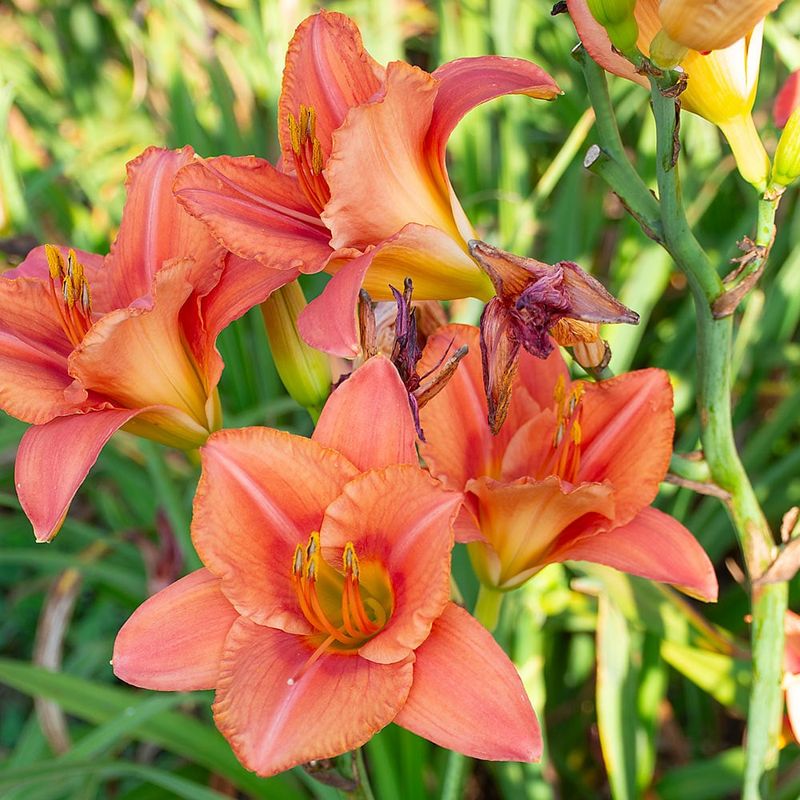
Here is something fun to know about daylilies: each individual flower only lasts for one single day. But do not let that fool you.
A single daylily plant can produce dozens of buds, and those buds open one after another over several weeks. By the time the last bud opens, you have had weeks of beautiful blooms to enjoy in your Pennsylvania garden.
Daylilies begin their show in late spring and carry on into early summer, making them one of the earliest perennials to add color to your yard. They come in a huge range of colors, from soft pastels to deep reds and rich oranges.
Reblooming varieties are especially popular in Pennsylvania because they put on a second show later in the season after the first wave of flowers fades.
These plants are incredibly forgiving and adaptable. They grow in full sun or partial shade and tolerate a wide range of soil conditions, including the sometimes stubborn clay soils found across much of Pennsylvania.
Once planted, daylilies spread slowly over time to form dense, weed-suppressing clumps. Dividing them every few years keeps them healthy and gives you extra plants to fill in other spots or share with neighbors. For easy, long-lasting color, daylilies are hard to beat.
4. Salvia (Perennial Varieties)
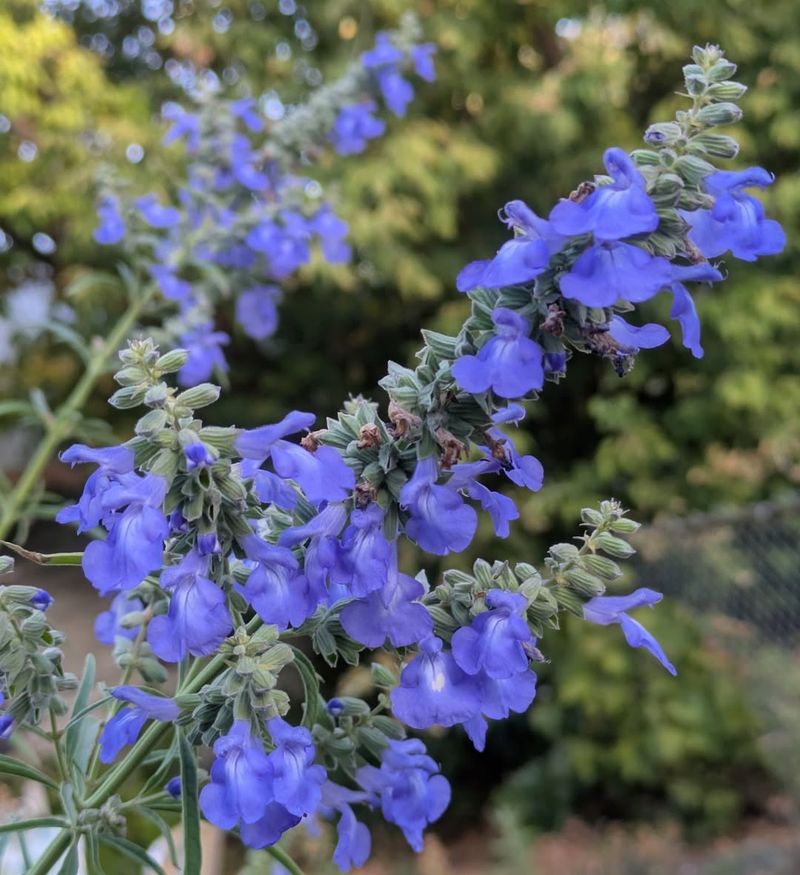
Perennial salvia brings a real elegance to Pennsylvania gardens. The tall, upright spikes of purple, blue, or violet flowers rise above the foliage like little torches, and they begin blooming in late spring.
The contrast between the rich flower color and the soft, gray-green leaves makes salvia a standout in any garden bed.
One of the smartest tricks Pennsylvania gardeners use with salvia is cutting it back after the first big bloom. This simple step, called deadheading or shearing, encourages the plant to push out a fresh round of flowers later in the summer.
With just a little attention, your salvia can stay in bloom for a surprisingly long stretch of the growing season.
Salvia handles Pennsylvania’s summer heat and humidity better than many other perennials. It prefers full sun and well-drained soil, so avoid planting it in spots where water tends to pool after rain.
Hummingbirds and bees are drawn to salvia’s tubular flowers, making it a wonderful addition if you want to support local wildlife.
The plants are also deer-resistant, which is a real bonus for Pennsylvania gardeners in areas where deer browse through yards regularly. Salvia is an all-around dependable performer that earns its space in the garden every single year.
5. Coreopsis (Tickseed)
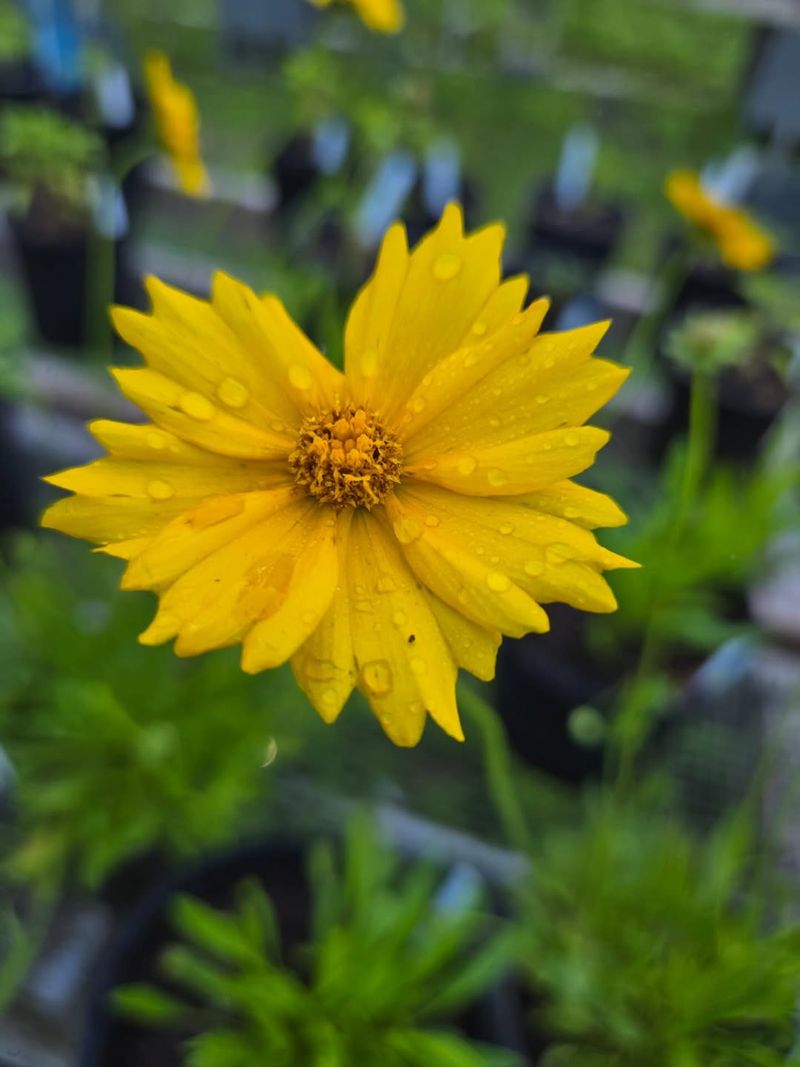
If you want a flower that just will not quit, coreopsis is the one to plant. Also called tickseed, this cheerful perennial bursts into bloom in early summer and keeps producing flowers all the way into fall.
The bright yellow, daisy-like blooms are small but they appear in such large numbers that the whole plant seems to glow from across the yard.
Coreopsis is a dream come true for Pennsylvania gardeners who do not have a lot of time to fuss over their plants. It thrives in full sun and is tolerant of poor, sandy, or rocky soils.
In fact, it actually performs better in leaner soil than in rich, heavily amended garden beds. Overwatering or overfertilizing can cause the plant to produce more leaves than flowers, so less is definitely more with this one.
Regular deadheading keeps coreopsis blooming at its best, but even if you skip it, the plant will still produce plenty of flowers throughout the season. There are also threadleaf varieties that have a delicate, feathery texture and tend to rebloom especially well.
Pink and bicolor varieties give Pennsylvania gardeners even more options to work with. Coreopsis pairs beautifully with purple coneflowers and black-eyed Susans, creating a wildflower-inspired look that feels natural and joyful at the same time.
6. Shasta Daisy
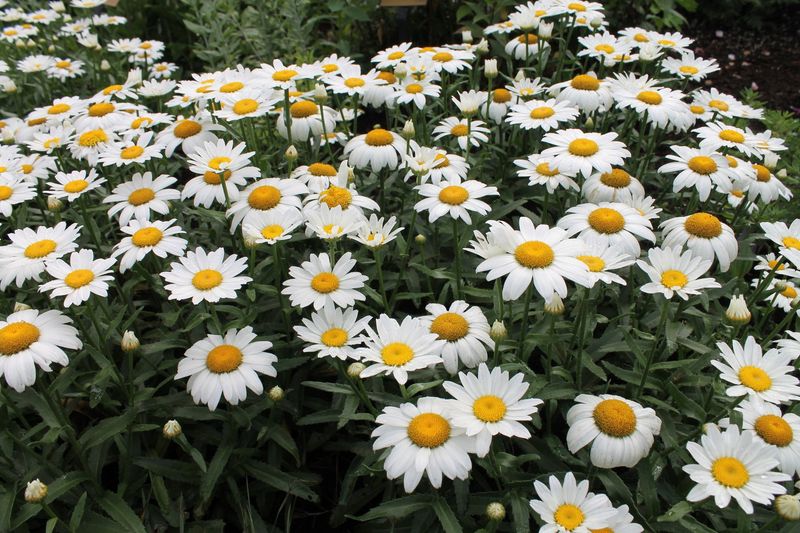
There is something timeless about a Shasta daisy. Those crisp white petals surrounding a golden yellow center have been brightening up gardens for generations, and they look just as fresh and cheerful today as they ever did.
Shasta daisies bloom from early to mid-summer in Pennsylvania, bringing a clean, classic look to garden beds and borders.
The best part about Shasta daisies is that they can rebloom if you stay on top of deadheading. Once the first round of flowers fades, snip off the old blooms and the plant will often push out a second flush of flowers before the season ends.
This gives Pennsylvania gardeners more color for longer without any extra planting required. They grow best in full sun with well-drained soil, and they do not like to sit in wet ground over the winter.
Shasta daisies grow in tidy clumps that reach about two to three feet tall, making them a great mid-border plant. They look stunning when paired with blue salvia or purple coneflowers, and they work beautifully as cut flowers too.
Bringing a fresh bouquet of Shasta daisies indoors is one of the simple pleasures of summer gardening in Pennsylvania. Divide the clumps every two to three years to keep the plants vigorous and blooming at their very best.
7. Sedum (Autumn Joy And Similar Types)
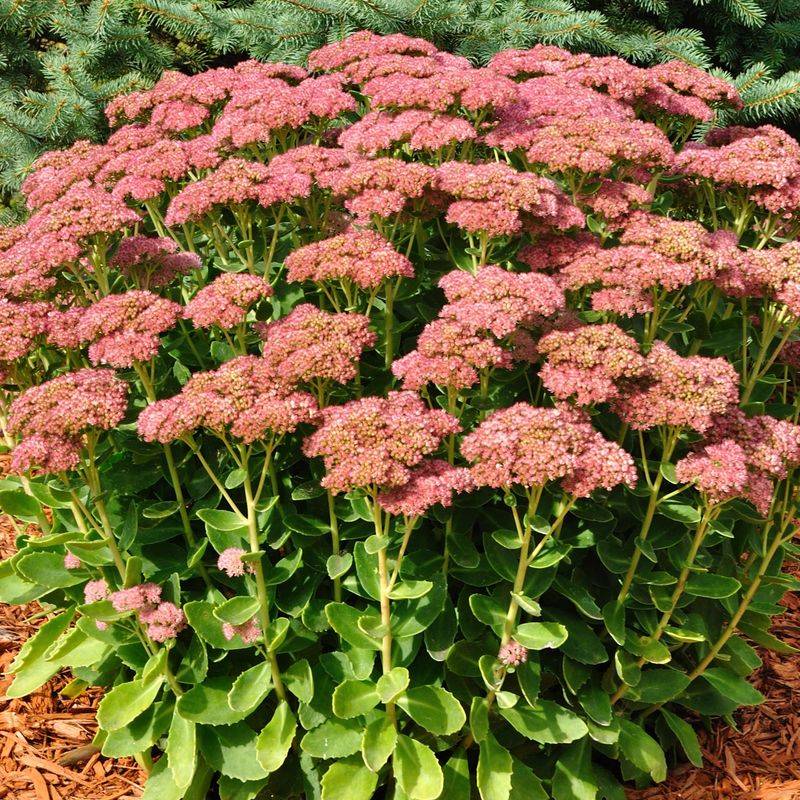
When most of the garden starts winding down at the end of summer, sedum is just getting started.
Autumn Joy sedum and similar varieties produce large, flat-topped flower heads that emerge as soft pink and gradually deepen to a rich rose or copper-red as fall progresses in Pennsylvania. It is one of the most dramatic color changes you will see in any garden.
Sedum is extraordinarily tough. It stores water in its thick, fleshy leaves, which means it can handle dry spells with ease.
This makes it a fantastic choice for Pennsylvania gardeners who deal with stretches of hot, dry weather in late summer. It grows best in full sun and well-drained soil, and it genuinely thrives in spots where other plants might struggle, like slopes or gravelly areas.
Beyond its good looks, sedum is a late-season lifeline for pollinators. Bees swarm the flower heads right through fall, gathering nectar before cold weather arrives.
Even after the blooms fade, the dried seed heads stay attractive throughout winter, adding texture and structure to the garden when everything else has gone quiet. Sedum combines well with ornamental grasses and asters for a stunning fall display.
Once established in a Pennsylvania garden, sedum needs almost no care and rewards you with reliable beauty year after year.
8. Asters (New England Aster)
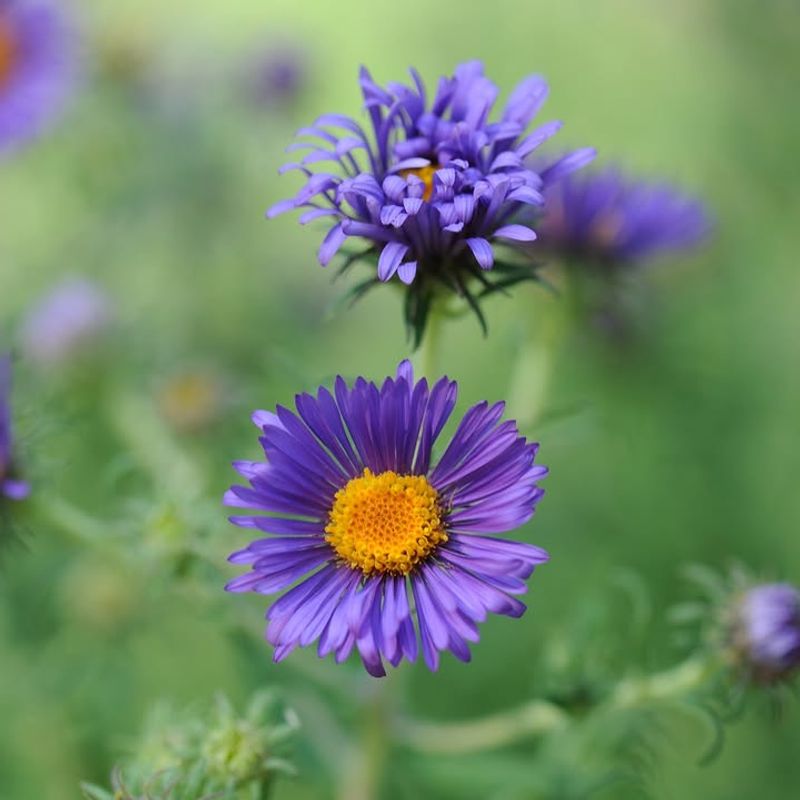
Just when you think the garden is done for the year, New England asters explode into color. These late-season superstars bloom from late summer right through fall, covering themselves in hundreds of small, daisy-like flowers in shades of purple, pink, lavender, and white.
In Pennsylvania, they are one of the last flowers to bloom before the first frost arrives. New England asters can grow quite tall, sometimes reaching four to five feet in height by the time they bloom.
If you want a more compact plant, pinch back the stems in early summer to encourage bushier growth and more flowers.
This simple trick works really well for Pennsylvania gardeners who want full, lush plants rather than tall, leggy ones that might flop over in the wind.
Pollinators depend on asters heavily in the fall because most other flowers have already finished blooming. Monarch butterflies, in particular, visit asters during their migration south, making these plants a meaningful addition to any Pennsylvania garden.
Asters prefer full sun and moist but well-drained soil, and they spread gradually over time to form impressive clumps. Pair them with sedum and ornamental grasses for a breathtaking fall combination.
Planting New England asters means your garden goes out in a blaze of color every single year, right up until the very last warm day of the season.