Pennsylvania Shrubs To Fertilize Before June Ends For Better Summer Performance
June is one of those months in Pennsylvania where shrubs are pushing hard and the decisions you make right now have a direct impact on how they perform through the rest of the summer. Fertilizing at the right time is not just about feeding a plant.
It is about giving it what it needs during the growth window when it can actually use those nutrients most effectively. Wait too long and you miss the moment.
Do it right and you set your shrubs up for stronger blooms, better foliage, and healthier root development heading into the hottest part of the season.
Pennsylvania’s variable summer weather makes timing even more important, because shrubs that go into July well nourished handle heat and dry stretches far better than ones running on empty.
Not every shrub needs the same approach either, and knowing what to feed, when to feed it, and which ones to skip entirely is what separates a good June from a wasted one.
1. Hydrangea
Few shrubs put on a show quite like the hydrangea. Those big, fluffy blooms are what summer garden dreams are made of, and feeding them before June ends is one of the smartest moves you can make.
Hydrangeas are heavy feeders, meaning they use up soil nutrients faster than many other shrubs.
A balanced fertilizer with equal parts nitrogen, phosphorus, and potassium works really well for hydrangeas. Look for a 10-10-10 formula at your local garden center.
Apply it around the base of the shrub, keeping it a few inches away from the main stem so it does not burn the roots.
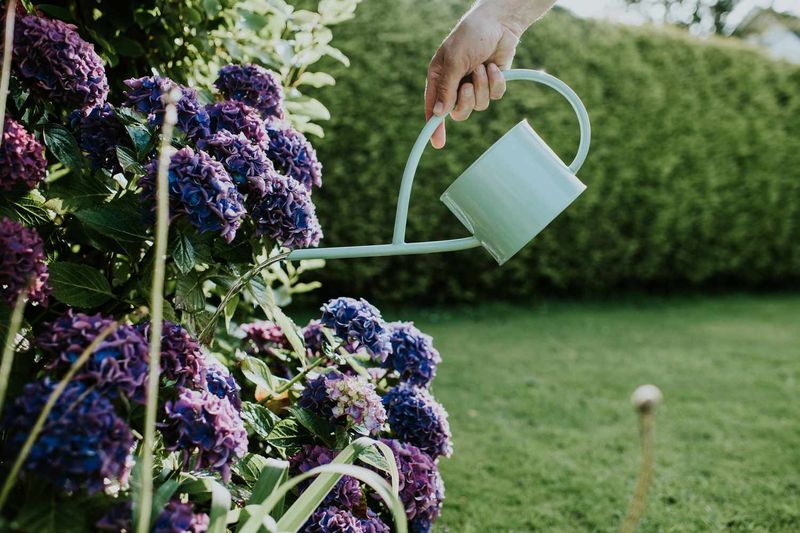
Water the fertilizer in well after applying. This helps push the nutrients down into the soil where the roots can actually reach them. Without water, even the best fertilizer just sits on top and does very little good.
In Pennsylvania, hydrangeas can face some tough summer heat and humidity. Giving them a nutrient boost now helps them stay strong through those stressful months. Well-fed hydrangeas produce bigger blooms and keep their color longer into the season.
One thing to keep in mind is that over-fertilizing can actually reduce blooming. Too much nitrogen encourages leafy growth instead of flowers.
Stick to the recommended amount on the package and feed just once before summer kicks in for the best results.
2. Rose
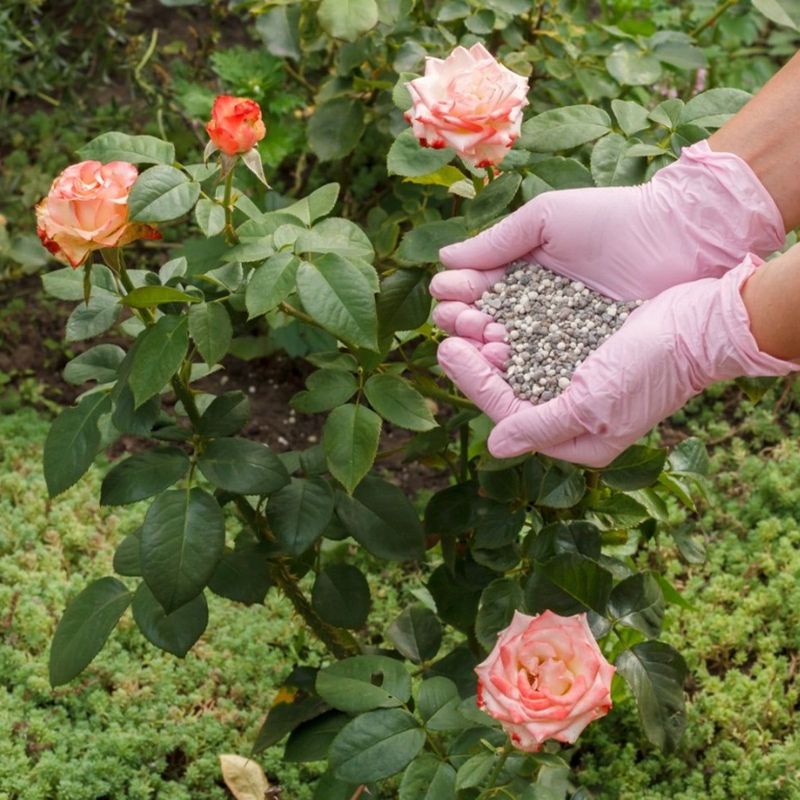
Roses have a reputation for being high-maintenance, but the truth is they just need consistent attention at the right moments. Late spring is one of those moments.
Fertilizing your rose bushes before the end of June gives them the fuel they need to keep blooming all summer long.
Roses are repeat bloomers, which means they go through multiple flowering cycles throughout the season. Each cycle takes energy, and that energy has to come from somewhere.
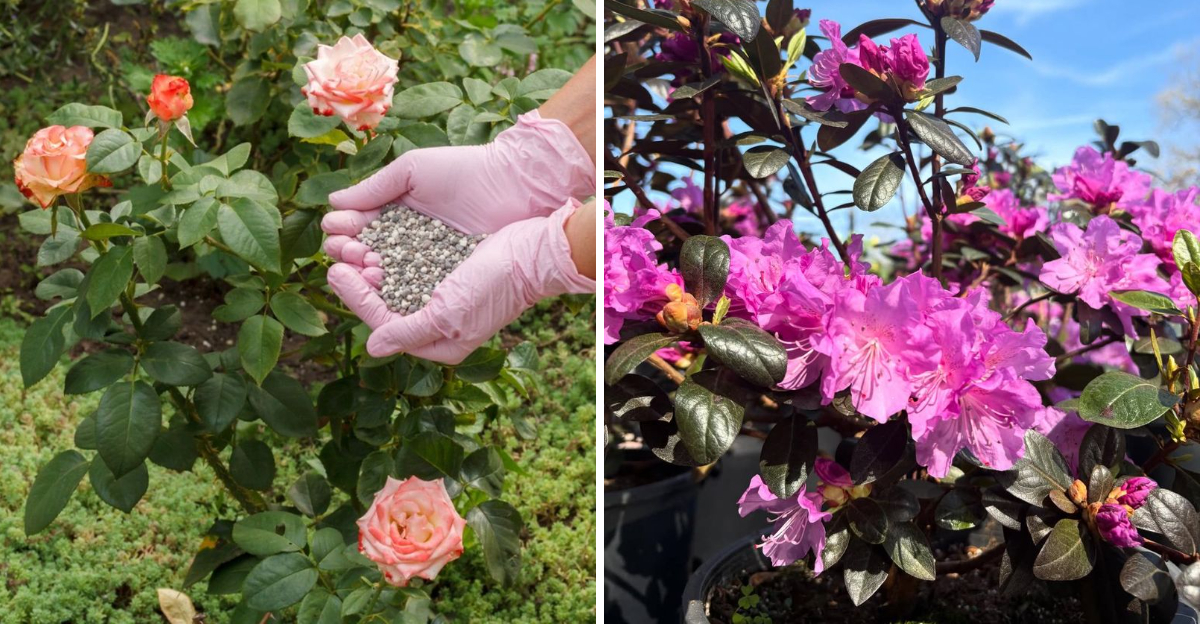
A slow-release granular fertilizer designed specifically for roses works great and keeps feeding the plant steadily over several weeks.
Look for a fertilizer with a higher middle number on the label. That middle number represents phosphorus, which supports strong root development and better flower production.
Your Pennsylvania Garden Changes Every Week. Your Plan Should Too.
Gardening in Pennsylvania changes quickly throughout the season. Every Friday you’ll receive a simple weekly plan showing exactly what to plant, prune, fertilize, harvest, and protect so you never miss the right timing.
Healthy roots mean healthier blooms, and that is exactly what you want from your roses this summer.
Apply fertilizer after your roses finish their first flush of blooms in spring. This timing lines up perfectly with the late May to early June window.
Scratch the granules lightly into the soil around the base of the plant and water thoroughly afterward.
Pennsylvania summers can bring both heat and sudden rainstorms. Roses that are well-nourished going into summer tend to bounce back faster after storms and stay more disease-resistant overall.
Keeping up with feeding is one of the easiest ways to enjoy beautiful roses from June all the way through September.
3. Azalea
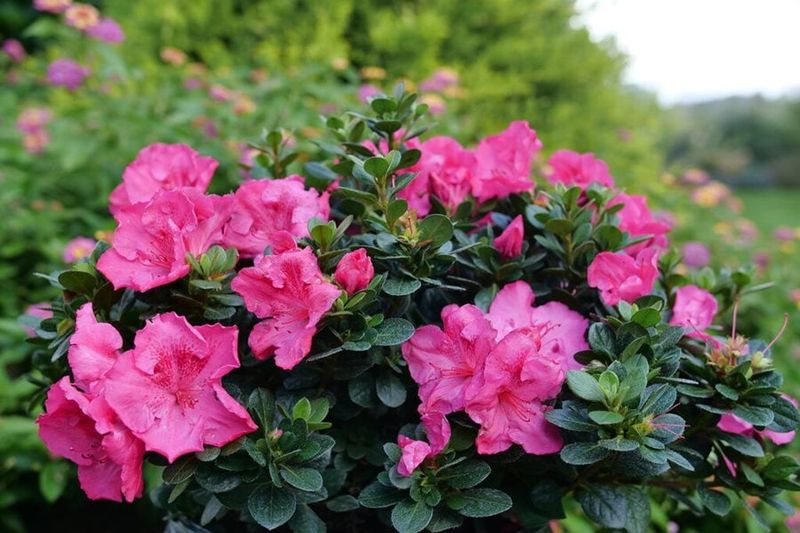
Azaleas are one of Pennsylvania’s most beloved spring shrubs, and for good reason. Their bright blooms light up yards every April and May, and with the right care, the foliage stays rich and green all the way through summer.
Fertilizing after flowering is the key step most gardeners overlook. Once azaleas finish blooming, they immediately start setting buds for next year. That process takes nutrients, so giving them a light feeding right after the flowers fade is incredibly helpful.
Use a fertilizer made for acid-loving plants, since azaleas prefer a lower soil pH to absorb nutrients properly.
Products labeled for azaleas, rhododendrons, and camellias are widely available and work perfectly. These formulas contain the right balance of nutrients along with sulfur or other acidifying ingredients to keep the soil conditions ideal.
Apply according to the package directions and always water after feeding. Avoid heavy fertilizing late in the season. Pushing too much growth in midsummer can leave tender new shoots vulnerable when cooler fall temperatures arrive.
A light, well-timed feeding in late spring is all azaleas really need to stay healthy and set up next year’s display.
Mulching around the base of azaleas also helps retain moisture and keeps the soil cooler during summer. Pair that with your June fertilizing routine and your azaleas will reward you with lush, healthy foliage and an even better flower show next spring.
4. Butterfly Bush
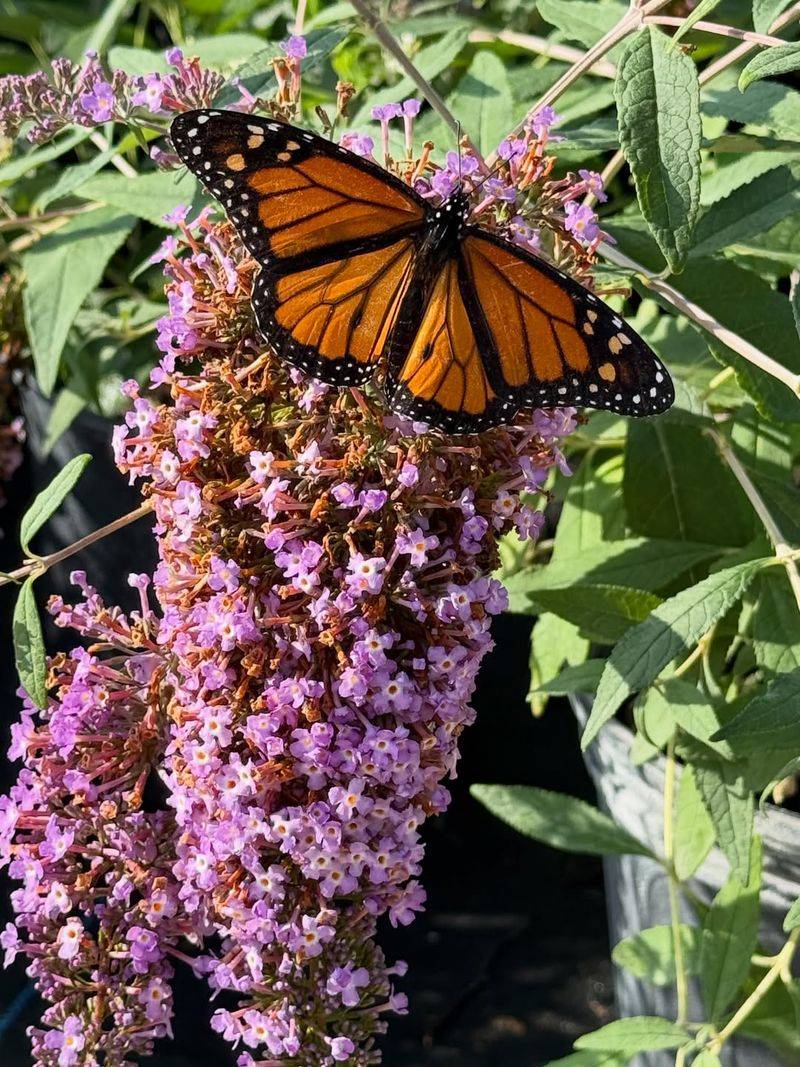
Walk past a butterfly bush in full bloom on a warm July morning and you will quickly understand how it got its name.
These shrubs are practically living butterfly magnets, and feeding them before July arrives is one of the best ways to guarantee a spectacular show all season long.
Butterfly bushes are vigorous growers, and that vigorous growth needs fuel. A balanced granular fertilizer applied in late May or June gives the plant a solid nutritional foundation going into its peak blooming period.
Nitrogen supports the fast leafy growth, while phosphorus encourages those long, colorful flower spikes.
One thing that makes butterfly bushes special is how long they bloom. With proper feeding and regular deadheading, they can flower from midsummer all the way into fall.
That extended blooming season is a huge advantage for gardeners who want continuous color in their yards.
In Pennsylvania, butterfly bushes tend to die back significantly in winter and regrow from the base each spring. Because of this, they put a lot of energy into fast growth early in the season.
Giving them a nutrient boost before June ends supports that growth cycle and helps them reach their full potential by July and August.
Keep in mind that too much fertilizer can make butterfly bushes grow very tall and floppy. A moderate application is all that is needed.
Pair feeding with good pruning habits and you will have a compact, beautiful shrub covered in blooms all summer.
5. Boxwood
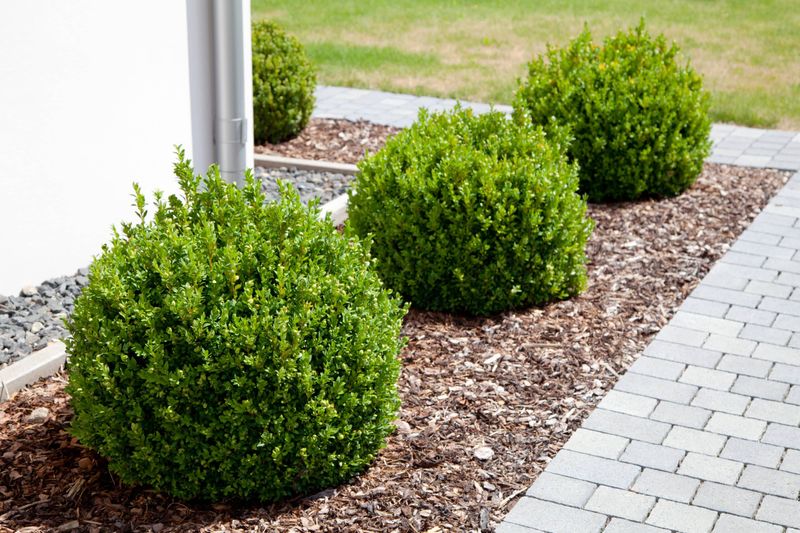
Boxwoods are the backbone of many Pennsylvania gardens. Their dense, evergreen foliage works perfectly as borders, hedges, and foundation plantings.
They might not flower like other shrubs on this list, but keeping them well-fed before summer stress sets in makes a noticeable difference in how they look all season.
Summer can be rough on boxwoods in Pennsylvania. Heat, drought, and humidity can all stress these shrubs, making them look dull or yellowish.
A moderate feeding of a balanced slow-release fertilizer in late spring helps them build up the strength they need to handle those challenging conditions.
Nitrogen is the most important nutrient for boxwoods since it drives healthy green leaf production. Look for a fertilizer with a higher first number, like a 10-6-4 formula.
Sprinkle it evenly around the drip line of the shrub, which is the outer edge of the branches, and water it in well.
Avoid fertilizing boxwoods too late in the growing season. Late summer or fall feeding can encourage tender new growth that does not have time to harden off before cold weather arrives.
The late spring window, right before June ends, is the sweet spot for boxwood fertilizing. Regular light trimming combined with proper feeding keeps boxwoods looking sharp and full.
A well-maintained boxwood can be a long-lasting, attractive feature in any Pennsylvania landscape for many years with just a little consistent seasonal care.
6. Rhododendron
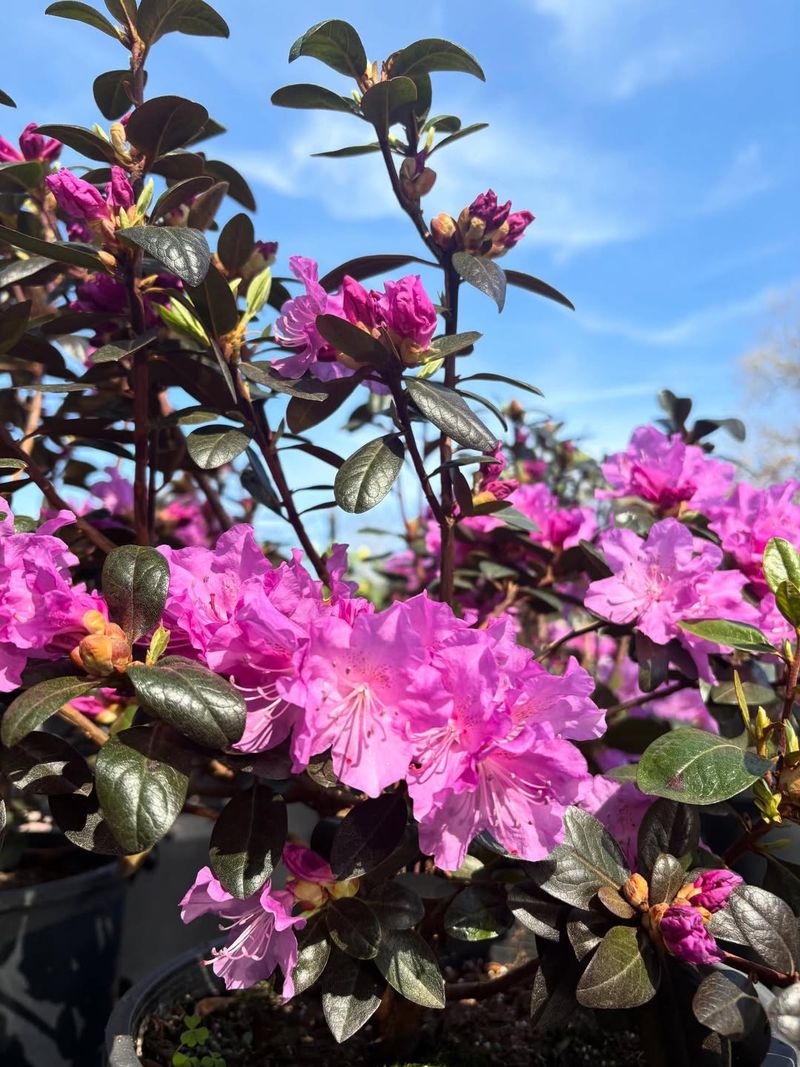
Rhododendrons are bold, dramatic shrubs that can transform a shaded Pennsylvania yard into something truly stunning. Their large flower clusters and broad evergreen leaves make them standout plants in any landscape.
Getting the fertilizing right, however, requires a little more attention than with other shrubs.
Unlike many garden plants, rhododendrons are highly sensitive to soil pH. They need acidic soil, roughly between 4.5 and 6.0 on the pH scale, to absorb nutrients properly.
Using a regular all-purpose fertilizer on rhododendrons can actually cause more harm than good if the soil pH is off.
Always use a fertilizer specifically formulated for acid-loving plants. These products contain nutrients in forms that rhododendrons can actually use, along with ingredients that help maintain proper soil acidity.
Many garden centers in Pennsylvania carry these specialty fertilizers right alongside the plants themselves.
Apply fertilizer right after the blooms fade in late spring. Rhododendrons begin setting next year’s flower buds almost immediately after blooming, so timely feeding supports that critical process.
A slow-release granular formula is ideal because it feeds gradually without overwhelming the roots all at once.
Rhododendrons also appreciate a thick layer of mulch around their base. Mulch keeps the soil moist and cool, which these shrubs love.
Combine good mulching with your late spring fertilizing routine and your rhododendrons will reward you with gorgeous blooms year after year in your Pennsylvania garden.
7. Spirea
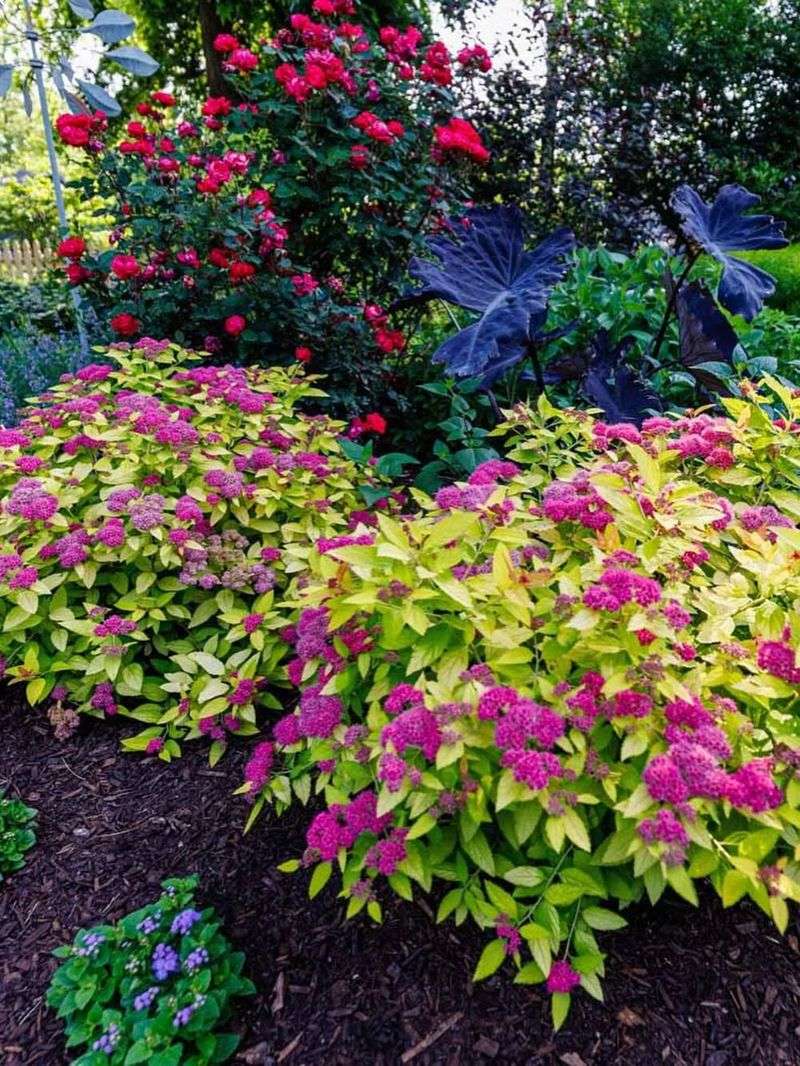
Spirea is one of those shrubs that earns its place in any Pennsylvania yard without demanding too much in return. It is tough, adaptable, and surprisingly beautiful when it blooms.
A light feeding before June ends can encourage a fresh flush of growth and, in many varieties, a second round of blooms later in summer.
There are many types of spirea, and most of them respond well to a balanced fertilizer applied in late spring. A 10-10-10 granular formula works nicely.
Scatter it around the base of the shrub, avoiding direct contact with the stems, and water it in generously afterward.
One of the best things about spirea is how quickly it responds to good care. Within a few weeks of fertilizing, you will often notice brighter foliage and more vigorous new growth along the branches.
That fresh growth is exactly what supports additional blooming later in the season.
Spirea also benefits from light pruning after its first bloom cycle. Trimming off the spent flower clusters encourages the plant to push out new growth, and that new growth is where the next round of flowers will appear.
Combine pruning with your June fertilizing for the best results. Pennsylvania gardeners appreciate spirea because it handles the region’s weather extremes pretty well. From spring frosts to summer humidity, spirea keeps growing and looking good.
Give it a little nutritional support before the hottest months arrive and it will be one of the hardest-working shrubs in your yard.