Georgia Gardeners Can Sow These 11 Hummingbird-Favorite Plants In April
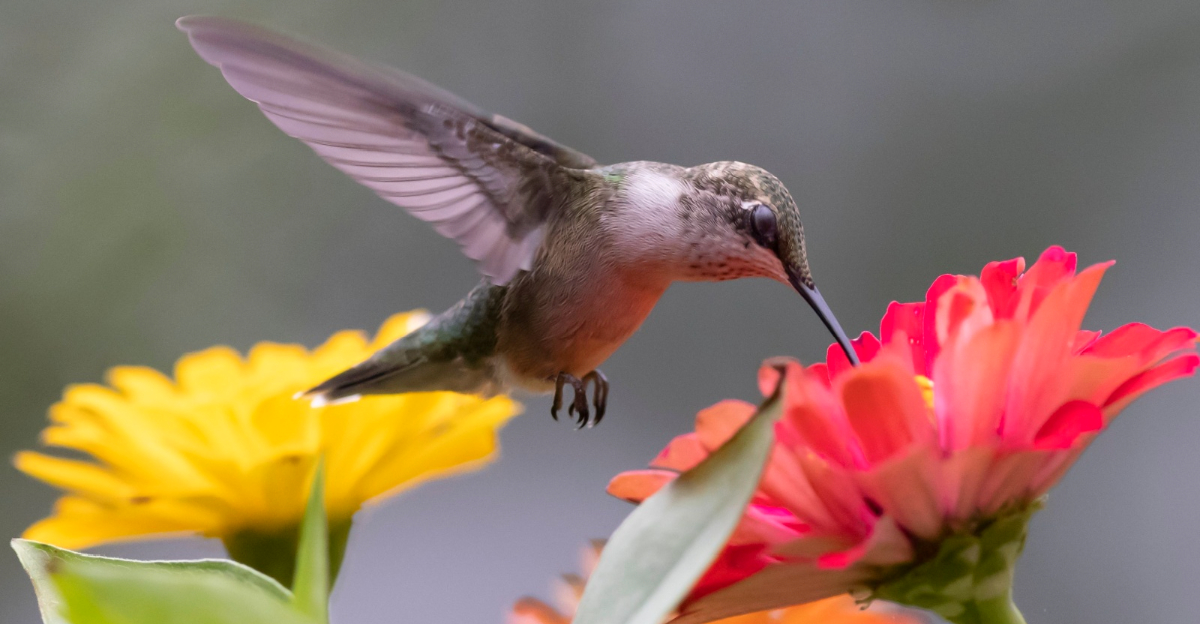
Right as Georgia gardens begin to wake up, hummingbirds start showing up too, often right when early blooms are just getting going. April lines up with that timing in a way that feels almost perfect.
Soil is warming, days are getting longer, and seeds begin to sprout quickly under these conditions.
Across Georgia, getting nectar-rich plants started now can help ensure flowers are ready as hummingbirds settle in for the season.
From the mountains to the coastal plain, this is the moment when a few packets of seeds can turn into a yard full of color and steady pollinator activity.
1. Zinnia Brings Bright Color And Hummingbirds
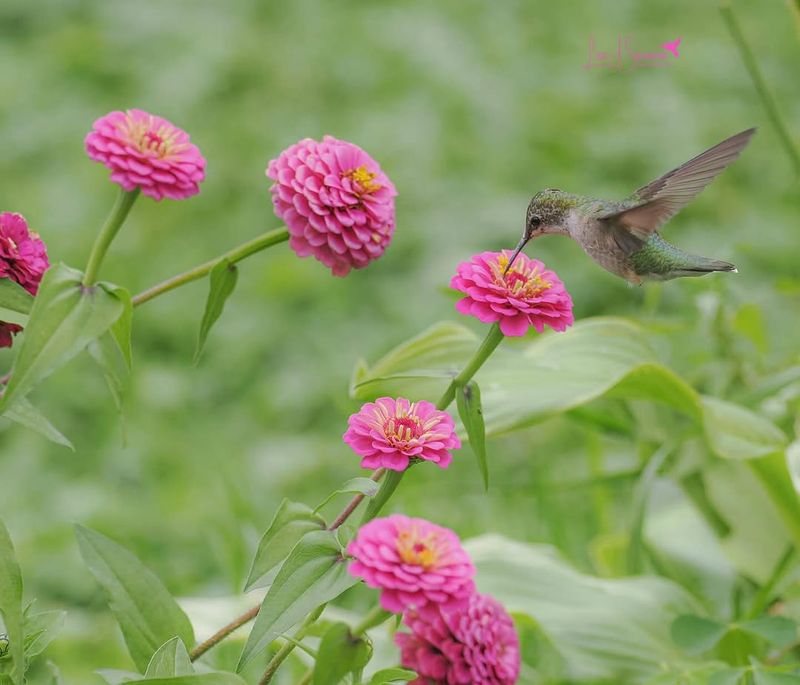
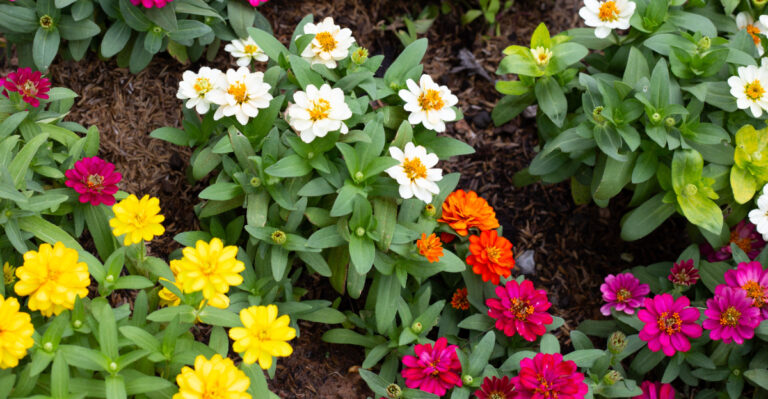
Few flowers put on a show quite like zinnias in a Georgia summer garden. These cheerful annuals thrive in the state’s heat and humidity, producing bold blooms in shades of red, orange, pink, and coral that hummingbirds find genuinely hard to resist.
Sowing zinnia seeds directly into the garden in April takes advantage of warming soil, which helps seeds germinate in as little as five to seven days.
Direct sow zinnia seeds about a quarter inch deep and space them roughly six inches apart in a sunny bed.
Georgia’s long growing season means zinnias started in April can bloom from early summer well into fall, giving hummingbirds a reliable nectar stop for months.
They handle heat remarkably well and bounce back quickly after dry spells when watered at the base.
Taller varieties like ‘Benary’s Giant’ tend to attract more hummingbird visits because the large flower heads offer more nectar surface. Planting zinnias in clusters rather than single rows makes the color more visible to passing hummingbirds from a distance.
Removing spent blooms regularly encourages continuous flowering and keeps the garden looking fresh throughout Georgia’s warm season.
2. Cosmos Adds Light Blooms Hummingbirds Notice
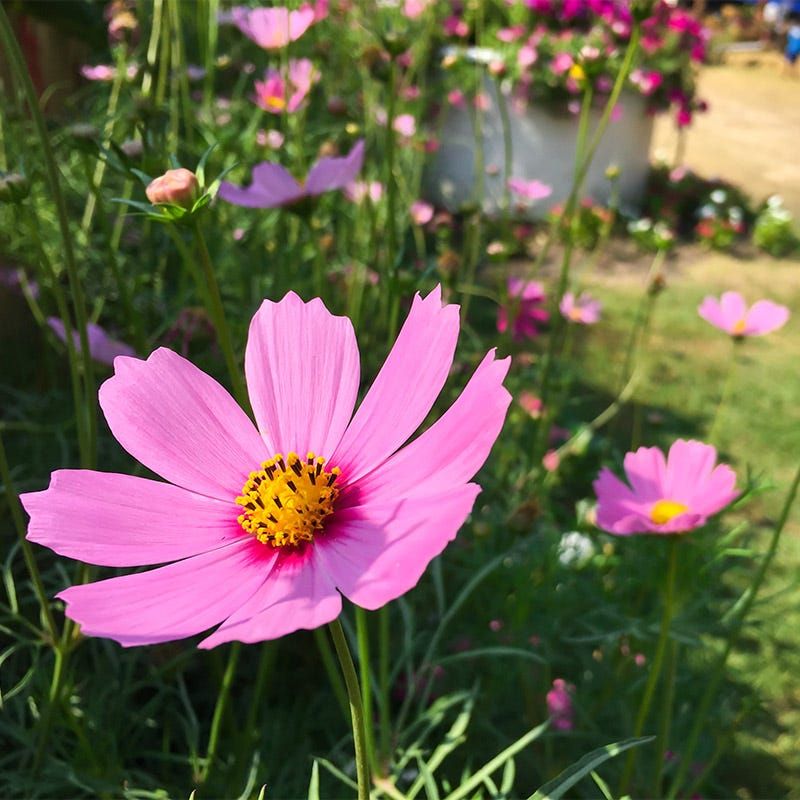
Swaying on slender stems in the warm April breeze, cosmos flowers bring an airy, cottage-garden feel to any Georgia yard while quietly doing important work for pollinators.
These fast-growing annuals are among the easiest flowers to start from seed, making them a solid choice for gardeners of all experience levels.
Cosmos seeds sown directly into the soil in April germinate quickly once Georgia’s ground temperature reaches around 60 degrees Fahrenheit.
Sow seeds about an eighth of an inch deep and thin seedlings to about twelve inches apart once they sprout. Cosmos actually prefer lean soil, so skip the heavy fertilizing and let them grow naturally.
In Georgia’s climate, they begin blooming in about eight to ten weeks from sowing and continue producing flowers well into autumn.
Hummingbirds are drawn to cosmos, particularly the brighter pink and red varieties, because the open flower centers make nectar accessible.
Planting a mix of colors in a sunny spot creates a visual target that hummingbirds can spot from a surprising distance.
Cosmos also tolerate Georgia’s summer heat with minimal fuss, rarely needing extra water once established, which makes them a low-maintenance addition to any hummingbird-friendly garden.
3. Scarlet Runner Bean Climbs And Feeds Hummingbirds
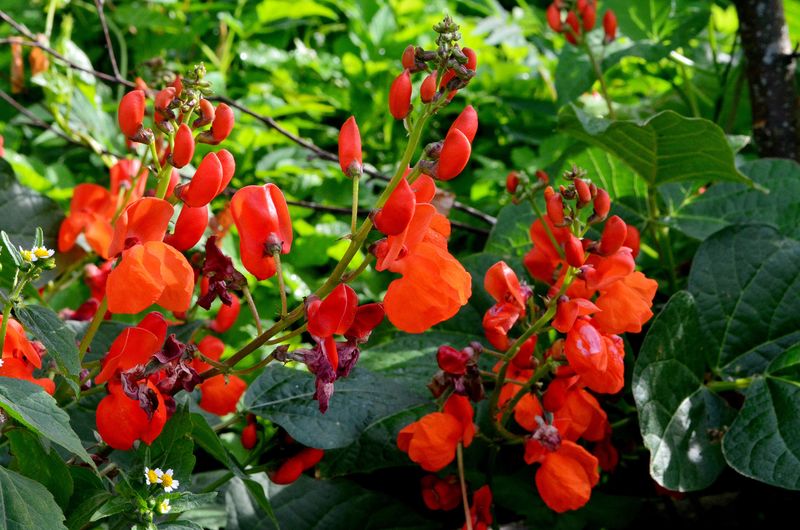
Watching a hummingbird work its way up a trellis covered in scarlet runner bean flowers is one of those garden moments that stays with you.
Your Georgia Garden Changes Every Week. Your Plan Should Too.
Gardening in Georgia changes quickly throughout the season. Every Friday you’ll receive a simple weekly plan showing exactly what to plant, prune, fertilize, harvest, and protect so you never miss the right timing.
The vivid red, tubular blossoms are practically designed for hummingbird feeding, with nectar tucked deep inside in a way that perfectly matches the bird’s long bill.
Georgia gardeners can sow scarlet runner bean seeds directly outdoors in April once the threat of frost has passed, which across most of the state happens by early to mid-April.
Plant seeds about an inch deep and four to six inches apart at the base of a sturdy trellis, fence, or arbor.
Scarlet runner beans are vigorous climbers and can reach ten feet or more in a single season, so giving them a solid support structure from the start saves trouble later.
They prefer full sun and consistent moisture during germination, so water the planting area gently but regularly until seedlings emerge.
Beyond their value for hummingbirds, scarlet runner beans also produce edible pods, making them a practical and beautiful addition to a Georgia garden. The combination of ornamental value and wildlife support in one plant is hard to beat.
Blooms typically appear within sixty to seventy days of sowing, providing summer nectar right when Georgia hummingbirds are most active.
4. Cardinal Climber Covers Trellises With Red Blooms
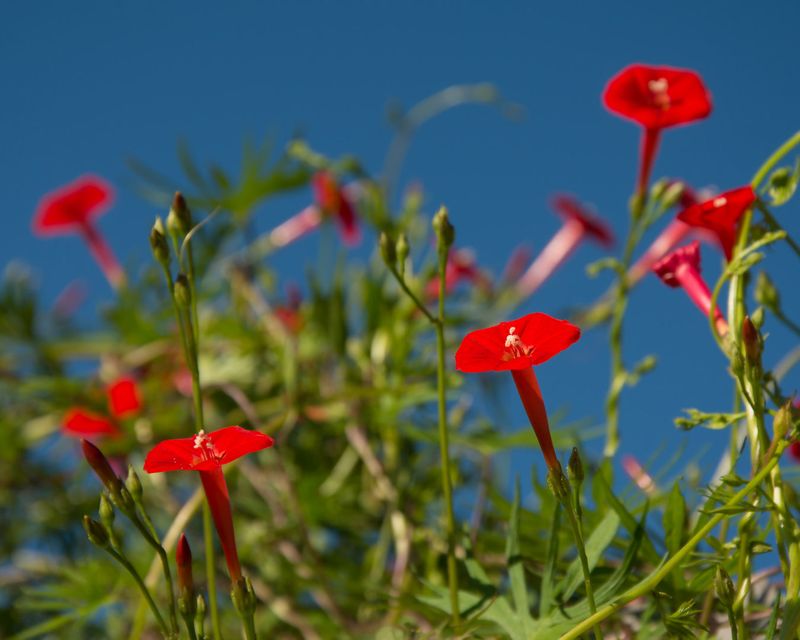
Cardinal climber is one of those plants that gardeners in Georgia tend to discover once and then grow every single year afterward.
It produces a dense, feathery vine covered in small but intensely red, star-shaped flowers that hummingbirds visit repeatedly throughout the day.
A hybrid between cypress vine and morning glory, cardinal climber combines the best traits of both parents into one reliable, fast-growing annual.
Sow seeds directly into the garden in April, about a quarter inch deep, after soaking them overnight in water to speed germination.
Space seeds six to eight inches apart at the base of a trellis, fence, or mailbox post, and expect the vine to start climbing enthusiastically within a couple of weeks.
Full sun is essential for strong bloom production, and Georgia’s April sunshine is usually more than enough to get things moving.
The vines can reach ten to fifteen feet by midsummer, creating a dense curtain of red that hummingbirds return to again and again.
Cardinal climber blooms from midsummer through fall in Georgia, filling in nicely when some spring flowers begin to fade.
Because it self-sows reliably, you may find volunteer seedlings popping up the following spring, giving you a head start without any extra effort.
5. Sunflower Supports Pollinators With Bold Blooms
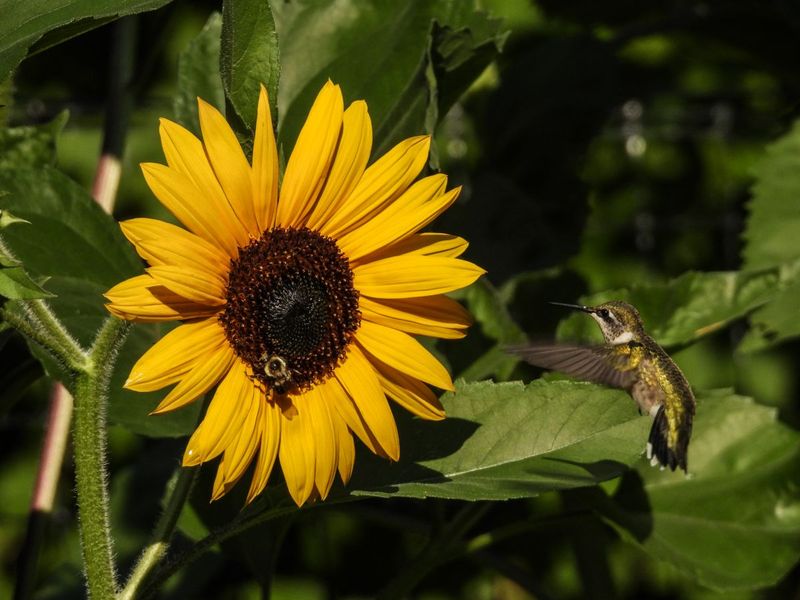
Sunflowers are often thought of as strictly a bee and butterfly plant, but hummingbirds visit them too, particularly the smaller-flowered and multi-branching varieties that produce abundant nectar-rich blooms.
In Georgia, April is a well-timed month to direct sow sunflowers, as the warming soil encourages fast germination and the long growing season gives plants plenty of time to reach full bloom before summer heat peaks.
Sow sunflower seeds about an inch deep and six to twelve inches apart, depending on the variety.
Branching types like ‘Autumn Beauty’ or ‘Lemon Queen’ tend to attract more hummingbird visits than single-stemmed giants because they produce multiple flowers over a longer period.
Full sun is non-negotiable for sunflowers, and Georgia’s spring days offer exactly the kind of direct light these plants need to grow strong stems and large blooms.
Sunflowers typically begin blooming sixty to seventy days after sowing, which means April-sown seeds could be in full flower by late June or early July.
Hummingbirds are most likely to visit sunflowers early in the morning when nectar is freshest.
Planting sunflowers alongside other nectar plants like salvia or zinnias creates a layered garden that supports hummingbirds at multiple heights and bloom times throughout Georgia’s warm season.
6. Cypress Vine Produces Flowers Hummingbirds Love
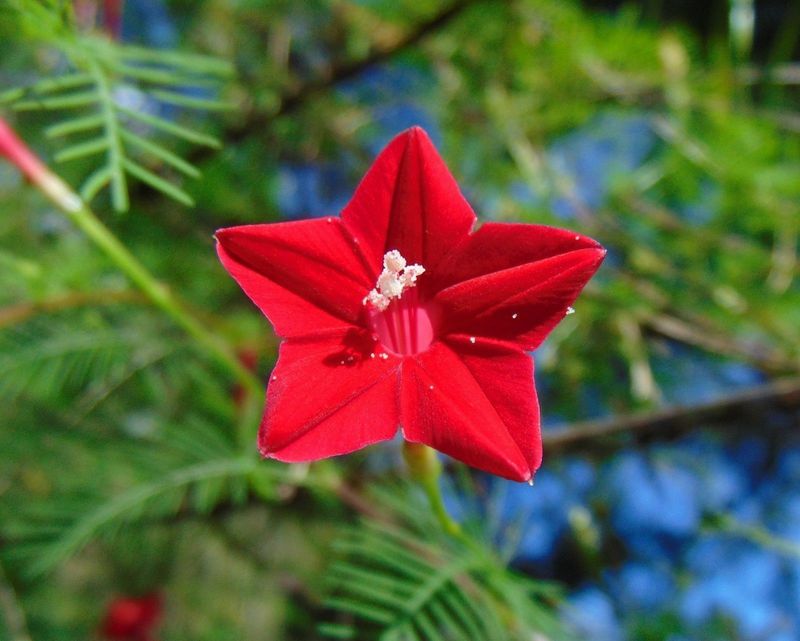
There is something almost tropical about cypress vine, with its lacy, thread-like foliage and tiny red flowers that look like little stars scattered across a green cloud.
Despite its delicate appearance, this annual vine is tough enough to handle Georgia’s summer heat and humidity without much fuss.
Hummingbirds are drawn to the small tubular blooms, which produce a steady supply of nectar throughout the growing season.
April is an ideal time to direct sow cypress vine in Georgia, once overnight temperatures stay consistently above 50 degrees Fahrenheit.
Soak seeds overnight before planting them about a quarter inch deep at the base of a fence, trellis, or any vertical surface you want covered in green.
Seeds germinate quickly in warm soil, often within a week, and the vines take off fast once they find something to climb.
Cypress vine can reach fifteen feet or more in a single season, so it works especially well for covering chain-link fences or creating a natural privacy screen with the bonus of hummingbird activity.
It thrives in full sun and tolerates Georgia’s dry spells reasonably well once established.
Because it self-sows freely, planting it once often means enjoying it for several seasons without replanting from scratch each spring.
7. Four O’Clock Opens Late With Nectar-Rich Blooms
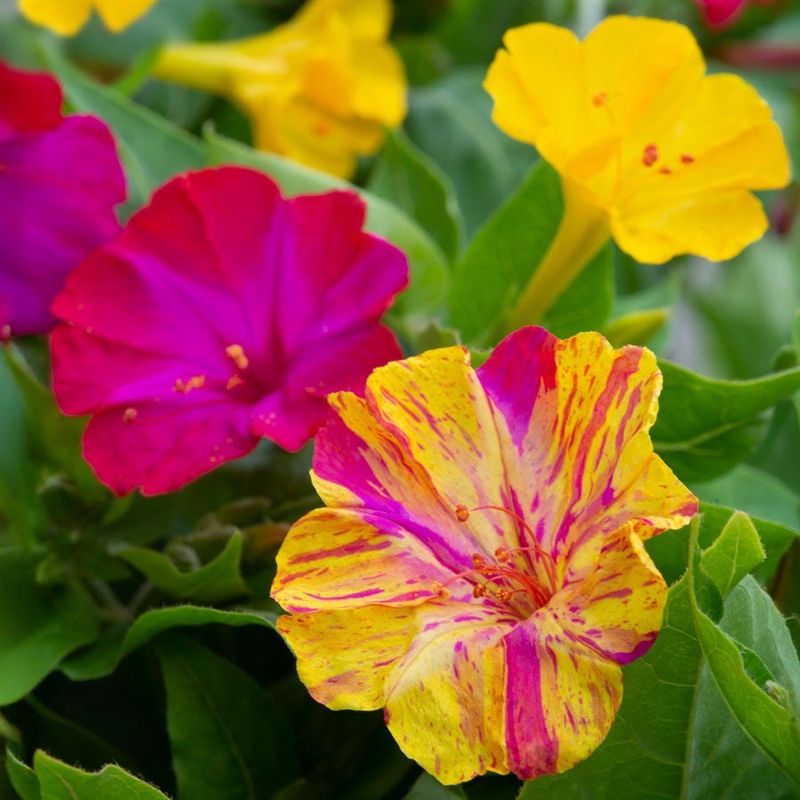
If you have ever noticed a garden suddenly come alive in the late afternoon, there is a good chance four o’clocks were involved.
True to their name, these cheerful plants open their funnel-shaped blooms in the late afternoon and keep them open through the night, which makes them especially valuable for hummingbirds that feed actively in the early evening hours.
In Georgia, where summer evenings are warm and long, four o’clocks can support hummingbird feeding well past the time most flowers have closed up for the day.
Sow four o’clock seeds directly into the garden in April, about a quarter inch deep and twelve inches apart in a spot that gets at least six hours of sun daily.
They germinate readily in Georgia’s warming spring soil and grow into bushy, two to three foot plants that need little maintenance once established.
Blooms appear in midsummer and continue until frost arrives in the fall.
Four o’clocks come in a range of colors, including red, pink, yellow, and bicolor varieties, with the red and hot pink shades tending to attract the most hummingbird attention.
They are also known to naturalize over time, forming small tuber-like roots that can overwinter in Georgia’s milder regions, sometimes returning on their own the following spring without replanting.
8. Salvia Provides Steady Nectar All Season
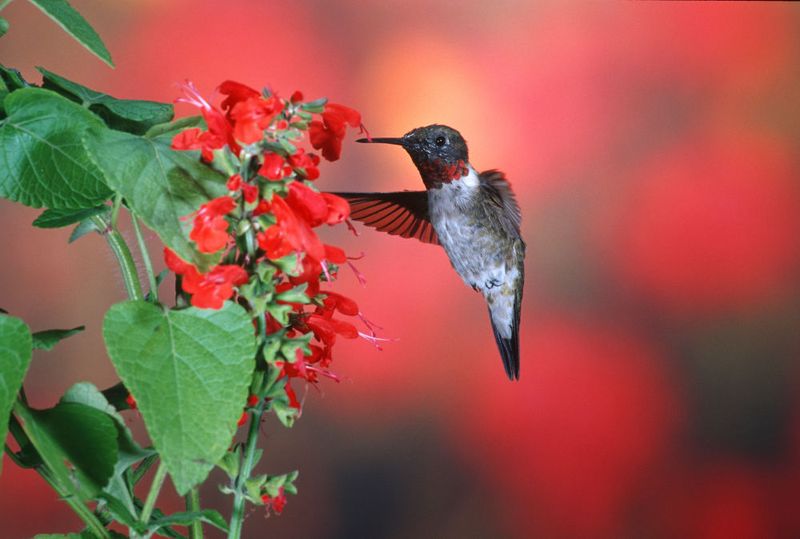
Georgia hummingbirds and salvia seem to have a long-standing agreement: the plant keeps producing nectar, and the birds keep showing up.
Salvia is one of the most consistently reliable hummingbird plants a Georgia gardener can grow, with tubular flowers that are shaped precisely for the long bills and hovering feeding style of ruby-throated hummingbirds.
Species like Salvia coccinea, commonly called scarlet sage, can be started from seed in April and will bloom well into fall.
Sow salvia seeds indoors four to six weeks before your last frost date, or direct sow outdoors in April once soil has warmed. Press seeds lightly onto the soil surface since they need light to germinate.
In Georgia’s climate, salvia seeds typically sprout within ten to twenty-one days depending on soil temperature and moisture levels.
Once established, salvias are remarkably heat-tolerant and handle Georgia’s humid summers without much complaint.
They prefer full sun and well-drained soil, and they bloom continuously when spent flower spikes are trimmed back occasionally.
Salvias, particularly red-flowering varieties, rank among the top hummingbird attractors for Georgia landscapes.
Planting several clumps together rather than a single plant creates a stronger visual signal that draws hummingbirds in from farther away.
9. Cleome Adds Height And Pollinator Appeal
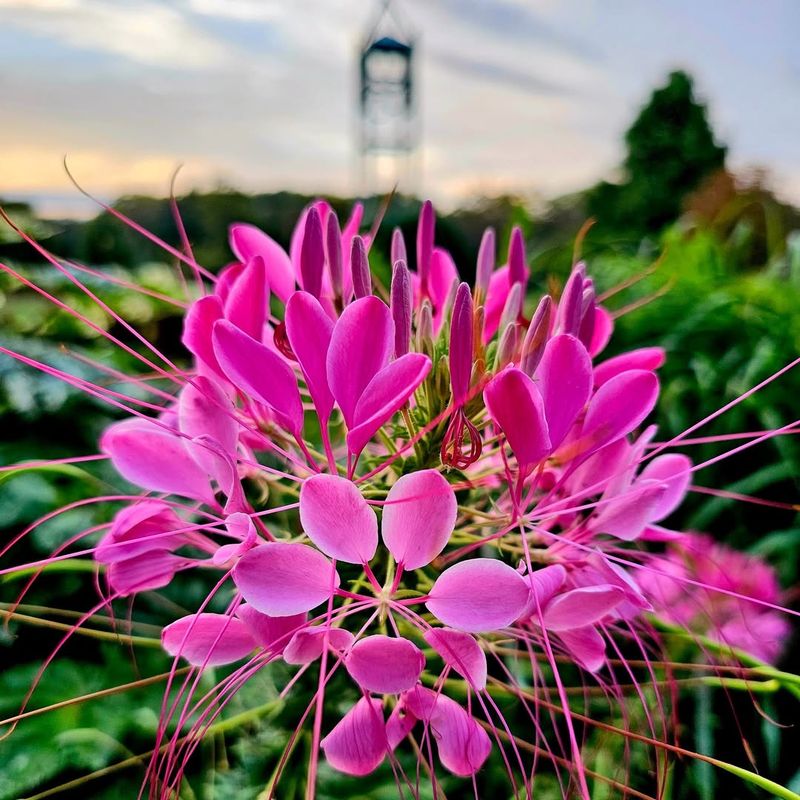
Standing three to five feet tall with spidery, globe-like flower clusters in shades of pink, purple, and white, cleome is the kind of plant that makes a real visual statement in a Georgia garden.
Also called spider flower, cleome has a slightly exotic look that catches the eye of both gardeners and hummingbirds alike.
The tall flower spikes produce nectar continuously as the blooms open from the bottom up, giving hummingbirds fresh nectar sources over an extended period.
Direct sow cleome seeds in April by scattering them lightly on the soil surface and pressing them in gently, as they need some light to germinate well. Space or thin plants to about eighteen inches apart once seedlings are a few inches tall.
Georgia’s warm spring temperatures help cleome germinate within ten to fourteen days, and the plants grow surprisingly fast once they get started.
Cleome thrives in full sun and handles Georgia’s heat with ease, continuing to bloom from early summer through the first frost.
One of its most useful traits is its tendency to self-sow abundantly, which means a patch of cleome planted this April could return on its own next spring.
Hummingbirds, bees, and butterflies all visit cleome regularly, making it one of the most productive pollinator plants you can add to a Georgia garden.
10. Nasturtium Trails And Blooms In Sunny Spots
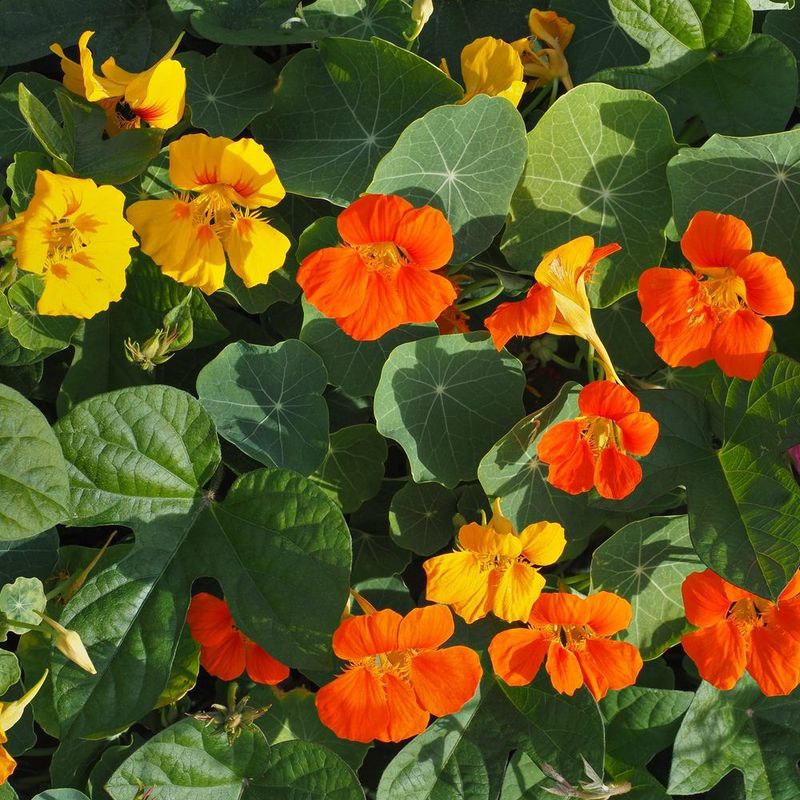
Nasturtiums have a relaxed, free-spirited quality that makes them one of the most enjoyable flowers to grow in a Georgia spring garden.
They trail along the ground, spill over container edges, or climb lightly if given something to lean on, and their warm-toned blooms in orange, red, and yellow are exactly the colors that catch a hummingbird’s eye.
What many gardeners do not realize is that nasturtiums prefer cooler growing conditions, making April in Georgia an excellent window for getting them established before summer heat intensifies.
Sow nasturtium seeds directly into the garden about half an inch deep and eight to twelve inches apart in a sunny spot with well-drained soil. They dislike being transplanted, so direct sowing is the most reliable approach.
Seeds germinate quickly in Georgia’s April soil, often sprouting within seven to ten days, and plants begin blooming in as little as five to six weeks from sowing.
Both the flowers and leaves of nasturtiums are edible, adding a peppery bite to salads, which is a fun bonus beyond their wildlife value.
Hummingbirds visit nasturtium blooms regularly, especially the single-flowered varieties that offer easier nectar access.
Keeping the soil on the leaner side encourages more blooming and less leafy growth, which ultimately means more nectar for visiting hummingbirds.
11. Bee Balm Attracts Hummingbirds With Bright Flowers
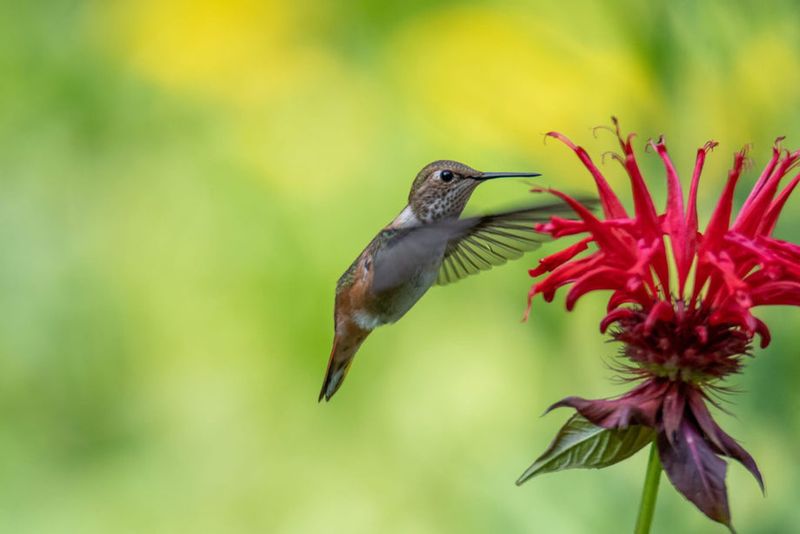
On a warm Georgia morning in midsummer, a patch of bee balm in full bloom is one of the busiest spots in the garden.
The shaggy, tubular flower heads in shades of red, pink, and purple seem to glow in the sun, and hummingbirds, bees, and butterflies all compete for a turn at the nectar.
Red-flowering varieties like ‘Jacob Cline’ are especially well-regarded for hummingbird attraction and show good resistance to powdery mildew, which can be a concern in Georgia’s humid summers.
Bee balm can be started from seed, though it takes patience since seeds benefit from a cold stratification period before sowing.
Starting seeds indoors in late winter and transplanting seedlings outdoors in April works well for Georgia gardeners who want blooms in the first season.
Alternatively, purchasing transplants in April and setting them out in a partially sunny to full-sun spot with consistently moist soil gives the plant a strong start.
Once established, bee balm spreads gradually through underground runners, slowly filling in a garden bed over several seasons.
It prefers rich, moist soil and benefits from a layer of mulch to retain moisture during Georgia’s dry summer stretches.
Cutting plants back by about a third after the first bloom flush often encourages a second round of flowering later in the season.