Why Dragonflies Are Disappearing From Georgia Backyards And The Yard Habits That Bring Them Back
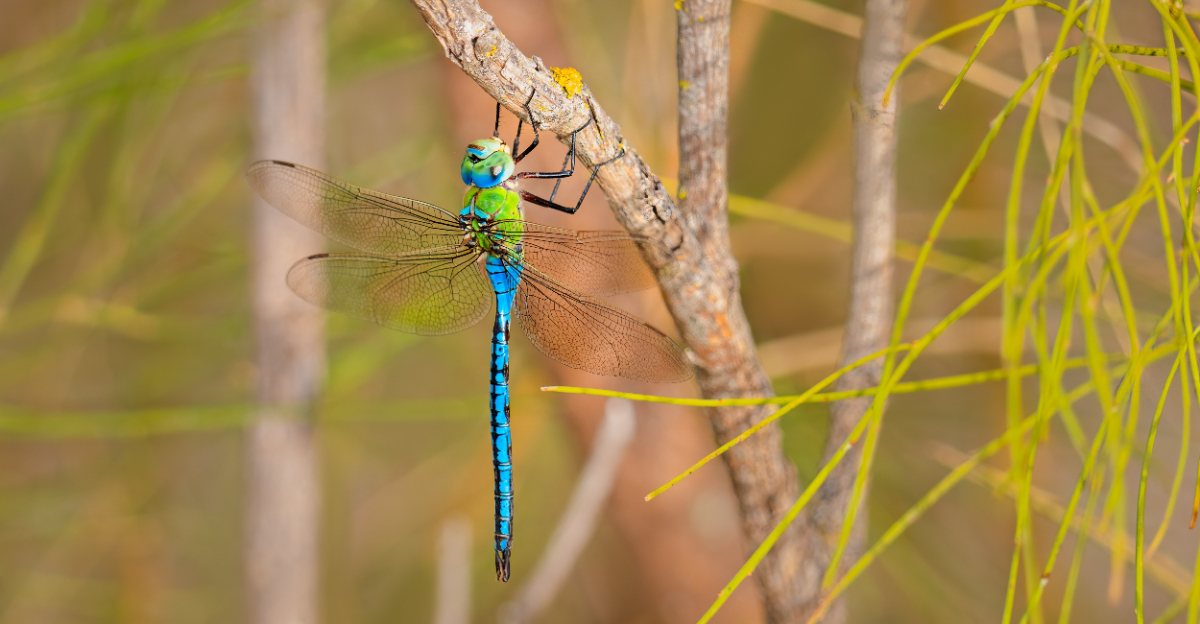
Dragonflies used to be one of the easiest insects to spot on a warm afternoon. A quick walk through the yard was often enough to see them darting through the air or hovering near plants.
When they stop showing up, it is hard not to notice.
Georgia backyards can still support dragonflies, but some common yard habits make life harder for them than many people realize. The problem is not always a lack of flowers or a lack of water.
In many cases, the things that make a yard look neat and well maintained are the same things that reduce dragonfly activity.
That can be frustrating for anyone who enjoys seeing these fast moving visitors around the garden. The good news is that a few simple changes can make a surprising difference and help create a yard where dragonflies feel welcome again.
1. Backyard Water Sources Are Becoming Harder To Find
Dragonflies do not just visit water. They need it to complete their entire life cycle.
Females lay eggs directly on or near water. The larvae live underwater for months, sometimes over a year, before emerging as adults.
Without a reliable water source nearby, there is simply no way for a dragonfly population to survive in your yard.
Across many neighborhoods, natural ponds and drainage areas have been filled in, paved over, or replaced with tidy concrete landscaping. Birdbaths dry out quickly and are too shallow for dragonfly larvae.
Decorative fountains move water too fast for eggs to settle safely.
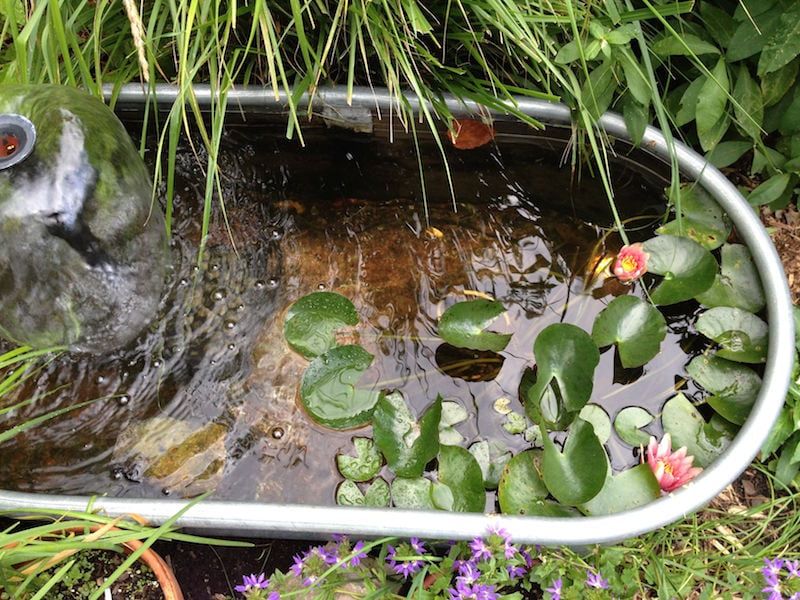
What dragonflies actually need is calm, still, or slow-moving water that stays consistent through the warmer months. Even a small container pond or a half-barrel water garden can work if it holds water steadily and gets some sunlight each day.
Depth matters too. A water feature that is at least eight to twelve inches deep gives larvae enough room to develop properly.
Adding a few aquatic plants like pickerelweed or water iris helps create the right environment without much effort.
2. Mosquito Sprays Can Reduce Their Food Supply
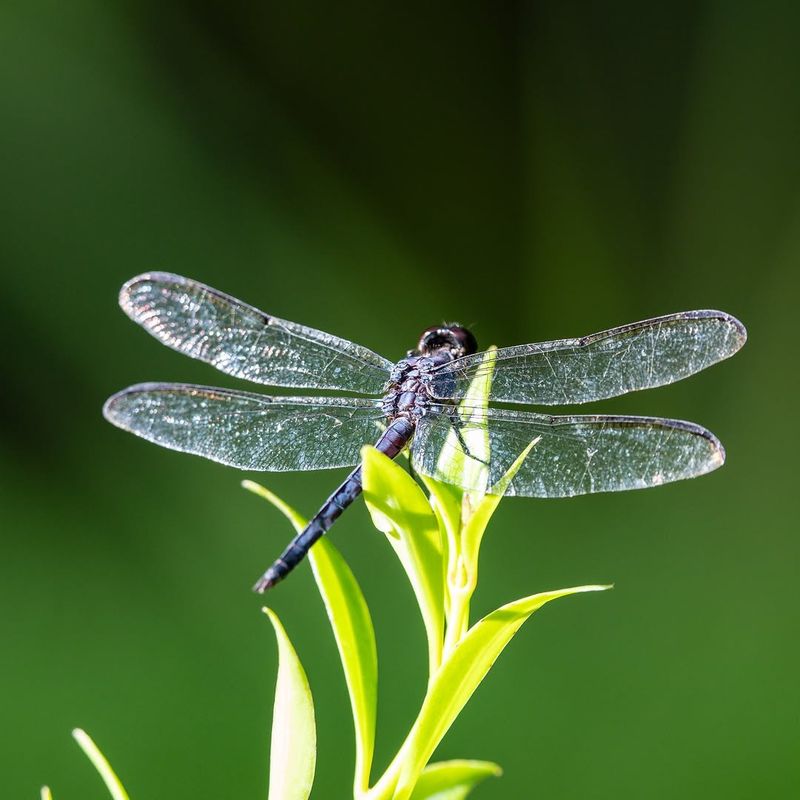
Broad-spectrum insecticides wipe out more than just mosquitoes. That is the part most labels do not make obvious.
Dragonflies eat flying insects almost exclusively. Mosquitoes, gnats, midges, and small flies make up a large part of their diet.
When a yard gets regularly treated with sprays or foggers, that food source collapses fast.
Professional mosquito spraying services have become popular in many suburban neighborhoods. These treatments are often applied on a schedule, coating fences, shrubs, and grass with chemicals that linger for days.
Beneficial insects, including the prey dragonflies depend on, get caught in the same spray.
Pyrethrin-based products are among the most commonly used. They break down relatively quickly, but repeated applications keep insect populations suppressed long enough to starve out predators like dragonflies.
Reducing how often you spray, and choosing targeted methods instead of broad fogging, can help restore the insect balance your yard needs. Mosquito dunks placed in standing water are a much safer option.
They target mosquito larvae specifically and leave other insects unaffected.
Your Georgia Garden Changes Every Week. Your Plan Should Too.
Gardening in Georgia changes quickly throughout the season. Every Friday you’ll receive a simple weekly plan showing exactly what to plant, prune, fertilize, harvest, and protect so you never miss the right timing.
Planting citronella, basil, or lemon balm near gathering areas can also deter mosquitoes without chemical sprays. These are not perfect solutions, but they reduce the need for treatments that affect the wider insect community.
3. Add A Small Water Feature That Holds Water Longer
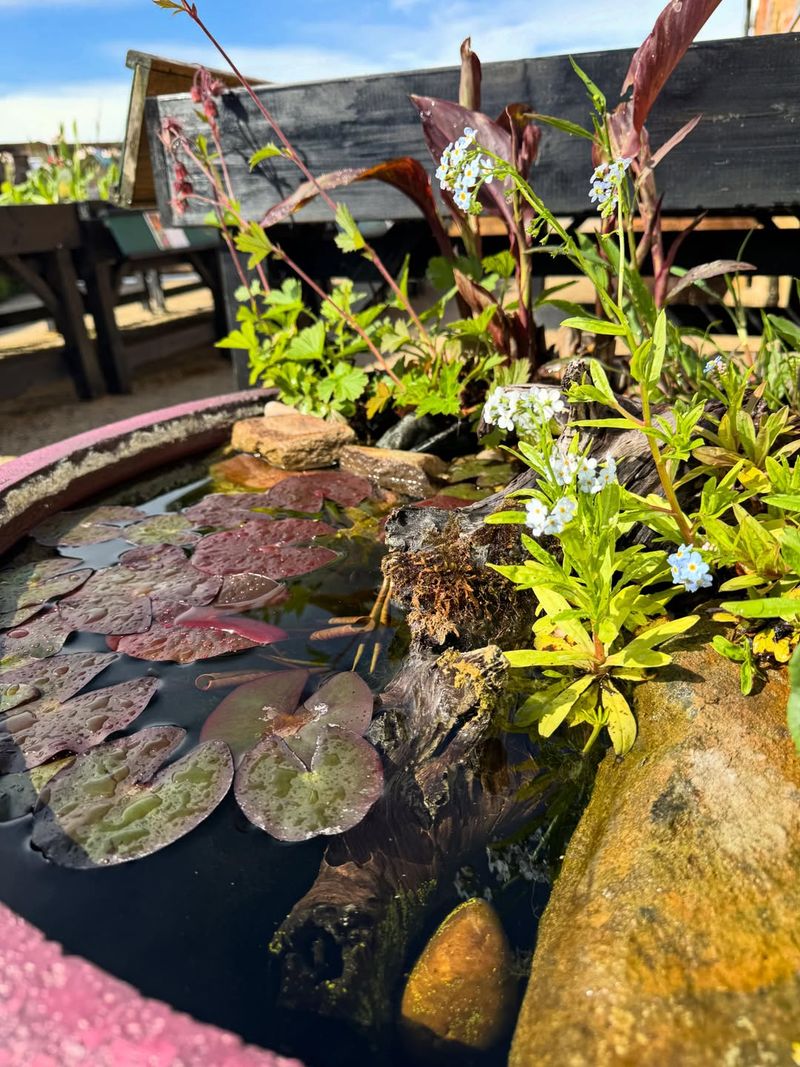
Not every water feature does the job equally well. Dragonflies are picky about where they breed, and most ornamental fountains miss the mark completely.
Moving water is the main problem. Fountains and bubblers create constant surface disruption, which makes it hard for dragonfly eggs to attach to plants or settle safely.
What works better is a feature with large sections of calm, still water that stay undisturbed for long stretches.
Half-barrel ponds are one of the most practical options for smaller yards. They are inexpensive, easy to set up, and hold enough water to support aquatic plant life.
Place one in a spot that gets at least five to six hours of direct sun daily. Dragonflies are cold-blooded and prefer warm, sun-exposed water for breeding.
Adding native aquatic plants makes the feature far more effective. Blue flag iris, arrowhead, and pickerelweed all grow well in shallow containers and give dragonfly larvae places to cling and hide.
Floating plants like water lettuce also help by shading parts of the water and keeping algae growth in check.
Avoid adding fish to small water features if your goal is dragonflies. Fish eat larvae aggressively and can empty a container pond of developing dragonflies within a season.
4. Replace More Lawn With Native Plants
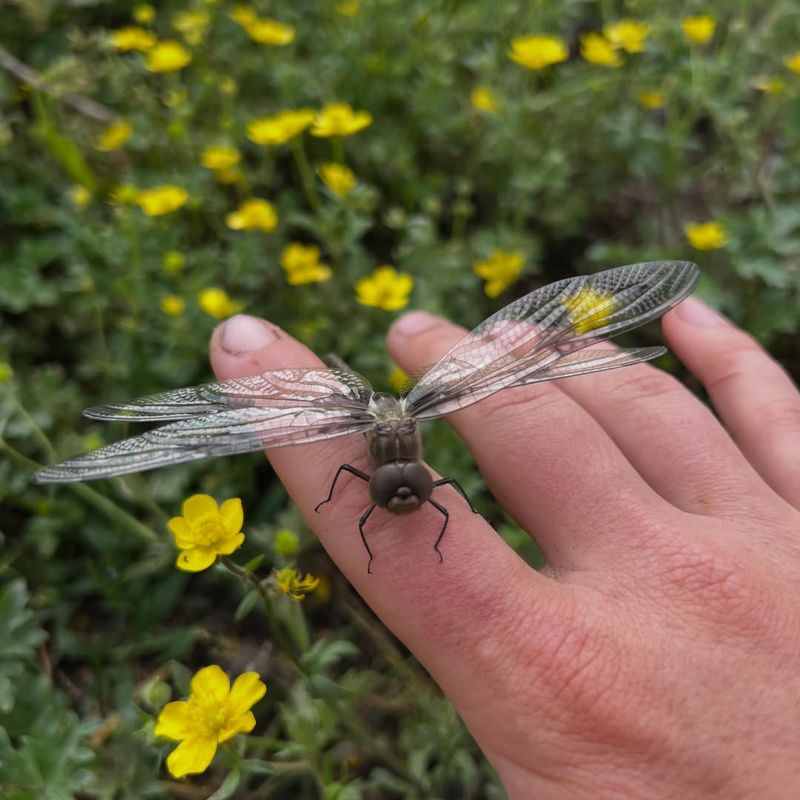
Short grass lawns offer almost nothing to dragonflies. No shelter, no hunting ground, no reason to stay.
Native plants change that equation quickly. They attract the small flying insects dragonflies feed on, provide vertical structure for perching, and create the kind of layered habitat that supports a wider insect community overall.
Replacing even a small section of turf with native plantings can shift the balance noticeably within a single season.
Plants like black-eyed Susan, wild bergamot, swamp milkweed, and native grasses all support insect populations that dragonflies actively hunt.
You do not need a full meadow to make a difference.
A ten-by-ten-foot patch of native plants near a water feature is genuinely useful. Dragonflies like to hunt along edges, where open space meets taller vegetation.
That transition zone is where they spend a lot of their active time.
Choosing plants that bloom at different times through spring, summer, and fall keeps insect activity going across the whole warm season. Dragonflies are most active from late spring through early fall across much of the region, so sustained bloom cycles matter.
Avoid heavily hybridized ornamental plants. Many modern cultivars have been bred for appearance and produce little to no nectar or insect value.
5. Leave Part Of The Yard Less Trimmed
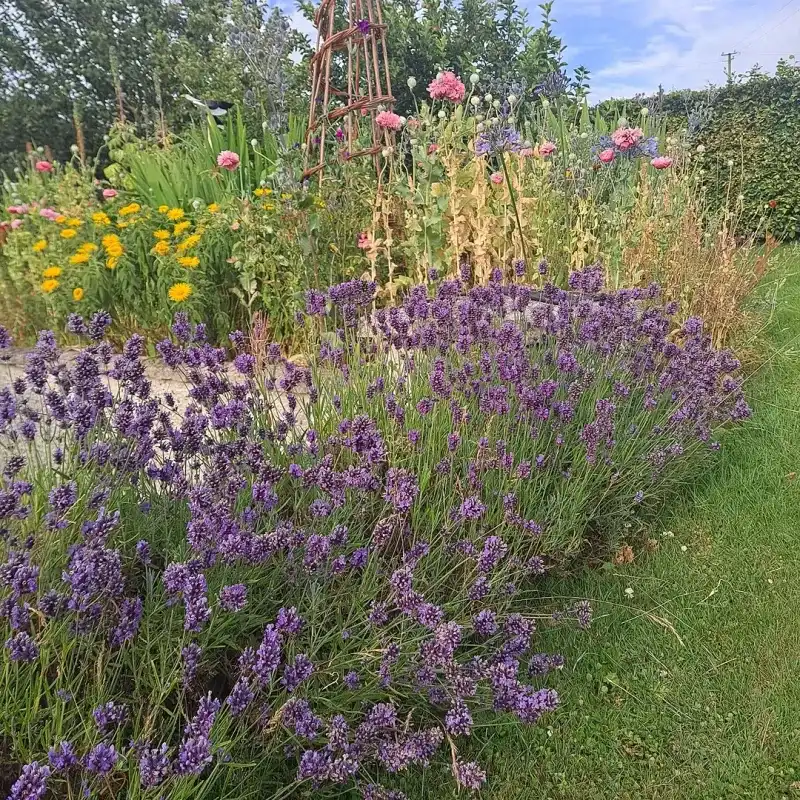
Perfectly manicured yards look tidy, but they push out most of the wildlife that makes a garden feel alive.
Dragonflies use tall stems and rough vegetation for resting, warming up, and watching for prey. A yard with nothing but clipped grass and trimmed hedges gives them nowhere to land comfortably between hunts.
They tend to move on quickly when suitable perching spots are scarce.
Leaving a section of your yard deliberately rougher does not mean letting everything go wild.
It means allowing some areas to stay taller, keeping a patch of ornamental grasses uncut through winter, or letting native wildflowers go to seed before trimming them back.
Leaf litter is also worth keeping in certain spots. Many insects that dragonflies feed on overwinter in leaf piles and emerge in spring.
Removing every leaf from your yard in fall clears out a major food source before the warm season even begins.
A corner of the yard near a water feature is an ideal place to let things grow a bit looser. Tall native grasses like muhly grass or switchgrass provide strong vertical stems that dragonflies use constantly as lookout posts while hunting.
Resist the urge to cut everything back in late summer. Many adult dragonflies are still active through September and into October in warmer parts of the South.
6. Reduce Bright Outdoor Lighting At Night

Bright outdoor lights do something most people never consider. They pull flying insects away from the areas where dragonflies hunt during daylight hours.
Many of the small insects dragonflies feed on are drawn to artificial light at night. When lights are very bright, especially cool-white LED fixtures, they attract and trap large numbers of these insects near the bulbs.
That means fewer insects are active in the yard during the day, when dragonflies are actually hunting.
Over time, heavy outdoor lighting near gardens and water features can quietly reduce the local insect population in ways that are hard to notice until the imbalance becomes significant.
Switching to warm-toned bulbs rated at 2700K or lower reduces insect attraction substantially compared to cool white or daylight-spectrum bulbs. Motion-activated lights are another practical option.
They stay off most of the night and only activate when actually needed.
Keeping lights directed downward rather than outward also helps. Lights that spill upward and outward into open sky attract insects from a much wider area and keep them circling the fixture all night.
Shielded fixtures that point light only where it is useful cut light pollution without sacrificing safety or visibility on paths and driveways.
7. Grow More Tall Plants For Perching Spots
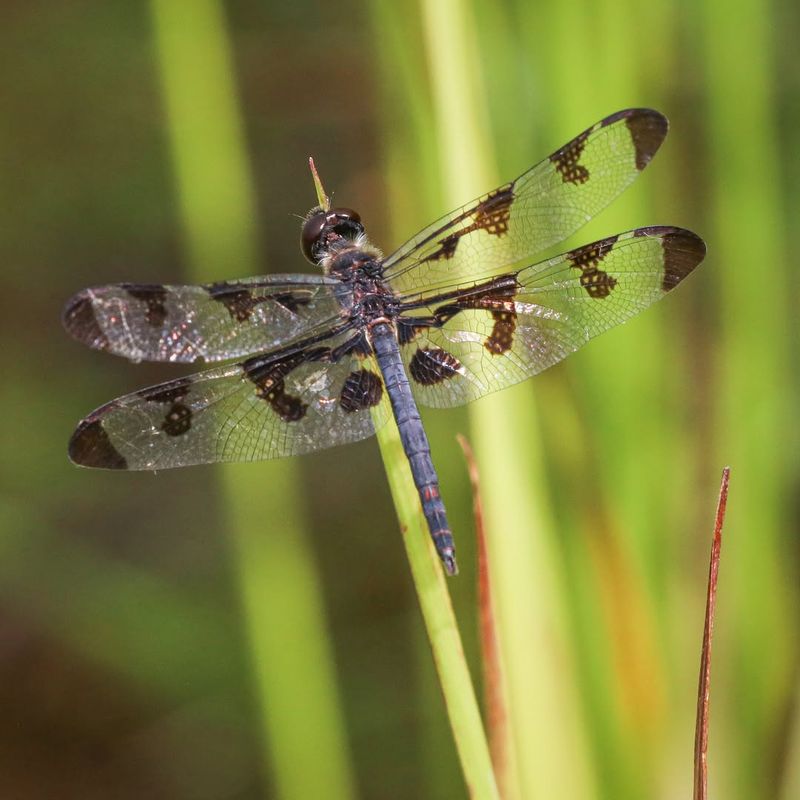
Watch a dragonfly hunt for a few minutes and you will notice it keeps returning to the same spot. That perch is not random.
It is a carefully chosen vantage point with a clear view of open space and good sun exposure.
Tall, sturdy plant stems serve as hunting platforms. Dragonflies sit, scan for prey, launch out to catch something, and return to the same stem repeatedly.
Without enough vertical structure in a yard, they cannot hunt efficiently and will move to a better location.
Native tall plants are ideal for this purpose. Joe Pye weed grows easily in many soil types and reaches five to seven feet by late summer.
Ironweed, tall goldenrod, and switchgrass all provide the kind of firm, upright stems dragonflies prefer. These plants also support the broader insect community, which feeds directly into the dragonfly food chain.
Positioning tall plants near your water feature makes the setup even more effective. Dragonflies regularly patrol the edges of ponds and slow-moving water while using nearby vegetation as rest stops between passes.
Spacing matters a little. A loose cluster of tall plants with some open ground between them works better than a dense, impenetrable mass of vegetation.
Dragonflies need clear flight paths to launch and return.