Think Twice Before Planting This Popular Shrub In Your Arizona Landscape
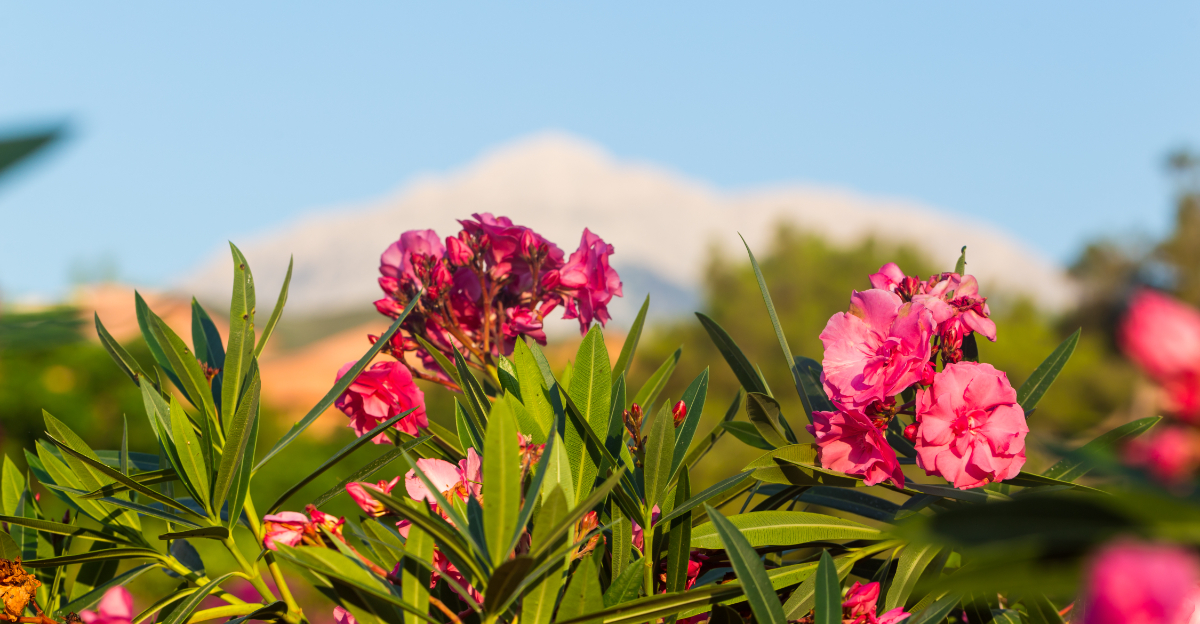
Some shrubs seem perfect for an Arizona yard right up until the climate starts testing them. Strong sun, dry air, reflected heat, and stubborn soil have a way of exposing every weakness, even in plants that stay popular year after year.
That is why a shrub with a good reputation does not always turn out to be a good fit once it settles into the landscape.
At first, the shape looks right, the color stands out, and the whole plant appears like an easy choice for filling space with something attractive. Then the stress starts to show in ways that are hard to ignore.
What once looked like a reliable addition can lose its appeal much faster than expected under Arizona conditions.
Before this shrub takes up a spot in the yard, it helps to look past its popularity and pay attention to how it really handles the kind of heat and dryness that define so much of Arizona landscaping.
1. Oleander Is The Popular Shrub That Raises Safety Concerns
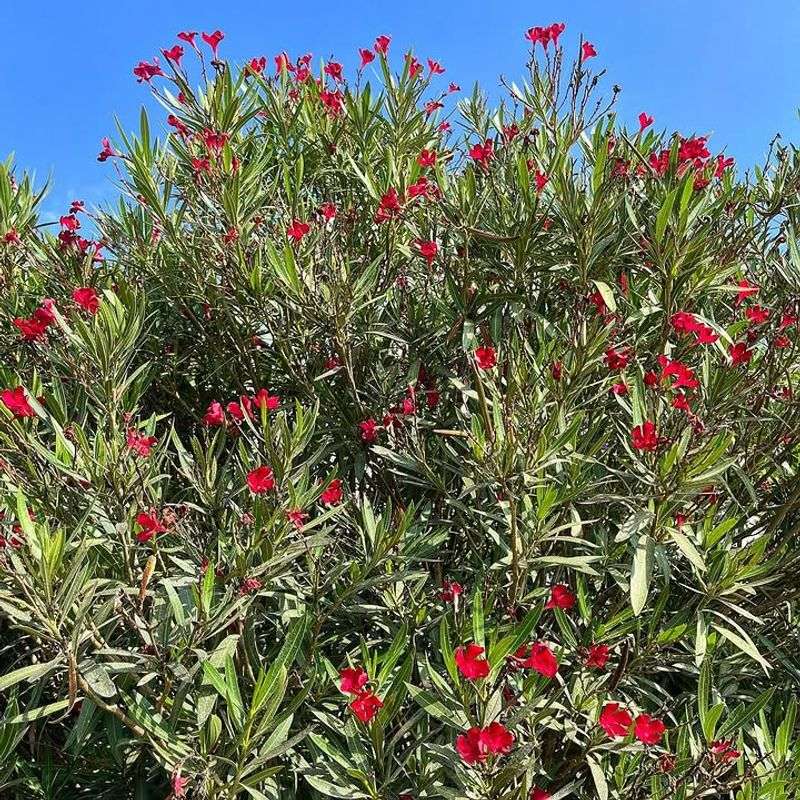
Walk down almost any street in Phoenix, Tucson, or Scottsdale, and you will spot oleander growing somewhere nearby. Its clusters of pink, red, white, or yellow blooms are hard to miss, and its thick, bushy form gives it a commanding presence in the landscape.
Oleander has been planted across Arizona for decades, showing up in residential yards, commercial properties, and along highway corridors throughout the state.
Part of the reason it became so popular here is its ability to handle heat and dry conditions without much fuss. Arizona summers are brutal, and plants that can survive them without constant attention tend to get planted a lot.
Oleander fits that description, which helped it earn a reputation as a go-to shrub for warm-climate landscaping.
However, popularity does not always mean a plant is the right call. Oleander comes with a set of real concerns that go beyond typical maintenance headaches.
Its toxicity, growth habits, and physical demands make it a plant that deserves a second look before it ends up in your yard.
Many Arizona homeowners have planted oleander without fully understanding what they were getting into. Learning about those concerns upfront can save you from regret later.
Alternatives like Texas sage or brittlebush can offer visual appeal without the same level of risk, and they are genuinely suited to Arizona’s desert conditions in a way oleander, despite its toughness, simply cannot match when safety and practicality are your top priorities.
2. All Parts Of Oleander Contain Toxic Compounds
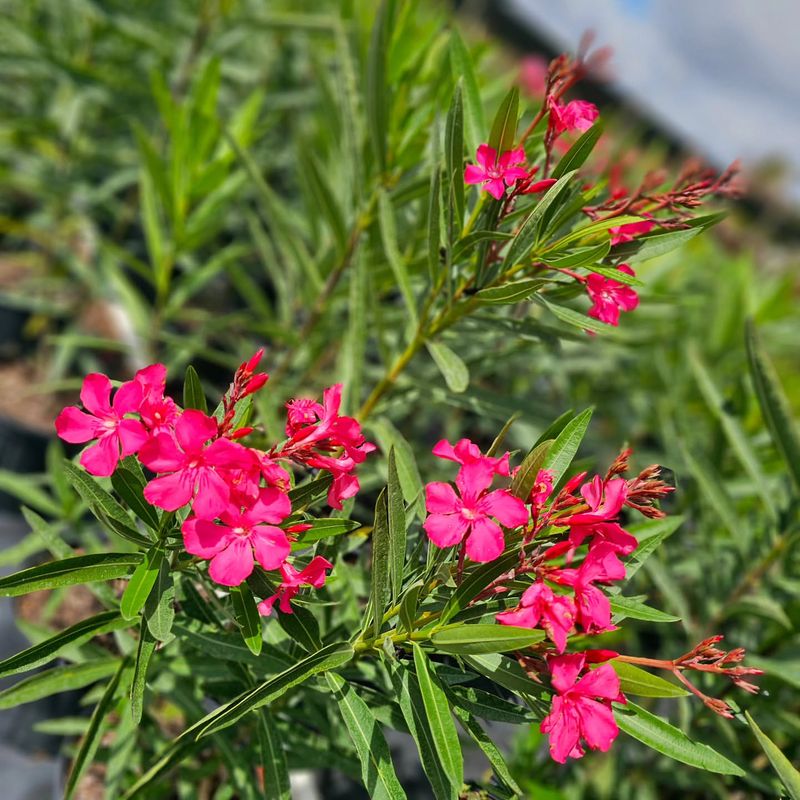
Every single part of an oleander plant is toxic, and that is not an exaggeration. Roots, stems, leaves, flowers, and even the sap that oozes out when you cut a branch all contain compounds called cardiac glycosides.
These substances can cause serious harm to humans and animals if ingested, and in some cases, exposure to the smoke from burning oleander clippings has caused problems for people working nearby.
Children are especially vulnerable. A curious kid who picks a flower or chews on a leaf while playing in the yard could end up in a very bad situation.
Your Arizona Garden Changes Every Week. Your Plan Should Too.
Gardening in Arizona changes quickly throughout the season. Every Friday you’ll receive a simple weekly plan showing exactly what to plant, prune, fertilize, harvest, and protect so you never miss the right timing.
Pets, including dogs and cats, face the same risk. Horses, goats, and other animals are also sensitive to oleander, and there have been documented cases of livestock becoming ill after grazing near these plants.
Even handling oleander without gloves can cause skin irritation in some people, particularly those with sensitive skin. Getting sap in your eyes is another real hazard that Arizona gardeners who prune without proper protection have experienced firsthand.
With kids and pets spending time outdoors in Arizona backyards, having a plant this toxic growing in close proximity is a calculated risk that many families might not want to take.
Plenty of flowering shrubs can give you color and visual interest without posing any threat to the people and animals sharing your outdoor space.
Weighing that trade-off honestly is a big part of making a good landscaping decision here in Arizona.
3. Its Dense Growth Can Require Frequent Maintenance
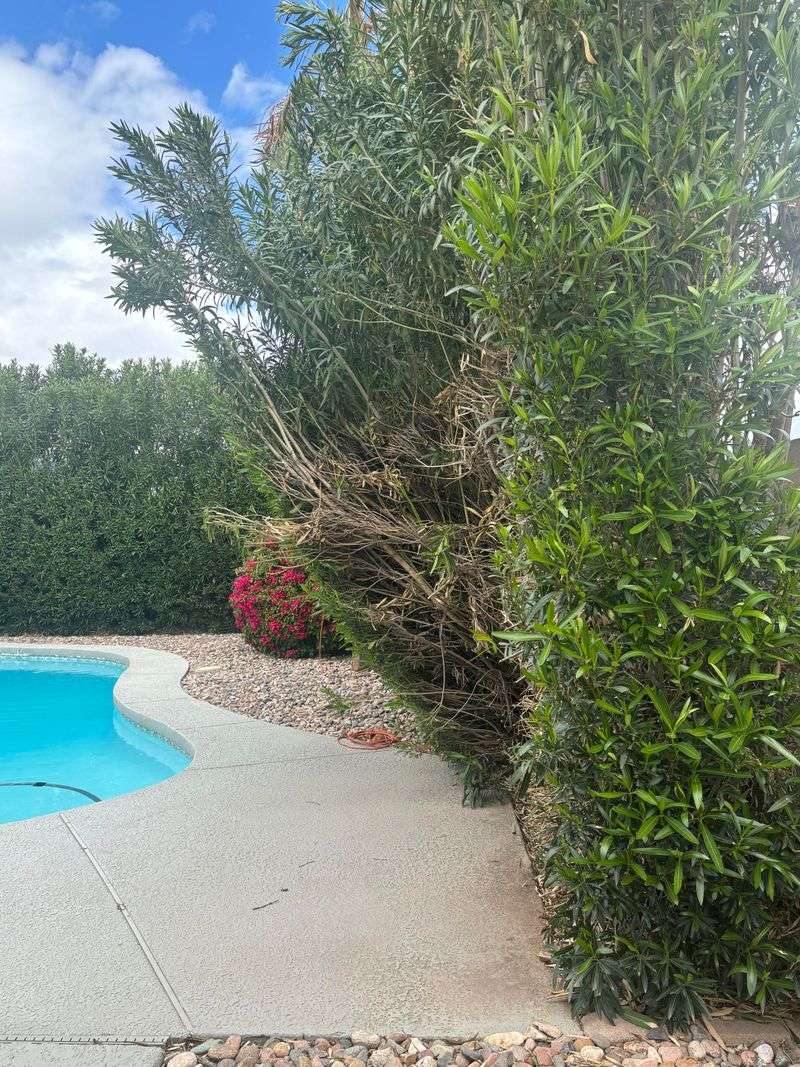
Oleander does not stay tidy on its own. Left alone, it pushes out new growth in multiple directions, sending up suckers from the base and filling in with thick, crossing branches that make the interior of the plant dark and congested.
What starts as a manageable shrub can turn into a sprawling mass that blocks walkways, crowds fences, and shades out everything growing nearby.
Keeping it shaped and healthy means pruning it back regularly, which is its own challenge given the toxicity issue. You cannot just grab a pair of gloves and start cutting.
Protective clothing, eye protection, and careful disposal of all clippings are necessary every single time you work with this plant. That adds both time and effort to what might otherwise be a quick yard task.
Debris from oleander, including fallen leaves and spent flowers, also accumulates fast. Those fallen leaves do not break down quickly in Arizona’s dry soil, and they hold their toxicity even after they drop.
If you have a dog that likes to sniff around in the garden, that layer of leaf litter on the ground is a real concern worth thinking about.
Compared to lower-maintenance native options like desert marigold or globe mallow, oleander demands consistent attention to stay looking decent.
For Arizona homeowners who want a yard that does not eat up every weekend, that ongoing upkeep is a meaningful downside that often gets underestimated at the time of planting.
4. Rapid Growth Can Make It Difficult To Control
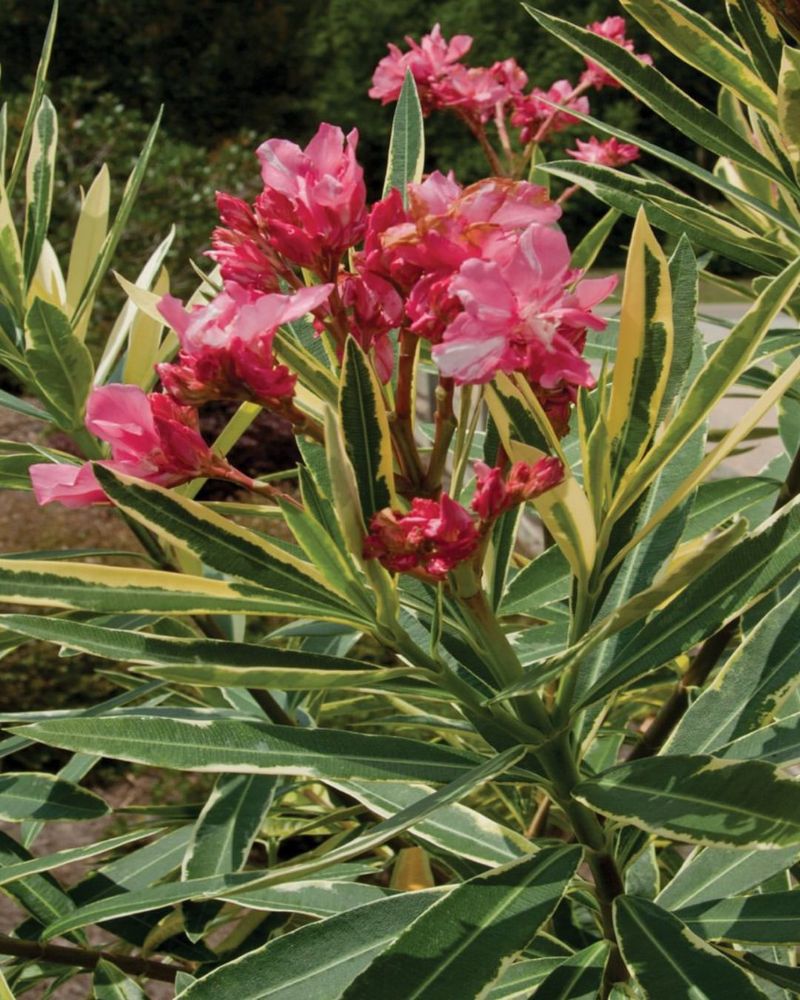
Oleander grows fast, and in Arizona’s warm climate, that pace picks up even more. Under good conditions, it can add several feet of height and spread in a single growing season.
That might sound like a benefit when you are trying to fill a space quickly, but fast growth without strong control can create real problems in a residential landscape.
Roots spread outward as the plant expands, sometimes interfering with irrigation lines, concrete edging, and even nearby structures over time.
Suckers sprout up from the base and around the root zone, and if you do not stay on top of removing them, you can end up with a multi-stemmed thicket instead of the clean, single-form shrub you originally planted.
In some parts of Arizona, oleander has spread beyond cultivated gardens into natural areas and riparian corridors. Along the Salt River and other waterways, it has been documented crowding out native vegetation.
While it is not classified as a regulated invasive species in Arizona at this time, its tendency to spread aggressively in favorable conditions is something worth considering before you put it in the ground near open desert or natural areas.
Controlling a plant that really wants to grow means you are always reacting instead of simply enjoying your yard.
For people who want a landscape that stays predictable and manageable without constant intervention, oleander’s growth habits often end up being more of a burden than a benefit over the long run in Arizona’s climate.
5. Pruning And Handling Require Extra Caution
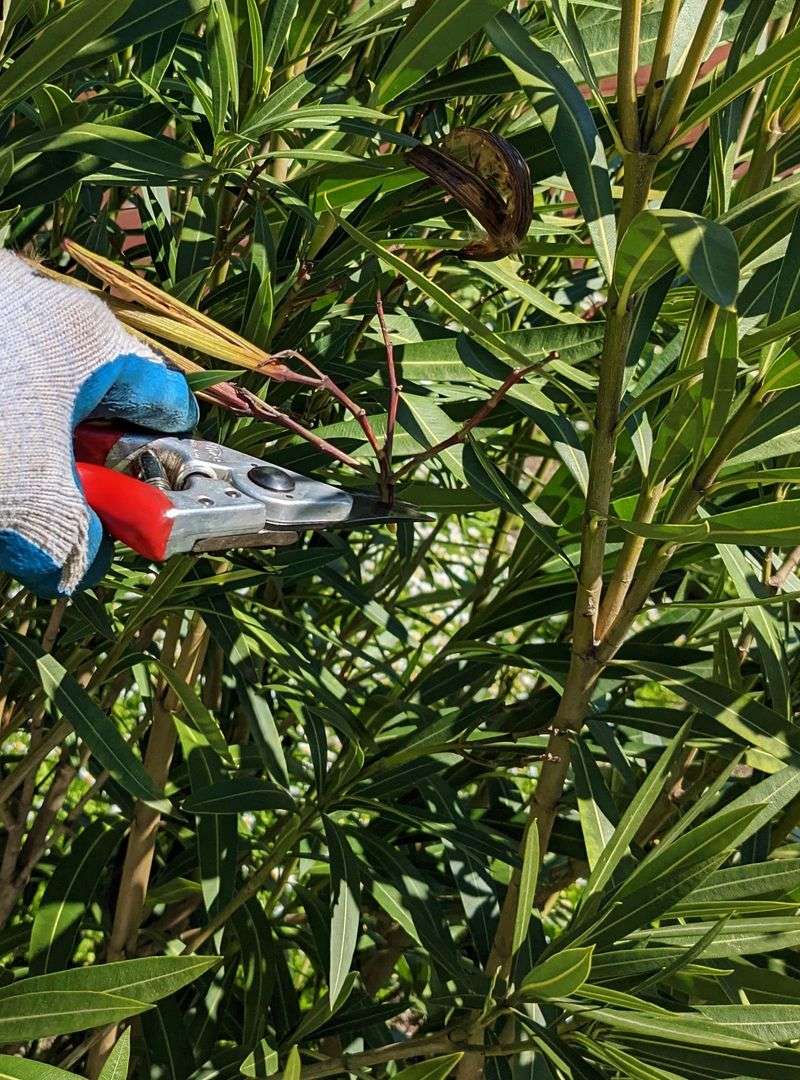
Pruning oleander is not a casual weekend chore. Because every part of the plant contains toxic compounds, cutting it back requires a level of preparation that most shrubs simply do not demand.
Long sleeves, thick gloves, eye protection, and ideally a mask are all recommended before you start. That gear list alone is enough to make some Arizona homeowners think twice about keeping the plant around.
Once the cutting is done, you cannot just toss the clippings in the compost pile or burn them in the backyard. Oleander clippings should be bagged and disposed of through your regular trash service, not composted or burned.
Burning oleander releases toxic particles into the air that can cause respiratory irritation, which is a real hazard in neighborhoods where outdoor burning is still common in rural parts of Arizona.
Sap from cut branches can transfer to tools, gloves, and skin without you realizing it. Washing up thoroughly after any contact with the plant is important, and tools should be cleaned before being used on other plants or handled by someone else.
That level of post-work cleanup adds to the overall effort involved.
Compared to pruning a desert willow or a Texas sage, working with oleander feels like a much more involved process. Arizona gardeners who are not aware of these precautions sometimes find out the hard way.
Starting with a plant that does not require a full safety protocol just to trim it back is a practical choice that many experienced local gardeners would recommend.
6. It Can Outgrow Small Landscape Spaces Quickly
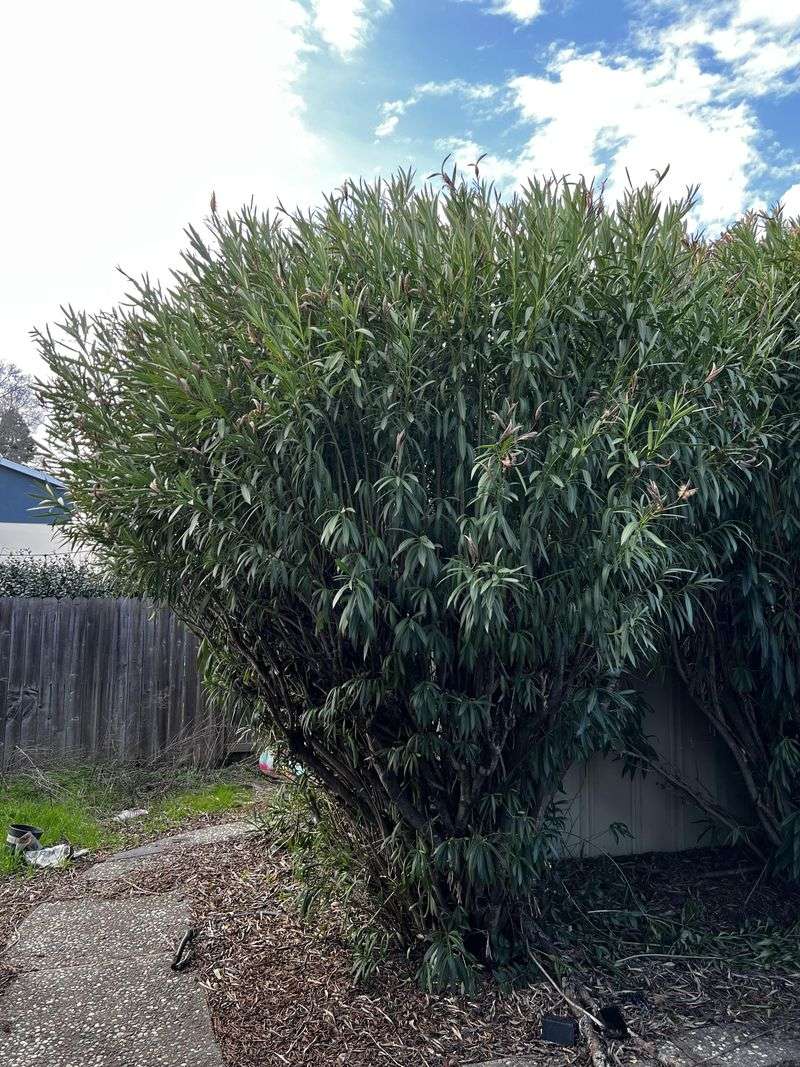
Oleander is not a shrub that stays politely in its lane. Give it a few seasons in an Arizona yard and it will push against fences, shade out smaller plants, and creep toward pathways and driveways in ways that can feel surprisingly aggressive.
What looks like a manageable plant at the nursery can easily hit ten to twelve feet tall and just as wide without consistent pruning to hold it back.
Smaller yards, courtyard gardens, and tight planting strips are especially problematic spots for this shrub. Homeowners in newer Arizona subdivisions often have compact lots where every square foot counts.
Planting something that naturally wants to fill a large space in a small area sets you up for a constant battle to keep it contained.
Neighboring plants often end up suffering too. Oleander’s dense canopy cuts off sunlight to anything growing nearby, and its root system competes aggressively for water and nutrients in the soil.
In Arizona’s already-dry conditions, that competition can stress out surrounding plants in ways that are hard to reverse without removing the oleander entirely.
Choosing a plant that fits the actual space you have is one of the most practical things you can do as an Arizona gardener. Shrubs like autumn sage or little leaf cordia offer manageable sizes, attractive blooms, and far less tendency to take over.
Matching plant size to your available space from the start saves significant time, money, and frustration down the road compared to constantly fighting an oversized oleander.
7. Its Risks Often Outweigh Its Appeal In Many Landscapes
Oleander offers real visual appeal, and it is hard to argue with how well it handles Arizona heat. But when you stack up everything that comes with it, the picture gets more complicated.
Toxicity, aggressive growth, high-maintenance pruning routines, and the potential to crowd out other plants add up to a shrub that asks a lot from the people who grow it.
Families with young children or pets face the most direct risk, but even households without those concerns still deal with the ongoing physical demands of keeping oleander in check.
Replacing it with something that delivers similar visual impact without the same set of trade-offs is a realistic option that more Arizona gardeners are considering.
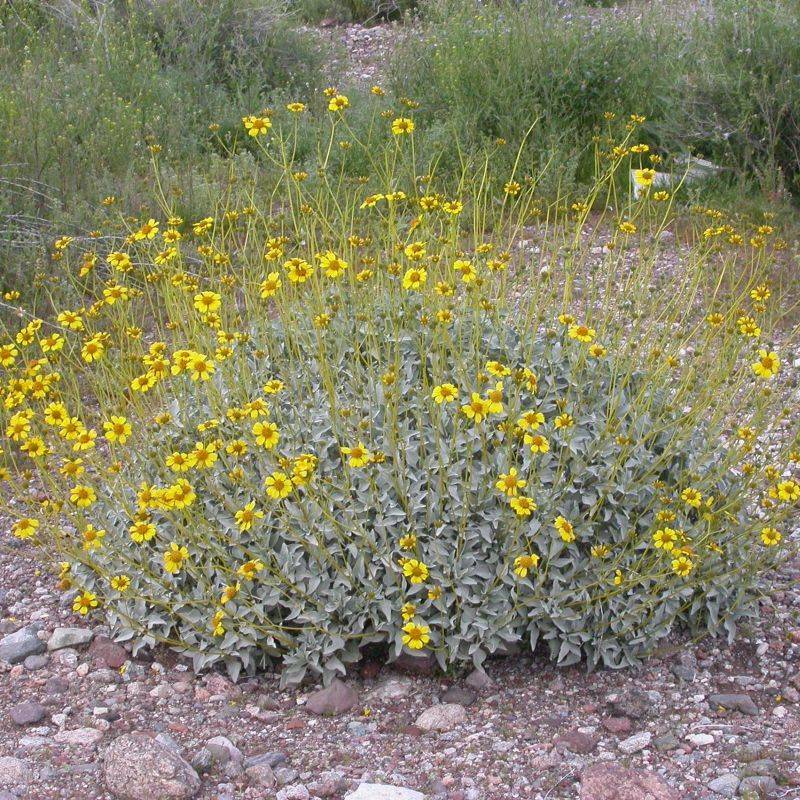
Texas sage blooms purple after monsoon rains and stays compact without much intervention. Brittlebush covers itself in yellow flowers in late winter and early spring, offering color when the rest of the yard looks bare.
Desert bird of paradise puts on a dramatic show with orange and yellow blooms while staying manageable in size. All of these options are genuinely suited to Arizona’s climate and soil without bringing the complications oleander does.
Rethinking a planting choice before you commit is always easier than dealing with a problem plant years later. Oleander has earned its reputation as a tough survivor in Arizona, but toughness alone is not enough when safety and practicality are part of the equation.
Plenty of shrubs can give your Arizona landscape color, structure, and year-round interest without requiring a second thought every time your kids head outside to play.