Is There Hope For Plants That Didn’t Recover From Freeze By April In Georgia
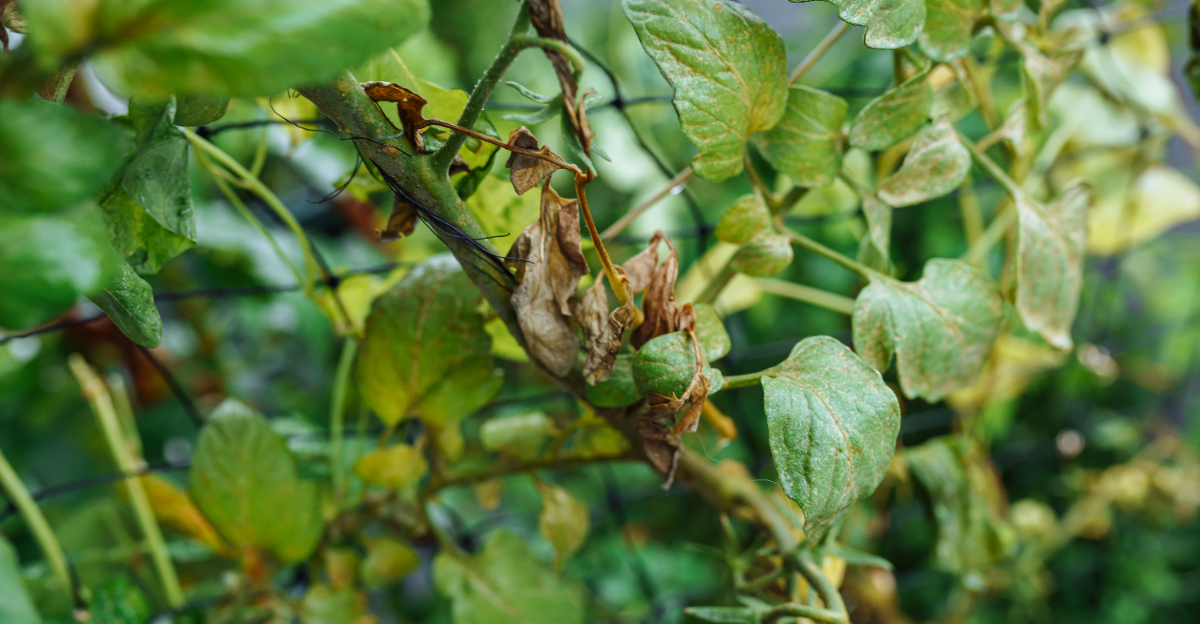
Cold damage can leave Georgia gardens looking quiet well into spring, and by April, it is easy to assume the worst.
Plants that once pushed out steady growth suddenly sit still, with no clear signs of life, making it hard to tell if they are truly gone or just taking longer to recover.
Some species wake up later than expected, especially after a rough freeze, while others may struggle below the surface before showing anything above ground.
That waiting period can feel frustrating, especially when nearby plants have already started growing again.
Before giving up or pulling anything out, it helps to understand what delayed recovery really looks like and how to tell the difference between a plant that is finished and one that just needs more time.
1. Some Plants Break Dormancy Later Than Expected After Cold Damage
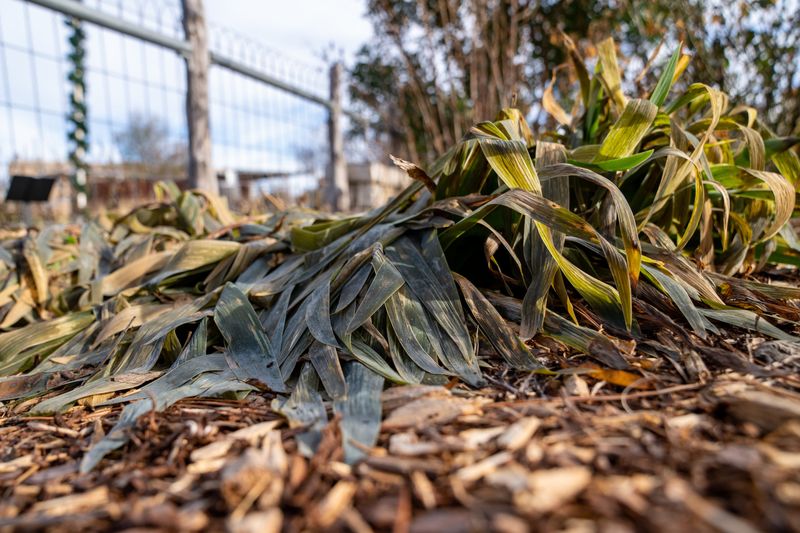
Not every plant wakes up on the same schedule, and that’s especially true after a hard freeze in Georgia. Some species that normally leaf out in early March might not show any signs of life until late April or even early May when cold stress has been involved.
Pushing a plant out before making any removal decisions is one of the most useful things you can do.
Plants like crape myrtles, loropetalum, and certain fig varieties are notorious for taking their sweet time after a rough winter. Gardeners across north Georgia especially know this pattern well.
You watch the neighbors’ plants green up, then look at yours and assume the worst, only to find tiny buds appearing two weeks later.
Cold damage slows the hormonal signals that trigger new growth. The plant isn’t responding lazily; it’s being cautious in a way that actually protects it.
Roots may still be actively pulling water and nutrients while the top of the plant appears completely still.
Soil temperature plays a big role here too. Even after air temperatures warm up in Georgia, soil can stay cold longer in shaded areas or in heavy clay.
That cold soil delays the cues that tell a plant to start pushing growth upward. Checking soil temp with a basic garden thermometer can tell you more than just looking at the stems.
Give your plants more time than feels comfortable before writing them off.
2. Scratch Test Helps Identify Living Tissue Beneath The Bark
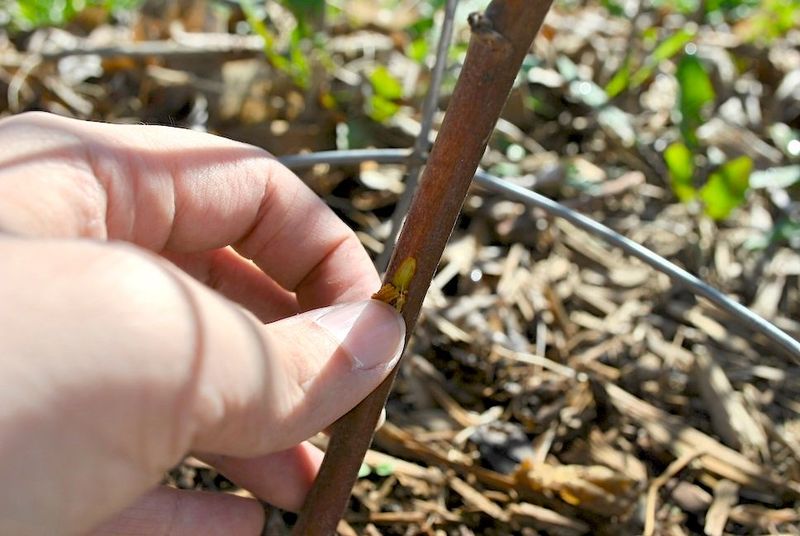
One of the most reliable low-tech tricks in gardening is also one of the least known outside of experienced circles. Scraping a small strip of bark off a stem with your thumbnail or a pocket knife can tell you almost immediately whether that branch still has life in it.
Green or cream-colored tissue underneath means the plant is still alive at that point. Brown, dry, or mushy tissue usually means that section is gone.
Work from the tips of the branches downward. Often the ends of stems are lost while the lower portions are still viable.
Finding where the green starts gives you a clear target for eventual pruning cuts, if pruning becomes necessary. This method works on most woody ornamentals common in Georgia landscapes, including azaleas, gardenias, hollies, and viburnums.
Your Georgia Garden Changes Every Week. Your Plan Should Too.
Gardening in Georgia changes quickly throughout the season. Every Friday you’ll receive a simple weekly plan showing exactly what to plant, prune, fertilize, harvest, and protect so you never miss the right timing.
Don’t scratch just one spot and call it done. Check several branches and multiple points along each one.
Freeze damage isn’t always uniform, especially if the plant had any wind protection or was near a structure that held heat. One side of a shrub might be fine while the other side took the full brunt of a cold night.
Doing this scratch test in early April across your Georgia garden gives you real information rather than guesswork. It’s a small action that takes five minutes and can prevent you from pulling out a plant that still has plenty of healthy tissue working just below the surface.
Patience combined with this simple check is a solid starting point.
3. Roots Often Remain Viable Even When Top Growth Looks Lost
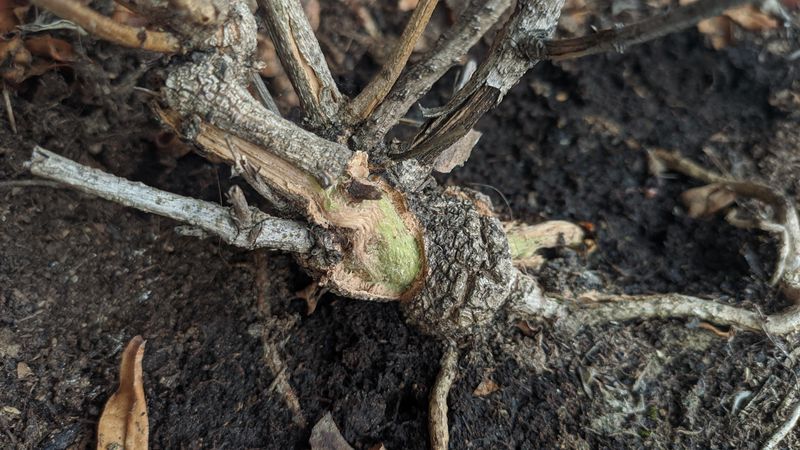
Above-ground damage after a freeze can look devastating, but what happens underground is often a completely different story. Roots are insulated by soil, which holds heat far better than air does.
Even when stems and foliage are visibly damaged, the root system of an established plant frequently comes through a Georgia freeze in reasonably good shape.
Root viability is what determines whether a plant can recover at all. If the root system is healthy, the plant has the energy reserves and water uptake ability to push new growth when conditions improve.
Woody perennials, ornamental grasses, and many flowering shrubs can regenerate entirely from the root zone even when everything above soil level looks like a lost cause by April.
Banana plants are a perfect example Georgia gardeners see regularly. The top growth collapses after a freeze, but the underground corm often survives and sends up fresh shoots once the soil warms back up.
Cannas, gingers, and some salvias behave similarly. Knowing which plants in your yard have this kind of root resilience can save you from unnecessary replacements.
Gently digging around the base of a suspect plant and checking the roots can be revealing. Healthy roots are firm and light-colored.
Soft, dark, or foul-smelling roots are a different concern. If the roots look decent, resist the urge to remove the plant and give it more time through the spring season.
Georgia’s warm soil temperatures in April and May often do more to trigger recovery than anything else you can add or do.
4. Delayed Leafing Is Common After Cold Stress In Early Spring
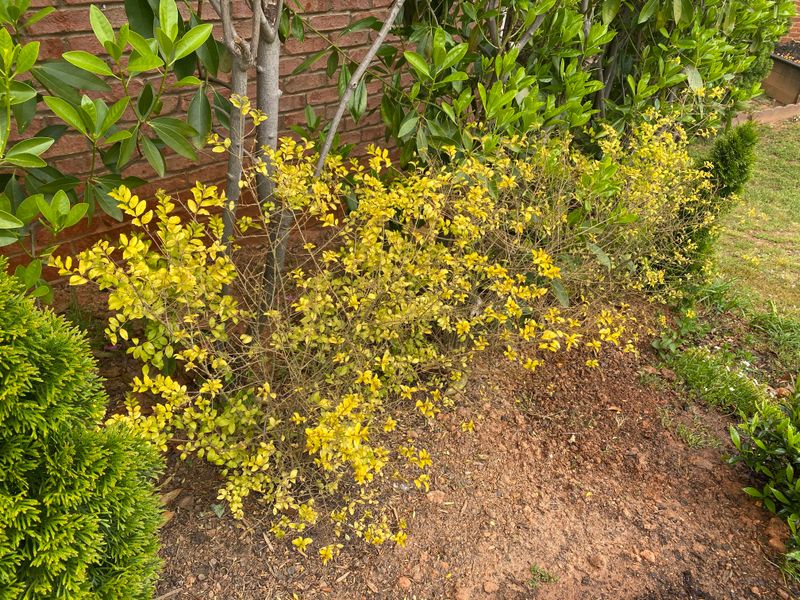
Seeing your neighbor’s garden full of fresh green leaves while yours still looks like February can feel discouraging. Cold stress genuinely disrupts the timing of bud break, and plants that experienced freeze damage often push foliage weeks later than they normally would.
That delay is not automatically a sign of failure; it’s frequently just the plant recalibrating after a rough patch.
Certain plants are more prone to this delay than others. Tropical-leaning species like angel’s trumpet, elephant ears, and Mexican bush sage are common in Georgia landscapes and can be very slow to respond after cold injury.
Waiting until mid to late May before making any final calls on these is usually a smarter approach than acting in early April when signs are still minimal.
Weather patterns in Georgia’s spring also matter. A warm March followed by a cold snap in early April can confuse plants into stalling their growth cycle.
After that kind of up-and-down stretch, some plants essentially pause and wait for more stable conditions. That behavior is a survival response, not a sign that the plant is beyond saving.
Consistent watering during this waiting period helps more than most people expect. Even though the plant looks dormant or damaged, the roots are still active.
Keeping soil moisture steady without overwatering gives the plant resources to push new growth when it’s ready. Avoid fertilizing heavily during this stage; too much nitrogen on a stressed plant can create problems rather than speed things along.
Let the plant lead the recovery on its own timeline.
5. New Growth From The Base Signals Possible Recovery
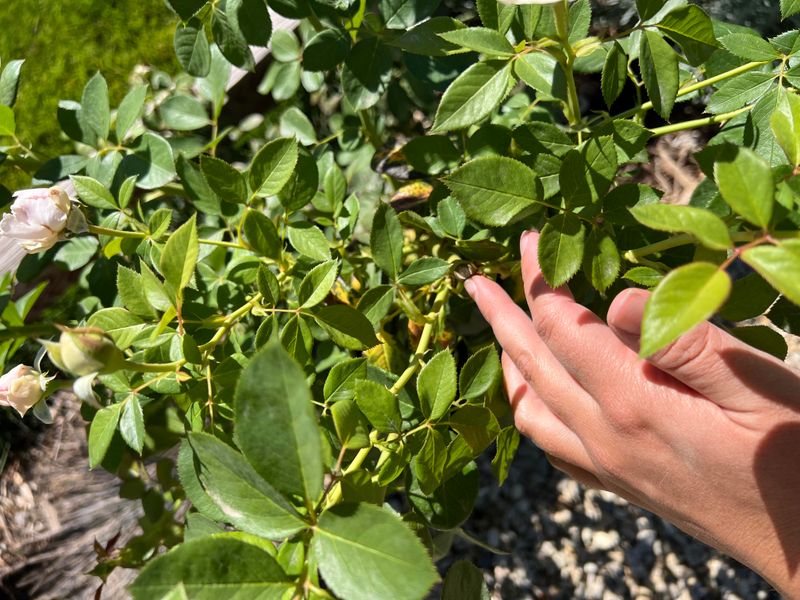
Spotting a cluster of small green shoots pushing up from the base of a plant that looked completely finished is one of the more satisfying moments in spring gardening. Basal regrowth is a strong indicator that the root system survived and the plant is actively trying to rebuild itself.
This is the clearest signal you can get that recovery is underway.
Crape myrtles in Georgia are well-known for this response. After a severe freeze, the main trunks may look completely brown and lifeless, but new shoots often appear from ground level or just above the soil line in April and May.
Allowing those shoots to develop rather than cutting the plant down immediately is usually the right call. Over a season or two, the plant can rebuild into a healthy form again.
Roses, butterfly bushes, and abelia are other common Georgia landscape plants that frequently push basal growth after cold damage. Even when the older woody framework seems to be gone, these plants have the capacity to regenerate from the crown.
Letting them grow through the season rather than intervening too early gives you a clearer picture of the final outcome.
Avoid the temptation to pile on fertilizer when you see basal shoots emerging. The plant is already doing the work it needs to do.
Light, consistent watering and a thin layer of mulch around the base to retain moisture and moderate soil temperature is more helpful at this stage.
Protecting those new shoots from any late cold snaps with a light cover on cold nights can also make a real difference in Georgia’s unpredictable spring.
6. Early Pruning Can Remove Tissue That May Still Recover
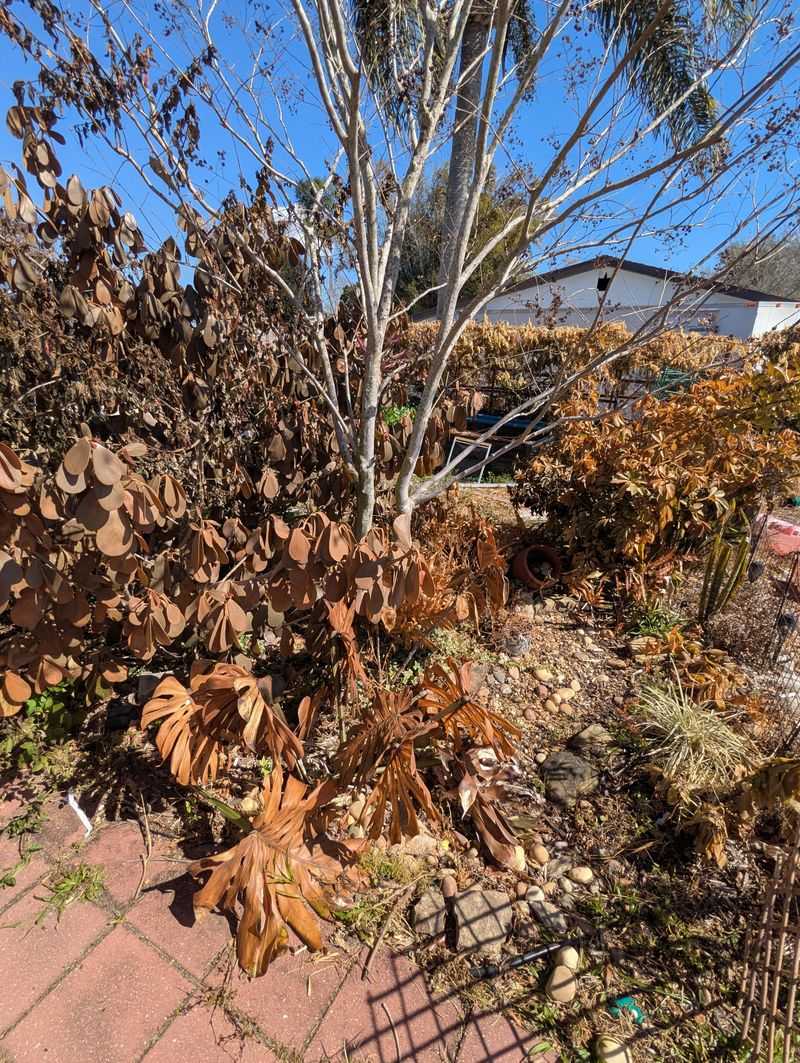
Grabbing the pruning shears in March and cutting everything brown might feel productive, but it can actually set your plants back.
Stems that look lifeless on the outside sometimes still have viable tissue inside, and cutting them too early removes material the plant might have used as part of its recovery process.
Holding off until you have clearer evidence of what’s alive and what isn’t is almost always the better move.
Georgia’s spring weather is unpredictable enough that another cold night can happen even in April. Leaving damaged outer stems in place gives some insulation to the living tissue beneath.
Experienced gardeners in the region often say to wait until you see new growth before making serious pruning decisions. That advice holds up in practice more often than not.
There’s also the question of where to cut. Pruning without doing the scratch test first means you might cut into living wood by accident, leaving a shorter stub that still needs to be trimmed back further once you identify where healthy tissue actually begins.
Doing the assessment first saves you from making cuts twice and reduces unnecessary stress on the plant during recovery.
Patience with pruning doesn’t mean doing nothing. Removing any stems that are clearly mushy, foul-smelling, or falling apart on their own is fine.
Those sections are not coming back. But firm, dry-looking stems with no obvious decay are worth leaving in place until late April or May in Georgia.
By then, the picture of what survived and what didn’t becomes much clearer, and your pruning cuts will be far more informed and useful.
7. Waiting Through Spring Often Reveals Late Regrowth
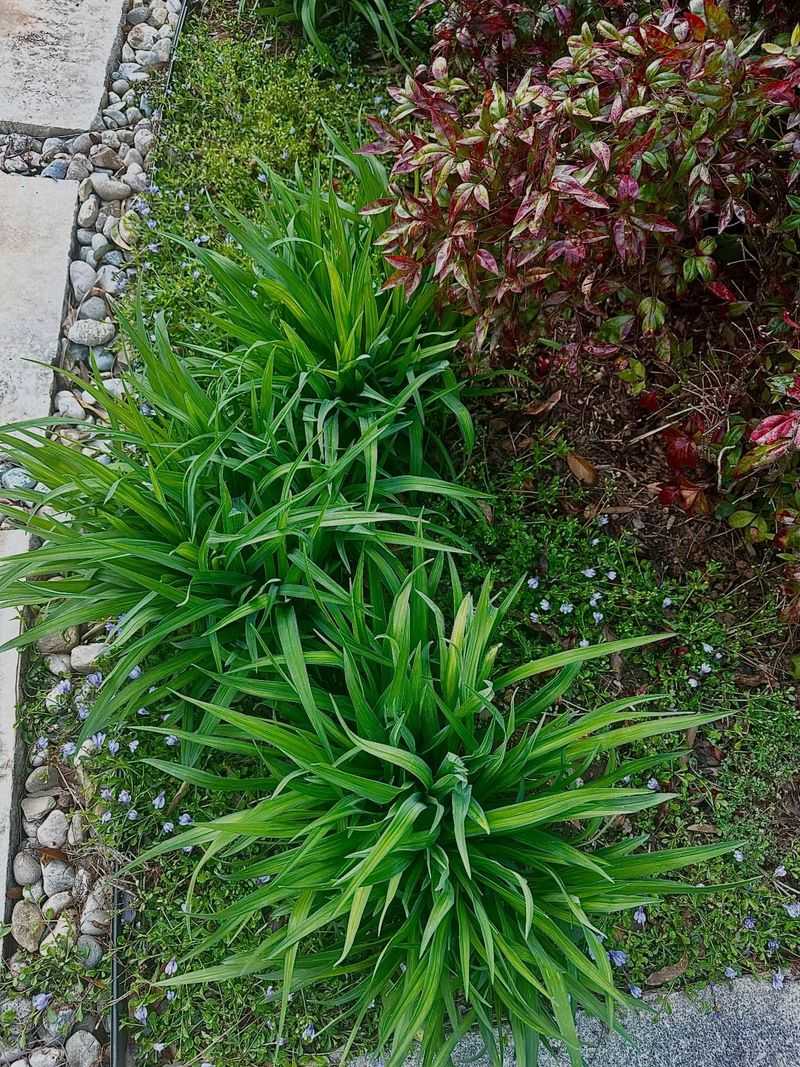
Spring in Georgia moves fast once it gets going, and plants that looked completely hopeless in early April sometimes surprise gardeners significantly by late May.
Waiting through the full spring season before making final decisions about freeze-damaged plants is one of the most consistently useful pieces of advice experienced Georgia gardeners pass along.
Time reveals things that no tool or test can show you in March.
Late regrowth is especially common in woody plants with established root systems. A shrub that has been in the ground for five or more years has stored energy reserves that a newly planted one simply doesn’t have.
Those reserves can fuel regrowth even after significant top damage. Newer plantings are more vulnerable, but even some of those pull through given enough time and reasonable care.
Keeping records from year to year can actually help here. If you’ve noticed that a particular plant in your Georgia yard has bounced back slowly after past cold winters, that history is a useful guide.
Plants tend to follow patterns based on their species, their age, and the conditions of your specific yard. Recognizing those patterns takes some of the anxiety out of the waiting period.
By late May, you’ll have a much clearer view of what recovered and what didn’t. Anything still showing no signs of life at that point, no green under the bark, no basal shoots, no soft new buds, is less likely to come back.
At that stage, making replacement decisions becomes more reasonable and better informed. Until then, watching and waiting costs nothing and often pays off in ways that early action simply can’t.