These 8 Trees Are Ready For Pruning In Florida This April
Blink and you miss it, that is how fast Florida trees can take off in April. One minute your yard looks tidy, the next it feels like branches are calling the shots, and a few well timed cuts can flip the script in your favor.
Think of April as your make it or break it moment. Get pruning right now and you are sitting pretty all summer.
Miss the window and you may be playing catch up while heat and storms pile on the pressure. Across Florida, trees are pushing fresh growth, which means they can bounce back quickly and heal cleanly after a smart trim.
This is when structure, airflow, and future growth all come into focus. From shade trees that stretch fast to flowering favorites that need a light touch, the right approach this month can set the tone for everything that follows.
1. Crape Myrtle Sets Up Stronger Blooms
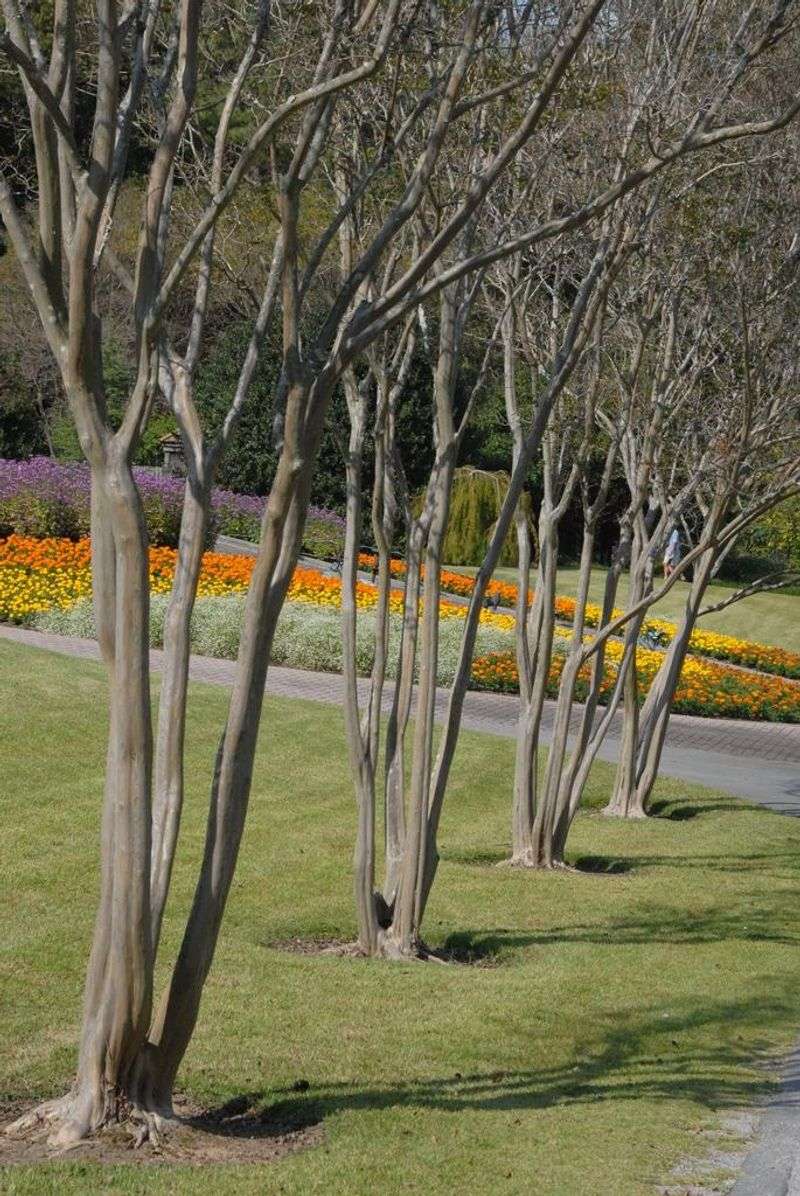
Walk past a crape myrtle in April and you will likely see those first lime-green leaves starting to unfurl from the tips. That early growth is actually your signal that the window for shaping is still open, but just barely.
Light pruning at this stage helps redirect the tree’s energy toward producing fuller, more vibrant flower clusters come summer.
The key word here is light. Florida gardeners sometimes fall into the trap of cutting crape myrtles back hard.
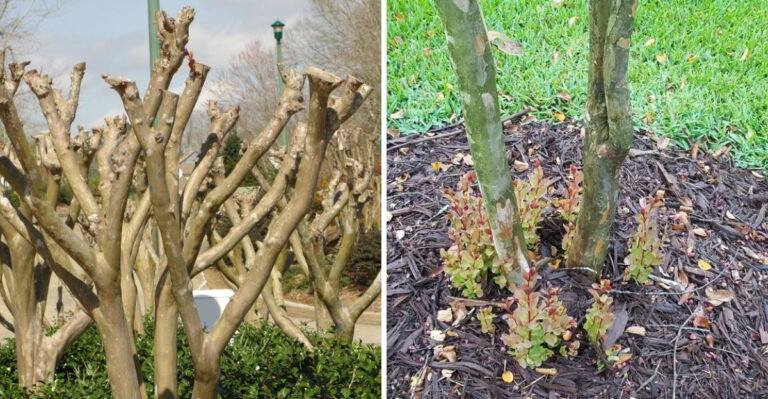
According to UF/IFAS Extension guidance, heavy topping weakens the branch structure and leads to clusters of weak, fast-growing shoots that flop under the weight of blooms.
In April, focus on removing crossing branches, any twiggy growth from the base, and branches that rub against each other. Thin the canopy gently rather than chopping back the main limbs.
In North Florida, you may still have a slightly wider pruning window than Central or South Florida, where growth kicks into higher gear earlier. Sharp, clean tools make a real difference in how quickly the cuts heal over the coming weeks.
2. Live Oak Takes Light Spring Shaping
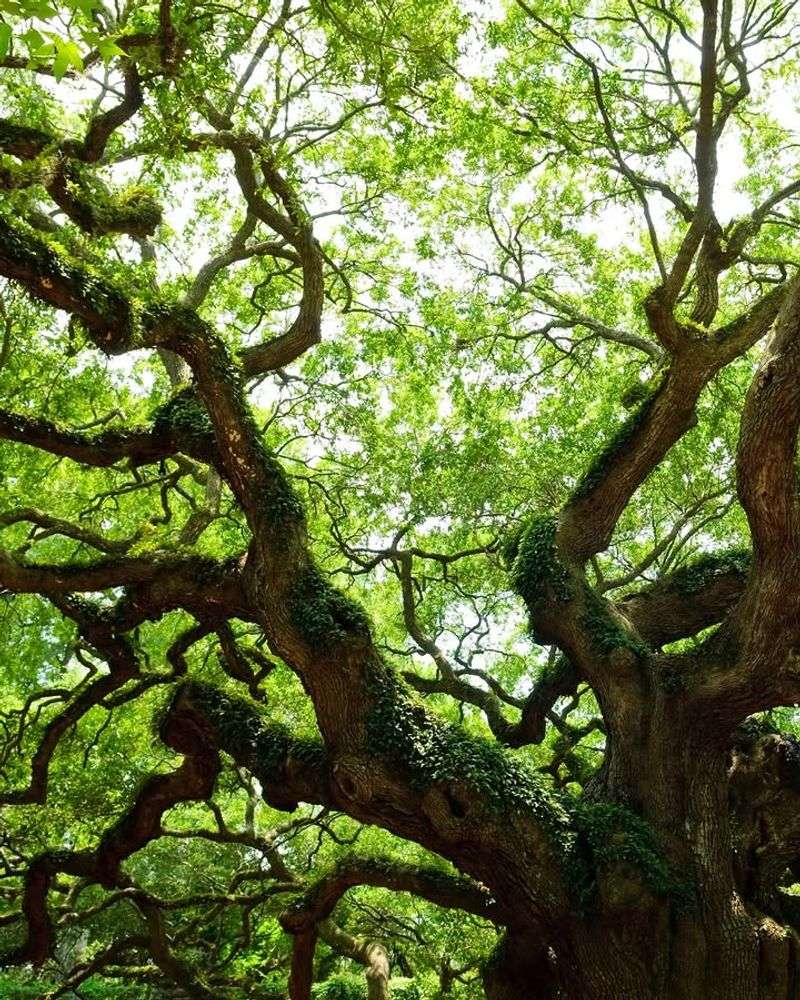
There is something almost timeless about a live oak in a Florida yard. Those wide, sweeping branches draped with Spanish moss are a signature of the Southern landscape, and keeping that structure healthy takes a thoughtful approach to pruning.
April lands in a reasonable window for light structural work, though timing matters more than many homeowners realize.
Live oaks in Florida are technically semi-evergreen, meaning they drop and replace leaves in late winter through early spring. By April, most trees have already pushed out their fresh new foliage, so any pruning now should be minimal and focused.
UF/IFAS Extension recommends removing withered, damaged, or crossing branches rather than attempting any significant canopy reduction during active growth.
One important note: oak wilt is not as widespread in Florida as it is in Texas or the Midwest, but it is still worth being cautious. Painting cuts with a wound sealant right after pruning is a reasonable precaution during active growth periods.
Your Florida Garden Changes Every Week. Your Plan Should Too.
Gardening in Florida changes quickly throughout the season. Every Friday you’ll receive a simple weekly plan showing exactly what to plant, prune, fertilize, harvest, and protect so you never miss the right timing.
In South Florida, live oaks may already be further along in their growth cycle by April, so keeping cuts very conservative is wise. Always step back and assess the tree’s natural shape before making any cut.
3. Southern Magnolia Gets A Clean Refresh
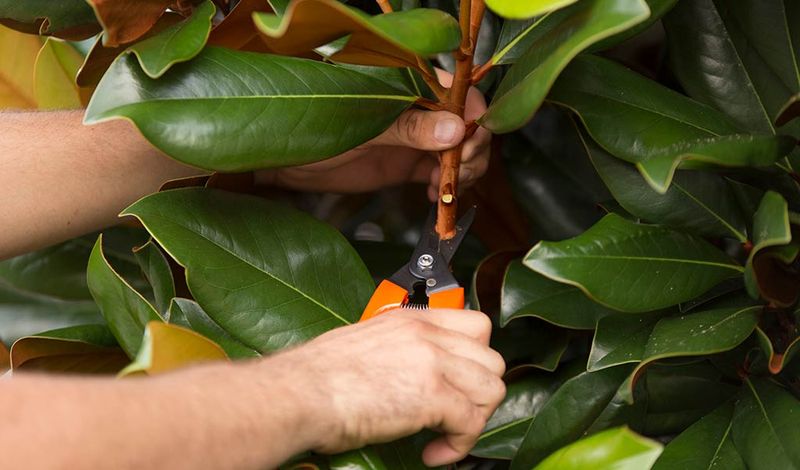
Southern magnolias are stunning, but they can be a little tricky when it comes to pruning timing. April sits right in the middle of their bloom cycle for many parts of Florida, which means you need to look closely at your specific tree before reaching for the shears.
Cutting off branches loaded with flower buds is an easy mistake that will cost you weeks of beautiful blooms.
The safest approach in April is a light cleanup pass only. Focus on removing any withered or damaged branches, any limbs that are rubbing against the house or other trees, and any lower branches that have become a nuisance.
Avoid removing healthy upper growth where flower buds are forming, especially in Central and North Florida where bloom season may still be ramping up.
Southern magnolias are also slower to recover from heavy cuts compared to faster-growing species. UF/IFAS horticulture specialists note that magnolias generally respond better to small, well-placed cuts than to aggressive shaping sessions.
In South Florida, trees may have already finished their primary spring bloom, which gives you a slightly better opportunity for light shaping. When in doubt, wait until after the blooms have fully faded before making any significant cuts.
4. Ligustrum Bounces Back After Trimming
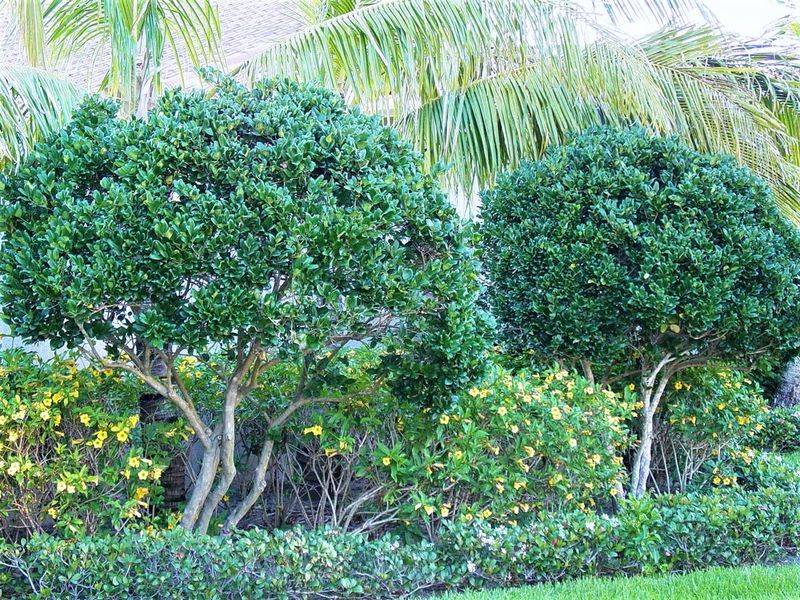
Few plants in Florida recover from pruning as quickly and enthusiastically as ligustrum. Give it a solid trim and within a few weeks it is already pushing out dense, fresh growth that fills in the gaps and tightens up the shape.
That resilience makes April a genuinely great time to tackle this one with confidence.
Ligustrum is commonly grown as both a hedge plant and a small multi-trunk tree in Florida landscapes. Either way, moderate pruning in April works well because the warm temperatures and increasing rainfall that follow through late spring fuel fast regrowth.
You can remove up to about a third of the canopy if needed, focusing on shaping the outer profile and thinning any congested interior branches to improve airflow.
One thing worth mentioning is that ligustrum is considered invasive in parts of Florida due to its aggressive seeding. Regular pruning before the white flower clusters go to seed can help limit its spread into natural areas nearby.
UF/IFAS has flagged Chinese privet and Japanese privet as problematic in Florida ecosystems, so being mindful about timing your pruning before seed set is a practical and responsible habit.
Sharp loppers and a good eye for the overall shape go a long way with this one.
5. Vitex Builds Bigger Flower Spikes
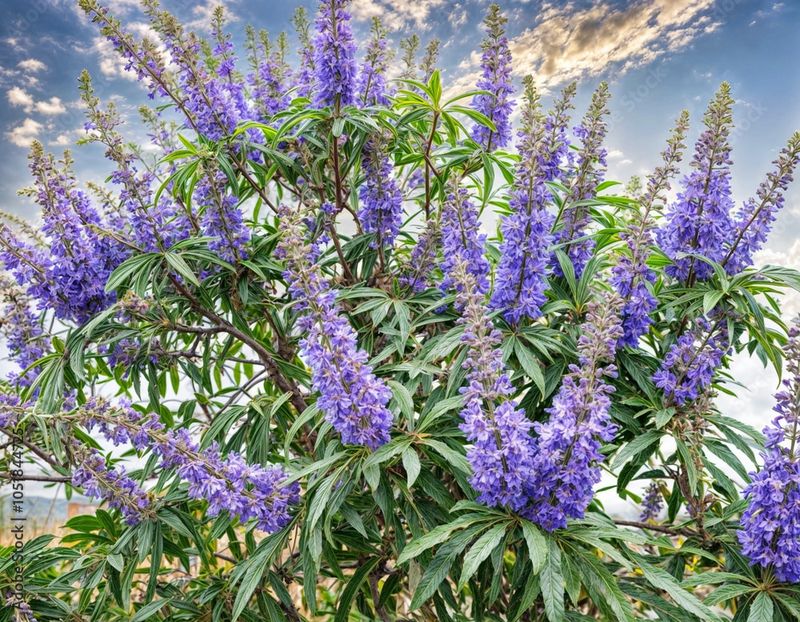
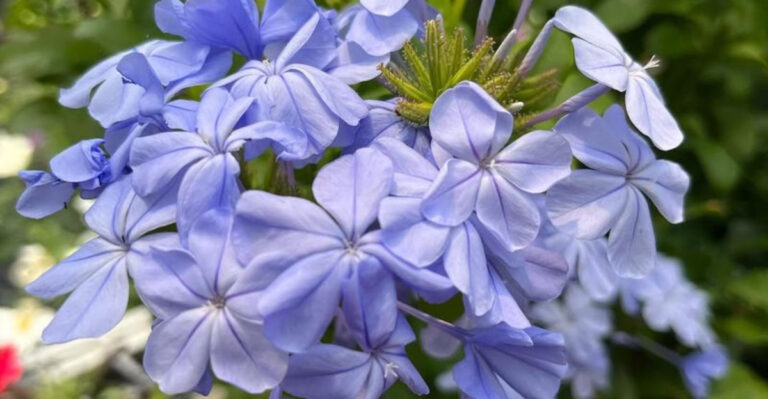
Gardeners who have grown vitex in Florida know the payoff: tall, fragrant spikes of purple or blue flowers that attract butterflies and bees like a magnet. Getting those flower spikes to be as full and showy as possible comes down largely to pruning timing, and April is where the nuance really matters.
Ideally, vitex gets its main pruning in late winter, around February or early March, before new growth really takes off. That timing encourages the strongest flush of flowering stems.
However, if you missed that window, early April can still work reasonably well in North Florida, where the growing season starts slightly later than in Central or South Florida.
In South Florida, vitex may already have visible bud development by April, making aggressive pruning risky if you want blooms this season.
A light to moderate cut in early April, removing the previous season’s spent flower stems and shaping the overall canopy, is a practical middle ground. Avoid cutting back into thick, older wood at this stage.
According to UF/IFAS Extension, vitex is a fast grower and responds well to annual pruning that keeps it from getting leggy. Clean cuts just above a healthy bud or branch junction give the best results and the most vigorous new flowering growth.
6. Bottlebrush Responds To A Light Trim
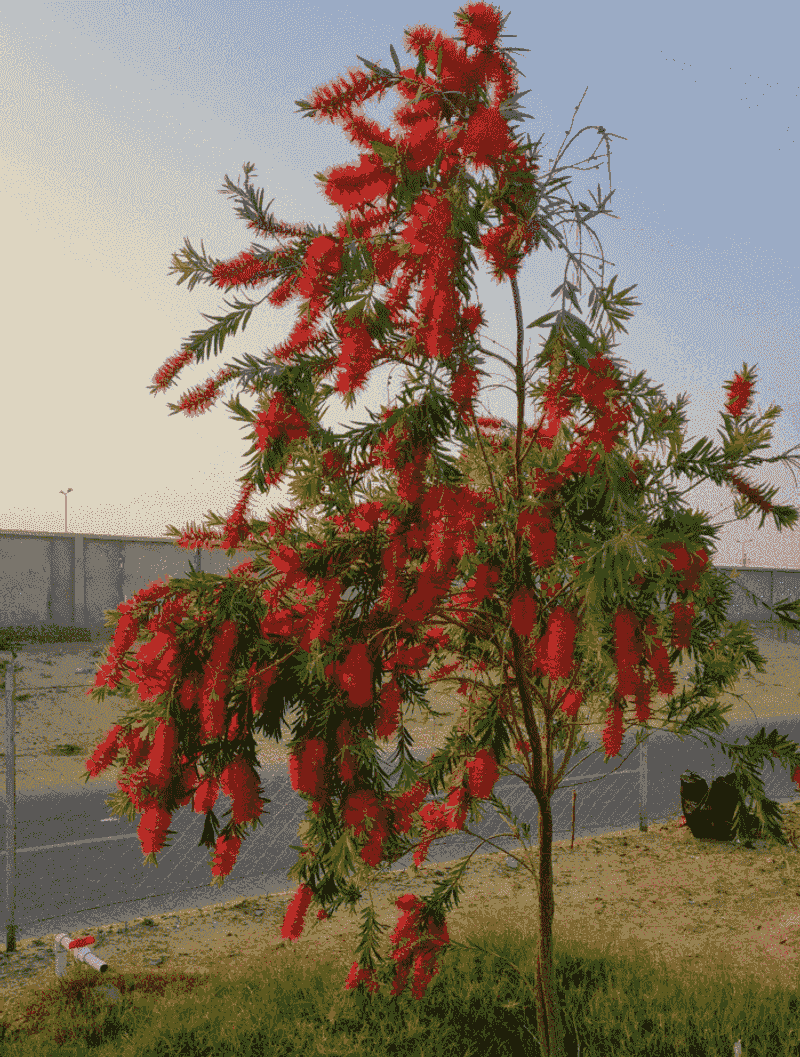
That burst of bright red bottlebrush flowers is one of the most cheerful sights in a Florida spring yard. Hummingbirds love them, bees swarm them, and homeowners often want to keep the show going as long as possible.
The trick with pruning bottlebrush in April is timing your cuts around where the tree is in its bloom cycle.
Bottlebrush blooms emerge at the tips of new growth, which means pruning right before or during flowering will cut off the show.
The better approach is to wait until the current flush of blooms has finished, then do a light shaping pass to tidy the canopy and encourage the next round of flowering growth.
In South Florida, the first spring bloom may already be wrapping up by early April, while in North Florida it might still be in full swing.
Light pruning is the right call here regardless of timing. Removing spent flower clusters, crossing branches, and any awkward outward growth is usually enough to keep bottlebrush looking neat and growing well.
UF/IFAS notes that bottlebrush tolerates pruning reasonably well but does not need heavy cuts to stay healthy. Avoid cutting back into old, leafless wood, as regrowth from those areas can be unpredictable and slow.
A little patience with timing makes a noticeable difference in the outcome.
7. Simpson Stopper Fills In Nicely
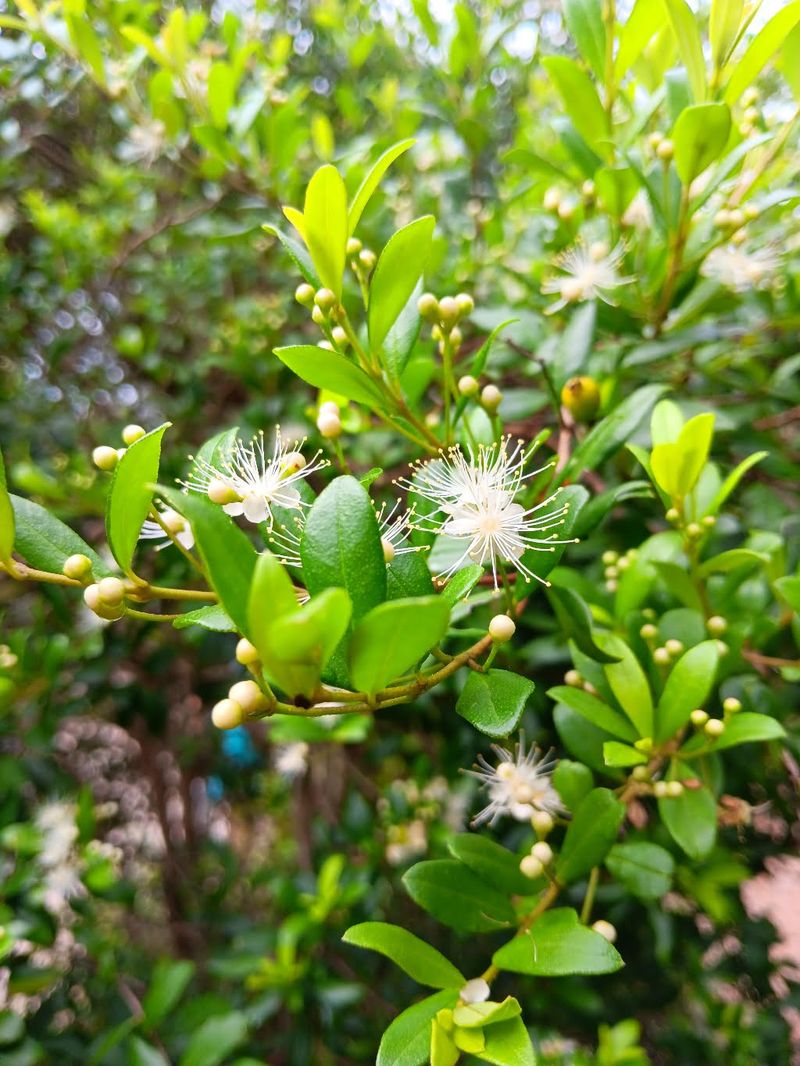
Not every Florida gardener is familiar with Simpson stopper yet, but those who have planted one tend to become quick fans.
This native Florida tree or large shrub produces small white flowers, fragrant foliage, and bright orange-red berries that birds absolutely love.
It is tough, salt-tolerant, and remarkably adaptable to a range of soil conditions across the state.
April is a solid time for light shaping of Simpson stopper because the plant is actively growing and will fill in quickly after any cuts. The goal is usually density control and maintaining a tidy form rather than any significant size reduction.
Simpson stopper responds well to selective pruning that opens up the canopy slightly, improving airflow and keeping the interior from getting too crowded and shaded.
Because this is a native species, it tends to have a naturally attractive structure that does not require much intervention.
Removing any crossing or awkward branches, trimming back the outer profile gently, and cutting out any withered wood is typically all that is needed.
UF/IFAS Extension highlights Simpson stopper as an excellent native landscape plant for South and Central Florida in particular, where its salt and drought tolerance really shine. Keep cuts light and let the plant’s natural character lead the shape.
8. Tabebuia Resets After Bloom Season
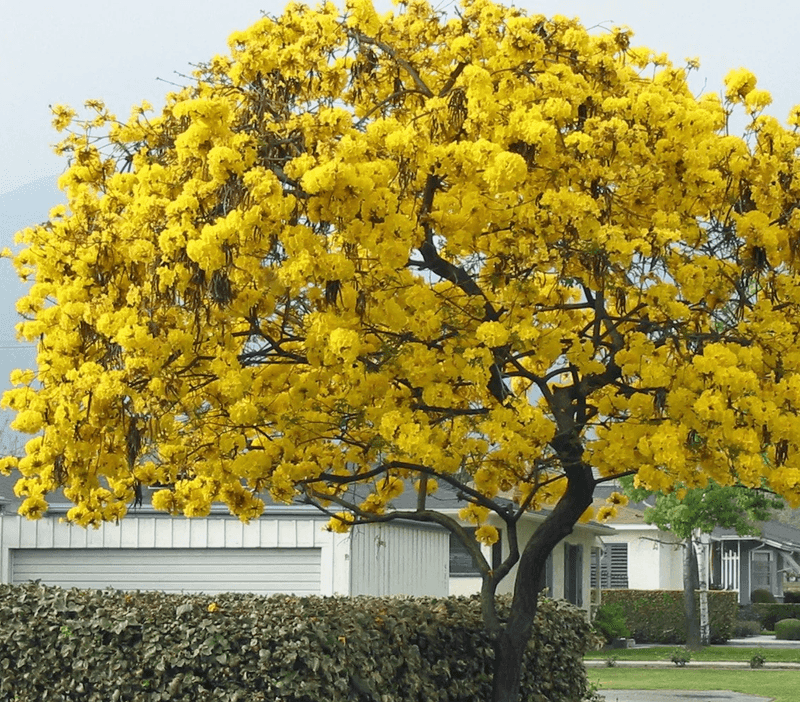
Few flowering trees in Florida create a moment quite like tabebuia in full bloom. Those bare branches suddenly covered in a cloud of yellow, pink, or purple flowers stop traffic in neighborhoods across the state every spring.
But once the blooms drop and the leaves return, it is a good time to step in with some light cleanup work.
The timing of pruning for tabebuia depends entirely on where the tree is in its flowering cycle. Pruning before or during bloom will remove the flower buds and cut the show short, which is worth avoiding.
Once flowering is clearly finished and new leaf growth is expanding, a post-bloom cleanup pass makes sense. In South Florida, tabebuia often blooms earlier in spring, meaning April may already be post-bloom territory.
In Central and North Florida, the bloom period can extend into April, so patience is key.
Post-bloom pruning for tabebuia typically involves removing any withered or damaged branches, tidying up crossing limbs, and lightly shaping the canopy to maintain a balanced structure. Tabebuia is not a tree that needs heavy pruning to thrive.
UF/IFAS Extension notes that it is a low-maintenance species overall, and light corrective pruning after flowering is usually all that is needed to keep it looking its best heading into summer.