These Are The 9 Best Shrubs To Plant This April In Florida
April in Florida has a way of speeding everything up. The soil is warm, daylight stretches longer, and plants shift from slow winter growth into full momentum almost overnight.
It is one of those windows where what you plant now has a real advantage before the intense heat and heavy rains of summer take over. Shrubs, in particular, benefit from this timing.
Get them in the ground now, and they have time to settle in, stretch their roots, and adjust before conditions turn more demanding.
That early head start often shows up later as stronger growth, better structure, and a landscape that looks established instead of newly planted.
The key is choosing shrubs that can actually handle Florida’s mix of heat, humidity, and unpredictable soil. Some do it effortlessly, others struggle.
The ones on this list are the kind that earn their place quickly and keep paying off long after planting day.
1. Start With Firebush For Heat Loving Color That Lasts
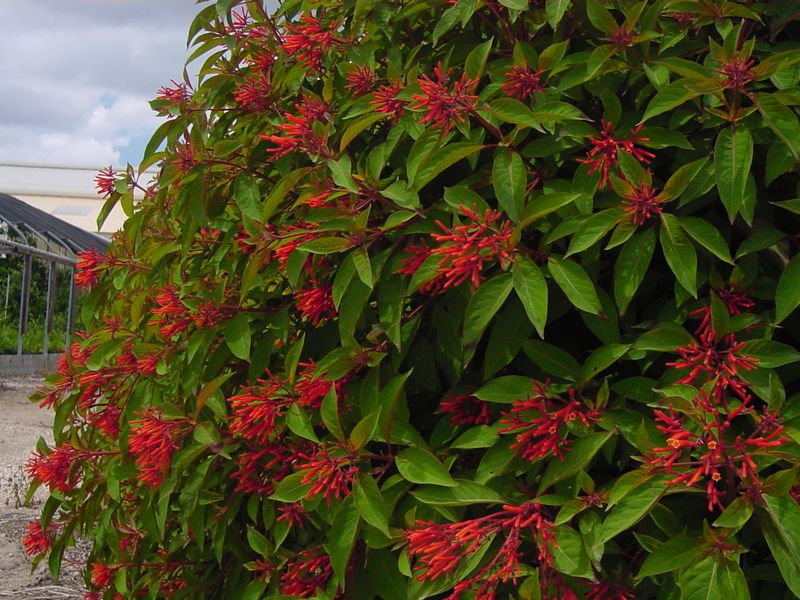
Few shrubs put on a show quite like Firebush. Known scientifically as Hamelia patens, this Florida native lights up the landscape with clusters of fiery red-orange tubular flowers that bloom almost continuously from spring through fall.
Hummingbirds, butterflies, and native bees simply can’t resist it.
Firebush performs well in full sun to light shade and is remarkably heat tolerant once established. It typically grows between 4 and 8 feet tall, though it can get larger in South Florida’s warmer conditions.
April planting gives roots time to anchor before the intense summer sun arrives.
Because it’s a Florida native, Firebush is naturally adapted to the state’s sandy soils and humid summers. It’s drought tolerant once established, which means less watering stress for you.
Pruning it back in late winter keeps it tidy and encourages fresh, vigorous growth. If you want one shrub that delivers color, wildlife value, and low maintenance all at once, Firebush belongs at the top of your list.
2. Plant Yaupon Holly For A Tough Native Hedge
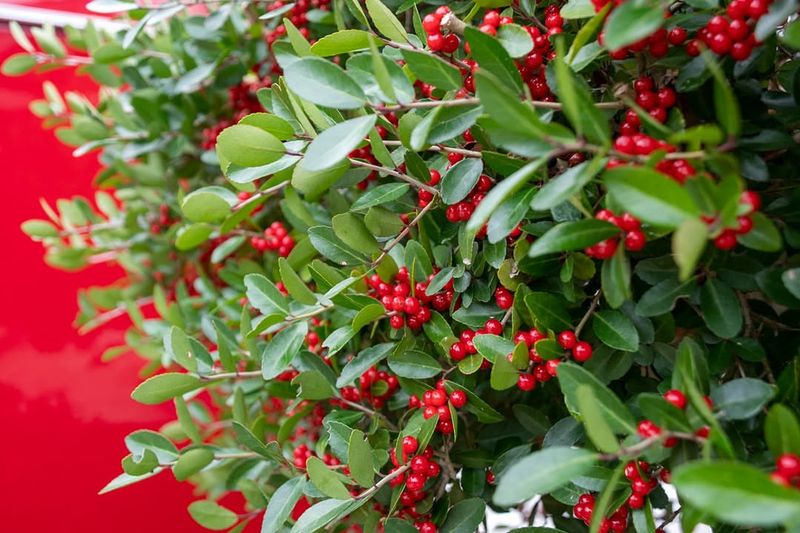
Yaupon Holly, or Ilex vomitoria, might have an unusual scientific name, but its garden credentials are seriously impressive. It’s one of the toughest native shrubs you can plant in Florida, thriving in a wide range of soils, from wet to dry, and tolerating both full sun and partial shade.
Gardeners love it as a formal or informal hedge because it responds well to pruning and stays dense and green year-round. Once established, Yaupon Holly is highly drought tolerant, making it a reliable choice even during Florida’s dry spells.
Birds are big fans too, especially when the bright red berries appear in fall and winter.
One important thing to know: berries only form on female plants, and a nearby male plant is needed for pollination. When shopping at your local nursery, ask about having both sexes represented in your planting plan.
Yaupon Holly grows well across North, Central, and parts of South Florida, making it one of the most versatile native options available. Planting in April gives it a solid head start before the heat of summer arrives.
Your Florida Garden Changes Every Week. Your Plan Should Too.
Gardening in Florida changes quickly throughout the season. Every Friday you’ll receive a simple weekly plan showing exactly what to plant, prune, fertilize, harvest, and protect so you never miss the right timing.
3. Use Cocoplum For A Dense Coastal Friendly Screen
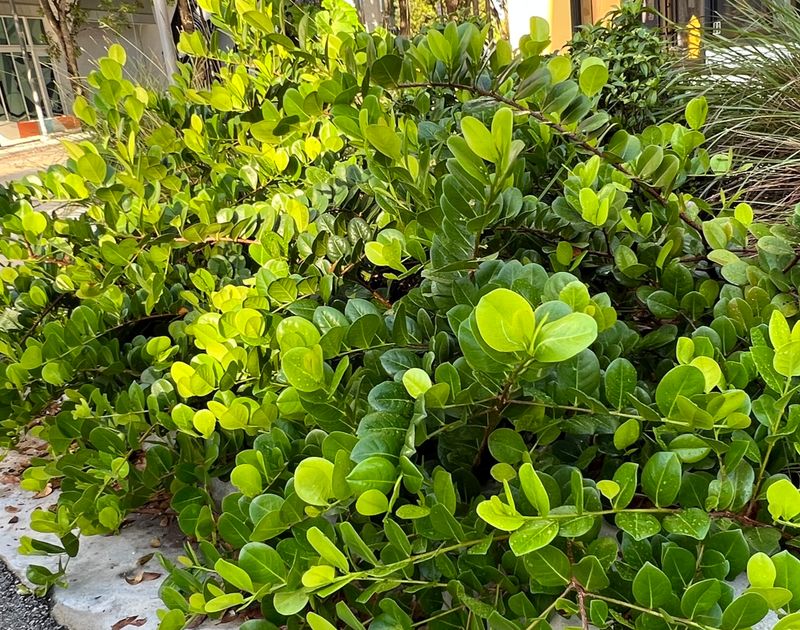
If you live near the coast and need a tough, attractive privacy screen, Cocoplum deserves a serious look. Scientifically known as Chrysobalanus icaco, this Florida native thrives in coastal conditions where salt spray and sandy soils challenge most other plants.
It forms a dense, lush wall of glossy foliage that holds up beautifully in the elements.
Cocoplum is well suited for South Florida and the coastal areas of Central Florida. It handles salt air, occasional flooding, and intense humidity without missing a beat.
The plant produces small edible fruits that range from white to dark purple, and wildlife eagerly snacks on them throughout the season.
As a hedge or screen, Cocoplum responds well to shaping and can be kept at a manageable height or allowed to grow freely up to 15 feet. April is a great time to plant because warm soil temperatures help roots establish quickly before summer rains begin.
Pair it with other coastal natives for a layered, low-maintenance landscape that looks polished and functions brilliantly. It’s one of those shrubs that makes a Florida yard feel truly complete.
4. Grow Simpsons Stopper For Wildlife And Year Round Interest
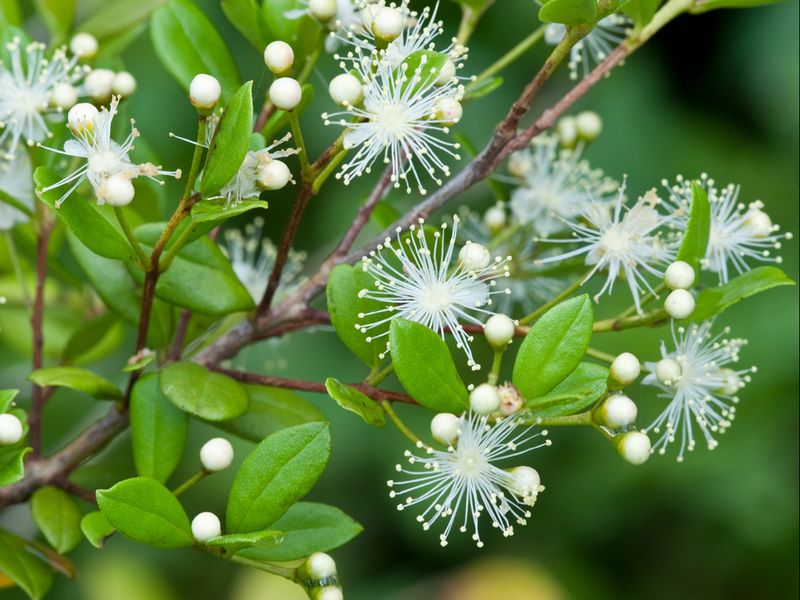
There’s something quietly wonderful about Simpson’s Stopper. This native Florida shrub, Myrcianthes fragrans, earns its place in the garden by offering something interesting in every season.
Clusters of tiny white flowers appear in spring and summer, filling the air with a light fragrance. By fall, glossy orange-red berries follow, and birds flock to enjoy them.
Simpson’s Stopper grows 6 to 12 feet tall with naturally dense foliage, making it excellent for hedges, privacy screens, or wildlife gardens. It performs well in full sun to partial shade and tolerates both dry and moist soil conditions once established.
Salt tolerance also makes it a practical choice for properties near the coast.
As a Florida native, it supports local ecosystems in a meaningful way. Pollinators visit the flowers, and birds rely on the berries as a food source.
It’s low maintenance compared to many ornamental shrubs and doesn’t demand constant attention to look good. April planting allows roots to settle in before the heat and humidity of summer peak.
For gardeners wanting a shrub that earns its space while quietly supporting Florida’s wildlife, Simpson’s Stopper is a genuinely smart choice.
5. Add Walters Viburnum For A Reliable Native Backbone
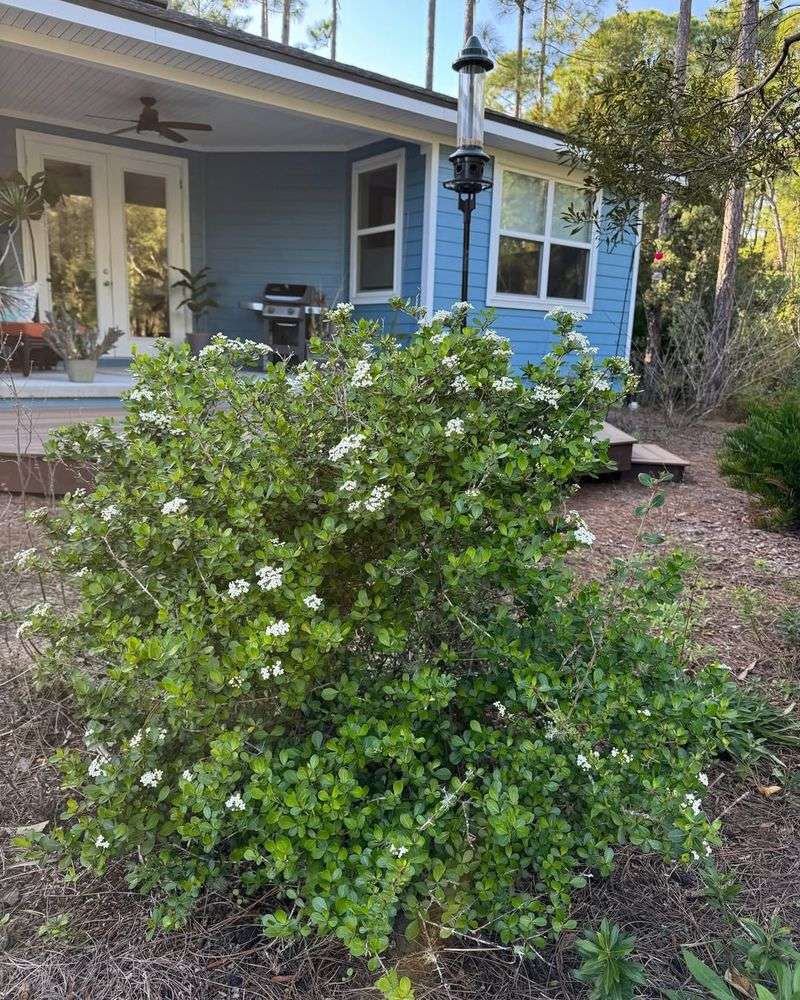
Every well-designed Florida garden needs a structural backbone, and Walter’s Viburnum fills that role with quiet confidence.
Known as Viburnum obovatum, this Florida native grows into a tidy, multi-stemmed shrub or small tree that works beautifully as a hedge, foundation plant, or wildlife corridor along a property line.
Walter’s Viburnum adapts to a wide range of Florida conditions, including wet soils, dry soils, full sun, and partial shade. That flexibility makes it a dependable choice across North, Central, and parts of South Florida.
In late winter and early spring, it covers itself in clusters of small white flowers that attract pollinators before leafing back out in full for the rest of the year.
Birds appreciate the small dark berries that follow the flowers. The plant is also deer resistant, which is a welcome bonus for gardeners in rural or suburban areas where deer browsing can be a real problem.
When planted in April, Walter’s Viburnum establishes steadily and develops a strong root system before summer arrives.
It’s not flashy in the way that flowering tropicals are, but its reliability, native status, and adaptability make it one of the most valuable shrubs you can add to a Florida yard.
6. Choose Ixora For Bright Color In Warmer South Florida Yards
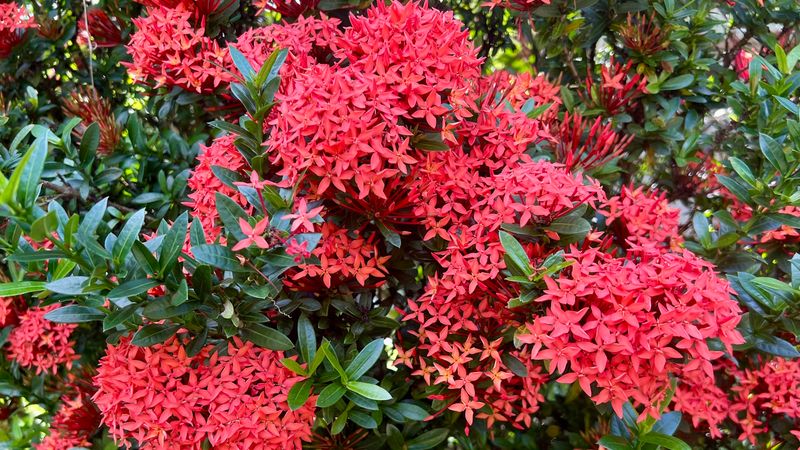
Bold, cheerful, and reliably colorful, Ixora has been a staple of South Florida gardens for decades. Unlike the native shrubs on this list, Ixora is not native to Florida, but it performs exceptionally well in warm, frost-free climates.
It thrives in South Florida’s heat and humidity and produces dense clusters of flowers in shades of red, orange, pink, yellow, and white.
Ixora is best suited for USDA zones 10 and 11, meaning gardeners in South Florida will have the most success. In Central Florida, it can work in sheltered spots, but cold snaps can set it back significantly.
North Florida gardeners should generally look for hardier alternatives rather than risk frost damage.
Planting in April, when temperatures are warm and rising, gives Ixora the best possible start. It prefers slightly acidic, well-drained soil and benefits from a fertilizer formulated for acid-loving plants.
Regular light pruning encourages bushier growth and more flower production. Ixora grows anywhere from 4 to 15 feet depending on the variety, so choose a cultivar that fits your space.
For South Florida homeowners wanting consistent, tropical color year-round, few shrubs deliver as reliably as a well-tended Ixora hedge.
7. Try Florida Anise For Shade And Glossy Evergreen Foliage
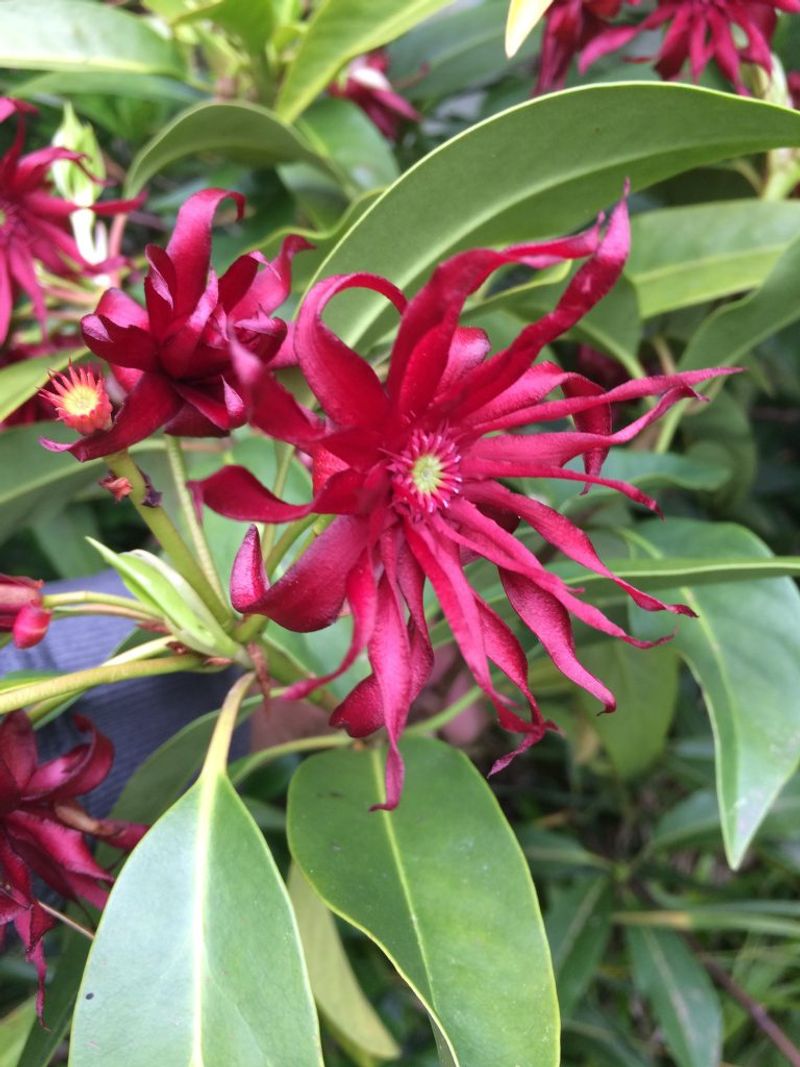
Most shrubs want full sun, which makes Florida Anise a standout for shaded spots that are hard to fill.
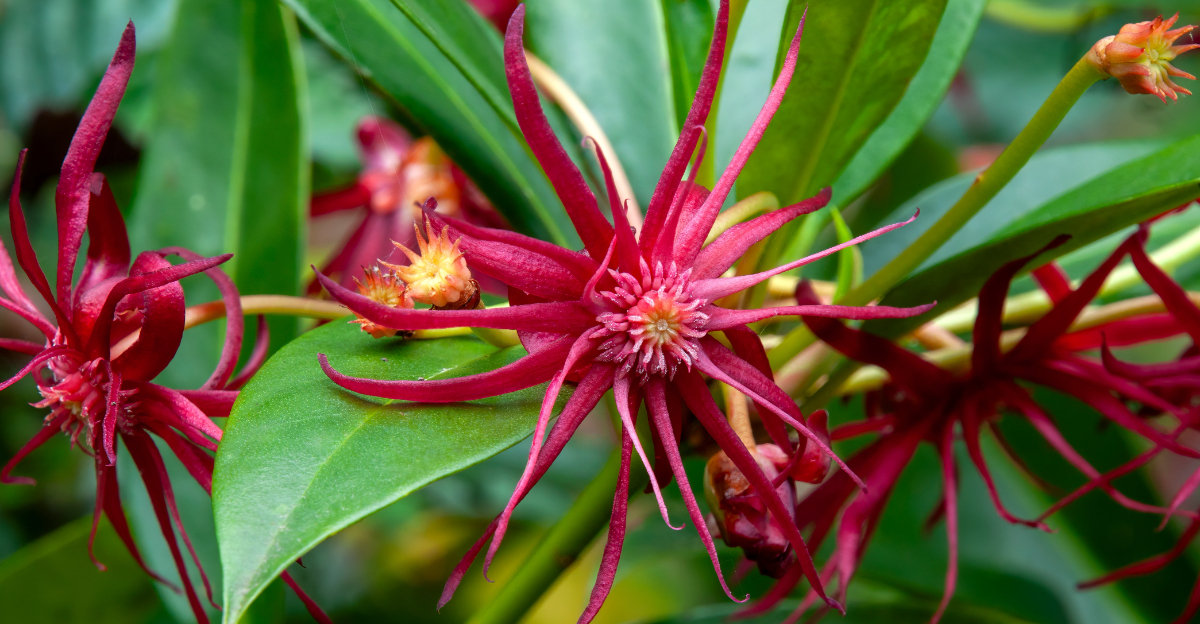
Illicium floridanum is a native Florida shrub that genuinely thrives in partial to full shade, producing lush, glossy, deep green foliage that looks polished and rich even without much direct sunlight.
In spring, it produces unusual dark red, star-shaped flowers that add a subtle but interesting visual detail. The leaves have a spicy, anise-like scent when crushed, which is where the common name comes from.
Florida Anise prefers moist, well-drained soil with good organic content and performs best in North and Central Florida where conditions more closely match its natural woodland habitat.
It typically grows 6 to 10 feet tall and can be used as a hedge, screen, or accent plant in shaded garden beds. Because it’s native, it’s well adapted to Florida’s climate and supports local wildlife.
April planting works well because spring moisture helps new roots establish in shaded areas where soil may be cooler.
If you have a challenging shady corner that needs structure and greenery, Florida Anise is one of the most dependable and attractive solutions available to Florida gardeners.
8. Plant Wild Coffee For A Lush Native Look In Partial Shade
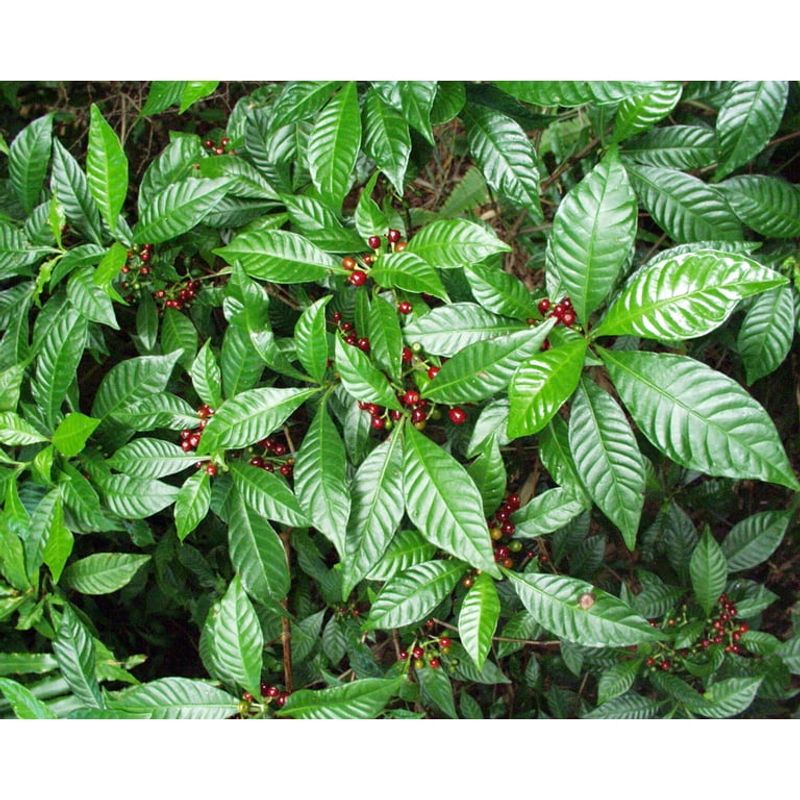
Wild Coffee has a name that sparks curiosity, and the plant itself delivers on that intrigue. Psychotria nervosa is a Florida native shrub that brings a lush, tropical feel to shaded and partially shaded garden areas.
Its deeply veined, glossy dark green leaves create a rich, layered look that feels both natural and intentional.
Small white flowers appear in spring and summer, followed by clusters of bright red berries that birds absolutely love. Because of its strong wildlife value and shade tolerance, Wild Coffee is a popular choice for native plant gardens, understory plantings, and naturalized landscapes throughout Central and South Florida.
It’s less suited for North Florida’s colder winters.
Wild Coffee grows 4 to 8 feet tall and responds well to light pruning if a tidier shape is needed. It prefers organically rich, well-drained soil and benefits from regular moisture while getting established.
April is an ideal time to plant because warming temperatures and occasional spring showers support healthy early root development.
If you have a partly shaded spot beneath a tree canopy or along a fence, Wild Coffee brings genuine beauty and ecological function to a space that many other shrubs simply can’t handle as gracefully.
9. Use Azaleas In North And Central Florida For Spring Blooms
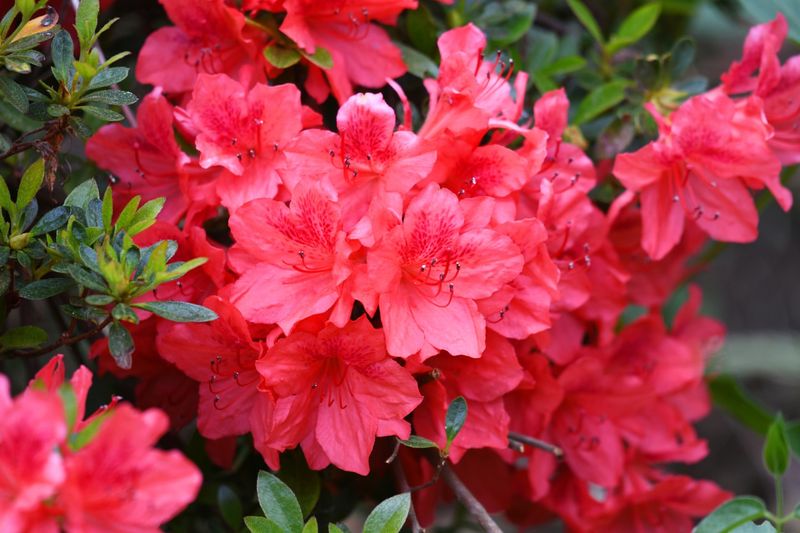
When azaleas bloom in a North Florida garden, the effect is genuinely breathtaking. Masses of pink, white, red, or purple flowers appear in early spring, transforming ordinary landscapes into something almost magical.
Azaleas have long been a beloved part of Southern garden culture, and Florida is no exception.
That said, azaleas are best suited for North and Central Florida rather than South Florida. Many varieties benefit from a period of winter chill to set blooms properly, and South Florida’s warm winters often don’t provide enough cold hours for reliable flowering.
In North and Central Florida, both native species like Rhododendron canescens and improved cultivars perform well in partial shade with acidic, well-drained soil.
Azaleas planted in April have the advantage of mild temperatures and spring moisture to help roots settle in before summer heat builds. They prefer dappled shade, especially protection from harsh afternoon sun, which can scorch the delicate foliage.
Regular mulching helps retain moisture and keeps soil temperatures stable. Avoid overwatering, as soggy roots are a common problem.
With the right conditions and a bit of care during the first season, azaleas reward North and Central Florida gardeners with one of the most spectacular spring displays in the entire landscape.