This Native Texas Groundcover Is Replacing Grass In Front Yards
More Texas homeowners are starting to question whether a traditional front lawn is really worth it.
Grass may be the default, but keeping it green, trimmed, and happy through long stretches of heat can feel like a lot of work for something that never seems to stop asking for more.
Between watering, mowing, and trying to patch the spots that give up first, a standard lawn can turn into a pretty demanding part of the yard. That is exactly why lower-maintenance alternatives are getting so much attention.
One of the most talked-about options is frogfruit, a native groundcover that brings a very different kind of appeal to the front yard.
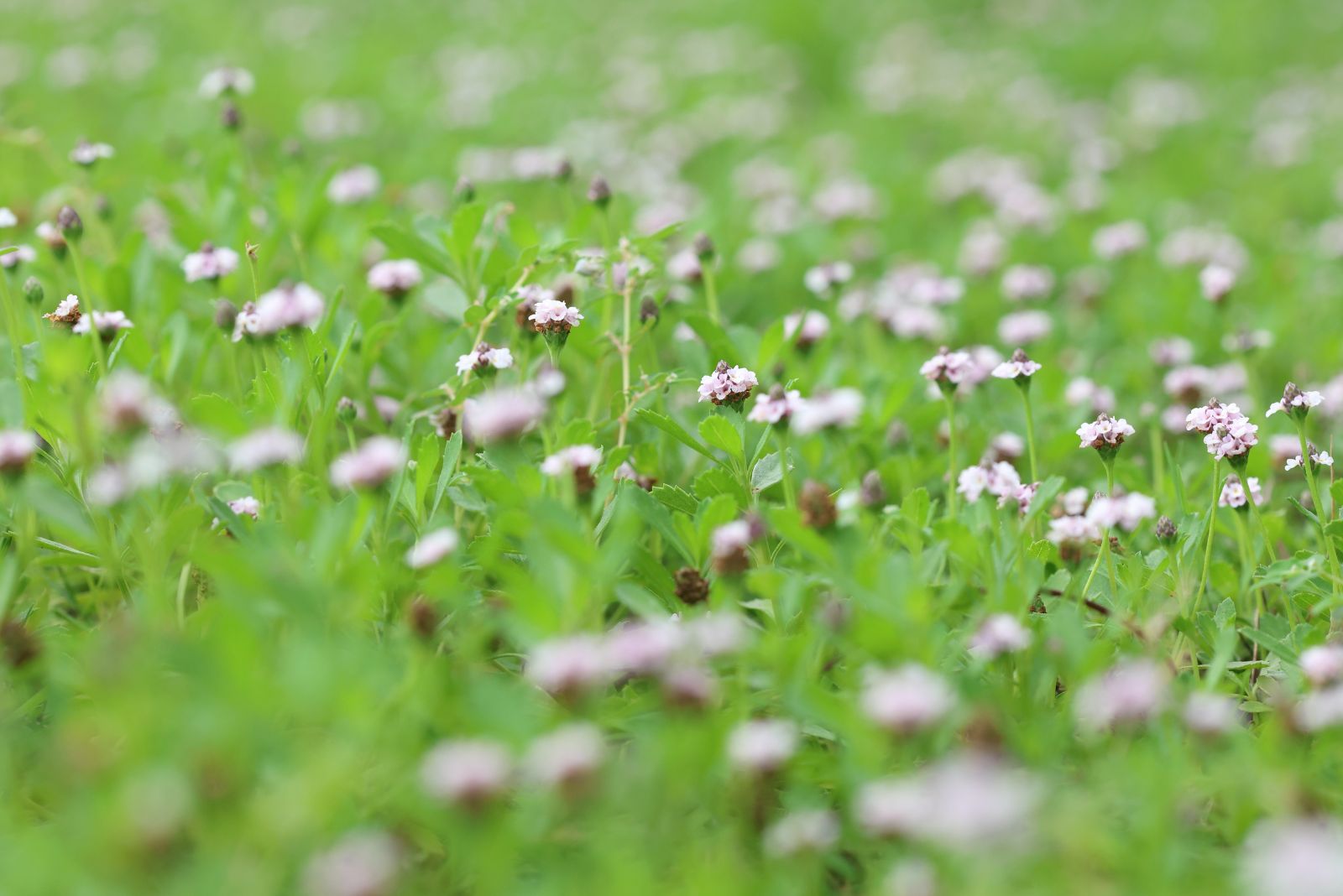
It spreads into a soft, green carpet, handles Texas conditions far better than many thirsty grasses, and adds a more natural look that feels fresh instead of overly formal.
It also has the kind of easy charm people seem to love once they see it in action. For homeowners who want less mowing, less fuss, and a yard that still looks inviting, this native plant is starting to make a very strong case for itself.
Texas Frogfruit – The Native Groundcover Replacing Grass In Front Yards
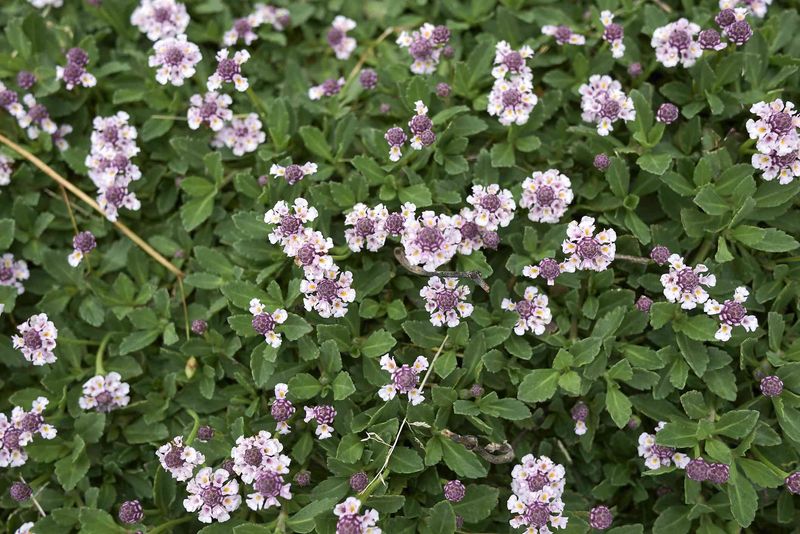
Tucked low to the ground and blooming with tiny white and pink flowers, Texas frogfruit is quietly becoming one of the most talked-about plants in Texas landscaping. Its scientific name is Phyla nodiflora, but most Texans just call it frogfruit.
It grows close to the soil, spreading outward in a thick, soft mat that looks surprisingly lush for a plant that needs so little attention.
What makes frogfruit so appealing is how naturally it fits into a front yard. It does not grow tall and unruly.
It stays low, maybe two to four inches high, which means it keeps a tidy appearance without constant trimming. The small flowers are a bonus, adding a gentle charm that plain grass simply cannot match.
Frogfruit is native to Texas, which means it evolved right here and knows how to handle the conditions. Hot summers, unpredictable rain, and heavy clay soils are no problem for this plant.
It has been growing wild in Texas for centuries, long before anyone thought of using it as a lawn replacement.
Homeowners across Texas are noticing it more and more. Nurseries in cities like Austin, Houston, and Dallas have started stocking it regularly because demand keeps growing.
People want a front yard that looks good without draining their water bill or eating up their weekends. Frogfruit checks both boxes with ease.
It is a small plant making a very big impression in neighborhoods all across the Lone Star State.
Why More Texas Homeowners Are Moving Away From Traditional Grass
Keeping a green lawn in Texas used to be a point of pride. But ask any homeowner who has watched their water bill spike during a July drought, and that pride starts to feel pretty expensive.
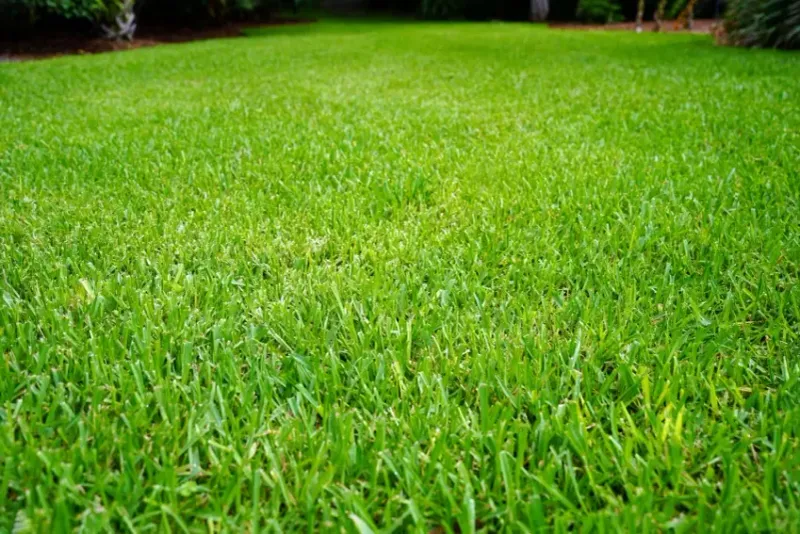
Traditional turfgrass like St. Augustine and Bermuda can demand a huge amount of water, especially during the long, brutal Texas summers. Many homeowners are simply tired of paying for it.
Your Texas Garden Changes Every Week. Your Plan Should Too.
Gardening in Texas changes quickly throughout the season. Every Friday you’ll receive a simple weekly plan showing exactly what to plant, prune, fertilize, harvest, and protect so you never miss the right timing.
Beyond water costs, the maintenance grind is real. Mowing every week, fertilizing multiple times a year, dealing with pests, and repairing bare spots all add up fast.
For busy families and older homeowners especially, a high-maintenance lawn has started to feel more like a burden than a blessing. The idea of a yard that mostly takes care of itself is very appealing.
Texas has also seen more frequent droughts and heat waves in recent years. Some cities and counties have even put water restrictions in place during dry spells, making it hard to keep traditional grass alive without breaking the rules.
Homeowners have had to rethink what a front yard should look like. There is also a growing awareness about environmental impact. Traditional lawns can require chemical fertilizers and pesticides that are not great for local ecosystems.
Native plants, on the other hand, support local insects, birds, and pollinators without needing those chemicals. More Texas homeowners are choosing plants that work with nature instead of against it.
The shift is happening neighborhood by neighborhood, and it is picking up speed all across the state.
Why Texas Frogfruit Works So Well In Texas
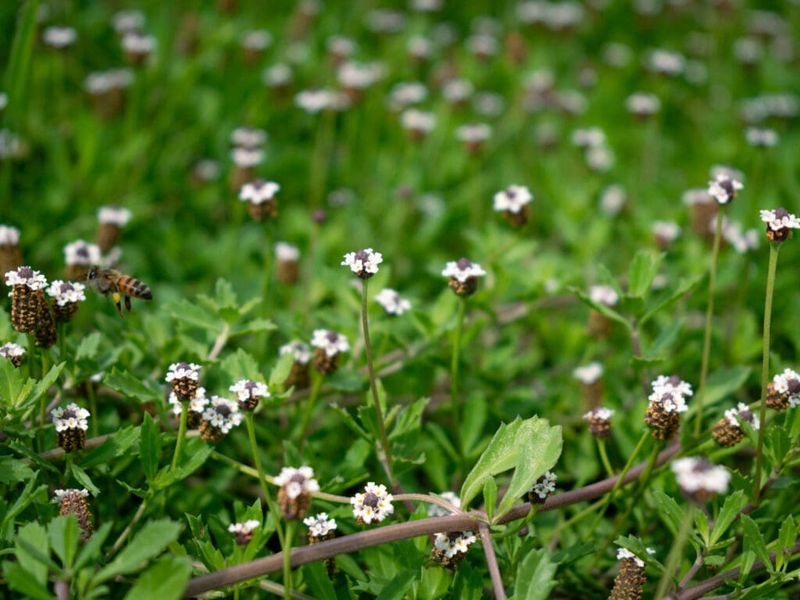
Some plants struggle the moment summer hits in Texas. Frogfruit is not one of them.
Built for heat and drought, this native groundcover actually performs at its best when temperatures climb. It handles the scorching Texas sun without wilting, browning, or giving up. That alone makes it a standout choice for front yards across the state.
Frogfruit is also incredibly flexible when it comes to soil. Texas soils can vary a lot, from heavy clay in the Houston area to rocky, thin soil in the Hill Country.
Frogfruit adapts to all of it. It does not need rich, amended garden soil to thrive. Plant it in average or even poor soil, and it will still spread and fill in reliably over time.
Water needs are very low once the plant is established. During the first growing season, some regular watering helps it get settled.
After that, rainfall alone is usually enough to keep it going in most parts of Texas. During extreme dry spells, an occasional deep watering will keep it looking its best, but it is far less thirsty than traditional turfgrass.
One more thing that makes frogfruit perfect for Texas is its tolerance for heat reflected off sidewalks and driveways. Many plants wilt in those hot spots near pavement.
Frogfruit handles it without complaint. From North Texas down to the Gulf Coast, this plant has proven it can handle whatever the Texas climate throws at it. That kind of toughness is exactly what homeowners here need.
What Makes It Better Than Grass In Some Front Yards
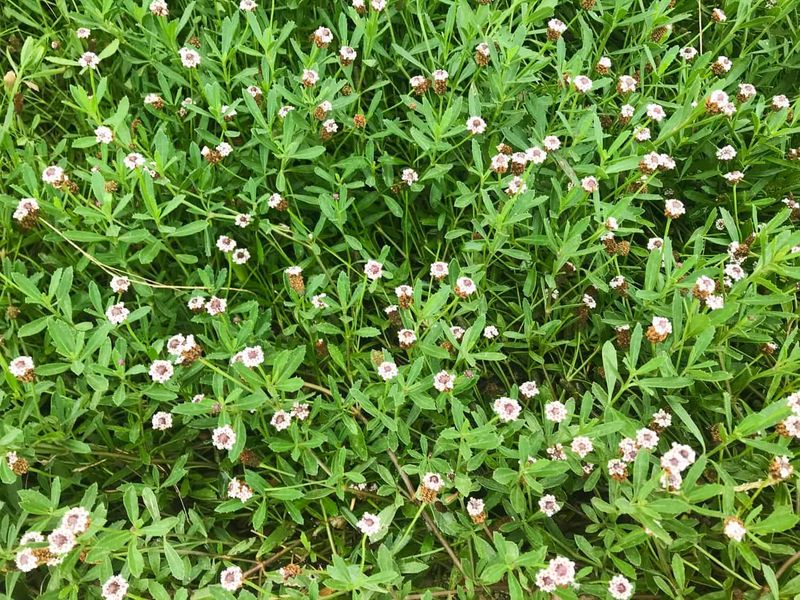
Picture a front yard where you rarely have to mow, water bills stay low, and butterflies float around the flowers on a warm afternoon. That is what frogfruit can offer, and it is a pretty convincing argument for making the switch.
For homeowners who have grown tired of the demands of traditional turf, the practical benefits here are hard to ignore.
Mowing is probably the biggest relief. Because frogfruit stays naturally low, most homeowners only need to mow it a few times a year, if at all.
Some people let it grow freely and simply enjoy the soft, meadow-like texture it creates. Others give it a light trim a couple of times a season to keep things looking neat. Either way, it is a massive time saver compared to a weekly mowing routine.
Pollinators absolutely love frogfruit. Bees, butterflies, and other beneficial insects are drawn to its tiny flowers throughout the warmer months.
In a state like Texas, where pollinator populations face real pressure, having a front yard that supports them is genuinely meaningful. It turns an ordinary yard into a small but valuable habitat.
The look is also worth mentioning. Frogfruit has a softer, more natural appearance than a tightly cut grass lawn.
It gives a front yard a relaxed, organic feel that many homeowners find more inviting. Paired with native shrubs or flowering perennials, it creates a landscape that feels intentional and beautiful.
For front yards in Texas neighborhoods, that combination of low effort and high appeal is a winning formula.
Where It Grows Best And What Homeowners Should Expect
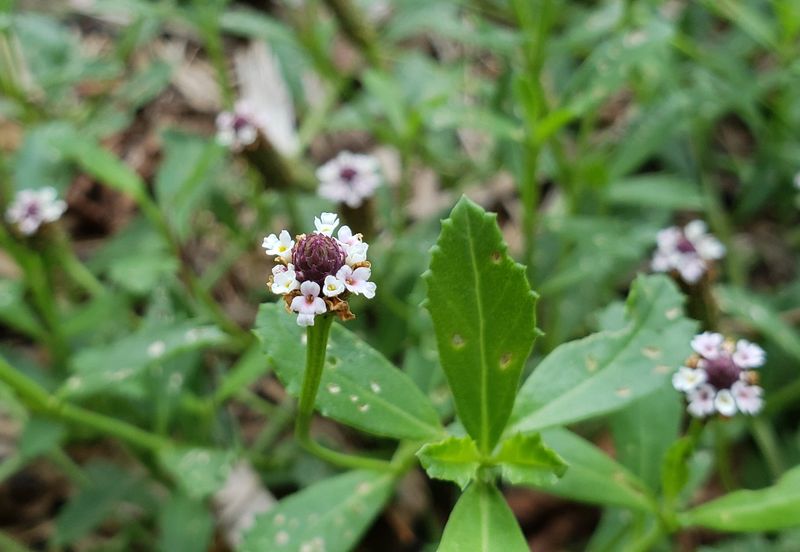
One of the most common questions homeowners ask before planting frogfruit is where it will actually perform well. The good news is that it is pretty flexible.
Frogfruit grows best in full sun to part shade, which covers a wide range of front yard situations. Whether your yard gets blazing afternoon sun or filtered light under a large oak tree, frogfruit can usually find a way to thrive.
It works especially well in areas that see low to moderate foot traffic. A path walked once or twice a day is generally fine, but high-traffic zones like the middle of a busy walkway might wear it down over time.
For borders, side yards, slopes, and areas around trees where grass always seems to struggle, frogfruit is a natural fit. It fills in those tricky spots reliably and without much fuss. New plantings do require a little patience. Frogfruit spreads steadily but not overnight.
During the first season, it is still establishing roots and spreading outward. By the second year, most homeowners see a noticeably fuller, more connected mat. Giving it a little water during that first summer in Texas helps it get off to a strong start.
Homeowners should also expect a looser, less formal look than traditional turf. Frogfruit does not create the perfectly uniform carpet that a manicured grass lawn does.
Instead, it has a gentle, natural texture that many people find more charming. If you want a yard that looks a little wild and a lot less work, frogfruit delivers exactly that across Texas landscapes.
Why Texas Frogfruit Is Becoming A Front-Yard Favorite
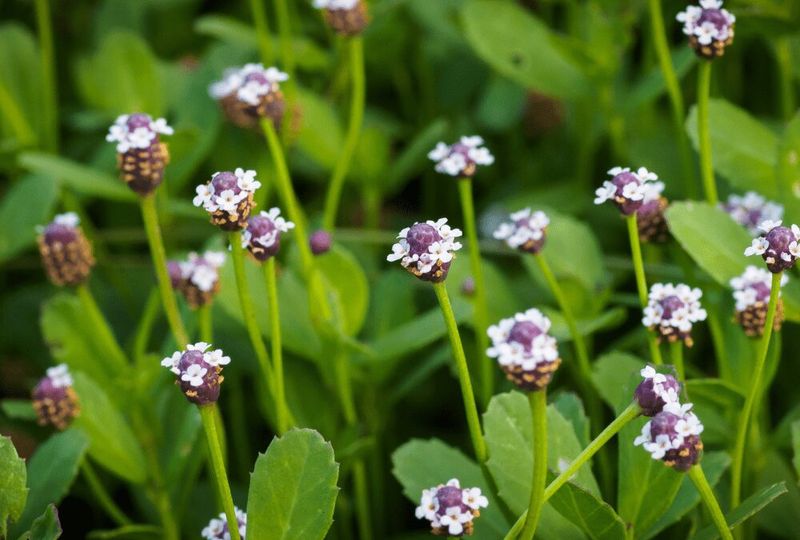
Something interesting is happening in Texas front yards. Neighbors are stopping to ask what that pretty low-growing plant is.
Homeowners are sharing cuttings and seeds with each other. Nurseries can barely keep frogfruit on the shelves during spring planting season. A quiet little native plant has turned into a genuine landscaping movement across the state.
The timing makes a lot of sense. Texas homeowners today are looking for something different from the traditional lawn.
They want a yard that is attractive, environmentally friendly, and honest about what it takes to maintain. Frogfruit fits that description perfectly.
It asks for very little and gives back a lot, which is a combination that resonates with modern homeowners from El Paso to Beaumont.
It also connects people to the natural landscape of Texas in a meaningful way. Frogfruit is not a plant imported from somewhere else and forced to survive here. It belongs here. It grew wild in Texas long before subdivisions and sod farms existed.
Planting it in a front yard feels like a small act of bringing something native back to where it started.
Local conservation groups, master gardeners, and extension services across Texas have all started recommending it more actively. As more front yards make the switch, the results speak for themselves.
Less water used, less time spent mowing, more pollinators visiting, and a yard that genuinely looks good year-round. For anyone still on the fence about replacing their grass, seeing a neighbor’s thriving frogfruit lawn might be all the convincing they need.