7 Compact Native Plants That Outperform Big Shrubs In Texas
Big shrubs get a lot of credit in Texas landscapes, but they are not always the smartest choice. Sure, they can fill space fast, yet they also come with plenty of baggage.
Some need constant trimming, some outgrow the spot way too quickly, and some start looking stressed the minute heat and drought really kick in.
A plant does not have to be huge to make an impact, and that is exactly why compact native plants are getting more attention from Texas gardeners who want beauty without all the extra work.
These smaller natives often bring more to the table than people expect. They are built for local conditions, which means they usually handle sun, dry stretches, and tough soil far better than oversized shrubs that need more pampering.
They can add color, texture, structure, and wildlife value while fitting neatly into smaller beds, front yards, and tight spaces around patios or walkways. Just as important, they do their job without taking over the whole design.
When a plant stays manageable and still performs beautifully in Texas heat, it starts to look like the better deal pretty quickly.
1. Autumn Sage
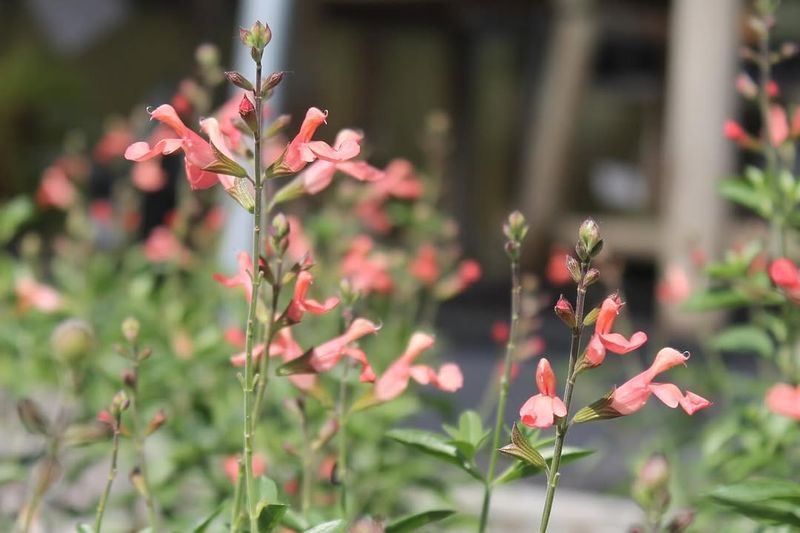
Walk past a blooming Autumn Sage in a Texas yard and it is nearly impossible not to stop and stare. This compact native shrub earns its reputation as one of the hardest-working plants in the Lone Star State.
It blooms from early spring all the way through fall, delivering waves of red, pink, coral, or white flowers that hummingbirds and butterflies absolutely cannot resist.
Autumn Sage, known scientifically as Salvia greggii, typically grows just two to three feet tall and wide. That makes it a much smarter fit for smaller beds and borders than bulky shrubs that quickly crowd out everything around them.
In Texas, where summer temperatures regularly climb past 100 degrees, this plant keeps right on blooming when others are struggling.
Planting is straightforward. Choose a sunny spot with well-drained soil, since Autumn Sage does not like sitting in wet ground.
Once established, it needs very little supplemental watering, which is a huge advantage in drought-prone parts of Texas like West Texas and the Hill Country. A light trim after each blooming cycle encourages fresh new growth and even more flowers.
One fun fact worth knowing: Autumn Sage was named for the Spanish botanist Claudio Richard, but it has been growing wild across the Chihuahuan Desert and Texas scrublands for centuries.
Gardeners across San Antonio, Austin, and El Paso have embraced it as a reliable, cheerful staple. If you want nonstop color without the size and fuss of a large shrub, Autumn Sage is a standout choice.
2. Blackfoot Daisy
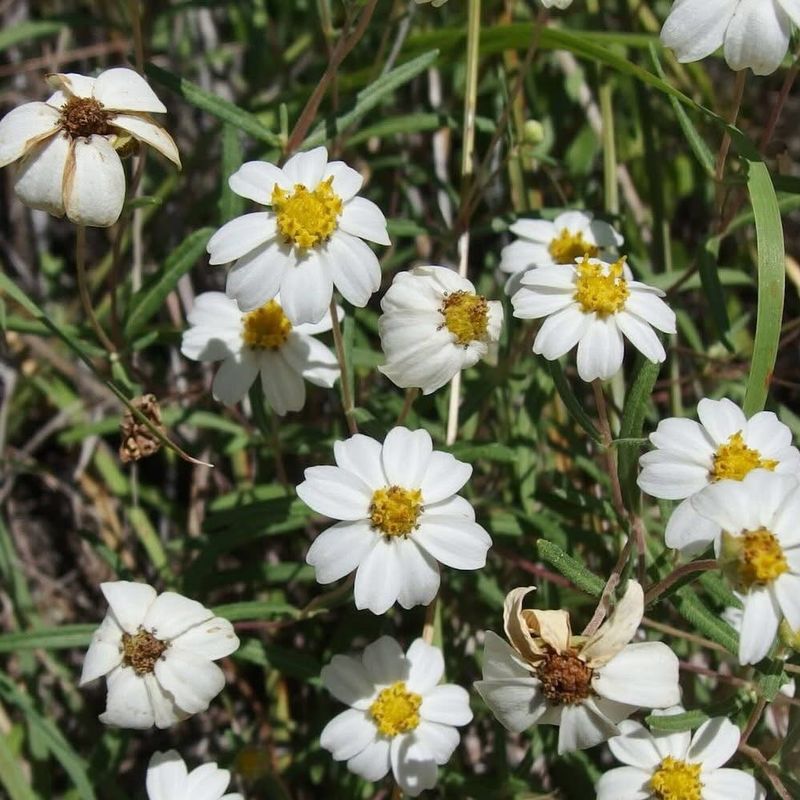
Some plants look delicate but are secretly incredibly tough. Blackfoot Daisy is exactly that kind of plant.
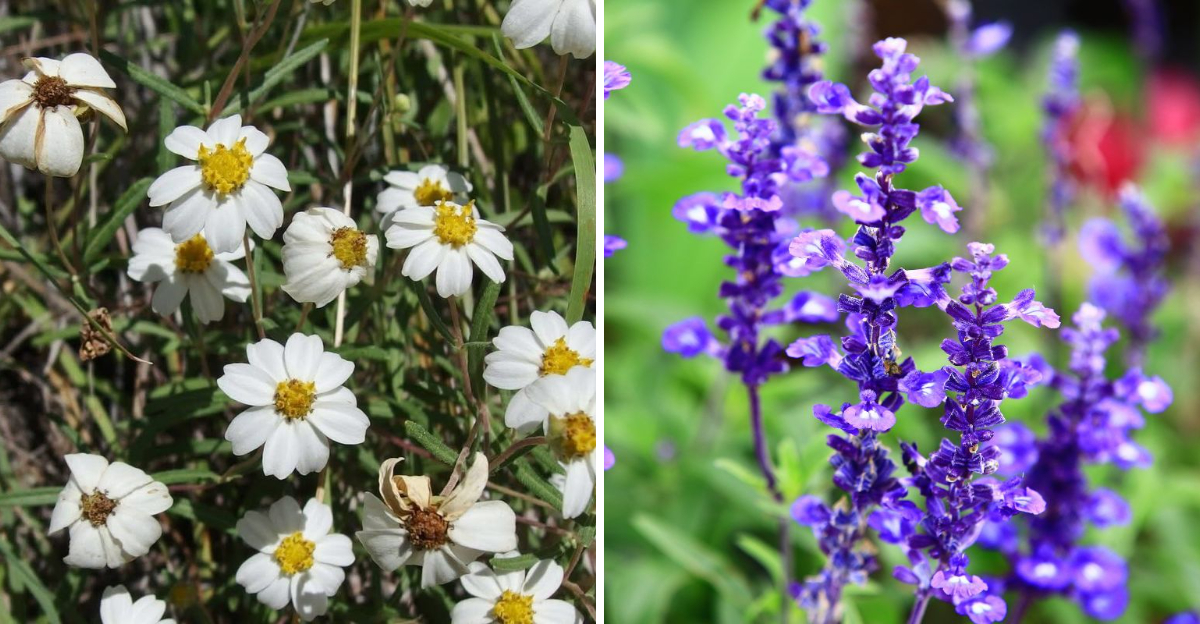
Its cheerful white petals and bright yellow centers make it look almost too pretty to survive a brutal Texas summer, yet it thrives in the harshest conditions the state can throw at it. Rocky, dry, poor soil? No problem at all.
Your Texas Garden Changes Every Week. Your Plan Should Too.
Gardening in Texas changes quickly throughout the season. Every Friday you’ll receive a simple weekly plan showing exactly what to plant, prune, fertilize, harvest, and protect so you never miss the right timing.
Blackfoot Daisy, or Melampodium leucanthum, stays beautifully compact, usually reaching just six to twelve inches tall and about a foot wide.
Compare that to many common landscape shrubs that sprawl three to five feet in every direction, and you can see why Texas gardeners with smaller spaces love it.
It fits neatly into rock gardens, along pathways, and in raised beds where larger plants would quickly become a headache.
In Texas cities like Lubbock, Midland, and San Antonio, where water conservation is a serious concern, Blackfoot Daisy shines. It is extremely drought-tolerant once established and requires almost no supplemental irrigation.
It also tends to self-seed gently, so you may find friendly little volunteers popping up nearby each season.
Plant it in full sun with excellent drainage, and then mostly just enjoy it. Deadheading spent blooms is optional, though a quick tidy-up can encourage a fresh flush of flowers.
Pollinators love visiting the blooms, making it a smart addition to any wildlife-friendly yard. For hot, dry spots where bigger shrubs look stressed and overgrown, Blackfoot Daisy handles the job with effortless charm.
3. Damianita
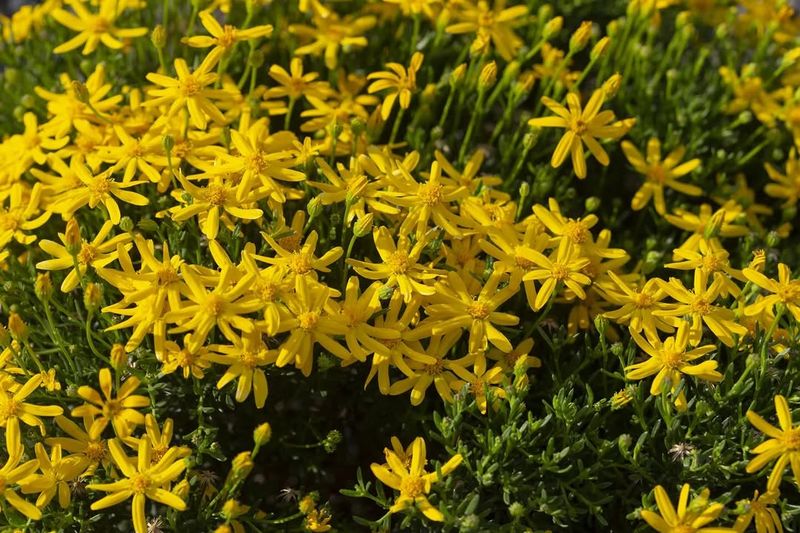
Picture a small, tidy mound of deep green foliage completely smothered in tiny golden-yellow flowers from spring through fall. That is Damianita on a good day, and honestly, most days are good days for this tough little Texas native.
It is one of those plants that makes a garden look well planned and cared for without demanding much effort from the gardener.
Damianita, or Chrysactinia mexicana, typically grows just one to two feet tall and about as wide. Its aromatic foliage gives off a pleasant herbal scent when brushed, which makes it a fun sensory addition to pathways and seating areas.
In Texas landscapes, especially in the Hill Country and West Texas, it fits beautifully into spots where oversized shrubs would quickly overwhelm the space.
Heat and drought are no match for this plant. Damianita is naturally found growing on dry limestone hillsides in the wild, so it is perfectly built for the rocky, alkaline soils common across much of Texas.
Once established, it needs almost no supplemental water, making it a smart pick for water-wise gardens in cities like Del Rio, Kerrville, and Fredericksburg.
For best results, plant Damianita in full sun with very sharp drainage. It does not tolerate soggy roots at all.
Occasional light trimming keeps the mound looking neat and encourages even more blooms. Pollinators, including native bees and butterflies, flock to the flowers throughout the season.
If you want cheerful, long-lasting color without the bulk of a large shrub, Damianita delivers every single time.
4. Mealy Blue Sage
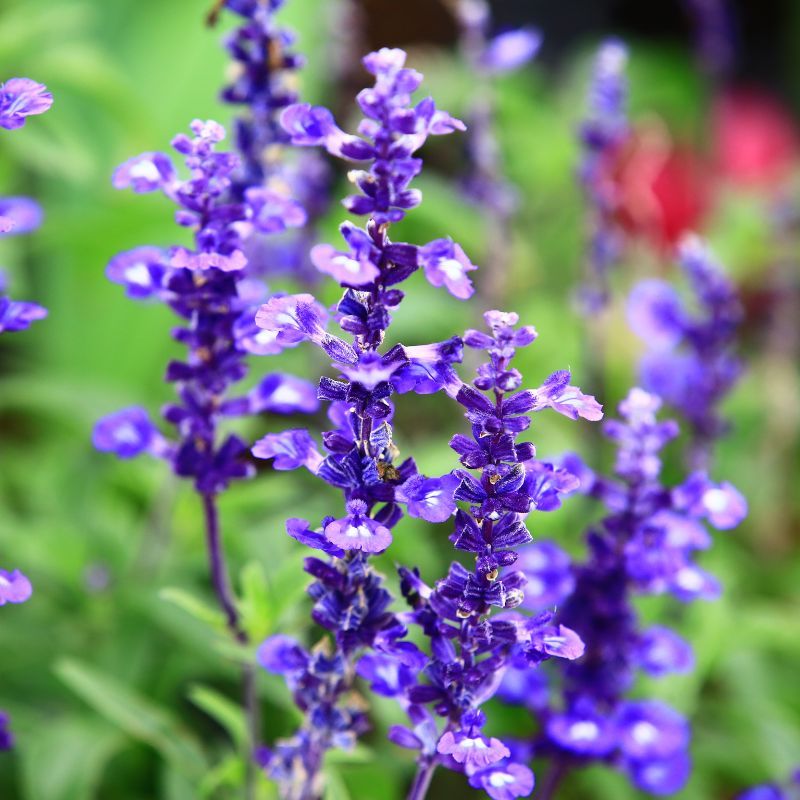
There is something quietly spectacular about a plant that takes up barely two square feet of garden space yet manages to stop every passerby in their tracks. Mealy Blue Sage does exactly that.
Its tall, slender spikes of blue to violet flowers rise above compact, tidy foliage and create a color effect that few large shrubs can match, even with twice the space.
Salvia farinacea, commonly called Mealy Blue Sage, is a Texas native that grows two to three feet tall and forms a rounded mound. It blooms heavily from late spring through fall, which is an impressively long season for any plant.
Pollinators go wild for it. Hummingbirds, monarchs, and native bees visit repeatedly throughout the warm months, making it a fantastic choice for gardeners who want to support local wildlife in Texas.
One of its biggest advantages over bulkier shrubs is how little space it needs. In smaller front yard beds, courtyard gardens, or tight spots along a fence line, Mealy Blue Sage fits without crowding.
It is well adapted to the heat and occasional drought that gardeners across Dallas, Fort Worth, and Houston regularly deal with.
Plant it in full sun for the best bloom production, though it can handle a bit of afternoon shade in the hottest parts of Texas. Water it regularly while getting established, then pull back as roots settle in.
Cutting the stems back by about a third in midsummer can refresh the plant and trigger a strong second wave of blooms. It is a reliable, beautiful, and genuinely low-fuss native worth every inch of garden space it occupies.
5. Texas Lantana
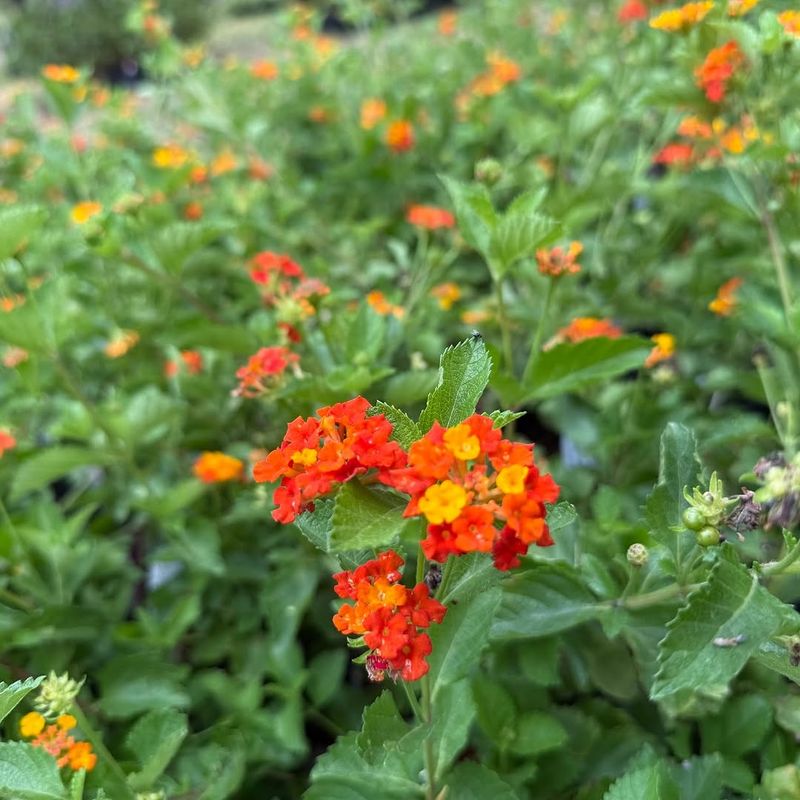
Bold, bright, and built for the Texas heat, Texas Lantana is the kind of plant that earns its spot in the garden every single season.
Unlike the larger tropical lantana varieties that can grow into sprawling five-foot monsters, Texas Lantana stays lower and more manageable while still delivering those same eye-catching clusters of orange and yellow blooms that gardeners love.
Lantana urticoides is a true Texas native, found growing wild in central and south Texas, and it is perfectly adapted to the state’s brutal summer conditions.
It typically grows two to four feet tall and spreads a similar width, which is much more garden-friendly than many common landscape shrubs.
Its blooms attract butterflies in impressive numbers, and the small dark berries that follow feed birds through the fall season.
Gardeners in San Antonio, Corpus Christi, and the Rio Grande Valley especially appreciate Texas Lantana because it handles high heat, humidity, and dry spells with equal ease. It thrives in full sun and well-drained soil, asking for very little once it gets established.
Occasional deep watering during extended dry stretches is all it really needs to keep performing.
Pruning back hard in early spring before new growth begins helps keep the plant compact and encourages vigorous blooming through the season.
One interesting detail many people do not know is that Texas Lantana is actually more cold-hardy than many of its tropical relatives, making it a smarter long-term investment for Texas landscapes. For color, toughness, and wildlife value without the bulk, this native truly delivers.
6. Winecup
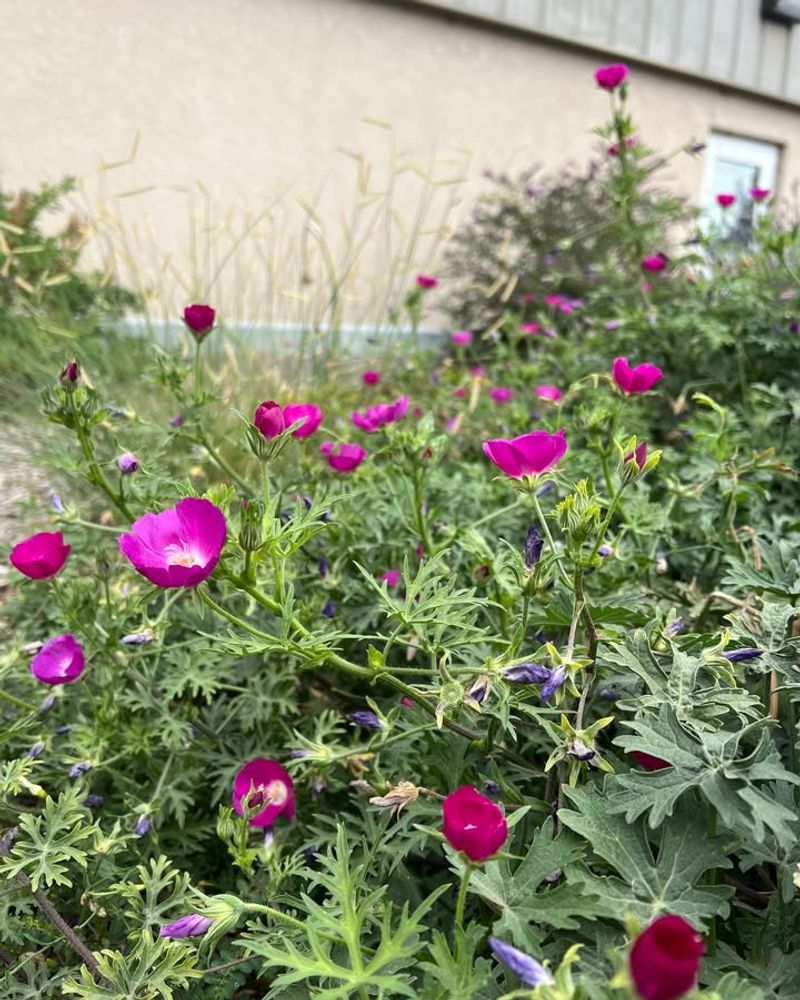
Not every garden hero stands tall. Winecup proves that some of the most beautiful and useful plants hug the ground and spread quietly in ways that large woody shrubs simply cannot.
Its deep magenta, cup-shaped flowers are striking against the finely cut green foliage, and once you see a healthy patch in full bloom, it is hard to imagine leaving it out of a Texas garden.
Callirhoe involucrata, commonly called Winecup or Purple Poppy Mallow, is a trailing perennial native that spreads along the ground rather than building up height. It typically reaches just six to twelve inches tall while spreading two to three feet wide.
That spreading habit makes it incredibly useful for filling in awkward slopes, rocky edges, and bare patches where upright shrubs would look out of place or grow too large.
Winecup is extremely well adapted to Texas conditions. It grows naturally in the rocky soils of the Hill Country and across the central and northern parts of the state.
Once established, it is remarkably drought-tolerant and can actually store water in its deep taproot during dry periods. This makes it a smart, water-wise choice for gardeners in Austin, Waco, and Abilene.
Plant it in full sun to partial shade and give it well-drained soil. Avoid heavy clay or areas where water pools after rain, as its taproot does not tolerate prolonged wetness.
The blooms appear from spring into early summer and attract native bees reliably. For filling tricky spaces with graceful, low-growing color, Winecup outperforms heavy, woody shrubs in nearly every way.
7. Gulf Coast Penstemon
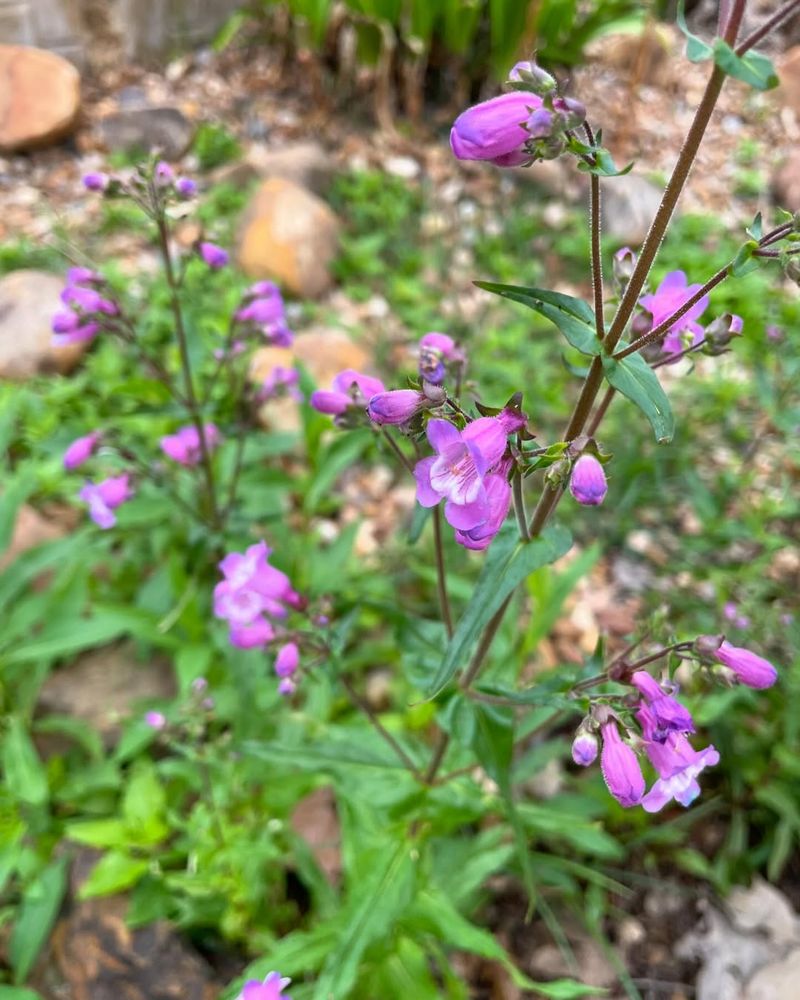
Tall, slender, and elegant, Gulf Coast Penstemon brings a kind of vertical grace to a garden that chunky, mounding shrubs just cannot offer.
Its thin upright stems carry clusters of soft lavender to purple tubular flowers that sway gently in the breeze, and hummingbirds find them completely irresistible. It is one of those plants that makes a bed look designed rather than just planted.
Penstemon tenuis, the Gulf Coast Penstemon, is native to the eastern and coastal areas of Texas and grows about two to three feet tall while staying narrow and upright.
That slim profile is a major advantage in smaller garden spaces where a wide-spreading shrub would quickly make everything feel crowded.
It works beautifully in mixed borders, along fences, and tucked between larger perennials for height and color contrast.
Spring is its main show, when the flower spikes emerge and bloom for several weeks. The display is showy enough to be a real focal point in the garden, yet the plant never overwhelms its neighbors.
After blooming, the foliage stays tidy and green through the summer, holding its space without becoming a problem.
Gulf Coast Penstemon prefers moist, well-drained soil and does best with some afternoon shade in the hottest parts of Texas, including Houston and Beaumont, where summer heat and humidity can be intense.
It is more tolerant of clay soils than many other Texas natives, which is a genuine bonus in areas where heavy soil is common.
Regular watering while getting established helps it settle in quickly, and after that, it is a reliably low-maintenance performer that adds real charm to any Texas garden.