Tropical Plants Florida Gardeners Use For Instant Privacy
You know that feeling when you step outside and realize your backyard isn’t as private as it used to be. Maybe a new neighbor moved in, or a once-quiet space suddenly feels too exposed.
Fences help, but they don’t always give that soft, natural look many homeowners want.
That’s where the right plants can completely change the space. In Florida, fast-growing tropical plants are often the go-to choice for creating a living screen that fills in quickly and looks good doing it.
The heat, humidity, and long growing season actually work in your favor here, helping certain plants grow faster than you might expect. Still, not every tropical plant delivers the same results, and some take far longer to fill out than others.
A few stand out for how quickly they transform a bare yard.
1. Areca Palm With Its Fast-Growing Tropical Screen
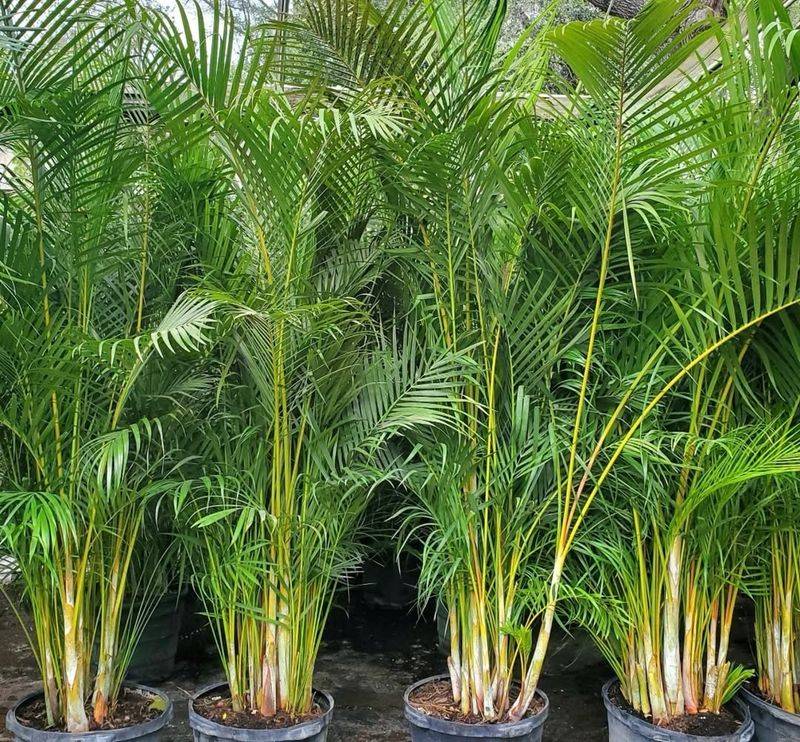
If you have ever walked past a Florida home and spotted a wall of feathery, golden-green fronds swaying in the breeze, chances are you were looking at an Areca Palm. Known scientifically as Dypsis lutescens, this fast-growing palm is one of the most popular choices for instant privacy in Florida gardens.
It can grow relatively quickly in Florida conditions, forming a dense, tropical screen that helps block sightlines and soften the look of a yard.
Areca Palms thrive in full sun to partial shade and prefer well-drained soil. They are sensitive to frost, making them best suited for South Florida and coastal areas where temperatures stay warm year-round.
These palms do best when watered regularly but not overwatered, as soggy roots can cause problems over time.
Planting them about five to six feet apart gives them room to grow while still creating a solid privacy barrier. They can reach heights of fifteen to thirty feet at maturity, which makes them excellent for screening second-story windows too.
Gardeners in Florida love the Areca Palm because it adds a resort-like, tropical feel to any landscape while doing a serious job of keeping the yard private.
2. Cocoplum That Fills In Thick And Stays Neat
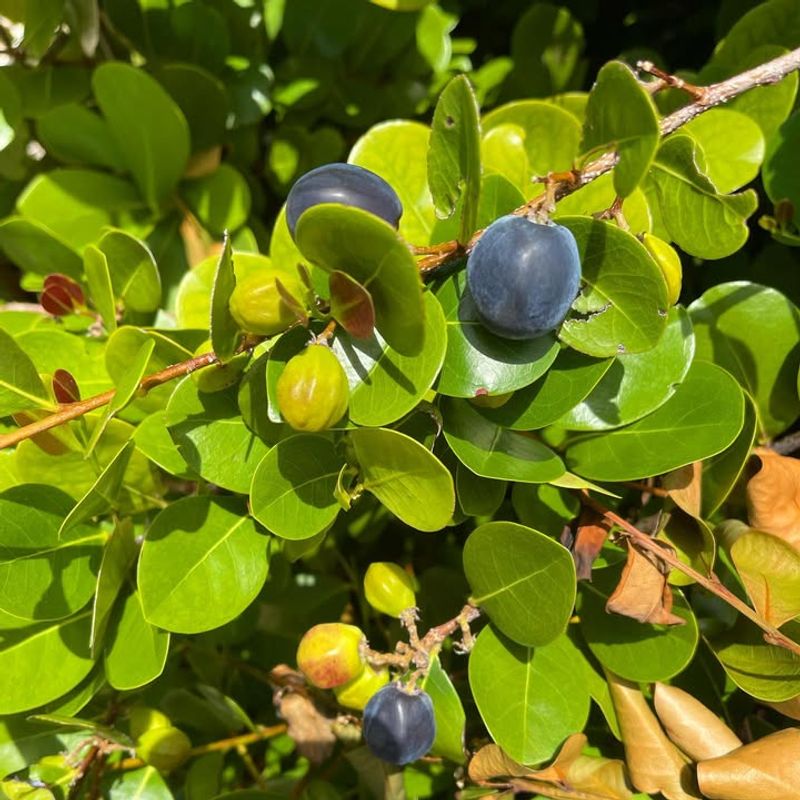
One of those plants that earns its place in a Florida garden, cocoplum stands out for being tough, reliable, and genuinely beautiful. Native to South Florida and the Caribbean, Chrysobalanus icaco is a broadleaf evergreen shrub that forms a thick, glossy-leaved hedge perfect for blocking views and adding a polished look to any landscape.
What makes it stand out is how well it handles the heat, salt air, and occasional drought that come with Florida living.
Gardeners in coastal areas especially love Cocoplum because it tolerates salt spray without missing a beat. It grows at a moderate pace and can be trimmed into a formal hedge or left to grow naturally into a rounded, flowing shape.
Either way, the dark, waxy leaves stay green all year long, giving you privacy in every season.
As a bonus, Cocoplum produces small, edible fruits that range from white to deep purple-red, depending on the variety. Birds love these fruits, so planting Cocoplum doubles as a way to invite wildlife into your yard.
Your Florida Garden Changes Every Week. Your Plan Should Too.
Gardening in Florida changes quickly throughout the season. Every Friday you’ll receive a simple weekly plan showing exactly what to plant, prune, fertilize, harvest, and protect so you never miss the right timing.
It typically grows between six and fifteen feet tall, making it a flexible option for both low screens and taller barriers in Florida landscapes.
3. Simpson’s Stopper Known For Dense, Glossy Coverage
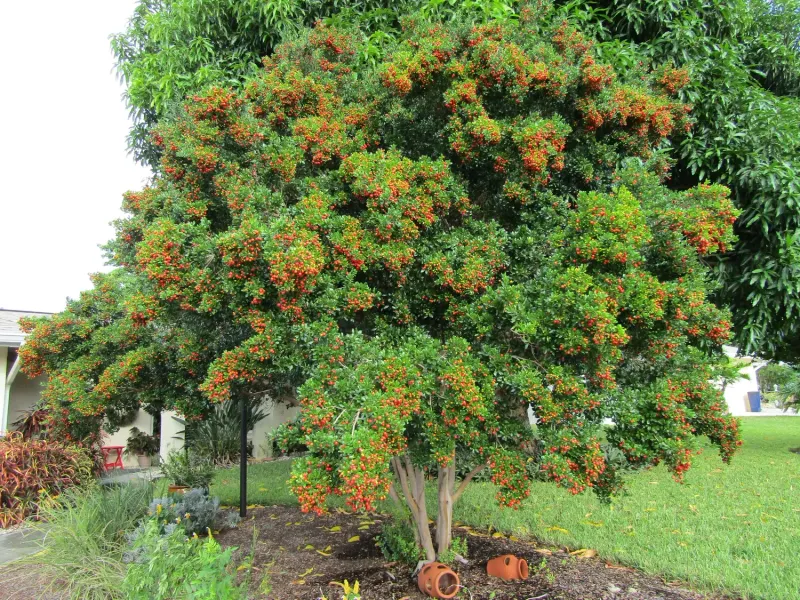
There is something quietly impressive about Simpson’s Stopper. It does not shout for attention with giant blooms or dramatic colors, but once it settles into a Florida garden, it becomes an indispensable part of the landscape.
Myrcianthes fragrans is a Florida native evergreen shrub or small tree that grows slowly but steadily into a dense, leafy screen that provides solid privacy year-round.
One of its most charming features is its aromatic foliage. Crush a leaf between your fingers and you will get a pleasant, spicy scent.
In spring and summer, clusters of tiny white flowers appear, followed by bright orange-red berries that birds absolutely go wild for. Gardeners in Florida who want to attract mockingbirds, robins, and other native birds often plant Simpson’s Stopper for exactly this reason.
It handles drought and salt well once established, making it a smart pick for coastal Florida gardens. It can be pruned into a formal hedge shape or allowed to grow naturally, reaching up to fifteen to twenty feet tall over time.
The exfoliating cinnamon-colored bark adds an extra layer of visual interest, especially in winter. For Florida gardeners who want a native plant that works hard and looks good doing it, Simpson’s Stopper is a top-tier choice.
4. Firebush With Its Bold Color And Quick Growth
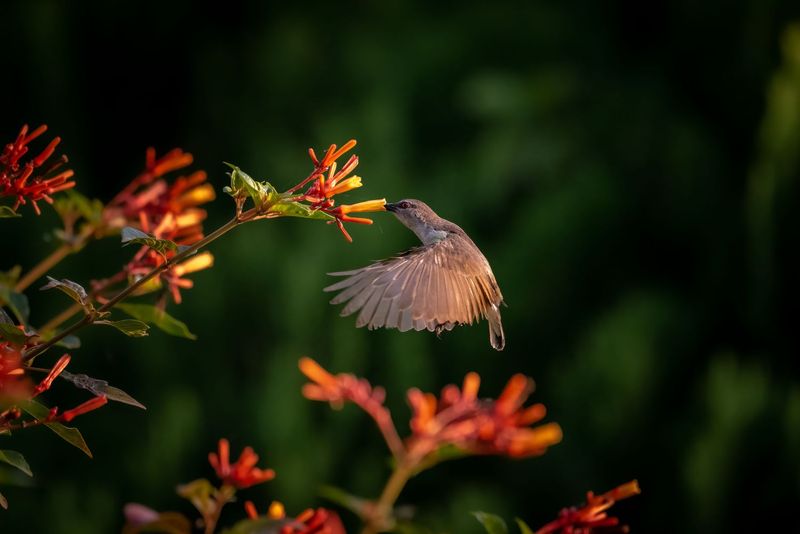
Few plants bring as much energy and color to a Florida garden as Firebush. It earns its name with clusters of brilliant orange, red, and yellow tubular flowers that seem to glow in the Florida sun.
Hummingbirds, butterflies, and bees flock to it constantly, turning your privacy screen into a living wildlife sanctuary. It is one of those rare plants that looks fantastic while also doing something truly useful for the local ecosystem.
Firebush grows fast, reaching twelve to fifteen feet tall and wide in the right conditions. In South Florida, it behaves as an evergreen and blooms nearly year-round.
In Central Florida, it may lose some leaves during cooler months but bounces back vigorously in spring. It thrives in full sun to partial shade and is notably drought and salt-tolerant once established.
For Florida gardeners who want privacy with personality, planting Firebush along a fence line or property border creates a screen that is anything but boring. It can be left to grow into a large, arching shrub or pruned back to keep it more compact.
Either way, the non-stop flower show is a reward in itself. Firebush is also a Florida-friendly landscaping plant, meaning it supports local pollinators and uses water efficiently.
5. Seagrape Creating Large, Lush Coastal Privacy
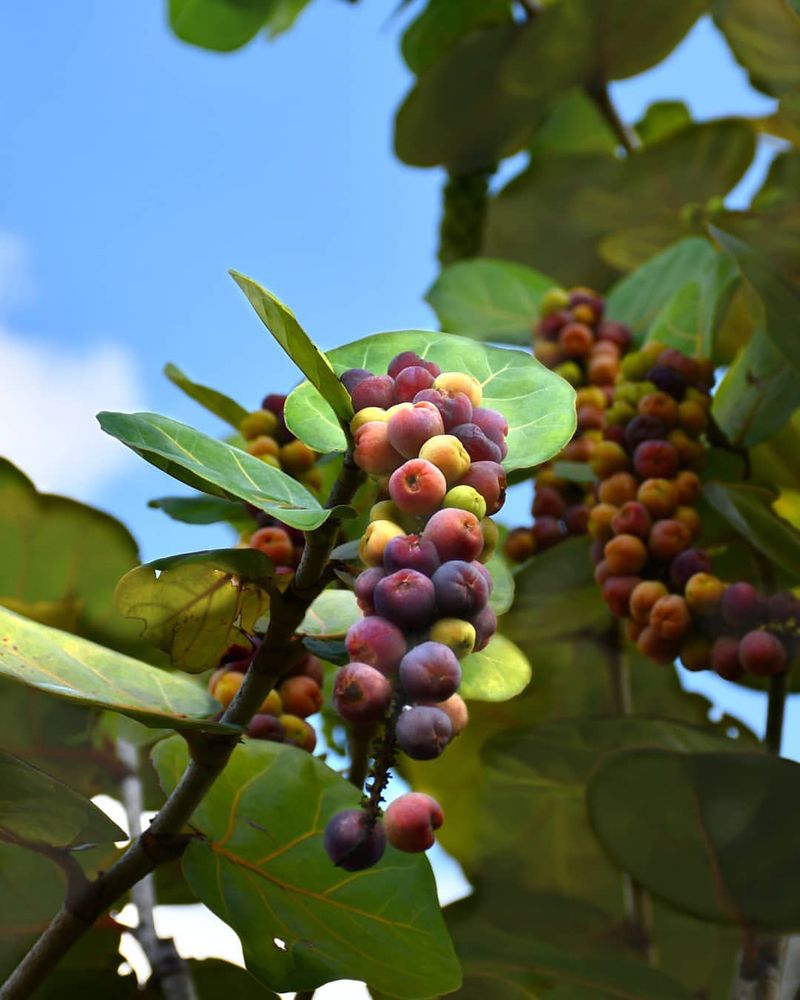
Seagrape is practically synonymous with Florida coastal living. A broad, sprawling native tree or large shrub that has been shading Florida beaches and coastal gardens for centuries.
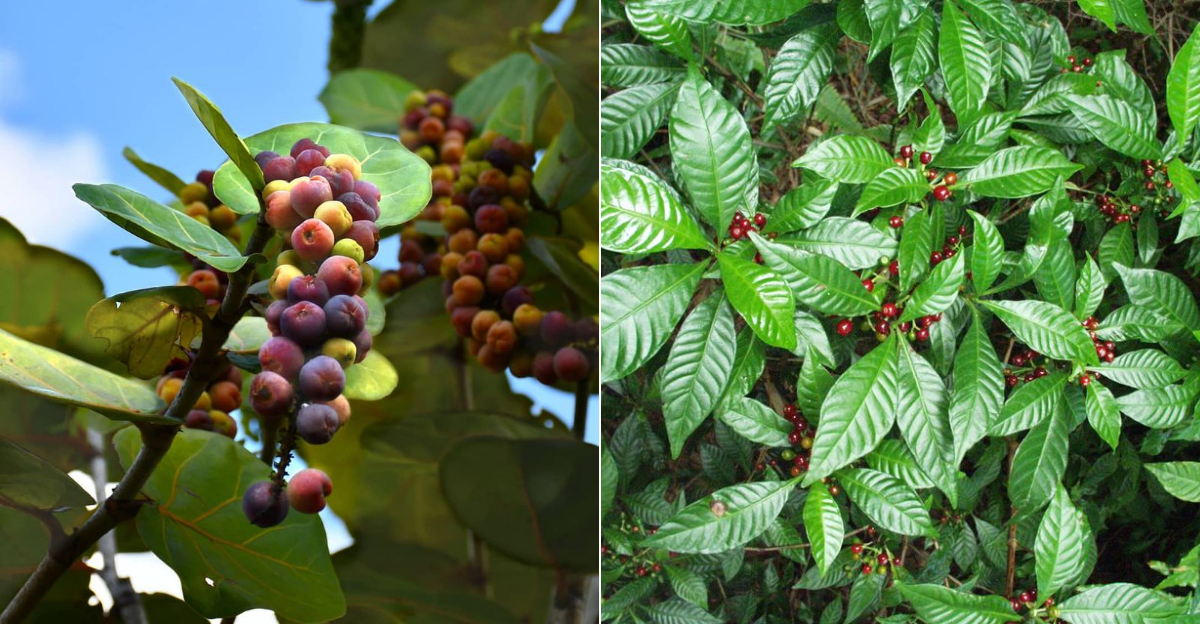
Its oversized, round leaves, often edged in red, create a bold, tropical look that signals you are somewhere warm and wonderful. For coastal Florida gardeners, Seagrape is one of the most practical privacy plants available.
It is highly tolerant of salt air, wind, and sandy soil, conditions that can cause many other plants to struggle. Seagrape can be trained into a tall privacy hedge by regular pruning, or it can be allowed to grow into a multi-trunk tree reaching twenty to thirty feet.
Either way, the dense canopy of large leaves creates an effective screen that blocks wind and views simultaneously.
In late summer, clusters of grape-like fruits ripen to a deep purple color. These fruits are edible and can be made into jelly, which is a fun Florida tradition.
Wildlife, including birds and small mammals, also enjoy the fruit. Seagrape is protected in many parts of Florida, so check local regulations before pruning heavily.
For beachside properties and coastal neighborhoods, Seagrape is one of the most fitting privacy plants you can choose.
6. Silver Buttonwood Bringing Soft Texture And Height
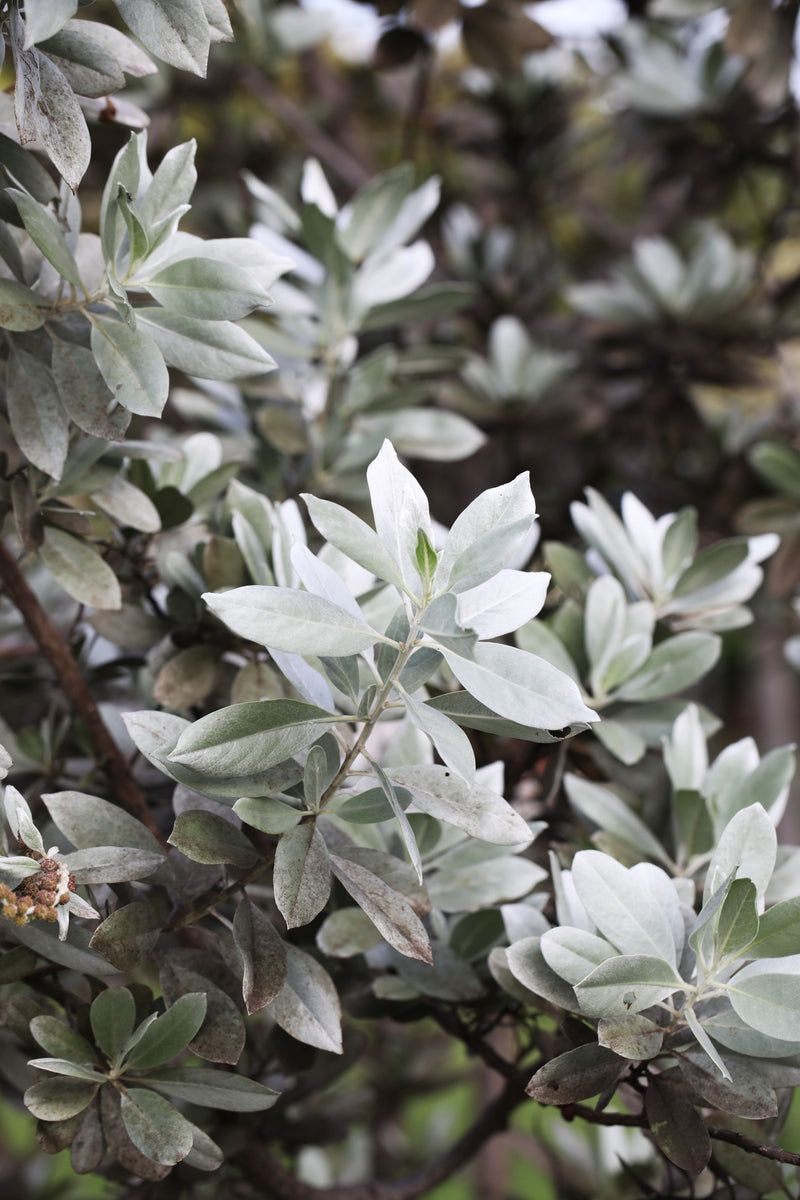
With a look unlike almost anything else in the Florida landscape, silver buttonwood stands out immediately. Conocarpus erectus var. sericeus gets its name from the silvery sheen that coats its small, oval leaves, giving the entire plant an almost metallic glow in the sunlight. Planted as a hedge or screen, a row of Silver Buttonwood creates a striking, silvery wall that adds real visual drama while doing a solid job of blocking views.
Native to coastal Florida and the Caribbean, Silver Buttonwood is built for tough conditions. It handles salt spray, drought, and compacted soil with ease, making it a go-to choice for beachside properties and urban landscapes where other plants might struggle.
It grows at a moderate rate and responds well to pruning, allowing gardeners to shape it into a formal hedge or let it grow naturally into a rounded, multi-branched form.
Mature plants typically reach eight to fifteen feet tall, though they can be kept shorter with regular trimming. The silvery foliage stays attractive year-round and provides a nice contrast against the deep greens of other tropical plants.
Florida gardeners who want a hedge that stands out visually while still being low-maintenance find Silver Buttonwood to be an excellent, reliable option for their landscape designs.
7. Wild Coffee Forming A Deep Green, Shade-Friendly Screen
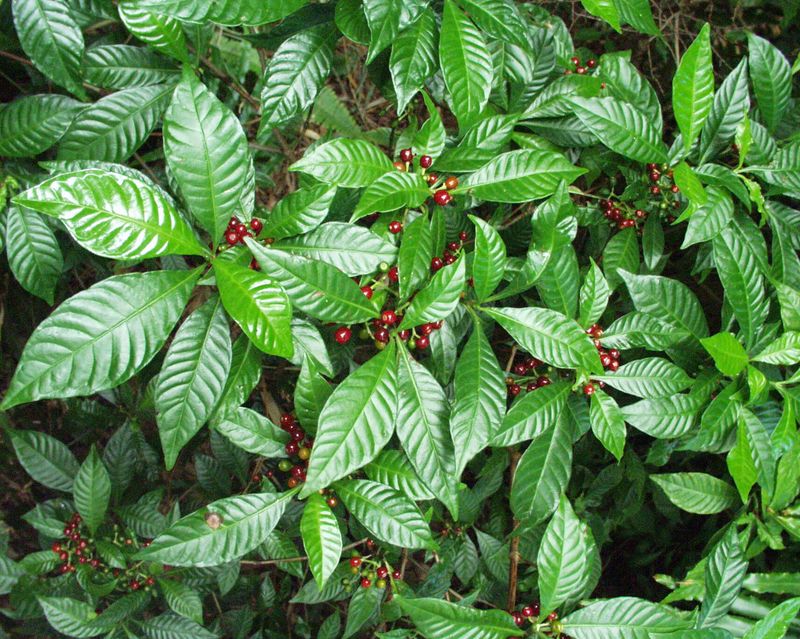
Often overlooked, wild coffee might be one of the most underrated privacy plants in all of Florida. This is a Florida native evergreen shrub that thrives in the shade, which is a surprisingly rare quality in the world of privacy plants.
Most screening plants want full sun, but Wild Coffee is perfectly happy growing beneath larger trees or in spots where other plants simply refuse to cooperate. That alone makes it incredibly valuable for Florida gardeners working with shady yards.
The glossy, deeply veined dark green leaves are attractive year-round, and in spring and summer, clusters of tiny white flowers appear, followed by bright red berries that birds adore. It has a naturally dense, rounded growth habit that makes it excellent for creating layered privacy screens when combined with taller plants like Areca Palms or Seagrape.
Wild Coffee typically grows four to ten feet tall, making it a great mid-height option in a mixed privacy planting. It is drought-tolerant once established and has good salt tolerance, which is helpful in many parts of Florida.
Despite its common name, it is not related to the coffee plant you drink, though Indigenous Floridians did historically use the berries. For gardeners who want a native, wildlife-friendly plant that thrives in the shade, Wild Coffee is a standout choice.
8. Jatropha Dominating With Bright Blooms And Structure
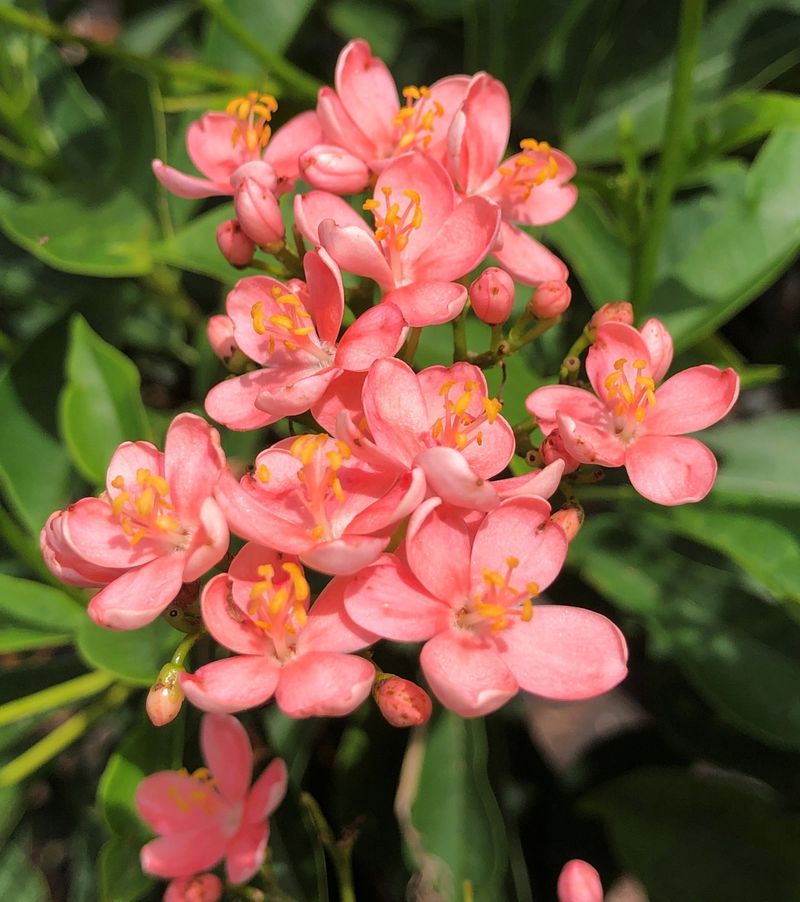
Walk past a Florida garden with a burst of coral-red blooms catching your eye, and there is a good chance Jatropha is responsible. Jatropha integerrima, commonly called Peregrina or Spicy Jatropha, is a fast-growing tropical shrub that Florida gardeners love for its near-constant flower display and its ability to grow into a tall, dense privacy screen with minimal fuss.
It brings a tropical resort feeling to any yard, which fits perfectly with Florida’s warm, sunny personality.
Jatropha grows quickly, often reaching eight to fifteen feet tall, and it blooms almost continuously throughout the warm months. In South Florida, it may bloom year-round.
The clusters of star-shaped red flowers attract butterflies and hummingbirds, adding movement and life to the garden. It prefers full sun and well-drained soil, and once established, it handles drought reasonably well.
Gardeners should note that all parts of the Jatropha plant are toxic if eaten, so it is best planted away from areas where young children or pets play unsupervised. That said, it is a low-maintenance, high-reward plant that fills in fast and keeps its tropical good looks all year.
For Florida gardeners who want bold color and quick privacy at the same time, Jatropha is a top pick.
9. Yaupon Holly Packing In Dense, Year-Round Coverage
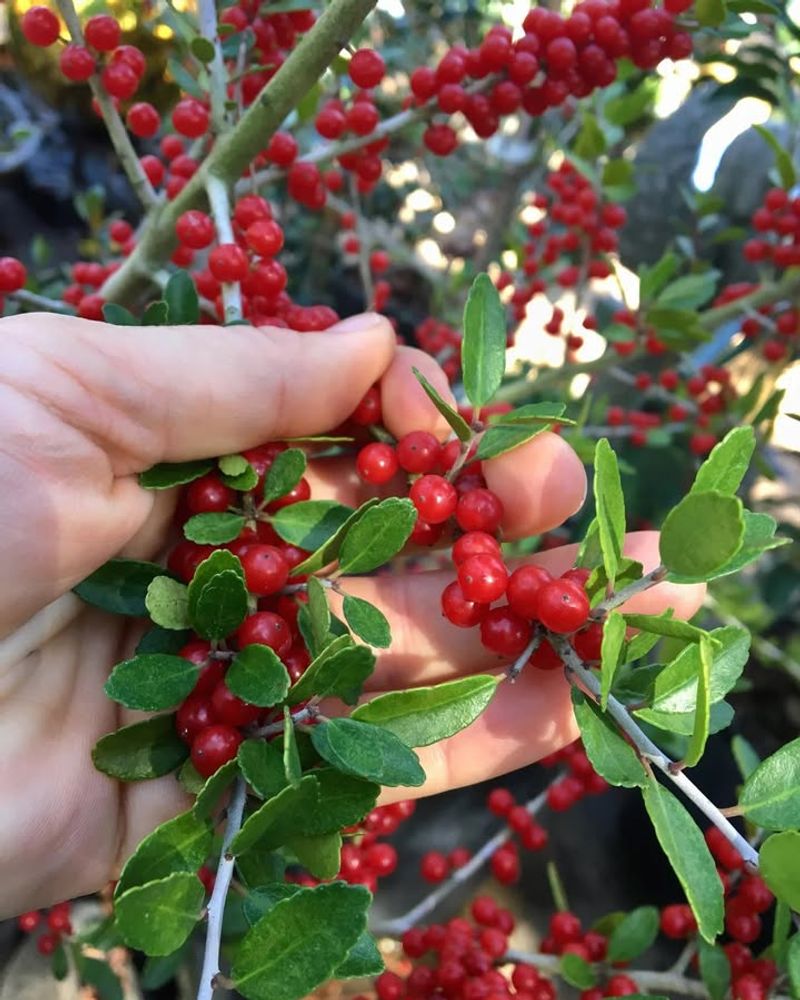
One of those plants that surprises people with how tough and versatile it really is, yaupon holly earns its place in many Florida landscapes. Also known as the only native North American plant that contains caffeine, which is a fun fact that tends to catch people off guard.
But beyond its quirky history, Yaupon Holly is a hardworking, adaptable evergreen shrub that Florida gardeners have been using for privacy screens and hedges for generations.
It grows in a wide range of conditions, handling everything from full sun to heavy shade, wet soils to dry, and even salt spray along coastal Florida properties. This adaptability makes it one of the most versatile native plants you can put in a Florida landscape.
It grows at a moderate pace and responds well to shearing, making it easy to maintain as a formal hedge or topiary shape.
In winter, female plants produce masses of bright red or orange berries that birds absolutely love. The berries persist through the colder months, giving the plant a festive, cheerful look when most other plants are looking a little tired.
Yaupon Holly typically grows six to twenty feet tall depending on the variety, so there are options for both low screens and tall privacy barriers throughout Florida landscapes.
10. Wax Myrtle The Green Screen That Grows Almost Anywhere
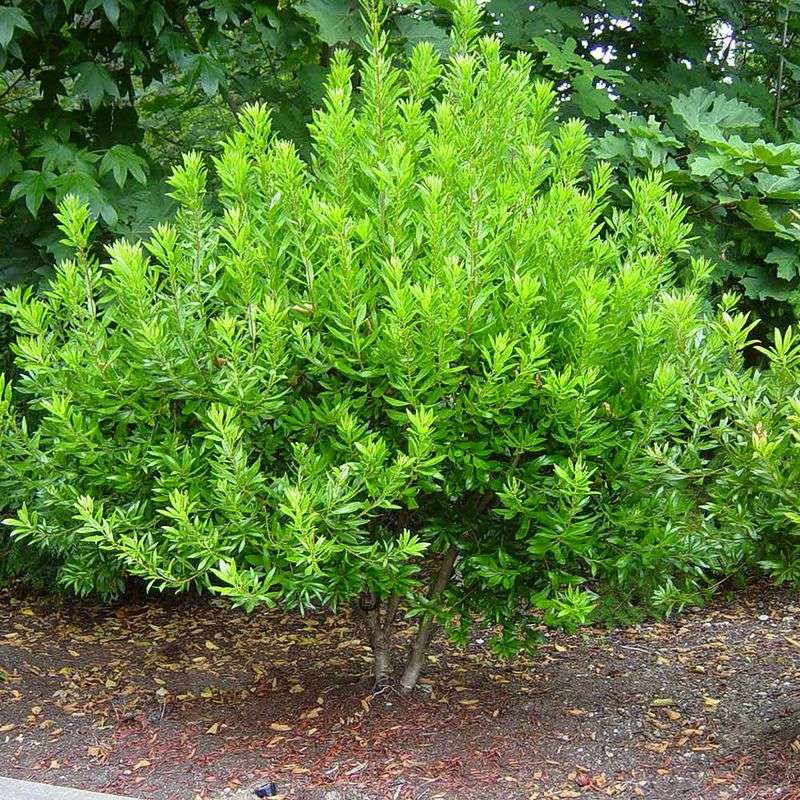
Wax Myrtle is the kind of plant that makes Florida gardeners look especially successful. This is a fast-growing native shrub that can shoot up several feet in a single season, making it one of the quickest ways to establish a privacy screen in Florida without breaking the bank or spending years waiting.
It is widely available, affordable, and incredibly easy to grow in just about any Florida soil type.
The aromatic, gray-green leaves give off a pleasant bayberry scent when brushed, which adds a sensory bonus to having it in your yard. Small, waxy blue-gray berries appear in late summer and fall, providing food for dozens of bird species.
Yellow-rumped warblers in particular go absolutely crazy for Wax Myrtle berries during their winter migration through Florida.
Wax Myrtle handles wet and dry conditions, full sun and partial shade, and coastal salt spray with equal ease. It can grow ten to twenty feet tall if left unpruned, but responds beautifully to regular trimming if you prefer a more manicured look.
For Florida gardeners who want a native, wildlife-supporting plant that establishes fast and provides reliable year-round privacy, Wax Myrtle is genuinely hard to beat as a landscaping choice.