These Pennsylvania Plants Make Your Yard More Welcoming To Fireflies
There is something special about seeing fireflies drift through a Pennsylvania yard on a warm evening. It makes the whole space feel calmer, softer, and more alive.
For many people, those tiny flashes bring back childhood memories, but they also raise a simple question. Why do some yards seem full of fireflies while others barely get any?
A lot of it comes down to the plants growing there. What you plant does more than shape how your yard looks during the day.
It also helps create the kind of shelter and comfort fireflies are drawn to after sunset. That is great news for homeowners who want a yard that feels inviting in more ways than one.
With the right plants, you can make your outdoor space more attractive to fireflies while also adding color, texture, and a more natural look. A few smart choices can make your yard feel brighter, livelier, and much more magical by night.
1. Joe-Pye Weed
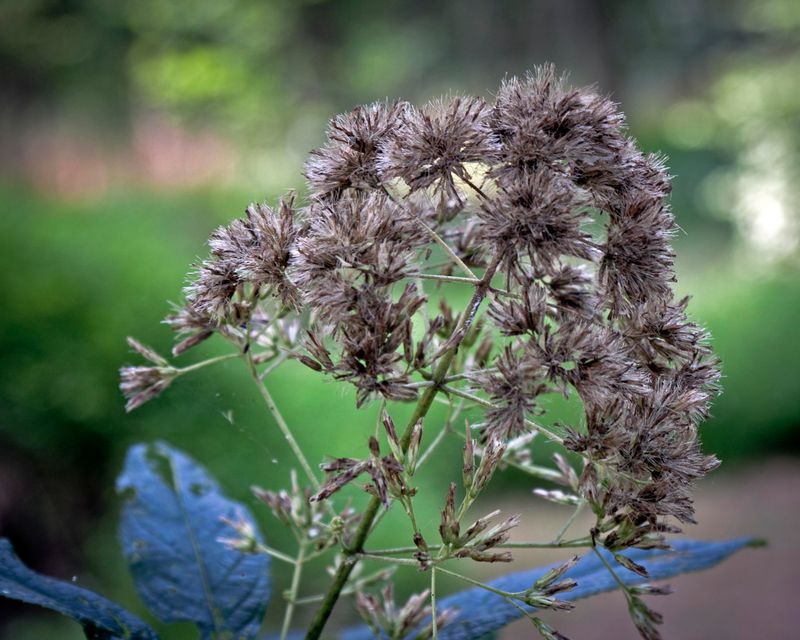
If you have ever walked past a tall, rosy-purple wildflower growing along a Pennsylvania streambank, chances are you spotted Joe-Pye Weed. This native perennial can grow six feet tall or more, making it one of the most impressive plants you can add to your yard.
Its large, domed flower clusters bloom in late summer and attract a wide variety of insects.
Fireflies are drawn to environments where insect activity is high and moisture is present. Joe-Pye Weed thrives in moist soils and partially shaded spots, which are exactly the kinds of conditions fireflies prefer.
The plant creates a lush, sheltered microhabitat where firefly larvae can move through the soil and leaf litter without being disturbed.
Beyond its role in supporting fireflies, this plant is a powerhouse for pollinators. Bees, butterflies, and beetles all visit its blooms regularly.
That insect diversity helps build a nighttime ecosystem where fireflies can flourish. Growing Joe-Pye Weed in your Pennsylvania yard is one of the most effective steps you can take toward creating a truly firefly-friendly space.
Plant it near a low-lying area or near a rain garden for the best results. It spreads gradually and looks stunning in naturalized borders or along fence lines.
2. Wild Bergamot
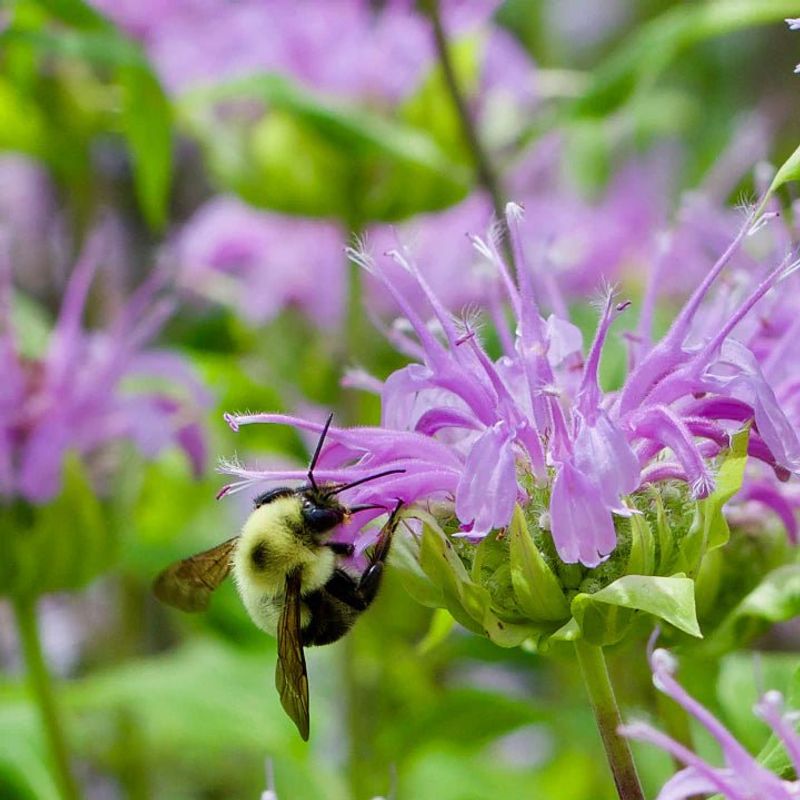
Wild Bergamot is the kind of plant that makes a yard come alive. From midsummer through early fall, its spiky lavender blooms buzz with activity.
Bees, moths, butterflies, and beetles all flock to it. That constant movement of insects throughout the day and into the evening creates the kind of lively environment that fireflies find attractive.
Native to Pennsylvania and much of the eastern United States, Wild Bergamot does well in full sun and average, well-drained soil. It is also quite drought-tolerant once established, which makes it a low-maintenance choice for busy gardeners.
The plant spreads gently over time, forming loose colonies that add both color and texture to your landscape.
What makes it especially useful for fireflies is the sheer diversity of insect life it supports. Firefly larvae are predators.
They feed on soft-bodied insects and invertebrates in the soil. When your yard is rich with insect life above the ground, it tends to be rich below the ground too.
Your Pennsylvania Garden Changes Every Week. Your Plan Should Too.
Gardening in Pennsylvania changes quickly throughout the season. Every Friday you’ll receive a simple weekly plan showing exactly what to plant, prune, fertilize, harvest, and protect so you never miss the right timing.
That means more food sources for developing firefly larvae. Planting Wild Bergamot alongside grasses and other native perennials gives Pennsylvania fireflies the kind of plant diversity they need to thrive from one season to the next. It is a simple addition with a big payoff.
3. Switchgrass
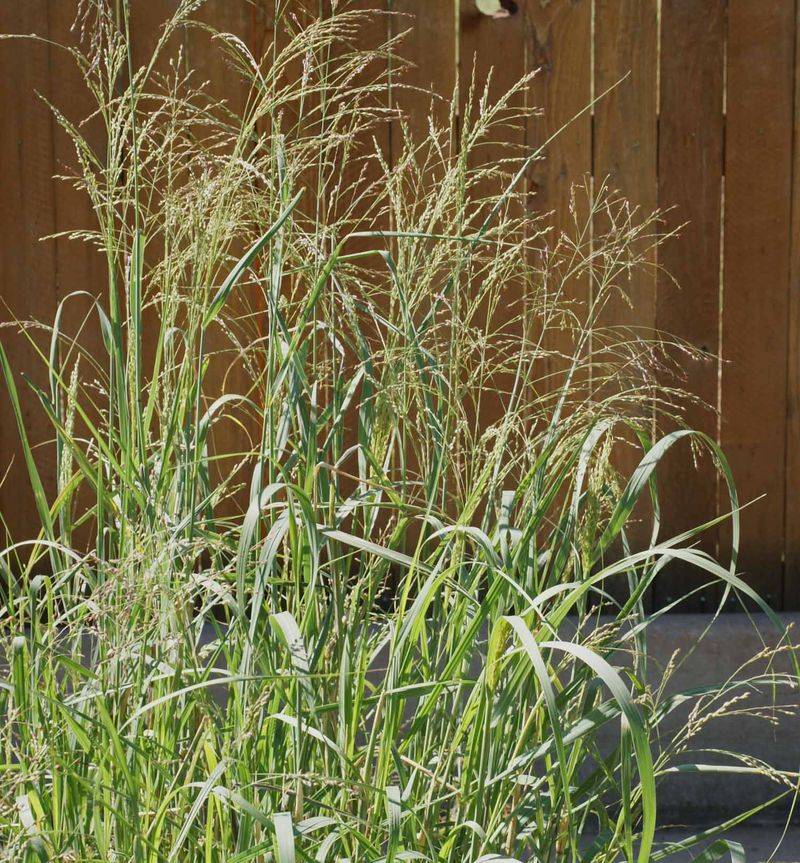
Switchgrass might not look flashy at first glance, but it is one of the most valuable plants you can grow for fireflies in Pennsylvania. This native grass forms thick, upright clumps that can reach three to six feet tall.
Its dense base stays intact through most of the year, creating a protected space at ground level where firefly larvae can develop undisturbed.
Firefly larvae spend most of their lives underground or in leaf litter. They need calm, sheltered spots away from heavy foot traffic and soil disturbance.
Switchgrass provides exactly that. Once you plant it and let it settle in, it becomes a low-maintenance habitat anchor.
It holds soil moisture, supports ground beetles and other invertebrates, and provides cover for a range of small creatures.
In Pennsylvania, Switchgrass grows well in full sun to partial shade and tolerates a wide range of soil types, including wet and clay-heavy ground. It turns a beautiful amber and rust color in fall, adding visual interest to your yard long after summer ends.
Planting it in clusters or drifts near the edges of your property creates natural corridors where fireflies can move and glow freely.
Fun fact: Switchgrass is also used in ecological restoration projects across Pennsylvania because of how effectively it rebuilds native habitat from the ground up.
4. Little Bluestem
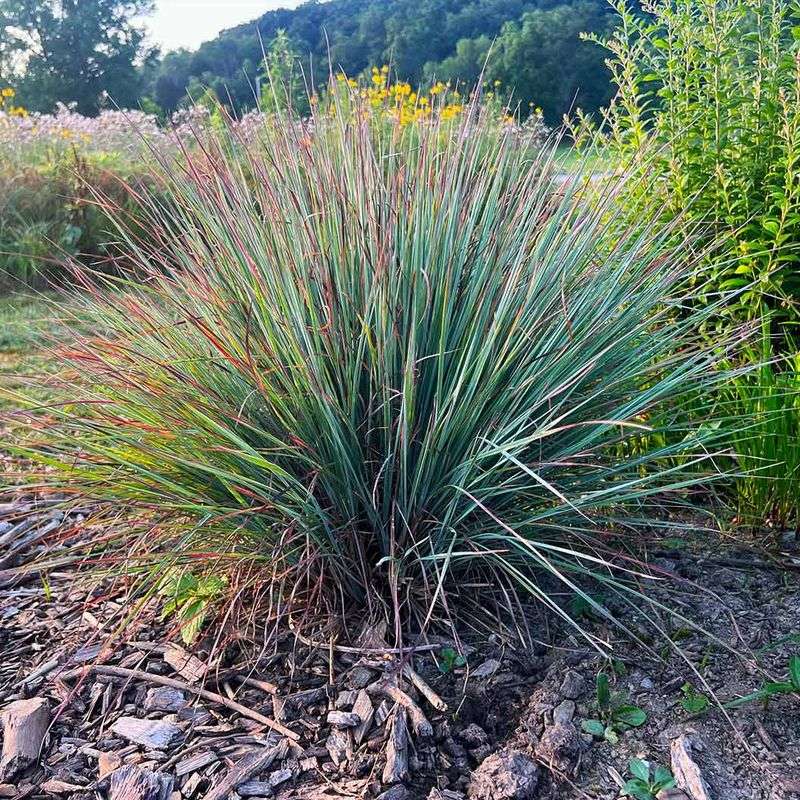
Few native grasses are as beloved by Pennsylvania naturalists as Little Bluestem. It starts the season with a cool blue-green color and finishes in a burst of coppery red by fall.
But its visual appeal is just the beginning. For fireflies, Little Bluestem offers something far more practical: excellent low-growing cover right at ground level.
Firefly larvae spend months moving through soil and leaf litter, searching for prey. They need stable, undisturbed ground with moderate moisture and plenty of organic material.
Little Bluestem creates that kind of environment naturally. Its fibrous root system holds soil in place and maintains moisture levels that larvae depend on during dry stretches of the Pennsylvania summer.
This grass grows well in full sun and dry to medium soils, making it a great choice for slopes, meadow edges, or sunny garden borders. It pairs beautifully with Goldenrod and New England Aster, both of which are also on this list.
Grouping native plants together creates a layered habitat that supports multiple stages of the firefly life cycle. Little Bluestem is also incredibly low maintenance once established.
You can cut it back in late winter and let it regrow fresh each spring. For Pennsylvania gardeners looking to build a more naturalized yard, this grass is a reliable and rewarding choice.
5. Goldenrod
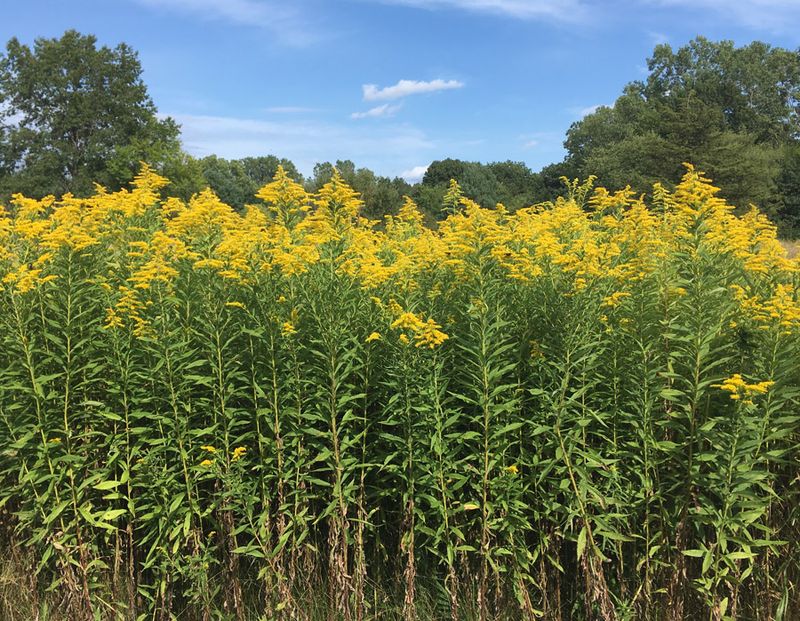
Goldenrod gets a bad reputation, and it does not deserve it. Many people blame it for fall allergies, but the real culprit is ragweed, which blooms at the same time.
Goldenrod is actually one of the most ecologically important native plants in Pennsylvania. Its bright yellow flowers support hundreds of insect species during late summer and early fall.
For fireflies, that insect diversity matters enormously. A yard full of Goldenrod is a yard full of beetles, flies, wasps, and other invertebrates.
That living food web supports firefly larvae in the soil below. The more active the insect community above ground, the richer the ecosystem becomes underground. Goldenrod essentially feeds the whole system from the top down.
There are many species of Goldenrod native to Pennsylvania, and most of them are easy to grow. They thrive in full sun and well-drained soil, though some tolerate partial shade and wetter conditions.
They spread by seed and rhizome, so give them room to naturalize. Cutting back spent flower heads before they go to seed can help keep them from spreading too aggressively in smaller yards.
Goldenrod also looks stunning when planted alongside Little Bluestem and New England Aster. Together, they create a late-season display that benefits fireflies, pollinators, and birds all at once. It is a plant worth reconsidering.
6. New England Aster
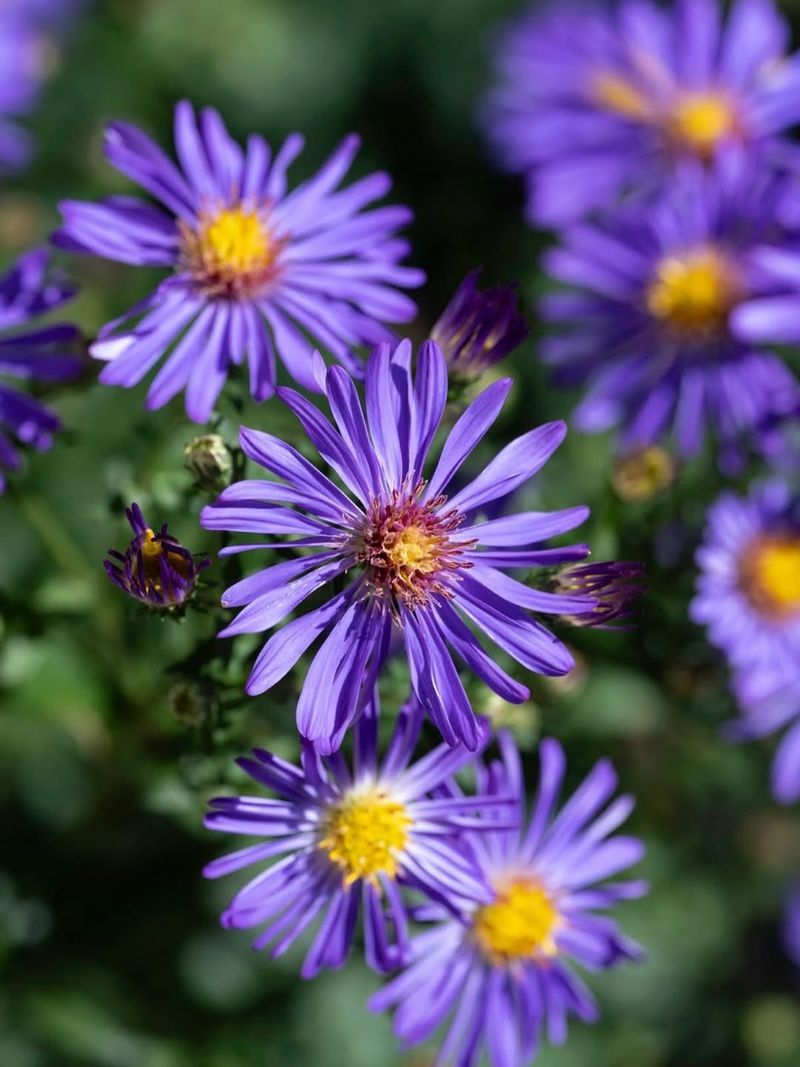
Walk through any Pennsylvania meadow or roadside in September and October, and you will likely spot the bold purple blooms of New England Aster. This native perennial is a late-season superstar.
When most other plants have finished blooming, New England Aster keeps the insect party going. That extended season of activity is incredibly valuable for fireflies.
Fireflies benefit from a yard that stays ecologically active late into the season. The longer insects are moving, feeding, and reproducing in your garden, the more stable the food web becomes for firefly larvae overwintering in the soil.
New England Aster supports bees, butterflies, beetles, and flies well into the cooler months. It pairs especially well with Goldenrod, creating a stunning purple-and-yellow combination that is as beautiful as it is functional.
In Pennsylvania, this plant grows best in full sun and moist, well-drained soil. It can get tall, sometimes reaching five feet, so staking or planting it near a fence can help keep it upright.
Cutting the stems back by half in early June encourages bushier growth and more blooms. New England Aster also self-seeds gently, which means it can slowly naturalize an area over time.
For gardeners who want to extend their yard’s ecological usefulness into fall while also supporting firefly populations, this plant is a must-have addition to any Pennsylvania native garden.
7. Eastern Red Columbine
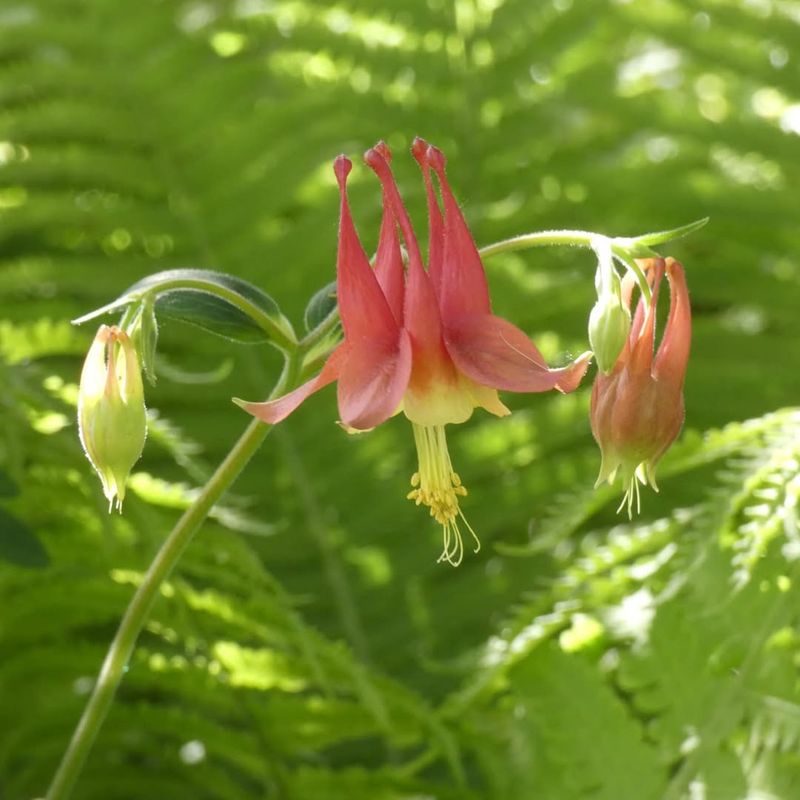
Spring in Pennsylvania would not feel complete without the nodding red-and-yellow blooms of Eastern Red Columbine. This charming native wildflower is one of the earliest plants to bring insect life back into the garden each year.
Hummingbirds love it, native bees adore it, and it plays a quiet but meaningful role in supporting firefly habitat.
Fireflies need a yard that supports insect activity across the entire growing season. Eastern Red Columbine helps by kickstarting that activity in spring, when little else is blooming.
Early-season insects that visit the columbine contribute to a living, breathing garden ecosystem. That early momentum sets the stage for a more active and insect-rich environment by the time fireflies begin their summer displays.
This plant grows naturally in rocky woodlands, open slopes, and shaded ledges across Pennsylvania. In the garden, it does well in partial shade to full sun and prefers well-drained, slightly rocky or sandy soil.
It is a short-lived perennial, but it self-seeds reliably, so once you plant it, it tends to stick around. Its delicate, ferny foliage adds a soft texture to garden beds.
Mixing it with Switchgrass and Wild Bergamot creates a layered planting that supports fireflies at multiple stages of their development. For a spring-through-summer habitat boost, Eastern Red Columbine earns its place in any Pennsylvania firefly garden.
8. Virginia Creeper
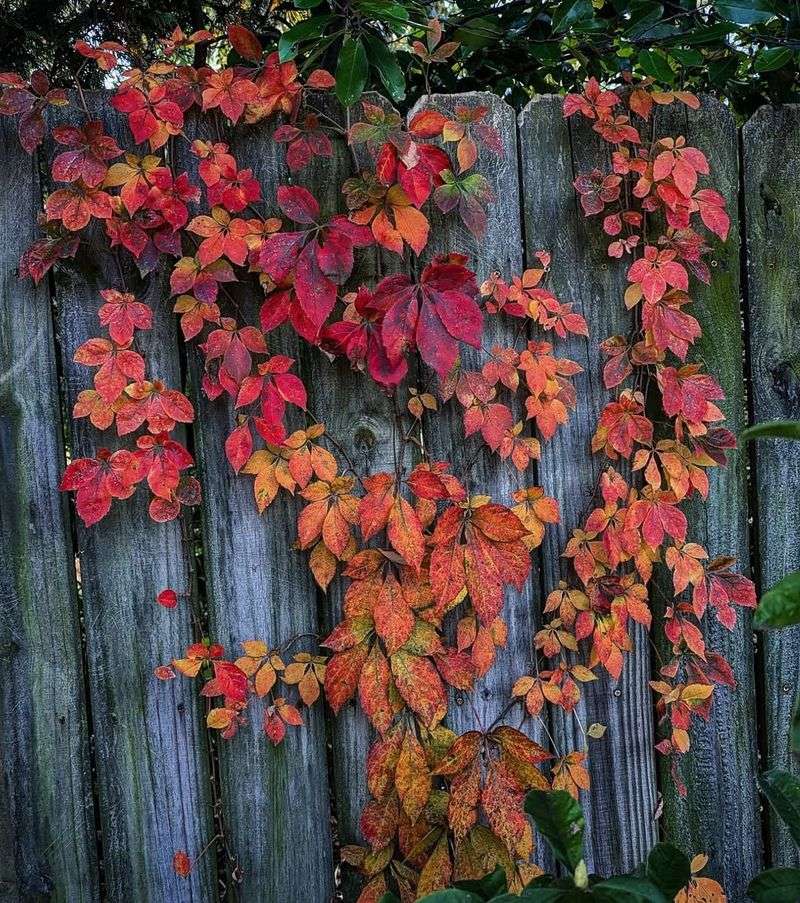
Virginia Creeper is one of those plants that earns more respect the longer you study it. At first glance, it is just a vine climbing up a tree or spreading across the ground.
But look closer, and you will find a thriving miniature world underneath. Beetles, spiders, moths, and other invertebrates shelter beneath its dense leafy coverage. That is prime real estate for fireflies.
In Pennsylvania, Virginia Creeper grows almost everywhere. It scrambles up fences, trees, stone walls, and slopes with impressive speed.
When it spreads along the ground, it creates a shaded, moist layer of coverage that firefly larvae find ideal for resting and developing. Leaf litter collects beneath it, adding organic material to the soil and retaining moisture during dry summer months.
This vine is native to Pennsylvania and extremely adaptable. It grows in sun or shade, wet or dry soil, and needs very little care once established.
Its five-leaflet leaves turn a brilliant red in fall, making it one of the most striking plants in the autumn landscape. If you are trying to create a naturalized corner of your yard where fireflies can truly feel at home, Virginia Creeper is one of the best tools you have.
Let it spread along a fence or trail across a shaded slope, and watch your yard transform into a glowing summer sanctuary for these beloved Pennsylvania insects.