8 Perennial Seeds Georgia Gardeners Start In April For Strong Summer Growth
April opens a key window in Georgia for starting perennial seeds, and the timing can shape how those plants perform once summer heat settles in.
Soil warmth begins to support steady root development, which gives certain varieties a stronger start from the very beginning.
Seeds placed too early can sit without progress, while those started at the right moment establish more evenly and build strength before conditions become more demanding.
That early advantage shows later when plants hold up better through heat and keep a more consistent look.
Not every perennial responds the same way, which makes selection just as important as timing. Some settle in quickly and stay reliable, while others need different conditions to get established.
Choosing the right seeds now sets the stage for stronger growth and a garden that carries through summer without early setbacks.
1. Echinacea Handles Heat And Keeps Blooming Through Summer
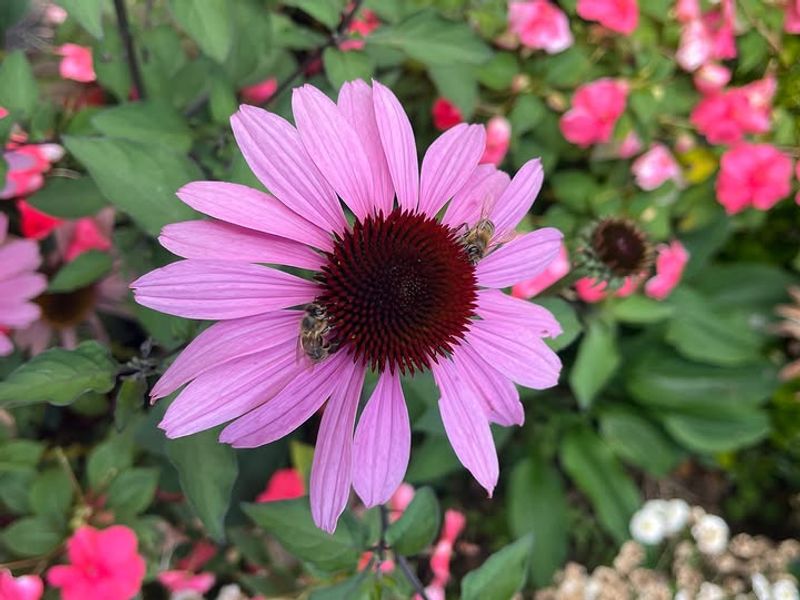
Purple coneflower is one of those plants that actually looks better as summer gets brutal. Sow echinacea seeds in April across Georgia and you give the plant enough time to push roots deep before the heat peaks.
Seedlings are slow at first, but patient gardeners are usually rewarded by late summer with sturdy stems and blooms that hold up even through stretches of dry weather.
Echinacea prefers well-drained soil and full sun, which is easy to find in most Georgia yards. Seeds can be direct-sown or started indoors about six weeks before transplanting.
Cold stratification — meaning a few weeks in a damp paper towel in the fridge — can improve germination rates, though some seeds sprout fine without it.
Bees and butterflies show up reliably once the flowers open. Leaving the seed heads standing after blooms fade gives goldfinches something to pick at through fall.
Expect the plant to fill out more in its second year, as first-year plants often focus energy on root development rather than big flower displays. Soil that drains well matters more than soil that is rich — echinacea tends to flop or rot in heavy clay that stays wet.
Once established, echinacea handles short dry spells well and does not need constant watering to stay healthy.
Spacing plants about 12 to 18 inches apart improves airflow and helps prevent issues in humid Georgia summers.
2. Rudbeckia Fills Beds With Long Lasting Color
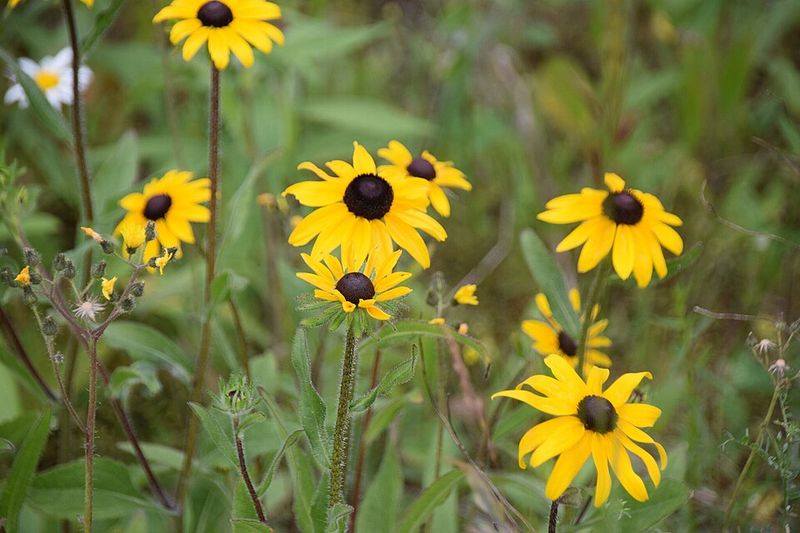
Few plants punch above their weight in a Georgia summer the way black-eyed Susan does. Rudbeckia seeds started in April have a real shot at blooming by late summer, especially if you give them a warm spot with at least six hours of direct sun.
The flowers are that classic golden yellow with a dark center, and they show up in big clusters that last for weeks without much fuss.
Direct sowing works well in Georgia because the soil is already warm enough by April to encourage germination. Scatter seeds over loosened soil, press them in lightly, and keep the area moist until seedlings emerge.
Rudbeckia is not picky about soil quality, which makes it a good fit for spots where other plants struggle.
Your Georgia Garden Changes Every Week. Your Plan Should Too.
Gardening in Georgia changes quickly throughout the season. Every Friday you’ll receive a simple weekly plan showing exactly what to plant, prune, fertilize, harvest, and protect so you never miss the right timing.
One thing worth knowing is that rudbeckia self-seeds pretty aggressively. You may find new plants popping up the following spring in places you did not plan for, which can be a good thing or a headache depending on your garden layout.
Deadheading spent flowers slows the spread if you want more control. Pollinators absolutely work these flowers hard from midsummer through fall, so placing rudbeckia near a vegetable garden can help with overall pollination in that area too.
Cutting a few stems for indoor arrangements does not hurt the plant and can actually encourage more blooms to form.
Once established, it handles heat and short dry spells well without needing constant attention.
3. Gaillardia Thrives In Dry Soil And Full Sun
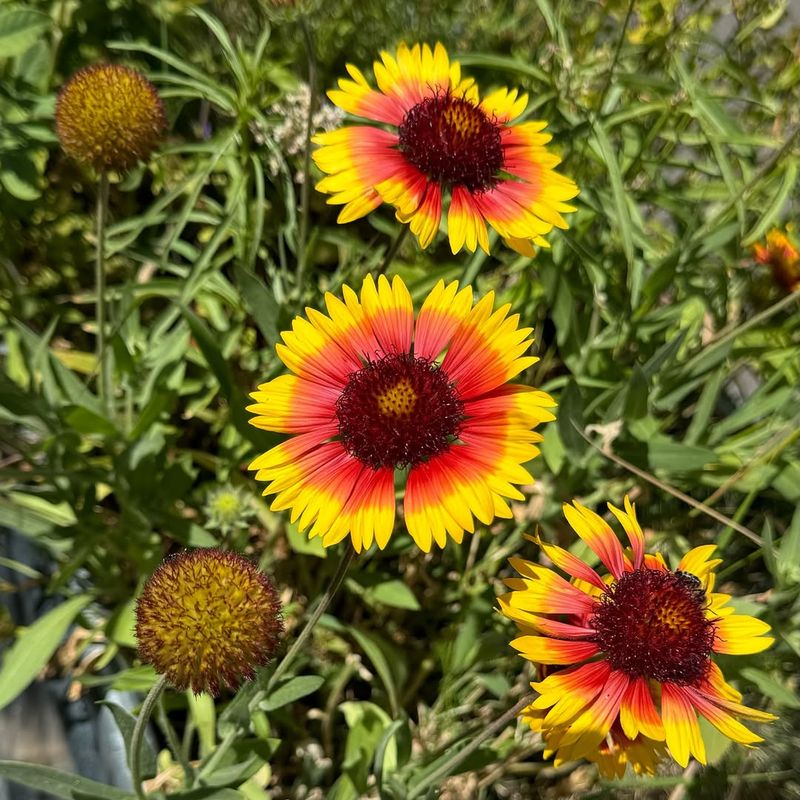
Sandy soil, full sun, and stretches without rain — gaillardia practically asks for those conditions. Blanket flower is one of the tougher perennials you can grow in Georgia, and April is a solid month to get seeds started.
The plants bloom in fiery shades of red, orange, and yellow, and they tend to keep going even when summer turns relentlessly hot and dry.
Germination usually happens within two to three weeks when soil temperatures are in the 70s, which is typical for Georgia in April. Seeds can go directly into the ground or into small pots for later transplanting.
Either way, avoid overwatering — soggy soil is the one thing that causes trouble with this plant. Well-drained, even sandy ground suits gaillardia far better than heavy, moisture-retentive soil.
Expect blooms sometime in midsummer from an April sowing, with flowering continuing well into fall under decent conditions. Deadheading encourages more buds to form, though the plant will still produce flowers even if you skip it.
Gaillardia tends to be short-lived as a perennial — some plants last two or three years, others peter out after one. Letting a few seed heads mature and drop naturally can keep new plants coming without you having to replant every season.
Spacing plants about 10 to 12 inches apart helps airflow and keeps them from crowding as they fill in. Too much fertilizer can lead to floppy growth, so it would be best to keep feeding light and let the plant stay naturally compact.
4. Coreopsis Establishes Quickly And Blooms Early
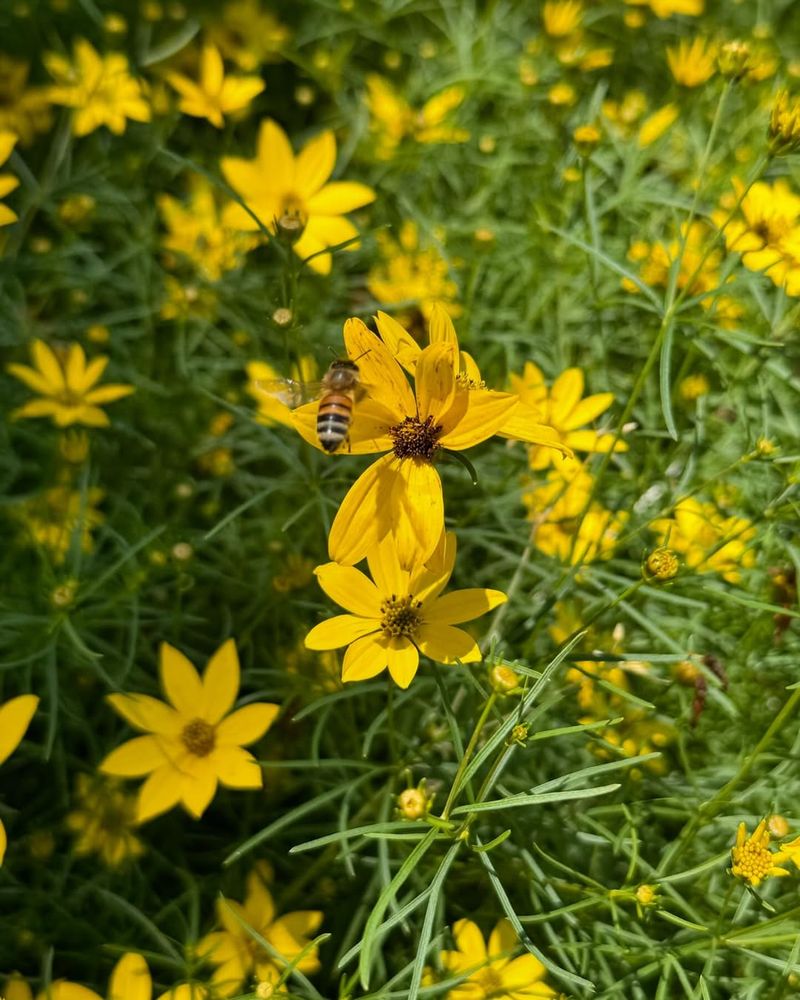
Speed matters when you are trying to beat Georgia’s summer heat, and coreopsis is one of the fastest perennial seeds to go from sowing to blooming.
April planting can produce flowers by early summer in many parts of Georgia, which is earlier than most perennials started from seed.
The cheerful yellow blooms show up on thin, wiry stems and keep coming back if you remove spent flowers regularly.
Coreopsis seeds need light to germinate, so do not bury them. Press them onto the soil surface and keep the area consistently moist until you see green.
Germination usually takes one to two weeks in warm spring soil. Full sun is important — plants grown in too much shade tend to get leggy and bloom poorly.
One practical advantage of coreopsis in a Georgia garden is how drought-tolerant it becomes after roots are established. During the first season, some watering is needed, particularly if April and May turn dry.
After that, the plant handles heat and reduced rainfall reasonably well compared to many other flowering perennials. Coreopsis also reseeds on its own, so you may find volunteers appearing near the original plant the following spring.
Thinning those seedlings gives the strongest ones room to develop properly without crowding each other out.
Pinching back young plants early in the season can help them branch out and produce more blooms later on. Keeping spacing around 12 inches between plants improves airflow and reduces issues during humid summer stretches.
5. Salvia Attracts Pollinators And Tolerates Heat
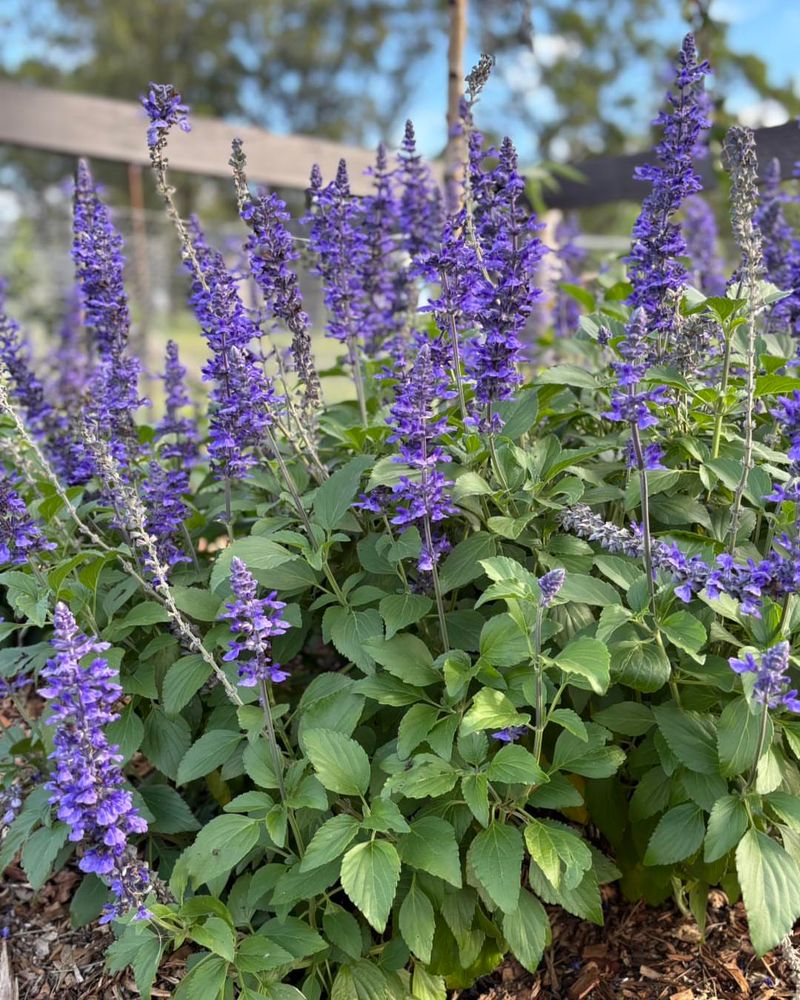
Walk past salvia in bloom on a warm Georgia morning and you will almost always find bees working the flowers.
Salvia is one of the best perennials for supporting pollinators through the summer months, and starting seeds in April gives plants enough time to root in before the heat gets serious.
Flower spikes in blue, purple, or red appear on upright stems and keep producing blooms over a long season.
Seeds started indoors six to eight weeks before transplanting tend to do better than direct sowing for most salvia varieties. Germination needs warmth — a heat mat helps if you are starting indoors early in April.
Transplant seedlings outdoors once nighttime temperatures stay reliably above 50 degrees Fahrenheit, which is usually safe across most of Georgia by mid-April.
Full sun and good drainage are the two conditions salvia really needs. Clay soil that holds water can cause root problems, so amending with compost or planting in raised beds helps in areas with heavier ground.
Cutting flower spikes back after the first flush of blooms often encourages a second round of flowering later in summer. Hummingbirds also visit regularly, particularly varieties with red or coral flowers.
Salvia is a reliable performer in Georgia gardens when placed in the right spot with adequate sun.
6. Yarrow Performs Well In Tough Growing Conditions
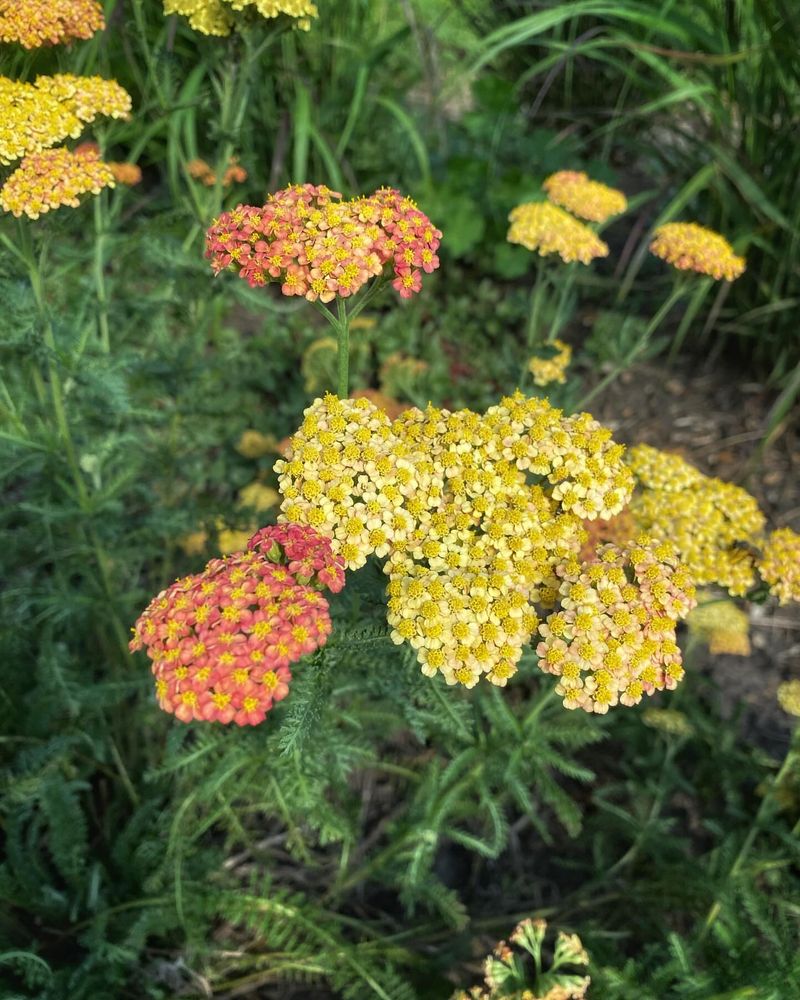
Yarrow does not need coddling. Thin soil, full sun, and limited water are conditions that suit it fine, which makes it a practical choice for Georgia gardeners dealing with difficult spots in the yard.
Sow seeds in April and you give yarrow time to push roots into the ground before summer heat arrives. The flat-topped flower clusters come in white, yellow, and soft pink depending on the variety you choose.
Direct sowing works well for yarrow because seeds are tiny and need light to germinate — scatter them on the surface and avoid covering them with soil. Keep the area lightly moist until seedlings appear, which can take two to three weeks.
Thinning seedlings to about twelve inches apart gives each plant enough room to spread without crowding.
Yarrow spreads by both seed and underground runners over time, so it can gradually take over a larger area than you originally planned. Dividing clumps every few years keeps growth in check and gives you new plants to move elsewhere in the garden.
In Georgia’s hot summers, yarrow holds up better than many perennials, though it may go partially dormant during the most intense heat.
Cutting spent flower clusters back after bloom often encourages fresh growth and can extend the overall flowering period into early fall without much additional effort.
7. Lupine Benefits From An Early Start Before Heat Builds
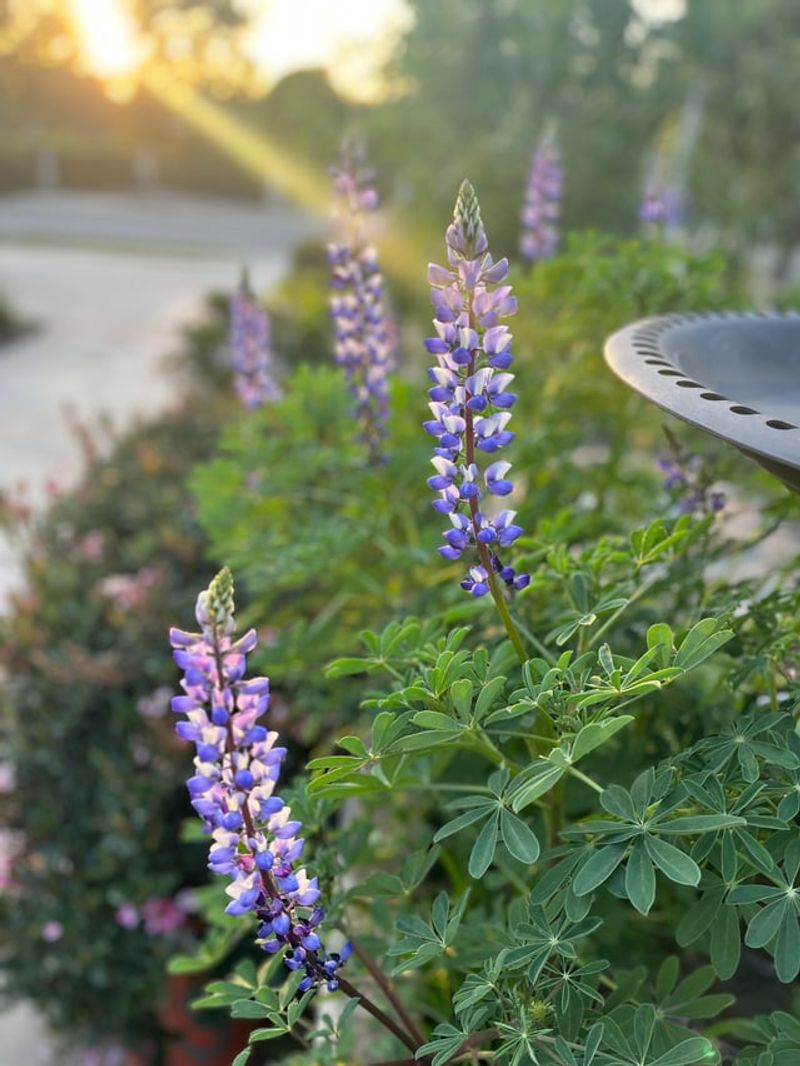
Lupine is a bit of a race against the calendar in Georgia. Seeds started in April need to go in early — ideally the first two weeks of the month — because lupine prefers cool soil and will struggle once summer temperatures take hold.
Georgia’s heat arrives fast, so giving lupine the longest possible cool-weather window is the key to seeing those tall, colorful flower spikes before the season shifts.
Soaking seeds in water for several hours before planting helps soften the hard seed coat and speeds up germination. Lupine seeds can be direct-sown about a quarter inch deep in a sunny spot with well-drained, slightly acidic soil.
Georgia’s red clay may need amendment with compost and a little sand to improve drainage before planting.
Lupine is not the easiest perennial to grow in the deep South, and results vary depending on location within Georgia. Gardeners in the northern part of the state, where summers are slightly cooler, tend to have better luck than those in the coastal plain region.
Expect blooms in the first season if seeds go in early enough. After flowering, plants may go dormant or decline as heat intensifies — that is normal behavior and not a sign that something went wrong with your planting approach.
8. Bee Balm Brings Hummingbirds And Bees To Georgia Gardens
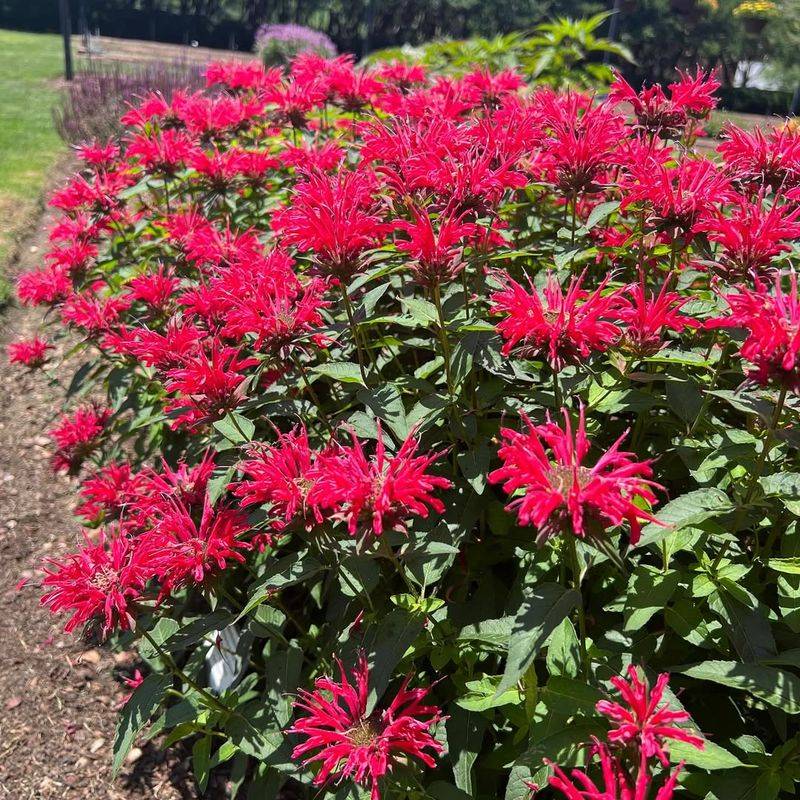
Hummingbirds have a way of finding bee balm no matter where you plant it. Monarda’s shaggy, tubular flowers in red, pink, or purple are practically a landing signal for both hummingbirds and native bees throughout the Georgia summer.
Starting seeds in April gives plants enough time to settle in and possibly produce a few blooms by late summer in the first season, with much stronger flowering expected in year two.
Seeds benefit from a short cold stratification period before sowing — about two weeks in the refrigerator wrapped in a damp cloth can improve germination.
After stratification, sow seeds indoors under lights or in a sunny window and transplant outdoors once seedlings have a few sets of true leaves.
Space plants at least eighteen inches apart because bee balm spreads steadily through underground rhizomes.
Powdery mildew is a common issue with bee balm in humid Georgia summers, especially if plants are crowded or airflow is limited. Choosing mildew-resistant varieties and avoiding overhead watering reduces the problem significantly.
Afternoon shade in the hottest part of summer can also help leaves stay healthier longer. The aromatic foliage has a pleasant oregano-like scent and can even be used to make a simple herbal tea, which is a nice bonus beyond the garden’s visual appeal.