What Georgia Gardeners Should Stop Pruning Before June Begins
Late spring has a way of making everything in the yard look overgrown at once.
Shrubs start pushing out uneven branches, spring bloomers look messy after flowering, and grabbing the pruners feels almost impossible to resist.
A lot of gardeners in Georgia end up trimming plants now simply because they still look active and healthy. That is exactly why this time of year catches so many people off guard.
Several popular landscape plants are already preparing for their next stage before June even arrives, which means a quick cleanup cut can interfere with much more than expected.
1. Late Spring Pruning Can Reduce Next Year’s Azalea Flowers
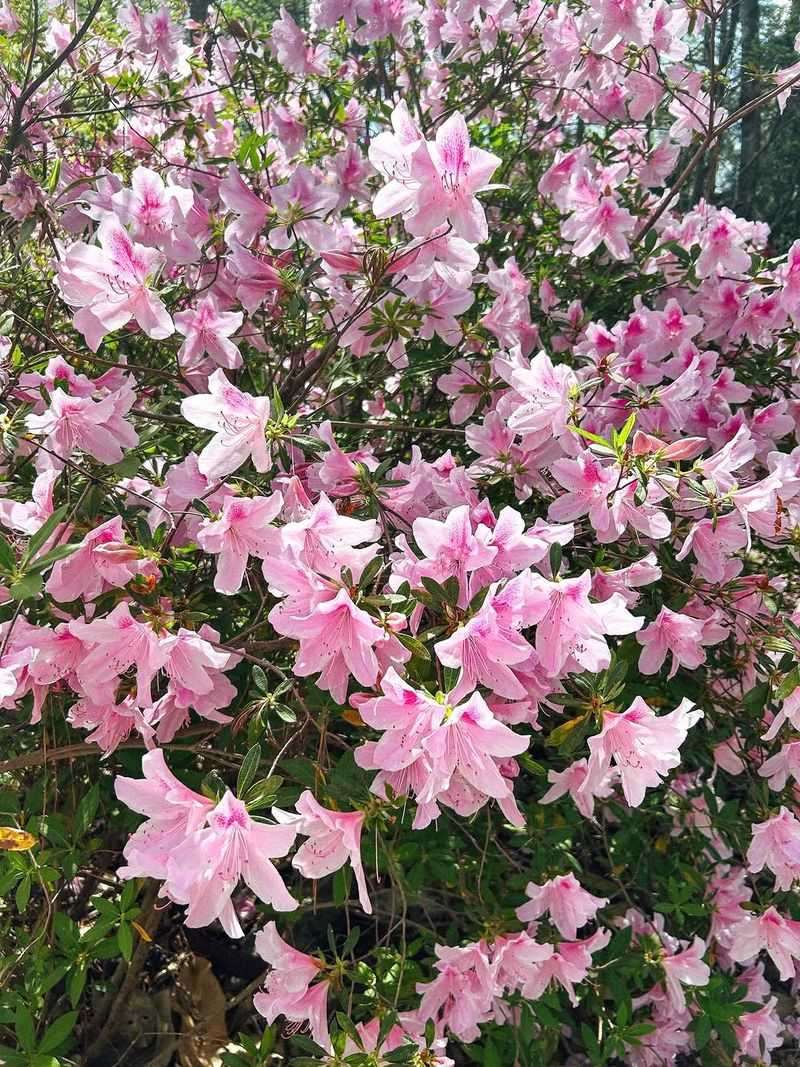
Put the pruning shears down when your azaleas finish blooming. In Georgia, azaleas typically wrap up their spring show by late April or early May, and within just a few weeks after that, they start forming next year’s flower buds.
Cutting them back after this point removes those developing buds before they ever get a chance to open.
Azaleas are considered “old wood” bloomers, which means next spring’s flowers grow from buds set on stems that developed this year. Pruning in late May or June essentially trades a future season of color for a tidier shape right now.
Most Georgia gardeners agree that trade is not worth it.
If your azalea needs shaping, aim to do it immediately after blooming ends, ideally before mid-May in most parts of the state. Light shaping at that point gives the plant enough time to recover and still set buds for next year.
Avoid heavy cuts late in the season, since stressed plants under Georgia’s summer heat may struggle to bounce back as expected. A little patience in spring usually pays off with a much fuller, more colorful display the following year.
Small touch ups right after flowering usually cause far fewer problems than waiting until summer growth is already underway.
Many older azaleas often stay healthier and bloom more reliably for years when pruning stays minimal and well timed.
2. Heavy May Trimming Often Removes Bigleaf Hydrangea Buds
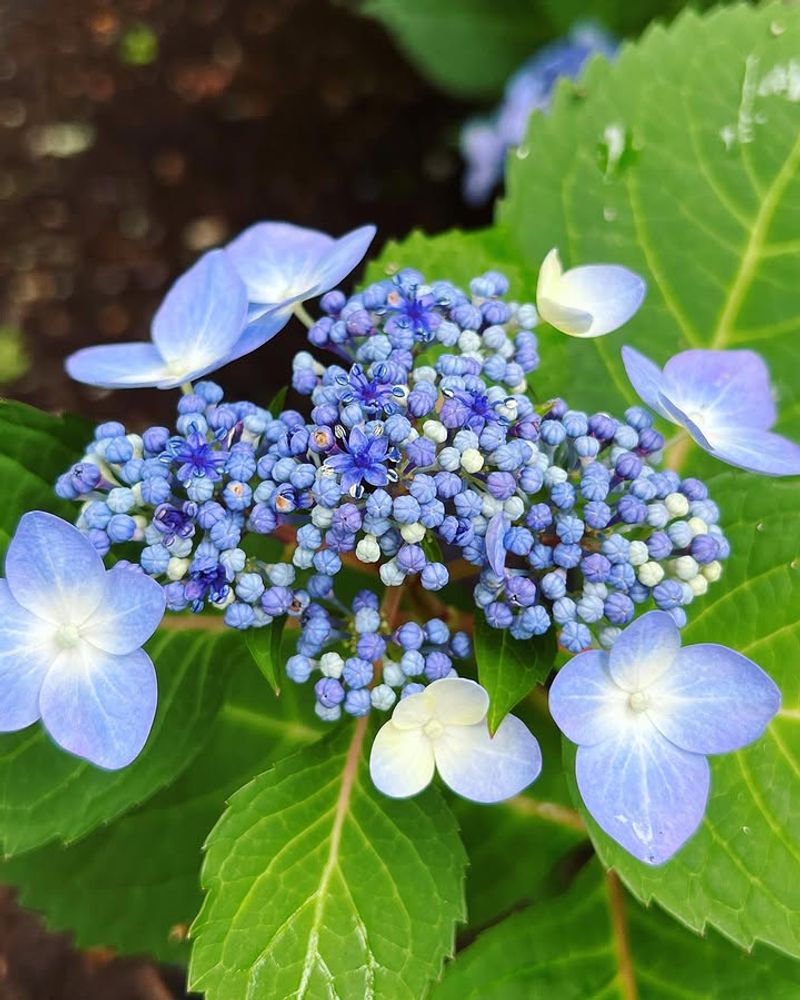
Bigleaf hydrangeas have a reputation for being a little tricky, and the reason usually comes down to pruning timing. Georgia gardeners who trim these plants heavily in May often wonder why they get no blooms the following summer.
Cutting back in late spring removes the buds that were quietly forming on last year’s wood.
Unlike some other flowering shrubs, bigleaf hydrangeas bloom on old wood, meaning the canes that grew last season carry this year’s flowers. Removing those canes before the buds open, or right after, can set back your bloom cycle significantly.
In Georgia’s warm climate, bud development moves quickly once spring temperatures settle in.
Skipping the heavy trim in May and waiting until after flowering is the safer approach for most bigleaf varieties. If you need to remove damaged or crossing stems, do it carefully and only take what is clearly necessary.
Newer re-blooming varieties like Endless Summer can sometimes recover more quickly, but even those benefit from restraint in late spring. Keeping your hands off the shears for just a few more weeks can mean the difference between a full flush of summer color and a season of bare green stems.
Your Georgia Garden Changes Every Week. Your Plan Should Too.
Gardening in Georgia changes quickly throughout the season. Every Friday you’ll receive a simple weekly plan showing exactly what to plant, prune, fertilize, harvest, and protect so you never miss the right timing.
Even healthy plants can stay completely green for months after the wrong pruning cut removes developing flower buds.
Waiting a little longer before shaping usually gives bigleaf hydrangeas a much better chance to flower heavily once summer arrives.
3. Gardenias Handle Shaping Better Before Bud Formation Starts
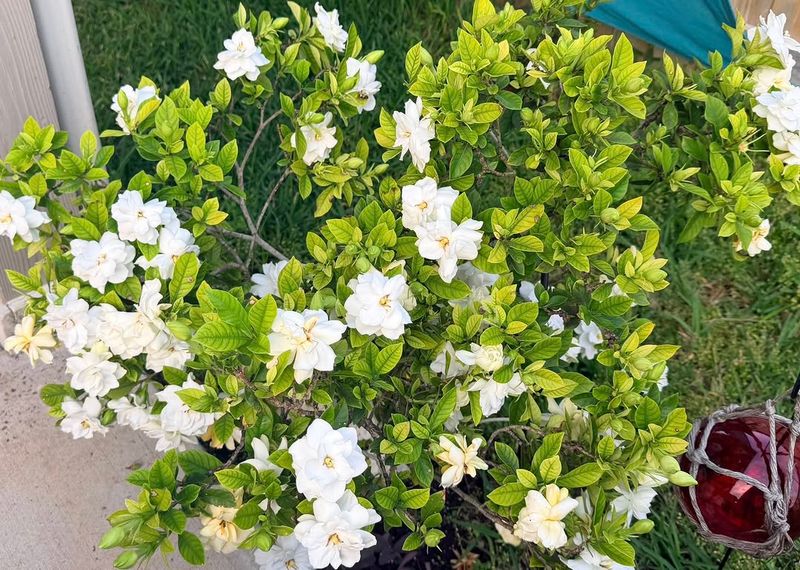
Few plants smell as good as a gardenia in full bloom, and Georgia summers would feel incomplete without them. Getting the pruning timing right is what keeps that fragrance coming back year after year.
Gardenias set their flower buds in late spring, so any shaping done after bud formation begins risks cutting off the blooms before they open.
Waiting too long into May or June to prune means you are likely snipping off buds that are already well on their way. Gardenias in Georgia typically begin bud development around mid to late spring, depending on location and temperatures.
Coastal and southern parts of the state tend to see this happen a bit earlier than the northern mountains.
Light shaping right after the previous bloom cycle, or in very early spring before new growth pushes, gives gardenias a clean start without sacrificing flowers.
Avoid cutting into thick, older wood unless absolutely necessary, since gardenias can be slow to recover from hard pruning in warm weather.
Focus instead on removing weak or damaged stems and lightly evening out the shape. Healthy, well-fed gardenias in Georgia usually respond better to careful, timed maintenance than heavy pruning late in the season.
Gardenias already deal with enough stress once intense summer heat and humidity settle in for the season.
Leaving the plant mostly untouched in late spring usually helps preserve both flower production and fuller growth.
4. Camellias Start Preparing New Buds Soon After Flowering Ends
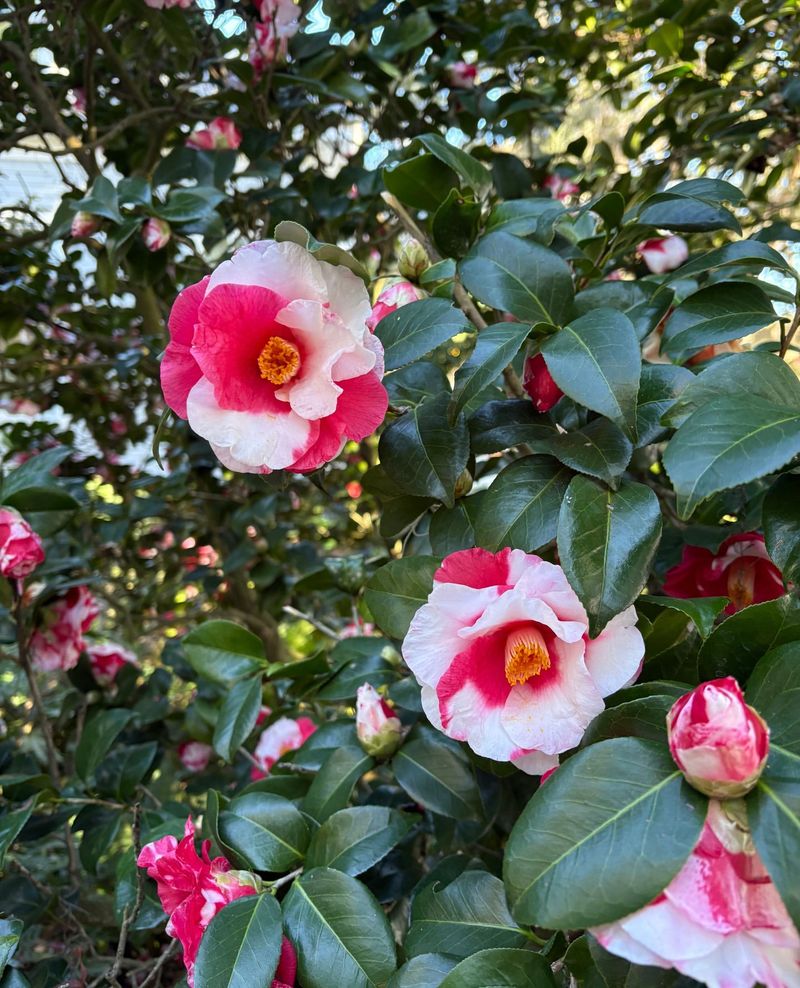
Camellias are one of Georgia’s most beloved flowering shrubs, known for their elegant blooms and dependable performance. What surprises many gardeners is how quickly these plants shift gears after flowering ends.
Within weeks of the last bloom dropping, camellias begin channeling energy into developing buds for the next season.
Pruning too late in spring, especially heading into June, risks cutting into new growth that already contains developing buds.
Spring-blooming camellias finish up relatively early in Georgia, and the window for safe pruning is narrower than most people expect.
Waiting until summer or fall to shape them can mean losing a significant portion of next year’s flower display.
Aim to do any necessary shaping right after the blooms fade, staying within the first few weeks following the end of flowering. Light trimming to remove crossing or awkward branches is usually all that is needed to keep camellias looking their best.
Avoid cutting back into thick, woody stems late in the season, as recovery under Georgia’s intense summer heat can be unpredictable.
Giving your camellias a clean, well-timed prune in early spring sets them up to reward you with another strong bloom cycle when the cooler months return.
Camellias usually respond much better to small, gradual shaping than aggressive pruning done all at once.
Keeping cuts minimal in late spring often helps the shrub stay fuller and produce more reliable blooms the following season.
5. Old Oakleaf Hydrangea Stems Should Stay Untouched Before Summer
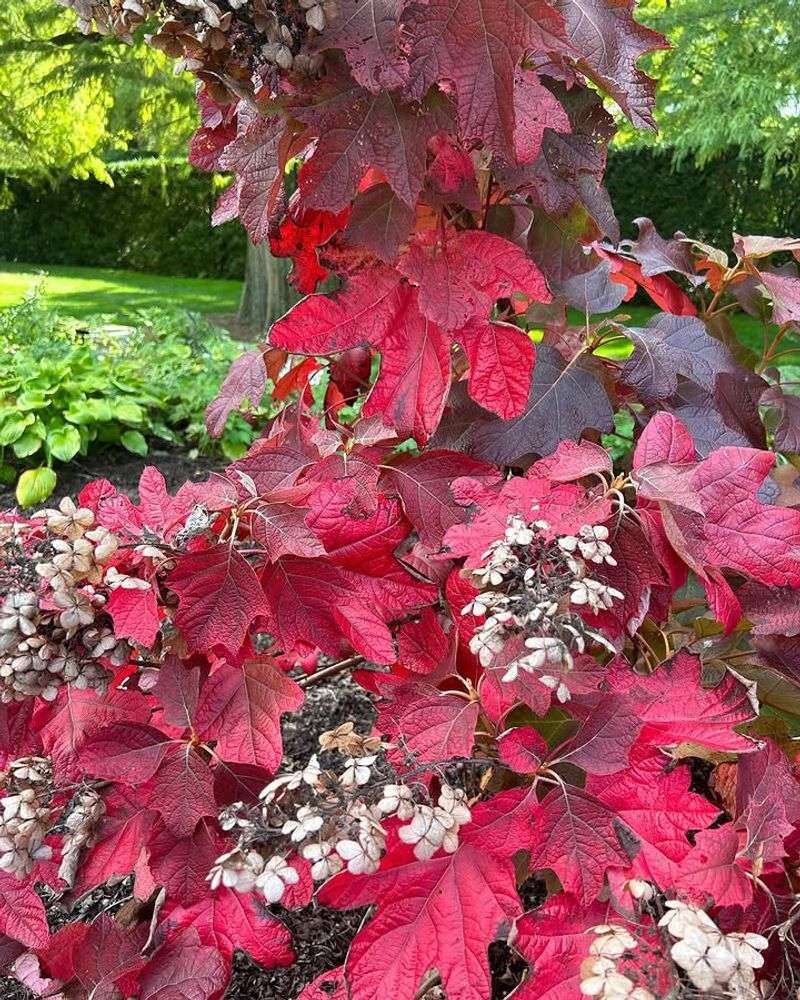
Oakleaf hydrangeas are one of the toughest and most rewarding native plants you can grow in Georgia. Their large, cone-shaped flower clusters and striking bark make them standout plants in any yard.
Keeping those qualities intact, though, means resisting the urge to prune them before summer gets underway.
Like bigleaf hydrangeas, oakleaf varieties bloom on old wood, meaning the stems from last season carry this year’s flowers. Removing those stems before blooming occurs strips away the entire show before it even starts.
Georgia gardeners who cut their oakleaf hydrangeas back in late spring often end up with healthy-looking green plants that produce almost no flowers that summer.
Old stems also provide structural interest through winter, with their peeling cinnamon-colored bark adding texture to the garden even when nothing is blooming.
Pruning should only happen right after flowering wraps up, typically in mid to late summer in most parts of Georgia.
At that point, removing spent flower heads and any damaged canes is perfectly fine and will not disrupt next year’s bud development.
Leaving the plant largely undisturbed through spring and early summer is genuinely one of the simplest things you can do to improve its performance season after season.
Even light pruning in late spring can remove developing flower buds before they ever have a chance to open.
Letting oakleaf hydrangeas keep their older growth a little longer usually leads to a much fuller summer display.
6. Spring Blooming Viburnums Begin Setting Buds Soon After Flowering
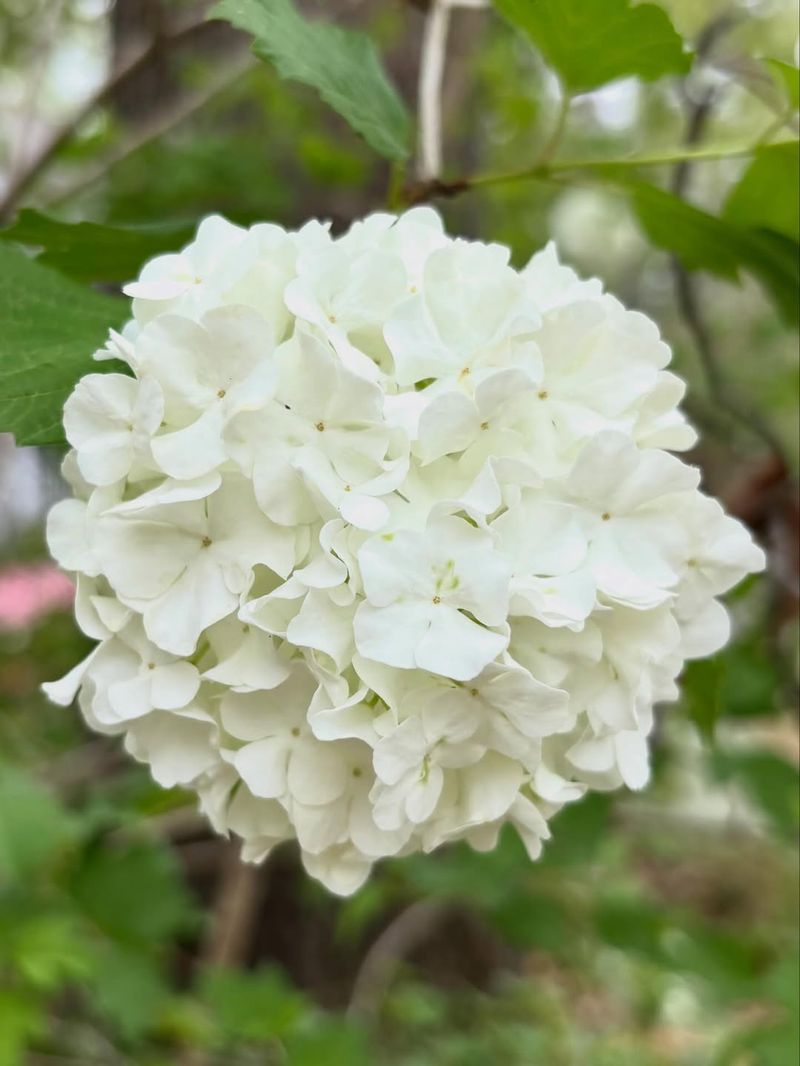
Viburnums are workhorses in Georgia landscapes, offering fragrant flowers, colorful berries, and dependable foliage across multiple seasons.
Spring-blooming varieties, in particular, put on an impressive show, but that show depends entirely on whether you gave them enough time to set buds undisturbed.
Pruning too close to or after their bloom window closes can cost you next year’s flowers.
Budburst and bud set happen faster than most gardeners realize on spring-blooming viburnums. Once flowering ends, the plant quickly shifts into recovery and bud-setting mode, especially in Georgia’s warm, humid spring climate.
Cutting back during this window removes the very growth where next year’s flowers will form.
Shaping viburnums right after their spring bloom is generally considered the safest approach for maintaining both form and flower production. Keep cuts light and focused on removing awkward or crossing branches rather than reducing the overall size dramatically.
Viburnums vary quite a bit by species, so it helps to identify exactly which variety you have before making any significant cuts.
Some types are more forgiving than others, but as a general rule across Georgia gardens, less pruning in late spring means more flowers the following year.
Patience with the shears is a genuine strategy, not just caution.
Many viburnums still look perfectly healthy after late pruning, which is why the reduced flowering often catches gardeners by surprise the following season.
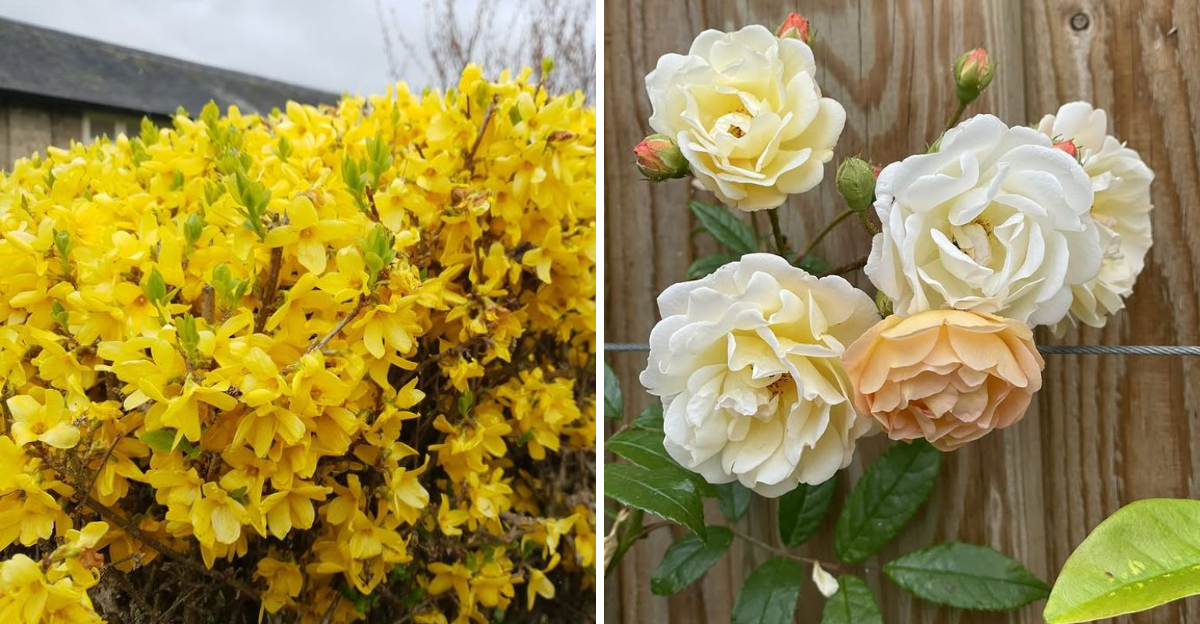
7. Forsythia Branches Need Time After Blooming To Recover Properly
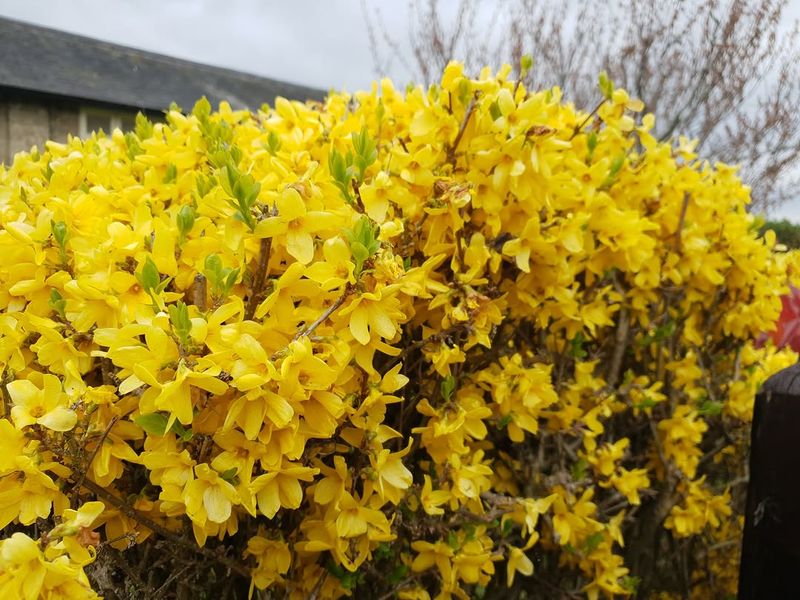
Forsythia is one of the first signs of spring in Georgia, bursting into bright yellow bloom before most other plants even wake up. After that cheerful display fades, the plant needs time to recover and grow strong new stems.
Those new stems are exactly where next spring’s flowers will form, which makes late pruning a real problem.
Forsythia blooms on old wood, so cutting back heavily in late spring or early summer removes the canes that would have carried next year’s flowers.
Many Georgia gardeners make the mistake of waiting until the plant looks overgrown before addressing it, and by that point the timing is already off.
A better habit is to prune immediately after blooming ends, typically in March or early April across most of the state.
At that point, removing older, thicker canes at the base encourages fresh new growth that will carry a strong bloom the following year. Forsythia is a fast grower in Georgia’s climate, so it can handle fairly significant pruning as long as the timing is right.
Cutting into it in May or June, when new bud-bearing growth is already developing, tends to reduce next year’s flower display noticeably. Keeping the pruning calendar accurate is the most practical tool you have for keeping forsythia performing well.
Letting the shrub grow untouched for a little while after flowering usually gives those new stems enough time to mature properly before the next bloom cycle begins.
8. Hard Rose Cutbacks Become More Stressful Before Summer Heat
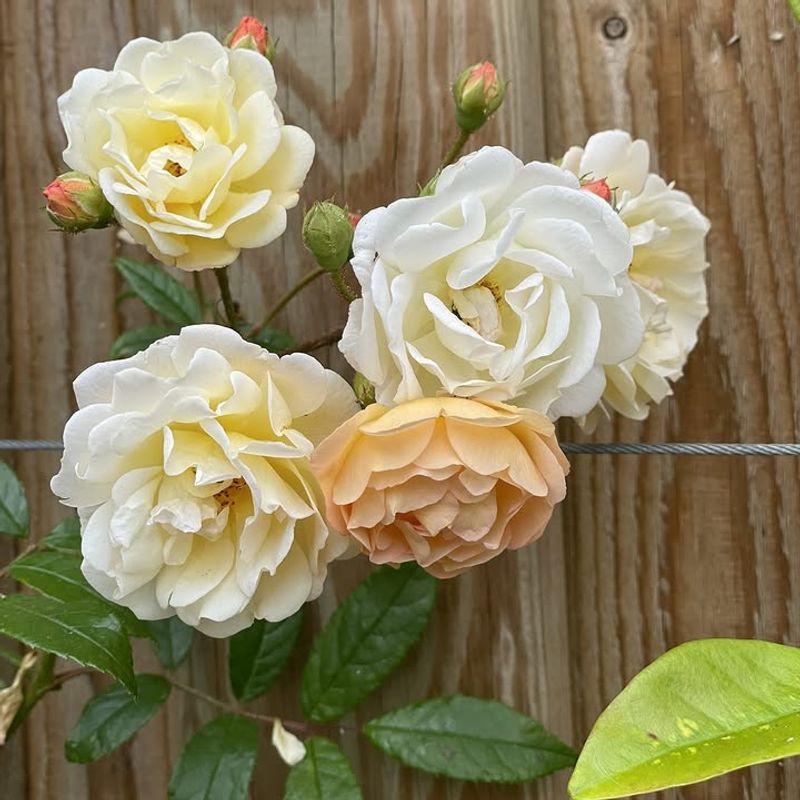
Roses in Georgia already deal with a lot. Between the heat, humidity, and pest pressure that ramps up through summer, these plants are constantly managing stress.
Throwing a hard cutback into the mix right before the hottest months arrive adds another layer of strain that can affect how well the plant performs through the rest of the season.
Heavy pruning triggers a flush of soft new growth, and that tender growth is especially vulnerable to both heat stress and fungal problems.
Georgia summers are humid enough that disease pressure on roses is already a concern without adding fresh cuts that expose new tissue right before temperatures climb.
Timing matters a great deal here.
Light deadheading and the removal of crossing or damaged canes are reasonable maintenance steps through late spring.
Saving major reshaping for late winter or very early spring, before significant growth begins, gives roses time to push strong new canes before the heat sets in.
In Georgia, that window is generally from late February through mid-March, depending on your region. Gardeners in the northern mountains have slightly more flexibility than those in the warmer southern parts of the state.
Working with the seasonal calendar rather than against it makes rose care significantly more manageable and usually produces better long-term results in the garden.
Pushing too much fresh growth right before summer often leaves roses struggling to stay vigorous once prolonged heat and humidity settle in.