8 Fast-Growing Vegetables For Container Gardening In Arizona
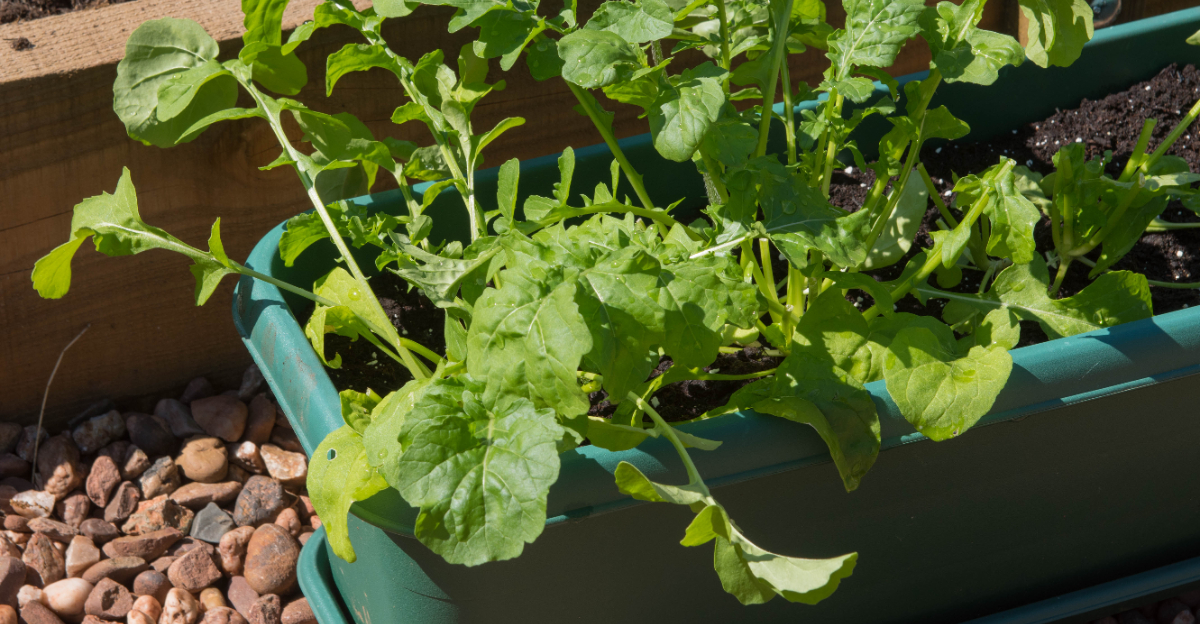
Container vegetables in Arizona can surprise you with how quickly they either take off or fall behind once heat builds and space stays limited. One pot can look full and productive, while another struggles to keep up even with the same care.
Growth speed matters more in containers because roots have less room to recover from stress, and timing plays a bigger role once temperatures stay high.
Some vegetables push through quickly and stay on track, while others stall before they really get going.
That early difference shapes how much you actually harvest and how consistent the results feel through the season. Strong starters tend to keep going, while slower ones rarely catch up in the same setup.
Choosing faster growing options can turn a small container setup into something far more productive and reliable.
1. Radishes Grow Quickly And Are Ready To Harvest In Weeks
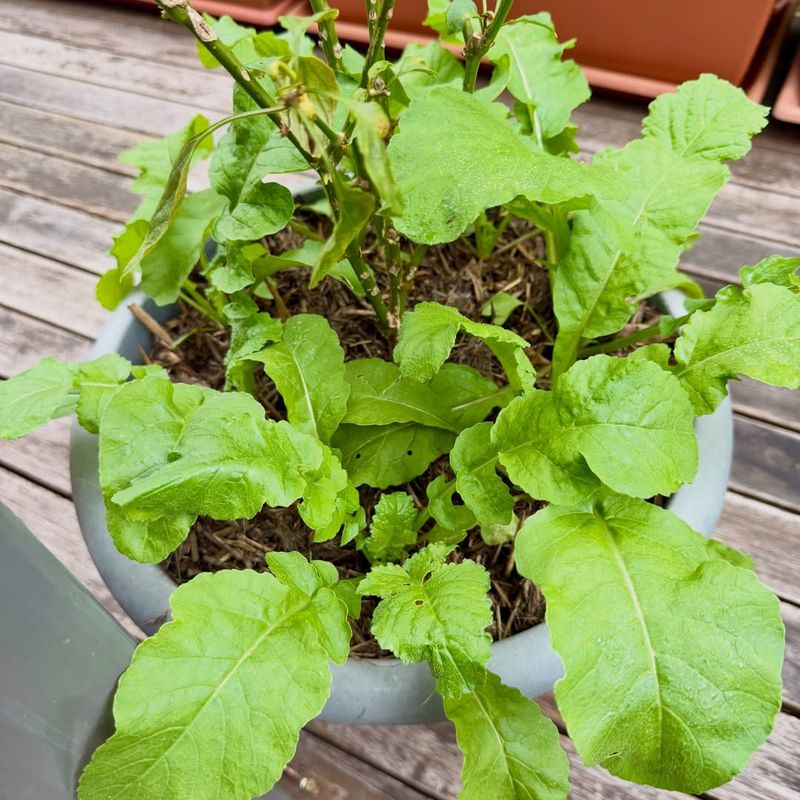
Few vegetables move as fast in a container as radishes. In Arizona, you can sow seeds in early spring or fall and pull mature roots in as little as 25 to 30 days depending on the variety.
That kind of turnaround is hard to beat when you are working around Arizona’s unpredictable heat windows.
A container about 6 to 8 inches deep is enough for most radish varieties. Fill it with loose, well-draining potting mix so the roots have room to push downward without hitting compacted soil.
Crowding is one of the main reasons radishes end up small or misshapen, so thin your seedlings to about 2 inches apart early on.
Water consistently but avoid soaking the soil. Radishes in containers dry out faster than those grown in the ground, especially on warm Arizona afternoons.
Morning watering helps keep moisture levels steady throughout the day. Cherry Belle and Easter Egg varieties both perform reliably in Arizona containers and handle mild temperature swings without much trouble.
Harvest promptly once they reach full size because leaving them in the pot too long causes the roots to become pithy and tough. A second round of seeds can often be sown right after the first harvest if cooler weather holds.
Succession planting every one to two weeks keeps a steady supply going instead of having everything mature at once.
Choosing a slightly shaded spot as spring moves forward helps slow bolting and keeps roots from turning sharp too quickly.
2. Leaf Lettuce Produces Fast Growth Before Heat Builds Up
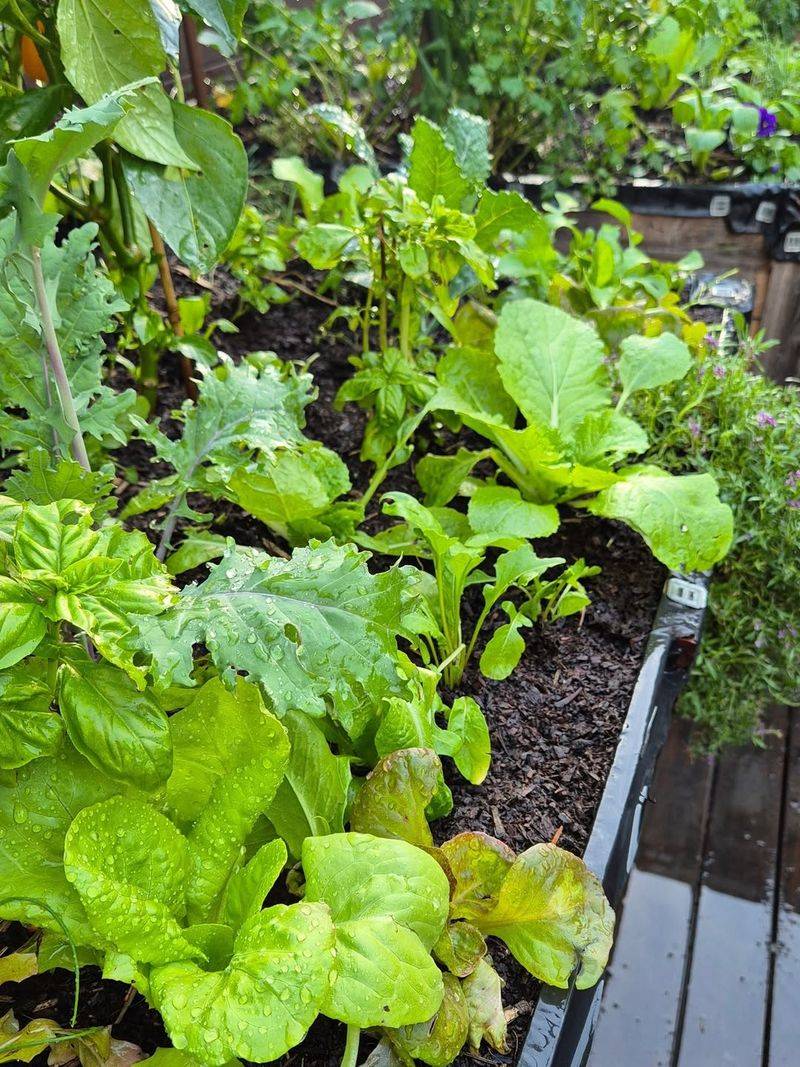
Leaf lettuce is one of the smartest choices for Arizona container gardening, but timing is everything.
Plant it in late winter or very early spring, and you can be harvesting fresh leaves in 35 to 45 days before daytime temperatures start climbing into the uncomfortable range.
Wide, shallow containers work best because lettuce roots stay near the surface. A pot that is 8 inches deep and at least 12 inches wide gives you room to grow several plants together.
Loose-leaf varieties like Black Seeded Simpson or Red Sails are forgiving and tend to bounce back well after you snip outer leaves for a meal.
Arizona sun can be intense even in spring, so positioning your container where it gets morning light and some afternoon shade extends the harvest window noticeably.
Your Arizona Garden Changes Every Week. Your Plan Should Too.
Gardening in Arizona changes quickly throughout the season. Every Friday you’ll receive a simple weekly plan showing exactly what to plant, prune, fertilize, harvest, and protect so you never miss the right timing.
Consistent moisture matters more with lettuce than almost any other vegetable on this list.
Dry soil causes bitterness and speeds up bolting. Mixing a slow-release fertilizer into your potting soil at planting time reduces how often you need to feed throughout the season.
If temperatures spike unexpectedly, moving a container to a cooler shaded spot is a real advantage you would not have with an in-ground bed. Plan for a second planting in fall when Arizona cools back down.
Harvest leaves regularly instead of waiting for full heads, since frequent picking keeps plants producing longer and delays bolting in warming spring conditions.
3. Arugula Grows Rapidly And Handles Light Heat Early On
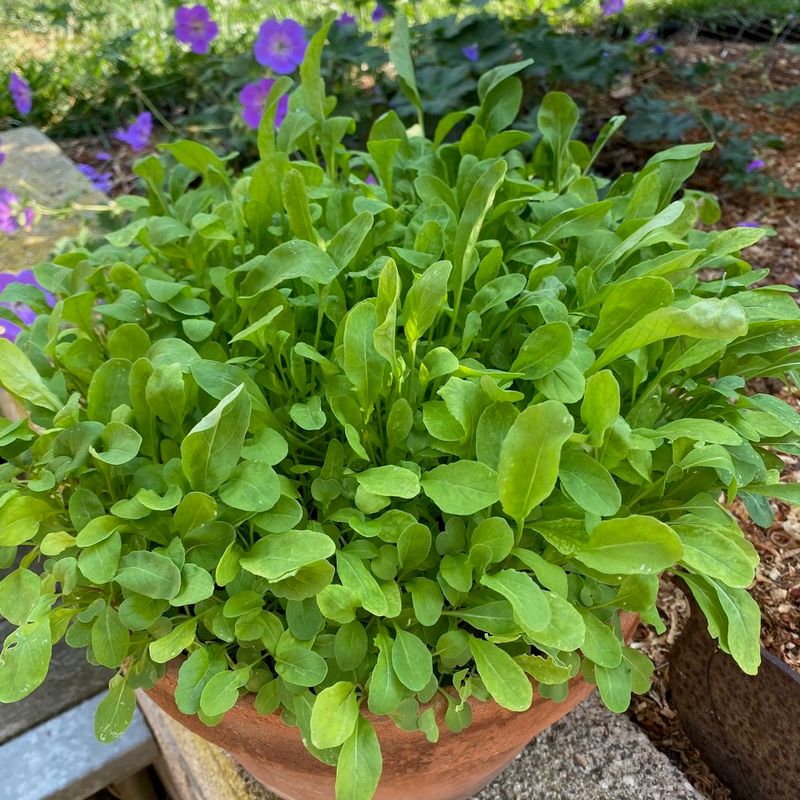
Arugula surprises a lot of new gardeners with how fast it establishes itself. Seeds can germinate in just a few days under the right conditions, and you can start harvesting young leaves within three weeks of planting.
For Arizona gardeners working with a narrow cool-season window, that speed genuinely matters.
Sow seeds directly into a container filled with quality potting mix, barely covering them with soil. Scatter them loosely rather than planting in rows, and thin once seedlings are an inch tall.
A 6-inch-deep pot handles arugula well since the root system stays relatively shallow compared to root vegetables.
Early spring and fall are your best planting windows in Arizona. Arugula handles mild warmth better than lettuce, giving you a slightly longer harvest period before the heat pushes it toward bolting.
Once it bolts, the leaves turn sharply bitter, which most people find unpleasant. Harvesting frequently by cutting outer leaves encourages the plant to keep producing rather than rushing toward flowering.
Morning sun with some afternoon protection works well for containers placed on south or west-facing patios in Arizona. A light layer of mulch over the soil surface slows moisture loss between waterings.
Sylvetta and Astro are two varieties worth trying if you want reliable results in Arizona’s variable spring temperatures.
Planting a small batch every couple of weeks keeps fresh, tender leaves coming instead of having everything mature at once.
4. Bush Beans Establish Fast And Produce Within Weeks
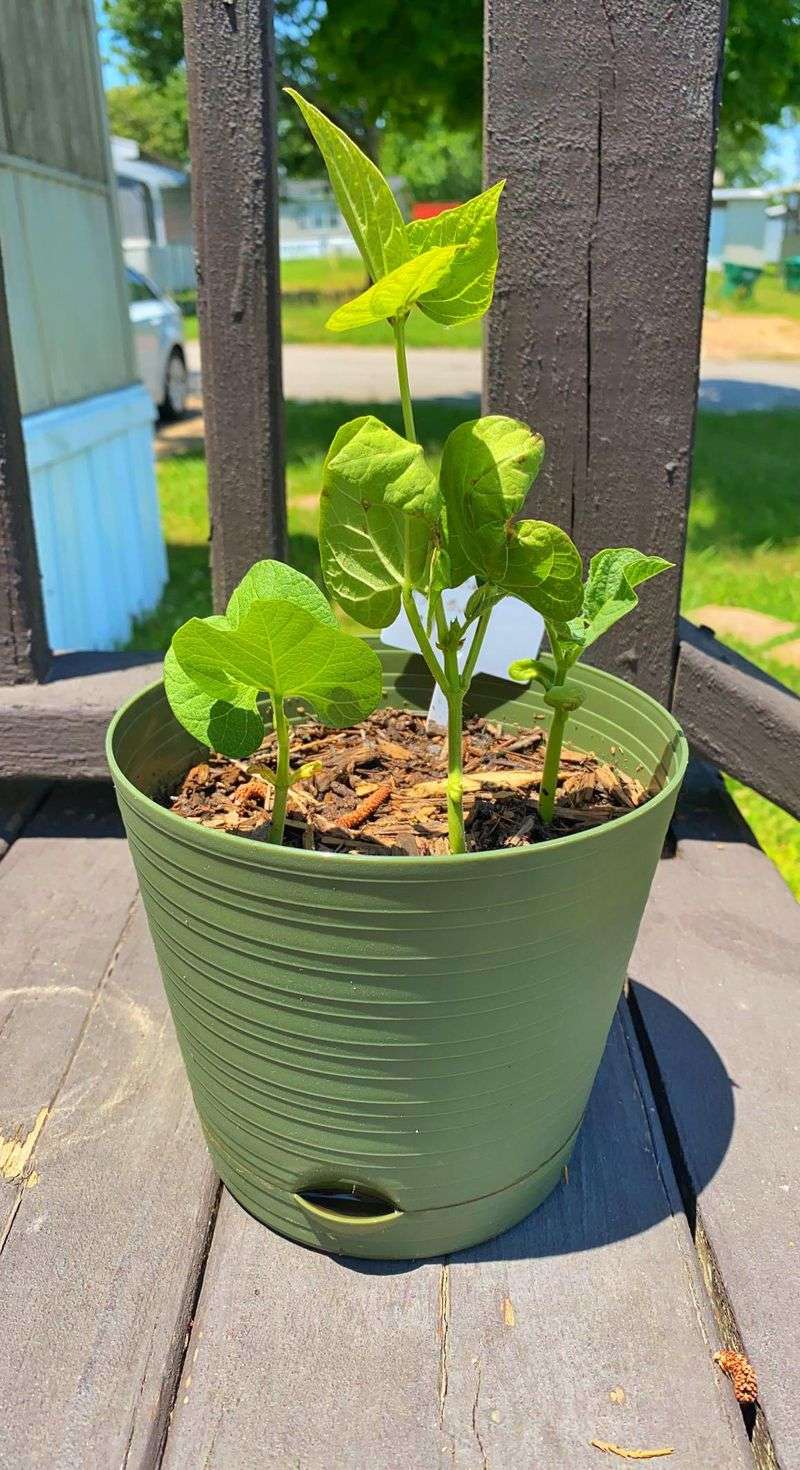
Bush beans do not mess around. Plant seeds directly into a container after your last frost date, and expect to see pods forming within 50 to 60 days.
Unlike pole beans, bush varieties stay compact and do not need staking or trellising, which makes them practical for smaller patios and balconies across Arizona.
Use a container at least 12 inches deep and wide enough to hold four to six plants comfortably. Beans prefer not to be crowded, but they also benefit from having neighbors nearby for slight wind protection.
A high-quality potting mix with good drainage is important because waterlogged roots are a fast way to lose your crop.
In Arizona, timing your planting matters. Spring planting works if you get seeds in the ground early enough to harvest before intense summer heat arrives.
Fall planting in late August or early September also produces well as temperatures drop. Beans need at least six hours of direct sunlight daily, which is rarely a problem in Arizona.
Water deeply but allow the top inch of soil to dry slightly between waterings. Provider and Contender are two bush bean varieties that handle Arizona’s heat better than average and tend to produce steadily over several weeks.
Beans also add nitrogen back into the container soil, which benefits whatever you grow in that pot next season.
5. Zucchini Grows Quickly And Produces Early In The Season
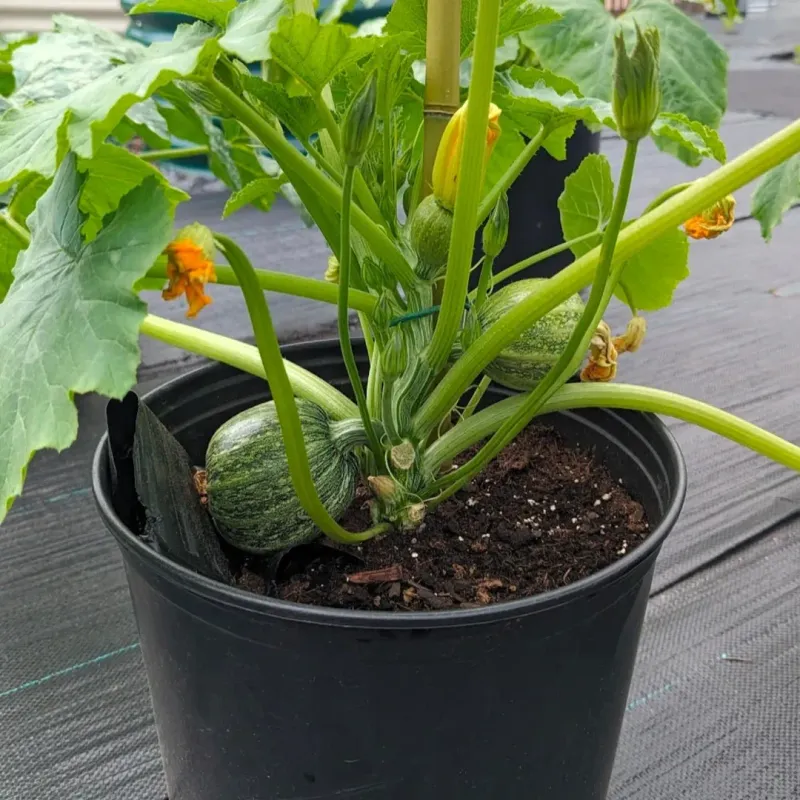
Zucchini has a reputation for producing aggressively, and in Arizona containers, that reputation holds up. Under good conditions, plants can go from seed to first harvest in about 50 days.
You do need a large container though — something in the 10 to 15 gallon range gives the root system enough space to support those big leaves and developing fruits.
One plant per large container is the right approach. Zucchini spreads out and competes hard for water and nutrients when crowded.
Bush varieties like Patio Star or Bush Baby are specifically bred for container growing and stay more manageable than standard garden types. Place your container in a spot that gets full sun for most of the day.
Water is a real consideration with zucchini in Arizona. Containers dry out fast during warm weather, and zucchini reacts quickly to drought stress by dropping flowers or producing misshapen fruit.
Checking soil moisture daily during warm stretches is not an overreaction — it is just practical. A layer of mulch over the soil surface helps slow evaporation between waterings.
Pollination can sometimes be an issue in container settings if beneficial insects are not visiting regularly. Gently transferring pollen between male and female flowers using a small brush is an easy fix that many Arizona container gardeners use with reliable results.
6. Cucumbers Grow Fast With Support And Regular Watering
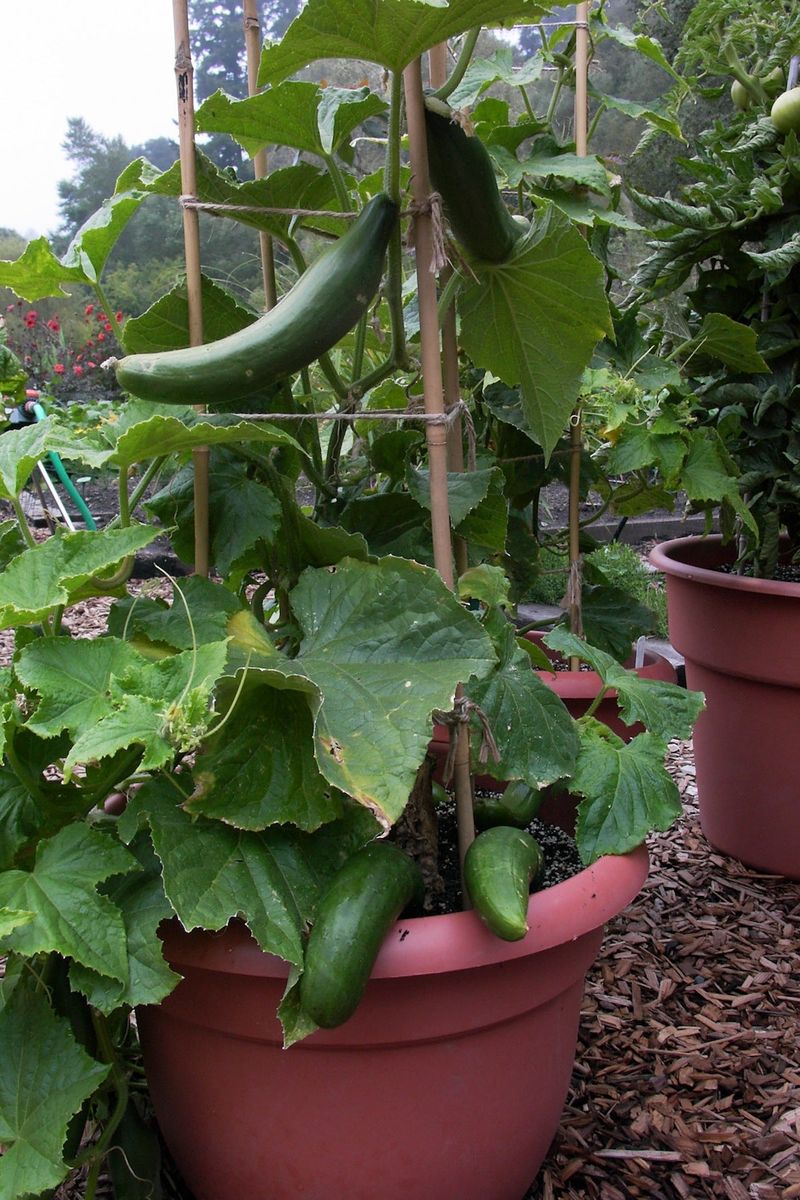
Cucumbers are thirsty, fast-growing plants that can reward you with fruit in as little as 55 days from seed.
In Arizona, that speed is an asset because you want to get your harvest in before summer temperatures push into the triple digits and stress the plant beyond what it can handle.
Bush cucumber varieties like Spacemaster or Bush Pickle are the most practical for containers because they stay compact and still produce a reasonable harvest. A 5-gallon container works at minimum, but 10 gallons gives better results.
Add a small trellis or cage inside the pot so vines have somewhere to climb without sprawling across your patio.
Watering consistently is non-negotiable with cucumbers in Arizona containers. Uneven moisture leads to bitter fruit and blossom drop, both of which are frustrating after weeks of waiting.
Deep watering every day or every other day depending on temperatures keeps things on track. Cucumbers also respond well to a balanced liquid fertilizer applied every two weeks once plants start flowering.
Position containers where they receive full morning sun and some protection from the harshest afternoon rays, especially once May approaches in Arizona. Harvesting cucumbers early and often encourages plants to keep setting new fruit rather than putting all their energy into maturing one large cucumber at the expense of the rest.
7. Green Onions Regrow Quickly And Fit Small Containers Well
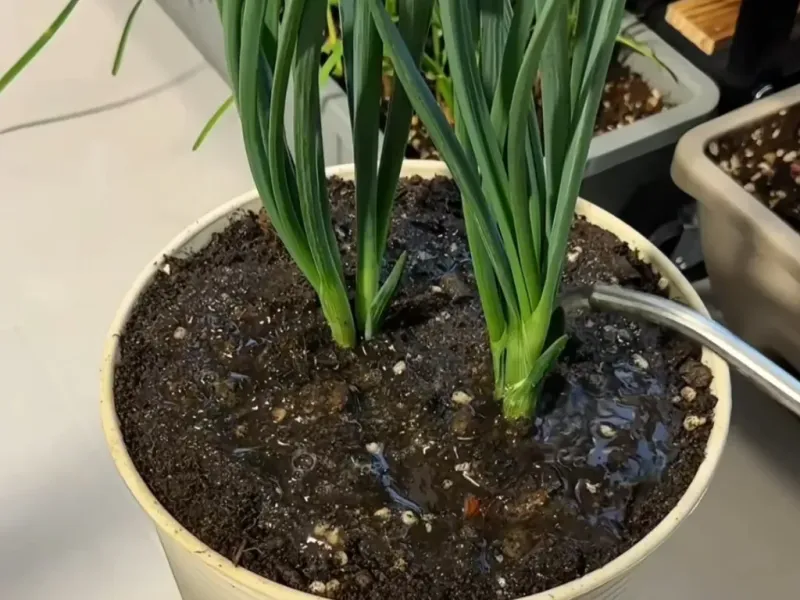
Green onions might be the most underrated container vegetable for Arizona gardeners. You can grow them in nearly any container you have on hand, including recycled cans, small pots, or window boxes.
They do not need much depth — about 6 inches is sufficient — and they fit easily on a windowsill, balcony railing, or crowded patio shelf.
Starting from seed takes around 60 to 70 days, but there is a faster route. Place store-bought green onion roots in moist potting soil with the white base just below the surface, and new green shoots appear within days.
Regrowing from roots is a practical trick that many Arizona gardeners use to keep a steady supply going without constantly replanting from seed.
Green onions prefer consistent moisture but tolerate Arizona’s dry air better than most leafy vegetables. Partial shade during the hottest parts of the day helps prevent the tops from drying out too quickly.
Harvest by snipping stalks about an inch above the soil line, and the plant continues producing new growth from the same root. Evergreen Hardy White and Tokyo Long White are two varieties that perform well in Arizona’s climate across multiple seasons.
Keeping a small container of green onions growing year-round is completely realistic in most parts of Arizona, especially in lower desert regions where winters stay mild.
8. Swiss Chard Grows Fast And Tolerates Rising Temperatures
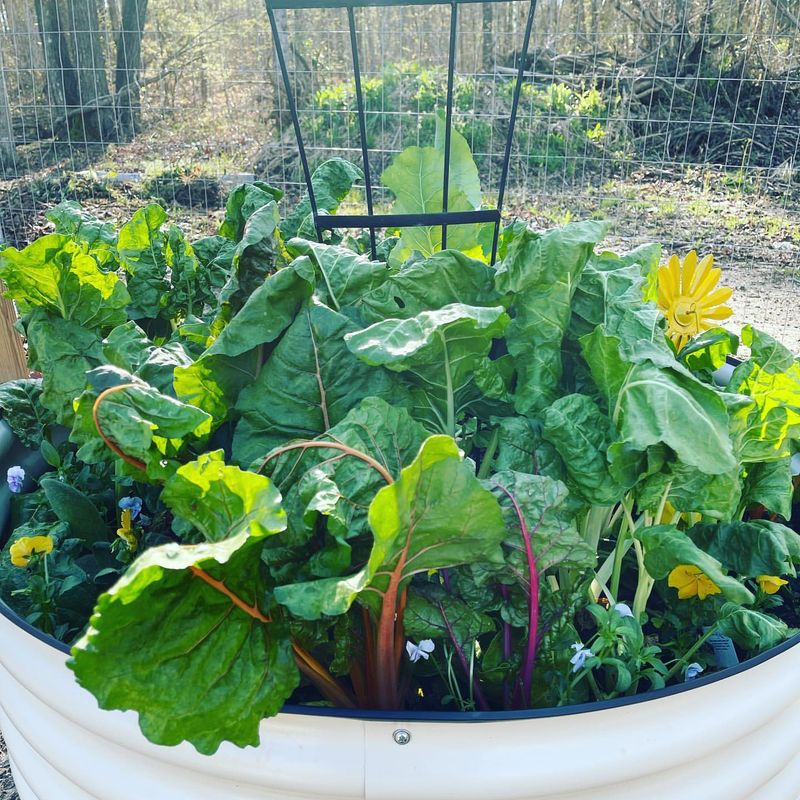
Swiss chard handles heat better than most leafy greens, which makes it a genuinely useful vegetable for Arizona container gardening.
While lettuce and arugula fade quickly as temperatures rise, chard keeps producing through warmer conditions that would sideline other crops.
Expect your first harvest around 30 to 40 days after planting.
A container 10 to 12 inches deep works well for chard since the roots go a bit deeper than those of lettuce. Plant two or three seedlings per medium-sized pot and harvest outer leaves regularly to keep the plant productive.
Rainbow chard varieties like Bright Lights add visual appeal to a patio setup while producing just as reliably as standard green varieties.
In Arizona, chard planted in early spring can often be harvested well into May before heat becomes a real limiting factor. A fall planting started in September often performs even better, producing steadily through the mild Arizona winter in low-desert areas like Phoenix and Tucson.
Water consistently and avoid letting the soil dry out completely between waterings, especially as temperatures climb. Chard benefits from a light feeding with a balanced fertilizer every three to four weeks during active growth.
Positioning containers in spots with morning sun and afternoon shade during warmer months helps extend the productive life of each plant without dramatically reducing yield.