How To Help Spider Plants Flower And Grow More Offsets In Arizona
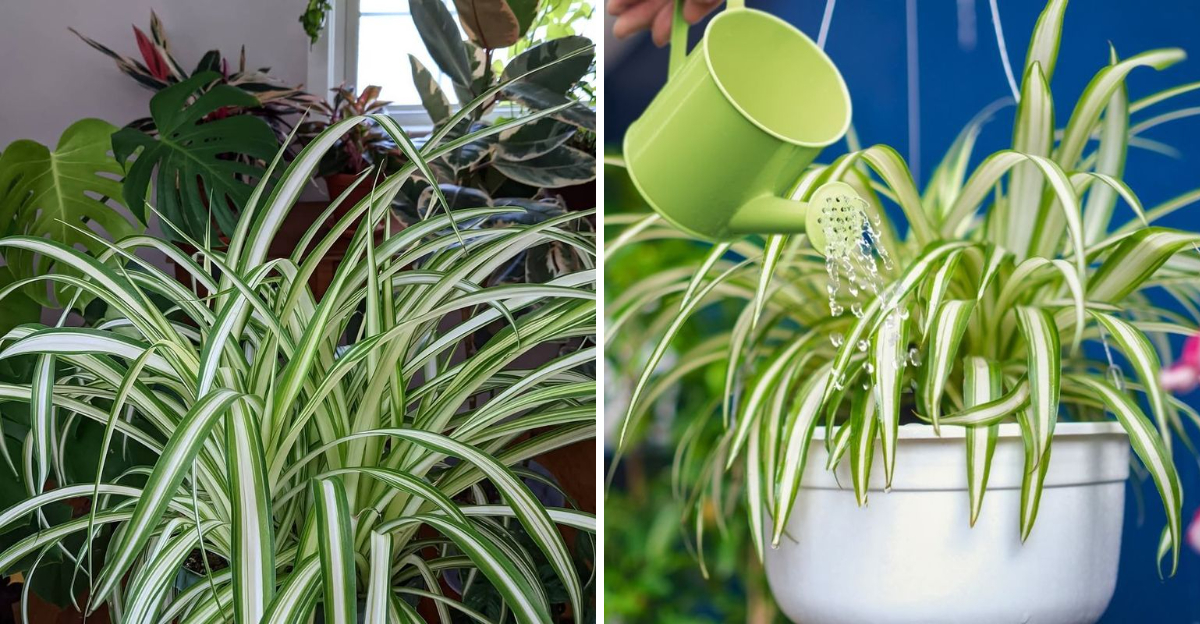
Spider plants in Arizona homes can look full and healthy for months, yet never produce the long stems or small plantlets many expect. Leaves stay green, growth continues, but something always feels missing when those offsets fail to appear.
The plant often needs a specific balance of light, space, and care before it shifts into that stage. Small details make a big difference here, and it is easy to overlook them when the plant already looks fine.
Once those conditions line up, the change becomes noticeable. Long stems begin to form, and new plantlets start to show along them, which gives the plant a fuller, more active look.
Getting to that point does not require constant effort, but it does depend on a few key adjustments that guide the plant in the right direction.
1. Bright Indirect Light Encourages Flowering And More Offsets
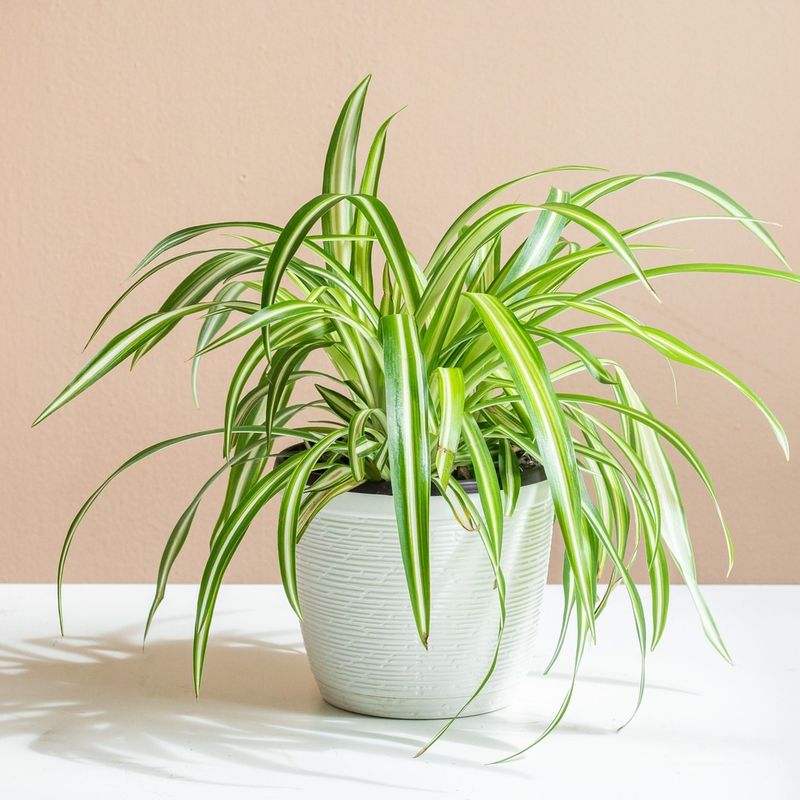
Light is the trigger. Spider plants that sit in dim corners tend to stay green and boring, rarely pushing out flowers or offset stems.
Shifting your plant closer to a light source can change everything about how it grows.
In Arizona, east-facing windows are ideal because the morning sun is bright but not brutal. North-facing windows also work well, giving steady indirect light without the scorching afternoon heat that can bleach leaves and stress the plant.
South and west-facing windows in Arizona are often too intense, especially from May through September when temperatures peak.
Spider plants need around 12 hours of bright indirect light daily to feel encouraged enough to flower. When light levels drop below that threshold, the plant focuses energy on basic survival rather than reproduction.
Flowering and offset production are signs the plant feels comfortable, not stressed.
Sheer curtains are a practical solution if your best available windows face south or west. They filter harsh rays while still letting in enough brightness to keep the plant active.
A few Arizona gardeners also use grow lights during winter months when natural light hours shorten, which helps maintain steady growth year-round.
2. Slight Root Crowding Triggers More Baby Plant Production
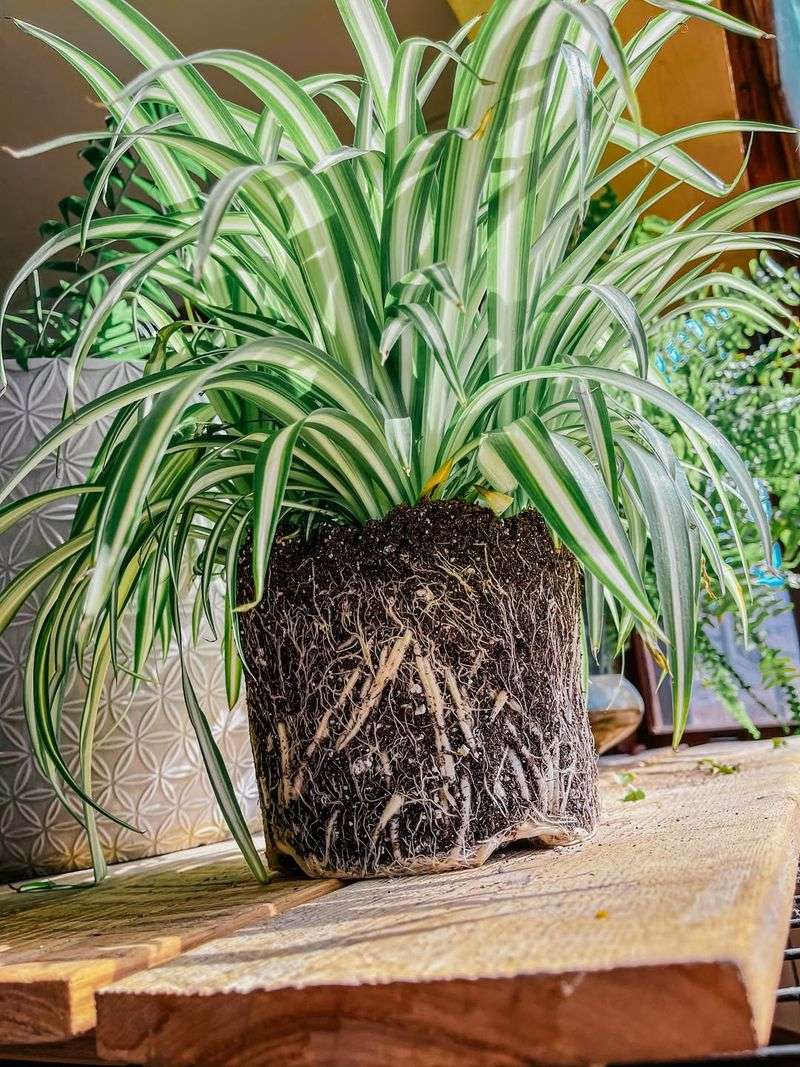
Roots hitting the walls of a pot is actually a good thing for spider plants. Slight crowding sends a signal to the plant that space is limited, which often nudges it toward reproduction rather than vegetative growth alone.
Arizona gardeners sometimes repot too eagerly, moving plants into large containers at the first sign of roots peeking through drainage holes.
Jumping up too many pot sizes too quickly can actually delay flowering and offset production because the plant shifts energy into filling the new soil with roots instead.
A pot that is only one to two inches wider than the root ball is the sweet spot. Terracotta pots work particularly well in Arizona’s dry climate because they are breathable and help prevent moisture from sitting too long around the roots.
Plastic pots hold moisture longer, which can be a problem during humid monsoon months.
Root crowding does have limits though. If roots are circling tightly and pushing up through the soil surface or cracking the pot, that level of congestion can restrict water and nutrient uptake.
Your Arizona Garden Changes Every Week. Your Plan Should Too.
Gardening in Arizona changes quickly throughout the season. Every Friday you’ll receive a simple weekly plan showing exactly what to plant, prune, fertilize, harvest, and protect so you never miss the right timing.
That kind of stress does more harm than good and is worth addressing with a modest repot.
3. Consistent Watering Keeps Growth Active Without Stress
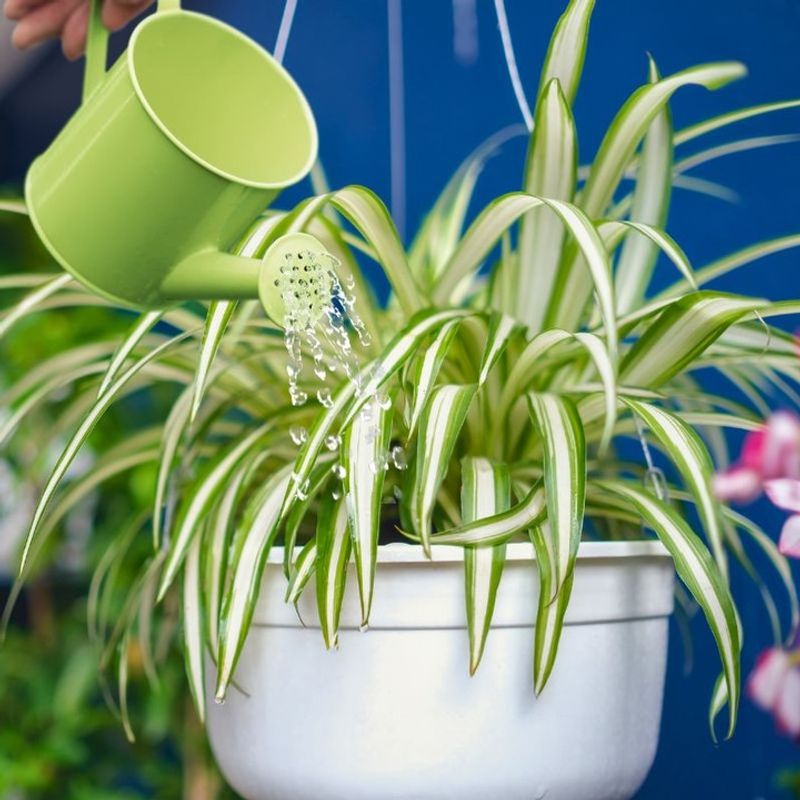
Watering spider plants in Arizona is genuinely different from watering them in a humid state like Florida or Georgia.
The dry desert air pulls moisture out of soil much faster than most people expect, so the schedule you read about online might not match what your plant actually needs here.
Checking the soil before watering is more reliable than following a fixed schedule. Stick a finger about an inch into the soil and water only when that top layer feels dry.
In peak Arizona summer heat, that might mean watering every four to five days. During cooler winter months, once a week or even less may be enough.
Overwatering remains the most common mistake, even in a dry climate. Poor drainage combined with too much water leads to soggy roots, which limits the plant’s ability to absorb nutrients and can slow offset production significantly.
Always use pots with drainage holes and empty saucers after watering.
Spider plants are also sensitive to fluoride found in tap water, which is common in many Arizona municipalities. Brown leaf tips are often a sign of fluoride buildup rather than a watering problem.
Using filtered water or letting tap water sit overnight before using it can reduce this issue noticeably.
4. Light Feeding Supports Flower And Offset Development
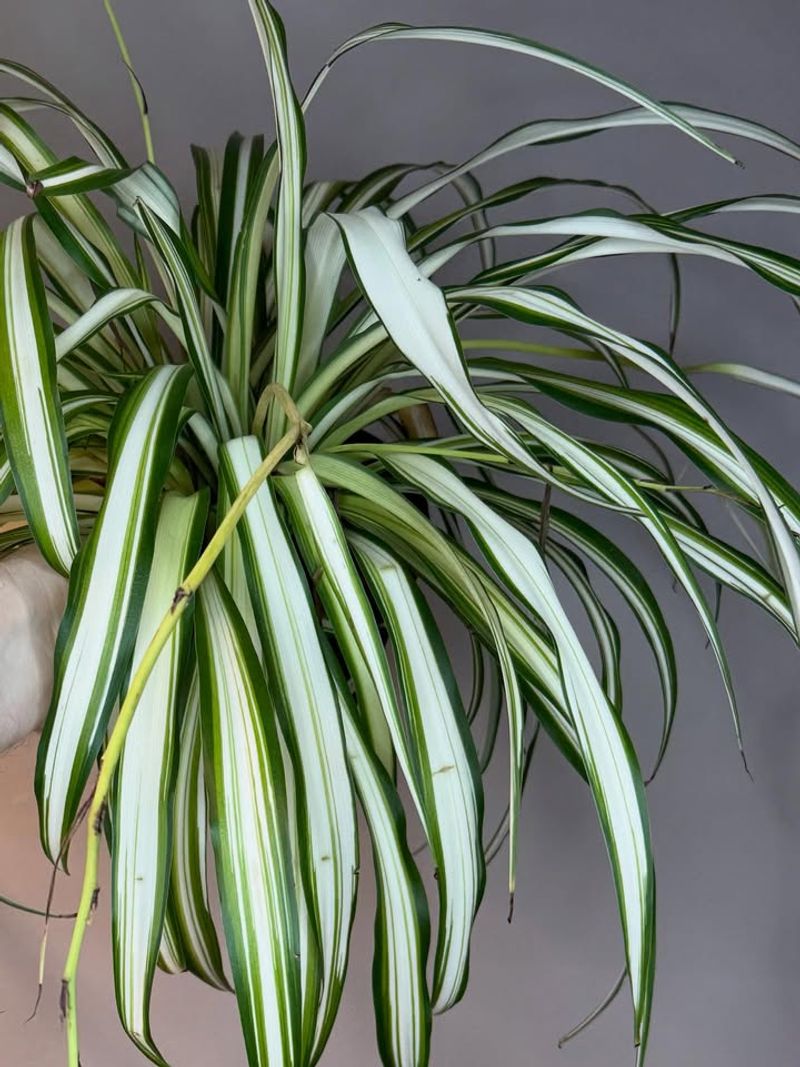
Fertilizer is one of those things where more is definitely not better with spider plants. Overfeeding can actually push the plant into producing lush, dark green foliage at the expense of flowers and offsets, which is the opposite of what most Arizona growers want.
A balanced liquid fertilizer with equal parts nitrogen, phosphorus, and potassium works well. Feeding every four to six weeks during spring and summer gives the plant enough of a nutritional boost to support active growth without overwhelming it.
Pulling back or stopping fertilizer entirely during fall and winter makes sense because growth naturally slows in lower light conditions.
Some gardeners in Arizona prefer a fertilizer slightly lower in nitrogen during the summer growing season. Lower nitrogen ratios can shift the plant’s energy away from leaf production and toward flowering.
It is not a dramatic difference, but over a full growing season the results can be noticeable.
Slow-release granular fertilizers are another option, especially if you find liquid feeding easy to forget. Mixing a small amount into the top layer of soil at the start of spring releases nutrients gradually over several months.
Just be conservative with the amount since spider plants are sensitive to salt buildup from over-fertilization.
5. Warm Temperatures Keep Growth Steady Indoors And Outdoors
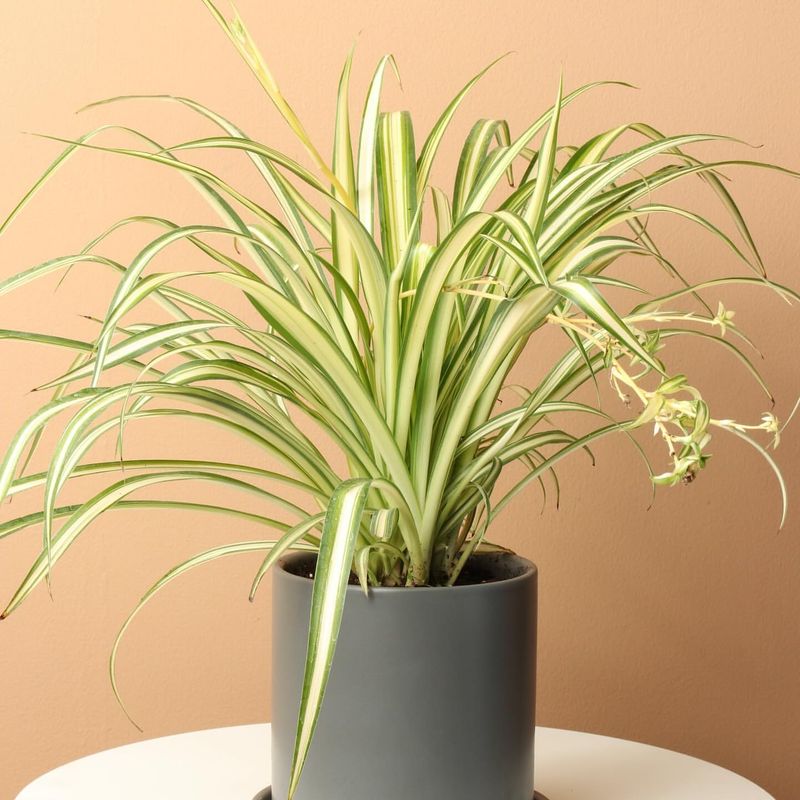
Arizona summers can push temperatures well above 100 degrees Fahrenheit, which is outside the comfort zone for spider plants.
Knowing where to keep them and when to move them makes a real difference in whether they thrive or just survive through the hottest months.
Spider plants grow best between 65 and 80 degrees Fahrenheit. They can handle brief dips below that range, but sustained cold below 50 degrees causes growth to stall and can damage leaves.
In most parts of Arizona, cold is rarely the issue except in higher elevation areas like Flagstaff where winter nights get genuinely cold.
Indoor placement during June, July, and August is usually the safest bet in Phoenix, Tucson, and other low-desert cities. Air-conditioned rooms keep temperatures in a range that supports steady growth.
Avoid placing plants near AC vents that blast cold air directly onto leaves, since that kind of rapid temperature fluctuation stresses the plant.
Covered patios and shaded outdoor spots work well in spring and fall when Arizona temperatures are more moderate.
Outdoor placement in those seasons can actually encourage more offset production because slightly cooler nights combined with warm days seem to trigger flowering in some cases.
6. Well Draining Soil Prevents Root Issues And Supports Growth
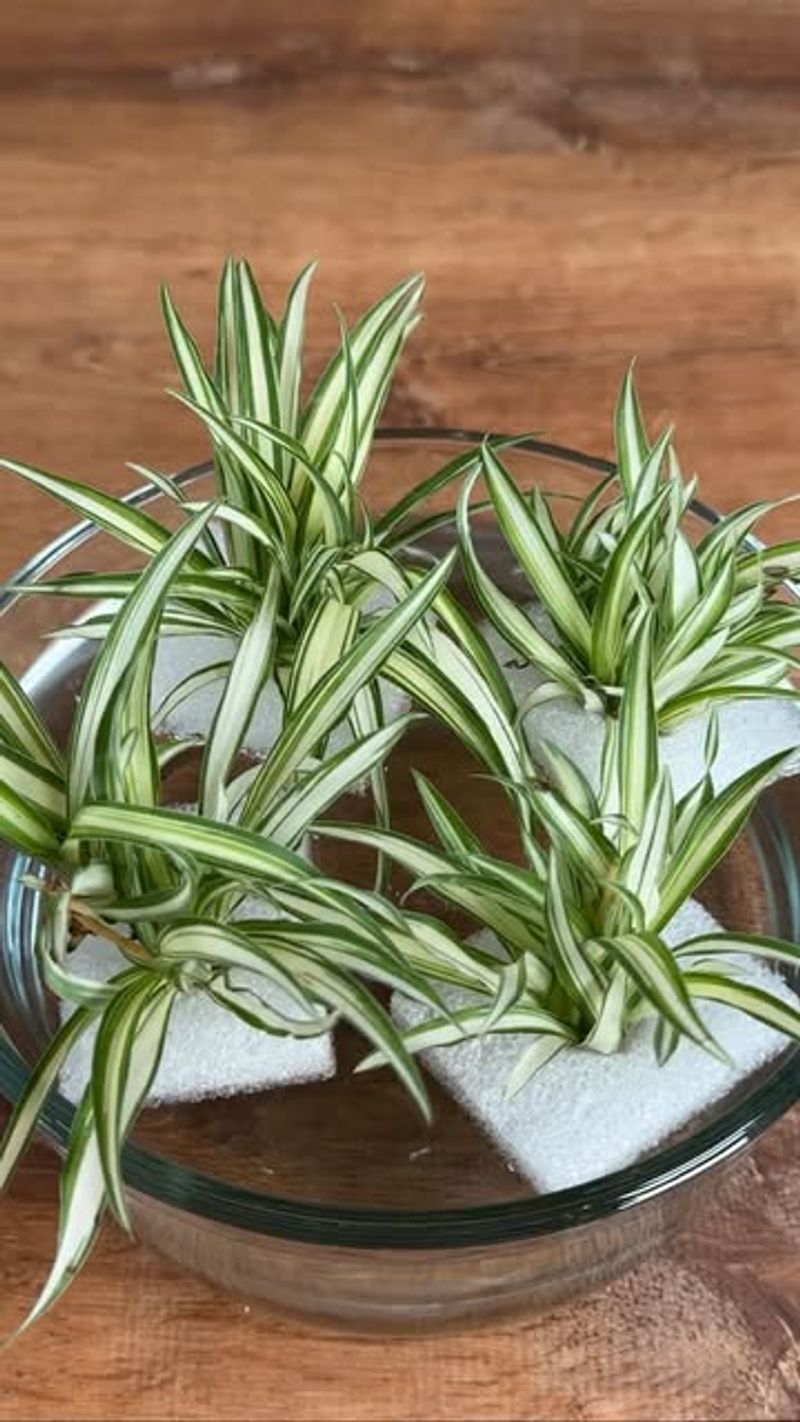
Soil choice matters more in Arizona than in many other places because the combination of dry air and intense heat affects how fast moisture moves through a container. Getting the drainage right from the start saves a lot of trouble down the road.
A standard indoor potting mix with added perlite is a solid starting point. Mixing in about twenty to thirty percent perlite by volume improves drainage and aeration without making the soil so loose that it dries out in a single day.
Pure potting soil without amendments tends to compact over time, especially in terracotta pots, which restricts airflow around roots.
Avoid using garden soil or heavy clay-based mixes in containers. These hold too much moisture in Arizona’s sporadic watering conditions and create an environment where roots struggle.
Spider plants need soil that drains quickly after watering but still retains just enough moisture to stay slightly damp between sessions.
Refreshing the soil every two to three years is worth doing even if the plant does not need a larger pot. Potting mix breaks down over time, losing its structure and drainage capacity.
Replacing old soil during a routine repot gives roots a fresh environment to grow into.
7. Mature Plants Produce More Offsets Than Young Ones
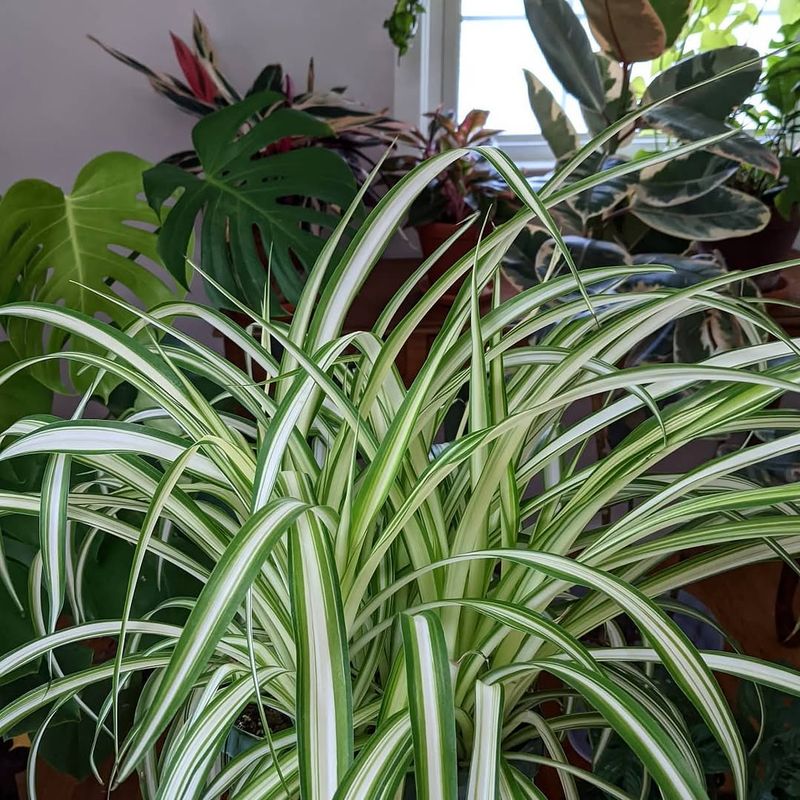
Age matters with spider plants. A young plant that was recently propagated or is still in its first year of growth is focused almost entirely on establishing roots and building leaf mass.
Expecting offsets from a small, newly potted spider plant usually leads to disappointment.
Most spider plants begin producing offset stems once they reach a reasonable size, typically when the root system is well established and the plant has several mature leaf fans.
In Arizona, that process can take anywhere from one to two years depending on conditions, care quality, and the time of year the plant was started.
Patience is genuinely part of the process here.
Gardeners who keep their spider plants in the same pot for a couple of years, feed them lightly through the growing season, and give them consistent light often notice a shift where the plant suddenly starts throwing out multiple offset stems at once.
That burst of productivity is a sign of a confident, well-settled plant.
Keeping track of how old your plant is can help set realistic expectations. If your spider plant is less than a year old and showing no offsets, that is completely normal.
Pushing it with extra fertilizer or changing its conditions drastically in hopes of speeding things up can backfire.