What Florida Citrus Trees Need In April
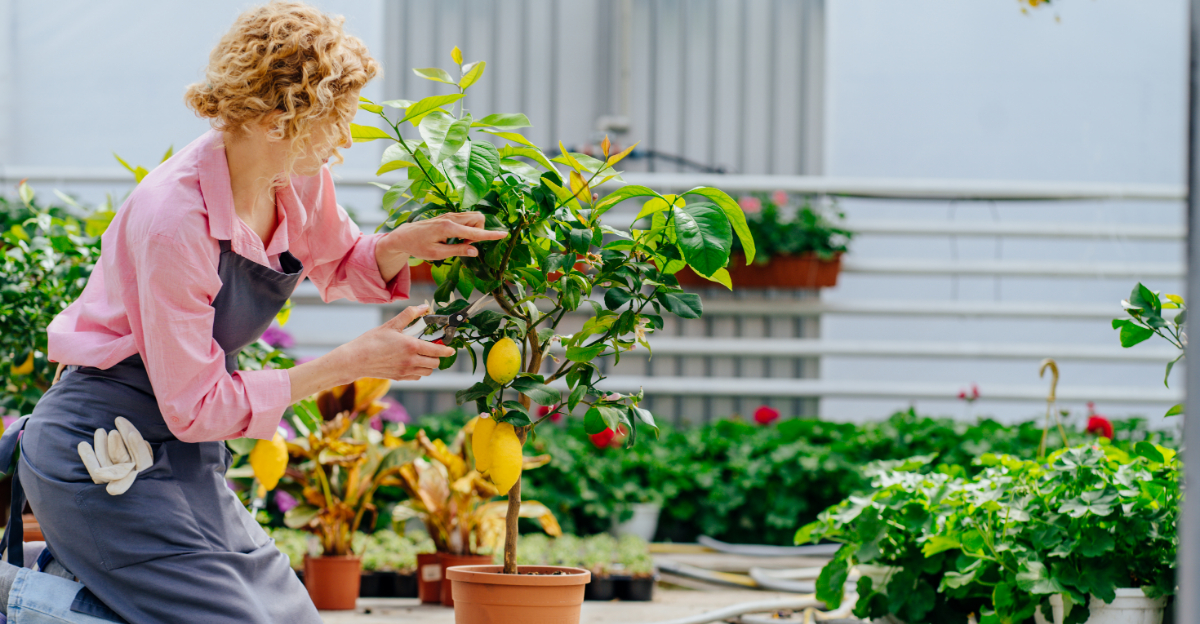
There is a point in spring when Florida citrus trees seem to shift overnight. One week they look quiet, and the next they are covered in fresh leaves and fragrant blossoms that hint at the fruit to come.
It is easy to admire that growth and assume everything is on track.
But April is more than just a pretty moment. It is when citrus trees are putting in the work that supports the rest of the growing season.
What happens now can influence how well fruit forms, how strong the tree stays, and how it handles the months ahead.
Small details, like timing and consistency, start to matter more than people realize during this stage.
Giving your citrus trees the right care during this short stretch can set them up for a much smoother season overall. A few thoughtful steps here can make a noticeable difference as the season moves forward.
1. What April Means For A Florida Citrus Tree In Active Spring Growth
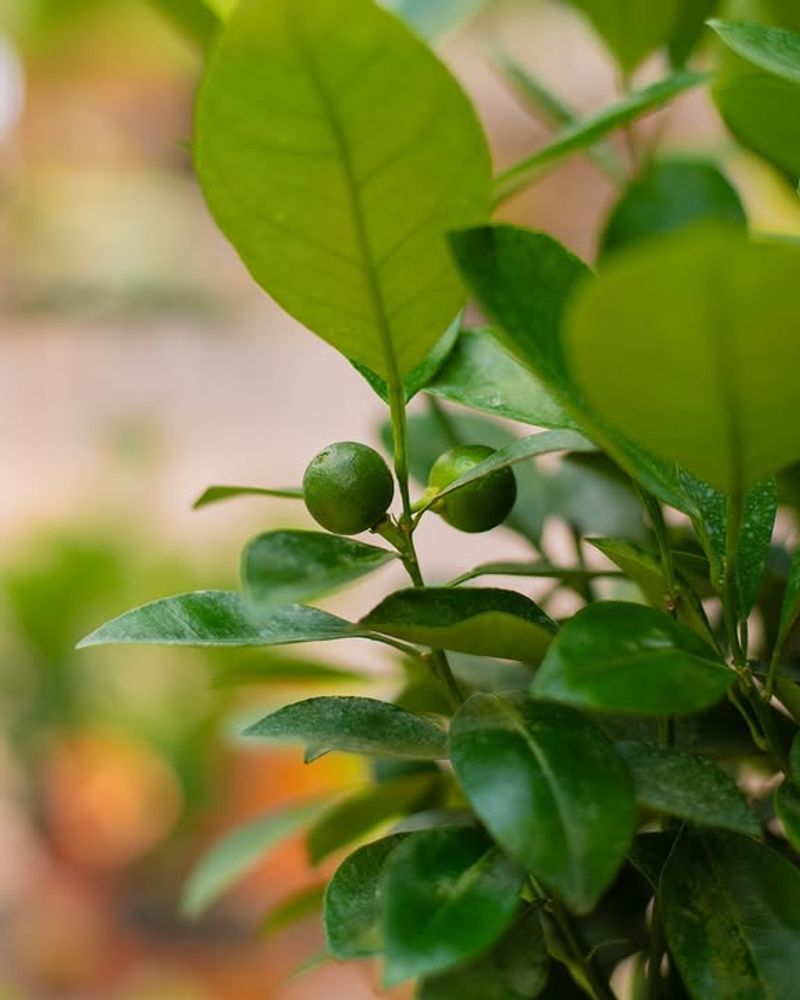
Something almost magical happens to Florida citrus trees in April. After the slower winter months, warmer temperatures and longer days trigger a burst of new growth called a spring flush.
You will notice bright, lime-green leaves pushing out from branch tips, and many trees will also be finishing their bloom cycle or dropping petals as tiny fruitlets begin to form.
This active growth phase is one of the most important windows of the entire year. The tree is drawing on stored energy and whatever nutrients are available in the soil to build new tissue, support fruit set, and strengthen its root system.
What happens during this flush has a direct impact on how well your tree performs through summer and into the fall harvest.
Florida’s warm, humid spring climate is ideal for rapid citrus development, but it also creates conditions where pests and diseases can spread quickly. Staying observant during this period pays off.
Walk around your trees a few times each week, check new growth for discoloration or damage, and take note of any changes in leaf shape or color. April is not the time to sit back and wait.
Engaging with your trees now, while growth is actively happening, gives you the best chance of catching small problems before they affect fruit quality or overall tree health.
2. Whether Your Tree Still Needs Its Spring Fertilizer
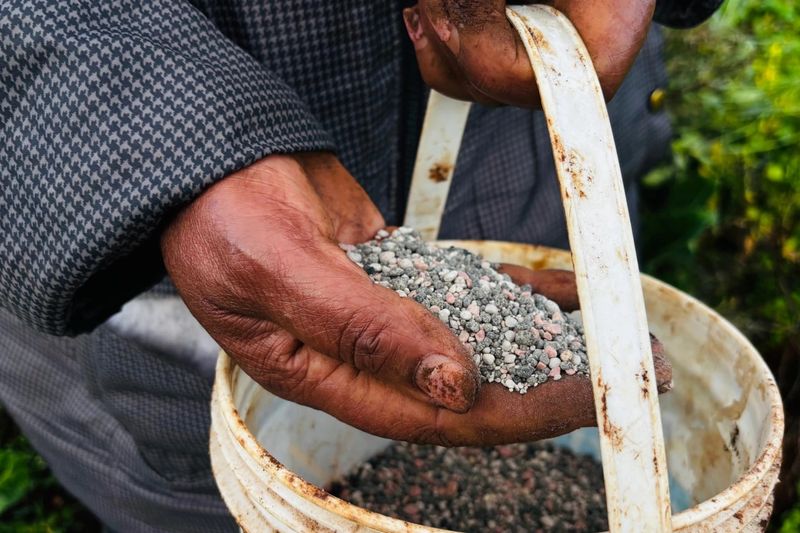
Fertilizing in spring is one of the highest-impact things you can do for a Florida citrus tree, and April is right in the middle of that critical window. Most citrus care guides recommend applying a balanced, slow-release fertilizer formulated specifically for citrus sometime between late February and early April.
If you have not done so yet, now is the time to act before the spring flush wraps up.
Look for a fertilizer with a ratio that includes nitrogen, phosphorus, and potassium, along with secondary nutrients like magnesium and sulfur. Citrus trees in Florida are heavy feeders, and the sandy soils common across much of the state do not hold nutrients well.
Your Florida Garden Changes Every Week. Your Plan Should Too.
Gardening in Florida changes quickly throughout the season. Every Friday you’ll receive a simple weekly plan showing exactly what to plant, prune, fertilize, harvest, and protect so you never miss the right timing.
A granular slow-release product applied to the soil surface and watered in thoroughly gives the tree a steady supply of nutrition over several weeks.
Avoid the temptation to overfeed. Dumping extra fertilizer on a tree does not speed things up.
Too much nitrogen at once can push excessive leafy growth at the expense of fruit, and it can also stress the root zone. Spread the fertilizer evenly under the tree’s canopy, keeping it a few inches away from the trunk.
Water it in well after applying. Consistent, moderate feeding is always more effective than heavy, infrequent doses when it comes to keeping Florida citrus trees productive and balanced.
3. Why Tree Age Should Guide How Much You Feed
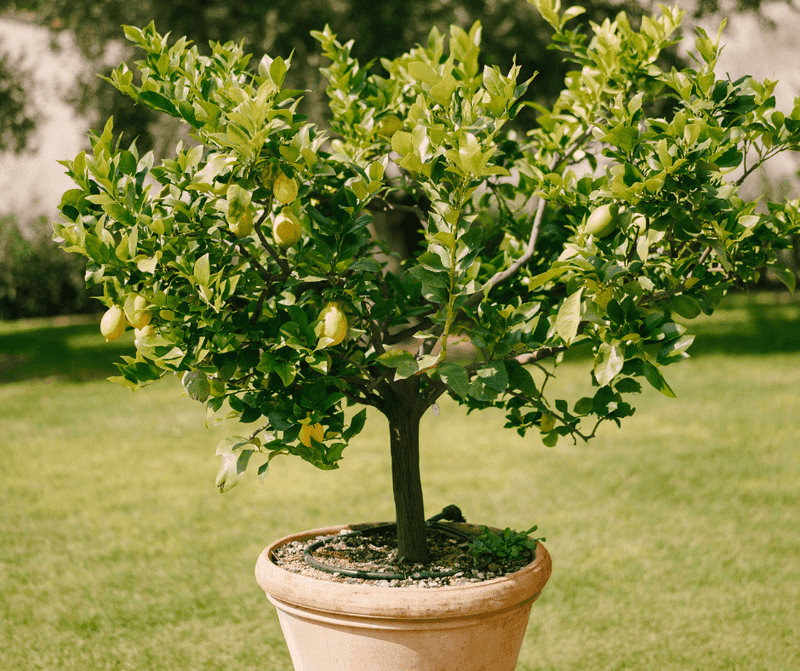
Not every citrus tree in Florida needs the same amount of fertilizer, and one of the biggest factors that should guide your feeding schedule is tree age. Young trees, those in their first one to three years, are still establishing their root systems and canopy structure.
They need smaller, more frequent applications of fertilizer rather than large doses that can overwhelm their developing roots.
A common recommendation from University of Florida extension specialists is to feed young trees about a quarter to half a pound of actual nitrogen per year, split into multiple small applications throughout the growing season. As the tree matures and its canopy spreads, you gradually increase the amount.
Mature bearing trees, those five years and older, can handle larger applications and typically benefit from one to three feeding cycles per year depending on soil type and overall health.
Fruit production also changes what a tree needs. A tree loaded with developing fruit has higher nutritional demands than a non-bearing tree of the same size.
Pay attention to how your tree performed last season. If fruit was small, sparse, or pale, a nutrition adjustment might be part of the solution.
Florida’s diverse growing regions, from the flatwoods of the Treasure Coast to the sandy ridges of Polk County, all have slightly different soil characteristics that affect how nutrients move through the ground and reach your tree’s roots.
4. When Spring Pruning Finally Becomes A Safer Conversation
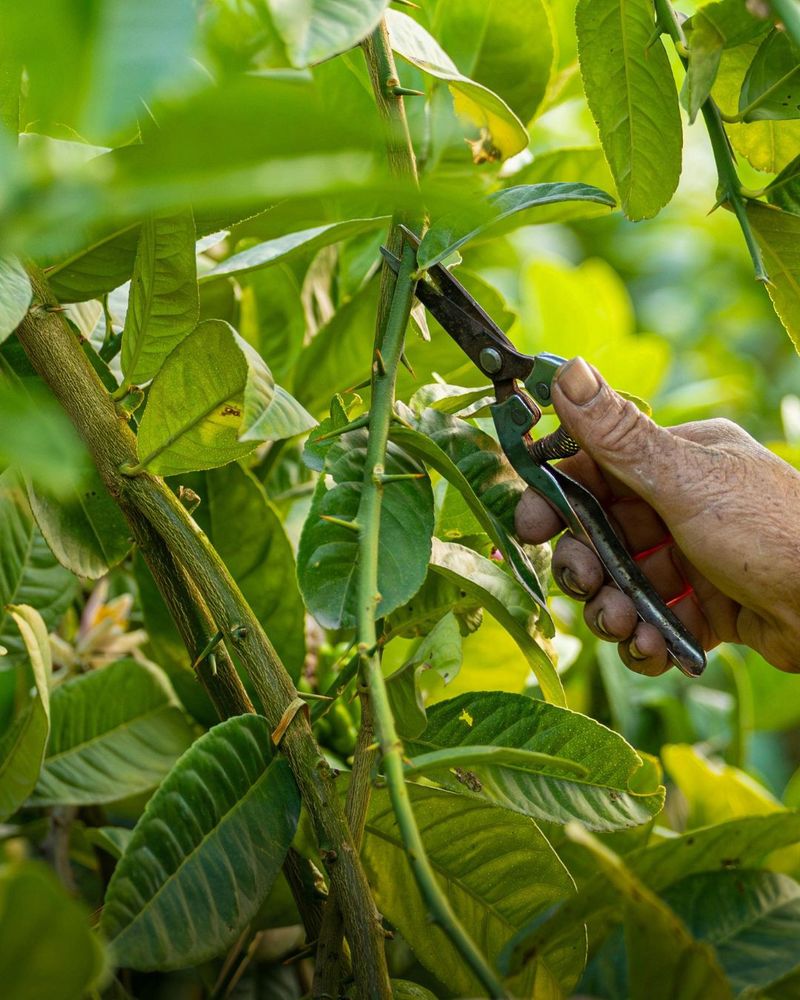
Citrus trees in Florida don’t need much pruning, but when you do reach for the pruners, timing matters more than most growers expect. Cutting at the wrong moment can mean losing developing fruit, stressing the tree, or leaving it vulnerable right before a cold snap.
But April, once the bloom cycle has wrapped up and tiny fruitlets have begun to set, is actually a reasonable time to handle light pruning tasks.
The goal in spring is not a dramatic reshaping of the tree. Focus instead on removing damaged wood, crossing branches that rub against each other, and any water sprouts shooting straight up from main limbs.
These fast-growing vertical shoots rarely produce fruit and pull energy away from the rest of the canopy. Removing them improves airflow and lets more sunlight reach fruit-bearing branches deeper in the tree.
Always use clean, sharp tools when pruning. Dull blades tear wood rather than cutting cleanly, and unclean tools can spread bacterial or fungal issues from one tree to another.
Wipe your shears with a disinfectant solution between trees, especially in areas of Florida where citrus disease pressure is higher. Keep cuts minimal and intentional.
Heavy pruning in spring can trigger excessive new growth that attracts pests and puts the tree under unnecessary stress during one of its most productive growth windows of the year.
5. How To Stay Ahead Of Scales And Other Spring Pest Problems
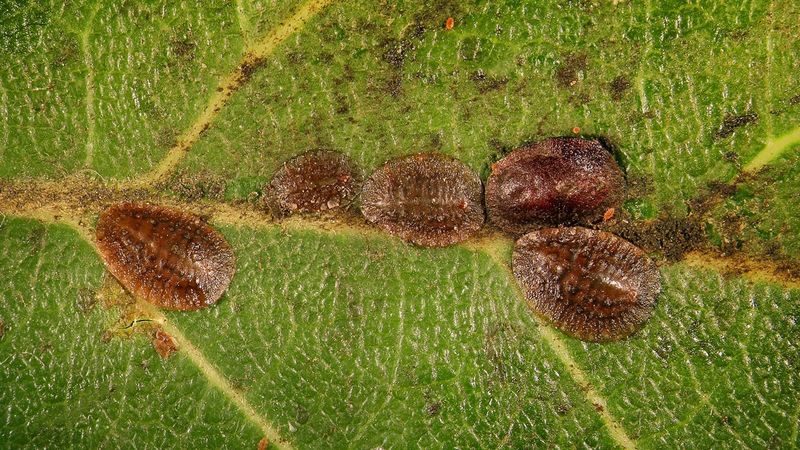
Pest pressure picks up fast in Florida once temperatures climb in spring, and April is when you need your eyes wide open. Scale insects are among the most common and damaging citrus pests in the state.
These small, shell-covered bugs attach themselves to stems and the undersides of leaves, sucking out plant sap and weakening the tree over time. Heavy infestations can cause yellowing leaves, sticky residue called honeydew, and eventually reduced fruit production.
Beyond scales, April also brings increased activity from citrus leafminers, Asian citrus psyllids, and in some parts of Florida, eastern lubber grasshoppers. The psyllid is especially important to monitor because it can spread citrus greening disease, one of the most serious threats facing Florida’s citrus industry.
Catching psyllid activity early and managing it promptly with appropriate methods can help reduce the risk of spread.
Horticultural oil sprays are effective against scale insects and can be applied when temperatures are not too high. For more serious infestations, labeled insecticides appropriate for citrus, such as horticultural oils or other recommended products, may be needed depending on the situation.
Always read product labels carefully and follow all application guidelines. Spot-treating affected areas is usually preferable to blanket spraying the entire tree.
Consistent scouting, meaning walking your trees and checking new growth regularly throughout April, is the single most effective pest management habit any Florida citrus grower can build.
6. Why Mulch And Smart Irrigation Matter As Dry Weather Builds
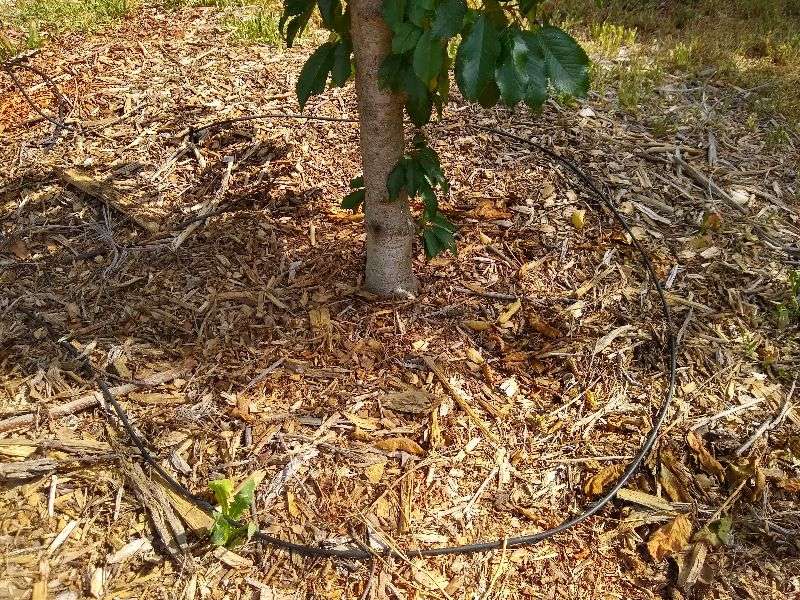
April in Florida often marks the beginning of the dry season across much of the peninsula. Rainfall becomes less reliable, temperatures rise steadily, and the soil can dry out faster than you might expect.
For citrus trees, which need consistent soil moisture to support fruit development and new root growth, this is the time to get both your mulching and watering habits in order.
A two-to-three-inch layer of organic mulch spread around the base of the tree, extending out to the drip line but kept a few inches away from the trunk, does a remarkable job of holding soil moisture between waterings. It also keeps soil temperatures more stable and gradually breaks down to add organic matter to Florida’s often nutrient-poor soils.
Pine bark, wood chips, and shredded leaves all work well.
On the irrigation side, citrus trees generally need about half an inch of water per week during dry periods. Drip irrigation or a slow soaker hose delivers water directly to the root zone with minimal waste, which is especially smart in parts of Florida under water-use restrictions during spring.
Deep, infrequent watering encourages roots to grow downward rather than staying shallow near the surface. Shallow roots make trees more vulnerable to drought stress later in summer, so building good watering habits in April pays dividends through the hotter months ahead.
7. How To Watch For Nutrient Deficiencies Before Yield And Quality Slip
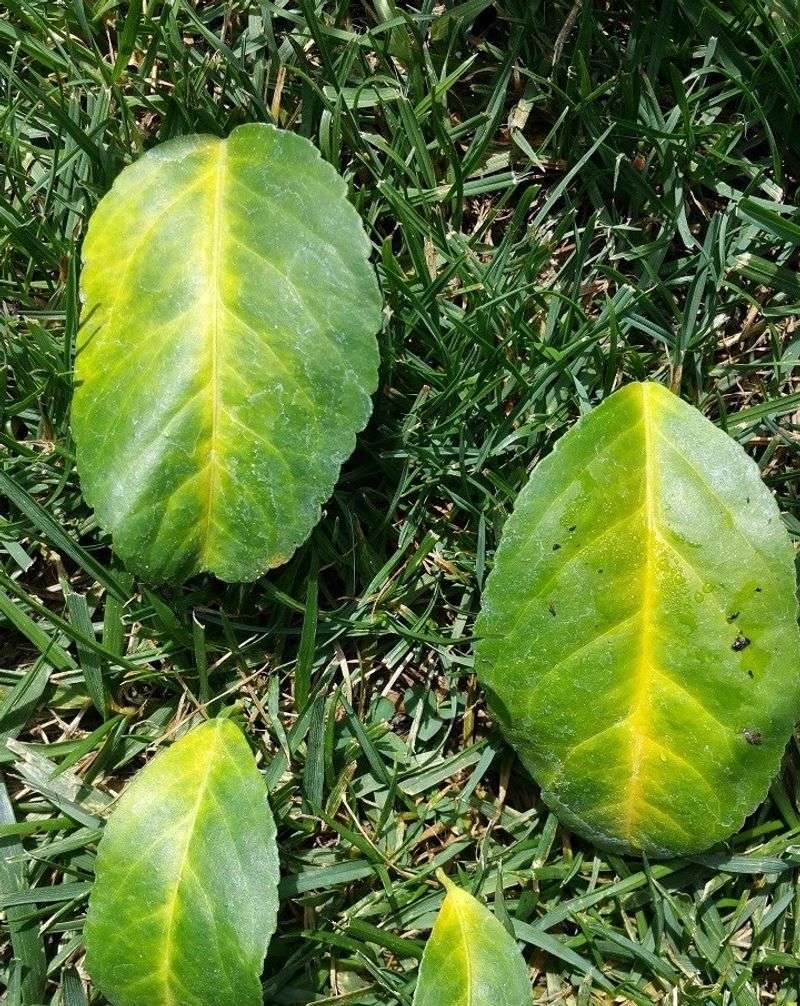
Florida’s sandy soils are notorious for being low in key micronutrients, and citrus trees are quick to show signs when something is missing. April’s new leaf flush is actually one of the best times to catch deficiency symptoms early, because fresh growth displays nutrient problems more clearly than older, darker leaves that have had time to compensate.
Yellowing between the leaf veins while the veins themselves stay green often points to an iron or manganese deficiency, both common in Florida’s alkaline or poorly draining soils. A more uniform yellowing across the whole leaf can suggest nitrogen is running low.
Magnesium deficiency shows up as a yellow blotch in the center of older leaves with the edges staying green, a pattern Florida growers sometimes call inverted green triangle.
Foliar sprays are a fast way to correct micronutrient deficiencies because the nutrients are absorbed directly through the leaf surface rather than having to move through the soil first. Products containing chelated iron, manganese, zinc, and magnesium are widely available at Florida garden centers and farm supply stores.
For broader nutritional support, a complete citrus micronutrient spray applied in spring covers several bases at once. Do not wait until fruit size or color is already affected to take action.
Catching and correcting deficiencies during active spring growth gives the tree time to recover before the heat of Florida’s summer arrives.
8. Why Weed Control Around Citrus Still Matters In Spring
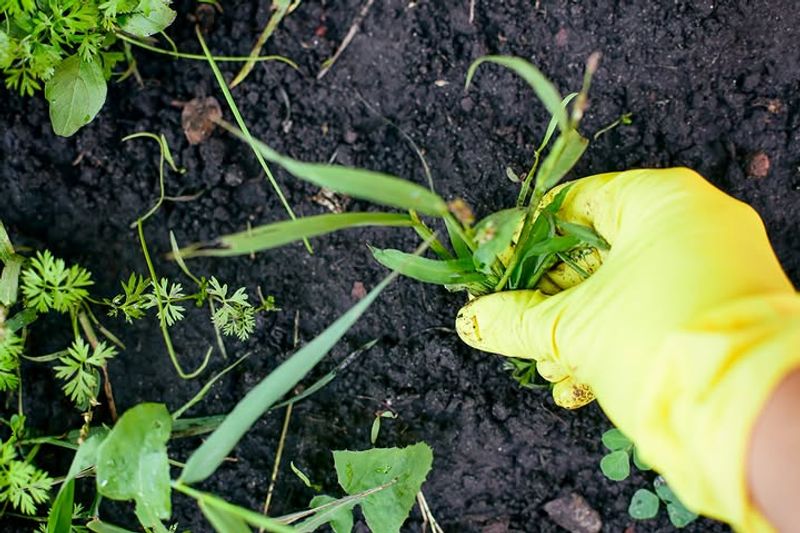
Weeds might seem like a minor concern compared to pests and fertilizer schedules, but letting them go unchecked around your Florida citrus trees in April can create real problems. Weeds compete directly with citrus roots for water and nutrients, and in Florida’s sandy soils where resources are already limited, that competition is more significant than most growers realize.
Tall weeds and grasses growing close to the trunk also create a humid microclimate at the base of the tree. That trapped moisture is exactly the kind of environment that encourages fungal root rots and foot rot, a serious citrus disease caused by Phytophthora that thrives in wet, poorly ventilated conditions.
Keeping the area around the trunk clear and dry significantly reduces that risk.
Hand-pulling weeds is the safest method close to the trunk, where herbicide contact with the bark or surface roots could cause damage. For the wider area under the canopy, a careful application of a pre-emergent herbicide in early spring can reduce weed germination for several weeks.
Always keep any herbicide spray away from the tree’s trunk and feeder roots. The combination of a clean weed-free zone and a good layer of mulch, as mentioned earlier, is one of the most effective and low-effort ways Florida citrus growers can protect their trees while keeping maintenance simple throughout the spring season.