Why You Should Grow Spicebush Along Your Fence In Ohio
A fence line can easily turn into an afterthought, a stretch that gets whatever is left over without much planning. In an Ohio yard, that space has more potential than it seems at first glance.
One native shrub, spicebush, has a way of transforming that edge without making a big show of it. It softens hard lines, adds quiet seasonal interest, and brings a sense of movement that makes the whole space feel more alive.
It does its job without demanding constant attention, which is exactly what most gardeners want along a boundary.
Once it settles in, that overlooked strip starts to feel like a natural extension of the rest of the garden.
1. A Native Shrub That Feels Right At Home In Ohio
Long before Ohio neighborhoods had fences, spicebush was already thriving in the forests and stream edges across the state. Lindera benzoin is a true Ohio native, meaning it evolved right alongside the local climate, soils, and wildlife that make this region unique.
You are not forcing it to adapt because it already belongs here.
Spicebush grows naturally in Ohio’s USDA hardiness zones 5 and 6, which covers nearly the entire state. It prefers the kind of conditions you often find along a fence line, including partial shade, moist soil, and a bit of shelter from harsh afternoon sun.
Woodland edges, stream banks, and shaded slopes are its natural home, and a fence row can mimic those conditions beautifully.
Because it evolved in Ohio’s ecosystem, spicebush is already prepared for cold winters, humid summers, and the unpredictable weather swings that come with living in the Midwest. It does not need special soil amendments or imported fertilizers to get going.
Ohio State University Extension recognizes spicebush as an excellent native shrub for home landscapes, particularly for naturalistic plantings along property edges.
Planting natives like spicebush also reduces your impact on local ecosystems. Non-native shrubs often lack the ecological relationships that wildlife depend on, while spicebush has spent thousands of years building those connections.
When you choose a plant that genuinely belongs in Ohio, your yard becomes more than just a pretty space. It becomes a small piece of functioning habitat that supports the broader natural world around it.
2. Dense Growth That Creates Natural Privacy Over Time
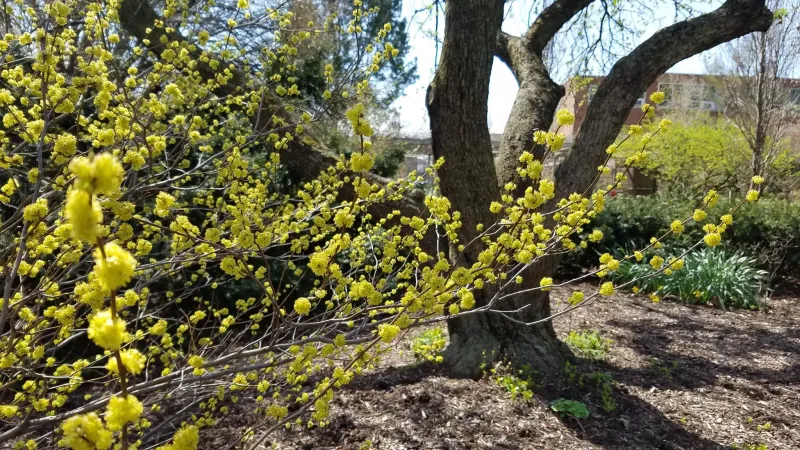
Not every privacy plant needs to be a stiff wall of arborvitae. Spicebush offers something softer and more natural looking, and over time it can fill in a fence line with enough density to give you real seclusion.
The key word here is patience, because this shrub grows at a moderate pace and rewards those who plan ahead.
Spicebush typically reaches between 6 and 12 feet tall and spreads nearly as wide, forming a rounded, multi-stemmed shape that works well along fences.
It tends to branch outward as much as upward, which means a row of plants spaced 5 to 6 feet apart will gradually knit together into a layered, leafy screen.
The foliage is dense enough during the growing season to block sightlines from neighboring yards or roads.
Your Ohio Garden Changes Every Week. Your Plan Should Too.
Gardening in Ohio changes quickly throughout the season. Every Friday you’ll receive a simple weekly plan showing exactly what to plant, prune, fertilize, harvest, and protect so you never miss the right timing.
Unlike some fast-growing privacy shrubs that look scraggly or require constant trimming to stay tidy, spicebush has a naturally appealing form that looks intentional without much effort.
You may do some light shaping to encourage fullness near the base, but heavy pruning is rarely needed.
Its arching branches give it a relaxed, woodland character that blends well with Ohio gardens.
Keep in mind that spicebush is deciduous, so it will lose its leaves in winter. For year-round screening, some gardeners pair it with a few native evergreens like Eastern red cedar planted at intervals.
But for three full seasons of lush, green privacy, spicebush delivers a genuinely beautiful and ecologically sound alternative to the usual fence-line choices.
3. Early Spring Flowers That Feed Pollinators First
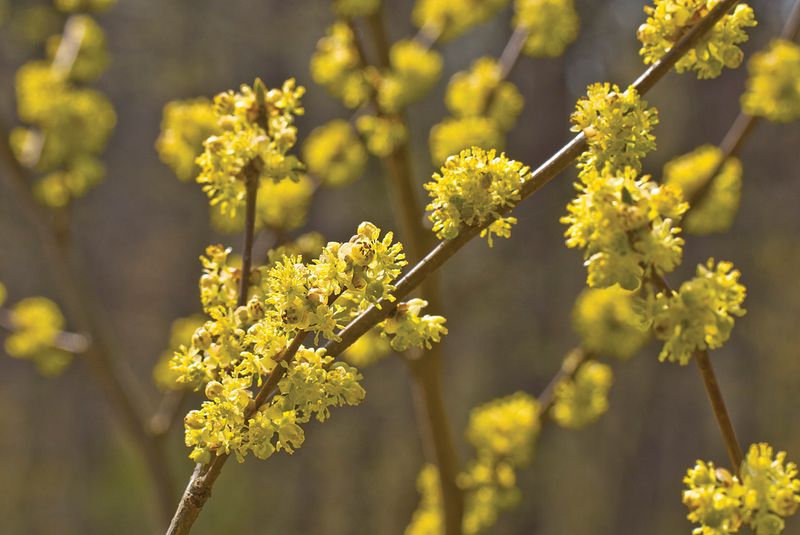
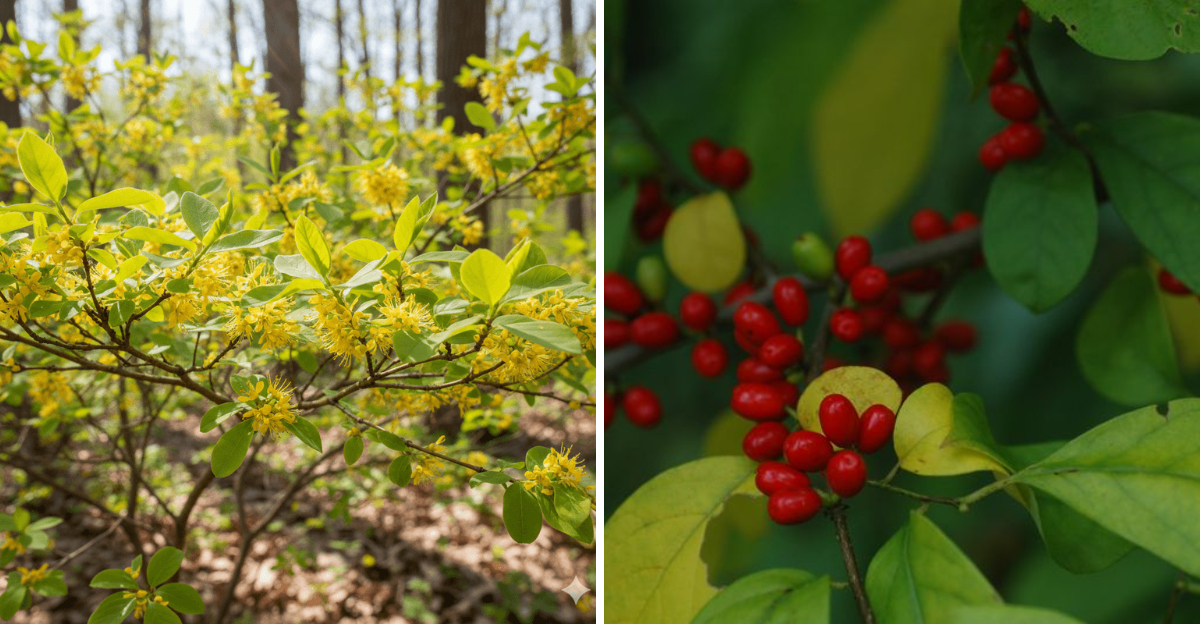
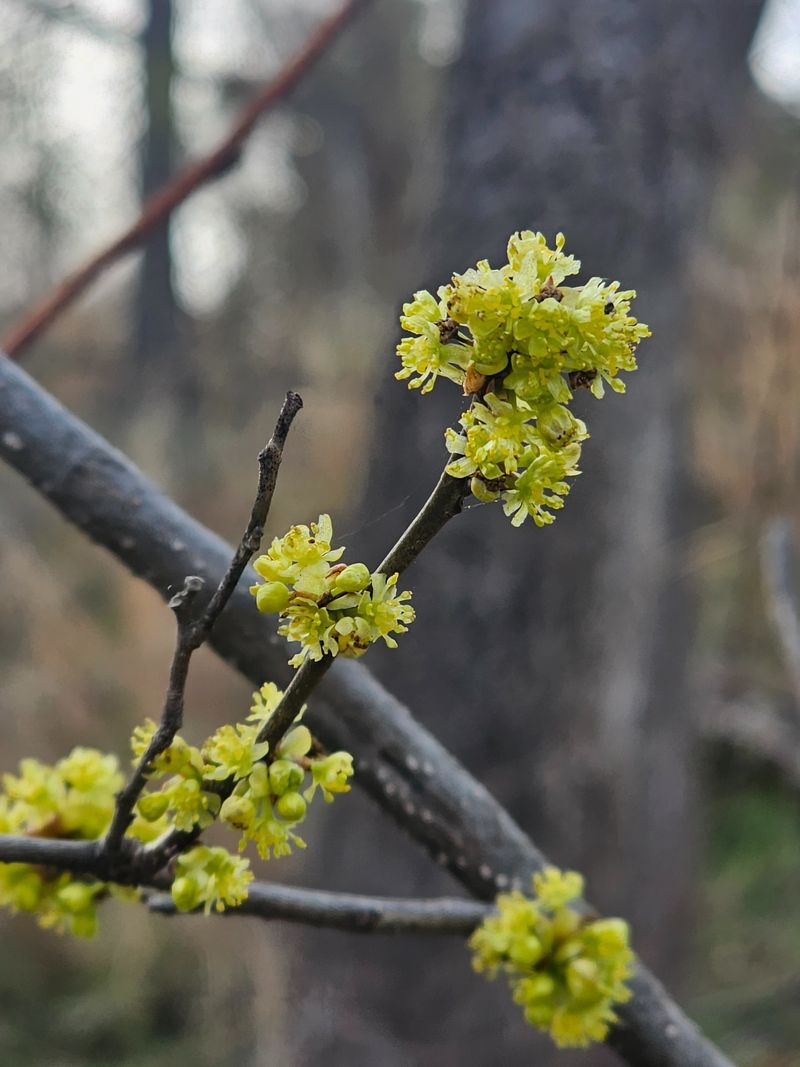
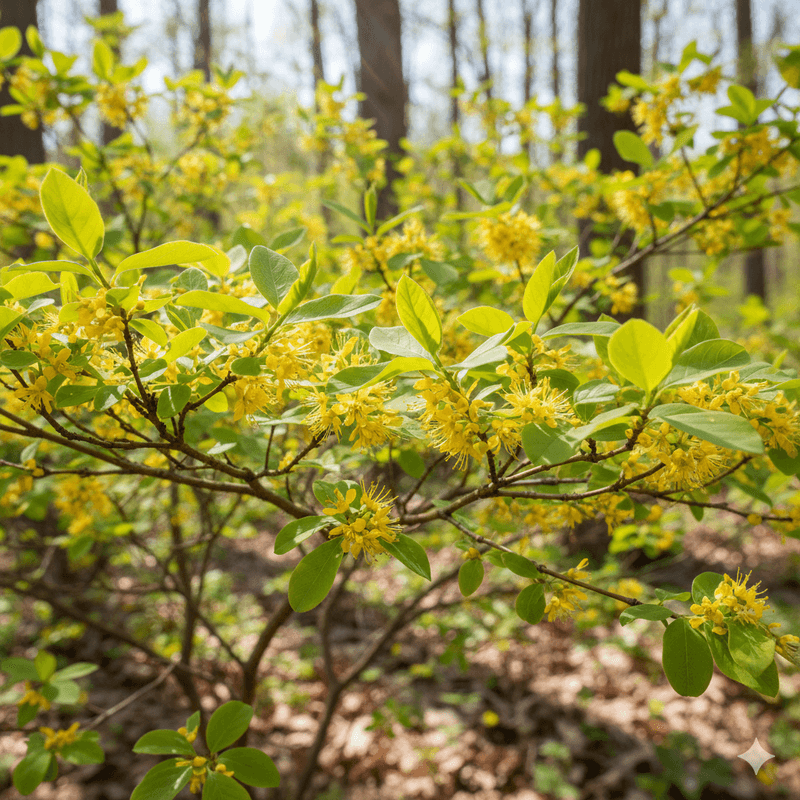
Before most of your garden even wakes up, spicebush is already doing something remarkable. In late February through early April, depending on the year, its bare branches suddenly light up with clusters of tiny, bright yellow flowers.
It is one of the earliest woody plants to bloom in Ohio, and that timing matters more than most people realize.
Early spring is a critical moment for native bees and other pollinators. Many species emerge from overwintering just as temperatures start to climb, and they desperately need food sources before most flowers open.
Spicebush steps in at exactly the right moment, offering nectar and pollen when almost nothing else is available.
According to resources from Ohio State University Extension, this early bloom period makes spicebush especially valuable for native bee populations that are just starting their season.
The flowers are small but plentiful, and they carry a light, spicy fragrance that adds a pleasant bonus to early spring walks in the yard. They appear directly on the stems in tight little clusters, creating a cheerful yellow haze across the plant before a single leaf unfurls.
It is a genuinely striking sight in a yard that is otherwise still brown and dormant.
Gardeners who want to support pollinators often focus on summer bloomers, but the early season gap is just as important. By planting spicebush along your fence, you are filling that gap with a reliable native option.
Your fence line becomes a welcome rest stop for the first bees of the year, and that ecological contribution ripples outward in ways a non-native shrub simply cannot match.
4. Bright Red Berries That Bring Birds To Your Yard
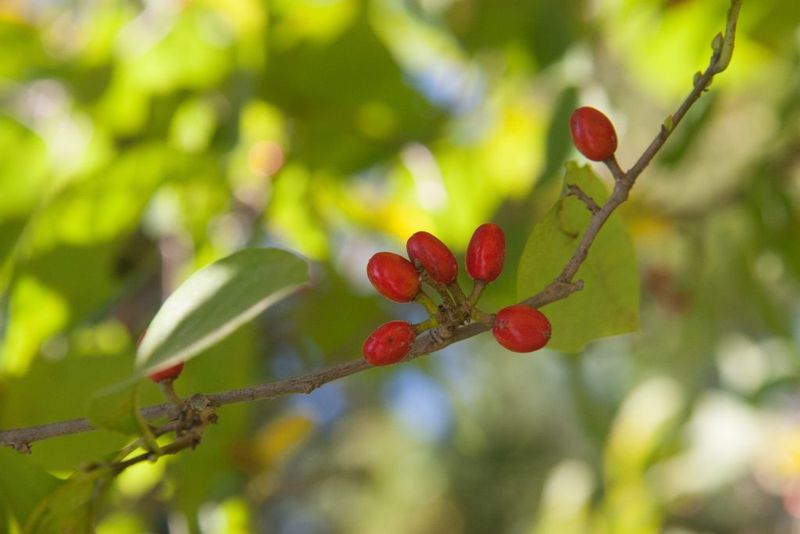
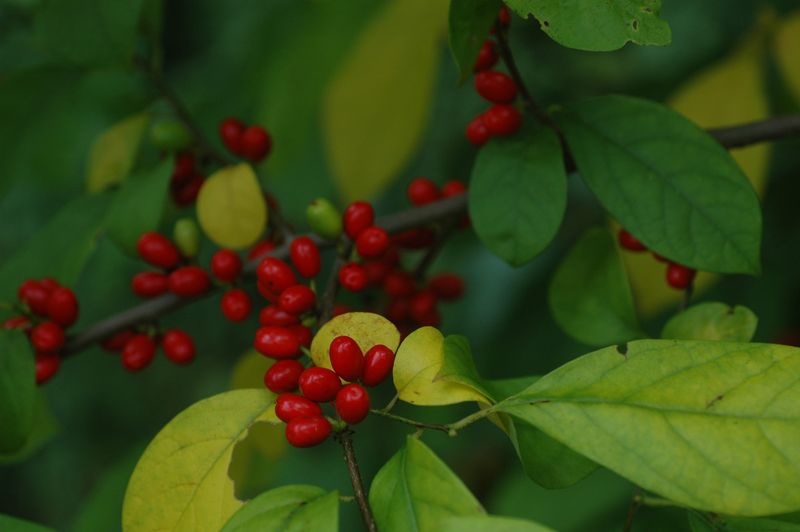
Come late summer and early fall, female spicebush plants put on a show that songbirds simply cannot resist. The shiny, oval berries ripen to a vivid red color, standing out brilliantly against the still-green foliage.
If you have ever wanted to attract more birds to your yard without hanging a dozen feeders, this shrub is a genuinely effective natural solution.
The berries are rich in fats and nutrients, which makes them especially attractive to migratory birds that are fueling up before long journeys south.
Species like wood thrushes, veeries, great crested flycatchers, and several warblers are known to seek out spicebush berries during fall migration.
Having a fruiting shrub along your fence essentially turns your yard into a reliable refueling station during one of the most dramatic wildlife events of the year.
One thing worth knowing is that spicebush is dioecious, meaning individual plants are either male or female. Only female plants produce berries, but you need at least one male plant nearby to ensure pollination.
Planting a mix of both gives you the best chance of a reliable berry crop each season. Many native plant nurseries in Ohio sell plants that are already sexed, so ask when you purchase.
Beyond the birds, the berries also add a splash of seasonal color to your fence line right when summer starts to wind down. The contrast between those jewel-bright red clusters and the surrounding foliage is genuinely eye-catching.
It is one of those small garden moments that makes you glad you chose a plant with real ecological purpose rather than just a decorative one.
5. Golden Fall Color That Stands Out Along Fences
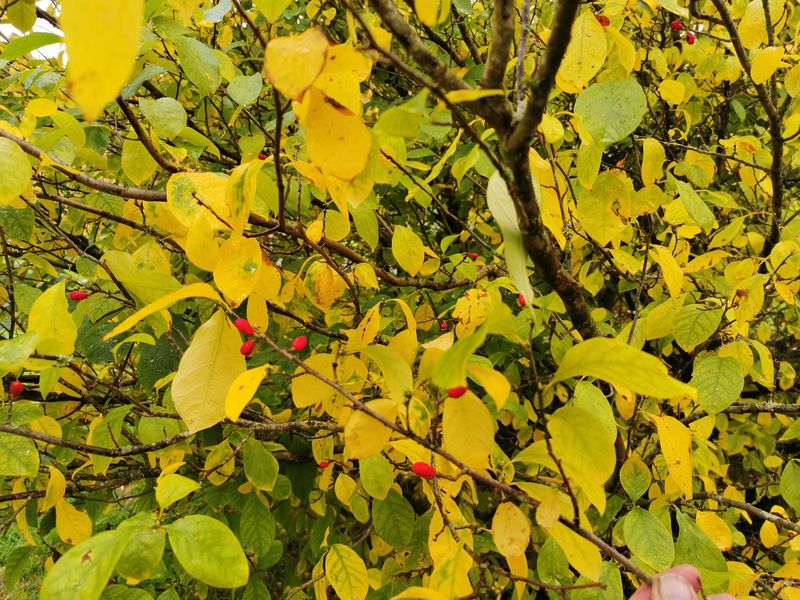
Most people plant spicebush for its wildlife value and then get pleasantly surprised by what happens in October. The foliage turns a clear, warm golden yellow that practically glows in autumn sunlight.
Along a fence line, a row of spicebush in fall color creates a vivid visual boundary that draws the eye in the best possible way.
Ohio falls can be spectacular, and spicebush fits right into that seasonal palette. Unlike some shrubs that turn a muddy yellow-brown before dropping their leaves, spicebush holds a cleaner, brighter gold that remains attractive for several weeks.
It pairs naturally with the oranges and reds of nearby maples and oaks, adding another warm layer to the overall fall landscape picture.
The fall display is not just about looks. As the leaves change and eventually drop, they decompose and return organic matter to the soil beneath the shrub.
This natural leaf litter supports ground-nesting insects and provides habitat for overwintering invertebrates, making even the end of the season ecologically productive. You do not need to rake up every leaf that falls from your spicebush because leaving some in place actually benefits the local food web.
If you have been looking for a way to add more seasonal interest to a fence line without planting a whole collection of ornamental trees, spicebush earns its keep across all three active seasons.
Spring brings yellow flowers, summer delivers lush green privacy, and fall closes things out with that warm golden finale.
Few native shrubs offer that kind of consistent, season-to-season visual reward with so little intervention from the gardener.
6. Handles Shade Better Than Most Privacy Plants
Shady fence lines are notoriously difficult to plant. Many popular privacy shrubs, including arborvitae and burning bush, struggle or look thin and unhappy without adequate sun.
Spicebush flips that script entirely by actually preferring the kind of partial shade that many Ohio fence lines naturally receive.
In its native habitat, spicebush grows as an understory shrub beneath taller trees, which means it evolved to handle filtered light and dappled shade with ease.
It performs well in conditions ranging from full shade to partial sun, though it tends to fruit more generously with a few hours of direct light each day.
For a fence that sits under or near tree canopy, spicebush is one of the most practical native options available.
Many Ohio homeowners deal with fence lines that are shaded for much of the day, especially in older neighborhoods where mature trees have grown to dominate the canopy. Standard nursery shrubs often sulk in those spots, producing sparse foliage and little visual appeal.
Spicebush, by contrast, fills in steadily and maintains healthy, attractive growth even in those challenging low-light locations.
It also tolerates the moist, slightly compacted soil that tends to collect near fences and under tree drip lines. That combination of shade tolerance and adaptability to less-than-perfect soil makes it genuinely useful in spots where other shrubs simply give up.
Ohio State University Extension recommends spicebush specifically for shaded and woodland-edge planting situations, which lines up perfectly with the conditions many homeowners are already working with along their fence lines.
7. Low Maintenance Once It Gets Established
Gardening is supposed to be enjoyable, not a second job. One of the most practical reasons to choose spicebush for your fence line is how little it asks of you once it settles in.
The first year or two require some attention, but after that, this shrub largely takes care of itself.
During the establishment period, consistent watering is the most important thing you can do. Spicebush prefers moist soil, so watering deeply once or twice a week during dry spells in the first two growing seasons helps it develop a strong root system.
After that, it becomes quite resilient and can handle normal Ohio rainfall patterns without much supplemental watering. Mulching around the base helps retain moisture and keeps the root zone cool during summer heat.
Fertilizing is rarely necessary if the soil has decent organic content. Spicebush is not a heavy feeder, and pushing it with fertilizer can actually encourage weak, floppy growth.
A layer of compost worked into the planting hole at the start is usually all it needs. Pruning needs are minimal as well.
You might remove a withered stem here or there in early spring, but the natural form of the plant is attractive enough that heavy shaping is not required.
Spicebush is also notably resistant to deer browsing, which is a real bonus in many Ohio suburban and rural areas where deer pressure is high. Its aromatic foliage seems to deter browsing, giving it a practical edge over more palatable shrubs.
For a homeowner who wants a fence line that looks great without constant upkeep, spicebush delivers exactly that kind of low-effort, high-reward gardening experience.
8. A Host Plant That Supports Swallowtail Butterflies
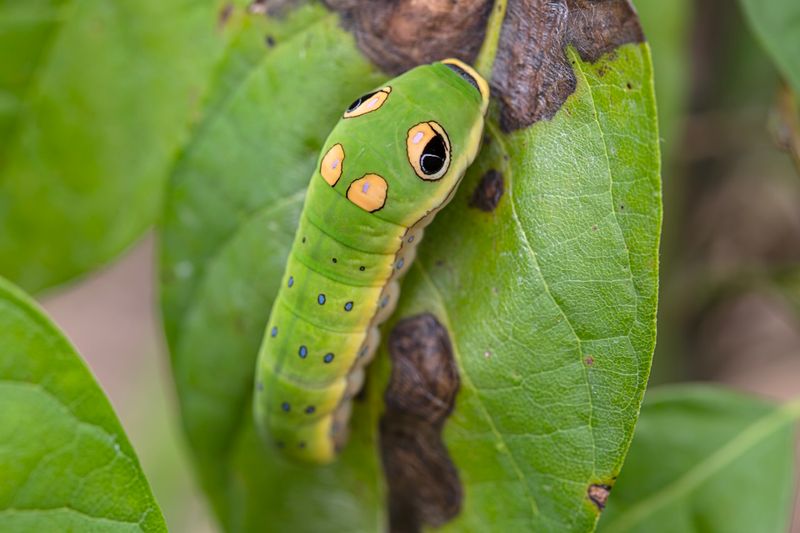
Few gardening discoveries are as exciting as spotting a fat, green caterpillar with bold eye spots curled up inside a rolled spicebush leaf.
That is the larva of the spicebush swallowtail butterfly, one of Ohio’s most beautiful native butterflies, and your fence-line shrubs could be exactly what it needs to complete its lifecycle.
Spicebush is the primary host plant for Papilio troilus, the spicebush swallowtail. Female butterflies seek out spicebush leaves to lay their eggs because the caterpillars can only develop on a small number of specific plants.
Without host plants like spicebush present in the landscape, this butterfly simply cannot reproduce in your area. Planting spicebush is one of the most direct things a homeowner can do to support this species locally.
The caterpillars are fascinating to observe. Early instars mimic bird droppings as a defense strategy, while later instars develop those dramatic false eye spots to startle predators.
They roll leaves around themselves for shelter, creating little leaf tubes that are easy to spot if you look closely. Watching the full transformation from egg to adult butterfly in your own yard is one of the genuine rewards of native plant gardening.
The adult spicebush swallowtail is a striking butterfly with blue-green iridescent hindwings that shimmer in sunlight. Seeing one patrol your fence line or visit nearby flowers is a reminder that your planting choices have real consequences for local wildlife.
By growing spicebush, you are not just adding a shrub to your yard. You are actively participating in the conservation of a native butterfly species that depends on exactly this kind of thoughtful habitat planting.