April Tasks That Trigger Bigger Hydrangea Blooms In Texas Gardens
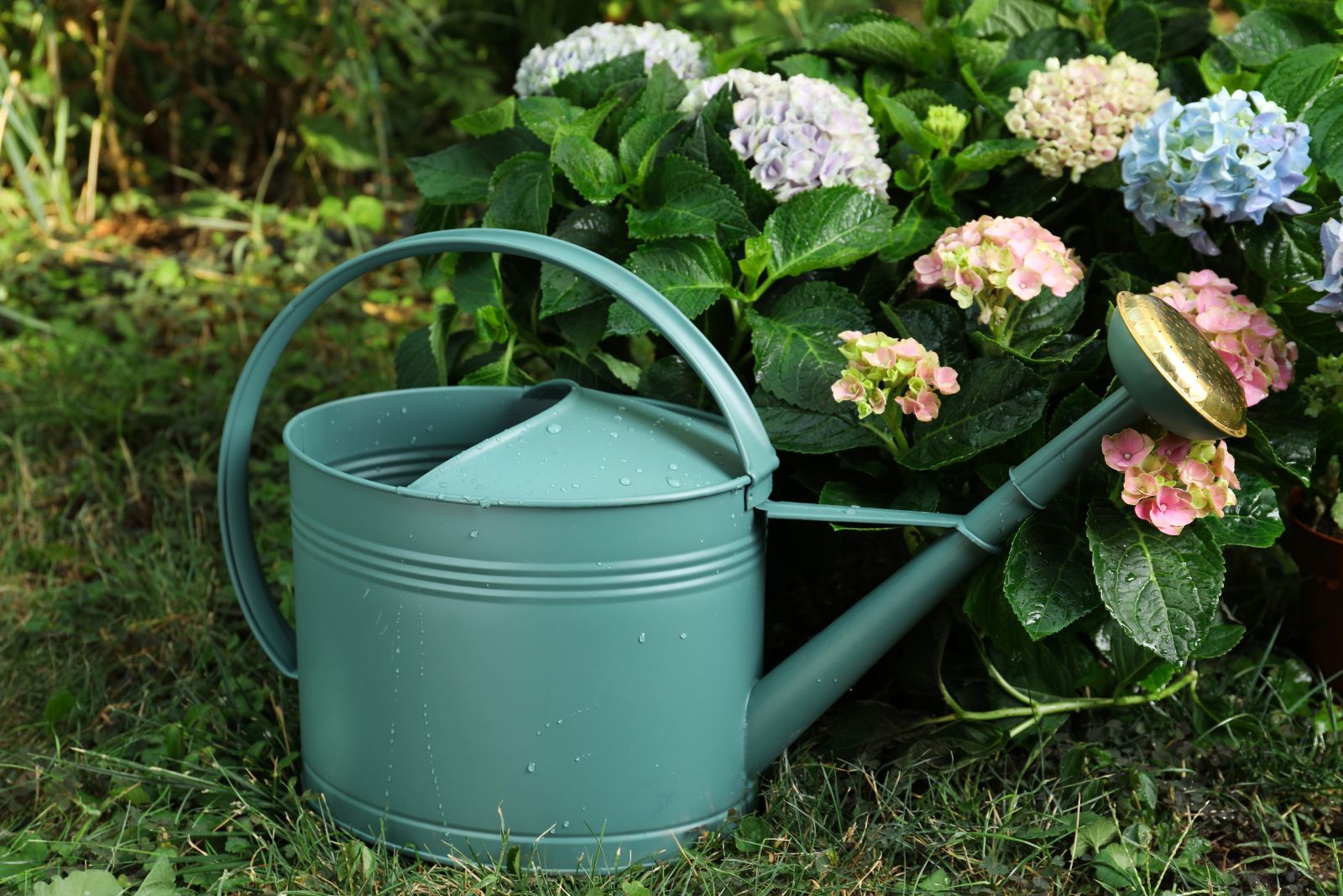
Hydrangeas know how to steal the show when they are happy. Those big, colorful blooms can make a Texas garden feel lush in a hurry, but they do not usually happen by accident.
April is the month when small choices start shaping what those plants will look like later on. With the weather warming up and new growth picking up speed, this is the time when a few smart tasks can set your hydrangeas up for a much more impressive bloom season.
That is especially important in Texas, where hydrangeas can be a little dramatic about heat, sunlight, and moisture. Miss the right window in spring, and you may still get greenery, but not the full flower show you were hoping for.
The good news is that bigger blooms do not always require complicated tricks or expensive products.
Often, it comes down to doing the basics at the right moment and not overlooking the details that matter most. If you want fuller, showier hydrangeas this season, April is when the real work begins.
1. Prune Based On Your Hydrangea Type
Not all hydrangeas are the same, and pruning them the wrong way can cost you a whole season of blooms.
Before you grab your shears, figure out what type of hydrangea you have growing in your Texas garden. Getting this right is one of the most important steps you can take in April.
Bigleaf and oakleaf hydrangeas bloom on old wood, meaning the flower buds formed last year. If you cut these back hard, you will remove the buds and end up with no flowers.
For these types, just remove any stems that look damaged or crossed, and clean up the shape a little without going overboard.
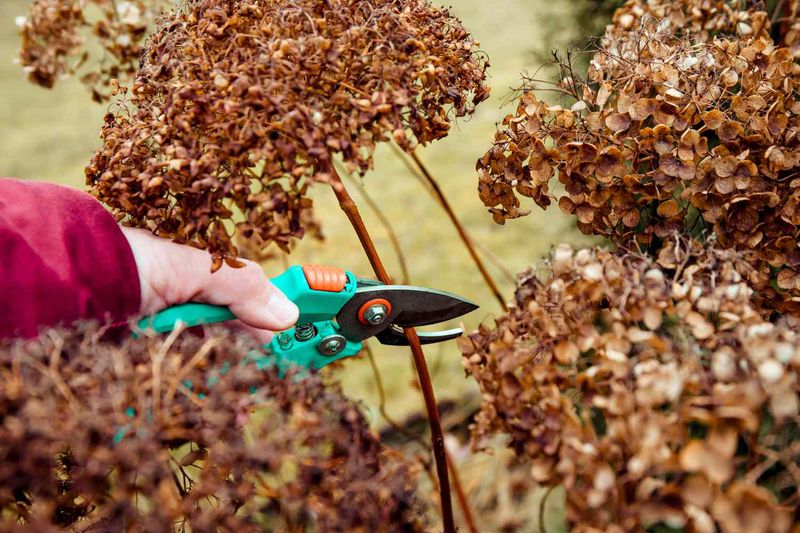
Smooth hydrangeas, like Annabelle, and panicle types bloom on new wood, which means fresh growth that sprouts this spring. You can cut these back by about one-third to one-half in early April without any worry.
Cutting them back actually encourages more branching, which leads to more flower heads and bigger blooms overall.
In Texas, the growing season moves fast because of the heat. So timing your pruning in early April gives your plants enough time to push out strong new growth before summer really kicks in.
Use clean, sharp pruning shears to make smooth cuts just above a healthy bud or leaf node. If you are not sure what type you have, look up the variety name on the plant tag or take a photo to a local Texas nursery.
A little research now saves you from a summer of empty stems and missed bloom potential.
2. Feed With A Balanced Fertilizer
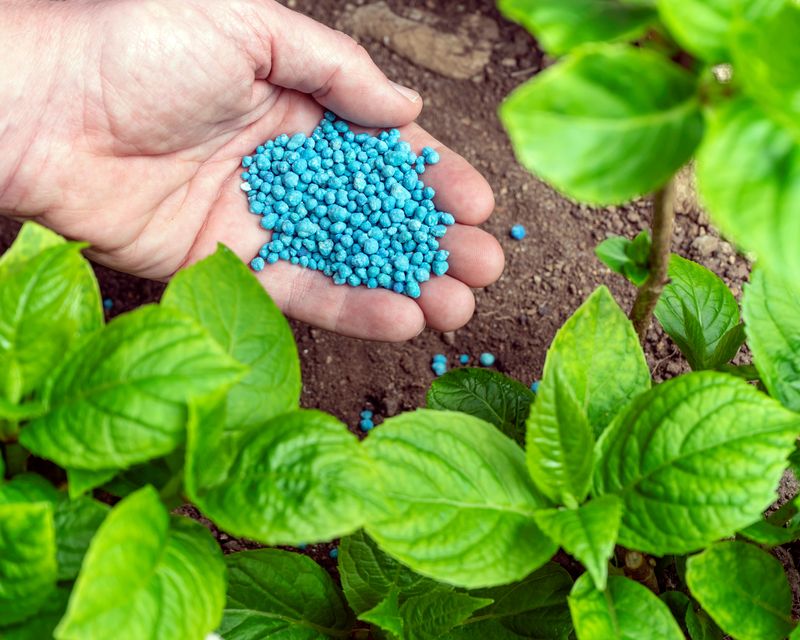
Hungry plants cannot produce big blooms. April is the month when hydrangeas in Texas shift into active growth mode, and that means they need fuel to perform their best.
Giving them the right fertilizer at the right time can seriously boost the size and number of flowers you get this season.
A balanced, slow-release fertilizer with equal parts nitrogen, phosphorus, and potassium works really well for hydrangeas in spring. Look for a 10-10-10 formula or something similar at your local garden center.
Your Texas Garden Changes Every Week. Your Plan Should Too.
Gardening in Texas changes quickly throughout the season. Every Friday you’ll receive a simple weekly plan showing exactly what to plant, prune, fertilize, harvest, and protect so you never miss the right timing.
Slow-release options are great because they feed your plants steadily over several weeks instead of all at once, which prevents burning and keeps growth consistent.
Sprinkle the fertilizer evenly around the base of each plant, staying a few inches away from the main stem. Then water it in well so the nutrients start moving down into the root zone.
You do not need to overdo it. Too much nitrogen can push leafy growth at the expense of blooms, so follow the package directions carefully.
In Texas, where soils can vary a lot from region to region, it helps to do a soil test before fertilizing.
Some areas have clay-heavy soil that holds nutrients well, while sandy soils drain fast and may need more frequent feeding. Your local Texas A&M AgriLife Extension office can help you get a soil test done affordably.
Feeding your hydrangeas once in April and then again in June or July is usually enough for a strong bloom season. Avoid fertilizing too late in the year, as this can encourage tender growth that struggles in the summer heat.
3. Water Deeply And Consistently
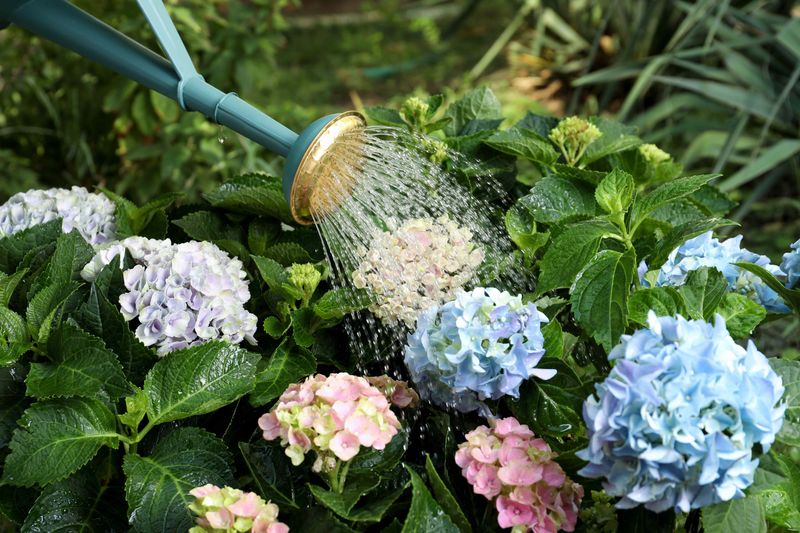
Hydrangeas are thirsty plants, and their name actually comes from the Greek word for water. That tells you something important about what they need to thrive.
In Texas, where temperatures can spike quickly in spring, getting your watering routine right in April sets the foundation for bigger, healthier blooms later on.
Watering deeply is the key. Shallow watering only wets the top layer of soil, which encourages roots to stay near the surface.
Deep watering pushes moisture further down, which trains roots to grow deeper. Deeper roots mean the plant can handle heat better and access more nutrients from the soil below.
Aim to water your hydrangeas deeply once or twice a week in April, depending on how much rain Texas is getting in your area. Stick your finger about two inches into the soil near the base of the plant.
If it feels dry, it is time to water. If it still feels moist, wait another day or two before checking again.
Morning is the best time to water. Watering early gives the leaves time to dry out during the day, which helps prevent fungal problems that can show up in humid Texas conditions. Avoid soaking the leaves when possible and aim the water at the base of the plant instead.
Drip irrigation or soaker hoses are excellent tools for hydrangeas in Texas gardens. They deliver water slowly and directly to the root zone, reducing waste and keeping the moisture right where the plant needs it most.
Setting up a consistent system in April pays off big when summer heat arrives.
4. Add Fresh Mulch Around The Base
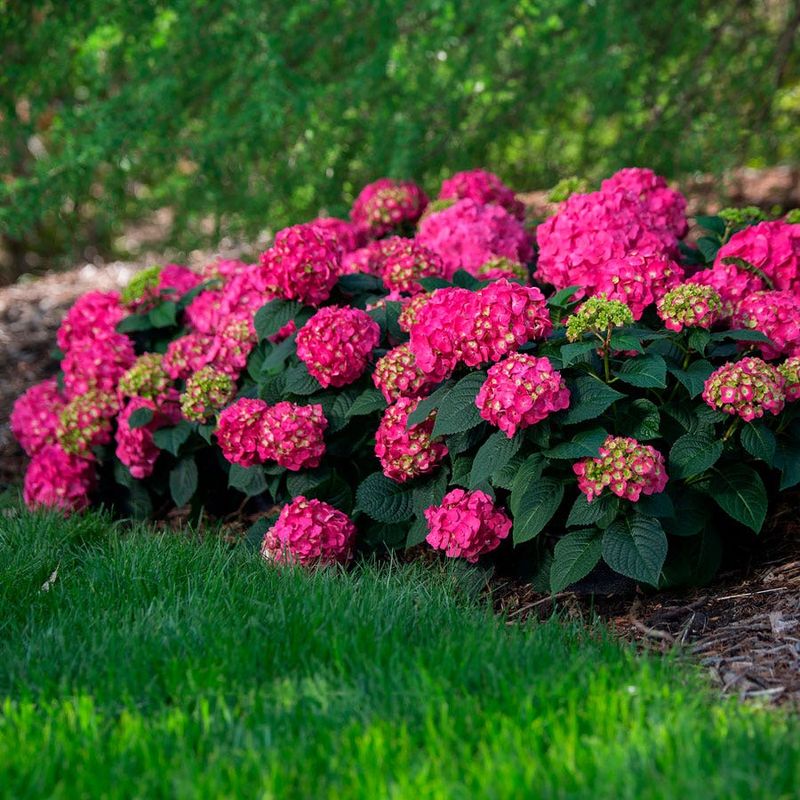
Mulch might seem like a simple thing, but it does some seriously heavy lifting in a Texas garden. Laying down a fresh layer around your hydrangeas in April is one of the smartest moves you can make before the heat of summer really builds.
It protects the roots, keeps moisture locked in, and helps your plants focus their energy on producing gorgeous blooms.
A two to three inch layer of organic mulch works best. Shredded wood, bark chips, pine straw, or shredded leaves are all great options.
Spread the mulch evenly around the base of each plant, but keep it a few inches away from the main stem. Mulch piled against the stem can trap moisture and cause rot, so give the base a little breathing room.
One of the biggest benefits of mulching in Texas is temperature regulation. The soil under a good layer of mulch stays noticeably cooler than bare soil.
Hydrangeas have shallow roots, and those roots are sensitive to heat. Keeping them cool through April and into the brutal Texas summer months helps the plant stay strong and keep pushing out blooms.
Mulch also breaks down over time and adds organic matter back into the soil, which improves its overall quality. This is especially helpful in areas of Texas where the soil is sandy or clay-heavy and does not naturally hold moisture well.
Refreshing your mulch every spring is a simple habit that makes a real difference. It takes maybe thirty minutes per plant area, and the payoff in bloom size and plant health is absolutely worth the effort throughout the growing season.
5. Protect From Harsh Afternoon Sun
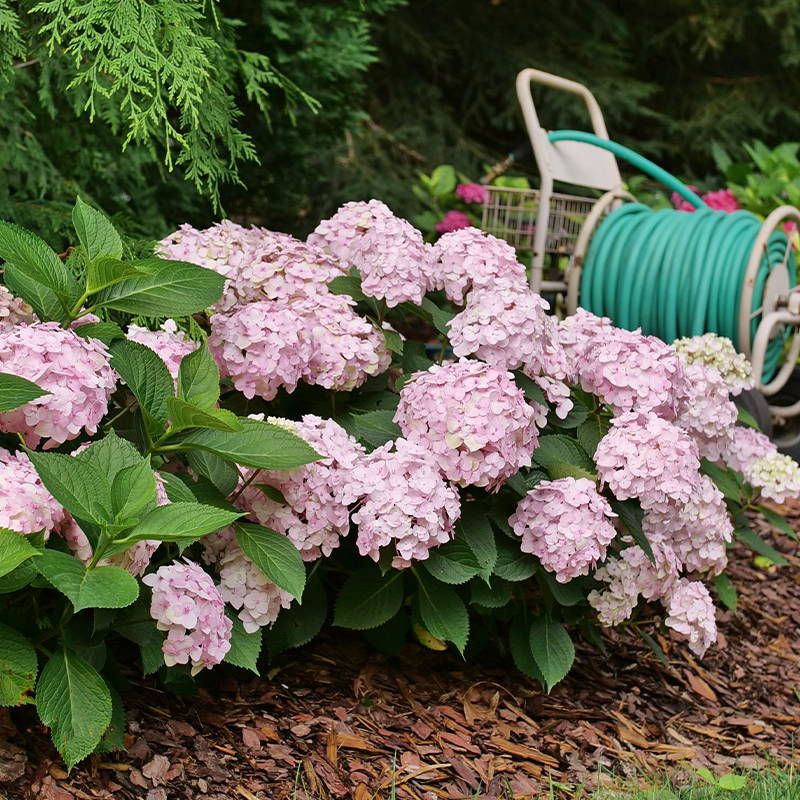
Anyone who has gardened in Texas knows that the afternoon sun is no joke. By midday, temperatures can climb fast, and that intense heat can stress hydrangeas in a hurry.
Protecting your plants from harsh afternoon sun is a step that many gardeners overlook, but it can make a dramatic difference in how well your hydrangeas bloom each season.
Hydrangeas in Texas generally do best with morning sun and afternoon shade. Morning light is gentler and gives plants the energy they need for photosynthesis without scorching the leaves.
Afternoon shade acts like a shield, keeping the plant cooler and reducing water loss through the leaves during the hottest part of the day.
If your hydrangeas are currently planted in a spot that gets full afternoon sun, April is a good time to think about whether they need some help. You can plant fast-growing shrubs or small trees nearby to create natural shade over time.
Another option is to install a shade cloth that blocks about thirty to forty percent of sunlight during peak afternoon hours.
In parts of Texas like Houston, San Antonio, and Dallas, where summer heat builds early, getting shade coverage in place before May is a smart move. Even a few hours of afternoon protection can reduce heat stress dramatically and keep your hydrangeas looking fresh and vibrant.
Wilting leaves in the afternoon are a common sign that your hydrangeas are getting too much sun. If you notice this happening regularly, do not wait too long to act.
Moving a plant is possible in early spring, but it is best done carefully to avoid disturbing the root system during active growth.
6. Improve Soil With Organic Matter
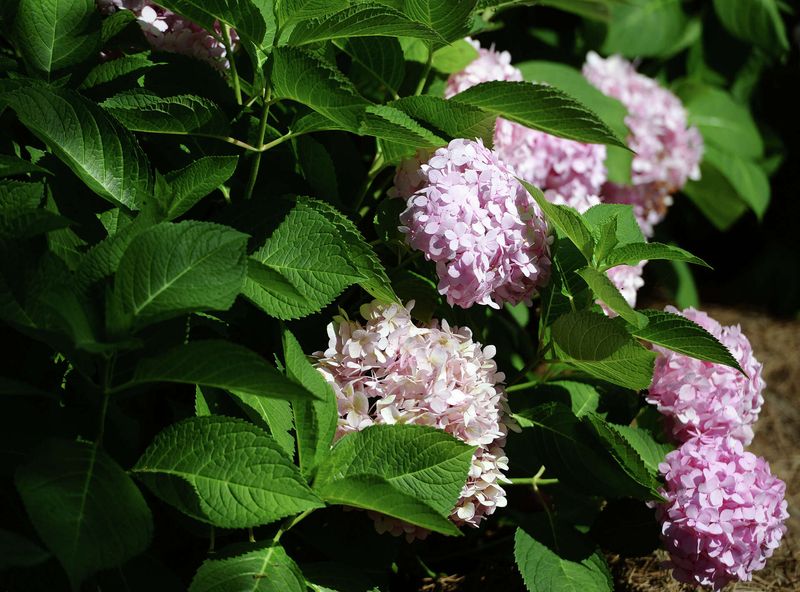
Great blooms start with great soil. Hydrangeas are pretty particular about their growing conditions, and the quality of your soil plays a huge role in how big and vibrant those flowers get.
April is the perfect time to work some organic matter into the ground around your plants before the growing season really takes off across Texas.
Compost is the gold standard for improving garden soil. It adds nutrients, improves drainage in clay-heavy soils, and helps sandy soils hold onto moisture longer.
You can mix compost into the top few inches of soil around your hydrangeas, or simply spread a one to two inch layer on top of the soil as a top dressing. Either way, the benefits are real and noticeable.
Well-aged compost also encourages helpful microbes and earthworms to move into your garden bed. These tiny workers break down organic material and make nutrients more available to plant roots.
Healthy soil biology equals healthier plants, and healthier plants produce bigger, more impressive blooms.
In Texas, soil conditions vary a lot depending on where you live. North Texas often has clay-heavy soil that compacts easily.
Coastal areas near Houston tend to have more sandy or silty soil. Adding organic matter regularly helps correct both of these problems over time, creating a looser, more balanced growing environment that hydrangeas love.
You can also add a small amount of aged manure or leaf mold to the mix for extra richness. Just avoid using fresh manure, which can be too strong and may harm roots.
Building better soil in April gives your hydrangeas a strong foundation for the entire blooming season ahead in your Texas garden.