7 Signs Your Arizona Citrus Tree Is Stressed In April And What To Do
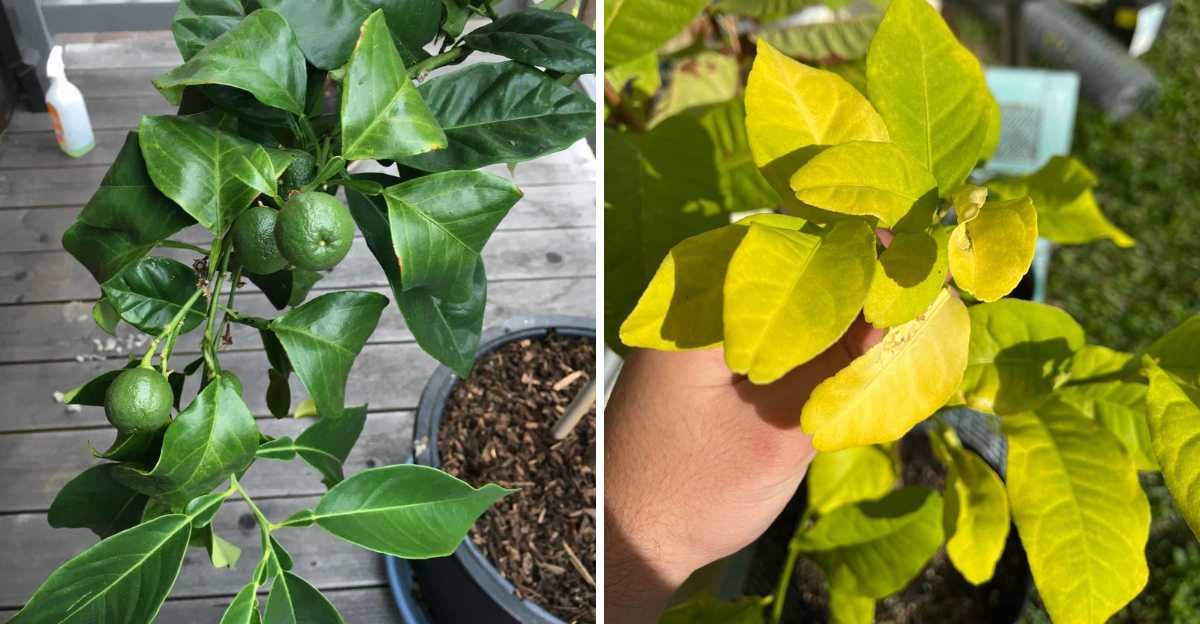
Arizona citrus can look fine at a glance in April, yet small changes start to show when something is off. Leaves may lose their shine, new growth can come in uneven, and the tree may not look as full as it should for this time of year.
Those early signs are easy to miss, especially when the tree still carries a healthy shape overall. A closer look often reveals subtle shifts that point to stress building before the heat really settles in.
April sets the stage for how the tree handles the months ahead, and ignoring those signals can lead to bigger problems once temperatures rise.
Catching those changes early makes it easier to keep the tree strong, balanced, and ready to produce the way it should.
1. Yellowing Leaves Start Showing Up Fast
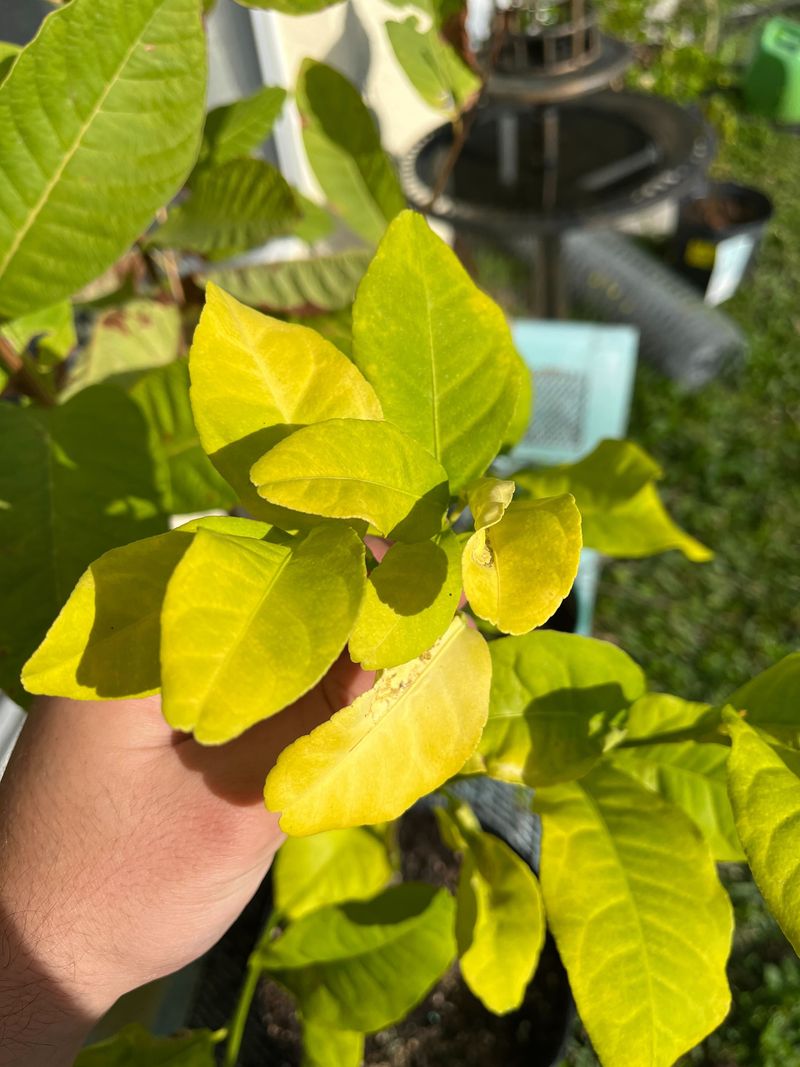
Pale yellow leaves spreading across your citrus tree in April are not just an eyesore. Most of the time, yellowing in Arizona citrus points to a nitrogen deficiency, especially after winter when the tree starts pushing new growth and drains its stored nutrients fast.
April is prime time for this to show up.
Check whether the yellowing is happening on older leaves toward the inside of the canopy or on new growth at the tips. Older leaf yellowing usually signals nitrogen loss, while yellowing on new growth can point to iron or zinc issues, which are common in Arizona’s alkaline soils.
A citrus-specific fertilizer with nitrogen applied in early spring can help restore color over several weeks. Look for a formula labeled for citrus and follow the package rate.
Do not over-apply, since too much nitrogen pushes leafy growth at the expense of fruit.
If you are watering with hard water, your soil pH may be creeping high, which locks out micronutrients even when they are present. A soil acidifier like sulfur can help bring pH down over time.
Testing your soil at least once a year gives you solid ground to work from instead of guessing.
2. Leaves Curl And Look Tired By Midday
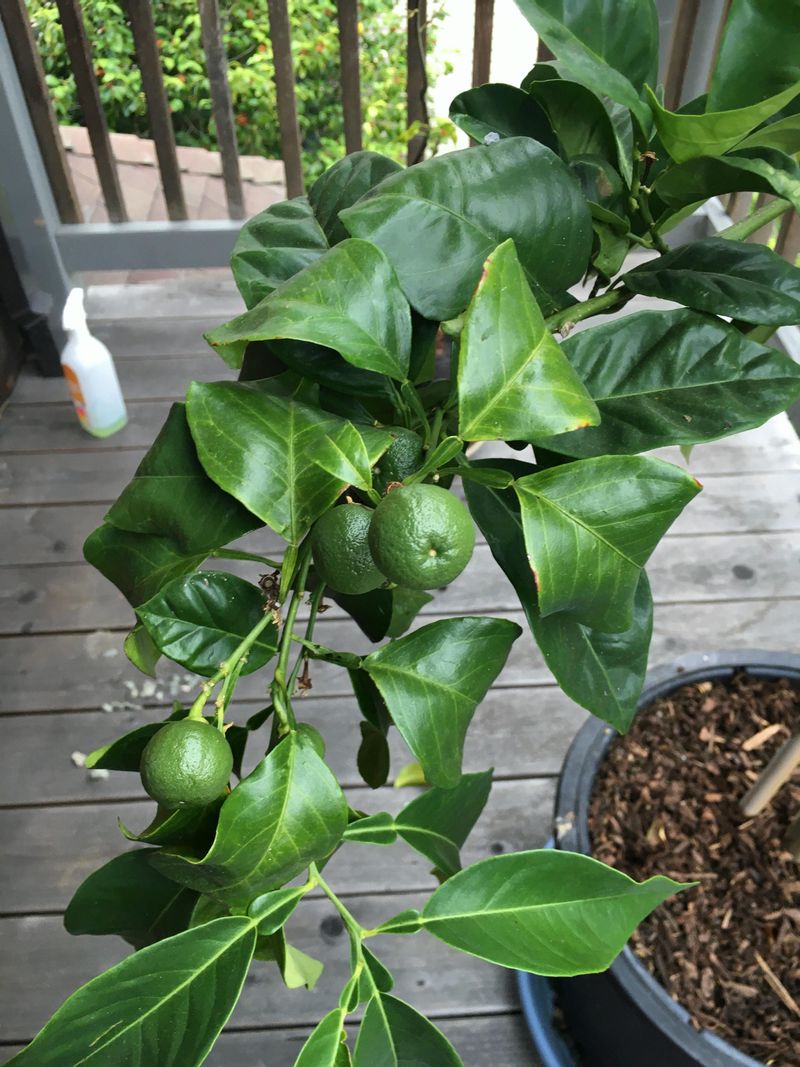
Curled leaves drooping by noon are one of the clearest signals that your citrus tree is struggling with water stress. Arizona April days can hit the upper 90s without much warning, and a tree that was fine last week can start showing this sign quickly once the heat ramps up.
Leaf curling happens when the tree pulls moisture back from its leaves to protect its core functions. It is a survival response, not a sign of permanent damage, but it does mean the tree is running low on available water.
Catching it early matters.
Deep watering is the fix here. Shallow, frequent watering trains roots to stay near the surface, which makes heat stress worse.
Instead, water slowly and deeply out to the drip line, reaching at least two feet down into the soil. A slow drip system or a long soaking session works better than a quick spray.
Watering frequency in April should increase compared to winter. Most established citrus in the Phoenix and Tucson areas need water every seven to ten days in April, but that schedule can shift quickly as temperatures spike.
Your Arizona Garden Changes Every Week. Your Plan Should Too.
Gardening in Arizona changes quickly throughout the season. Every Friday you’ll receive a simple weekly plan showing exactly what to plant, prune, fertilize, harvest, and protect so you never miss the right timing.
Stick your finger or a soil probe six inches into the ground to check moisture before every irrigation.
3. Fresh Growth Comes In Weak And Thin
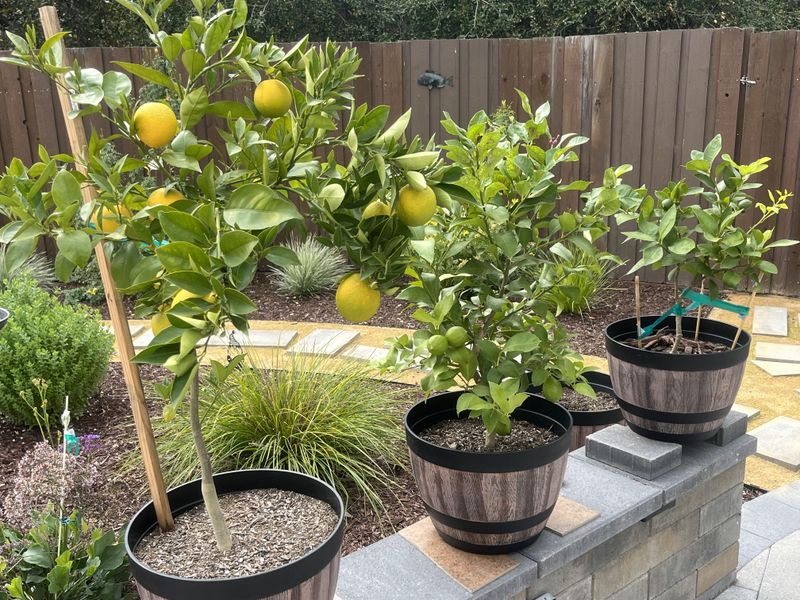
Spindly, pale new growth is one of those signs that is easy to overlook because the tree is technically pushing out new leaves. But when that fresh growth looks undersized, light in color, or fragile compared to prior years, something is off beneath the surface.
Nutrient deficiencies are the most common culprit. Citrus trees need a steady supply of nitrogen, zinc, manganese, and iron to support strong spring growth.
Arizona soils are often low in zinc and iron naturally, and the high pH common in desert soils makes those nutrients even harder for roots to absorb.
Foliar sprays containing zinc and manganese can help bridge the gap faster than soil applications, since the nutrients go directly to the leaves.
A few applications spaced a couple of weeks apart during spring growth can make a visible difference in leaf size and color within a month or so.
Root health plays into this too. If the soil has been compacted or waterlogged over winter, root function suffers and nutrient uptake slows.
Aerating the soil around the drip line by gently working a garden fork into the ground can help improve both drainage and oxygen flow to the roots.
4. Fruit Begins Dropping Sooner Than It Should
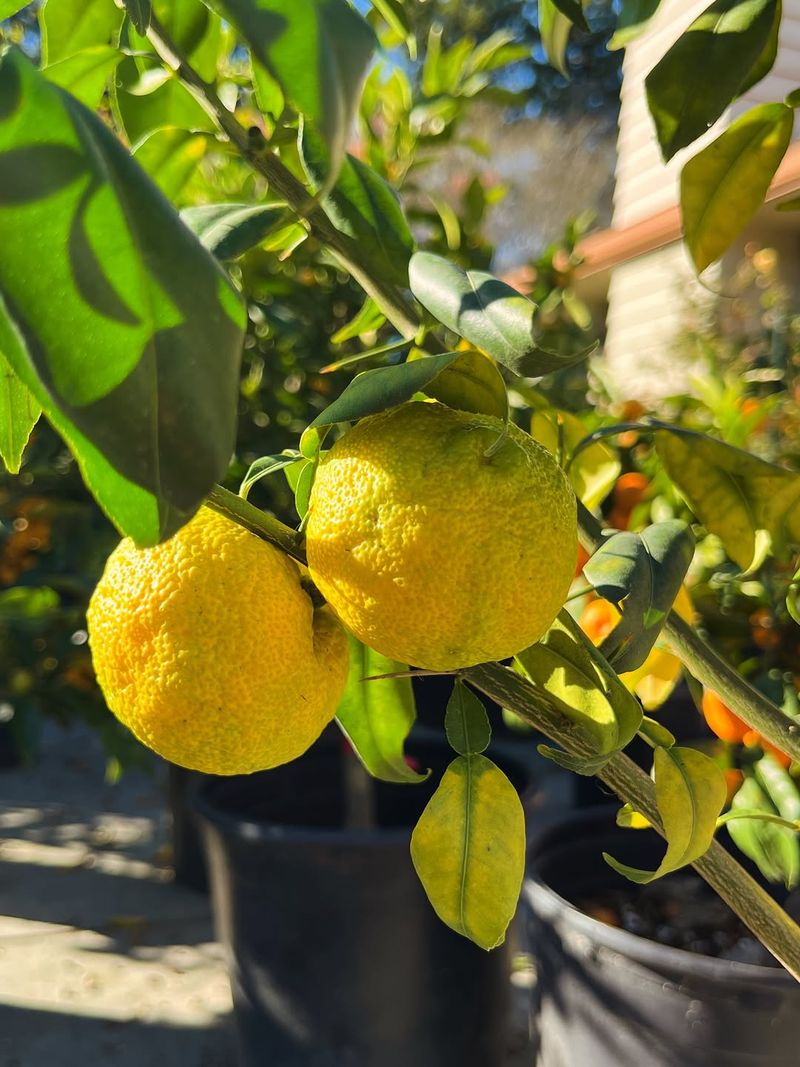
Finding a carpet of small, unripe fruit under your tree in April can feel discouraging, but some fruit drop in spring is completely normal. Citrus trees naturally thin themselves when they set more fruit than they can support.
The problem starts when the drop is excessive or when fruit that should be holding on keeps falling.
Water inconsistency is a major trigger for early fruit drop. When the soil swings between too dry and too wet, the tree gets stressed and sheds fruit it cannot sustain.
Keeping irrigation steady and predictable matters more during fruit set than almost any other time of year.
A phosphorus deficiency can also reduce the tree’s ability to hold its fruit. Fertilizers that include phosphorus alongside nitrogen help support both flowering and fruit retention.
Check the fertilizer label for the middle number in the N-P-K ratio, which represents phosphorus content.
Extreme heat spikes in late April can trigger a second wave of drop if temperatures jump suddenly.
There is not much you can do about the weather, but keeping the tree well-watered and mulched going into hot stretches gives it the best chance of holding more fruit through the stress.
5. Leaf Edges Turn Brown And Crispy
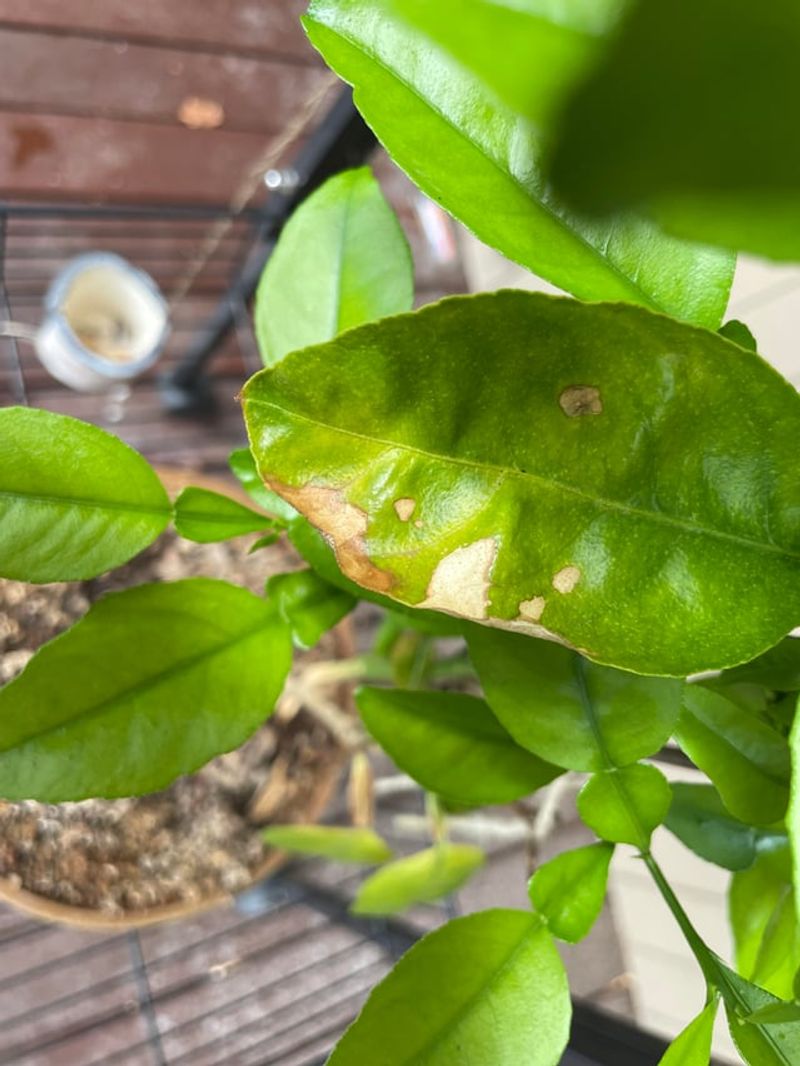
Brown, crispy leaf margins showing up in April often point to salt burn, which is a real and common issue for citrus growers across Arizona.
Desert water tends to carry high mineral content, and when water evaporates from the soil, salts get left behind and accumulate around the root zone over time.
Salt buildup interferes with water uptake at the root level, essentially pulling moisture away from the tree even when the soil seems damp.
The edges of leaves are usually the first place this shows up visually, starting as a slight browning that gradually spreads inward if the problem is not addressed.
Deep watering helps flush salts below the root zone. Running your irrigation system for a longer-than-usual session every month or so can push accumulated salts down and away from where the roots are most active.
This is sometimes called a leaching irrigation, and it works reasonably well in sandy Arizona soils.
Wind exposure can also cause similar-looking leaf edge damage. April brings gusty conditions across much of Arizona, and dry wind pulls moisture from leaves faster than the roots can replace it.
If your tree is in an exposed spot, a temporary windbreak during the worst spring wind events can reduce this kind of stress.
6. Soil Dries Out Almost Overnight
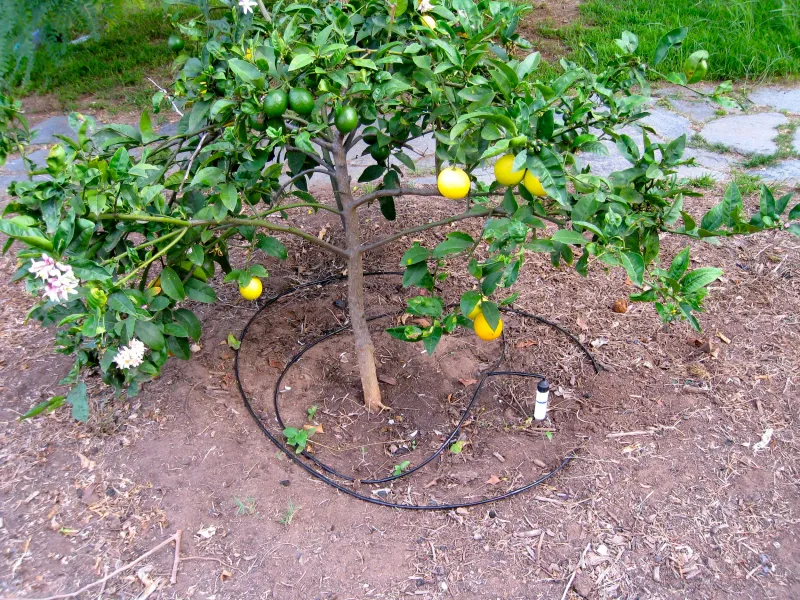
Soil that goes bone dry within a day or two of watering is telling you something important about what is happening underground.
Sandy or gravelly desert soils common across Arizona drain extremely fast, which is great for avoiding root rot but rough on trees during warm spring months when water demand is climbing.
Organic matter content in native Arizona soil tends to be very low. Without it, the soil holds almost no moisture between irrigation events.
Adding compost to the top few inches of the root zone and working it in lightly can gradually improve moisture retention over a growing season. Results take time, but they are real.
Mulching is one of the most effective and low-effort tools available to Arizona citrus growers. A three to four inch layer of coarse wood chip mulch spread from just outside the trunk out to the drip line dramatically slows surface evaporation.
Adjusting your irrigation schedule rather than just your irrigation volume is worth considering.
Splitting your weekly water into two shorter sessions instead of one long one can help the soil absorb more water before it runs off, especially in compacted areas.
7. Pests Suddenly Start Taking Over
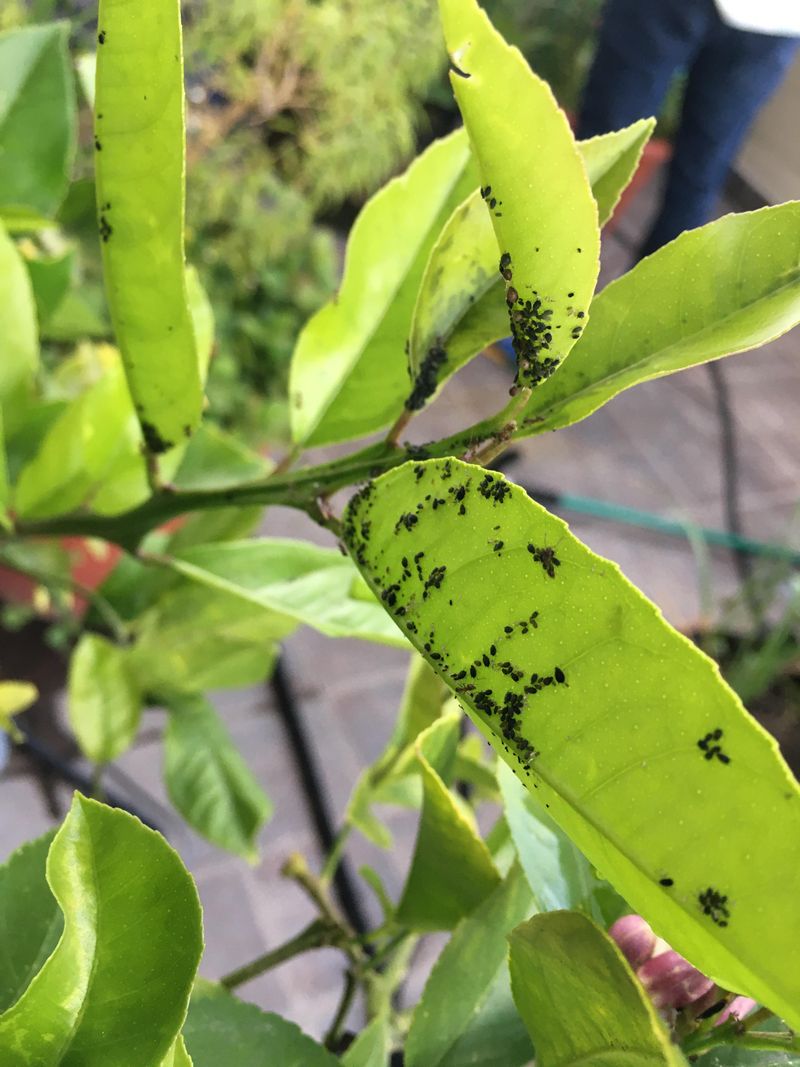
Pest pressure on citrus tends to spike in April across Arizona, and it catches a lot of growers off guard.
Warmer temperatures bring out aphids, citrus leafminers, and spider mites in larger numbers, and a tree that is already stressed from heat or nutrient issues is less capable of handling the added pressure.
Aphids cluster on soft new growth and can build up fast. A strong spray of water from a hose knocks most of them off without any chemicals needed.
Check the undersides of new leaves where they tend to hide, and repeat the water spray every few days if populations keep coming back.
Spider mites are harder to spot but leave a telltale sign: a fine bronze or silvery stippling across the leaf surface. They thrive in hot, dry conditions, which makes April in Arizona nearly ideal for them.
Keeping the foliage misted and the tree well-watered reduces the conditions mites prefer.
Citrus leafminer damage shows up as silvery, squiggly trails inside young leaves. The leaves curl and harden around the larvae.
Neem oil applied to new growth every seven to ten days during spring flush can reduce leafminer pressure without harsh chemicals. Timing matters, since neem works best as a preventative rather than after leaves have already curled shut.