These Arizona Yard Mistakes Can Attract More Roof Rats To Your Home

Roof rats usually stay hidden until the problem suddenly becomes impossible to ignore.
Strange noises after dark, chewed fruit, damaged plants, and movement near the roof often start long before homeowners realize rats already settled nearby.
A lot of common yard habits quietly make the problem worse.
Thick overgrowth, fallen citrus, messy storage areas, and easy water access can turn an ordinary yard into the perfect hiding place without anyone noticing at first.
Arizona heat pushes roof rats to search for cooler shade and reliable food sources during warmer months. Once they find both in the same spot, they tend to keep returning night after night.
Some mistakes attract far more rodent activity than people expect.
Small changes around the yard can make a huge difference before roof rats start moving closer to the house, attic, or roofline itself.
1. Leaving Citrus Fruit Rotting Beneath Backyard Trees

Fallen citrus is one of the biggest roof rat magnets you can have in your yard. Roof rats absolutely love citrus fruit, and rotting fruit on the ground is basically an open invitation.
If you have orange, lemon, or grapefruit trees, staying on top of fallen fruit is non-negotiable.
Roof rats are skilled climbers. They can reach fruit still hanging on branches, but fallen and rotting fruit is even easier for them to access.
The strong smell of fermenting citrus actually draws them in from quite a distance.
Pick up dropped fruit every few days, especially during peak harvest season. Do not let it pile up under trees.
Bag fallen fruit and seal it tightly before placing it in your trash or compost bin.
Leaving piles of rotting citrus unattended even for a week can establish a feeding routine for nearby rodents. Once rats find a reliable food source, they return consistently.
Breaking that pattern early makes a real difference.
Check under trees in the early morning or evening when rats are most active. Look for bite marks, scattered peels, or chewed seeds as signs of feeding.
Catching activity early gives you the best chance of managing the problem before it grows.
2. Dense Palm Growth Creates Easy Hiding Areas Above Ground
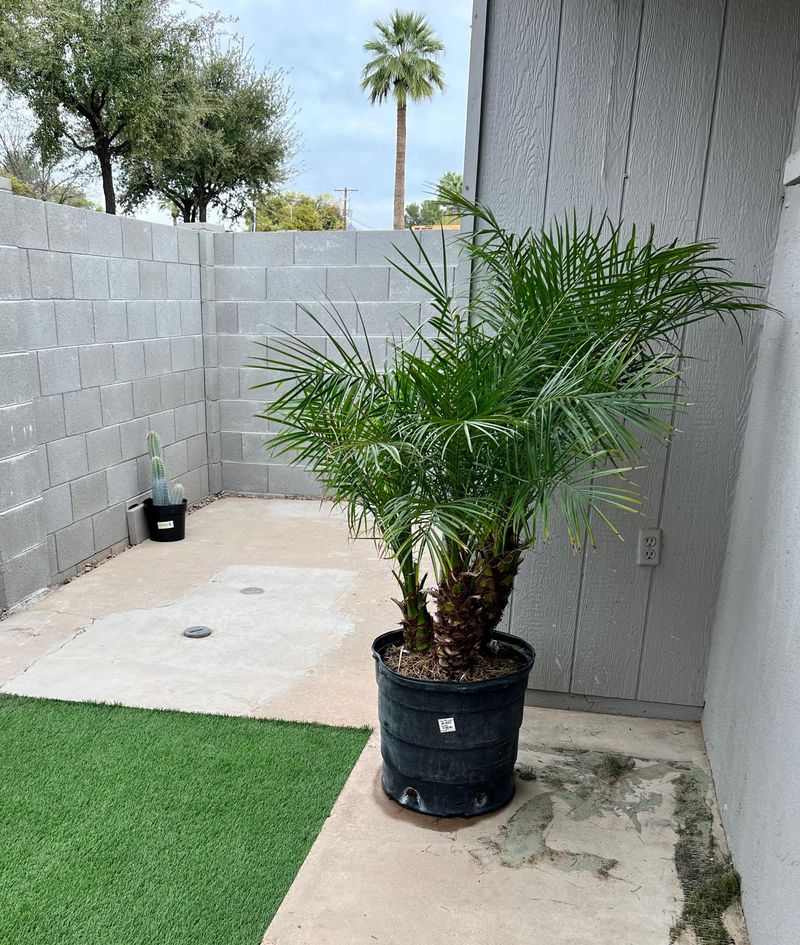
Palm trees look great in desert landscaping, but neglected palms are a different story. Fronds that hang down around the trunk create what is known as a “skirt.” Roof rats love palm skirts because they offer warmth, darkness, and protection all at once.
A skirt of old fronds can house multiple rats at a time. They nest inside the dense material and feel completely hidden from predators.
From there, they have easy access to your roofline if any branches or structures are nearby.
Regular palm trimming removes this shelter. Palms should be trimmed at least once a year, sometimes twice depending on growth rate.
Remove fronds completely rather than leaving stubs, since stubs also provide grip points for climbing.
Trimming should be done carefully. Cutting too aggressively can stress the tree, so aim to remove only damaged or dying fronds.
Hire a licensed tree service if you are unsure about the correct trimming height or technique.
Your Arizona Garden Changes Every Week. Your Plan Should Too.
Gardening in Arizona changes quickly throughout the season. Every Friday you’ll receive a simple weekly plan showing exactly what to plant, prune, fertilize, harvest, and protect so you never miss the right timing.
After trimming, inspect the trunk for any signs of nesting material like shredded plant fiber, droppings, or greasy rub marks. These are signs that rats have already been using the palm as a home base.
Addressing palm maintenance early keeps your yard less appealing to rodents looking for a sheltered spot above ground.
3. Pet Food Left Outdoors Overnight Draws Unwanted Activity

Outdoor pet food is one of the most common and overlooked reasons roof rats visit residential yards. Rats are opportunistic feeders.
A bowl of kibble left on the patio after dinner is an easy, reliable meal with zero effort on their part.
Roof rats are nocturnal. They come out after dark, and that is exactly when most pet food sits unattended outside.
Even a small amount of food left in a bowl overnight can establish a feeding pattern that brings rats back repeatedly.
Bring all pet food bowls inside before sunset. Wash the bowls to remove food odor as well, since scent alone can attract rodents even when no food remains.
Store pet food in sealed, hard-sided containers rather than paper bags or thin plastic.
Water bowls also matter. Standing water is a resource for rats, especially in dry desert climates where water sources are limited.
Consider bringing water bowls in at night or switching to an automatic water dispenser that limits overflow and spillage.
If you feed outdoor cats or other animals, use timed feeders that dispense small amounts during daylight hours only. Clean up any uneaten food immediately.
Small adjustments to your feeding routine can significantly reduce nighttime rodent activity around your home without disrupting your pets’ schedule.
4. Overgrown Vines Give Rodents More Access To Rooflines
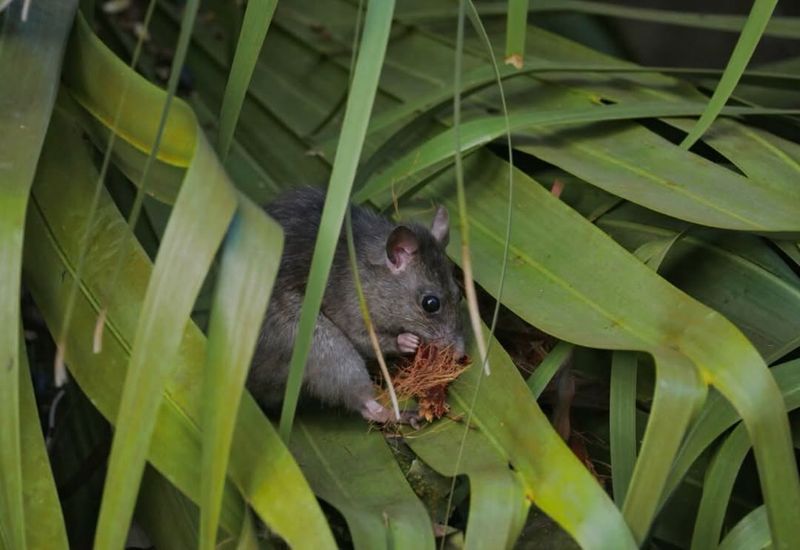
Vines climbing up the side of your house might look charming, but they act as a ladder for roof rats. Once a vine reaches your roofline, any rat in the yard has a direct route straight to your roof.
From there, entry points into your attic become much easier to exploit.
Roof rats are agile and lightweight. They can climb nearly any textured surface, and vines give them an even easier grip.
Dense vine growth also provides cover while they travel, making them feel safe enough to move during daylight hours.
Cut back any vines that have reached or are approaching your roofline. Keep a clear gap of at least four feet between any climbing plant and your roof edge.
Regularly check for regrowth, especially in warm months when vines spread quickly.
Some homeowners prefer to remove climbing vines entirely from exterior walls. That is an effective solution if the vine problem keeps returning.
Replace them with low-growing ground cover or potted plants that do not offer vertical climbing routes.
While trimming, also check the areas where vines attach to your home. Vines can loosen stucco, create gaps around windows, or pull away fascia boards.
Any structural gap near the roofline is a potential entry point for rodents already using your exterior wall as a travel path.
5. Uncovered Compost Piles Provide Reliable Food Sources

Composting is a great habit, but an open compost pile is essentially a buffet for roof rats. Fruit scraps, vegetable peels, bread crusts, and other organic material give rats a steady and varied diet.
Open piles also generate heat as they decompose, which makes them even more attractive as nesting sites during cooler nights.
Roof rats do not need much to survive. A handful of food scraps every few days is enough to keep a small population fed and active near your home.
Compost piles that are never turned or managed become especially dense and undisturbed, which rats prefer.
Switch to a sealed, rodent-resistant compost bin. These bins have locking lids and solid bases that prevent access from below.
They are widely available at hardware stores and hold compost just as effectively as open piles.
Avoid adding meat, dairy, cooked food, or oily items to your compost. These materials break down slowly, smell strongly, and attract more wildlife.
Stick to raw fruit and vegetable scraps, yard trimmings, and dry materials like cardboard or newspaper.
Turn your compost regularly. Frequent turning speeds up decomposition, reduces odor, and disturbs any rodent that may have started exploring the pile.
A well-maintained compost setup can coexist with a rodent-free yard when the right precautions are consistently applied.
6. Tree Branches Hanging Too Close To The House Invite Climbing
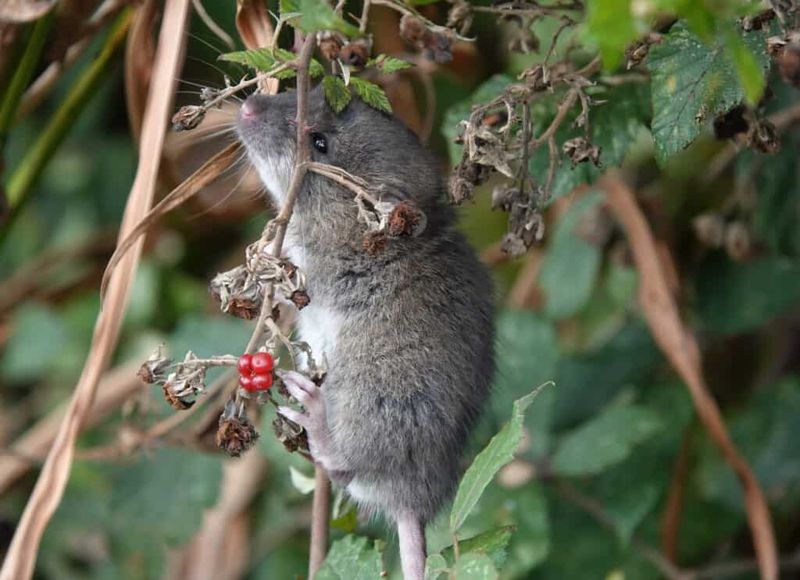
Roof rats earned their name for a reason. Getting onto rooftops is something they do naturally and easily.
Overhanging tree branches are one of the most common ways they make that climb. Any branch within jumping or stepping distance of your roof is a potential bridge.
Rats can leap horizontally up to four feet. A branch that looks far from your roof may actually be close enough for an easy jump.
They use branches not just to reach roofs but also to travel between neighboring properties without touching the ground.
Trim any branch that hangs within six feet of your roofline. That buffer zone makes jumping significantly harder and reduces the chance of roof access.
Focus especially on branches that hang above or near vents, gutters, or fascia boards where entry points may already exist.
Check your yard after strong winds or monsoon storms. Branches shift and grow quickly in warm climates, and a branch that was trimmed last season may have grown back into range.
Seasonal inspections keep the buffer zone intact throughout the year.
After trimming, seal any visible gaps along your roofline. Roof rats that have already been using branches to access your roof may have already found a way inside.
Combining branch trimming with a roofline inspection gives you a much more complete layer of protection against rodent entry.
7. Cluttered Storage Corners Become Sheltered Nesting Spots
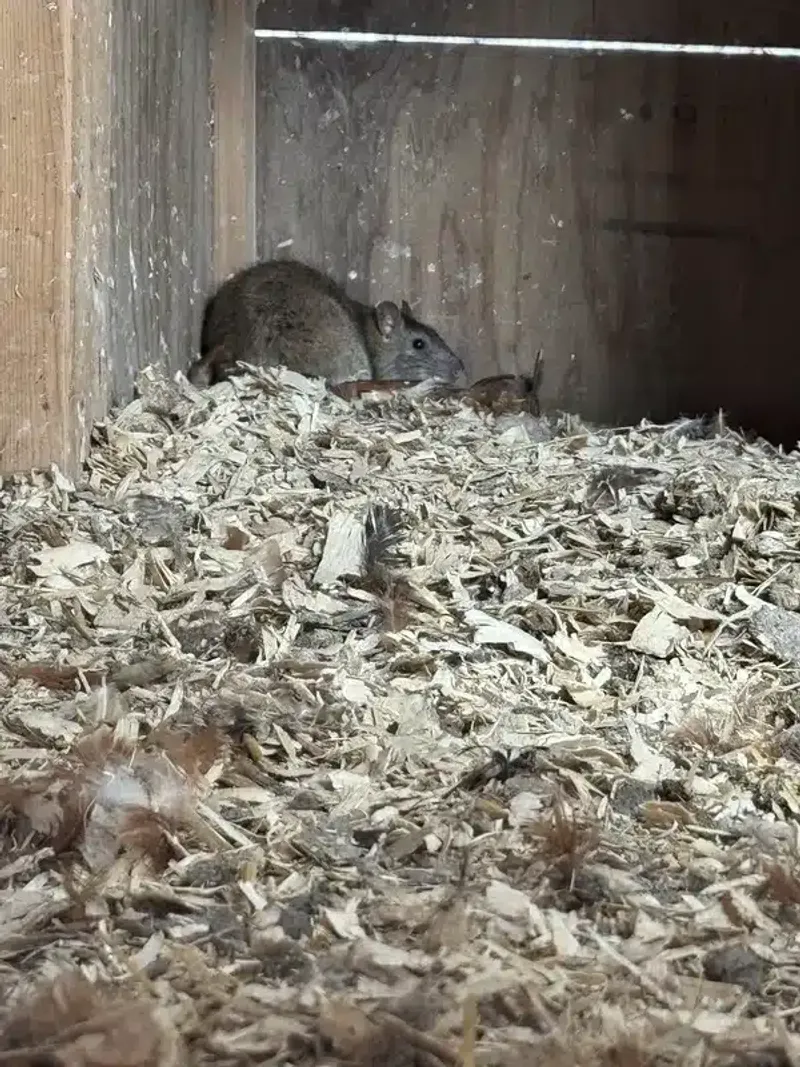
Clutter in your yard does more than look messy. Stacked wood, old furniture, cardboard boxes, unused pots, and tangled garden hoses all create exactly the kind of sheltered, undisturbed space that roof rats seek out for nesting.
Dark corners with little foot traffic are ideal from a rat’s perspective.
Nesting spots close to your home are especially problematic. Once rats establish a nest in your yard, moving into your attic or wall voids becomes a natural next step.
The shorter the distance between their nest and your home, the faster that transition can happen.
Declutter storage areas regularly. Stack firewood on a raised metal rack at least 18 inches off the ground and away from exterior walls.
Store garden supplies in sealed bins rather than open shelves or cardboard boxes.
Clear space between stored items and your home’s exterior walls. Rats prefer to nest in spots that feel enclosed and protected.
Removing that enclosed feeling by creating open, visible space reduces the appeal significantly.
Inspect storage areas at least once a month. Look for droppings, shredded material, or gnaw marks on stored items.
Finding evidence of activity early allows you to respond before a nest becomes established. Keeping your yard organized is genuinely one of the most practical steps you can take to reduce rodent pressure around your home.
8. Overflowing Bird Feeders Scatter Seeds Across The Yard
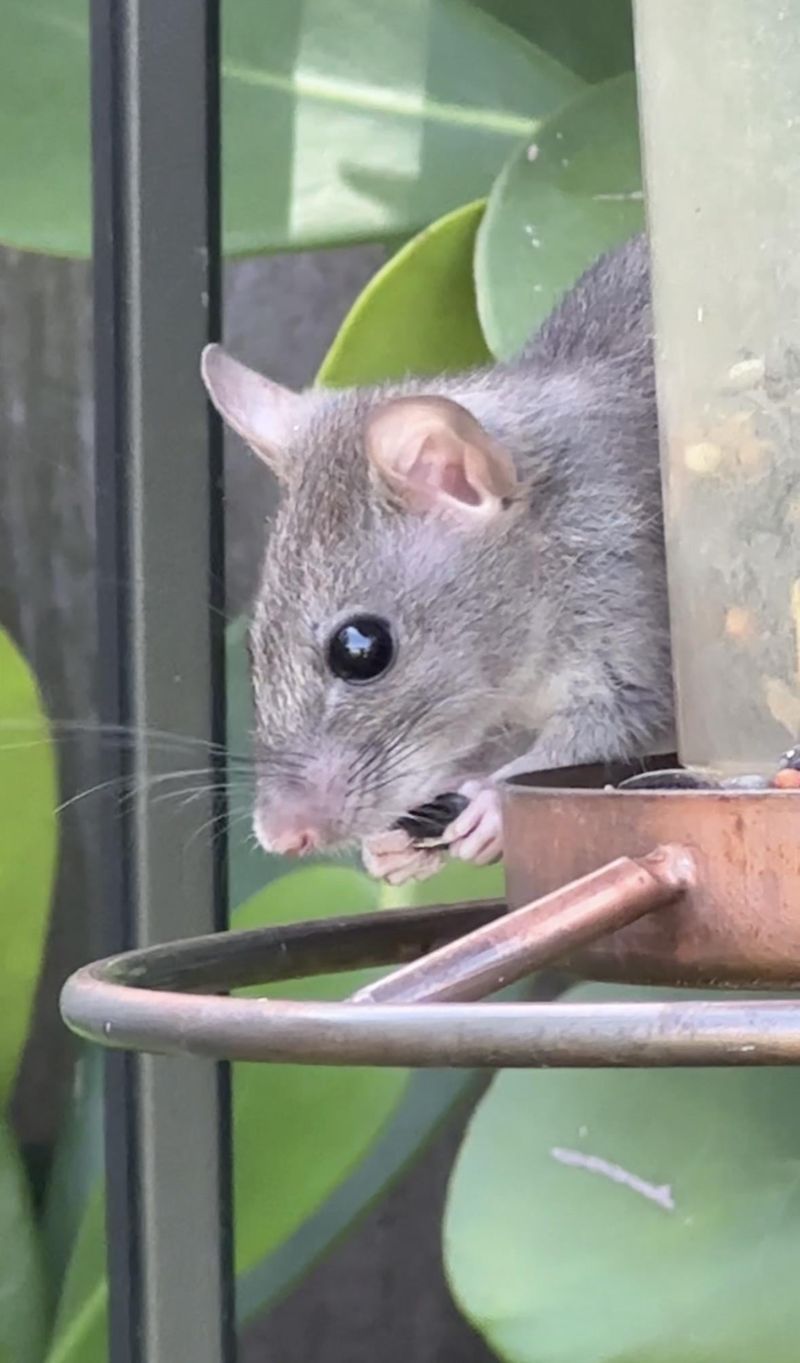
Bird feeders are a popular backyard addition, but they come with a tradeoff. Seeds that spill out of feeders land on the ground and accumulate quickly.
Roof rats are seed eaters by nature, and a pile of scattered birdseed on the ground is an easy, no-effort meal waiting for them each night.
Even well-maintained feeders spill seed. Birds are messy eaters, and most standard feeders are not designed to catch every dropped piece.
Over time, seed debris builds up beneath feeders and becomes a consistent food source that rats learn to rely on.
Switch to a feeder with a built-in tray or seed catcher below the feeding ports. These trays collect dropped seeds before they hit the ground.
Empty the tray every day or two to prevent seed from accumulating and fermenting.
Place feeders away from your home’s exterior walls and roofline. Positioning them in the center of the yard rather than near the house reduces the chance that rats drawn to the feeder will immediately explore your home’s exterior.
Consider taking feeders in at night. Roof rats are most active after dark, so removing the food source during peak activity hours cuts off their access.
Sunflower seeds, millet, and corn are especially attractive to rodents, so choosing less appealing seed blends can also reduce ground-level interest from unwanted visitors.