8 Herbs That Attract Hummingbirds In Spring Across Oregon
Spring in Oregon can feel like a grand reopening for the garden. Songbirds get noisy again, pots wake up, and every little patch of green seems full of possibility.
That makes it the perfect time to think about hummingbirds, because they are already out there zipping through neighborhoods and scouting for food.
Herbs do not always get enough credit in that conversation. People think of them for kitchen windowsills, patio pots, and summer recipes, but many also pull double duty by offering the kind of blooms hummingbirds notice fast.
That means your herb garden can be doing more than seasoning dinner. It can become part of the spring show right outside your door.
In Oregon, where gardeners love plants that earn their keep, that is a pretty appealing deal.
A few herbs stand out from the rest, and some of them may not be the ones most people expect today.
1. Hyssop Covered In Spikes Of Colorful Flowers
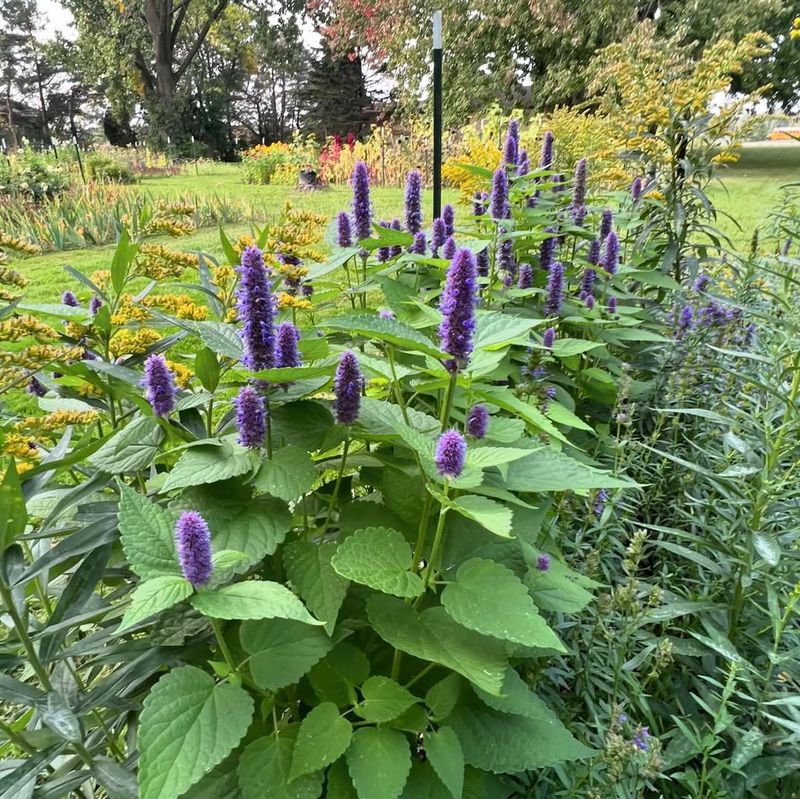
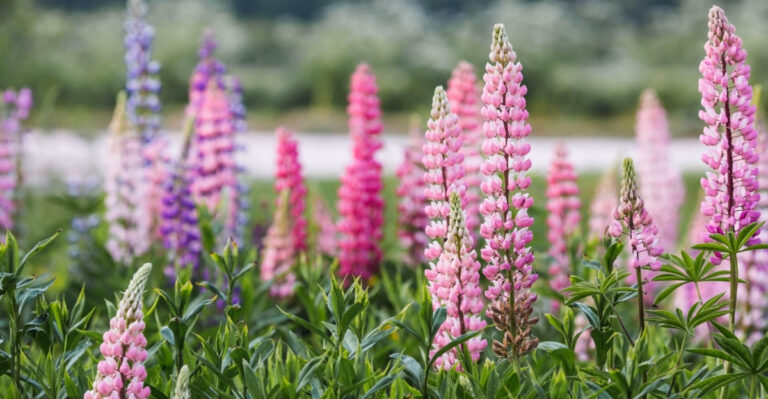
It might not be the first herb that comes to mind for hummingbird gardens, but hyssop deserves a starring role. Its dense spikes of violet-blue, pink, or white flowers are packed with nectar and bloom reliably from late spring through summer.
Hummingbirds across Oregon have discovered this secret, and once you plant it, you may be surprised by how quickly the birds find it too.
There are two popular types worth knowing about: common hyssop (Hyssopus officinalis) and anise hyssop (Agastache foeniculum). Both attract hummingbirds, but anise hyssop is especially beloved for its licorice-scented leaves and long-lasting blooms.
Anise hyssop also tends to be more drought-tolerant, which is a big plus for gardeners in central and eastern Oregon where summer rainfall can be scarce.
Hyssop grows best in full sun with well-drained soil, and it handles Oregon’s cool spring temperatures without complaint. Plant it near a window or patio where you can watch the action up close.
Hummingbirds often return to the same feeding spots day after day, so once they discover your hyssop patch, you can count on regular visits throughout the season.
Did you know hyssop has been used as a medicinal and culinary herb for thousands of years? Ancient herbalists prized it for its aromatic qualities, and today gardeners prize it for its beauty and wildlife value.
Trim it back lightly after the first bloom to encourage a fresh flush of flowers and keep the hummingbirds coming back all spring and summer long.
2. Salvia Bursting With Bright Nectar-Rich Blooms
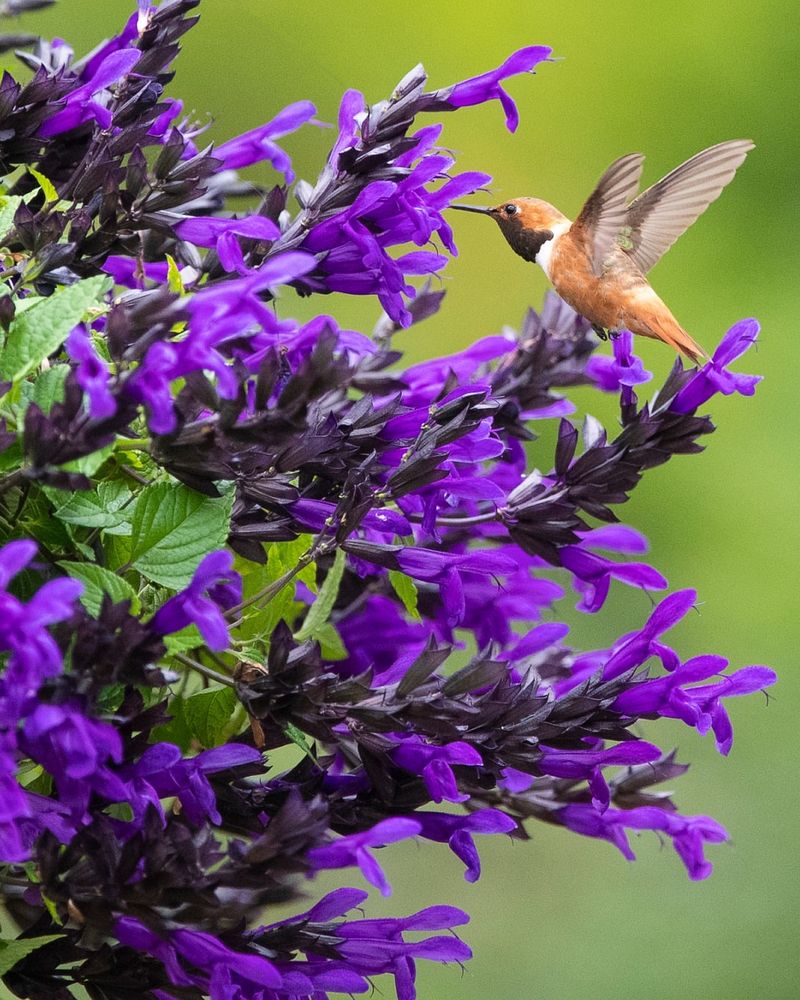
Few plants stop a hummingbird in its tracks quite like salvia. With its tall spikes of tubular flowers in shades of red, purple, and blue, salvia is practically designed for hummingbird feeding.
Those long, narrow blooms are the perfect shape for a hummingbird’s slender beak, making every visit feel effortless and rewarding for both bird and gardener.
Across Oregon, salvia thrives in a wide range of conditions. It loves full sun and well-drained soil, which makes it a great fit for gardens in the Willamette Valley and the drier eastern parts of the state.
Your Oregon Garden Changes Every Week. Your Plan Should Too.
Gardening in Oregon changes quickly throughout the season. Every Friday you’ll receive a simple weekly plan showing exactly what to plant, prune, fertilize, harvest, and protect so you never miss the right timing.
Once established, it handles Oregon’s unpredictable spring weather surprisingly well, bouncing back after cool nights with no fuss at all.
Planting salvia along borders or in raised beds gives hummingbirds a clear flight path to the flowers. Red varieties like Salvia splendens and Salvia coccinea tend to attract the most attention, since hummingbirds are naturally drawn to bright red.
You can also try Salvia guaranitica, a deep blue variety that blooms generously and adds a bold pop of color to your garden.
Salvia is also a low-maintenance choice for busy gardeners. Deadheading spent blooms encourages new flower production, which means more nectar and more hummingbird visits throughout the season.
A little pruning and occasional watering during dry spells is usually all it takes to keep this herb thriving and buzzing with activity from the first warm days of spring onward.
3. Lavender Buzzing With Life And Fragrance
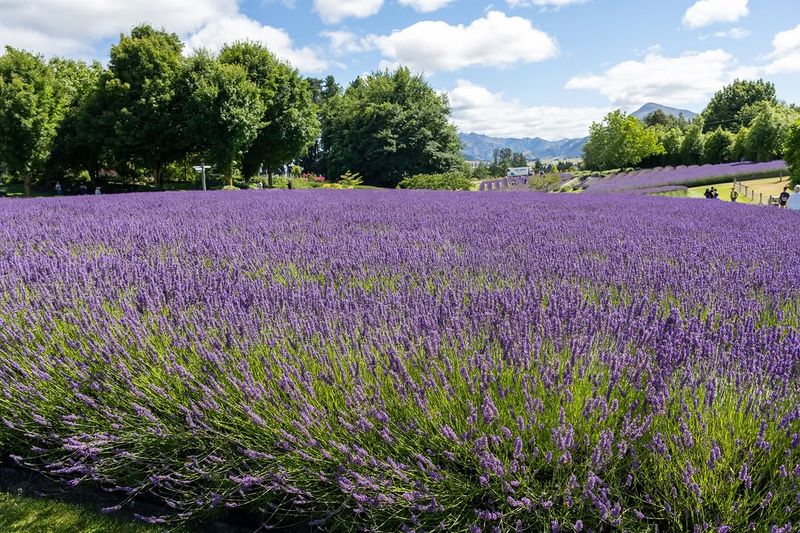
Walk past a lavender plant in full bloom and the fragrance alone is enough to stop you in your tracks. Now imagine being a hummingbird with an even sharper sense of smell and an eye for bright, tubular flowers.
Lavender is one of those herbs that delivers on every level, offering abundant nectar, striking purple color, and a scent that fills the whole garden. It is no wonder Oregon hummingbirds make it a regular stop on their spring feeding routes.
Lavender thrives in full sun and well-drained, slightly sandy soil, which makes it a natural fit for many parts of Oregon. The warm, dry summers of the Umpqua Valley and the sunny hillsides of the Willamette Valley are practically ideal lavender country.
Even gardeners in cooler coastal areas can grow lavender successfully by choosing cold-hardy varieties like Hidcote or Munstead and planting them in raised beds for better drainage.
One of lavender’s greatest strengths is its long bloom season. Starting in late spring and stretching well into summer, those purple spikes provide a consistent nectar source that keeps hummingbirds returning again and again.
Planting lavender in clusters rather than single plants creates a more visible and inviting target for passing birds.
Beyond the hummingbird appeal, lavender is wonderfully low-maintenance. It rarely needs fertilizing and actually prefers lean soil.
Prune it back by about a third after blooming to keep the plant compact and encourage fresh growth. With just a little attention, lavender will reward you with years of fragrant blooms and delightful hummingbird visits every spring.
4. Thyme Packed With Nectar
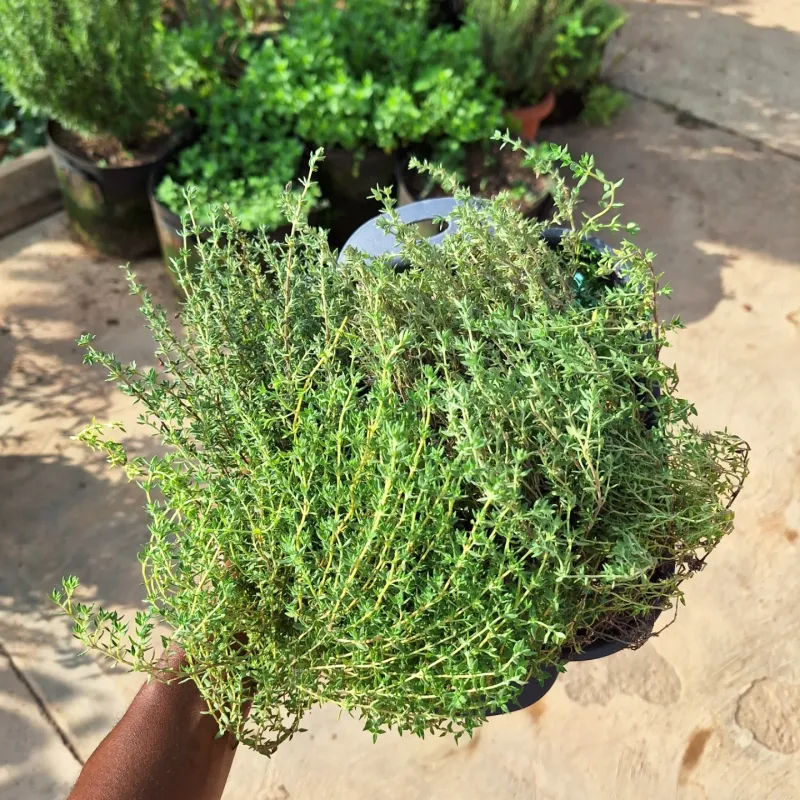
Most people think of thyme as a kitchen staple, something you sprinkle on roasted chicken or toss into a pot of soup. But this humble herb has a secret life as a hummingbird magnet.
When thyme blooms in spring, it produces masses of tiny pink, purple, or white flowers that hummingbirds absolutely love. The sheer number of blooms on even a small thyme plant means there is plenty of nectar to go around.
Creeping thyme is especially popular for hummingbird gardens in Oregon because it spreads low to the ground, filling in gaps between stepping stones and along garden edges. It creates a living carpet of color that adds beauty to the garden while feeding wildlife.
Upright varieties like lemon thyme and common thyme also bloom generously and work well in herb beds or containers on sunny patios.
Thyme is one of the easiest herbs to grow across Oregon. It tolerates poor soil, handles dry spells well, and asks for very little in return.
Full sun is its main requirement, and once established, it is remarkably tough. Even in the cooler, wetter parts of western Oregon, thyme performs well as long as it has good drainage and plenty of light.
A fun fact worth sharing: thyme has been cultivated for over four thousand years, originally prized by ancient Egyptians and Greeks. Today, Oregon gardeners get to enjoy a plant with deep roots in human history while also watching it attract one of nature’s most spectacular little birds.
Plant thyme near your other nectar herbs for a hummingbird buffet that blooms all season long.
5. Rosemary Blooming Early With Subtle Blue Flowers
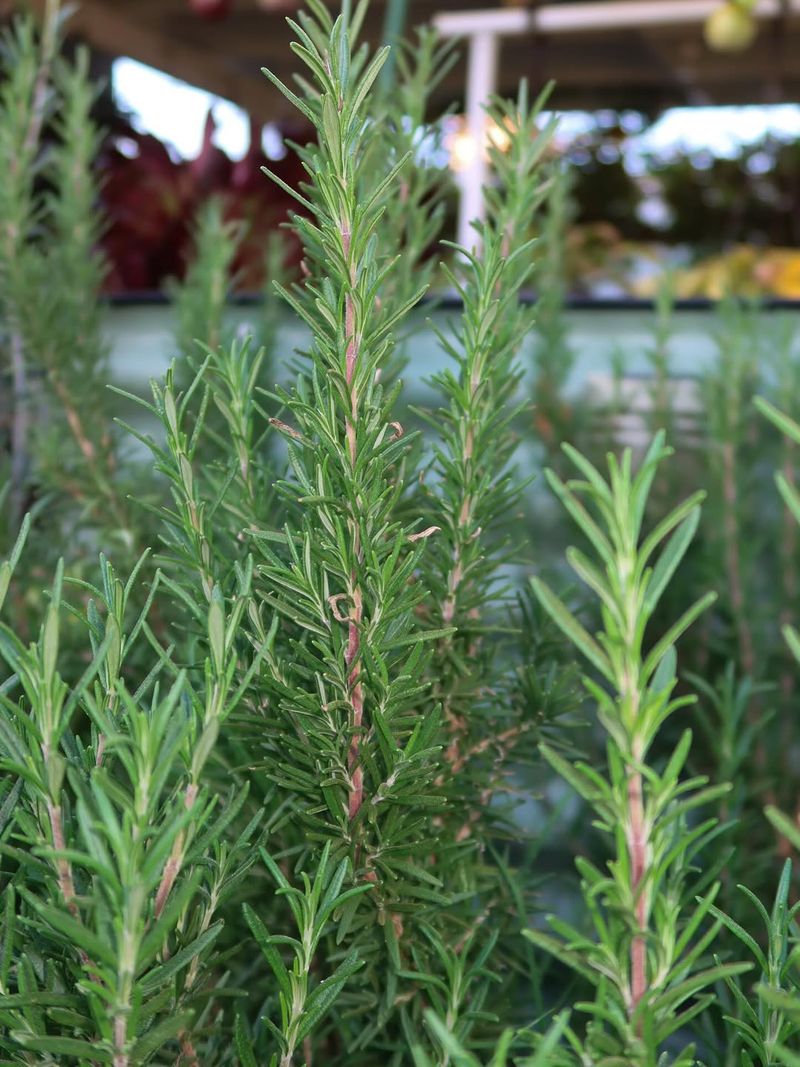
Rosemary is the kind of plant that earns its keep many times over. It is a kitchen staple, a fragrant hedge, a drought-tolerant landscaping choice, and yes, a genuine hummingbird attractant.
When rosemary bursts into bloom in early spring, its small but abundant blue and purple flowers offer a surprisingly rich nectar source. In Oregon, where spring can arrive gradually, rosemary often blooms earlier than many other plants, giving hummingbirds a much-needed early-season food source.
Along Oregon’s mild coastal regions, rosemary can grow into a large, woody shrub that blooms almost year-round. Inland gardeners in places like Medford or Corvallis can grow it successfully too, especially when planting cold-hardy varieties like Arp or Hill Hardy.
These varieties handle Oregon’s occasional cold snaps without losing their blooms or vigor, making them reliable choices for the Pacific Northwest climate.
One of the most appealing things about rosemary for gardeners is its no-fuss personality. It thrives in full sun, prefers lean soil, and actually struggles in overly rich or consistently wet conditions.
This makes it a perfect match for spots in the garden that other herbs might find challenging. Plant it near a sunny wall or fence where reflected heat will encourage even more vigorous blooming.
Hummingbirds tend to work rosemary blooms methodically, hovering at each tiny flower before moving along the branch. Watching this behavior up close is one of the genuine joys of spring gardening in Oregon.
Pair rosemary with lavender and salvia for a fragrant, hummingbird-friendly herb trio that looks and smells amazing all season long.
6. Bee Balm A True Hummingbird Magnet In Bloom
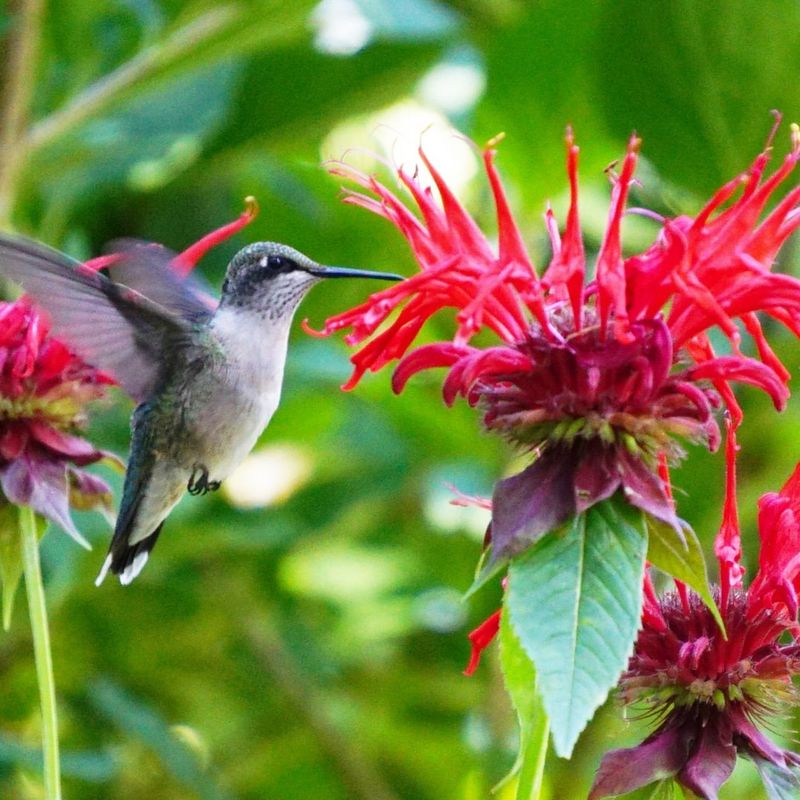
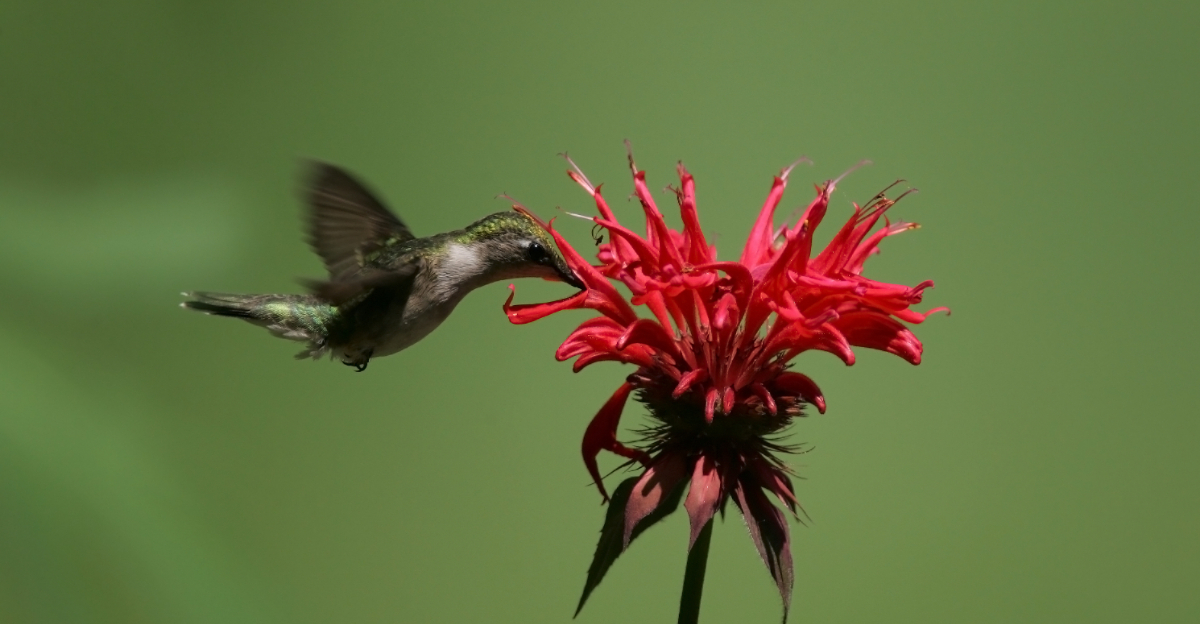
Bee balm is one of those plants that seems to have been made with hummingbirds in mind. Its shaggy, firework-like blooms in red, pink, and purple are absolutely irresistible to these tiny birds.
The tubular petals provide easy access to nectar, and the bold colors act like a neon sign saying “come eat here” to any hummingbird passing through your Oregon neighborhood.
Also known as Monarda, bee balm belongs to the mint family, which means it spreads enthusiastically once it gets comfortable in your garden. Planting it in a contained bed or a large pot can help keep it from taking over, while still giving it room to produce the abundant blooms that hummingbirds love.
It grows well in both sun and partial shade, making it versatile for gardens across Oregon, from the misty coast to the sunny Rogue Valley.
One of the best things about bee balm is that it blooms from late spring into summer, giving hummingbirds a reliable food source right when they need it most after their long migration north. The fragrant leaves also make a lovely herbal tea, so you get double the enjoyment from this hardworking plant.
To keep bee balm healthy and blooming, water it regularly and divide the clumps every couple of years. Good air circulation helps prevent powdery mildew, which can sometimes be an issue in Oregon’s damp spring climate.
A little care goes a long way with this cheerful, hummingbird-approved herb.
7. Borage Star-Shaped Blooms Hummingbirds Notice Fast
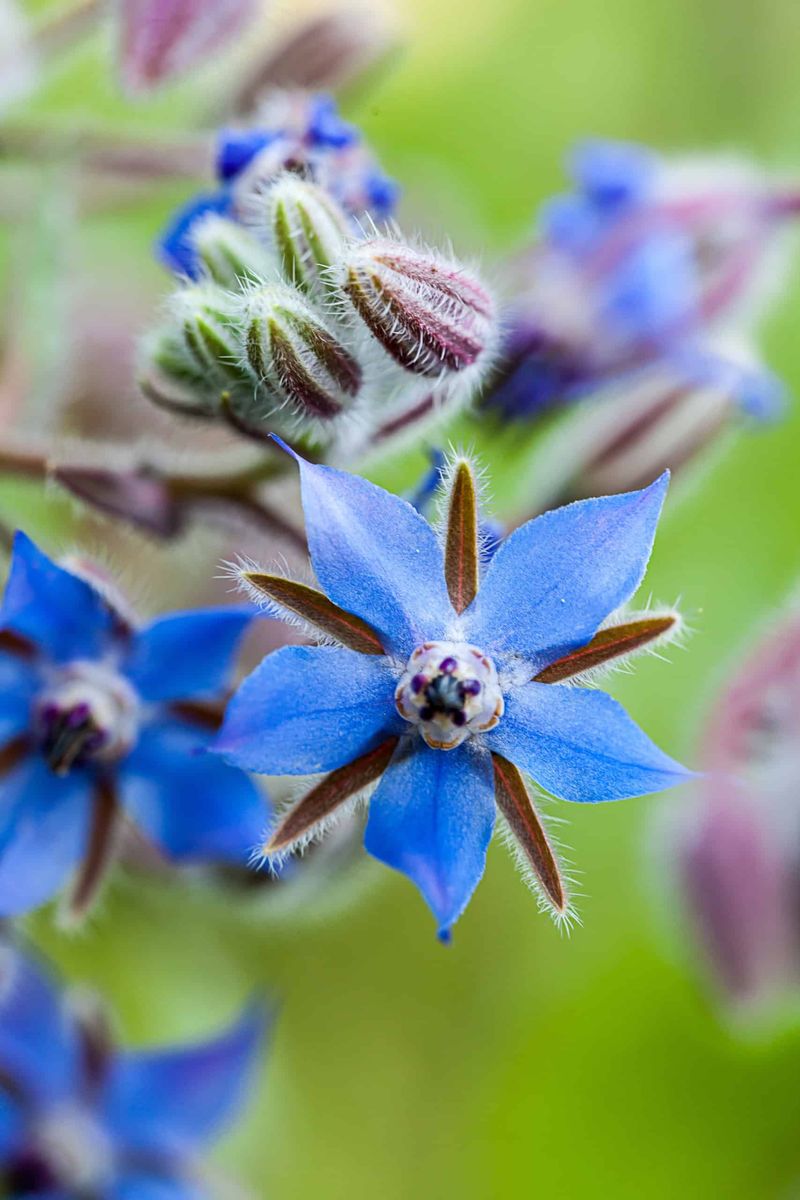
Full of personality, this plant stands out with striking, star-shaped blue flowers that look unlike anything else in the herb garden and produce nectar so generously that pollinators flock to them. Hummingbirds across Oregon have a particular fondness for borage, drawn in by the vivid color and the steady supply of sweet nectar that keeps the flowers productive from late spring well into fall.
One of borage’s most charming qualities is how easily it grows. Scatter a few seeds in a sunny spot with decent drainage and borage practically raises itself.
It self-seeds freely, meaning that once you plant it, you may find cheerful volunteers popping up in new spots around your Oregon garden each spring. This carefree nature makes it a wonderful choice for beginning gardeners who want to attract hummingbirds without a steep learning curve.
Borage grows best in full sun but tolerates partial shade, which gives it flexibility in gardens with mixed light conditions. It can reach two to three feet tall, creating a bold vertical element in the garden.
The fuzzy, gray-green leaves have a mild cucumber flavor, and the flowers are edible too, making borage a fun and functional addition to both the garden and the kitchen.
Historically, borage was called the herb of courage by medieval herbalists, who believed it lifted the spirits of anyone who consumed it. Whether or not that is true, there is no doubt that a garden full of blooming borage will lift your spirits every time a hummingbird zips in for a visit on a sunny Oregon spring morning.
8. Mint Fast-Growing With Pollinator-Friendly Flowers
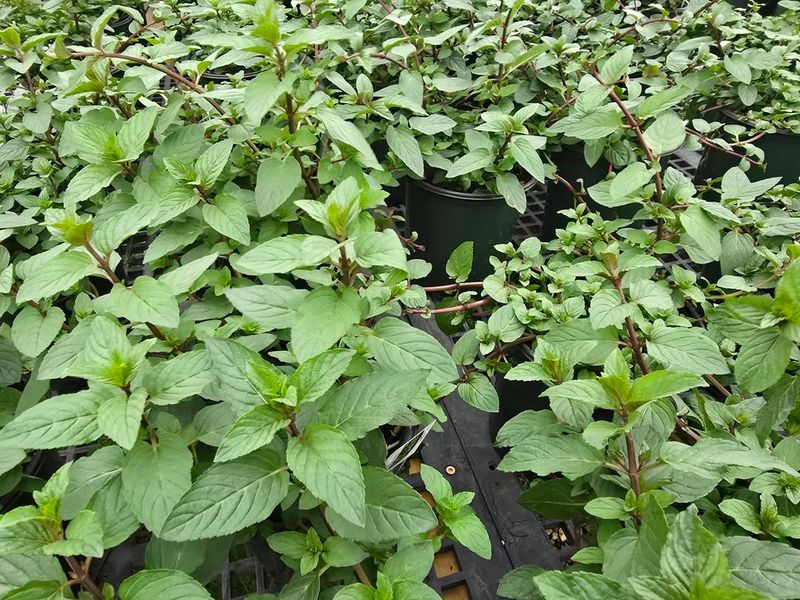
Known for its bold, refreshing scent, this popular herb has a side many gardeners overlook. When mint is allowed to flower, it produces slender spikes of tiny lavender, pink, or white blooms that are surprisingly attractive to hummingbirds.
Across Oregon, gardeners who let their mint go to flower in spring are often rewarded with regular hummingbird visits that make the whole garden feel alive and buzzing with energy.
Growing mint in Oregon is almost too easy. It spreads quickly and vigorously, which is why most experienced gardeners recommend planting it in containers or sunken pots to keep it from taking over the entire bed.
A large terra cotta pot on a sunny porch or patio works beautifully, and it has the added benefit of putting the blooms right at eye level where you can watch hummingbirds feed up close.
Spearmint, peppermint, and chocolate mint are all popular varieties that produce good blooms for hummingbirds. Apple mint, with its slightly fuzzy leaves and soft pink flowers, is another excellent option that does particularly well in the cooler, wetter conditions found in western Oregon.
Planting a mix of mint varieties extends the bloom period and gives hummingbirds more options to choose from throughout the spring season.
Beyond attracting hummingbirds, mint is wonderfully practical. Harvest the leaves for fresh tea, cocktails, or cooking, and let the flowering stems do their wildlife-friendly work.
Mint is proof that the most useful herbs in your kitchen can also be some of the most valuable plants in your Oregon hummingbird garden.