Plants That Bring Hummingbird Hawk-Moth To Your Texas Garden
Every garden has that moment when something unusual flies through and makes you stop mid-step.
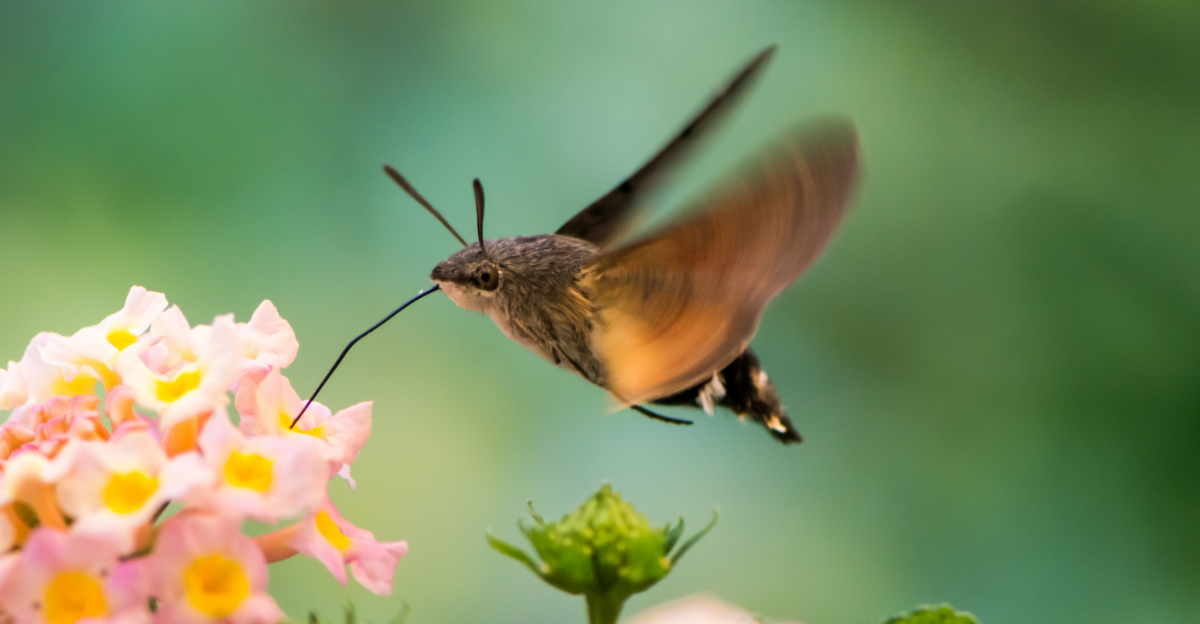
For some Texas gardeners, that surprise comes in the form of a hummingbird hawk-moth, a fast-moving visitor that hovers at flowers in a way that can make you do a double take. It looks part bird, part insect, and all business once it starts feeding.
That alone makes it fun to watch, but the real trick is knowing which plants help turn your yard into a place it actually wants to visit.
Not every flower earns that kind of attention. Some are much better at drawing these curious pollinators than others, especially in a Texas garden where heat, bloom time, and plant choice all matter.
A few good picks can change the whole feel of your space, and some of them might already be closer to your style than you think.
1. Jimsonweed With Night-Blooming Trumpet Flowers
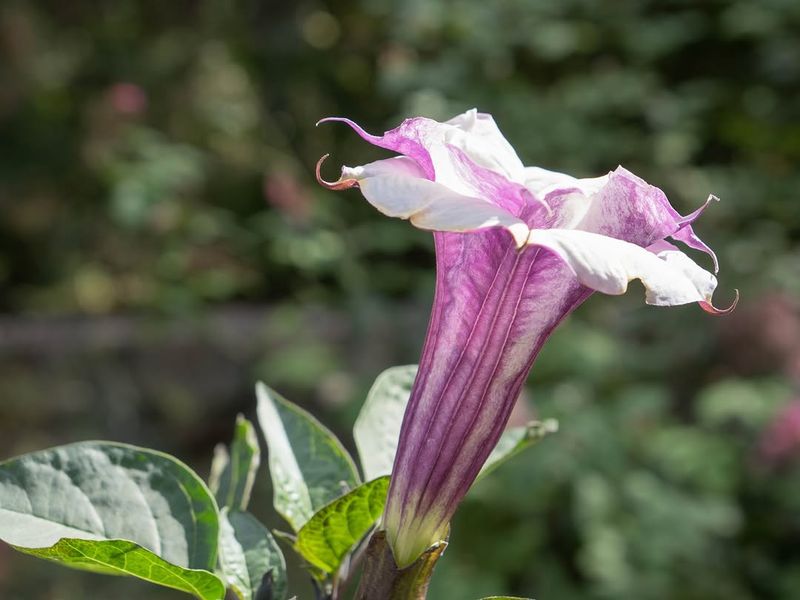
Few plants have as wild a backstory as Jimsonweed, a bold native that has been growing across Texas roadsides and open fields for centuries. Its large, white trumpet-shaped flowers open in the evening and stay fresh through the night, making it a perfect food source for the hummingbird hawk-moth, which tends to feed during low-light hours.
The blooms are wide and deeply tubular, designed almost perfectly for pollinators with long feeding tubes.
Growing Jimsonweed in your Texas garden is surprisingly low-maintenance. It thrives in hot, dry conditions and is well suited to the state’s intense summer heat.
Sandy or loamy soil works best, and this plant does not need much watering once it has taken root. It grows fast and can reach up to five feet tall, making it a striking focal point in any garden corner or border.
Because the flowers release a sweet, musky fragrance after sunset, they draw in moths from a surprising distance. Gardeners in places like El Paso and Lubbock have reported regular hawk-moth visits to Jimsonweed patches during warm months.
Planting it near a porch or patio means you can enjoy watching these hovering visitors up close during evening hours.
One thing to keep in mind is that every part of this plant contains compounds that are toxic to people and pets, so it is best placed in a section of the garden that children and animals do not access. Despite this, its value as a pollinator magnet is hard to beat.
If you want to bring hummingbird hawk-moths into your Texas yard with minimal effort, Jimsonweed is one of the most reliable choices available.
2. Petunia With Deep, Moth-Friendly Blooms
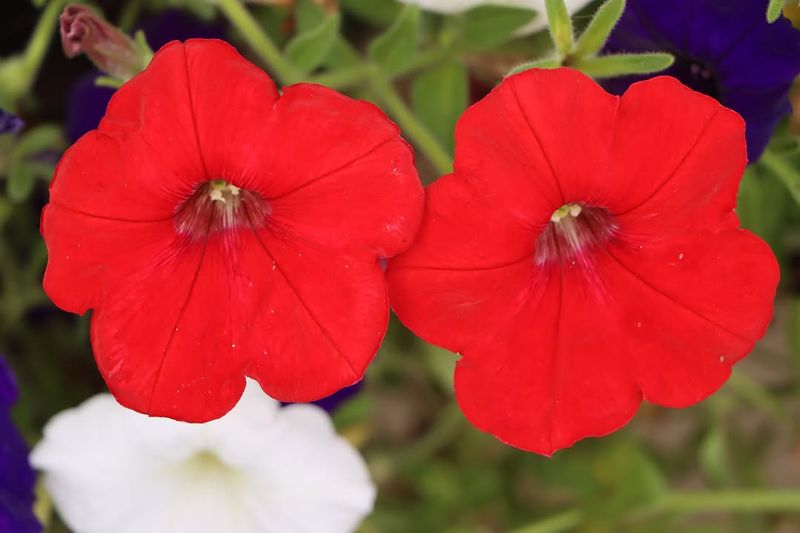
Petunias are one of the most popular bedding plants in Texas, and for good reason. They are colorful, easy to grow, and bloom for months on end without much fuss.
What many gardeners do not realize is that petunias, especially the older-style varieties with deep, tubular throats, are also excellent attractors of the hummingbird hawk-moth. The moth’s long feeding tube can reach nectar that shorter-tongued insects simply cannot access, giving it a real advantage when visiting petunia beds.
Your Texas Garden Changes Every Week. Your Plan Should Too.
Gardening in Texas changes quickly throughout the season. Every Friday you’ll receive a simple weekly plan showing exactly what to plant, prune, fertilize, harvest, and protect so you never miss the right timing.
For the best results in drawing hawk-moths, choose fragrant petunia varieties rather than the modern, scentless hybrids bred mainly for visual impact. Older heirloom types and grandiflora varieties tend to carry more fragrance and have deeper flower tubes.
Purple and pink shades seem to be particularly appealing to pollinators across the board, and planting them in dense, colorful clusters creates a visual beacon that both moths and gardeners will appreciate.
Petunias are incredibly adaptable in Texas gardens. They grow well in ground beds, hanging baskets, window boxes, and containers, making them suitable for everything from sprawling suburban yards in Plano to small apartment balconies in Houston.
They prefer full sun and regular watering, though they can handle short dry spells once established. Deadheading spent blooms keeps the plants producing fresh flowers throughout the season.
Mixing petunias with other moth-friendly plants like tobacco or Moonflower amplifies the garden’s appeal to hummingbird hawk-moths. The combination of colors, scents, and bloom depths creates a layered sensory experience that keeps pollinators coming back night after night.
For Texas gardeners who want reliable color AND ecological value, petunias deliver on both counts without requiring expert-level gardening skills or a large budget.
3. Tomato Supporting The Caterpillar Stage
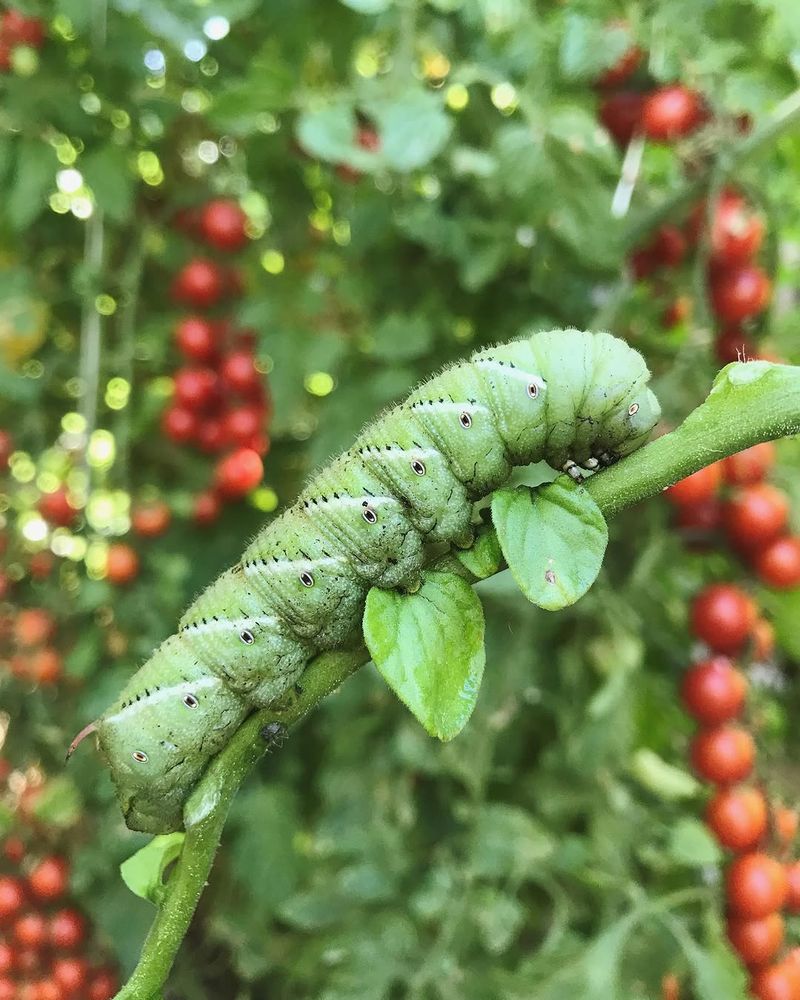
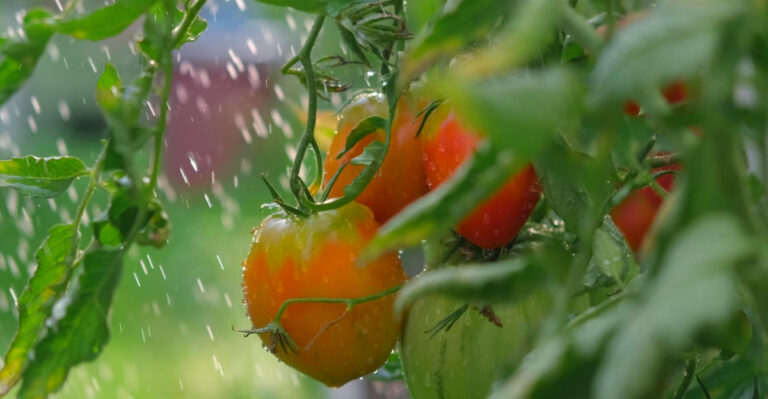
You might be surprised to find tomatoes on a list about attracting the hummingbird hawk-moth, but there is a very practical reason they belong here. The tomato hornworm, which is the caterpillar stage of the five-spotted hawk-moth, a close relative of the hummingbird hawk-moth, is commonly found feeding on tomato plants across Texas.
Growing tomatoes can support the full life cycle of these hawk-moth species, making your garden part of a bigger ecological story.
Beyond the caterpillar connection, tomato plants help support hawk moths by feeding their caterpillars, while the adult moths rely on nearby nectar-rich flowers. The bright yellow blooms attract a variety of pollinators, and in a garden already planted with other nectar-rich flowers, tomato plants round out the habitat nicely.
Texas gardeners from the Hill Country to the Gulf Coast grow tomatoes in raised beds, containers, and open plots, and they often notice increased pollinator activity when diverse plants are grouped together.
Planting tomatoes alongside deeper, more tubular flowers like Datura or Moonflower creates a layered garden that supports different feeding needs. The hawk-moth caterpillars munch on tomato leaves while the adult moths sip nectar from nearby blooms.
This kind of plant pairing turns your garden into a full habitat rather than just a feeding station.
Spring is the best time to get tomatoes in the ground across most of Texas, though fall planting works well in warmer southern regions. Choose a sunny spot with rich, well-drained soil and water consistently.
Adding a thick layer of mulch helps retain moisture during the intense Texas summer heat. Tomatoes are one of the most rewarding plants a Texas gardener can grow, and their role in supporting hawk-moth populations makes them even more worthwhile.
4. Tobacco With Long Nectar-Filled Tubes
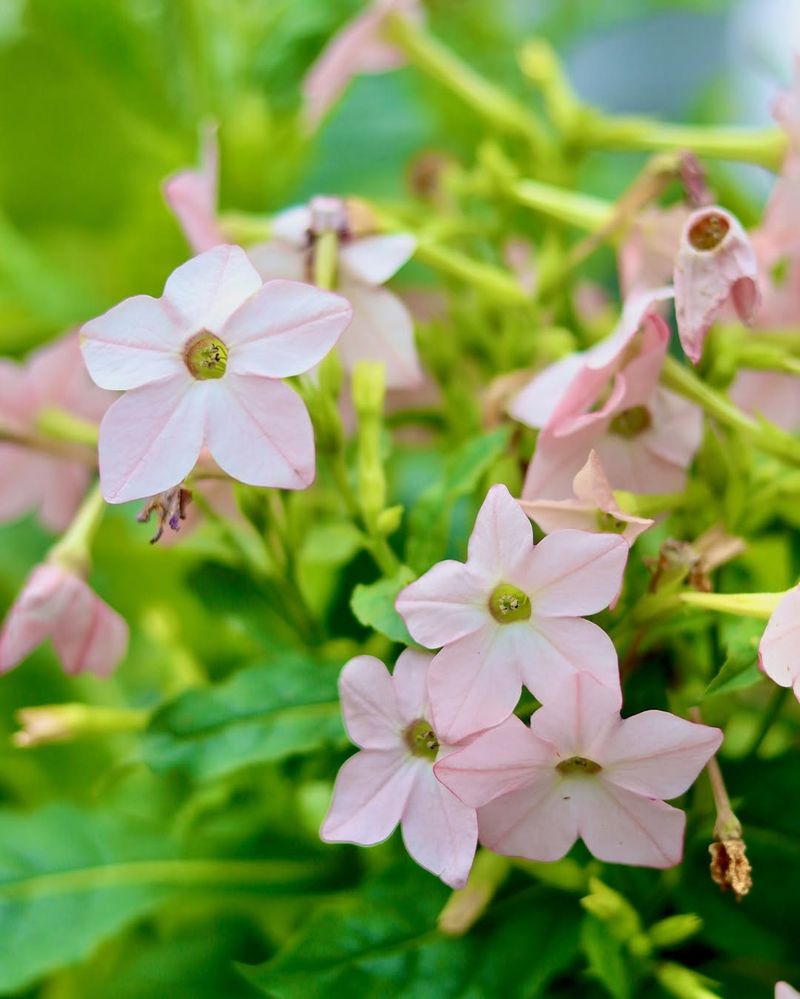
Long before cigarettes ever existed, tobacco plants were lighting up gardens with their tall, elegant flower spikes and sweetly scented blooms. Flowering tobacco, known scientifically as Nicotiana, produces long, tubular flowers that are practically engineered for the hummingbird hawk-moth’s feeding style.
The blooms often open in the late afternoon and remain through the night, making them a reliable nectar source during the exact hours when these moths are most active.
Texas gardeners have a great advantage when growing tobacco plants because the climate suits them so well. They prefer full sun and warm temperatures, both of which Texas delivers in abundance from spring through fall.
The plants grow quickly and can reach three to five feet tall, creating a vertical element in the garden that adds visual interest while also functioning as a pollinator magnet. Varieties with white or pale pink flowers tend to be the most fragrant and are especially effective at drawing in nocturnal visitors.
One of the best things about flowering tobacco is how long the blooming season lasts. In warmer parts of Texas, like the Rio Grande Valley or San Antonio, plants may continue flowering well into November.
That extended season gives hummingbird hawk-moths a consistent food source long after many other garden plants have finished blooming. Pairing tobacco with Moonflower or Petunia creates a layered, season-spanning nectar buffet.
Planting tobacco in clusters rather than single rows increases its visibility and fragrance output, which helps attract moths from greater distances. It grows well in containers too, so even gardeners with limited outdoor space can enjoy its benefits.
For anyone serious about creating a moth-friendly garden in Texas, flowering tobacco is an absolute must-have addition to the lineup.
5. Moonflower Opening Right At Dusk
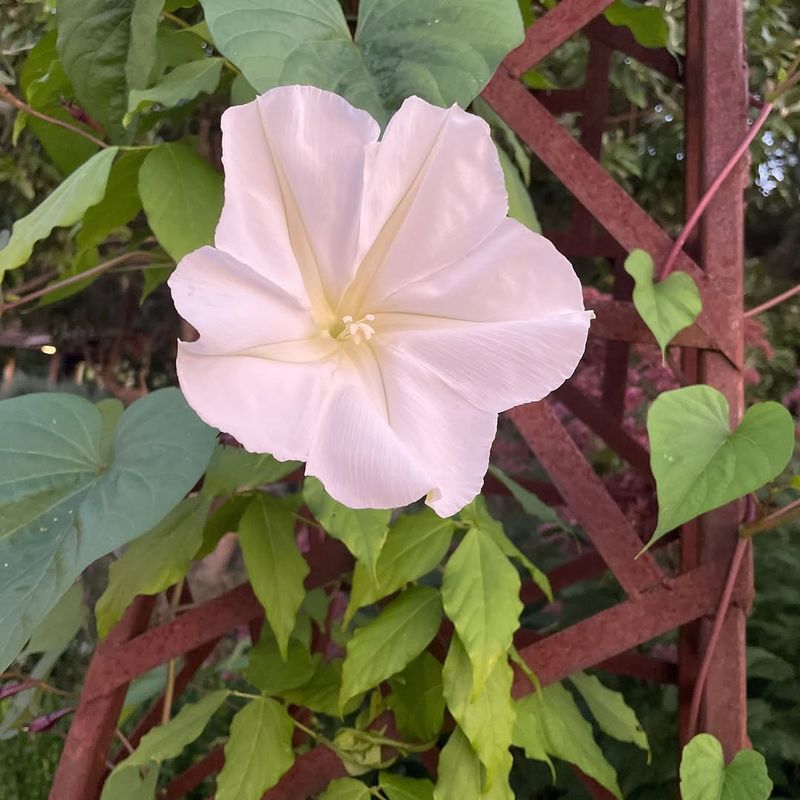
There is something almost poetic about a flower that only opens after the sun goes down. Moonflower lives up to its romantic name by producing enormous, snow-white blooms that unfurl each evening and close again by morning.
The flowers release a light, sweet fragrance that carries across the garden, and their wide, funnel-shaped form makes them irresistible to the hummingbird hawk-moth, which begins its nightly feeding rounds right around sunset.
Growing Moonflower in Texas is a joy because the warm climate gives vines plenty of energy to climb and spread. They do best on a trellis, fence, or pergola where they can reach for sunlight during the day and show off their blooms at night.
Once established, Moonflower vines grow quickly and can cover a large structure in a single season. Gardeners in Dallas and Austin have used them to create stunning evening garden displays that double as pollinator habitats.
The timing of Moonflower’s blooming cycle lines up almost perfectly with the hummingbird hawk-moth’s activity window. As evening temperatures cool in Texas, the moths become more active, and the Moonflower opens right on cue.
Planting a vine near a seating area lets you watch the whole interaction play out from a comfortable spot, which is one of the most relaxing ways to spend a summer evening in the Lone Star State.
Start Moonflower seeds indoors about four to six weeks before the last frost, or direct sow them after the soil has warmed. Soaking seeds overnight before planting speeds up germination.
They prefer full sun and moderately rich soil with good drainage. Once they start blooming, the show is consistent and spectacular, making Moonflower one of the most rewarding plants a Texas gardener can add to an evening-focused pollinator garden.
6. Lantana Packed With Colorful Nectar Clusters
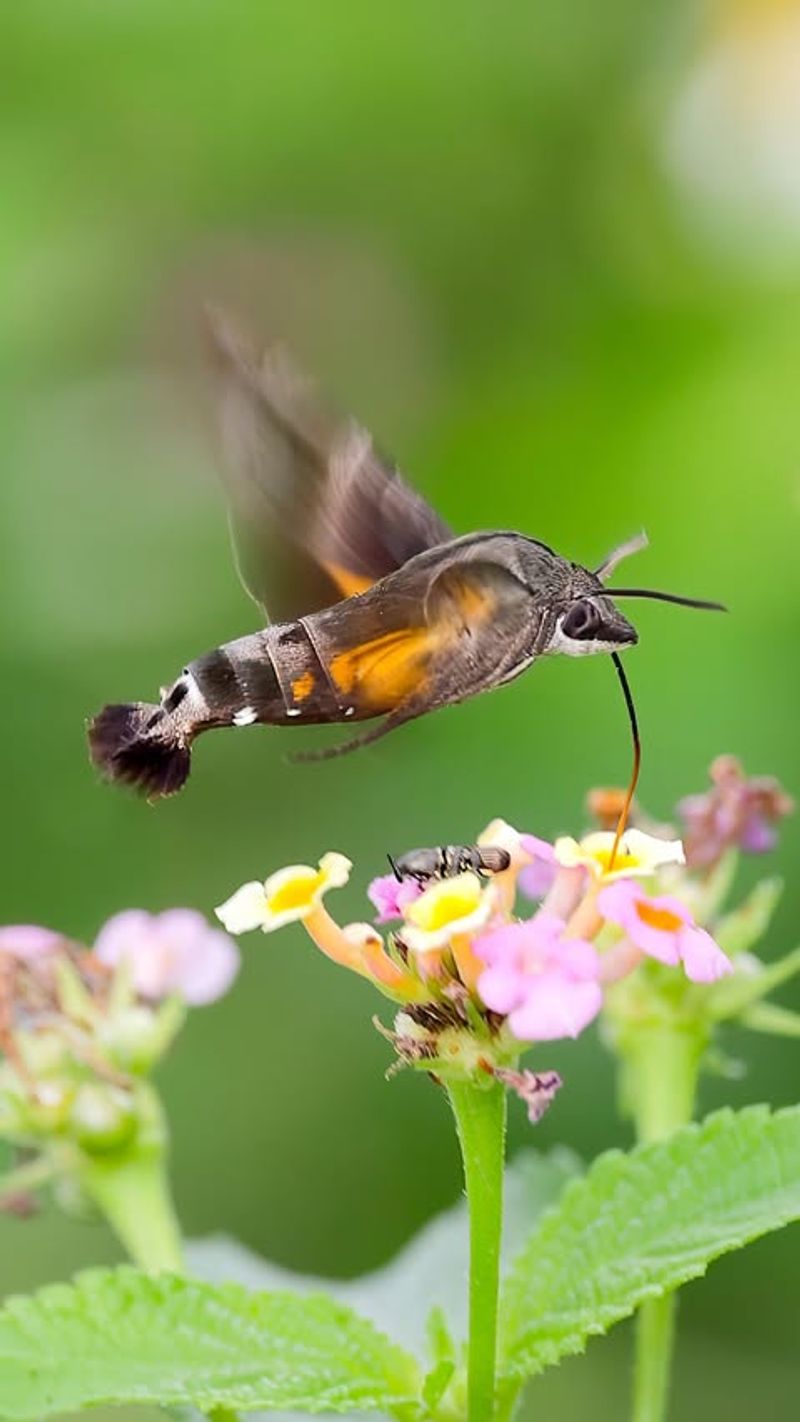
Bright, colorful, and nearly impossible to ignore, lantana brings a lively burst of energy to any Texas garden. Its tightly packed clusters of small flowers often blend shades of yellow, pink, orange, and red, creating that signature multicolor look that seems to shift as the blooms age.
These nectar-rich clusters are exactly what hummingbird hawk-moths look for, giving them an easy landing spot and a steady food source during warm evenings when they are most active.
Lantana thrives in the kind of conditions Texas delivers best. It loves full sun, handles intense heat with ease, and performs well in dry to average, well-drained soil.
Once established, it becomes highly drought-tolerant and asks for very little maintenance beyond occasional trimming to keep its shape. Gardeners across central and south Texas rely on lantana for long-lasting color, as it can bloom from spring well into fall in warmer areas.
One of the biggest advantages of lantana is how consistently it attracts pollinators. Butterflies visit throughout the day, while moths, including hummingbird hawk-moths and other sphinx moths, are drawn to the abundant nectar supply later in the day.
Planting lantana in clusters or along borders makes it easier for pollinators to find, increasing activity in your garden.
For the best results, choose a sunny location and give plants enough space to spread. Native Texas lantana (Lantana urticoides) is a particularly strong option, offering the same vibrant appeal with excellent adaptation to local conditions.
7. Agave Towering With Nectar-Rich Flower Spikes
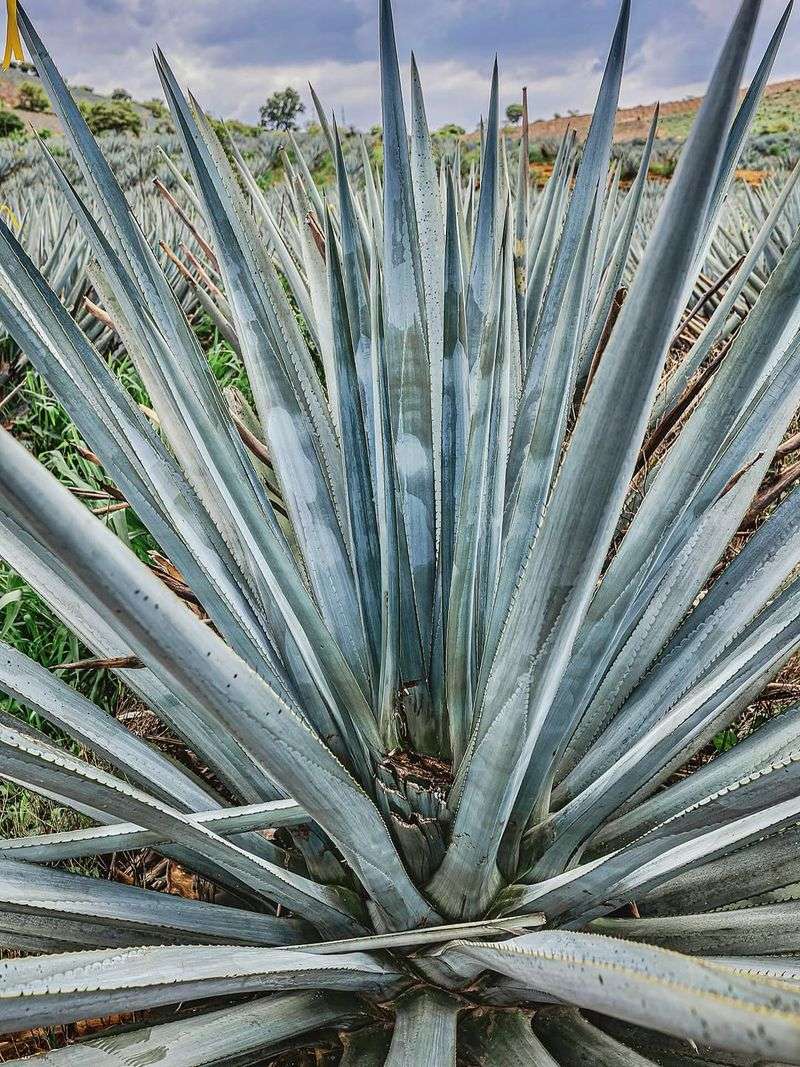
Agave is the ultimate symbol of the Texas landscape, and its towering flower spike is one of the most dramatic sights in the plant world. After spending years, sometimes decades, storing energy in its thick rosette of leaves, an agave plant sends up a massive bloom stalk that can reach 20 feet or more.
That stalk is loaded with nectar-rich flowers, and the hummingbird hawk-moth is one of many pollinators that visits these blooms during the flowering season.
What makes agave especially valuable in a Texas pollinator garden is its resilience. It thrives in rocky, dry soil under blazing sun, conditions that would challenge most other plants.
West Texas in particular is prime agave territory, where gardeners in areas around Big Bend and the Trans-Pecos region can grow these plants with almost no supplemental irrigation. Even in central Texas cities like Austin or San Marcos, agave fits naturally into xeriscape garden designs.
The flower stalks attract a wide range of pollinators, including bats, bees, and various moth species. The hummingbird hawk-moth, with its rapid wingbeats and hovering flight style, is perfectly suited to feeding from the clustered flowers along the tall spike.
Watching one work its way up the bloom stalk on a warm Texas evening is a genuinely memorable experience that reminds you just how rich the state’s natural biodiversity really is.
Planting agave requires minimal preparation. Choose a sunny, well-drained spot and give the plant plenty of room to spread its rosette.
It will grow slowly for years before sending up its spectacular bloom, so think of it as a long-term investment in your garden’s ecological health. When that flowering moment finally arrives, your Texas garden will become a destination for pollinators from all around the neighborhood.