7 Reliable Ways To Multiply Snake Plant In Arizona Homes
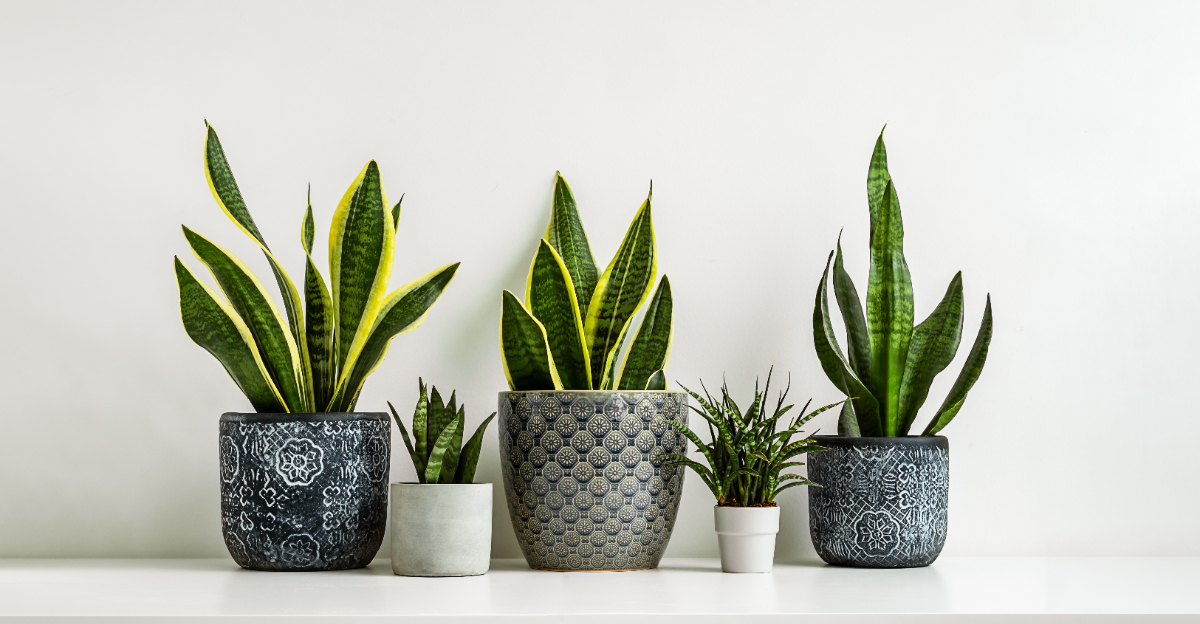
Snake plants are known for being easy to care for, but turning one healthy plant into several can feel a lot less straightforward than expected.
It often looks like everything is going right, with strong leaves and steady growth, yet new plants just do not happen as easily as they should.
In Arizona homes, indoor conditions quietly affect how well propagation works. Dry air, filtered light, and even small shifts in placement can slow things down or lead to mixed results, even when nothing seems obviously wrong.
Some methods work better than others depending on the setup, and choosing the wrong one can waste time without any clear progress.
Once the right method lines up with the environment, the difference becomes noticeable and the process feels much more predictable.
Getting more plants from one snake plant does not have to be frustrating, but it does require the right approach for these conditions.
1. Divide Mature Plants To Create New Healthy Sections
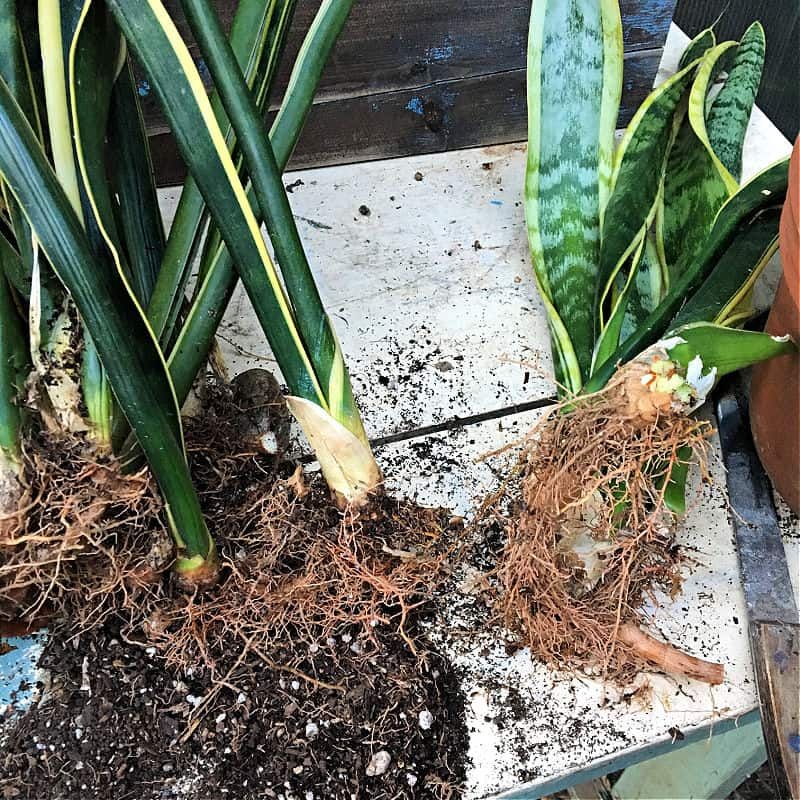
Splitting a mature snake plant is one of the most satisfying things you can do as a home gardener in Arizona. You start with one crowded pot and walk away with two or three plants that are ready to grow on their own.
Early spring is the best window for this — before the desert heat really kicks in — because new divisions get a few weeks to settle in before temperatures climb.
Pull the plant out of its pot and shake off as much soil as you can. You’ll see the root mass clearly once it’s exposed.
Use a clean, sharp knife to cut through the root ball, making sure each section has both roots and at least a few leaves attached. Dull tools tend to crush the roots rather than cut cleanly, so sharpen your blade beforehand.
Pot each division into a well-draining cactus or succulent mix. Terracotta pots work especially well in Arizona homes because they let excess moisture escape through the sides, which helps prevent soggy roots.
After potting, hold off on watering for about three to four days to let any cut surfaces dry out a bit.
Place the new divisions somewhere with bright, indirect light — a spot near a north or east-facing window tends to work well indoors.
2. Propagate Leaf Cuttings In Water For Root Development
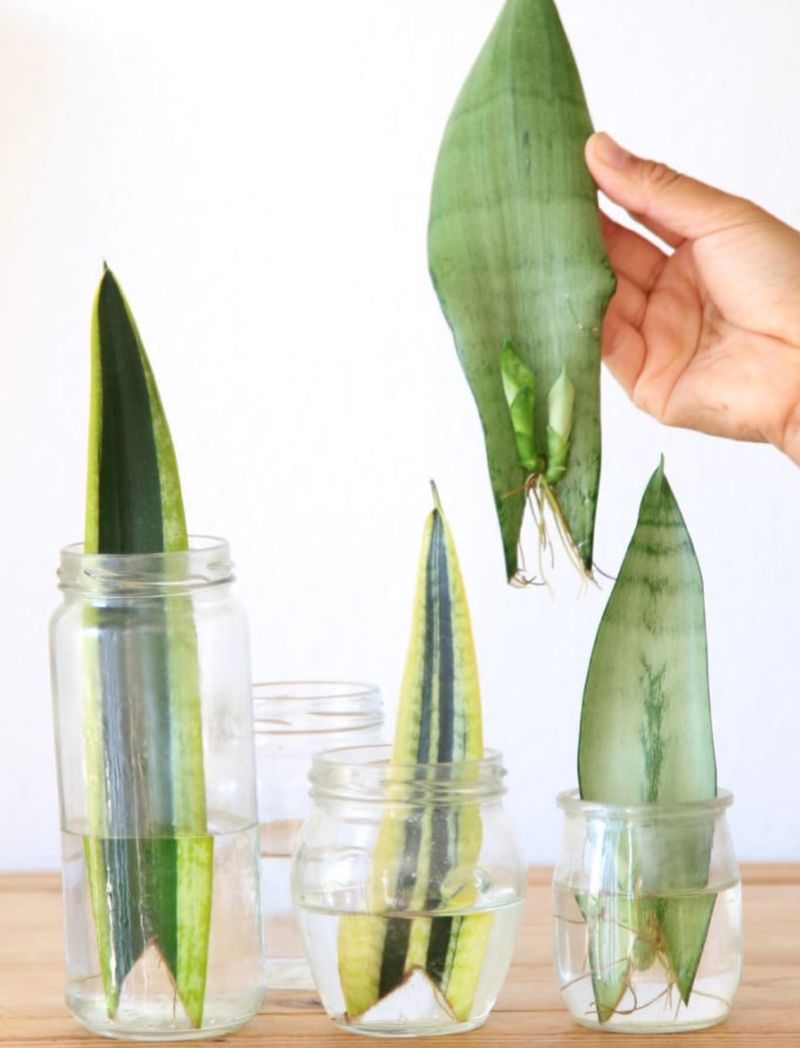
Water propagation is probably the most visually rewarding method because you can watch roots appear over time right through the glass. Cut a healthy leaf near the base of the plant using clean scissors or a knife.
Let that cutting sit out for a day or two so the cut end dries slightly before you put it in water — skipping this step often leads to mushy stems.
Fill a small glass or jar with clean water and drop the cutting in so only the bottom inch or two is submerged. Keep the jar somewhere with bright, indirect light.
In Arizona’s dry indoor air, water evaporates faster than you’d expect, so check the jar every couple of days and top it off when needed. Change the water completely every four to five days to keep it fresh and reduce any buildup.
Your Arizona Garden Changes Every Week. Your Plan Should Too.
Gardening in Arizona changes quickly throughout the season. Every Friday you’ll receive a simple weekly plan showing exactly what to plant, prune, fertilize, harvest, and protect so you never miss the right timing.
Roots typically start appearing somewhere between four and six weeks in, though timing can vary depending on the season and how much light the cutting gets. New leaf growth usually follows a few weeks after roots establish.
Don’t rush the process by moving cuttings to soil too early — wait until roots are at least an inch long before transplanting.
3. Use Soil Propagation For Faster And Stronger Rooting
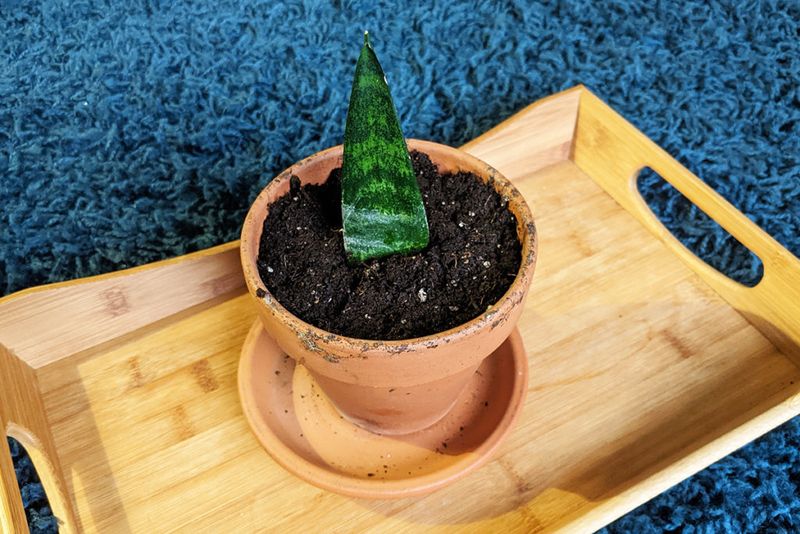
Planting cuttings directly into soil skips the transplanting step you’d need after water propagation, and for Arizona conditions, that can actually reduce stress on the cutting.
Dry indoor air means soil-rooted cuttings sometimes develop thicker, more resilient roots than their water-rooted counterparts.
It’s not a dramatic difference, but it’s something experienced growers here tend to notice over time.
After cutting a healthy leaf, let the cut end sit out for at least 24 hours. Arizona’s low humidity speeds up the callousing process compared to more humid climates, so you often don’t need to wait as long as guides written for other regions might suggest.
Once calloused, dip the cut end in rooting hormone powder if you have it on hand — it’s optional, but it can shorten rooting time by a week or two.
Insert the cutting about an inch deep into a cactus or succulent potting mix. Gently press the soil around the base so the cutting stands upright on its own.
Water lightly — just enough to slightly dampen the top layer of soil — then let it dry out before watering again. Overwatering is the most common reason cuttings fail indoors in Arizona.
4. Cut Leaves Into Sections And Root Them Separately
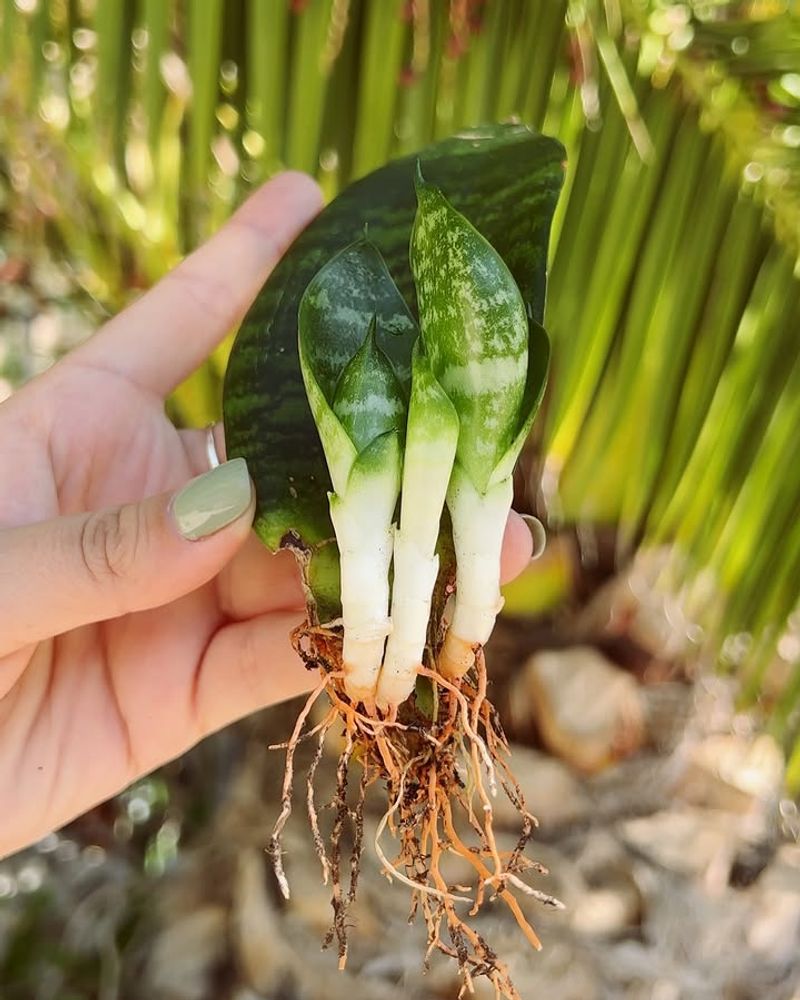
Got one long, healthy leaf? You can turn it into five or six separate plants by cutting it into sections.
Each piece has the potential to root and eventually produce new growth, which makes this method great when you want to multiply quickly without sacrificing many leaves from the parent plant.
Cut the leaf into sections roughly three to four inches long. Here’s a detail that trips up a lot of people: the orientation matters.
The end of each section that was closer to the soil needs to be the end you plant or place in water. Flipping a section upside down means it won’t root, no matter how long you wait.
Mark the bottom of each piece with a small notch or pen mark before you cut if you think you’ll lose track.
Allow each section to callous for a day before placing them in water or soil. In soil, push each section about an inch deep with the marked bottom end going in first.
Space them out in a wide, shallow pot if you want to root several at once. Keep the soil barely moist — Arizona’s indoor air is already quite dry, so you won’t need to water often.
Rooting can take anywhere from four to eight weeks depending on the season and light availability. New pups, which are the tiny new plants that eventually emerge from the base, may take another month or two beyond that.
5. Let Cuttings Callous Before Planting To Prevent Rot
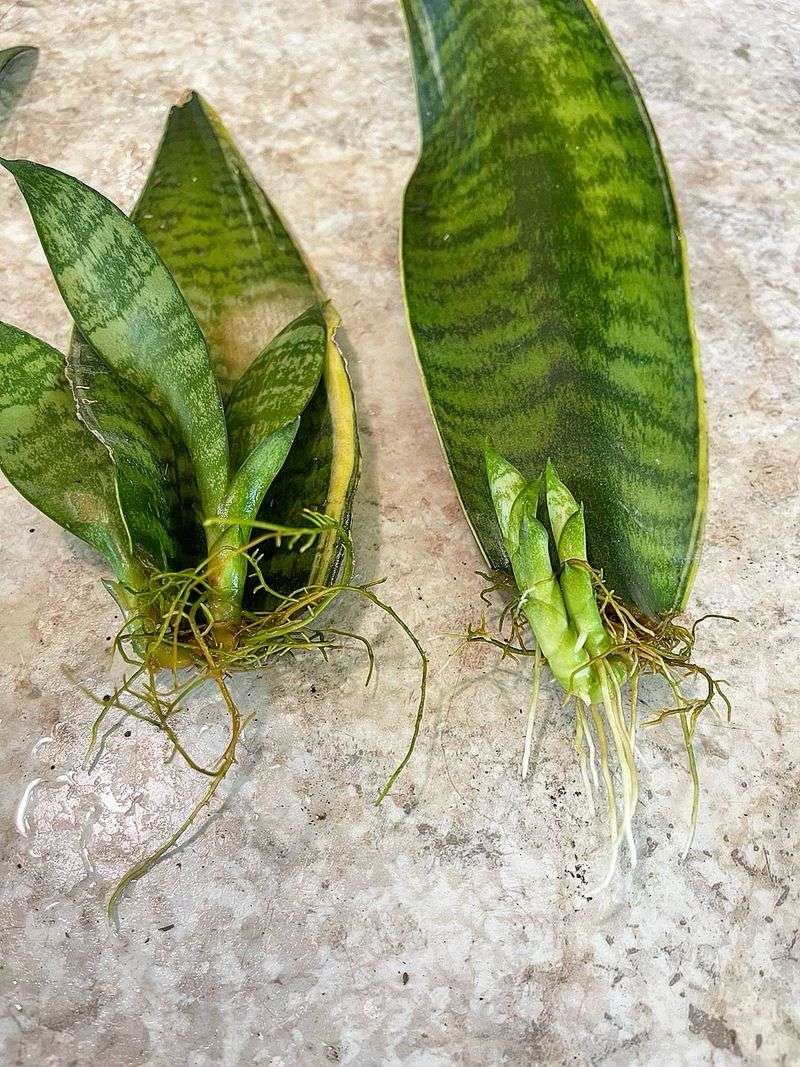
Callousing is one of those steps that feels unnecessary until you skip it and watch a cutting go mushy within a week. When you cut through a succulent leaf, the wound is moist and open, making it an easy entry point for bacteria and fungal issues.
Letting it dry out first — even for just 24 hours — creates a thin, dry seal over the cut surface that dramatically reduces the chance of rot once it hits soil or water.
In Arizona, the process actually goes faster than in humid climates. Low indoor humidity means cut surfaces dry out within a day, sometimes less during summer when air conditioning is running constantly.
Just lay the cuttings on a dry paper towel or a clean surface out of direct sunlight. Direct sun at this stage can stress the cutting before it’s even had a chance to root.
You’ll know a cutting is ready when the cut end looks dry and slightly firm rather than wet or shiny. There’s no need to wait longer than 48 hours in most Arizona indoor conditions — the air does the work quickly.
Some growers dust the calloused end with a bit of cinnamon, which has mild antifungal properties, before planting. It’s not a guaranteed fix for anything, but it’s a low-effort extra step that some find helpful.
6. Keep Cuttings In Bright Indirect Light For Best Results
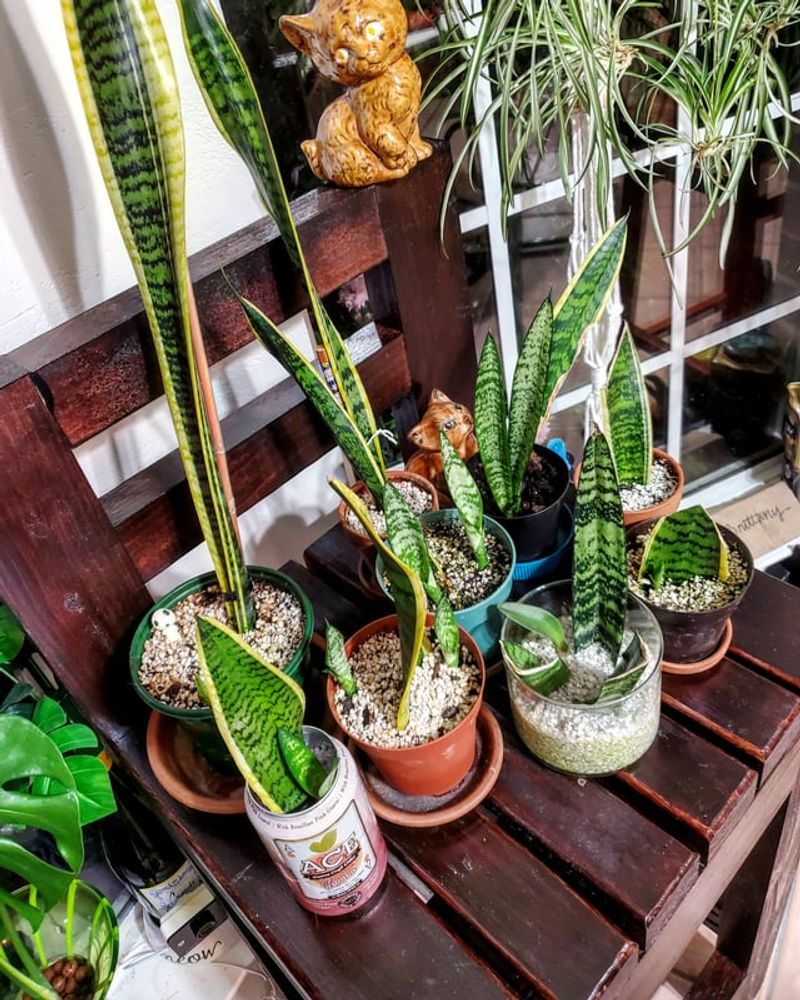
Light placement makes a bigger difference than most people expect when rooting snake plant cuttings. Too little light and the cutting barely has enough energy to push out roots.
Too much direct sun — especially in an Arizona home where summer light can be intense — and the cutting dries out or scorches before roots even get started.
Bright, indirect light hits the sweet spot. A spot near a window covered with a sheer curtain works well, as does a location a few feet back from a south or west-facing window.
North and east-facing windows tend to provide gentler light that suits cuttings well without the intensity of afternoon desert sun. If your home runs on the darker side, a simple grow light set to run eight to ten hours a day can fill the gap.
Cuttings don’t need strong light to survive, but consistent, moderate light helps them root more efficiently. Rooms that get bright natural light for most of the day tend to produce roots faster than darker corners where a cutting just sits and waits.
Moving pots around to chase light is worth the effort during the first few weeks of propagation.
7. Water Lightly To Avoid Rot In Dry Indoor Conditions
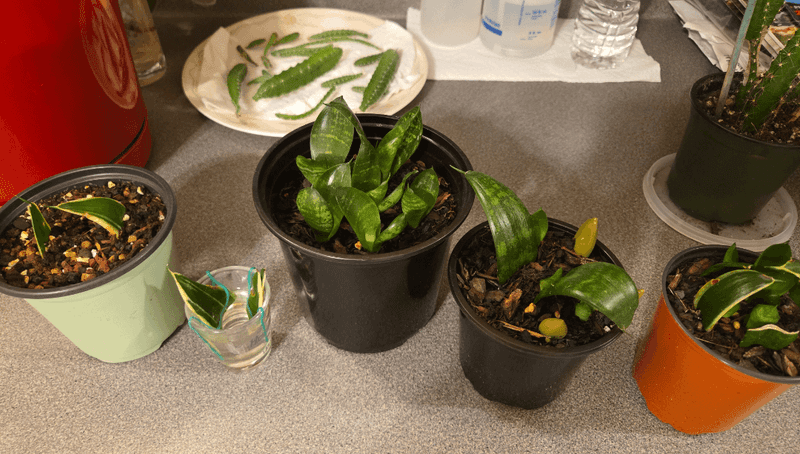
Overwatering is the number one reason snake plant cuttings fail indoors, and it’s an easy trap to fall into when you’re eager to see progress. More water does not mean faster roots — in fact, it usually means the opposite.
Soggy soil creates the exact conditions that cause cuttings to break down before they ever get a chance to establish.
In Arizona homes, especially during the drier months, the soil in small pots dries out relatively quickly. A light watering every seven to ten days is usually enough during the rooting phase.
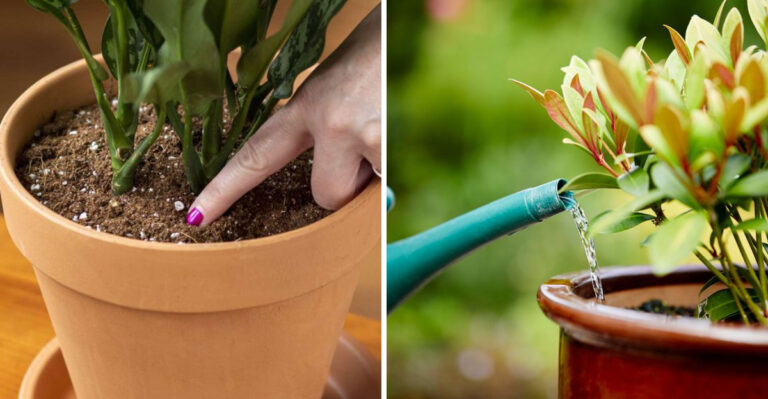
Stick your finger an inch into the soil — if it still feels even slightly damp, hold off. Waiting until the top inch or two is completely dry before watering again is a reliable habit to build with these plants.
During monsoon season, typically July through September, indoor humidity in Arizona rises a bit. That’s the time to pull back on watering even more, since the soil won’t dry as fast as it does during the rest of the year.
Adjust based on what you actually feel in the soil rather than sticking to a rigid schedule regardless of conditions.
Terracotta pots help naturally because they pull moisture out of the soil through the walls, giving roots a drier environment overall.