Heat-Tolerant Flowers To Plant In Texas Pots Before Summer
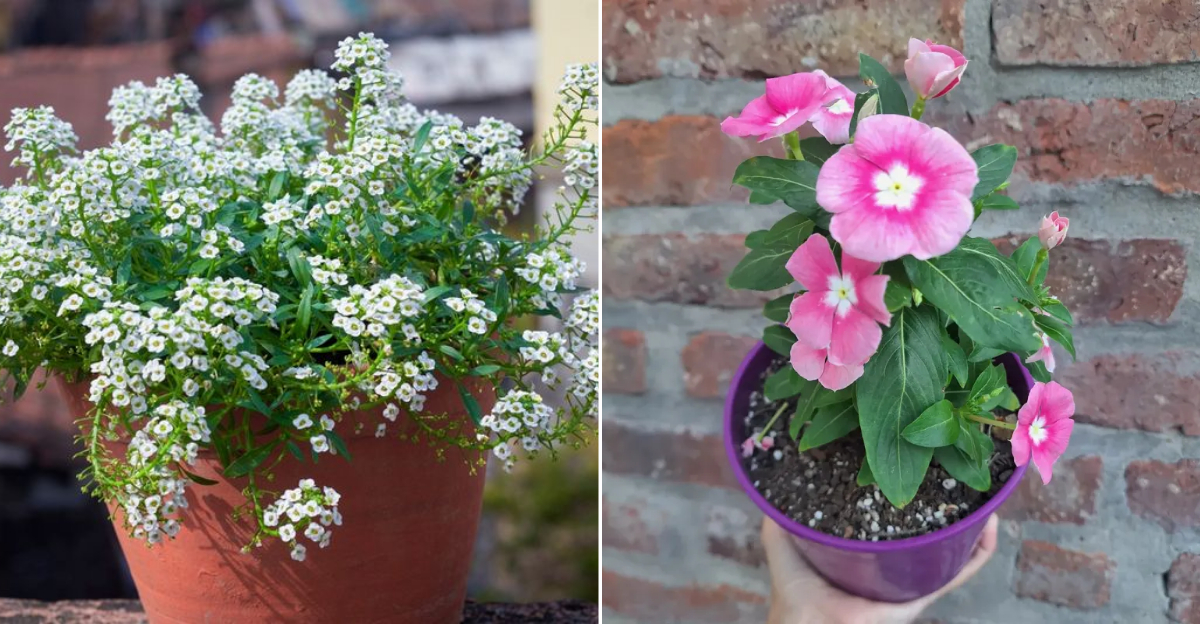
By the time Texas summer gets going, patio pots can start looking tired in a hurry. One week they are fresh and full, and the next they seem to be begging for mercy by lunchtime.
That is why smart container gardeners get ahead of the heat instead of waiting for summer to start calling the shots.
The good news is that plenty of flowers can handle hot Texas conditions without throwing a fit the minute temperatures climb. The trick is choosing plants that can keep blooming through strong sun, warm nights, and the kind of dry spells or humidity swings that make lesser choices fade.
Pots also put plants under extra pressure, since roots heat up quickly and moisture disappears sooner than it does in the ground.
A strong lineup now can save you disappointment later, and a few of these flower choices may surprise you in the best way.
1. Angelonia Keeps Texas Pots Blooming Through The Heat
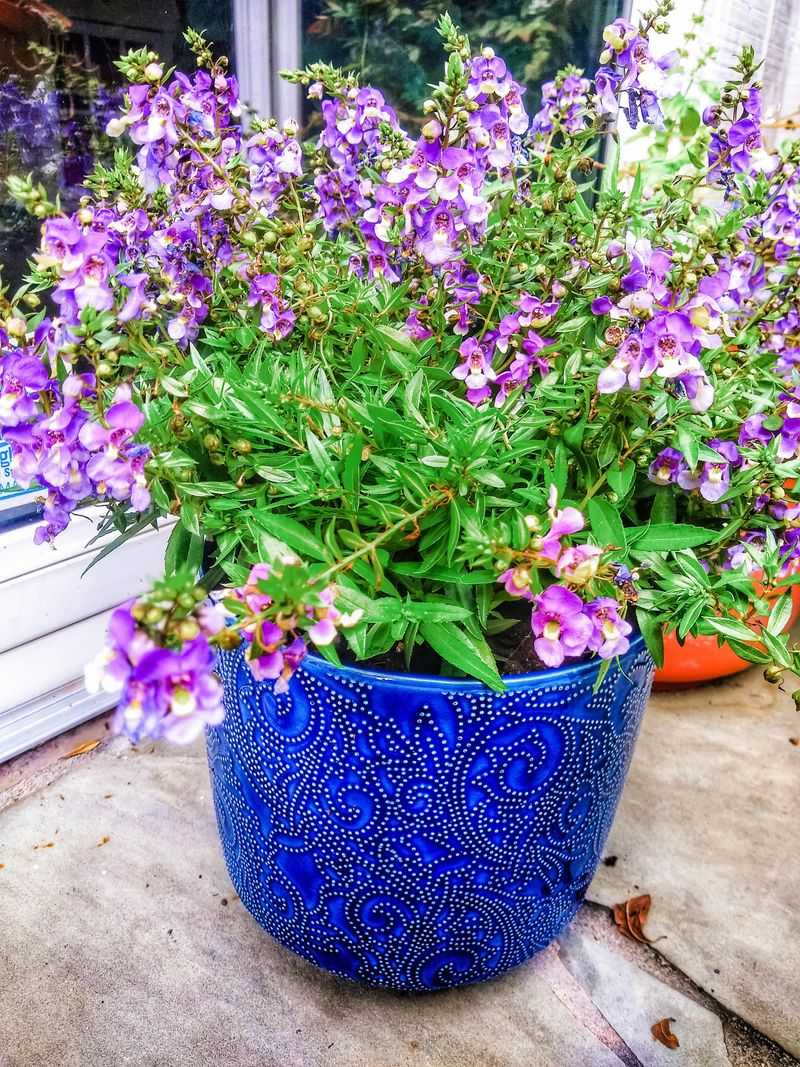
Sometimes called the summer snapdragon, Angelonia brings a quiet elegance to Texas container gardens that is hard to beat. Its tall, slender spikes are covered in small orchid-like flowers that come in shades of purple, pink, lavender, and white.
What makes this flower extra special is the light, sweet fragrance it gives off when you brush against the leaves, almost like grape candy on a warm afternoon.
Angelonia is incredibly well-suited for the brutal heat that rolls across Texas from June through September. It loves full sun and actually performs better as temperatures rise, which is the opposite of many common container plants.
Once it gets going, it rarely needs deadheading because old blooms fall away cleanly on their own, saving you time and effort.
For best results in Texas pots, use a quality well-draining potting mix and water deeply every two to three days during peak heat. Pair Angelonia with trailing plants like sweet potato vine to add fullness to your container display.
Fertilizing every two weeks with a balanced liquid fertilizer keeps the blooms coming strong. This plant handles humidity well too, which is great news for gardeners along the Texas Gulf Coast.
Compact varieties like Serenita and Serena work especially well in pots because they stay tidy without much trimming. If you want a no-fuss, high-reward flower for your Texas patio this summer, Angelonia should absolutely be at the top of your list.
2. Cora Vinca Handles Hot Weather Like A Champ
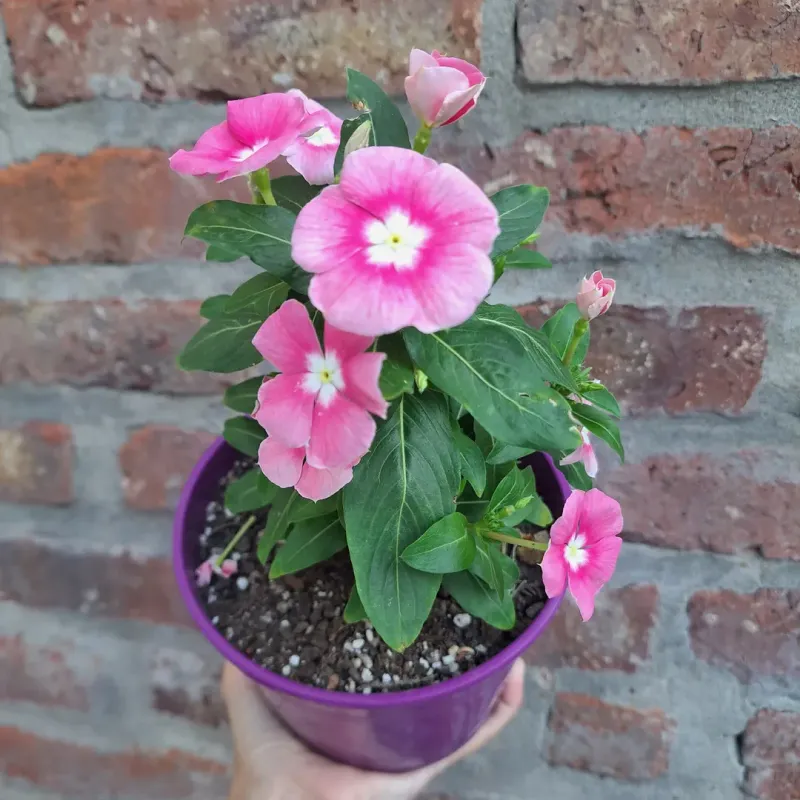
If there is one flower that acts like it was born specifically for the Texas summer, Cora Vinca is it. This is not your average vinca.
The Cora series was specially bred for heat, humidity, and disease resistance, making it one of the most reliable choices for container gardening across Texas. Gardeners who have struggled with vinca in the past often find that Cora varieties completely change their experience.
Cora Vinca blooms in rich, saturated colors including hot pink, coral, red, white, and lavender. The flowers are large and glossy, almost waxy-looking, and they cover the plant so thickly that the foliage can barely be seen.
Your Texas Garden Changes Every Week. Your Plan Should Too.
Gardening in Texas changes quickly throughout the season. Every Friday you’ll receive a simple weekly plan showing exactly what to plant, prune, fertilize, harvest, and protect so you never miss the right timing.
One of the best things about this plant is that it is self-cleaning, meaning you never have to pinch off old flowers. Fresh blooms just keep replacing the spent ones all on their own throughout the season.
Plant Cora Vinca in full sun for the most impressive results. It handles the reflected heat from concrete patios and driveways in Texas cities like San Antonio and Austin without missing a beat.
Water consistently but avoid overwatering since soggy roots can cause problems. A slow-release fertilizer mixed into the potting soil at planting time gives it a great head start.
Cora Vinca pairs beautifully with trailing plants like Blue Daze or sweet alyssum in mixed containers. It grows about 14 to 18 inches tall, making it a strong centerpiece plant in medium to large pots.
Few flowers deliver this much color with this little effort in Texas heat.
3. Pentas Keeps The Color Coming When Temperatures Rise
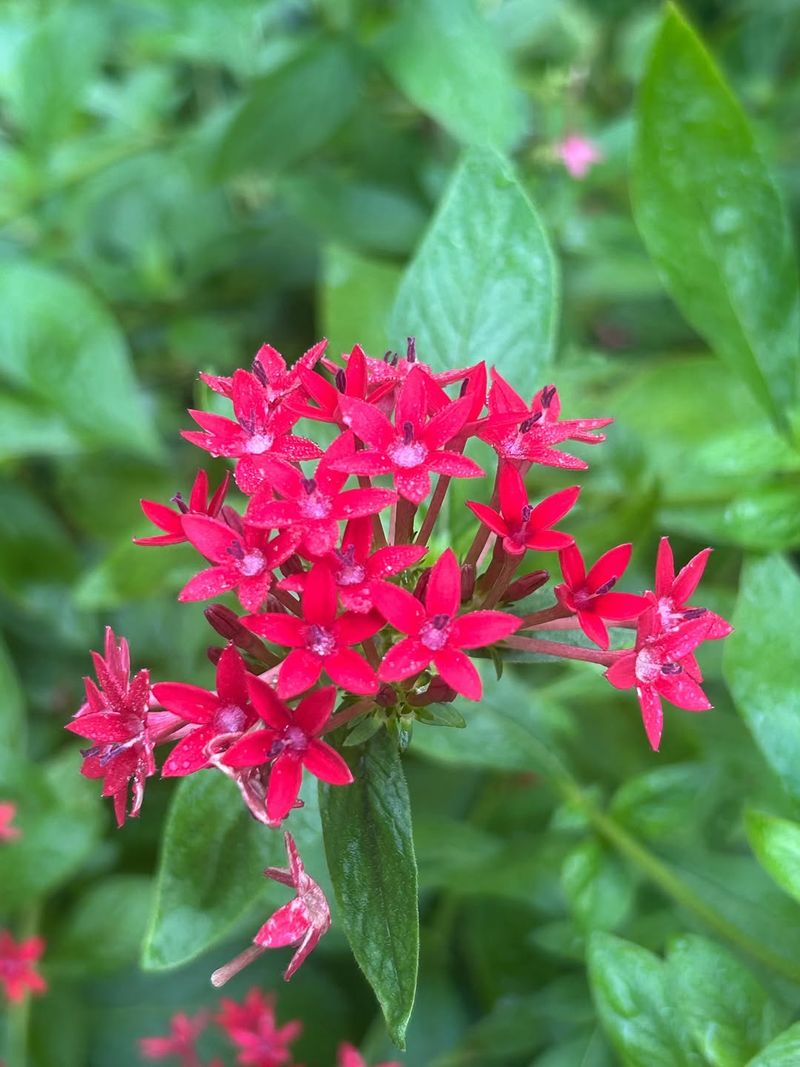
Walk past a pot of Pentas on a hot Texas afternoon and you will almost certainly see butterflies and hummingbirds hovering nearby. Also known as Egyptian star flower, Pentas produces dense clusters of tiny star-shaped blooms in shades of red, pink, coral, white, and lavender.
Beyond the beauty, this plant is a true wildlife magnet, making your container garden feel alive in the best possible way.
Pentas is a tropical plant at heart, which means it actually loves the kind of heat and humidity that Texas summers dish out. It grows steadily through the hottest months without wilting or fading, which is more than most flowers can say.
Full sun is ideal, though Pentas can handle a bit of afternoon shade in the most intense parts of the Texas summer, which can be helpful for gardeners in areas like Laredo or Midland where temperatures regularly push past 105 degrees.
For container growing in Texas, choose a pot that is at least 10 inches wide to give the roots enough room to spread. Water when the top inch of soil feels dry, and feed every two weeks with a bloom-boosting fertilizer to keep the flower clusters coming.
Compact varieties like Graffiti and Butterfly series stay nicely shaped without much pruning. Pentas can grow up to two feet tall in a single season under good conditions.
Mixing it with yellow or orange flowers like Lantana creates a stunning, pollinator-friendly display that looks incredible from spring all the way through fall in Texas.
4. Blue Daze Spills Over Pots With Cool Color
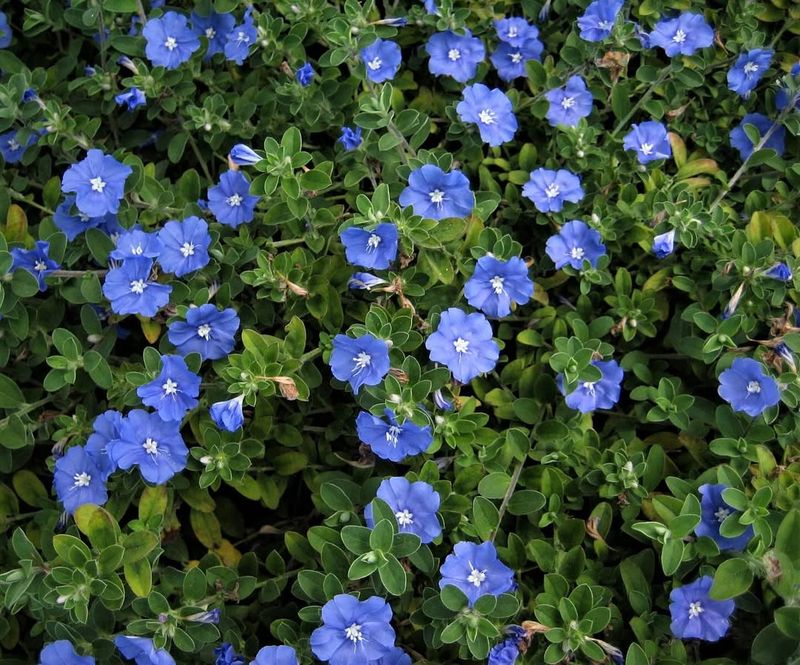
There is something almost surprising about Blue Daze. In a world full of red, orange, and yellow summer flowers, this plant shows up with soft, sky-blue blooms that feel refreshing just to look at.
Blue Daze, also known as Evolvulus, is a low-growing, spreading plant that works perfectly as a filler or trailer in Texas container arrangements. Its color is genuinely rare among heat-tolerant flowers, which makes it a standout in any pot grouping.
Each individual flower is small, about the size of a dime, and opens fresh every morning before closing in the afternoon. The plant produces so many blooms that there is always a generous display of color throughout the day.
Blue Daze thrives in full sun and handles the intense Texas heat with ease once it is established. It is drought-tolerant as well, though it looks its best with regular watering during the driest stretches of summer.
In terms of container care across Texas, plant Blue Daze in well-draining soil and avoid letting water sit in the saucer beneath the pot. It pairs wonderfully with warm-colored flowers like Pentas, Lantana, or Purslane, creating a complementary contrast that looks professionally designed.
Fertilize every two to three weeks with a balanced fertilizer to encourage steady growth and blooming. Blue Daze grows about six to twelve inches tall and spreads outward generously, making it perfect for the edges of mixed containers.
For anyone who wants to add a cool, calming color to their Texas patio this summer, Blue Daze is a wonderful and underused choice.
5. Purslane Loves The Heat And Does Not Slow Down
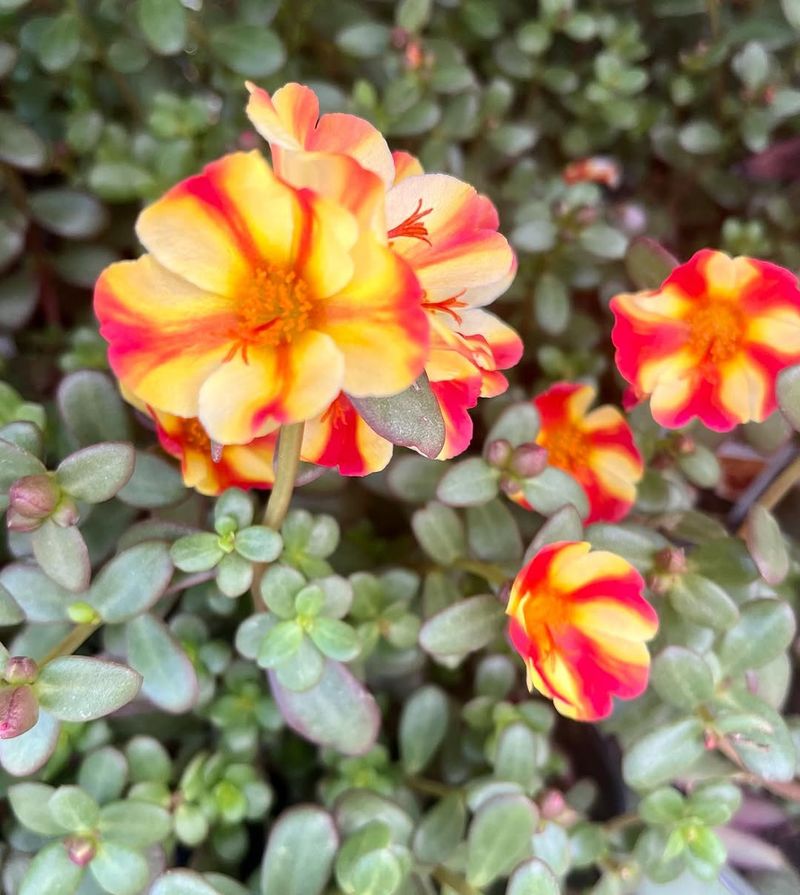
Purslane might just be the toughest flower on this entire list. With thick, succulent-like leaves that store water and a cheerful spread of rose-shaped flowers in shades of pink, orange, yellow, red, and white, this plant was practically made for Texas summers.
Gardeners who have tried and failed with more delicate flowers in extreme heat often find that Purslane is the answer they have been looking for all along.
What sets Purslane apart from many other heat-tolerant flowers is its ability to shrug off neglect. Forgot to water for a few days during a busy week?
Purslane handles it without complaint. It stores moisture in its fleshy stems and leaves, drawing on that reserve when conditions get tough.
This makes it especially practical for Texas gardeners who travel during summer or who simply have a packed schedule that does not allow for daily plant care.
Purslane loves full sun and actually blooms more abundantly when the temperatures are at their hottest. Plant it in a shallow, wide container with excellent drainage since it does not like wet feet.
It spreads outward in a low, mounding habit, making it a great choice for window boxes and wide patio pots across Texas. Pair it with taller plants like Pentas or Angelonia for a layered look that adds depth to your display.
Feed with a diluted balanced fertilizer every two weeks for the best flowering. Few plants offer this level of color and resilience with such minimal effort in the Texas heat.
6. White Stream Lobularia Stays Fresh Longer Than You Might Expect
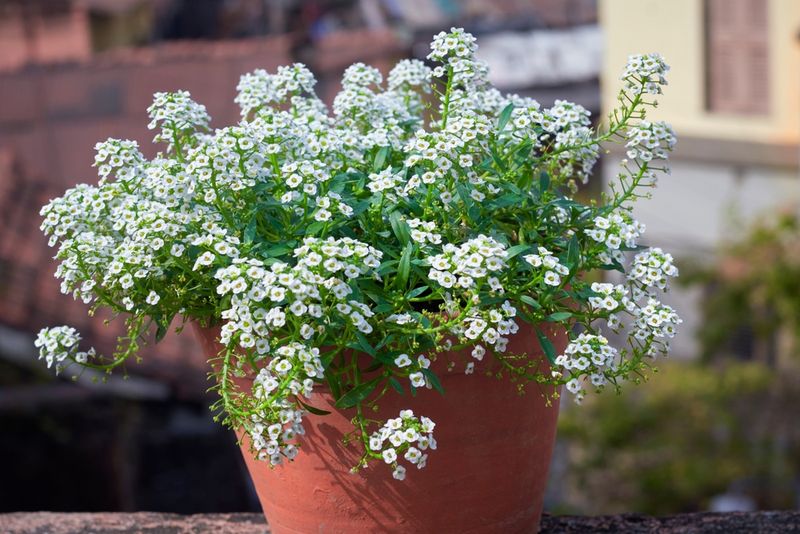
Most people are familiar with sweet alyssum as a cool-season flower that fades fast once summer heat arrives. White Stream Lobularia breaks that rule completely.
This specially bred variety was developed to keep blooming straight through the heat, making it a revolutionary choice for Texas gardeners who love the soft, honey-scented clouds of white flowers that alyssum provides.
White Stream Lobularia produces a generous cascade of tiny white blossoms that spill beautifully over the edges of containers and hanging baskets. The fragrance is gentle and sweet, adding a sensory layer to your patio or balcony that most purely visual plants cannot match.
Bees and beneficial insects absolutely love it, so adding this plant to your Texas container garden supports local pollinators throughout the summer season.
Unlike traditional alyssum, White Stream Lobularia holds up in temperatures that would normally cause other varieties to struggle and stop blooming. Plant it in a spot that gets morning sun with some afternoon shade for the best results, especially in the hottest parts of Texas like the Rio Grande Valley or West Texas.
Water regularly and keep the soil evenly moist rather than letting it dry out completely between waterings. It works beautifully as an edge plant in mixed containers alongside colorful upright flowers like Pentas or Angelonia.
Trim it back lightly if it starts to look a bit scraggly mid-season, and it will bounce back quickly with fresh growth and new blooms. White Stream Lobularia brings elegance and fragrance to Texas summer pots in a way few other flowers can.
7. Dakota Gold Helenium Brings Bright Color Without Fuss
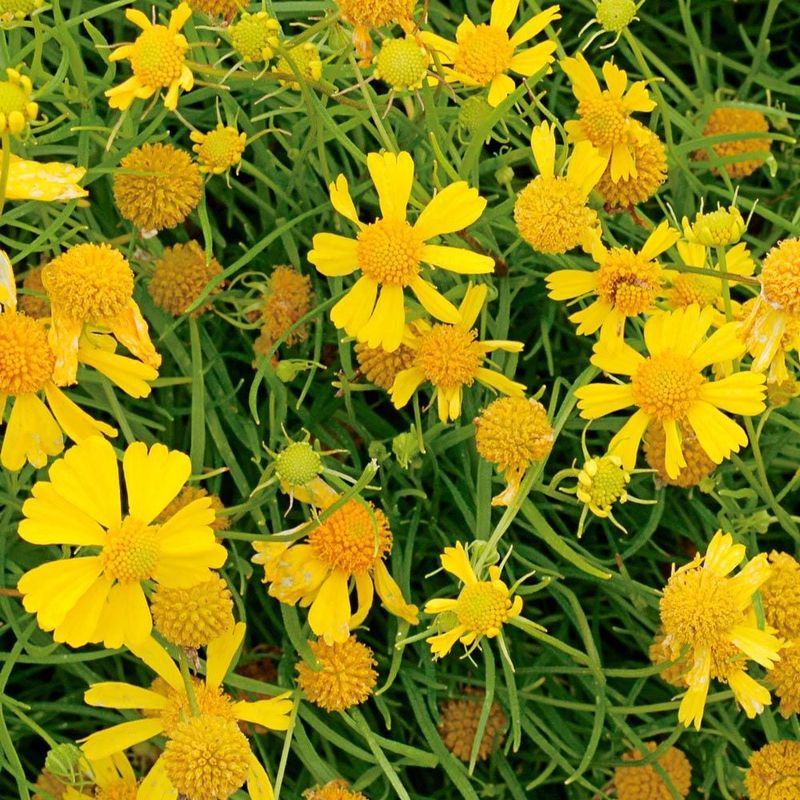
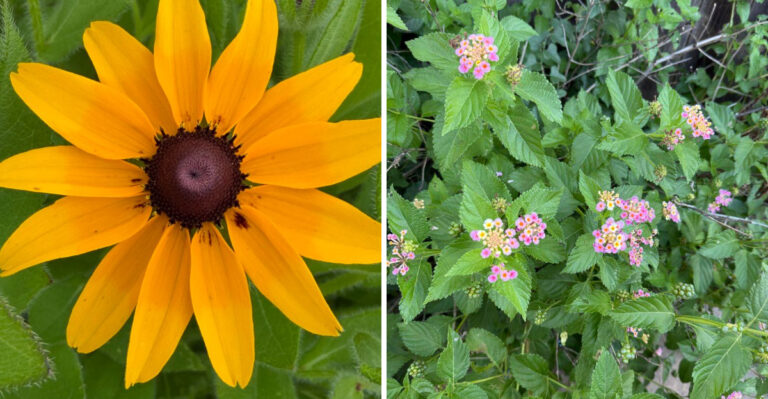
Bold, sunny, and absolutely bursting with golden color, Dakota Gold Helenium is a compact variety of sneezeweed that brings a wildflower energy to Texas container gardens. The flowers are daisy-like with rich yellow petals surrounding a dark brown center button, creating a warm, cheerful look that brightens up any patio or porch.
Unlike the full-sized helenium varieties that can grow quite tall, Dakota Gold stays compact enough to thrive beautifully in pots.
One of the most impressive things about this plant is its long blooming season. Dakota Gold typically starts flowering in late spring and keeps going strong well into fall, even through the most punishing stretches of Texas summer heat.
It is a pollinator magnet too, drawing in bees and butterflies regularly, which adds a lively, natural energy to your outdoor space throughout the season.
For container growing in Texas, plant Dakota Gold in a pot that is at least 12 inches wide and deep to support its root system. It performs best in full sun but tolerates a little afternoon shade in especially hot regions.
Water consistently, keeping the soil moist but never waterlogged, and fertilize every two to three weeks with a balanced bloom fertilizer. Deadheading spent flowers regularly encourages the plant to produce fresh blooms more quickly.
Dakota Gold Helenium pairs nicely with blue or purple flowers like Blue Daze or Angelonia, creating a color contrast that feels both vibrant and well-balanced. For Texas gardeners who want that golden summer meadow look right on their patio, this compact powerhouse delivers every single time.
8. New Gold Lantana Is Made For Long Texas Summers
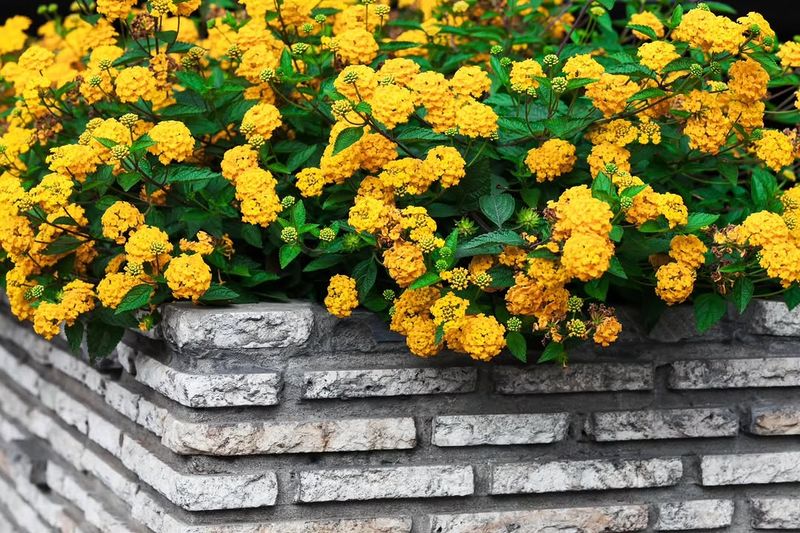
Ask any experienced Texas gardener which flower holds up best through the most brutal summer heat, and Lantana will almost always come up in the conversation. New Gold Lantana is one of the finest varieties available, producing non-stop clusters of pure golden yellow flowers from spring all the way through the first cool snaps of fall.
It is a Texas classic for good reason, and the New Gold variety is especially well-suited to container growing.
New Gold Lantana is sterile, meaning it does not produce berries and puts all of its energy directly into flowering instead. This results in an even more prolific bloom display than standard Lantana varieties.
It spreads outward in a low, mounding habit that looks absolutely stunning cascading over the edges of large pots or raised planters. The bright yellow color pops beautifully against the warm tones of terracotta pots, which are a popular choice on Texas patios and porches.
Full sun is a must for New Gold Lantana, and the more sun it gets, the better it performs. It is highly drought-tolerant once established, though regular watering during the first few weeks helps it settle in quickly.
Use a well-draining potting mix and avoid heavy clay-based soils that hold too much moisture. Feed with a slow-release granular fertilizer at planting time and follow up with liquid fertilizer every few weeks through the season.
Butterflies, especially Gulf Fritillaries that are common across Texas, are irresistibly drawn to the blooms. New Gold Lantana is the kind of plant that makes your whole container garden look like it was designed by a professional.