This One Fertilizing Trick Will Make Your Florida Tomatoes Bigger And Tastier
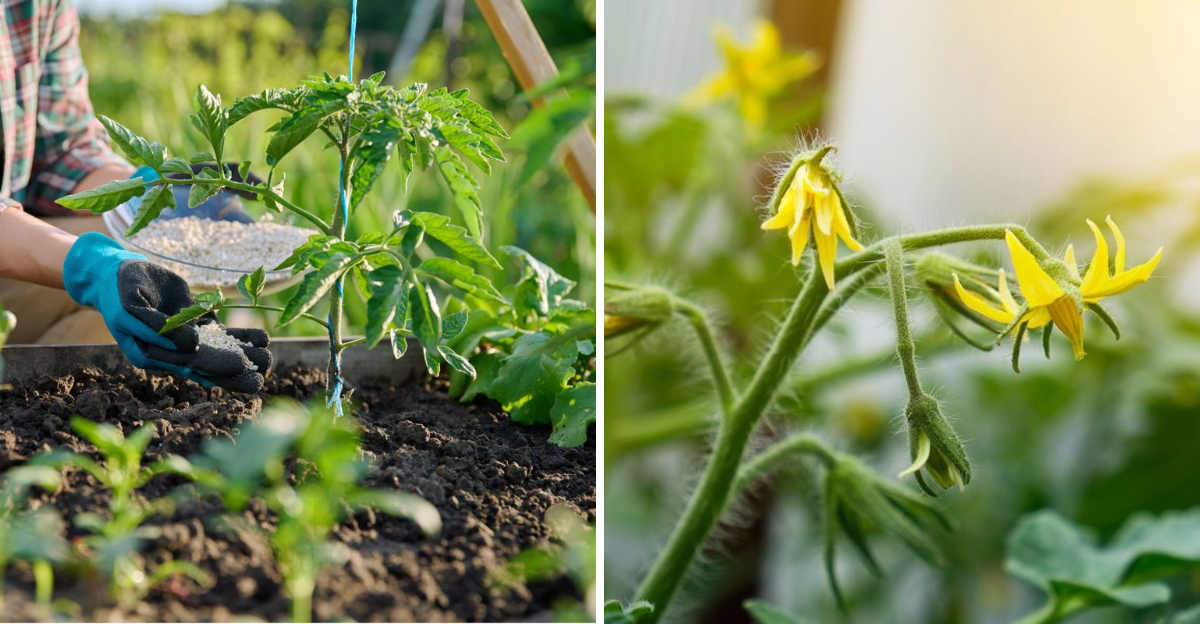
Florida tomato plants love to fool people. They shoot up fast, fill out with lush green growth, and start looking like they are on track for a dream season.
Then the harvest rolls in, and the fruit is smaller than expected, the flavor falls a little flat, and all that early confidence suddenly feels premature. That is where one small fertilizing shift can change the story.
A lot of gardeners focus on feeding tomatoes more, assuming bigger plants will naturally lead to better fruit. In Florida, that logic can backfire in a hurry.
Our long growing season, fast growth, and intense weather make timing just as important as the fertilizer itself. The trick is not dumping on extra plant food and hoping for the best.
It is knowing when your tomato plants need something different from what they wanted at the start. Get that moment right, and the payoff can show up where it really counts: in the size, quality, and taste of the tomatoes you pick.
1. Switch To Lower Nitrogen Once Flowers Start Showing
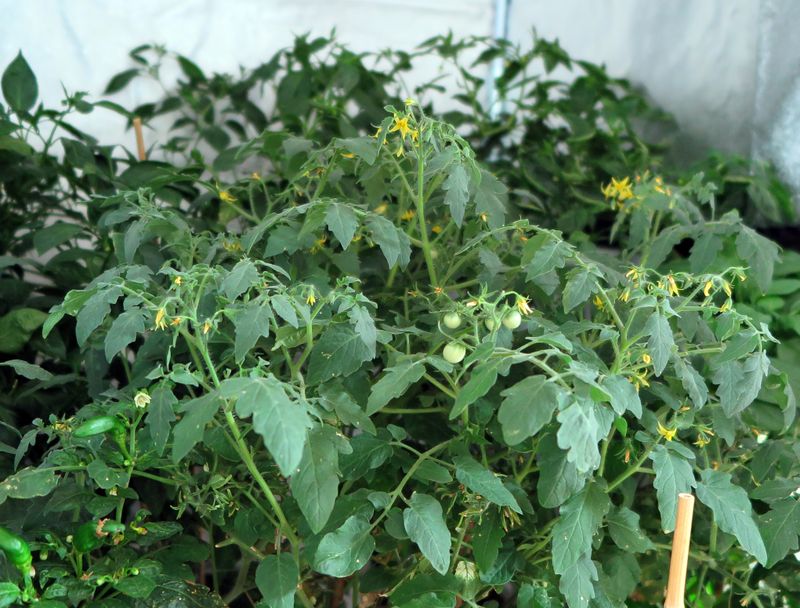
Most gardeners give their tomato plants a strong nitrogen fertilizer early in the season, and that is completely the right call. Nitrogen drives leafy, vigorous growth, which is exactly what a young transplant needs to get established and build a sturdy frame.
The problem starts when gardeners keep using that same high-nitrogen formula after flowers begin to appear.
Once your tomato plant starts flowering, its priorities change completely. The plant is no longer trying to build more stems and leaves.
It is now focused on producing flowers, setting fruit, and pushing energy into those developing tomatoes. If you keep feeding it heavy nitrogen at this stage, you are essentially telling the plant to keep growing leaves when it should be doing something else entirely.
The trick is to switch to a lower-nitrogen fertilizer as soon as you spot those first yellow flowers. A product with an NPK ratio like 5-10-10 or 4-12-8 works well here.
The reduced nitrogen slows down excessive leafy growth, while the higher phosphorus and potassium numbers support flower development and fruit set. This shift does not mean starving the plant of nitrogen altogether.
It simply means dialing it back so the plant can redirect its energy where it actually counts.
Florida gardeners especially benefit from making this switch early, because the heat and long growing season can push plants to keep producing foliage aggressively if nitrogen stays high.
Catching the transition at the right moment gives your plants the best shot at setting fruit consistently and developing tomatoes with real size and flavor.
2. Why Leafy Growth Is Not The Goal Anymore
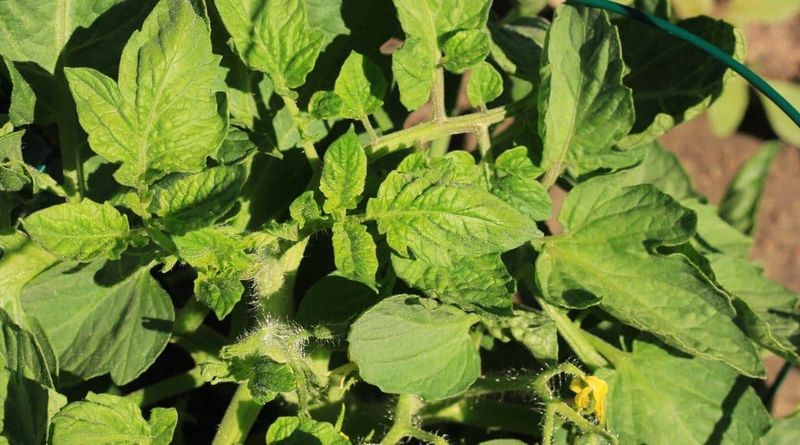
Picture a tomato plant so full and green it looks almost like a small shrub. The leaves are thick, the stems are sturdy, and the whole thing looks like it should be producing tomatoes by the basketful.
But when you look closer, there are barely any fruit in sight. That is not a success story.
Your Florida Garden Changes Every Week. Your Plan Should Too.
Gardening in Florida changes quickly throughout the season. Every Friday you’ll receive a simple weekly plan showing exactly what to plant, prune, fertilize, harvest, and protect so you never miss the right timing.
That is a nitrogen hangover.
Lush leaf growth is a sign that nitrogen is doing its job, but only during the right phase. Once flowering begins, all that energy going into new leaves is energy that is not going into flowers, fruit set, or fruit development.
Tomato plants have a finite amount of resources to work with at any given time, and heavy nitrogen keeps redirecting those resources toward vegetative growth even when the plant is trying to shift modes.
According to University of Florida IFAS, tomatoes that receive too much nitrogen during the fruiting stage can produce excessive foliage while setting fewer fruit.
The fruit that does develop may also be less flavorful, since the sugars and compounds that make tomatoes taste good are partly influenced by how well the plant manages its energy during fruiting.
Backing off nitrogen at the right time is not about neglecting the plant. It is about working with what the plant actually needs at that stage.
Letting the plant slow down on leafy production frees up resources for what most gardeners are actually growing tomatoes for: a satisfying, flavorful harvest that makes all that Florida heat worth it.
3. Potassium Takes On A Bigger Job Once Fruit Starts Forming
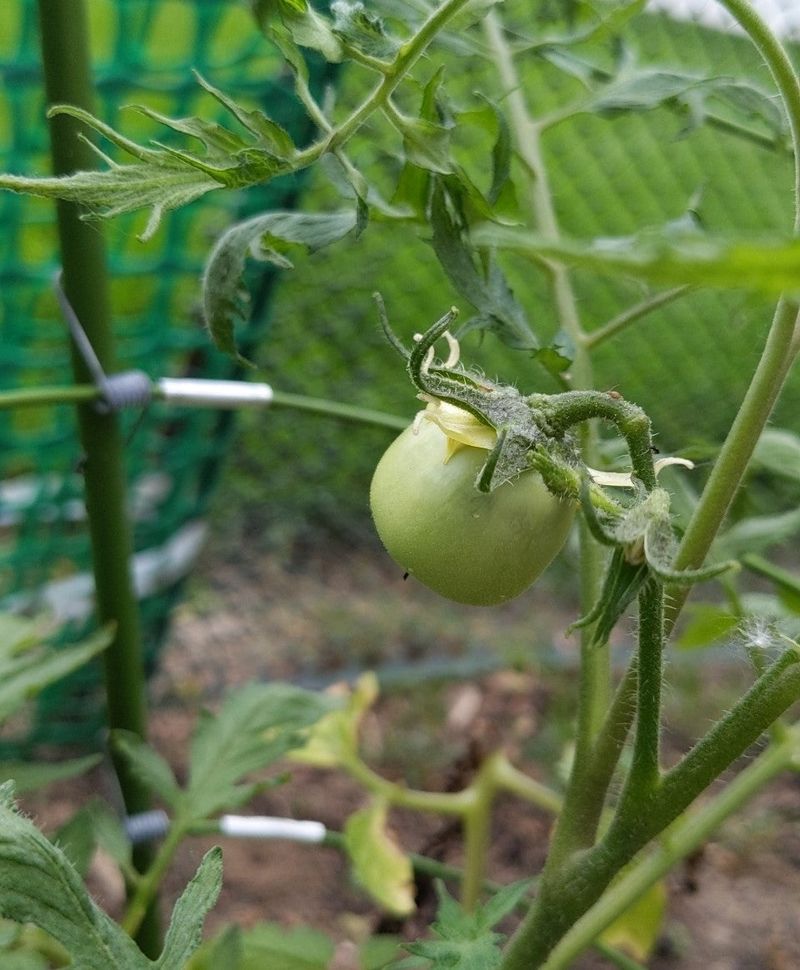
Nitrogen gets most of the attention in fertilizer conversations, but once tomatoes start setting fruit, potassium quietly becomes the most important nutrient in the mix. Many gardeners overlook it simply because the effects are not as visually dramatic as a nitrogen boost.
But potassium is doing critical work behind the scenes that directly affects the size and quality of your tomatoes.
Potassium supports cell division and cell wall strength, which plays a direct role in how large each tomato can grow. It also helps the plant move sugars from the leaves into the developing fruit, which is a big part of what makes a homegrown tomato taste noticeably better than a store-bought one.
Without enough potassium during fruit development, tomatoes can end up small, unevenly shaped, or lacking that rich flavor gardeners are hoping for.
There is also a practical side to this that matters specifically in Florida. Potassium helps plants manage water more efficiently, which is useful during the intense heat and unpredictable rainfall that Florida gardeners deal with regularly.
A plant that can regulate water movement more effectively tends to produce more consistent fruit, with fewer issues like blossom end rot or cracking.
When you switch to a lower-nitrogen fertilizer at flowering, look for a product where the third number in the NPK ratio is notably higher.
Something in the range of 5-10-10 or even a dedicated tomato fertilizer with elevated potassium will give your plants what they need to push that energy into fruit development rather than more leaves.
4. Tomato Fertilizer Works Better Than A General Garden Feed
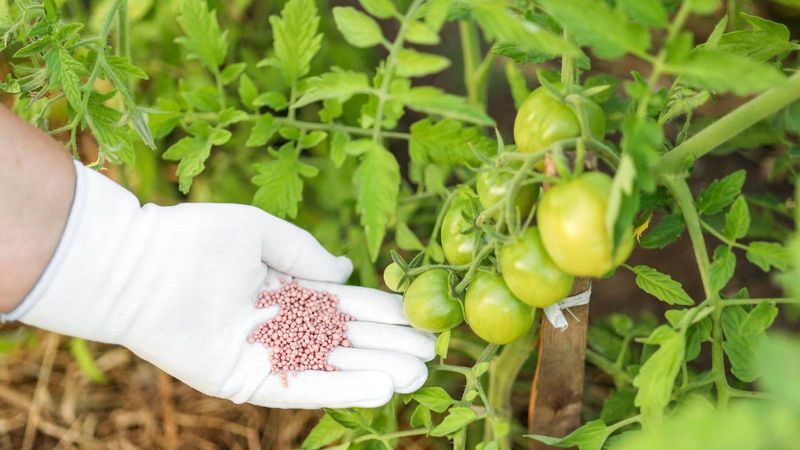
A bag of 10-10-10 general fertilizer is a staple in most Florida sheds, and for good reason. It is affordable, easy to find, and works well for a wide range of plants during their early growth stages.
But once tomato plants start flowering and setting fruit, that balanced formula starts to work against you more than it helps.
Tomato-specific fertilizers are formulated with the plant’s full growth cycle in mind.
They typically start with a nutrient balance that supports vegetative growth and then shift toward higher phosphorus and potassium ratios that are more appropriate for flowering and fruiting.
Some products even include micronutrients like calcium and magnesium, which tomatoes need in meaningful amounts and which Florida’s sandy soils can be genuinely low in.
Calcium is worth paying attention to specifically. Low calcium availability during fruit development is one of the main causes of blossom end rot, a common and frustrating problem for Florida tomato growers.
A tomato fertilizer that includes calcium can help address that risk without requiring a separate amendment. That kind of targeted nutrition is something a general-purpose fertilizer simply does not offer.
Switching to a tomato-specific product during the flowering and fruiting stage does not have to be expensive. Many garden centers carry solid options at reasonable prices.
Reading the label carefully and looking for a product with lower nitrogen and higher potassium in the NPK ratio will point you toward the right choice. The goal is a fertilizer that matches what your plant actually needs right now, not a one-size-fits-all solution.
5. Small Feedings Help Florida Tomatoes Stay On Track
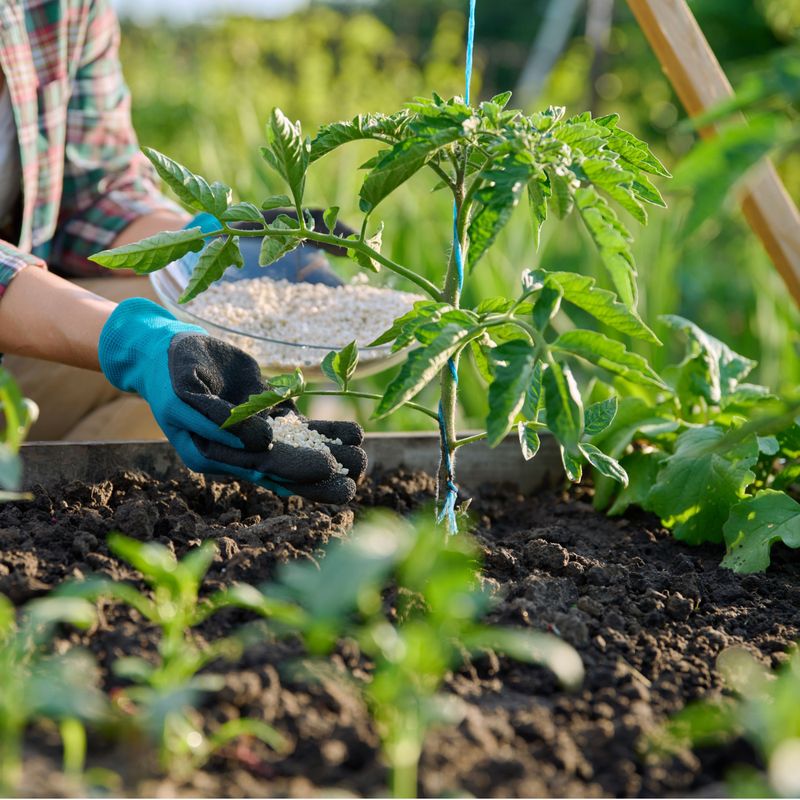
One common gardening habit that can quietly cause problems is the urge to feed plants heavily all at once. It feels efficient, and it seems logical that more nutrients at one time should equal better results.
But for Florida tomatoes, smaller and more frequent feedings tend to work significantly better than occasional large applications.
Florida’s sandy soils drain quickly. When you apply a large amount of fertilizer at once, a good portion of those nutrients can leach below the root zone before the plant ever gets to use them.
That is not just wasteful. It can also leave your plants undernourished between feedings while creating brief periods of nutrient overload right after each application.
Those swings in nutrient availability can stress the plant and lead to uneven fruit development.
Feeding every two to three weeks with smaller amounts keeps nutrient levels more consistent in the root zone. The plant gets a steady, manageable supply of what it needs rather than a flood followed by a drought.
This approach also makes it easier to adjust what you are feeding based on where the plant is in its growth cycle. Once you spot flowers, you can immediately shift to the lower-nitrogen formula without wasting a large application of the wrong product.
University of Florida IFAS recommends split applications of fertilizer for tomatoes grown in Florida’s sandy soils, specifically because of how quickly nutrients move through the soil profile.
Following that guidance and keeping each feeding modest gives your plants a more stable nutritional foundation throughout the entire growing season.
6. Your Timing Matters More Than Most Gardeners Realize
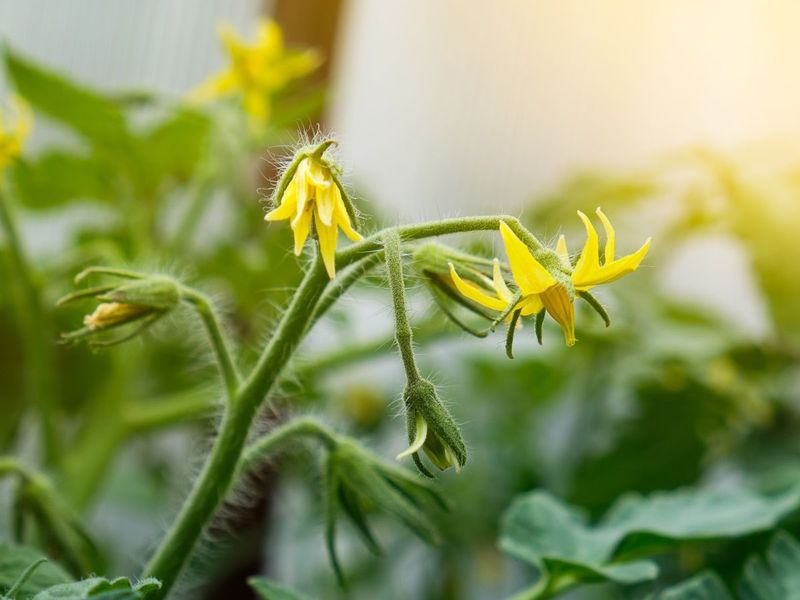
Most gardening advice focuses heavily on which fertilizer to use, but the when often gets overlooked. With tomatoes, the timing of your nutrient shifts can matter just as much as the product you choose.
Feeding the right fertilizer at the wrong stage of plant development can produce results that are confusing and disappointing, especially when the plants look fine on the outside.
The key transition moment is when the first flower buds appear. That is your signal that the plant has moved out of its vegetative phase and into its reproductive phase.
From that point forward, the plant’s internal priorities have changed, and your fertilizer approach should reflect that change.
Waiting too long after flowers appear to make the switch means the plant has already been receiving excess nitrogen during a stage when it needed less of it.
Checking your plants every few days once they are established makes it much easier to catch this moment early.
Florida’s warm temperatures can push tomato plants through their growth stages faster than gardeners expect, especially in fall plantings when temperatures are still high.
A plant that was in full vegetative growth one week can be showing flower buds the next.
Once you make the switch to a lower-nitrogen fertilizer at first flowering, stay consistent with it through the rest of the fruiting season.
Reverting back to a high-nitrogen product mid-season, even briefly, can trigger a new flush of leafy growth that competes with the fruit already developing on the vine.
Staying attentive to where your plant is in its cycle is one of the simplest and most effective things a Florida gardener can do.
7. Overfeeding Can Backfire Fast In Florida Heat
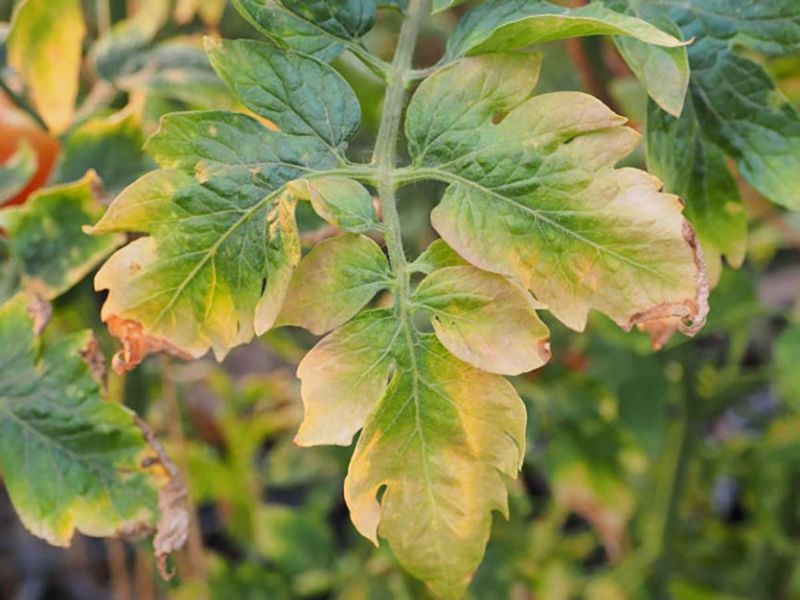
Florida’s heat is not forgiving, and neither is the combination of high temperatures and too much fertilizer.
Overfeeding tomatoes is one of those mistakes that can sneak up on a gardener quickly, especially in the middle of a Florida summer when the instinct is to do more in hopes of getting better results.
But more fertilizer is not always more helpful, and in Florida’s conditions, it can create real problems fast.
When too much fertilizer is applied, especially nitrogen-heavy products, the concentration of salts in the soil increases. In hot weather, when soil moisture evaporates quickly, those salt concentrations can rise to levels that actually pull water out of plant roots rather than letting the roots absorb it.
The result is a plant that looks like it is struggling with drought stress even when the soil seems adequately moist. Leaves curl, tips turn brown, and fruit development slows or stalls.
Excess nitrogen during fruiting also pushes the plant to keep producing new vegetative growth, which means more leaves and stems competing for the water and nutrients that should be going to fruit.
In Florida’s heat, that extra top growth also increases the plant’s overall water demand, which adds more stress during periods of high temperatures or inconsistent rainfall.
Keeping feedings modest and sticking to the recommended rates on your fertilizer label is genuinely the safer approach in Florida. More is rarely better when it comes to fertilizing tomatoes in a hot climate.
A measured, consistent feeding schedule protects the plant and keeps fruit development on track without pushing the plant past its limits.