How To Tell Deer Damage From Rabbit Damage In Ohio Fast
You walk outside in Ohio, coffee in hand, and something has chewed through your flowers like a midnight snack run happened in the yard. The damage looks rude, random, and very personal.
Then comes the usual debate. Was it deer again, or are rabbits the real troublemakers this time?
That question matters more than people think. Deer and rabbits leave different calling cards, and getting it wrong can waste a lot of effort on the wrong fix.
One nibbles high, one works low, and the shape of the bite can tell quite a story before you ever catch the culprit in action.
Spring and summer feeding patterns make the mystery even more common across Ohio gardens, especially where neighborhoods meet fields or wooded edges.
Look closer at the stems, the height, and the missing leaves, because the next clue is usually hiding in plain sight nearby.
Ragged Torn Feeding Marks
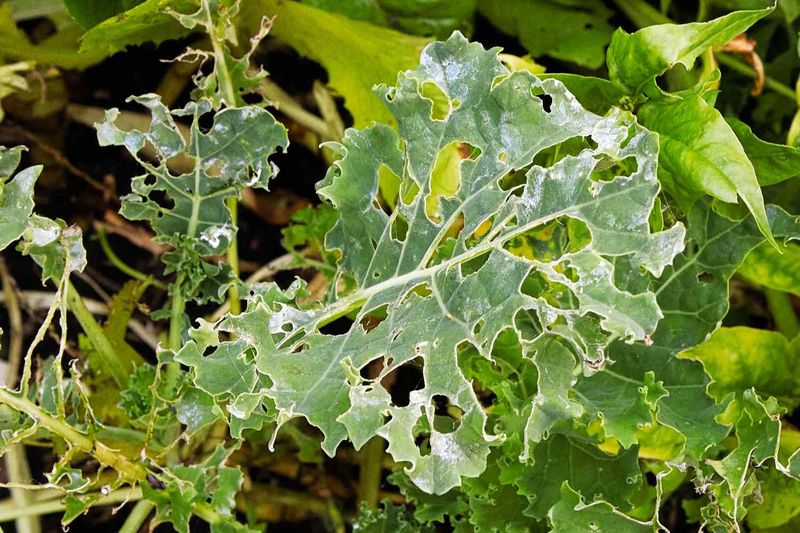
Picture pulling back a branch and finding the leaves look like someone grabbed them and yanked hard, leaving behind torn, shredded, stringy edges. That messy, ragged look is one of the clearest signs that deer have been visiting your Ohio yard.
Deer do not have upper front teeth, so instead of biting cleanly through plant material, they grab and pull, ripping stems and leaves apart in a rough, uneven way.
This tearing action leaves behind a very distinct appearance. The ends of stems and leaves look frayed, almost like a piece of fabric that has been pulled apart rather than cut with scissors.
If you run your finger along the damaged area, it feels rough and jagged rather than smooth.
Rabbits, on the other hand, have sharp upper and lower incisors that work together like tiny scissors. Their feeding marks look completely different, which is why paying close attention to the texture of the damage is so helpful.
In Ohio gardens where both animals are common, this single clue can quickly point you in the right direction.
Deer tend to feed most aggressively in the fall and winter months when food becomes harder to find across Ohio. During these seasons, the ragged tearing damage becomes especially noticeable on shrubs, hostas, and young tree branches.
Checking your plants early in the morning is a smart habit because that is usually when fresh overnight damage is easiest to spot and identify.
Once you train your eye to recognize the torn, shredded look of deer feeding, spotting it becomes second nature. Gardeners across Ohio who learn this clue early save themselves a lot of time and frustration when trying to figure out what animal is sneaking into their yard.
Clean Angled Cuts
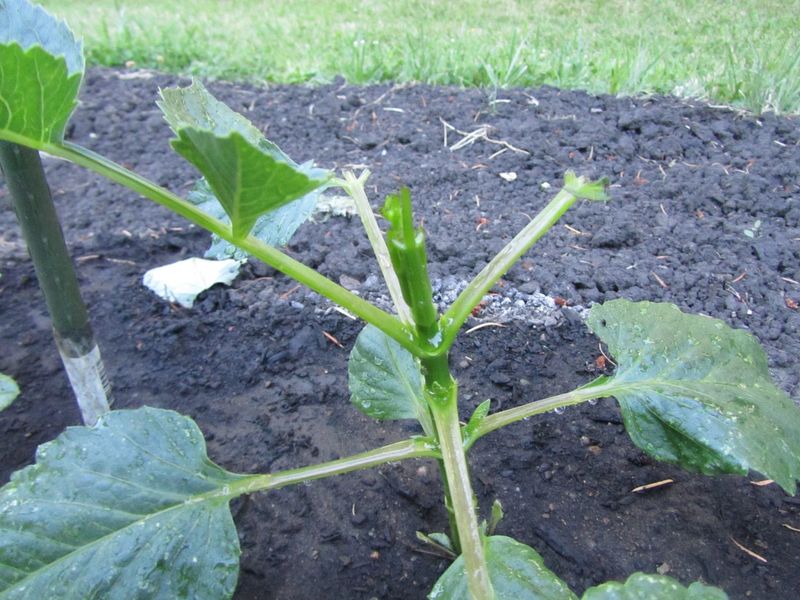
Stumbling across a stem that looks like it was snipped with a brand-new pair of garden shears is a strong signal that rabbits have been busy in your Ohio yard. Rabbits have incredibly sharp front teeth that slice through plant stems at a precise 45-degree angle, leaving behind a cut so clean it almost looks intentional.
Your Ohio Garden Changes Every Week. Your Plan Should Too.
Gardening in Ohio changes quickly throughout the season. Every Friday you’ll receive a simple weekly plan showing exactly what to plant, prune, fertilize, harvest, and protect so you never miss the right timing.
This is one of the most reliable ways to tell rabbit damage apart from deer damage.
When you find these smooth, angled cuts, take a moment to look at the height where they occur. Rabbit damage almost always happens within two feet of the ground because that is the comfortable feeding range for cottontail rabbits, which are extremely common throughout Ohio.
If the cuts are higher up on the plant, it is much more likely that deer are responsible.
The cleanliness of the cut really is the key here. Deer leave behind torn, rough edges because they lack upper incisors and must pull and rip plant material.
A rabbit-damaged stem, by contrast, has a smooth, angled tip that looks almost surgical. Gardeners who see this kind of damage for the first time are often surprised by how tidy it looks.
In Ohio, rabbit populations tend to spike in suburban neighborhoods where gardens and landscaping provide easy food sources. Late winter and early spring are especially active times for rabbit feeding damage because natural food sources are still scarce and garden plants are just starting to emerge.
Watching for these clean cuts during those months can help you act quickly before significant plant loss occurs.
Setting up a small wire fence around vulnerable plants is one of the most effective responses once you confirm rabbits are the culprits based on those telltale clean angled cuts.
Tattered Hosta Leaves
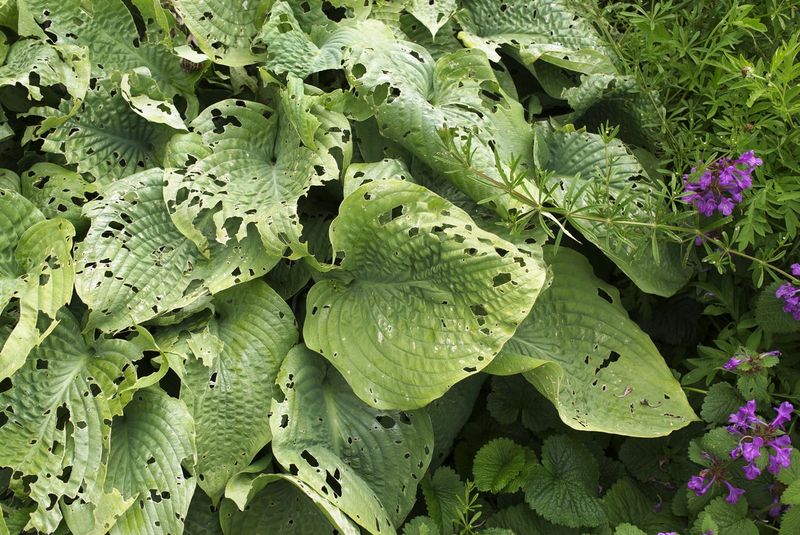
Hostas are one of the most popular plants in Ohio gardens, and unfortunately, they are also one of the absolute favorites on a deer’s menu. If you walk out and find your hostas looking like they went through a shredder, with large chunks missing and the remaining leaves hanging in tattered, uneven strips, deer are almost certainly the cause.
This kind of broad, dramatic leaf damage is a hallmark of deer feeding behavior.
Deer love hostas so much that some Ohio gardeners joke that planting them without protection is basically setting out a free buffet. The large, tender leaves are easy for deer to grab and tear, and a single deer can demolish an entire hosta bed in one night.
The damage usually looks extreme because deer eat enthusiastically and do not stop after just a few bites.
Rabbits do occasionally nibble on hostas, but their damage looks very different. A rabbit will clip off individual stems at a clean angle close to the ground, leaving the plant looking trimmed rather than mauled.
Deer damage, by contrast, leaves the plant looking absolutely wrecked, with leaves torn at multiple heights and stems pulled in various directions.
Across Ohio, deer pressure on hostas tends to be highest in late summer and fall when deer are eating heavily to prepare for winter. Neighborhoods near wooded areas, parks, or open fields are especially vulnerable because deer travel along regular feeding routes and will return to a reliable food source night after night.
Adding a deer repellent spray to your hostas or installing motion-activated lights are practical first steps once you confirm deer are responsible for the tattered, shredded appearance of your beloved hosta plants.
Toothpick Like Twig Tips
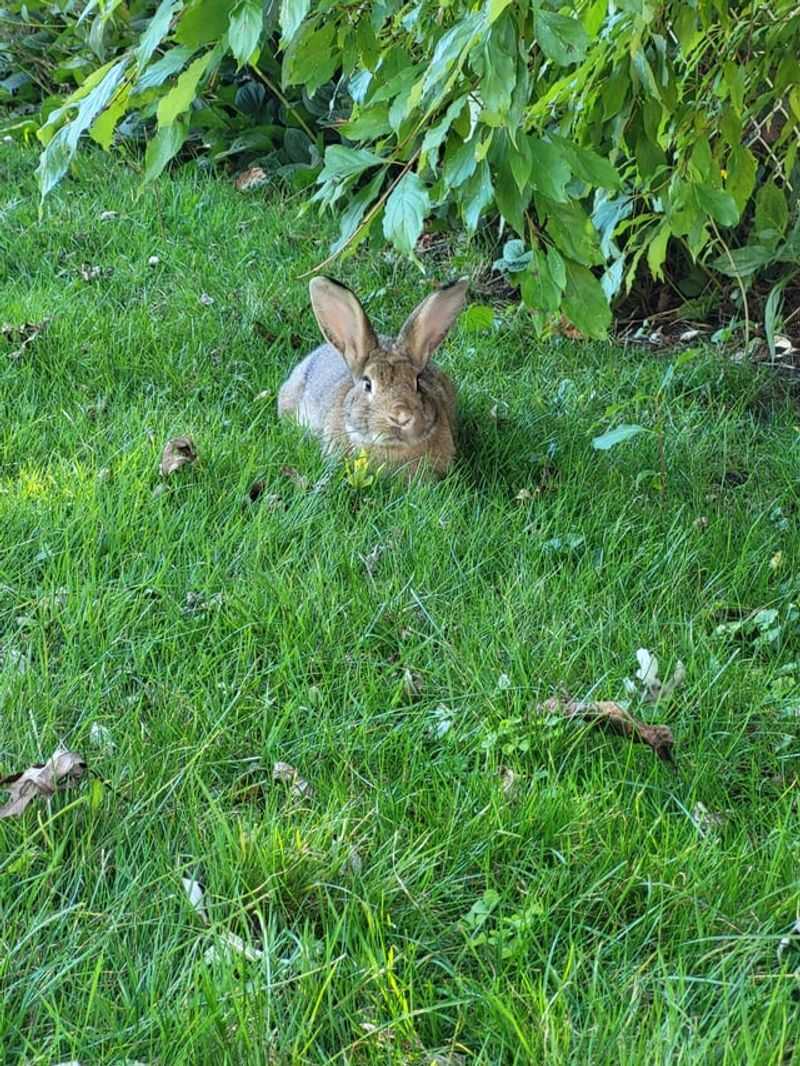
One of the quirkiest and most distinctive signs of deer damage is the appearance of twig tips that look like they were sharpened to a point, almost like a tiny toothpick. When rabbits chew on young woody stems, their teeth sometimes leave behind a tapered, pointed end rather than a flat angled cut.
This toothpick-like tip is a strong sign that deer have been feeding on your Ohio plants.
This particular sign shows up most often on young trees and shrubs where the stems are still slender and flexible. Deer feeding can leave twig ends looking pointed or toothpick-like because the outer bark gets pulled off as they tear plant material.
The result can look almost artistic, though it is obviously bad news for the plant.
Deer do not produce this kind of pointed twig tip. Because deer tear and pull plant material rather than chewing through it cleanly, the ends they leave behind are always rough and frayed, never pointed or tapered.
Spotting those toothpick-like tips on your Ohio shrubs or young trees is a fast and reliable way to confirm rabbit activity.
Young fruit trees are particularly at risk from this type of damage in Ohio. Apple, pear, and cherry trees planted in backyards or orchards attract rabbits during winter months when other food sources disappear under snow.
A single season of unchecked rabbit feeding on young tree stems can set back plant growth significantly and weaken the overall structure of the tree.
Wrapping the lower trunks and branches of young trees with plastic tree guards or hardware cloth is one of the best preventive steps Ohio gardeners can take once they spot those telltale toothpick-like twig tips around their property.
Browse Height On The Plant
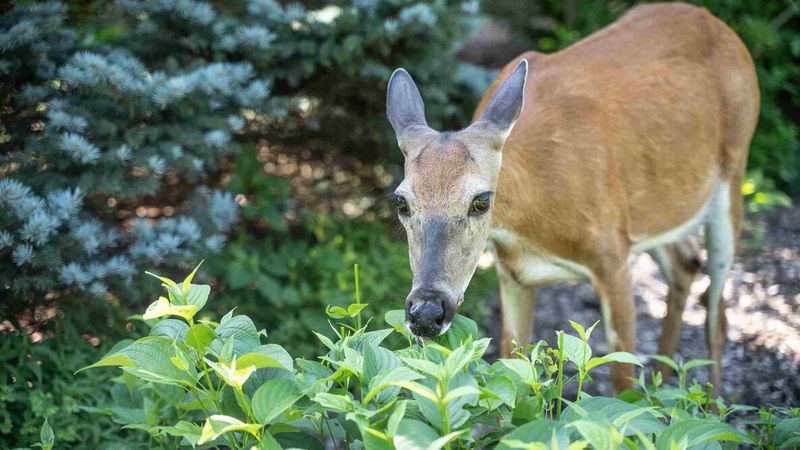
One of the fastest ways to figure out whether deer or rabbits are behind the damage in your Ohio garden is simply to look at how high up on the plant the damage appears. Browse height, meaning the height at which an animal feeds, is dramatically different between these two animals and gives you an almost instant answer without needing to look for any other clues.
Deer are large animals and can comfortably reach up to six feet high when feeding. In Ohio, it is not unusual to find shrubs and young trees with damage extending well above your head, especially during fall and winter when deer are hungry and less cautious.
If you see missing leaves, broken branches, or torn stems at heights well above your waist, deer are almost certainly responsible.
Rabbits, by contrast, are small animals that stay close to the ground. Nearly all rabbit feeding damage in Ohio occurs within two feet of the soil surface.
Rabbits crouch low while eating and rarely stretch upward to reach higher plant material. Finding damage that stops sharply at about knee height or lower is a strong sign that rabbits are your garden visitors.
This height difference is especially useful when you find damage on a plant that could have been caused by either animal. Start at the bottom and work your way up.
If the damage stops within two feet, think rabbits. If it continues well above that line, think deer.
In some Ohio gardens, you may actually find both types of damage on the same plant, which means both animals have been visiting.
Understanding browse height is one of the simplest and most reliable tools in your animal damage identification toolkit, and it requires no special equipment or expertise to use effectively in your own backyard.
Bark Gnawing On Woody Plants
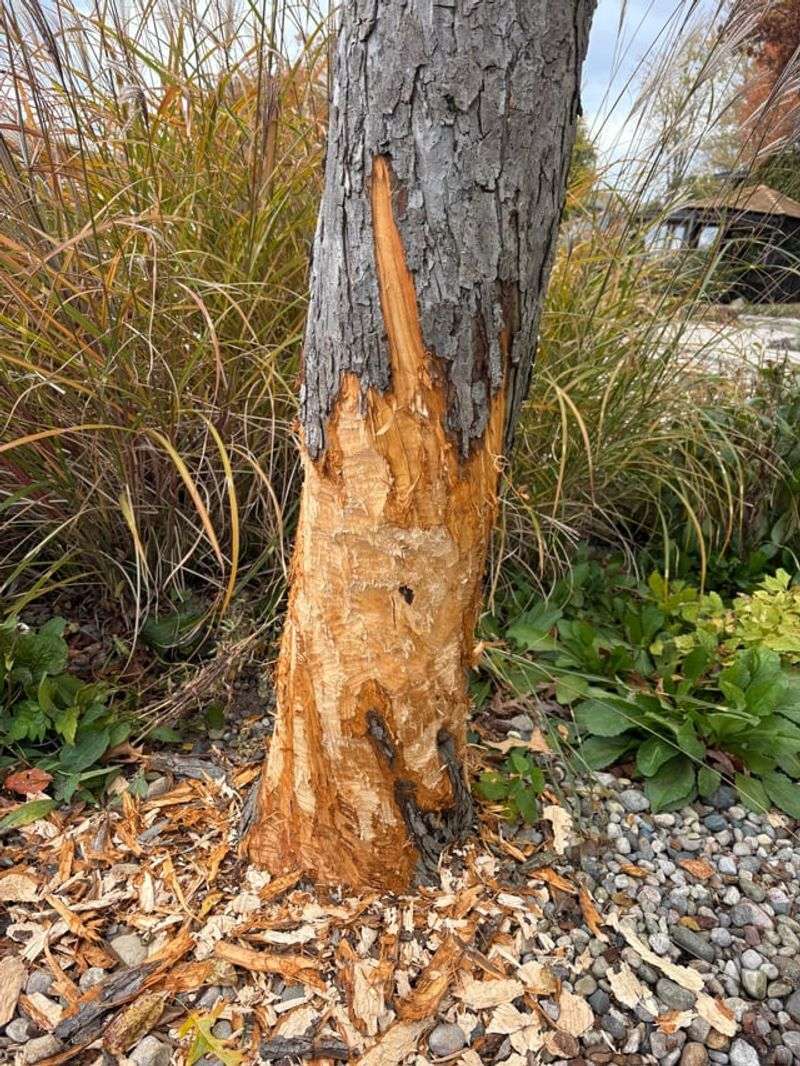
Cold Ohio winters push both deer and rabbits to seek out bark as a food source when softer plants are buried under snow or frozen solid. However, the way each animal damages bark is very different, and learning to tell them apart can save your trees and shrubs from serious long-term harm.
Bark damage is one of the most important signs to recognize because it can have lasting effects on a plant’s health.
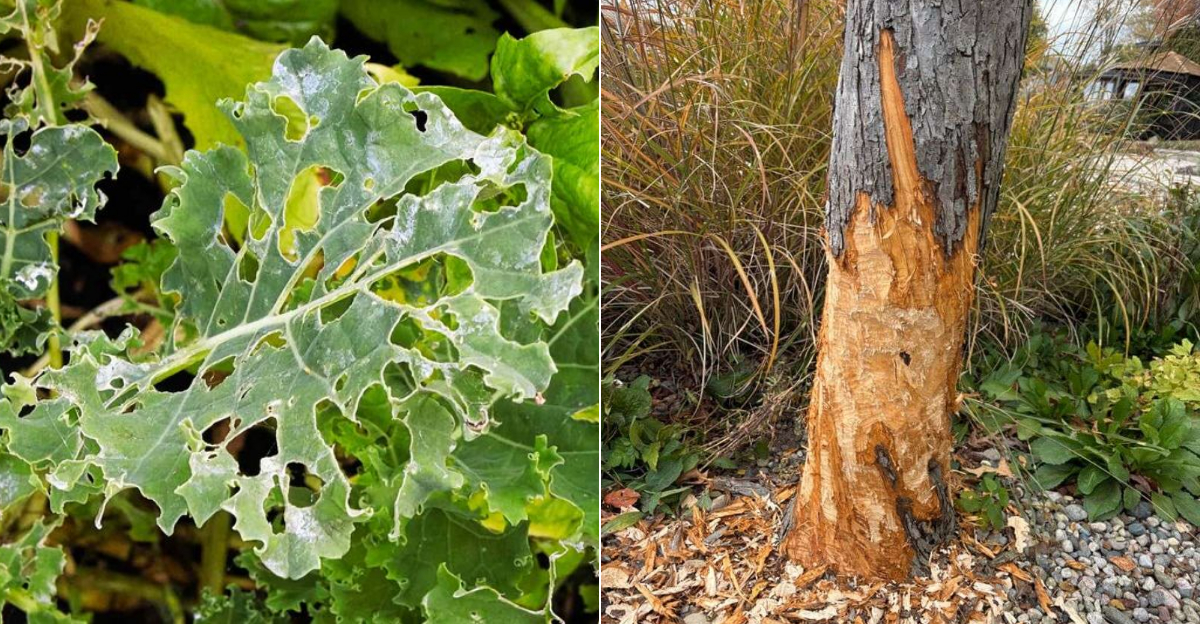
Rabbits gnaw on bark near the very base of trees and shrubs, usually working within the first two feet of the trunk. Their damage is characterized by paired gouge marks left by their two upper front teeth.
You will often see parallel grooves or shallow channels in the wood where the rabbit has scraped away the outer bark. The damage is low, concentrated, and shows those distinctive tooth marks.
Deer bark damage looks very different. Deer strip bark by pulling upward with their lower teeth, leaving long, vertical tears in the bark that can extend several feet up the trunk.
The edges of deer bark damage are rough and shredded, matching the tearing behavior seen in their leaf and stem damage. In Ohio, deer most commonly strip bark from young hardwood trees like maples, oaks, and fruit trees during late fall and winter.
Both types of bark damage can be serious for young trees. Rabbits can completely girdle a small tree by gnawing all the way around the base, cutting off the flow of nutrients.
Deer stripping can expose the inner wood to cold temperatures and disease, weakening the tree over time.
Protecting the lower trunks of young trees with hardware cloth or commercial tree wrap is a smart preventive step for Ohio homeowners who want to protect their landscape investments from both types of bark damage.