The Smartest Ways To Prep Garden Beds In California Right Now
Garden bed season in California has a certain energy to it. The sun sticks around longer, the soil starts warming, and suddenly every bare patch in the yard looks like an opportunity.
It is easy to get carried away and start digging, planting, and hauling in bags of whatever the garden center stacked by the door.
But a smarter start usually has less to do with rushing and more to do with reading the conditions you already have. California gardeners deal with different soils, different water habits, and very different spring patterns depending on where they live, so the best bed-prep move is not always the obvious one.
Getting this part right can make everything feel easier. Seeds settle better, roots spread faster, and watering stops feeling like a rescue mission.
Before you start turning over the whole bed, it helps to know what the ground needs first and what can wait.
1. Weed The Bed First
Nothing slows down a garden faster than weeds sneaking in before your plants even get started. Weeding your bed first is one of the smartest moves you can make when prepping your California garden this spring.
Weeds compete with your vegetables and flowers for water, sunlight, and nutrients, so clearing them out early gives your plants a real head start.
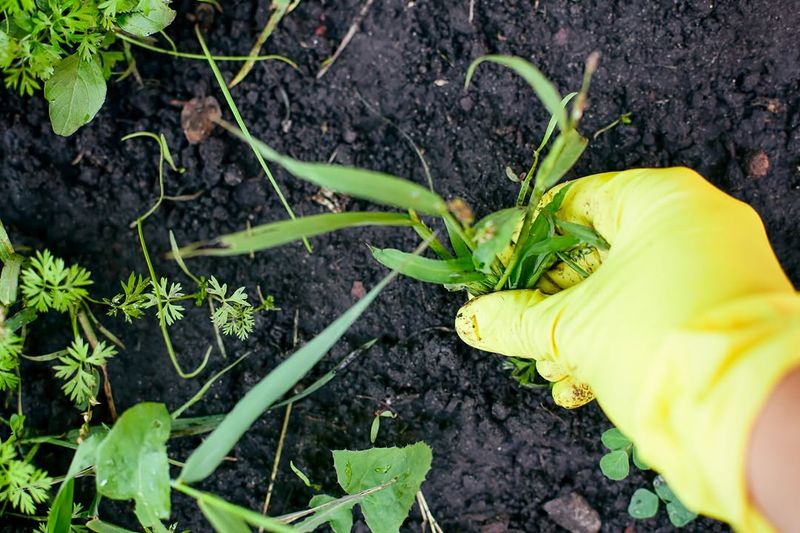
Start by pulling weeds by hand or using a hand fork to get the roots out completely. If you only snap off the tops, many weeds will simply grow right back.
California gardeners know that some weeds, like bindweed and oxalis, are stubborn, so take your time and get as much of the root system as you can.
It helps to weed when the soil is slightly moist but not soaking wet. Damp soil makes it much easier to pull roots out cleanly without breaking them.
Avoid weeding in muddy conditions because you can compact the soil and make it harder for your plants to grow.
After weeding, take a good look at what types of weeds were growing. Some weeds actually tell you things about your soil.
Dandelions, for example, often show up in compacted or low-nutrient soil, which is useful information as you continue your bed prep.
Removing weeds early also reduces the number of weed seeds left in the soil. Fewer seeds mean fewer weeds popping up later in the season, which saves you a lot of time and effort down the road.
2. Turn Under Any Cover Crops
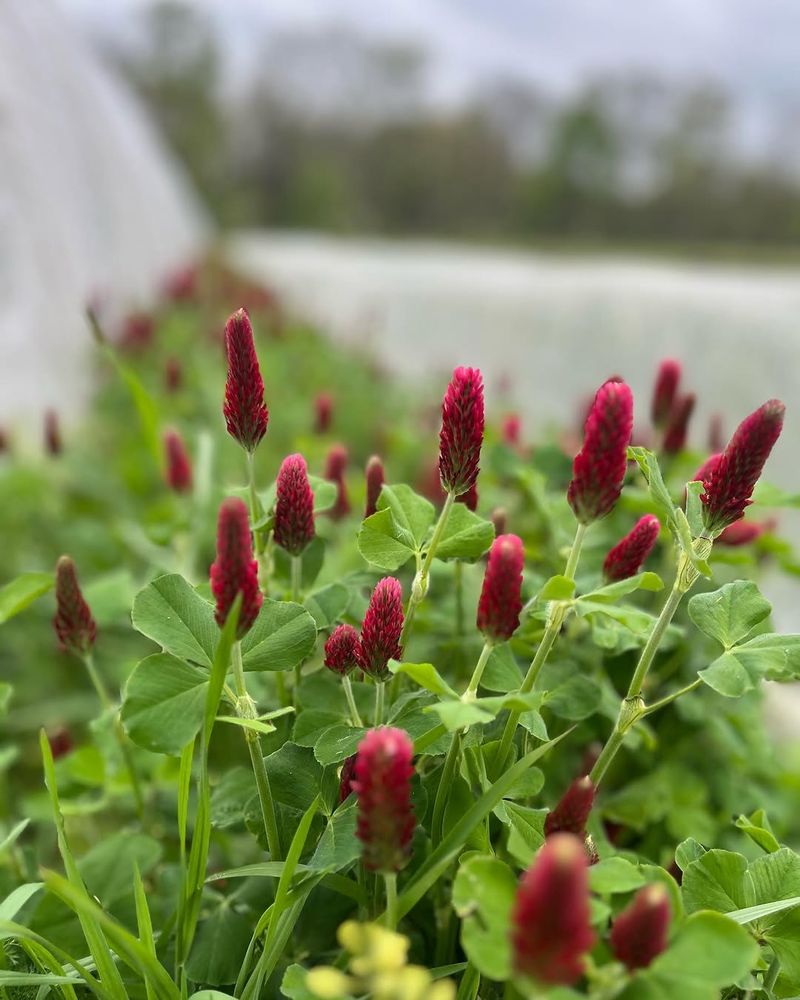
Cover crops are a favorite tool for California gardeners who want to keep their soil healthy during the off-season. Plants like crimson clover, winter rye, and fava beans protect bare soil from erosion, add organic matter, and even fix nitrogen naturally.
But when spring arrives and it is time to plant, those cover crops need to be turned under so they can break down and feed your garden bed.
Timing matters when turning under cover crops. You want to do it before the plants go to seed, which usually means turning them in during early spring in most parts of California.
Your California Garden Changes Every Week. Your Plan Should Too.
Gardening in California changes quickly throughout the season. Every Friday you’ll receive a simple weekly plan showing exactly what to plant, prune, fertilize, harvest, and protect so you never miss the right timing.
If you wait too long, the cover crop can become a weed problem itself, which defeats the whole purpose.
Use a spade or a garden fork to chop the plants into the soil. Try to work them into the top six to eight inches of the bed.
The smaller you chop the plant material, the faster it will break down and release nutrients into the soil.
After turning everything under, give it at least two to three weeks before planting. This waiting period allows the plant material to decompose properly and prevents it from tying up nitrogen in the soil, which could actually slow your new plants down.
Gardeners in California’s Central Valley and coastal regions both benefit from this practice. Turning under cover crops is essentially like adding a free, homegrown fertilizer boost directly into your beds, setting up a rich, nourishing foundation for whatever you plan to grow next.
3. Work Soil Only When It Is Not Too Wet Or Too Dry
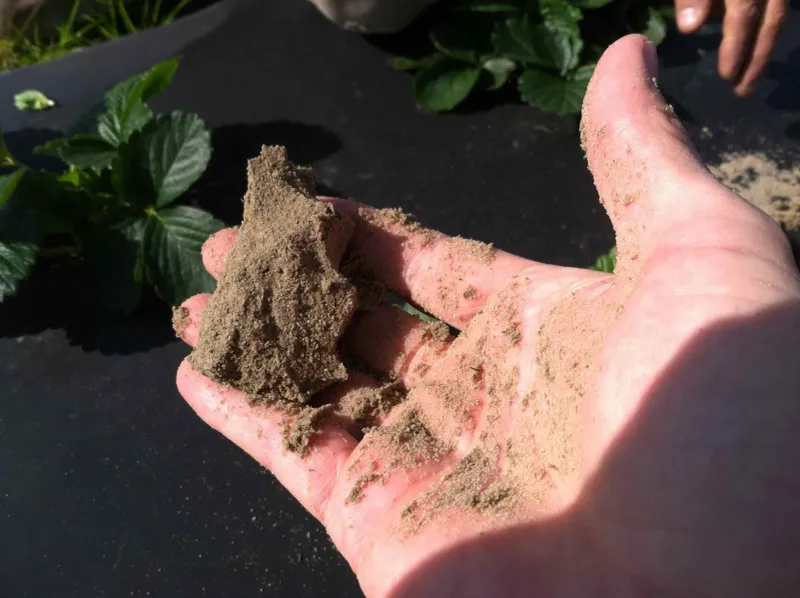
Soil is a living, breathing system, and working it at the wrong time can cause real damage that is hard to fix. One of the most common mistakes California gardeners make in early spring is jumping into their beds too soon after rain.
When soil is too wet, tilling or digging can destroy its structure, turning it into dense, compacted clumps that roots struggle to push through.
A simple squeeze test is all you need to check soil readiness. Grab a handful of soil and squeeze it into a ball.
Open your hand and gently poke it with one finger. If it crumbles apart easily, the soil is ready to work.
If it stays in a sticky clump or smears, it is still too wet.
On the flip side, bone-dry soil is also tough to work with. It can be rock hard and difficult to break up without putting serious strain on your tools and your back.
In drier parts of California, lightly watering your beds a day or two before you plan to work them can make the job much easier.
The ideal soil feels like a damp sponge that has been wrung out. It holds a little moisture but crumbles easily when disturbed.
Working soil in this condition keeps the natural structure intact and makes it much easier for roots to spread out and grow deep.
Taking a few minutes to check your soil before grabbing a shovel can save you weeks of struggling with poorly prepared beds later in the growing season.
4. Loosen Soil Deeply And Break Up Clods
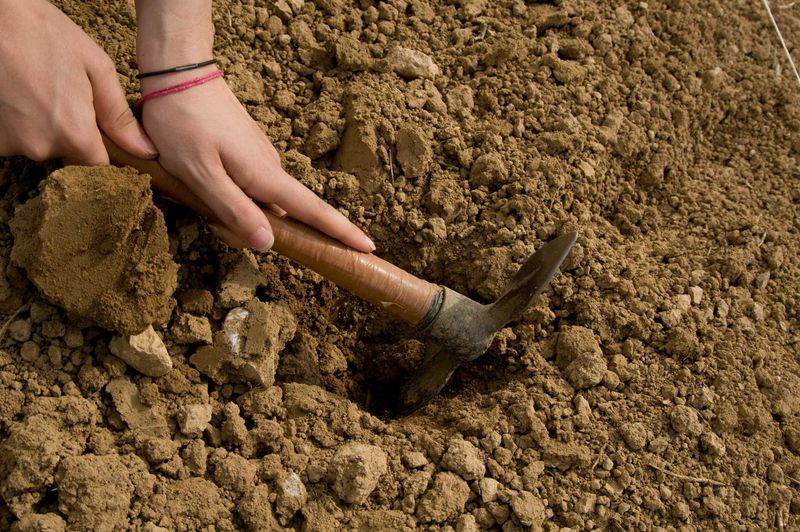
Healthy roots need room to grow, and compacted soil is one of the biggest barriers standing in their way. Loosening your soil deeply before planting is one of the most valuable things you can do for your California garden beds this spring.
When soil is packed tight, water drains poorly, air cannot circulate, and roots get stuck near the surface instead of reaching deep for nutrients.
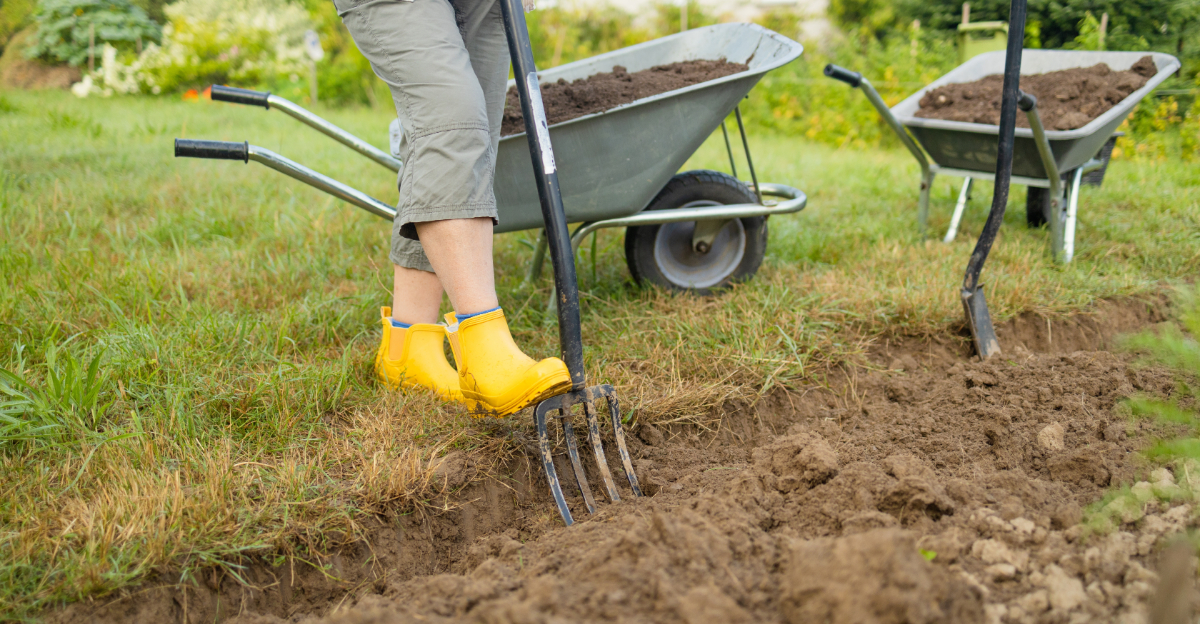
A garden fork is one of the best tools for this job. Push it straight down into the soil as far as it will go, then rock it back and forth gently to open up the ground.
Work your way across the entire bed in a grid pattern so no area gets missed. For especially compacted areas, a broadfork is even better because it reaches deeper without completely flipping the soil over.
As you loosen the soil, break up any large clods you encounter. Big clumps of dirt create air pockets around roots and dry out unevenly, which causes stress for young plants.
You do not need perfectly fine soil, but clods larger than a golf ball should be broken down before planting.
In many parts of California, especially in clay-heavy areas like parts of the Bay Area or the Central Valley, deep soil loosening is extra important. Clay soil tends to compact easily and can become almost brick-like when dry.
Regular loosening each season gradually improves its texture over time.
Aim to loosen your beds to a depth of at least ten to twelve inches for vegetables, and your plants will thank you all season long.
5. Add Compost Or Other Organic Matter
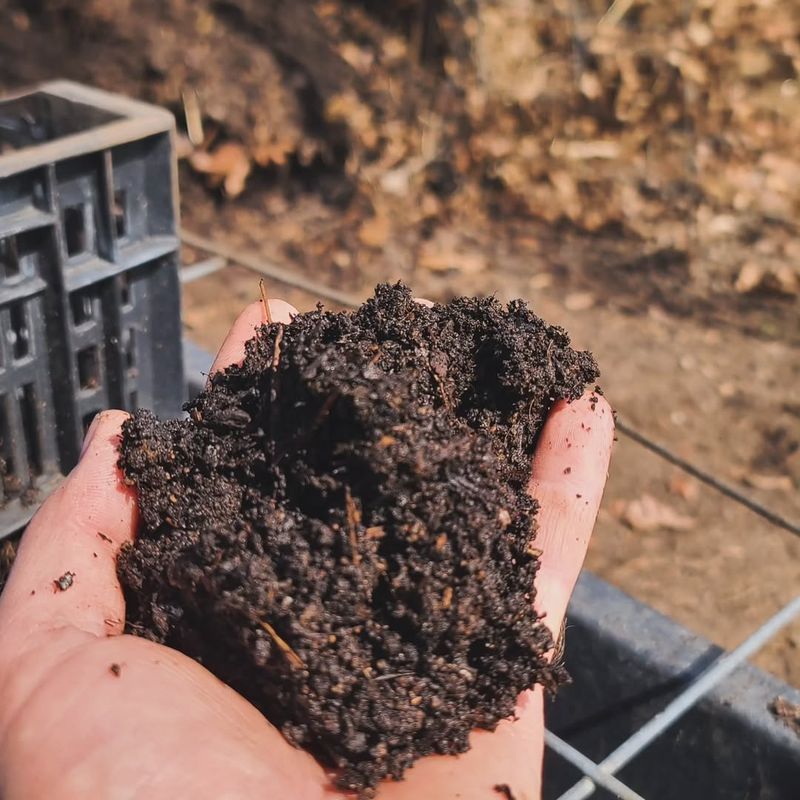
Ask any experienced California gardener what the secret to a thriving garden is, and they will almost certainly say compost. Adding compost or other organic matter to your beds is one of the single most powerful steps you can take during spring prep.
Compost improves soil structure, feeds beneficial microbes, holds moisture, and slowly releases nutrients that plants can use all season long.
A two to three inch layer spread across the top of your bed and then worked into the soil is a great starting point. You can use homemade compost, store-bought compost, aged manure, leaf mold, or a combination of all of them.
The goal is to increase the organic content of your soil, which makes it more fertile and easier for roots to grow through.
California gardens face unique challenges depending on the region. Coastal gardens often deal with sandy soil that drains too fast and dries out quickly, while inland and valley gardens frequently battle heavy clay.
Compost is one of the rare amendments that actually helps both problems. It adds body to sandy soil and opens up clay soil for better drainage.
Beyond vegetables, flowers and herbs also respond beautifully to compost-enriched beds. Roses, tomatoes, squash, and leafy greens all love the nutrient boost that fresh organic matter provides.
If you have not started a compost pile at home yet, spring is a great time to begin one. In the meantime, your local garden center or nursery likely carries quality bagged compost that will give your California beds a strong and healthy foundation for the months ahead.
6. Flush Out New Weed Seedlings Before Planting
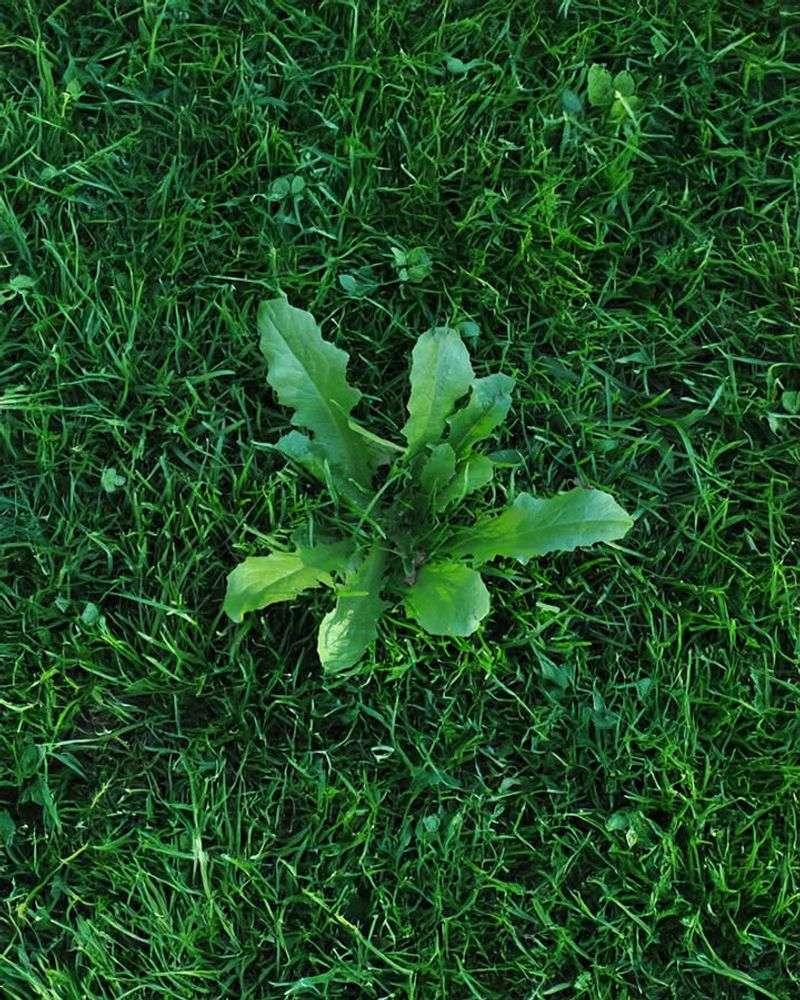
Here is a gardening trick that many beginners skip but experienced California growers swear by: after you prep your beds, wait a week or two before planting and let a flush of weed seedlings sprout. Then, remove them all before putting in your real plants.
It sounds like extra work, but it actually saves you a massive amount of weeding later in the season.
Every time you disturb soil by digging, loosening, or adding amendments, you bring dormant weed seeds closer to the surface where light and warmth can trigger them to germinate. If you plant right away, those seeds sprout alongside your crops and you end up playing catch-up all season long.
Waiting and then clearing that first flush removes a big chunk of your weed seed bank right from the start.
Use a stirrup hoe or a sharp hand cultivator to slice those seedlings off just below the soil surface. Try not to dig deeply during this step because disturbing the soil again will just bring up another wave of seeds.
A light, shallow pass is all you need.
This technique is especially helpful in California gardens where the long, warm growing season gives weeds plenty of time to establish and spread. Coastal regions and inland valleys alike deal with persistent weed pressure, so getting ahead of it early is a real advantage.
Combining this step with a good layer of mulch after planting creates a powerful one-two punch against weeds that will keep your beds cleaner and more productive from spring all the way through summer.
7. Mulch After Prep To Hold Moisture And Suppress Weeds
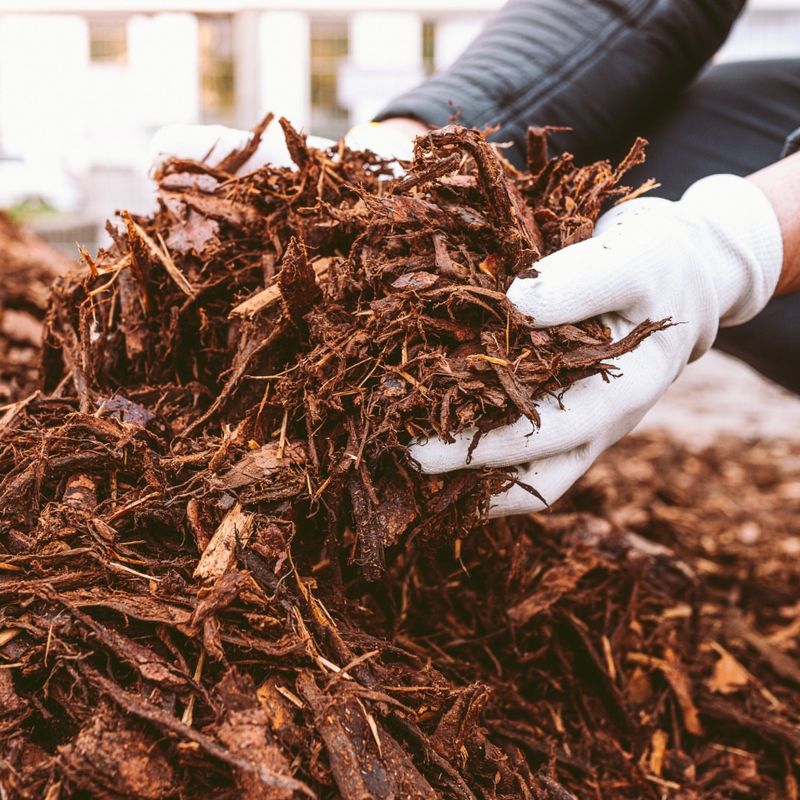
Finishing your bed prep with a good layer of mulch is like putting the perfect finishing touch on all your hard work. Mulch does a remarkable number of things for your California garden at once.
It holds moisture in the soil, keeps the soil temperature steady, prevents weeds from getting the sunlight they need to sprout, and slowly breaks down to add even more organic matter over time.
Straw, shredded leaves, wood chips, and even compost itself can all work well as mulch. For vegetable beds, straw is a popular choice in California because it is lightweight, easy to move around plants, and breaks down over the course of one growing season.
Wood chips are better suited for pathways or around perennials and fruit trees where they will not need to be turned under regularly.
Apply a layer about two to three inches thick across your entire bed after planting. Pull the mulch back slightly from the base of each plant stem to prevent rot and keep pests from nesting right up against your seedlings.
Water conservation is a major concern across California, from the dry inland valleys to the sun-baked Southern California coast. Mulch can reduce how often you need to water by keeping evaporation low, which is a huge benefit during the hot summer months that follow spring planting season.
Gardeners who mulch consistently often notice fewer weeds, fewer watering headaches, and healthier plants overall. It is one of the simplest, most affordable steps you can take, and the results speak for themselves all season long.