This One Spring Fix Helps Oregon Shrubs Flower More
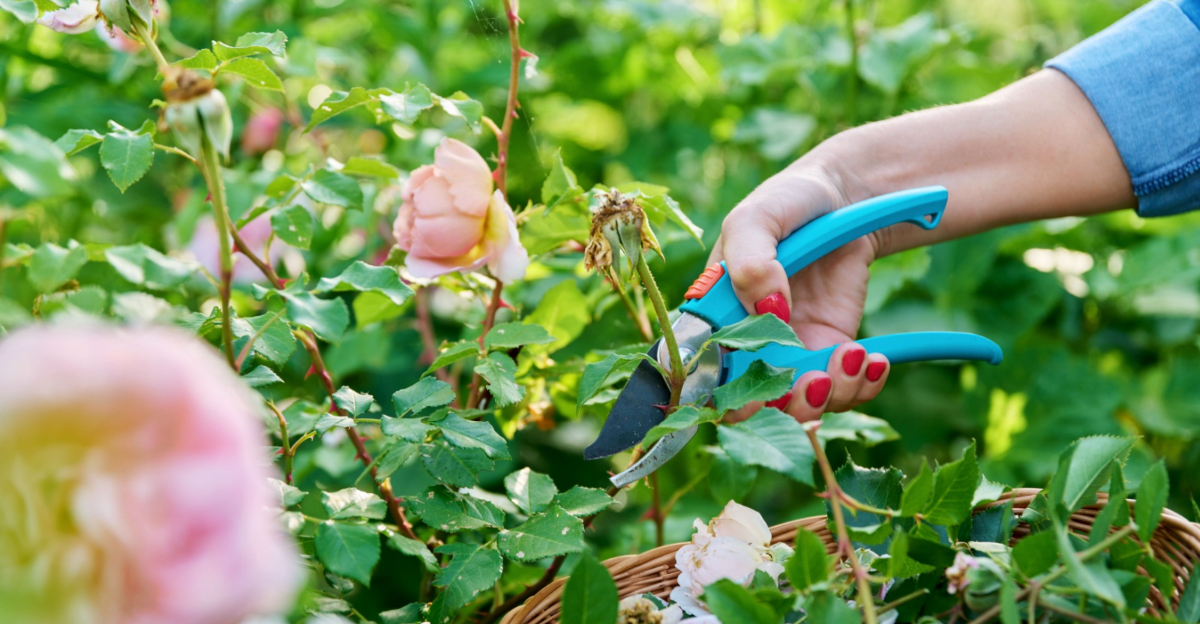
A shrub can look full, green, and perfectly healthy, yet barely bloom when spring arrives in Oregon. It is a frustrating surprise many gardeners run into.
With mild, wet winters and shifting spring conditions, timing plays a bigger role than most expect. Even well-fed plants can fall short on flowers if they are pruned at the wrong moment.
The good news is that this is often easy to fix. Adjusting when you prune can make a noticeable difference, helping shrubs put on a much stronger and more reliable display in your Oregon garden.
1. Prune Right After Bloom For More Flowers Next Season
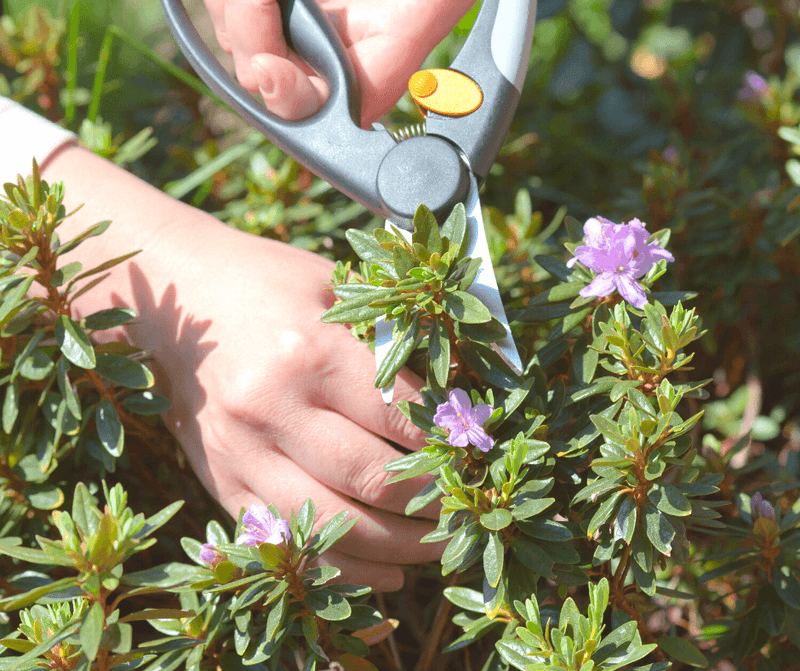
Walk through any Oregon neighborhood in late spring and you will notice something interesting: the gardens with the most spectacular shrubs tend to belong to gardeners who get out there with their pruners right after the last petals drop.
Pruning immediately after bloom is one of the most effective ways to encourage stronger flowering the following year, and the reason comes down to how flowering shrubs actually grow.
Many popular Oregon shrubs, including rhododendrons, azaleas, lilacs, and forsythia, bloom on what is called old wood. That means the flower buds for next spring begin forming on this year’s branches just weeks after blooming ends.
If you wait too long to prune, those developing buds can be accidentally removed along with the branches you trim away.
Pruning right after bloom gives the shrub the rest of the growing season to push out strong new shoots, and those shoots are exactly where next year’s flowers will appear.
The timing window is usually late spring to early summer in Oregon, depending on when each specific shrub finishes its bloom cycle.
Paying attention to when your particular shrubs finish flowering each year makes a real difference. Keeping a simple garden journal or even a phone note with bloom dates can help you stay on top of the timing season after season.
A little attention now leads to noticeably better results when spring rolls around again.
2. Pruning Too Early Can Remove Developing Buds
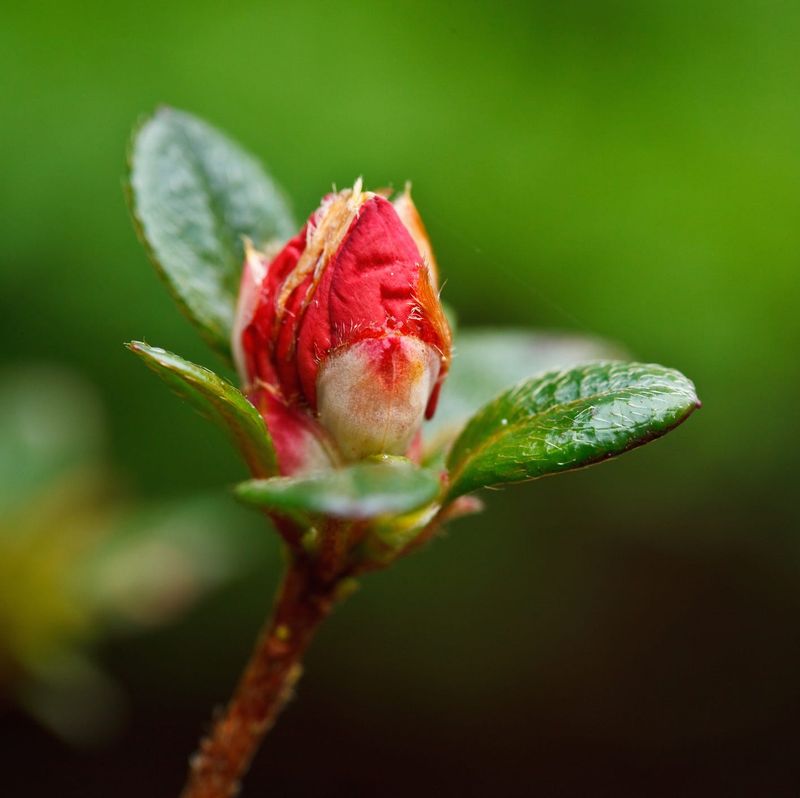
Spring energy in Oregon gardens can make even experienced gardeners eager to grab their pruners and start shaping things up. The days get longer, the soil softens, and every plant seems to be waking up at once.
But for shrubs that bloom on old wood, acting too early with the pruners is one of the most common reasons gardeners end up with fewer flowers than expected.
By late winter and early spring, many flowering shrubs in Oregon have already been quietly developing their buds for months. Those small, swelling bumps along the branches are not just new leaves, they are next season’s flowers in progress.
Cutting branches at this stage means removing buds that were already set and ready to open, which translates directly into a noticeably sparse bloom display.
Rhododendrons are a good example of this pattern. In Oregon’s mild climate, rhododendron buds can begin swelling as early as February, well before most gardeners would think about pruning.
Your Oregon Garden Changes Every Week. Your Plan Should Too.
Gardening in Oregon changes quickly throughout the season. Every Friday you’ll receive a simple weekly plan showing exactly what to plant, prune, fertilize, harvest, and protect so you never miss the right timing.
Trimming them back at that point, even with good intentions, removes what would have been a full flush of color in a few weeks.
Learning to recognize the difference between dormant wood and bud-bearing wood takes a little practice but pays off quickly. Look for slightly rounded, plump tips on branches rather than the flat, pointed look of purely vegetative buds.
Waiting until after those buds have opened and bloomed out fully before making any cuts protects the flowering potential you already have growing.
3. Pruning Too Late Can Limit Next Year’s Blooms
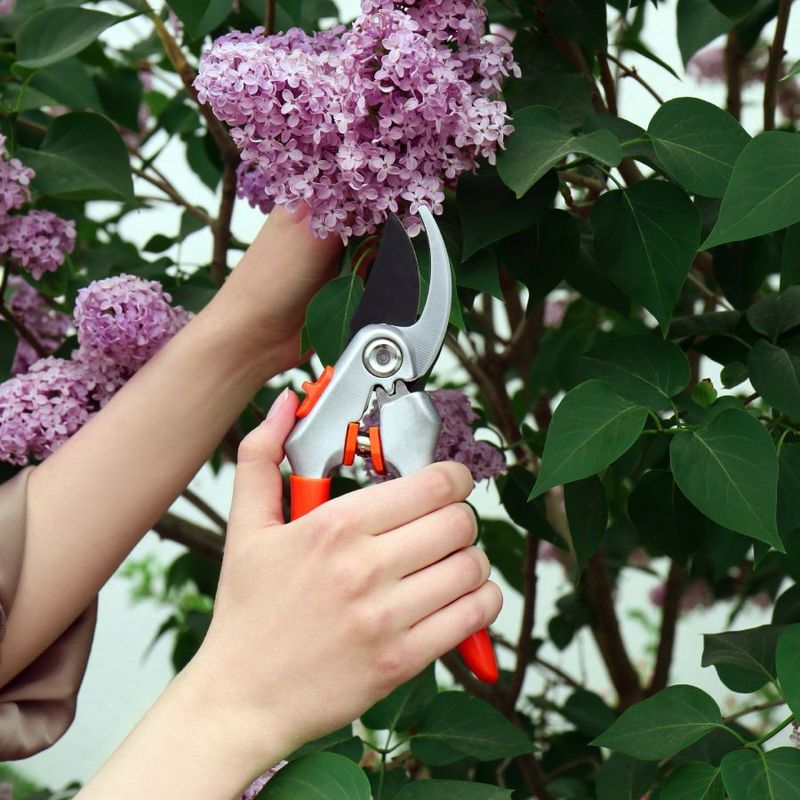
Missing the post-bloom pruning window by just a few weeks can have consequences that do not show up until the following spring.
Gardeners across Oregon sometimes put off pruning until late summer or early fall, thinking there is still plenty of time before the growing season wraps up.
For old-wood bloomers, that delay can quietly set back next year’s flower display before the season even begins.
After flowering ends, shrubs like lilacs and forsythia move quickly into bud set mode. New growth pushes out from the branches, and within those new shoots, the next season’s flower buds begin forming.
If pruning happens after bud set is underway, the cuts remove buds that the shrub spent considerable energy producing during the summer months.
Oregon summers tend to be dry and warm, which actually accelerates bud development in many shrubs. What that means in practice is that the window between the end of bloom and the beginning of bud set can be shorter than gardeners might expect.
Waiting until August or September to prune a lilac that finished blooming in May can cost the plant a significant portion of its next bloom cycle.
Staying aware of each shrub’s individual timeline is more useful than following a single calendar date. Watching for signs of fresh new shoot growth after blooming ends gives a reliable cue that bud development is starting.
Getting in with your pruners before that process is too far along keeps the flowering potential intact for the season ahead.
4. Light Shaping Supports Healthy New Growth
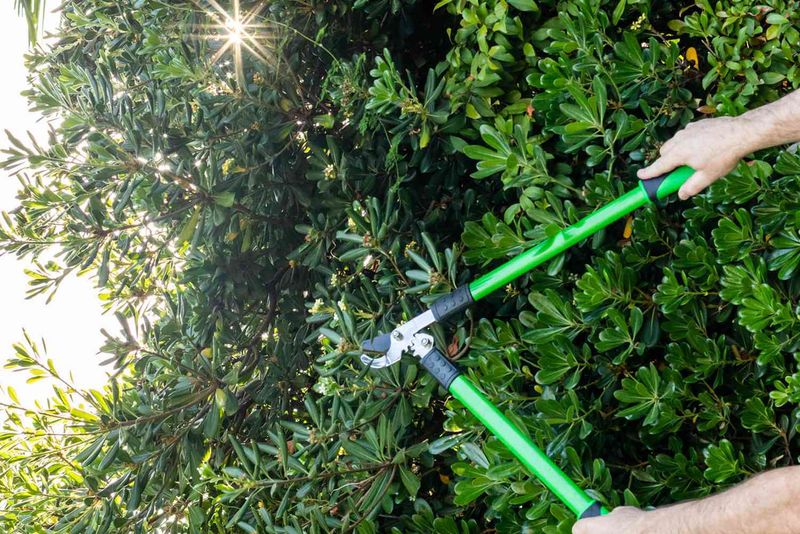
There is a tendency among gardeners to either skip pruning entirely or go much harder than necessary, and both approaches can work against a shrub’s flowering potential.
Light shaping, the kind that removes just enough to open up the plant without dramatically reducing its size, tends to produce some of the best results for Oregon flowering shrubs over time.
When a shrub is lightly shaped after blooming, it responds by directing energy into the new shoots that emerge from the cut points. Those vigorous new shoots tend to be especially productive when it comes to bud development.
In contrast, heavy pruning that removes a large portion of the plant at once can send the shrub into a kind of recovery mode, where it focuses on rebuilding structure rather than setting flower buds.
Red-flowering currant, a native Oregon shrub beloved by hummingbirds, responds particularly well to light shaping.
Removing crossing or crowded branches right after its early-spring bloom allows air and light to reach the center of the plant, which supports the growth of strong new flowering wood throughout the summer.
A useful rule of thumb is to avoid removing more than about one-third of a shrub’s overall growth in a single session. Staying within that range keeps the plant balanced and actively growing without triggering a stressful response.
Spreading shaping work across two or three seasons, rather than attempting a dramatic overhaul all at once, tends to produce steadier and more reliable flowering results year after year in Oregon gardens.
5. Removing Spent Blooms Can Support Better Growth In Some Shrubs
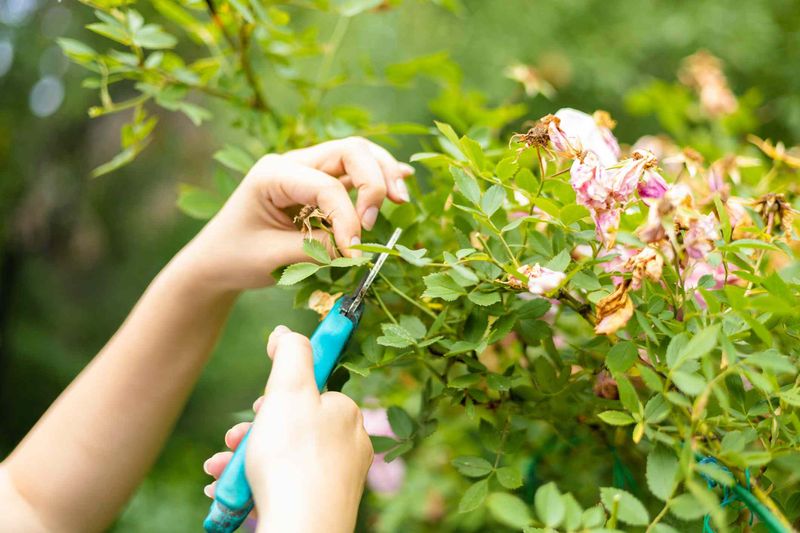
Spent flower clusters on rhododendrons have a way of hanging around long after the bloom is over, and many Oregon gardeners are not sure whether removing them actually matters.
For rhododendrons specifically, deadheading, which means removing those faded flower heads, can make a meaningful difference in how much energy the plant has available for next year’s buds.
When a rhododendron is left to develop seed pods from its spent blooms, it puts a notable amount of energy into that seed production process.
Energy directed toward seeds is energy that could instead go toward developing strong new shoots and flower buds.
Removing the spent clusters shortly after bloom ends redirects that energy in a more productive direction for the following season.
The technique for deadheading rhododendrons is straightforward but requires a bit of care. The goal is to snap or cut off the faded flower head at its base without damaging the small new growth buds that are often already emerging just below it.
Those tiny buds at the base of the old flower cluster are the beginning of next year’s new shoots, so protecting them during deadheading is worth the extra attention.
Not every shrub benefits from deadheading in the same way. Shrubs grown partly for their decorative berries or seed heads, such as certain native Oregon species, are better left alone after blooming.
Knowing which shrubs respond well to deadheading and which ones are better left untouched helps gardeners make smarter decisions about where their effort is most likely to pay off each spring.
6. Clean, Careful Cuts Help Shrubs Recover Faster
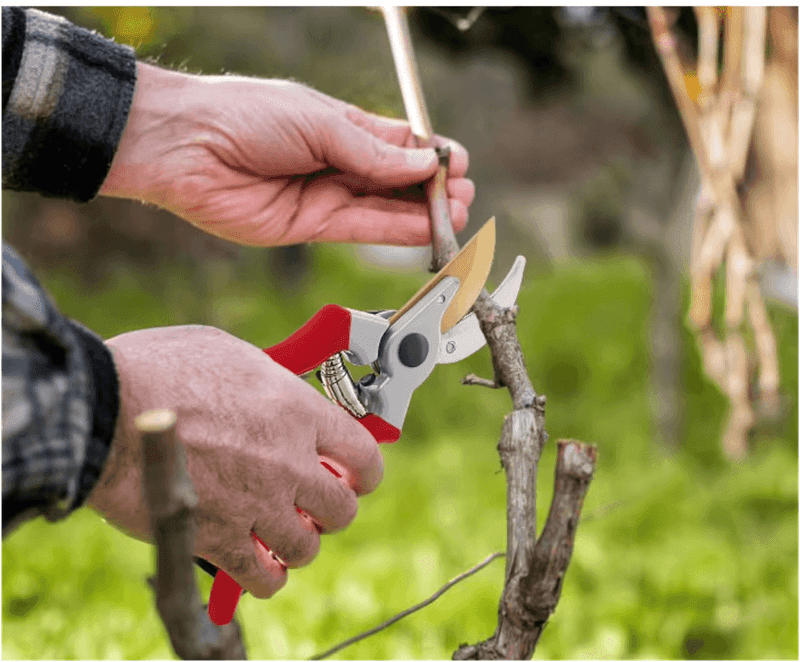
Even when the timing is right and the amount pruned is appropriate, the quality of each cut still matters more than most gardeners realize.
Ragged or crushed cuts made with dull tools leave behind damaged tissue that takes longer to seal over, and that slower healing can create openings for problems that weaken the shrub over time.
Sharp bypass pruners, the type that cut with a scissors-like action rather than crushing the branch, produce the cleanest results on most flowering shrubs.
A smooth, clean cut made at a slight angle just above a bud or branch junction allows the wound to seal relatively quickly.
Oregon’s wet spring climate means moisture is rarely in short supply, but it also means that exposed cut surfaces benefit from closing over as efficiently as possible.
Cleaning pruner blades between shrubs is a simple habit that reduces the risk of spreading issues from one plant to another.
A quick wipe with a cloth dampened with rubbing alcohol or a diluted bleach solution takes only seconds and keeps tools in better working condition overall.
Gardeners who tend multiple shrubs in a single session often overlook this step, but it is one of those small practices that adds up to healthier plants across the whole garden.
Keeping pruning tools sharp and clean is genuinely one of the most practical investments an Oregon gardener can make.
A well-maintained pair of bypass pruners, used at the right time of year and handled with care, can contribute to noticeably stronger flowering in shrubs for many seasons to come.