9 Tips For Growing Tons Of Tomatoes Arizona Gardeners Need To Know
Growing tomatoes in Arizona can make a gardener feel wildly confident one week and completely humbled the next. Plants can shoot up fast, flowers can appear in a rush, and then heat, timing, watering, or sun exposure can throw the whole plan sideways before you have a bowl on the counter.
That is why Arizona tomato growing rewards people who think a little differently.
This is not the same game gardeners play in cooler summer climates. In many parts of Arizona, success depends on working with short seasonal windows, intense sunlight, warm nights, and soil that does not forgive sloppy habits for very long.
Small decisions can have a big effect on how plants perform.
The good news is that tomatoes can still be productive here. A few choices make all the difference, and one of the biggest surprises comes from what gardeners do before fruit starts to form on vines.
1. Start With Healthy Soil
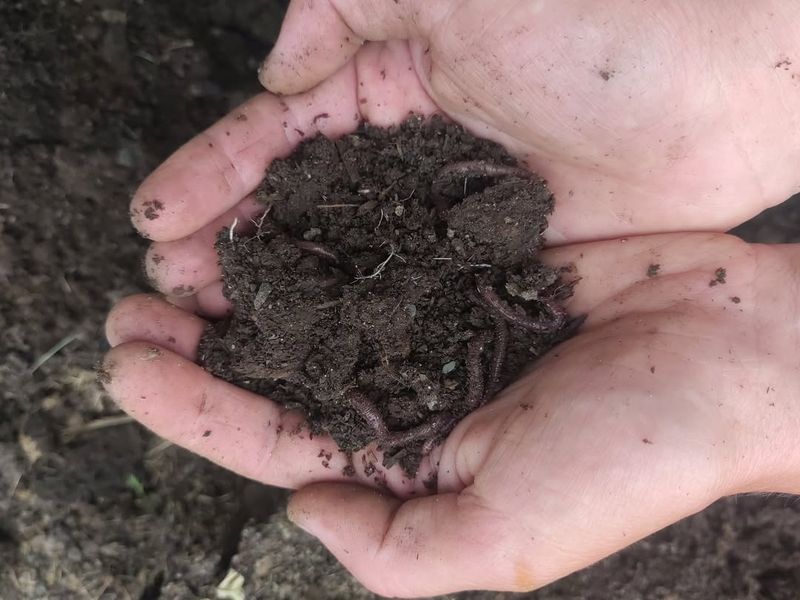
Healthy soil is the foundation of every great tomato garden, and in Arizona, getting your soil right is even more important than in most other states. The desert ground tends to be sandy, alkaline, and low in organic matter, which makes it tough for tomato roots to find the nutrients they need to thrive.
The fix is simple: add compost. Work several inches of aged compost or well-rotted manure into your garden bed before planting.
This improves drainage, feeds the soil, and helps hold just enough moisture to keep roots happy during those blazing Arizona afternoons.
A soil test is a smart move before you plant anything. It tells you exactly what nutrients are missing and whether the pH needs adjusting.
Tomatoes prefer a slightly acidic soil, around 6.0 to 6.8. If your soil is too alkaline, adding sulfur can help bring it down.
Taking time to build your soil before the season starts pays off in bigger harvests, stronger plants, and far fewer problems down the road. Good soil is your best investment as an Arizona gardener.
2. Choose Fast-Producing Cherry Or Plum Varieties In Lower Elevations
Ask any experienced gardener in the Phoenix or Tucson area and they will tell you the same thing: timing is everything. In lower elevations, the summer heat arrives fast and hits hard.
That leaves a short window for tomatoes to set fruit before high daytime heat and warm nights begin interfering with pollination and fruit set, which commonly happens as temperatures move into the upper 80s to mid-90s and nights stay above about 70 degrees.
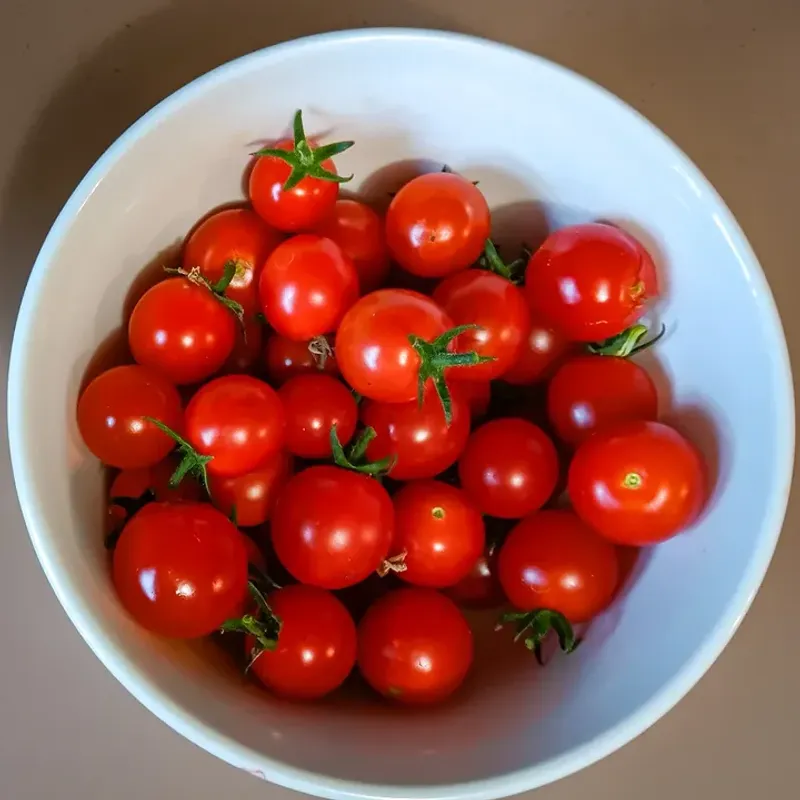
Cherry and plum tomatoes are the real heroes of low-elevation Arizona gardens. Varieties like Sweet 100, Juliet, and Sun Gold ripen quickly, often in just 60 to 70 days, giving you plenty of time to harvest before the brutal heat shuts things down.
They also tend to be tougher and more forgiving than larger slicing varieties.
In Southern Arizona low desert areas, planting transplants around mid-March is the safer timing once frost danger has passed and soil conditions have warmed. You can also get a second harvest by planting again in late August or early September, when temperatures begin to drop.
Your Arizona Garden Changes Every Week. Your Plan Should Too.
Gardening in Arizona changes quickly throughout the season. Every Friday you’ll receive a simple weekly plan showing exactly what to plant, prune, fertilize, harvest, and protect so you never miss the right timing.
That fall planting can be surprisingly productive. Choosing the right variety for your specific elevation in Arizona is one of the simplest ways to dramatically increase how many tomatoes you bring in each season.
3. Pick Disease-Resistant Varieties
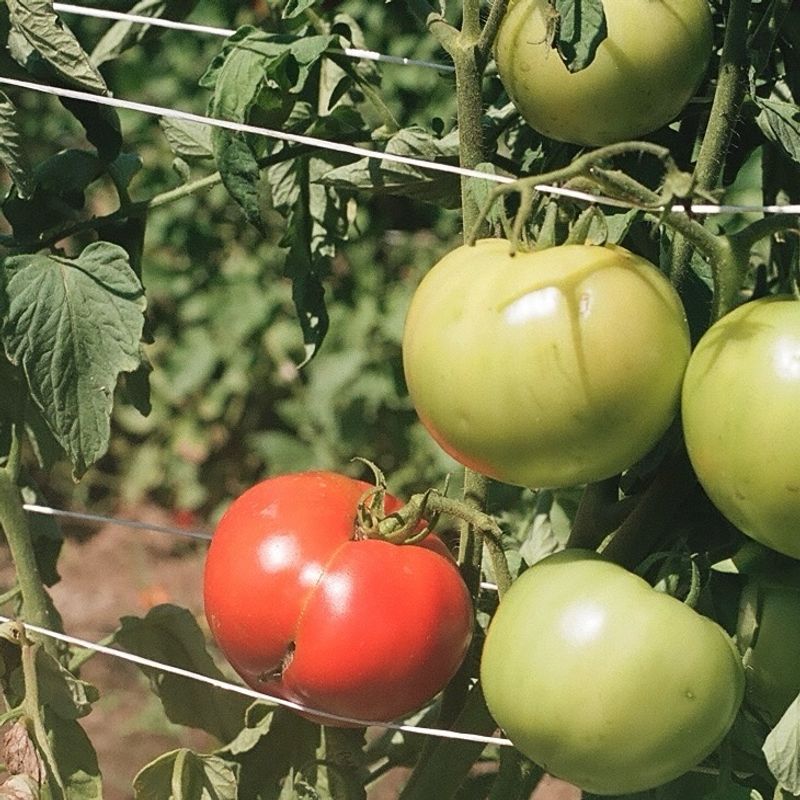
One thing Arizona gardeners quickly learn is that the warm, dry climate does not automatically protect tomato plants from disease. Fungal issues, root rots, and bacterial problems can still show up, especially when irrigation water splashes on leaves or soil stays soggy around the roots.
Picking the right variety from the start is a simple way to stay ahead of these problems.
Look for tomato varieties labeled with resistance codes on the seed packet or plant tag. Letters like V, F, N, and T stand for resistance to verticillium wilt, fusarium wilt, nematodes, and tobacco mosaic virus.
Varieties like Celebrity, Heatmaster, and Mountain Fresh Plus carry several of these resistances and do well in Arizona conditions.
Disease-resistant plants are not completely immune, but they have a much better chance of staying healthy through the growing season. Combined with proper watering habits and good air circulation between plants, they give you a serious advantage.
Nobody wants to watch a promising garden fall apart in July because of a preventable disease. Starting with tough, resistant varieties is one of the smartest decisions an Arizona tomato grower can make before a single seed hits the soil.
4. Give Plants Full Sun But Protect Fruit From Too Much Heat
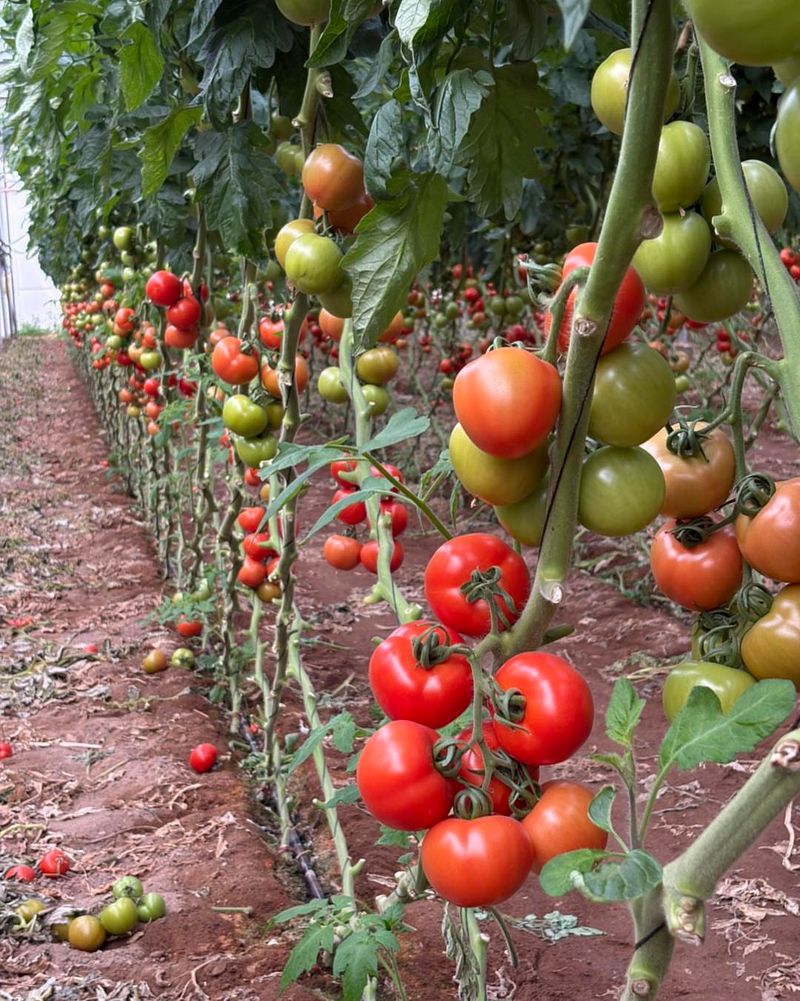
Tomatoes love sunshine, but Arizona has a way of overdoing it. Full sun is necessary for strong growth and fruit production, and your plants need at least six to eight hours of direct light every day.
Without enough sun, plants get leggy, produce fewer flowers, and set less fruit overall.
Here is the tricky part though: too much intense afternoon heat can cause a problem called blossom drop. When temperatures push past 95 degrees Fahrenheit, tomato flowers fall off before they can be pollinated, which means no fruit.
The fruit that does set can also develop sunscald, leaving pale, papery patches on the skin that ruin the look and flavor.
The solution is to give your plants morning sun and shade them from the harshest afternoon exposure. Shade cloth rated at 30 to 40 percent is a popular tool among experienced Arizona gardeners for exactly this reason.
Positioning taller plants or trellises to cast afternoon shade on fruit clusters also works well. You do not need to block all the sun, just soften the most brutal hours of the day.
Getting this balance right is one of the most rewarding challenges of growing tomatoes in Arizona.
5. Use Mulch And Shade Cloth In Hot Conditions
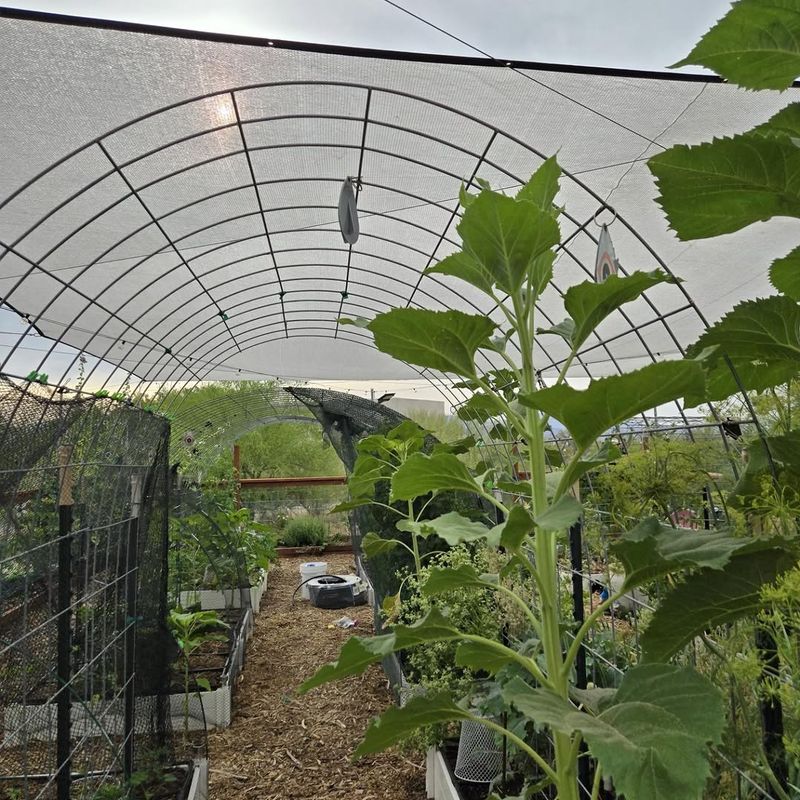
Walk into any experienced Arizona gardener’s yard in June and you will almost certainly find two things: mulch on the ground and shade cloth overhead. These two tools work together to fight the heat in ways that can genuinely save your tomato crop when temperatures start climbing toward triple digits.
Mulch is laid around the base of each plant, covering the soil with a thick layer of straw, wood chips, or shredded leaves. A three-to-four-inch layer keeps soil temperatures cooler, slows water evaporation dramatically, and prevents the kind of wide moisture swings that lead to problems like blossom end rot.
It also keeps weeds from competing with your tomatoes for water and nutrients.
Shade cloth goes up above the plants, typically stretched over a simple frame or attached to existing fencing. A 30 to 40 percent shade rating filters out the most intense sunlight without blocking the amount of light plants need to grow and produce fruit.
During the hottest stretches of an Arizona summer, these two tools together can lower soil and air temperatures around your plants by ten degrees or more. That small difference can be the key to keeping your tomato plants alive and productive through the toughest part of the season.
6. Do Not Prune Tomatoes In The Low Desert
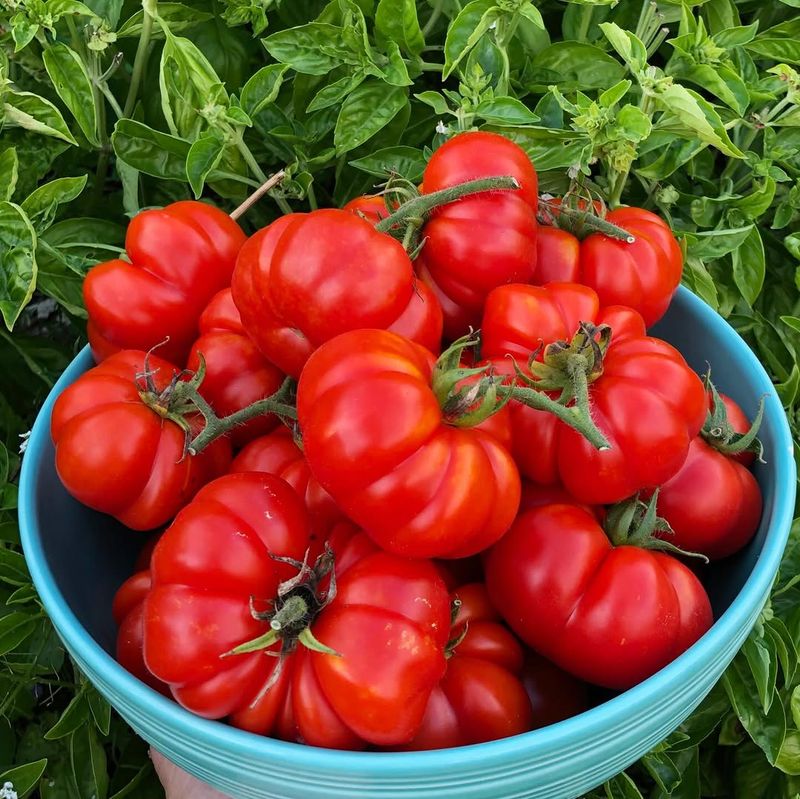
Gardening advice from cooler climates does not always apply in Arizona, and pruning tomatoes is a perfect example. In places like the Pacific Northwest or the Midwest, gardeners remove suckers and trim back foliage to improve air circulation and direct energy into fruit.
In the low desert, doing the same thing can actually hurt your harvest.
In Arizona, those extra leaves and dense growth serve a very specific purpose: they shade the fruit. Tomatoes left on a plant with little leaf cover in the Phoenix or Tucson heat are extremely vulnerable to sunscald, a condition where the skin turns pale and papery from direct sun exposure.
Keeping the plant full and leafy acts as a natural sunscreen for developing fruit.
Leaving your tomatoes unpruned in the low desert also means more flowers and more fruit overall. The plant spreads its energy across a larger canopy, which works in your favor when temperatures are already limiting how many fruits can set.
Resist the urge to tidy things up too aggressively. A big, bushy tomato plant might look a little wild, but in Arizona’s intense climate, that extra foliage is doing important protective work that keeps your harvest going strong all season long.
7. Support Plants With Cages Or Other Sturdy Support
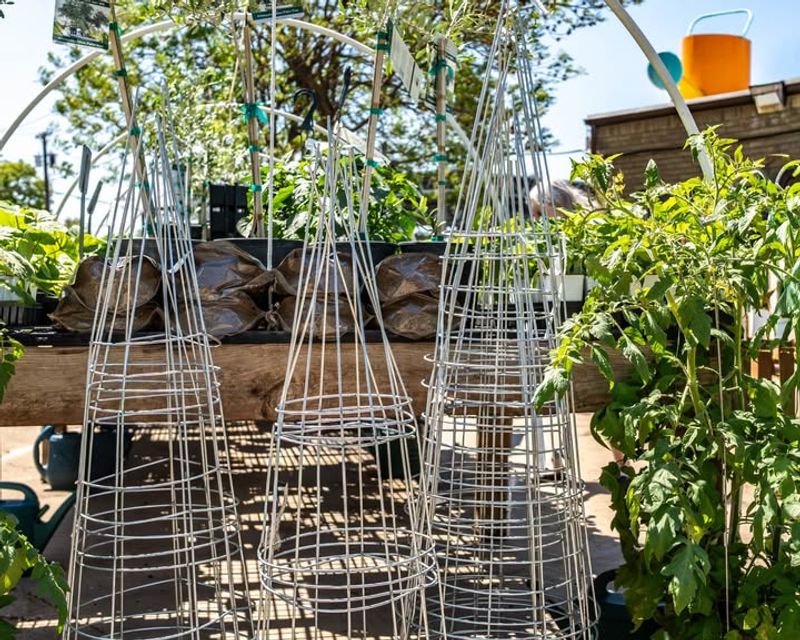
A fully loaded tomato plant is a heavy thing. By the time your vines are covered in fruit and growing several feet tall, they need serious support to stay upright.
Without it, stems snap, fruit touches the ground and rots, and plants become tangled messes that are hard to care for and easy targets for pests.
Wire cages are the most popular choice for home gardeners in Arizona because they are easy to set up and work with almost every tomato variety. For larger indeterminate types that keep growing all season, go for the biggest, sturdiest cages you can find.
Flimsy store-bought cages often collapse under the weight of a healthy plant by midsummer.
Stakes and trellises are great alternatives, especially if you are growing tomatoes along a fence or wall. Tie stems loosely to the support using soft garden ties or strips of fabric to avoid cutting into the vine.
Proper support also improves airflow around the plant, which helps reduce fungal issues that can sneak up during monsoon season in Arizona. Setting up your support system at planting time, rather than waiting until the plant is already big and awkward, makes the whole process much easier and protects your plants from the start.
8. Grow Them In Containers For Seasonal Flexibility
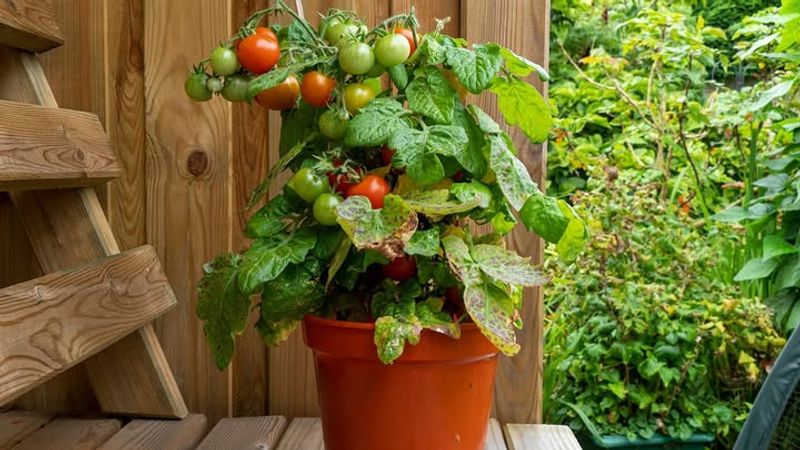
Container gardening is one of the smartest strategies an Arizona tomato grower can use, and it is more popular here than in almost any other state. When your tomatoes are growing in pots, you have the power to move them.
That flexibility is incredibly valuable in a place where the weather can shift from perfect to brutal in just a few weeks.
When a late cold snap threatens in early spring, you can wheel your containers into the garage overnight. When temperatures hit 110 degrees in July, you can shift them into afternoon shade to protect the fruit.
No in-ground garden gives you that kind of control. Fabric grow bags and large plastic or ceramic pots all work well, but aim for containers that hold at least five gallons, with fifteen gallons being even better for full-sized varieties.
Use a high-quality potting mix rather than garden soil, which tends to compact and drain poorly in containers. Add compost and a slow-release fertilizer at planting time.
Container tomatoes do dry out faster than in-ground plants, so check soil moisture daily during Arizona’s hottest months. With the right setup, container-grown tomatoes can produce just as abundantly as any raised bed, and they give you options that no fixed garden ever could.
9. Keep Soil Moisture Even And Avoid Overfertilizing
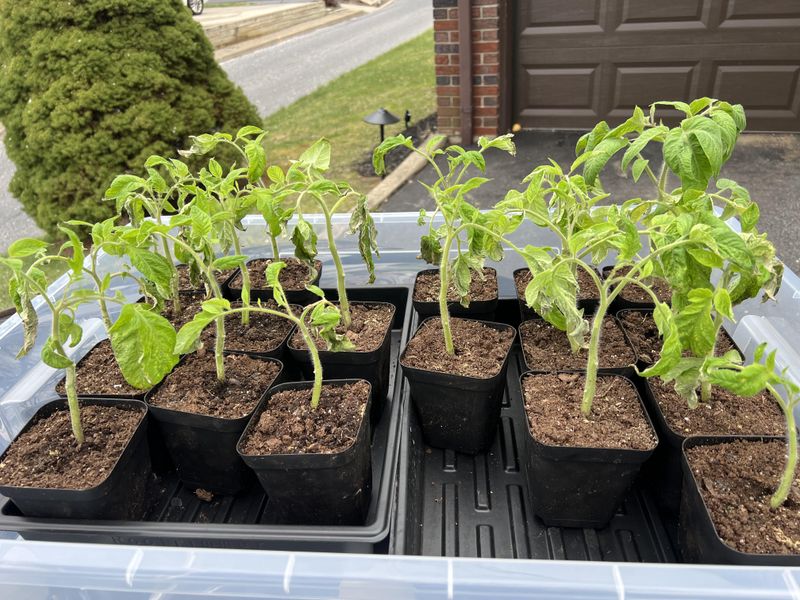
Watering tomatoes in Arizona requires more attention than in most other places. The dry desert air and intense heat pull moisture out of the soil fast, and letting things go too dry between waterings leads to problems.
Blossom end rot, cracked fruit, and wilting are all signs that moisture levels are not staying consistent enough.
Drip irrigation is the preferred method for most Arizona gardeners because it delivers water slowly and directly to the root zone, reducing evaporation and keeping leaves dry. Aim for one to two inches of water per week, but adjust based on temperatures.
During the hottest stretches of summer, you may need to water daily. Mulching heavily around the base of plants helps hold that moisture in the soil much longer.
Fertilizing is just as important as watering, but more is not always better. Too much nitrogen fertilizer causes plants to put all their energy into growing big, leafy stems instead of setting fruit.
Use a balanced fertilizer early in the season, then switch to a lower-nitrogen formula once flowers appear. Feed every two to three weeks and watch your plants for signs of over or underfeeding.
Steady moisture and smart fertilizing together are what turn an average Arizona tomato plant into a truly impressive producer.