5 Shrubs To Lightly Prune In April In Texas For More Blooms
Ever look at your shrubs in April and wonder if a quick trim would help or hurt? It’s a common moment for Texas gardeners.
As temperatures rise and fresh growth starts to take off, the landscape begins to fill in fast.
While major pruning is usually done earlier, April opens a window for light shaping, cleanup, and guiding certain shrubs toward better blooming.
A few careful snips at the right time can make a noticeable difference in how your garden carries color through the hotter months.
Knowing which shrubs respond well now can help your Texas yard stay fuller, healthier, and more vibrant into summer and fall.
1. Esperanza Benefits From A Light Spring Trim
After a mild or even harsh Texas winter, Esperanza often comes out of dormancy looking a little ragged. Dry, brittle tips and leggy stems are common by the time April rolls around, and a light trim can do a lot to reset the plant’s energy.
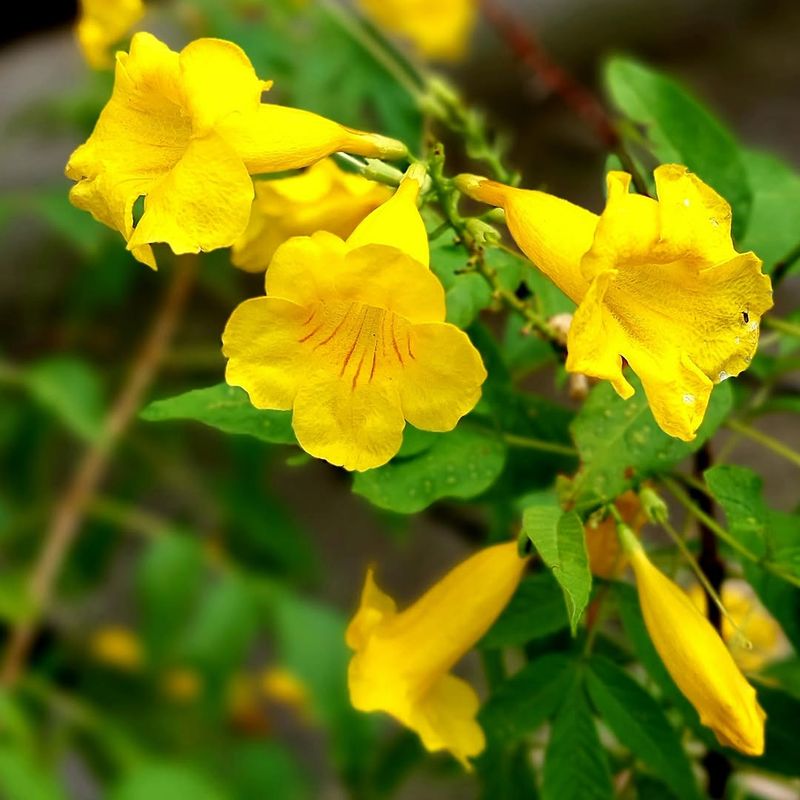
Esperanza, also known as yellow bells, is a Texas-tough shrub that thrives in heat and rewards gardeners with brilliant yellow trumpet-shaped blooms from summer into fall.
In April, once you are confident the last frost has passed in your part of Texas, go ahead and cut back any damaged or woody growth. A good rule of thumb is to remove no more than one-third of the plant at a time.
Sharp bypass pruners work well for this job, giving you clean cuts that heal faster and reduce the risk of disease entering the stem.
Pruning Esperanza in April encourages it to push out vigorous new stems, which is exactly where the blooms will appear.
The more healthy new growth the plant produces early in the season, the longer and more abundant the flowering period tends to be.
In hotter parts of Texas like San Antonio or El Paso, Esperanza can grow into a large shrub quickly, so keeping it shaped in spring helps manage its size before summer heat kicks in. Even a modest trim now sets you up for a showier display later in the year.
2. Vitex Responds Well To Early Season Shaping
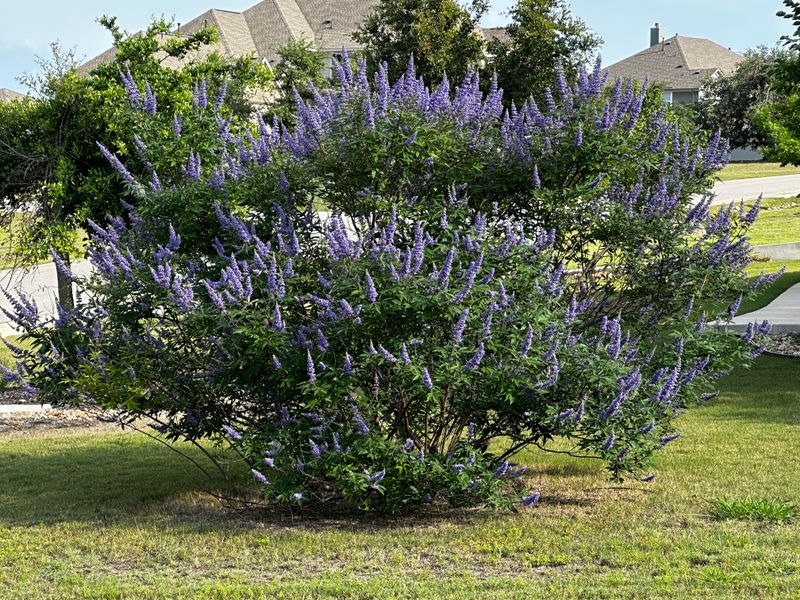
Few shrubs put on a show quite like Vitex in a Texas summer. Sometimes called chaste tree or Texas lilac, this drought-tolerant beauty produces long, lavender-purple flower spikes that attract pollinators and draw plenty of attention from neighbors.
Getting those blooms to really pop often comes down to what you do with the plant in early spring.
By April, Vitex is usually showing its first flush of new leaves, which is a helpful signal that it is time to do some light shaping. At this stage, you want to remove any crossing branches, damaged wood, or stems that are growing in an awkward direction.
You are not trying to cut the plant back dramatically – just clean it up and give it a cleaner structure to build on as the season progresses.
Vitex blooms on new wood, so encouraging fresh stem growth through light pruning in April can directly lead to more flower spikes later in summer. In North Texas, where winters can dip colder, you may notice more winter dieback to clean up.
Your Texas Garden Changes Every Week. Your Plan Should Too.
Gardening in Texas changes quickly throughout the season. Every Friday you’ll receive a simple weekly plan showing exactly what to plant, prune, fertilize, harvest, and protect so you never miss the right timing.
In Central and South Texas, the plant may need only minor shaping. Either way, using clean, sharp loppers or pruning shears helps you make precise cuts without tearing the bark.
Removing spent growth and opening up the canopy slightly also improves air circulation, which keeps the shrub healthier through Texas’s humid spring months.
3. Turk’s Cap Pushes Fresh Growth After A Trim
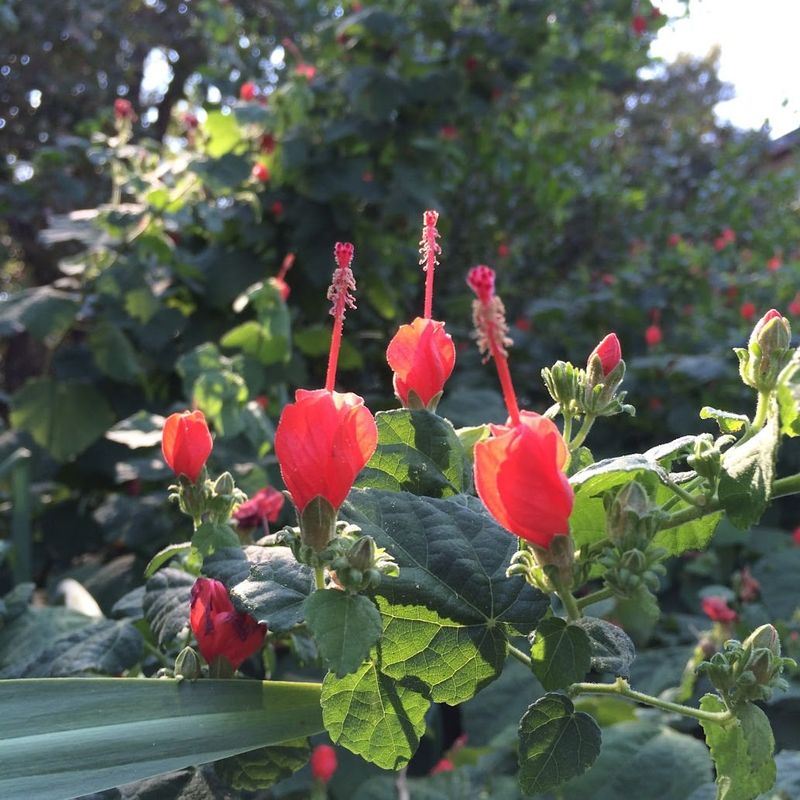
Walk through almost any established Texas garden and you are likely to spot Turk’s Cap tucked into a shaded corner or lining a fence row. Its quirky, twisted red blooms are unlike anything else in the landscape, and hummingbirds absolutely love them.
What many gardeners may not realize is that a light trim in April can push this already-reliable plant into even more vigorous flowering through the warmer months.
Turk’s Cap tends to hold onto old, woody stems from the previous year, and by spring those stems can look tired and unproductive.
In April, cutting back some of that older growth by about one-third encourages the plant to redirect energy into fresh stems and new flower buds.
You do not need heavy-duty tools for this job – a pair of clean bypass pruners is usually enough for most stems, though loppers can help with thicker wood near the base.
One of the reasons Turk’s Cap is so popular across Texas is its adaptability. It handles both sun and shade reasonably well, and it is notably drought tolerant once established.
Pruning in April, before the heat of summer sets in, gives the plant time to recover quickly and push out lush new foliage.
In East Texas, where rainfall is higher, the plant can grow quite large, making April shaping especially helpful for keeping it at a manageable size without sacrificing the blooms that make it such a beloved Texas native.
4. Texas Sage Handles Gentle Shaping In Spring
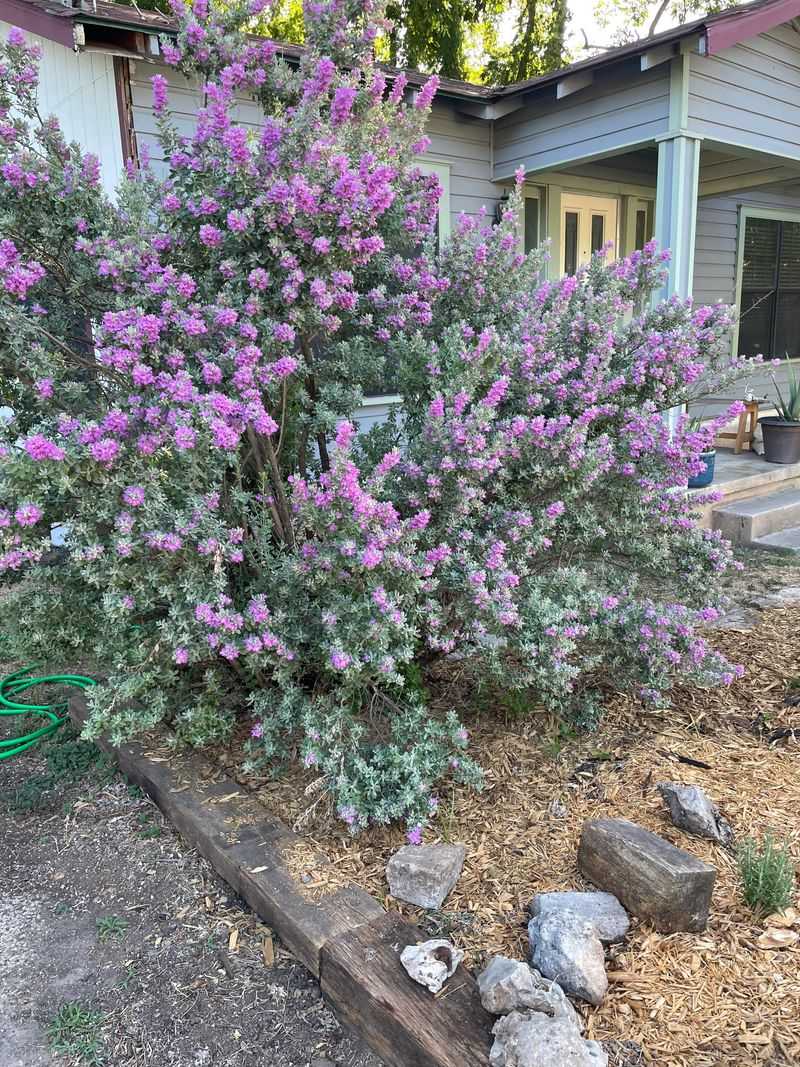
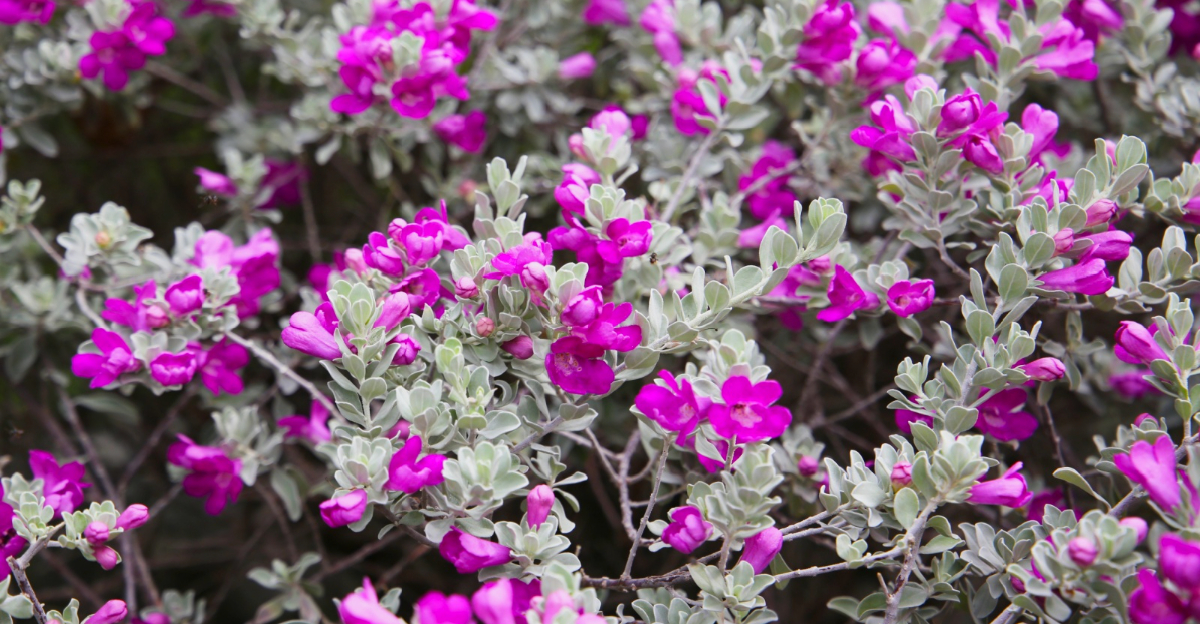
Known for its silvery foliage and stunning bursts of purple blooms that seem to appear almost overnight after a rain, Texas Sage is one of the most recognizable shrubs in the state.
It is built for the Texas climate – heat, drought, and alkaline soils do not slow it down much.
But even this tough plant benefits from a little attention in April to help it look and perform its best through the season.
Light shaping in spring helps prevent Texas Sage from becoming too dense or developing an uneven silhouette. When the interior of the shrub gets too crowded, air circulation suffers, which can encourage fungal issues during wetter spring stretches.
In April, use hand pruners to remove any damaged stems and lightly shape the outer canopy. Avoid cutting back into old wood aggressively, as Texas Sage can be slow to recover from heavy pruning.
The goal with this shrub is to maintain a rounded, tidy form while keeping as much healthy foliage intact as possible. Removing about ten to fifteen percent of the overall growth is a reasonable target for a spring cleanup trim.
Across Texas, this shrub is often used in xeriscape designs and along driveways or borders, where its compact shape matters as much as its blooms.
Giving it a gentle shaping now means it will hold a cleaner form as it fills out through summer and responds to the seasonal rains that trigger its famous bloom cycles.
5. Roses Benefit From Light Cleanup And Deadheading
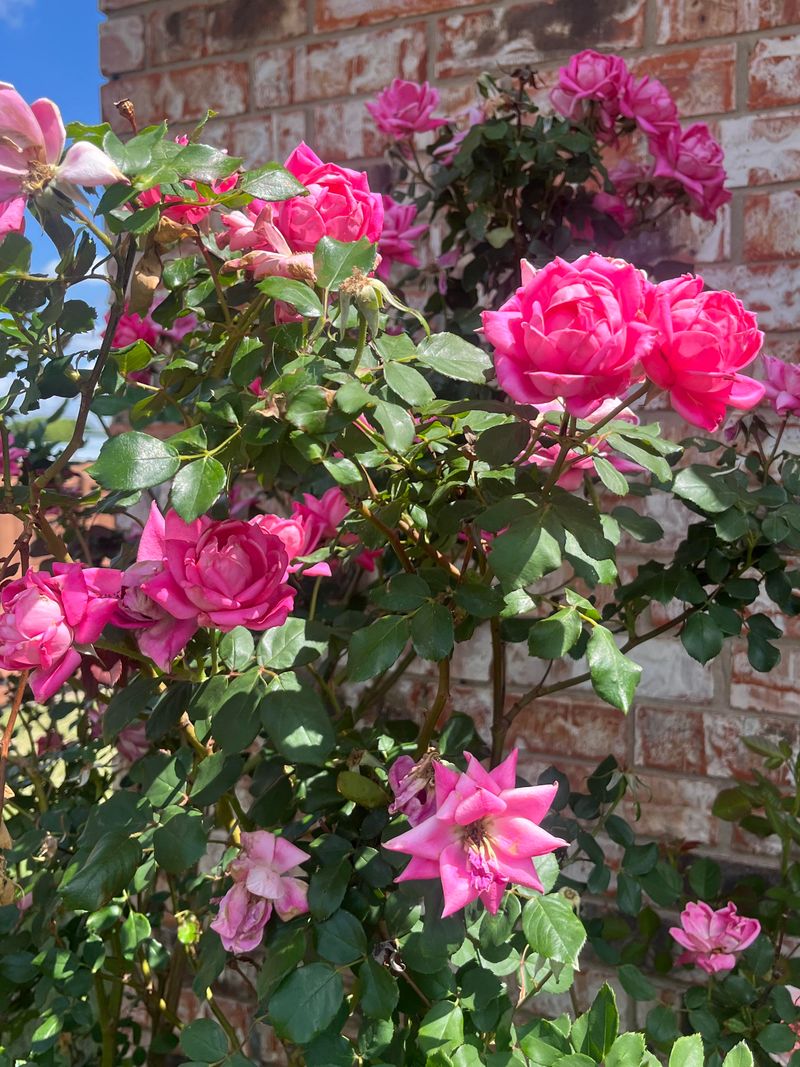
Roses have a reputation for being fussy, but Texas gardeners know that the right varieties handle the heat and humidity surprisingly well.
By April, many rose bushes are already showing strong new growth and may even have their first blooms of the season opening up.
This is the right moment for light cleanup work that keeps the plant healthy and sets the stage for continued flowering into summer.
Start by removing any damaged, or crossing canes that were not fully addressed during earlier winter pruning. Then focus on deadheading, which simply means cutting off spent blooms just above a set of healthy leaves.
This signals the plant to redirect its energy toward producing new flower buds rather than setting seed. Use bypass pruners rather than anvil-style pruners, as bypass blades make cleaner cuts that are gentler on the cane tissue.
In Texas, spring rose care also means watching for signs of black spot or other fungal issues that tend to flare up during warm, humid April weather.
Improving airflow by removing crowded interior growth can help reduce these problems without reaching for chemical treatments.
For repeat-blooming varieties like Knock Out roses or antique roses common across Texas, regular light deadheading and cleanup throughout the growing season is one of the most effective ways to keep flowers coming.
A little consistent attention in April pays off with a much more colorful garden through the months ahead.