Best Hedge Plants To Add To Your Florida Garden This April
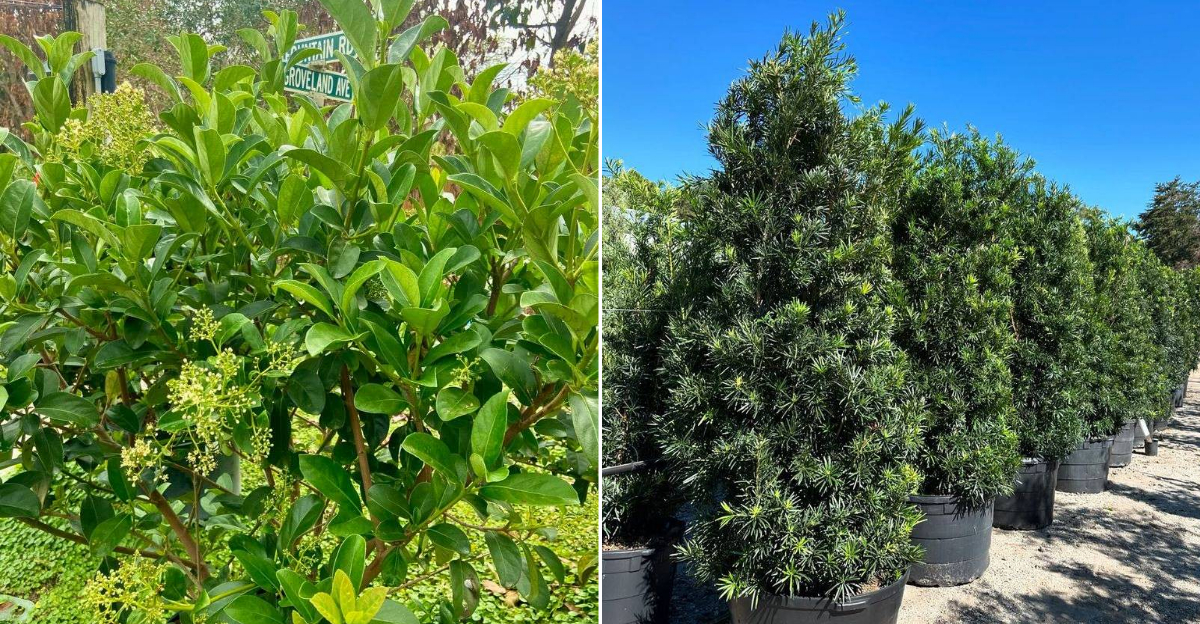
Some parts of a Florida yard seem to stand out more than others, and the border is often one of them. A fence can look a little too stark, the side yard may feel too exposed, or the front of the house might seem like it needs something to pull everything together.
It is the kind of thing you notice during everyday moments, like grabbing the mail, watering the garden, or pulling into the driveway after a long day.
That is where the right hedge plants can make a real difference. They do more than create privacy. They add structure, soften hard lines, and make the whole yard feel more settled and cared for.
Of course, Florida is its own story when it comes to choosing plants, and some shrubs handle the climate much better than others.
A few are especially good at filling out beautifully while still looking at home in a Florida landscape. The picks ahead are the ones worth a closer look.
1. Cocoplum For Coastal Privacy
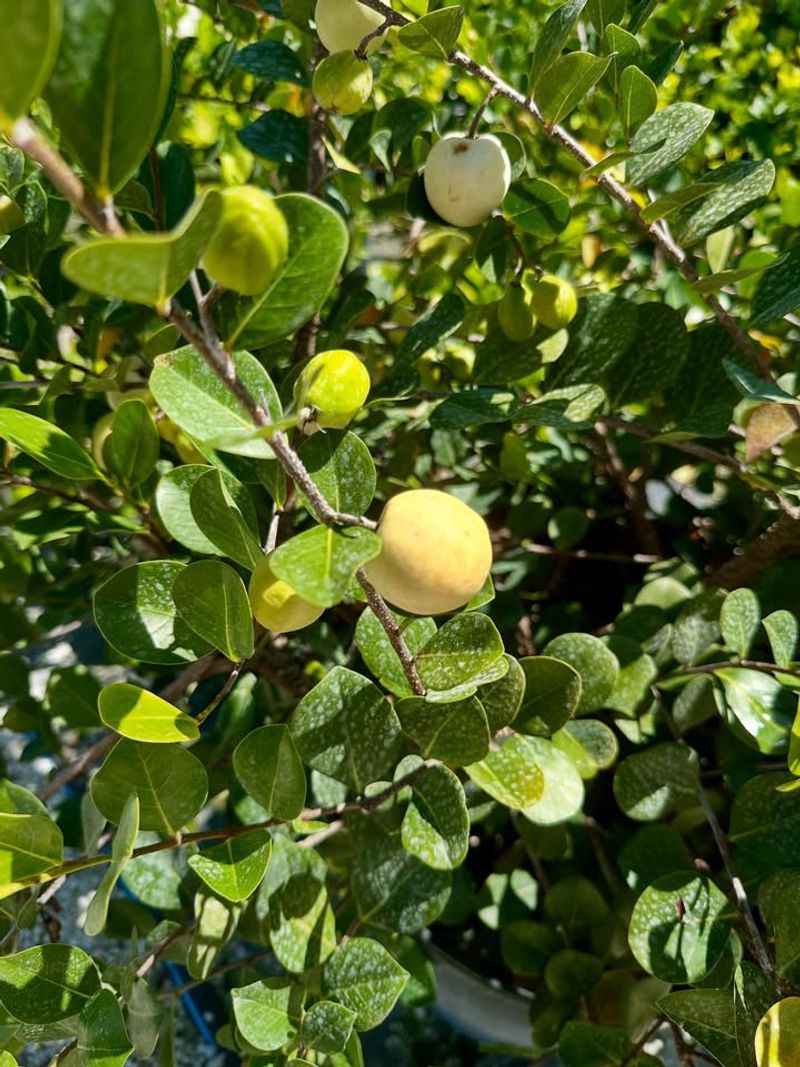
If you live near the coast in Florida, Cocoplum might just become your new favorite plant. Known scientifically as Chrysobalanus icaco, this tough native shrub handles salt spray and sandy soils like a champ, making it a top pick for beachside neighborhoods across the state.
It forms a thick, lush hedge that gives your yard real privacy without a lot of fuss, and it also works beautifully for softening fences, lining property edges, and giving coastal yards a more finished, settled look.
One of the coolest things about Cocoplum is that it actually produces small edible fruits. Birds and other wildlife absolutely love snacking on them, so planting a Cocoplum hedge is basically rolling out a welcome mat for local critters.
The glossy, rounded leaves stay green year-round, keeping your yard looking polished even in winter.
Cocoplum can grow anywhere from 10 to 20 feet tall, but it responds really well to trimming, so you can keep it at whatever height works for your space. April is a great time to plant it in Florida because the warm temperatures help it get established quickly.
Water it regularly at first, and once it settles in, it becomes surprisingly drought-tolerant. For South Florida gardeners especially, this shrub is practically a no-brainer addition to any landscape.
2. Simpson’s Stopper With Florida Charm
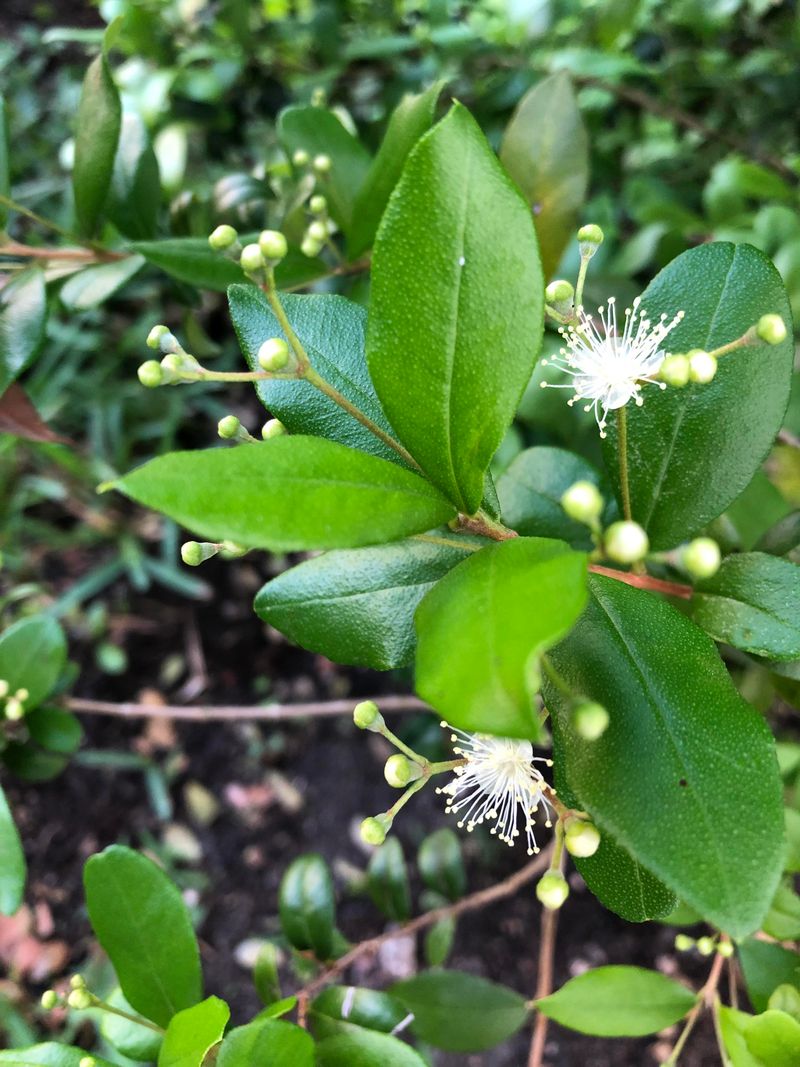
Few hedge plants check as many boxes as Simpson’s Stopper. Also known as Myrcianthes fragrans, this Florida native brings good looks, a lovely scent, and real wildlife value to the landscape.
This Florida native is a reliable landscape plant, offering fragrant white blooms in spring and colorful red berries that birds are drawn to. It also gives Florida gardens a softer, more natural look that still feels neat, polished, and easy to maintain through the seasons.
Growing between 6 and 12 feet tall, Simpson’s Stopper fits nicely into most Florida yards without taking over the whole space. It adapts well to different soil types and can handle both full sun and partial shade, which makes it flexible enough for a wide range of garden layouts.
Your Florida Garden Changes Every Week. Your Plan Should Too.
Gardening in Florida changes quickly throughout the season. Every Friday you’ll receive a simple weekly plan showing exactly what to plant, prune, fertilize, harvest, and protect so you never miss the right timing.
The bark also has an attractive reddish-brown color that peels in thin layers, adding some extra visual texture to your hedge.
Fun fact: the name “Stopper” comes from its traditional use as a remedy for digestive troubles back in the day. Today, most Florida gardeners grow it purely for its ornamental value and wildlife benefits.
Planting it in April gives it plenty of warm months ahead to settle in and start thriving. Pair it with other native shrubs for a hedge that feels both natural and intentional.
Minimal watering and little pruning are all it really needs to look its best throughout the year.
3. Walter’s Viburnum For A Fuller Screen
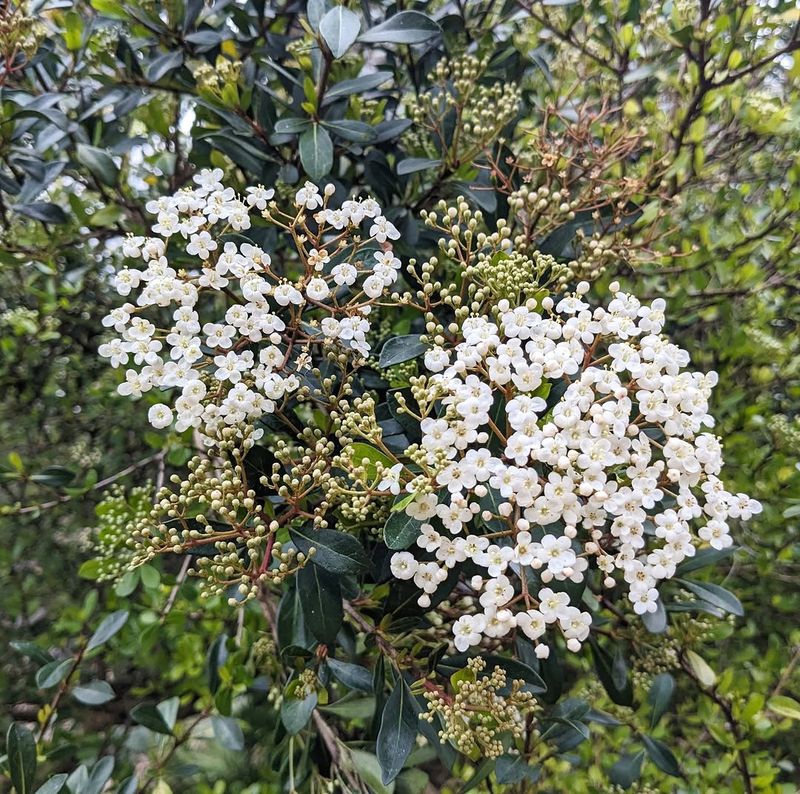
Walter’s Viburnum is the kind of plant that quietly steals the show. When spring rolls around in Florida, this native shrub bursts into a cloud of tiny white flowers that cover the entire plant, making it look like something straight out of a garden magazine.
It is one of those hedges that neighbors will definitely notice and ask about.
Scientifically called Viburnum obovatum, this shrub grows 6 to 12 feet tall and forms a tight, dense wall of glossy green leaves that holds its shape well with just a little trimming. It handles a wide range of soil conditions, from wet areas near ponds to drier upland spots, which is a huge bonus for Florida gardeners dealing with unpredictable soil types across the state.
Walter’s Viburnum is also a native species, which means it evolved right here in Florida and is built to handle the local climate without needing a lot of extra care. Planting natives is a smart move because they support local pollinators and wildlife while using less water and fertilizer than non-native options.
April is an ideal planting time because the warm soil encourages fast root development. Give it a good drink of water a few times a week after planting, and within a season, you will have a strong, beautiful hedge that practically takes care of itself.
4. Sweet Viburnum For Fast Privacy
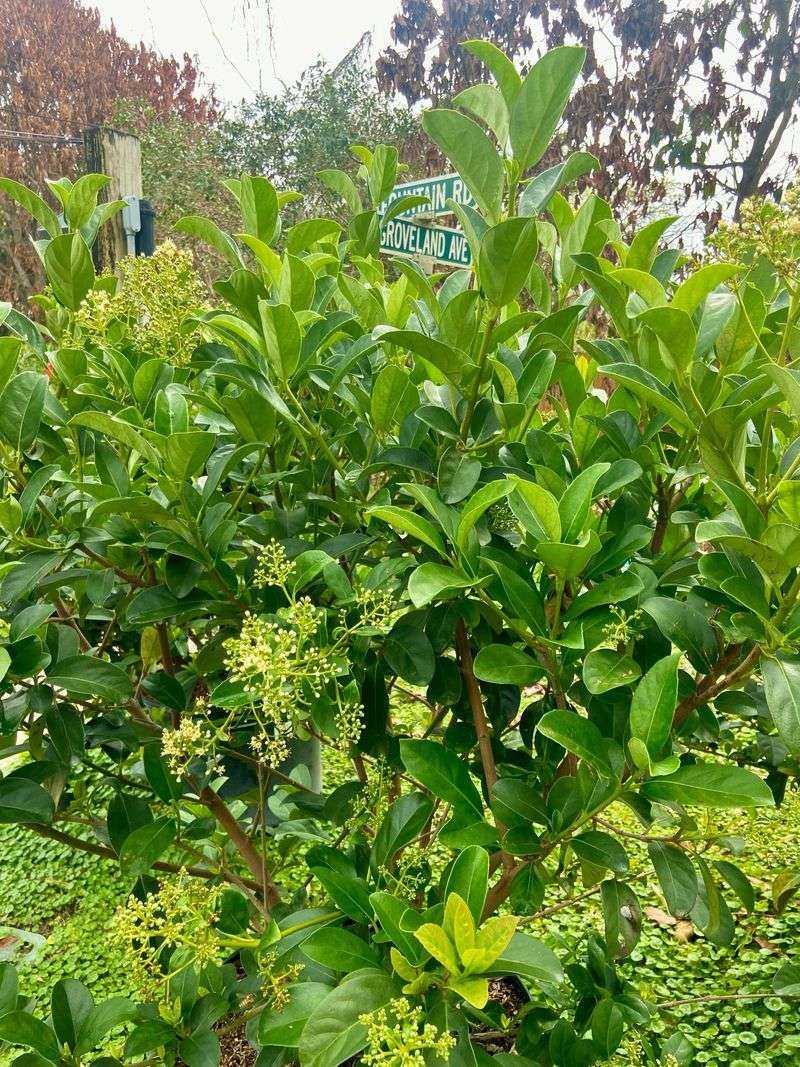
Speed matters when you are trying to build a privacy hedge, and Sweet Viburnum delivers fast. This evergreen shrub is one of the quickest-growing hedges you can plant in Florida, putting on several feet of new growth each year under the right conditions.
If you want a tall, full screen between your yard and the neighbors, Sweet Viburnum is hard to beat.
Viburnum odoratissimum, as it is formally known, can reach 15 to 20 feet in height, making it a solid choice for creating a true green wall. The large, glossy leaves give it a bold, tropical look that fits right in with Florida’s lush landscape.
In spring, it produces clusters of small white flowers with a sweet fragrance that can drift across the whole yard on a warm afternoon.
After the flowers fade, berries appear that start red and later turn dark as they ripen, adding even more life and movement to your garden. Sweet Viburnum is tough, too, handling various soil types and bouncing back well from occasional dry spells once it is established.
Planting in April across Florida gives it a head start before the summer heat peaks. Trim it regularly to keep it thick and bushy at the base, which prevents the leggy, sparse look that some fast growers tend to develop over time.
A little shaping goes a long way with this one.
5. Yaupon Holly With Year Round Interest
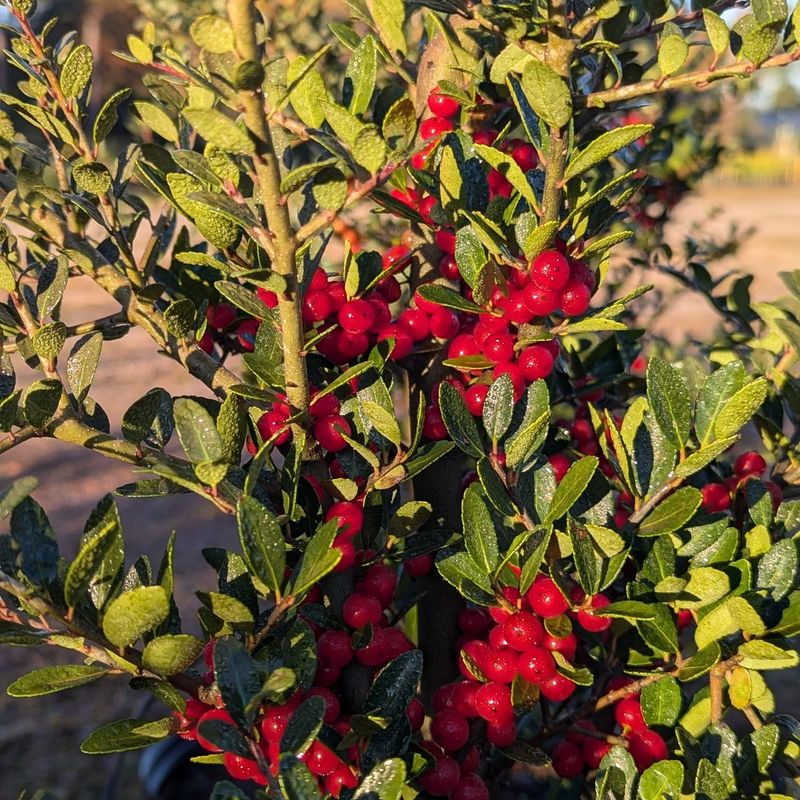
Tough, adaptable, and strikingly beautiful, Yaupon Holly is one of those plants that earns its place in any Florida garden without breaking a sweat. Native to the southeastern United States, Ilex vomitoria thrives in just about any condition Florida throws at it, from soggy clay soils to dry sandy patches, full blazing sun to deep shade.
Not many plants can claim that kind of flexibility.
Growing 15 to 20 feet tall, Yaupon Holly makes an impressive large hedge or screen, but it can also be pruned into a tighter, more formal shape if that fits your yard better. The dense evergreen foliage stays rich and green all year, and in winter, female plants produce clusters of bright red berries that look almost like holiday decorations.
Birds flock to those berries, making your yard a lively spot even in the cooler months.
Did you know that Yaupon Holly is the only native North American plant with caffeine? Indigenous people brewed its leaves into a ceremonial tea for centuries.
Today, some adventurous gardeners are even harvesting and roasting the leaves to make their own herbal drinks. Whether you are interested in that or just want a reliable, low-maintenance hedge for your Florida property, Yaupon Holly is a fantastic April planting choice that rewards you with beauty and wildlife activity for years to come.
6. Podocarpus For A Clean Formal Look
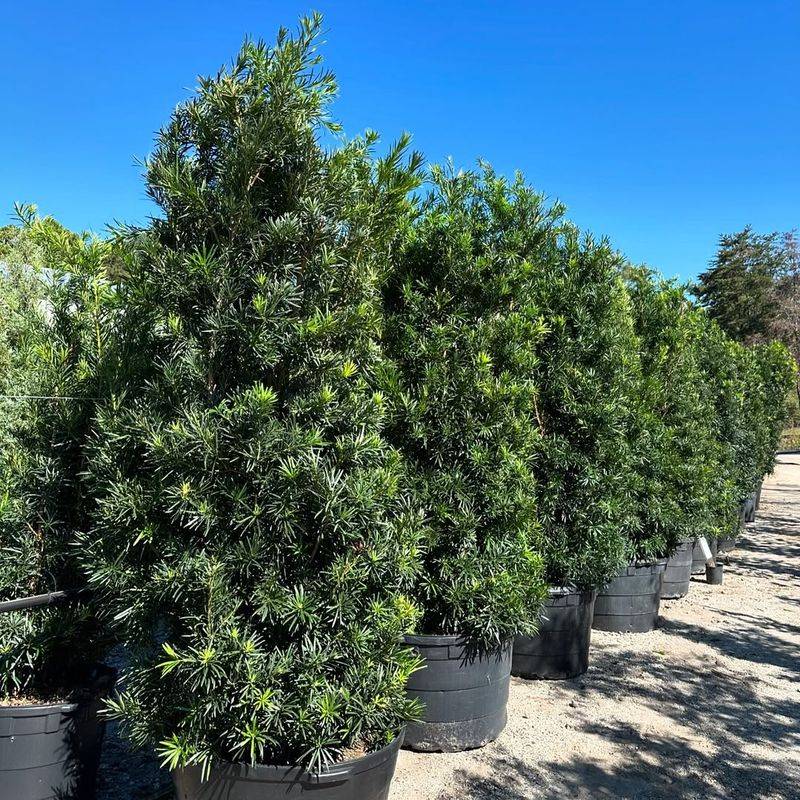
Clean lines, deep green color, and a naturally upright shape make Podocarpus one of the most popular formal hedge plants in Florida. Also called Japanese yew or Buddhist pine, Podocarpus macrophyllus has long, narrow, dark green leaves that give it a refined, elegant look.
It is the go-to choice for homeowners who want a hedge that looks intentional and polished rather than wild and overgrown.
One of its biggest selling points is how narrow it can be kept. Unlike some hedges that spread out and eat up yard space, Podocarpus stays relatively slim even as it grows tall, reaching anywhere from 8 to 20 feet depending on how much you let it go.
That makes it perfect for tight spaces along fences, driveways, or property lines throughout Florida where square footage is at a premium.
Podocarpus is also impressively tolerant of different growing conditions. It handles full sun and partial shade, various soil types, and even some drought once it is well established.
Pests and diseases rarely cause serious problems for this plant, which is great news for busy gardeners who do not have time for constant maintenance. April planting in Florida sets Podocarpus up for strong growth through the warm season.
Trim it two or three times a year to maintain that sharp, formal shape that makes it such a standout in any well-kept Florida landscape.
7. Wax Myrtle For A Soft Native Screen
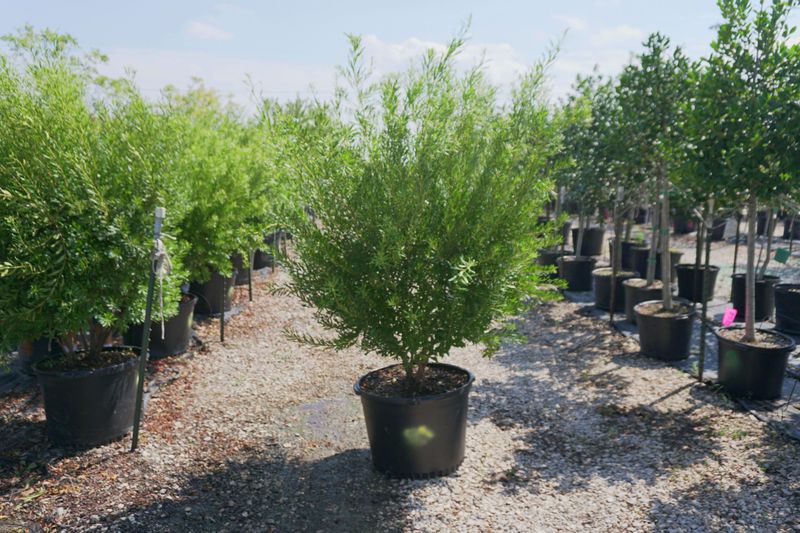
Wax Myrtle is one of those plants that feels like it belongs in Florida, because it truly does. This native shrub, Morella cerifera, grows wild across much of Florida and brings that same resilience and ease to your garden hedge.
If you are looking for something fast-growing, wildlife-friendly, and basically worry-free, Wax Myrtle checks every single box.
It grows quickly, often reaching 10 to 15 feet tall, and spreads into a full, bushy form that creates excellent privacy screening. The aromatic gray-green leaves give off a pleasant, earthy scent when brushed against, which is a fun sensory bonus you do not get from most hedge plants.
In late fall and winter, the plant produces small waxy blue-gray berries that are a favorite food source for yellow-rumped warblers and dozens of other bird species found across Florida.
Wax Myrtle thrives in wet or dry conditions, making it one of the most adaptable native shrubs available for Florida landscapes. It does well in full sun and can handle partial shade without losing its bushy shape.
Fertilizing is rarely needed, and its natural growth habit means you can let it grow freely or trim it into a tidier hedge depending on your preference. Planting in April gives Wax Myrtle the warm growing season it needs to establish strong roots and put on impressive growth before summer arrives.
8. Tea Olive With Fragrant Appeal
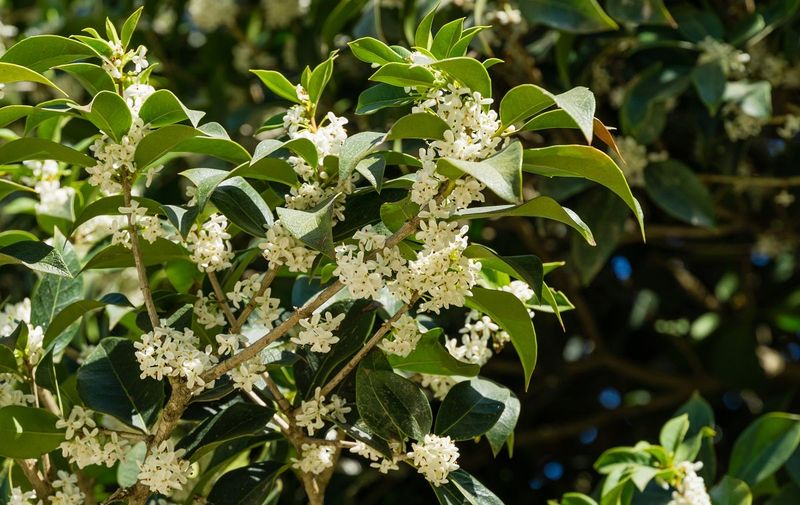
Imagine walking out to your garden and being greeted by the most incredible sweet fragrance drifting through the warm Florida air. That is exactly what Tea Olive brings to the table.
Osmanthus fragrans might not have the showiest flowers in the plant world, but what those tiny white blooms lack in size they more than make up for in scent. The fragrance has been compared to apricots and jasmine, and it can carry surprisingly far on a breeze.
Tea Olive grows as a dense, upright evergreen shrub or small tree, reaching 10 to 20 feet tall in Florida’s climate. The glossy, dark green leaves stay attractive year-round, and the plant responds very well to pruning, making it easy to shape into a formal or informal hedge depending on your style.
It works beautifully along walkways, driveways, or near outdoor seating areas where you can really enjoy that signature fragrance up close.
In Florida, Tea Olive tends to bloom multiple times throughout the year, with the heaviest flushes happening in fall and spring. It prefers well-drained soil and does best in full sun to partial shade.
Once established, it handles heat well and does not need much water beyond what nature provides during Florida’s rainy season. April is a wonderful time to get Tea Olive in the ground so it can settle in and potentially reward you with blooms before the year is out.