7 Things That Make Calathea Struggle Indoors In Arizona
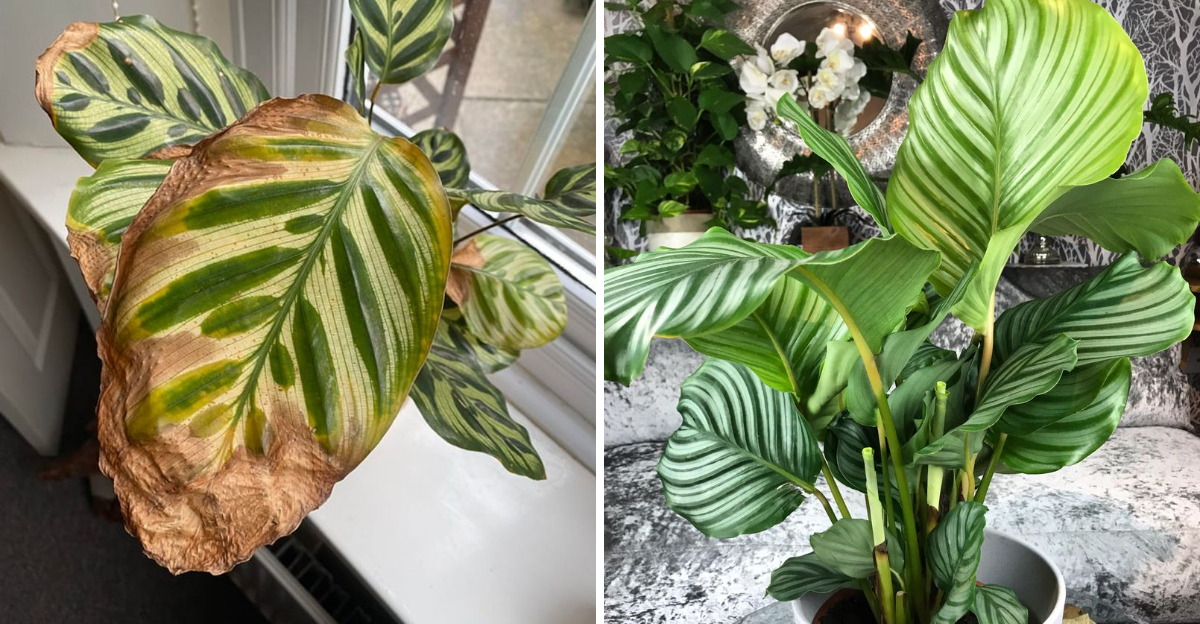
Calathea has a reputation for being one of the most striking indoor plants, yet many people end up frustrated when it does not behave the way they expected.
The plant looks healthy in the store, full of pattern and color, then slowly starts to change once it settles into a home environment.
Inside Arizona homes, the contrast between outdoor conditions and indoor air can feel extreme. Rooms can feel comfortable for people, but plants often respond in a completely different way.
That is where confusion usually starts, because nothing obvious seems wrong at first.
Many plant owners try adjusting water or moving the pot around, hoping something will click back into place. Even then, the plant can still react in ways that do not make much sense without a closer look at what is actually affecting it.
There are several quiet factors inside the home that influence how Calathea responds day to day, and they often build up without being noticed right away.
1. Dry Indoor Air Causes Leaf Edges To Turn Brown
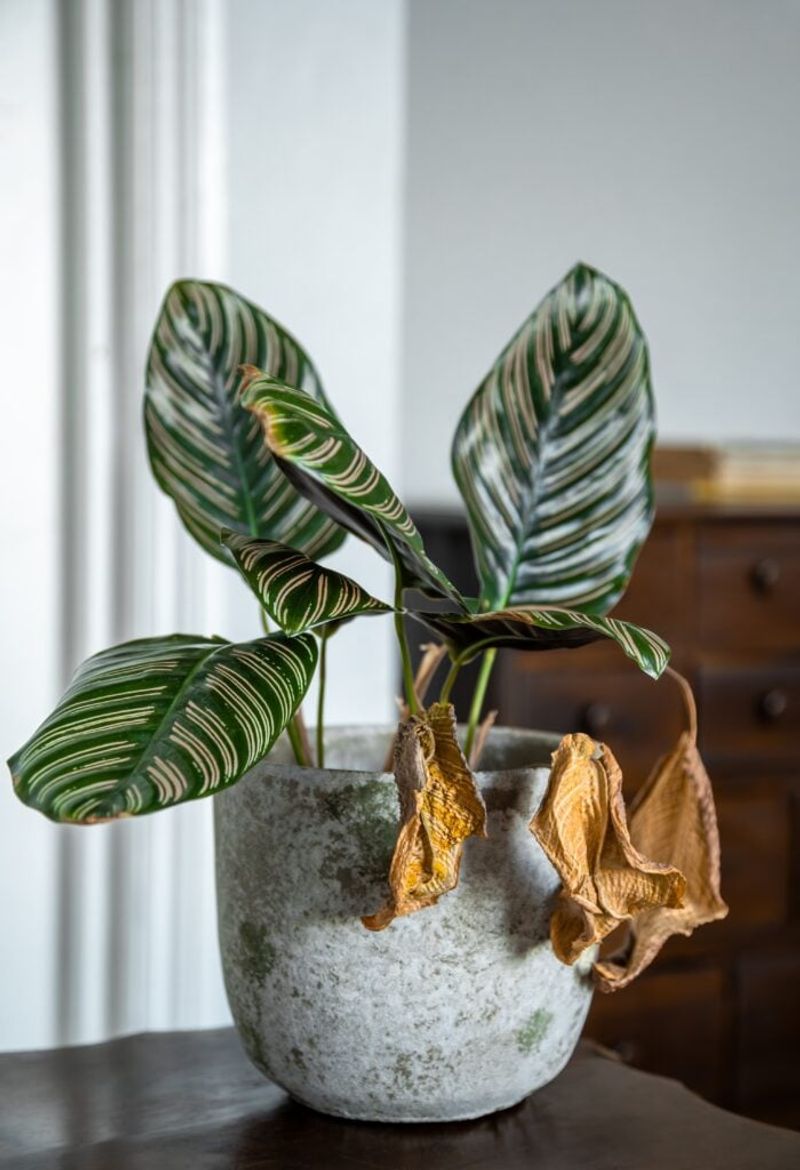
Brown, crispy leaf edges on a Calathea are almost always the first sign that something is off, and in Arizona, low humidity is usually the reason.
Indoor humidity in most Arizona homes sits somewhere between 15% and 30%, especially during summer and winter when HVAC systems run constantly.
Calathea plants need humidity closer to 50% or higher to stay comfortable, so that gap is a real problem.
Running a humidifier near your plant is one of the most reliable fixes available. A small cool-mist humidifier placed a few feet away can raise the moisture level in that part of the room without soaking anything.
Aim to run it for several hours each day rather than leaving it on all the time, which can invite mold issues.
Pebble trays also help, though they work best as a supplement rather than a standalone solution. Fill a shallow tray with pebbles, add water just below the top layer, and set the pot on top.
As the water evaporates, it creates a small humid zone right around the plant. Group a few humidity-loving houseplants together in the same corner and that effect gets even stronger.
Misting is something a lot of people try in Arizona, but it tends to evaporate too quickly in dry indoor air to make a real difference. Save your effort and invest in a decent humidifier instead.
2. Tap Water Minerals Lead To Leaf Damage Over Time
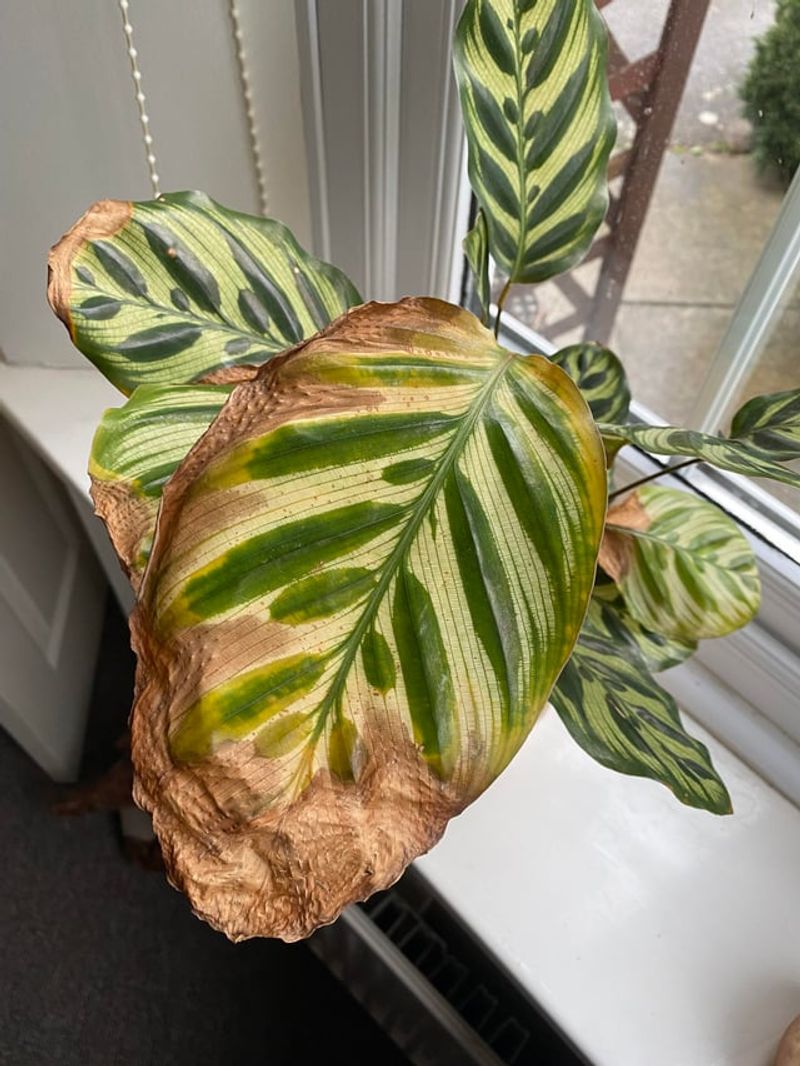
Arizona tap water is some of the hardest in the country, loaded with calcium, magnesium, chlorine, and fluoride.
Calathea plants are notoriously sensitive to those minerals, and watering with straight tap water week after week causes the tips and edges of leaves to yellow, brown, and develop a rough, papery texture.
It happens gradually, so many people blame other things before figuring out the real cause.
Switching to filtered water or rainwater makes a noticeable difference over time. A basic pitcher filter removes chlorine and reduces some mineral content, which is a step up from using tap water directly.
Your Arizona Garden Changes Every Week. Your Plan Should Too.
Gardening in Arizona changes quickly throughout the season. Every Friday you’ll receive a simple weekly plan showing exactly what to plant, prune, fertilize, harvest, and protect so you never miss the right timing.
Collecting rainwater during Arizona’s monsoon season is another practical option, and those storms can produce enough to keep a few houseplants going for weeks.
Distilled water is the cleanest option available and works well for Calathea if you can keep up with the cost and effort of buying it regularly.
Some Arizona gardeners use a reverse osmosis filter system at the kitchen sink, which gives them a steady supply of low-mineral water without the hassle of buying jugs constantly.
If you have been using tap water for a while, flush the soil thoroughly with filtered water every couple of months. That helps push built-up mineral salts out through the drainage holes before they concentrate enough to burn the roots.
3. Direct Sunlight Fades Patterns And Stresses Leaves
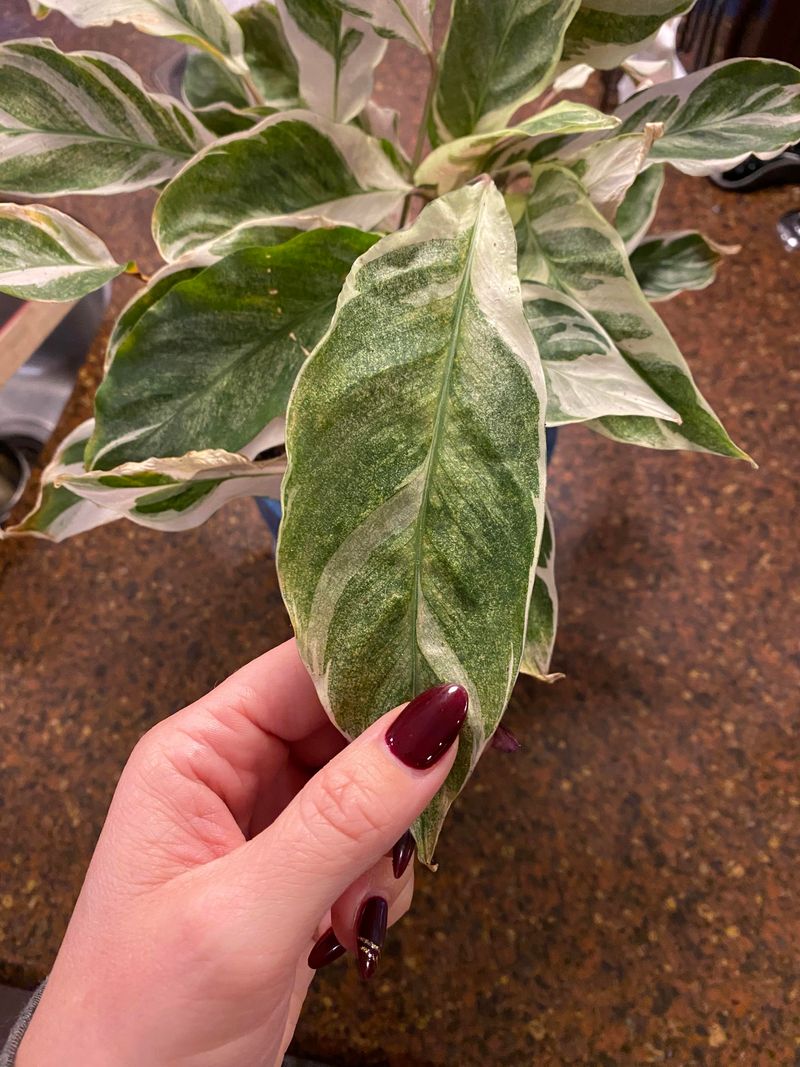
Arizona sunlight is genuinely intense, and a Calathea placed anywhere near a south or west-facing window is going to show the damage fast. Leaf patterns start to look washed out and pale, the edges curl inward, and the whole plant looks drained.
That vibrant, deep green coloring that makes Calathea so appealing fades when the plant gets too much direct sun exposure.
In the wild, these plants grow under a dense canopy where filtered, soft light reaches them throughout the day. Recreating that kind of light indoors in Arizona takes some thought.
North or east-facing windows work best because the light is gentler and more consistent. West-facing rooms can work if you hang a sheer curtain to soften the afternoon sun before it hits the leaves.
Interior spots can also work surprisingly well. Placing the plant on a table or shelf several feet back from a bright window often gives just the right amount of indirect brightness without the harsh exposure.
A simple light meter app on your phone can help you check whether a spot is getting too much or too little light before you commit to a location.
Leaf scorch from Arizona sun does not reverse once it happens. Faded or bleached patches stay on those leaves permanently, though new growth will come in healthy if you move the plant to a better spot.
4. Letting Soil Dry Too Much Between Watering Slows Growth
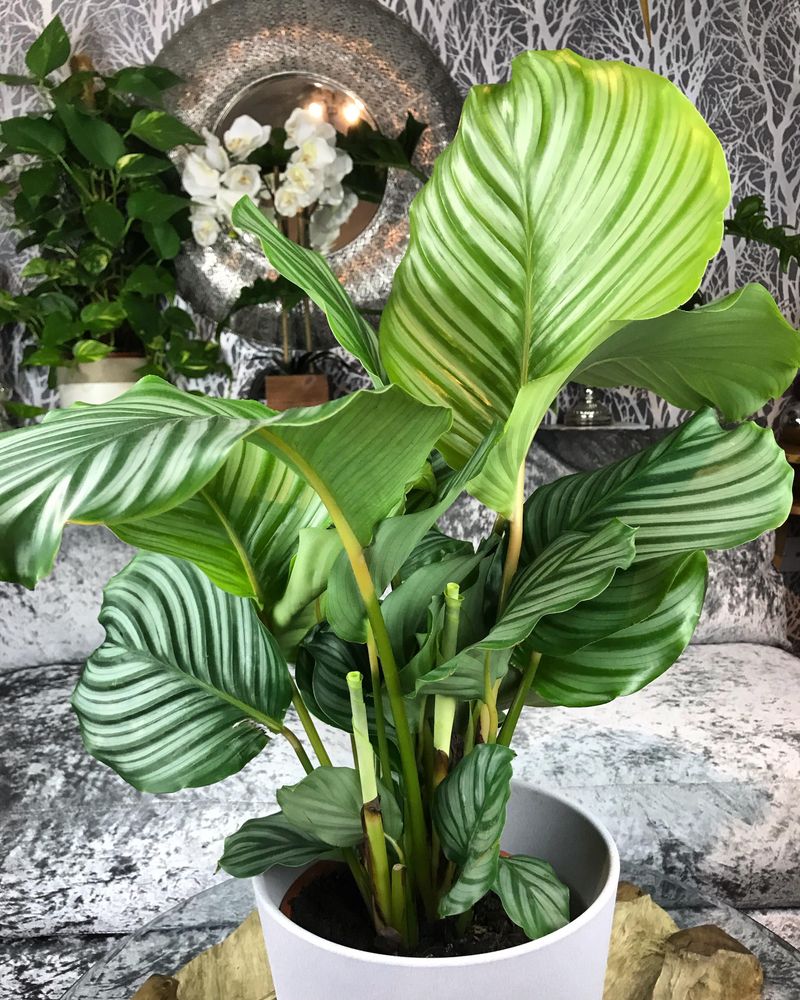
Calathea roots do not handle extended dry periods well, and in Arizona’s low humidity, soil dries out noticeably faster than it would in a more humid climate.
Letting the soil go bone dry between waterings puts the plant in a stress cycle that slows new growth and causes older leaves to curl tightly along the edges.
It can take weeks for the plant to recover after a serious dry spell.
Checking the soil every few days rather than following a set schedule works much better in Arizona homes. Stick your finger about an inch into the soil, and water when that top inch feels dry but the soil below still has a bit of coolness to it.
That middle ground keeps the roots consistently moist without letting them sit in standing water.
Terracotta pots are popular and look great, but they pull moisture out of the soil much faster than plastic or glazed ceramic pots.
In Arizona’s dry indoor environment, switching to a glazed pot can reduce how often you need to water and help the soil stay evenly moist for longer stretches.
Growth slows down noticeably when a Calathea is repeatedly underwatered. New leaves may emerge smaller than expected, or unfurl slowly and look limp.
Consistent watering paired with decent humidity gives the plant the steady conditions it needs to push out healthy new growth.
5. Heavy Soil Mix Holds Too Much Moisture Around Roots
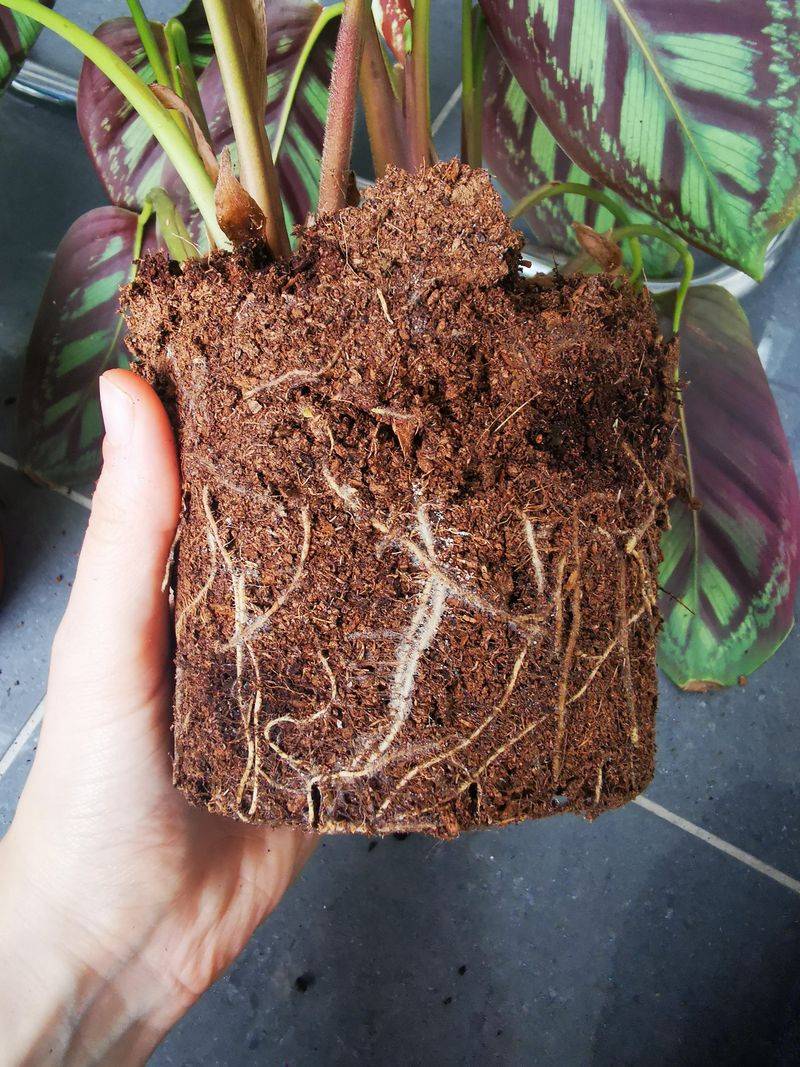
Soggy roots are a fast path to trouble, and a heavy, dense potting mix makes that problem almost unavoidable. Standard potting soil straight from the bag often holds too much water for Calathea, especially in pots without great drainage.
Roots that sit in wet soil for too long start to break down, and the plant above begins showing signs of stress through yellowing leaves and stunted growth.
A better mix for Calathea in Arizona homes combines regular potting soil with perlite and a small amount of orchid bark. That combination drains quickly while still holding enough moisture to keep the roots from drying out completely between waterings.
Aim for roughly two parts potting mix to one part perlite as a starting point, then adjust based on how fast your specific pot drains.
Drainage holes are non-negotiable. A pot without holes traps water at the bottom, and no matter how carefully you water, the roots will eventually sit in that pooled moisture.
If you love the look of a decorative pot without drainage, use it as an outer sleeve and keep the plant in a plain nursery pot with holes inside.
Repotting every year or two also helps because old potting mix breaks down and compacts over time, reducing the drainage it once provided. Fresh, well-structured soil gives roots room to breathe and access to the right balance of air and moisture.
6. Cold Drafts And Temperature Swings Shock The Plant
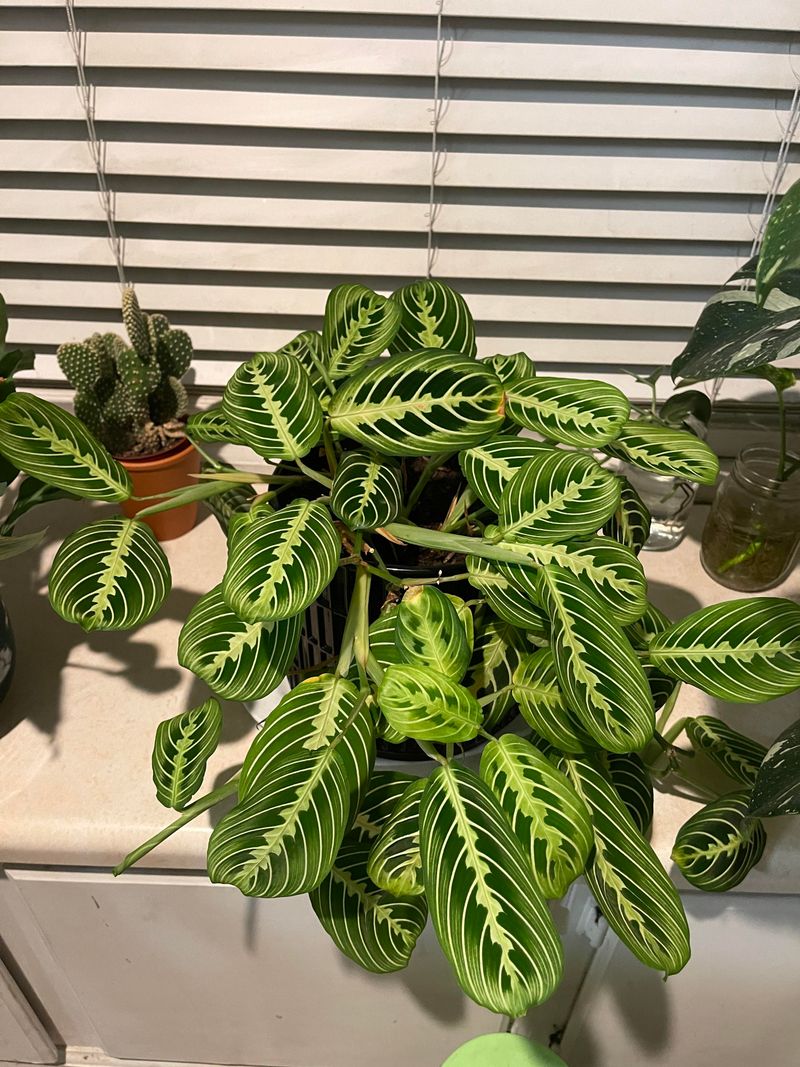
Arizona summers push air conditioners to run almost nonstop, and those vents blast cold air in ways that can really stress a Calathea. Cold drafts hitting the plant repeatedly cause leaves to droop, yellow, and sometimes develop dark patches along the edges.
The plant prefers stable temperatures between 65 and 80 degrees Fahrenheit, and anything outside that range on either end causes noticeable problems.
Placement matters more than most people realize. Keeping a Calathea directly under or beside an AC vent puts it in a constant stream of air that is both colder and drier than the rest of the room.
Moving it just a few feet away from the vent can make a significant difference. The same goes for exterior doors and windows that let in a cold blast whenever they open during cooler Arizona months.
Winter nights in many parts of Arizona drop well below what Calathea can handle comfortably. Rooms that cool down significantly overnight, especially those near single-pane windows or exterior walls, can expose the plant to temperatures in the 50s.
Prolonged exposure at those lower temperatures causes the leaves to look limp and discolored by morning.
A simple indoor thermometer placed near the plant helps track what it actually experiences throughout the day and night.
7. Overfeeding Leads To Weak And Stressed Growth
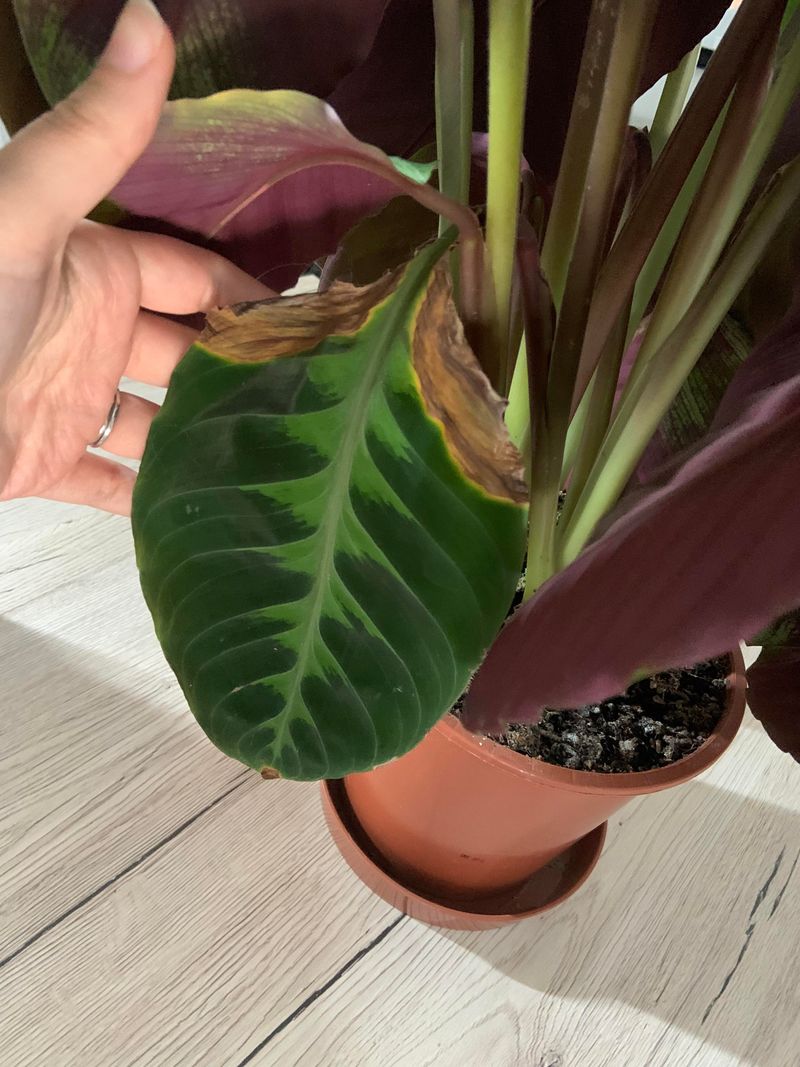
More fertilizer does not mean more growth with Calathea, and pushing too much of it into the soil causes real harm.
Salt buildup from excess fertilizer concentrates around the roots and pulls moisture away from them, leading to burned leaf tips, yellowing leaves, and a plant that looks progressively worse despite being fed regularly.
It is a frustrating pattern to figure out when you think you are doing everything right.
A balanced liquid fertilizer diluted to half strength works well during the active growing months of spring and summer. Feeding once a month at that reduced concentration gives the plant what it needs without overwhelming the roots.
During fall and winter, Calathea slows its growth considerably, and feeding during those months adds unnecessary stress rather than supporting the plant.
Granular slow-release fertilizers can be tricky with Calathea because they continue releasing nutrients even when the plant is not actively growing.
Liquid fertilizers give you more control over timing and concentration, which makes it easier to back off when the plant shows signs of stress.
That flexibility is especially useful in Arizona where indoor growing conditions shift noticeably between seasons.
If you suspect overfertilization has already happened, flush the soil with clean filtered water to help move excess salts out through the drainage holes.