What Arizona Grapevines Need In April For Stronger Fruit Growth
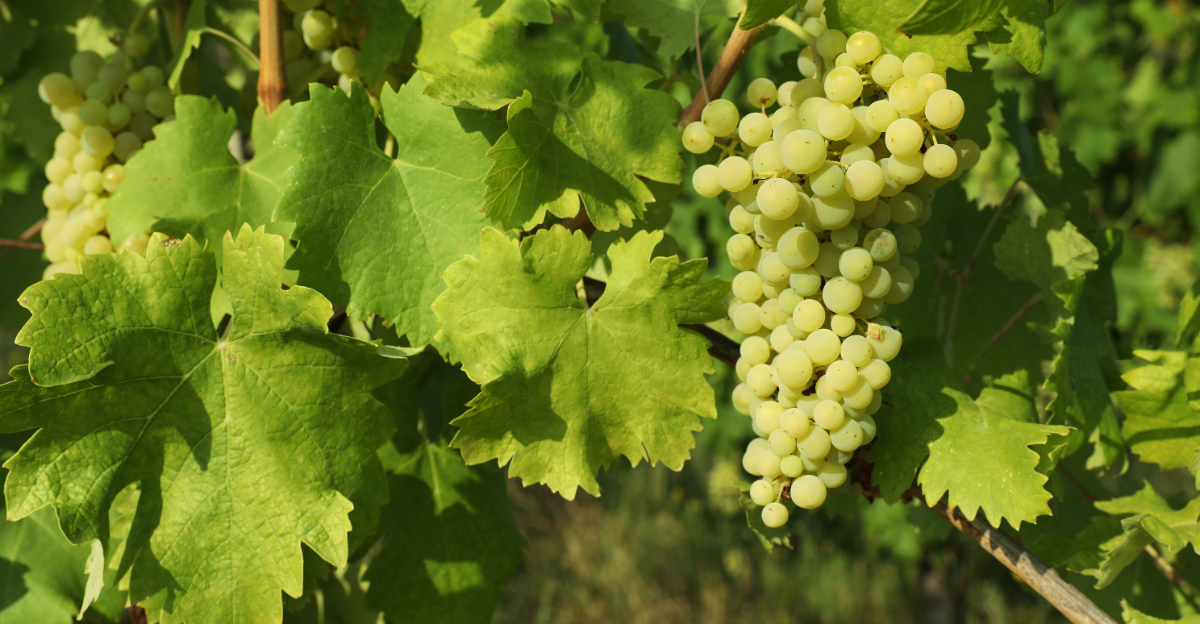
Arizona grapevines start to show real progress in April, and this stage often shapes how well fruit develops later in the season. New growth begins to extend, and small changes in care can influence how evenly the plant sets and supports fruit.
It can be easy to overlook what matters most at this point, especially when vines still look steady and healthy on the surface. What happens now affects how well the plant carries fruit once heat builds.
Some vines move forward with strong development, while others fall behind under the same conditions, and that difference becomes more noticeable as the season continues.
The right approach during this period can support better fruit growth and help vines stay balanced through the months ahead.
1. Full Sun Exposure Supports Strong Fruit Development
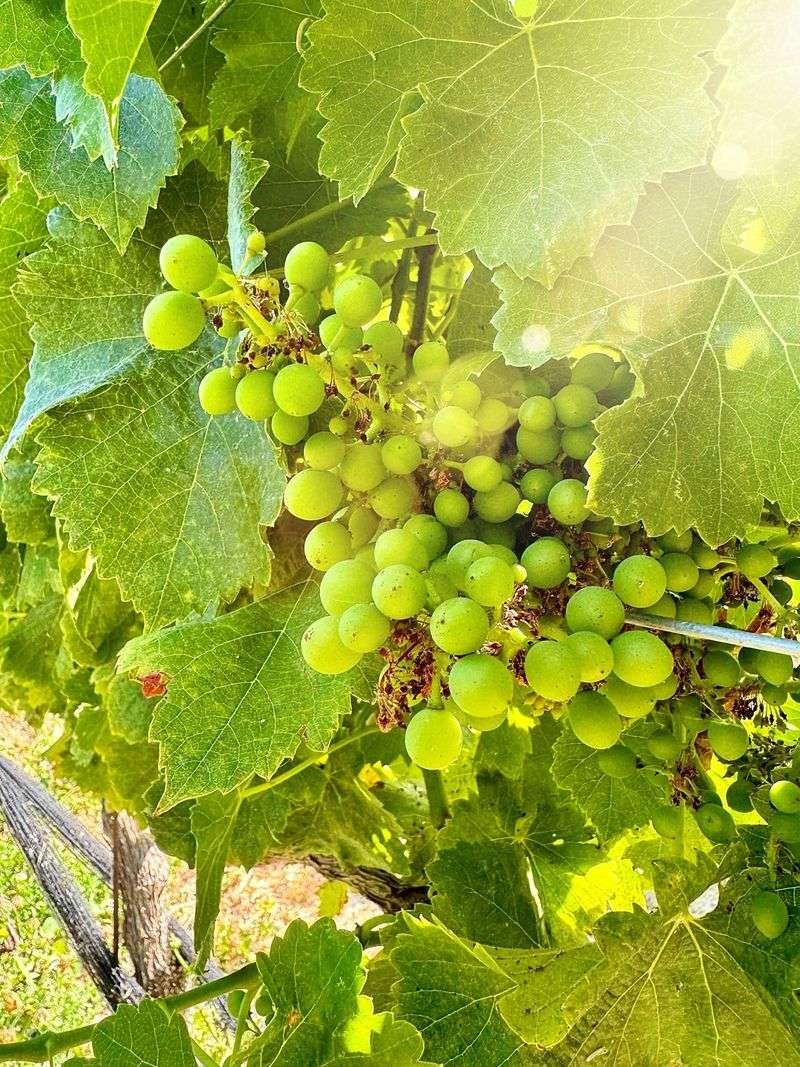
Grapes grown in shade are just going through the motions. In Arizona, where sun is rarely the limiting factor, the real issue is making sure your vines actually get unobstructed light across the entire canopy, not just the top layer.
April is the right time to look at what is blocking your vines. A nearby wall, an overgrown tree, or even dense canopy from last season can cut off light to the lower fruit zones.
Clusters that develop in low light tend to be smaller and slower to ripen. In the Arizona climate, where you already have an advantage in sunlight hours, wasting that resource hurts more than most growers expect.
Ideally, your vines should receive at least six to eight hours of direct sun each day during April. South and west-facing exposures tend to perform well in Arizona because they capture afternoon light, which is strong and consistent.
If your trellis runs east to west, shoots trained along the top wire will catch more sun than those hanging below.
Trimming back anything that crowds the canopy from above or the sides helps light reach the developing flower clusters before they set. Once fruit sets, improving light exposure becomes harder to manage without stressing the vine.
2. Deep Infrequent Watering Builds Strong Roots And Better Fruit
Shallow watering is one of the most common mistakes Arizona grape growers make in spring.
When water only reaches the top few inches of soil, roots have no reason to push deeper, and vines become dependent on frequent surface moisture that evaporates fast in Arizona heat.
Watering deeply every seven to ten days in April encourages roots to follow moisture downward.
Roots that reach two to three feet below the surface have access to more stable soil temperatures and can keep the vine hydrated during the early heat spikes that often hit Arizona in late April and May.
That kind of root depth takes time to develop, so starting the habit early in the season matters.
Drip irrigation works well for desert grapevines because it delivers water slowly at the root zone without wetting the foliage. Wet leaves in warm weather can contribute to fungal issues, which are already a concern in some parts of Arizona during monsoon season.
Your Arizona Garden Changes Every Week. Your Plan Should Too.
Gardening in Arizona changes quickly throughout the season. Every Friday you’ll receive a simple weekly plan showing exactly what to plant, prune, fertilize, harvest, and protect so you never miss the right timing.
A slow, deep soak at the base of the vine is more useful than a quick spray across the canopy.
3. Light Feeding Prevents Excess Leaf Growth During Fruit Set
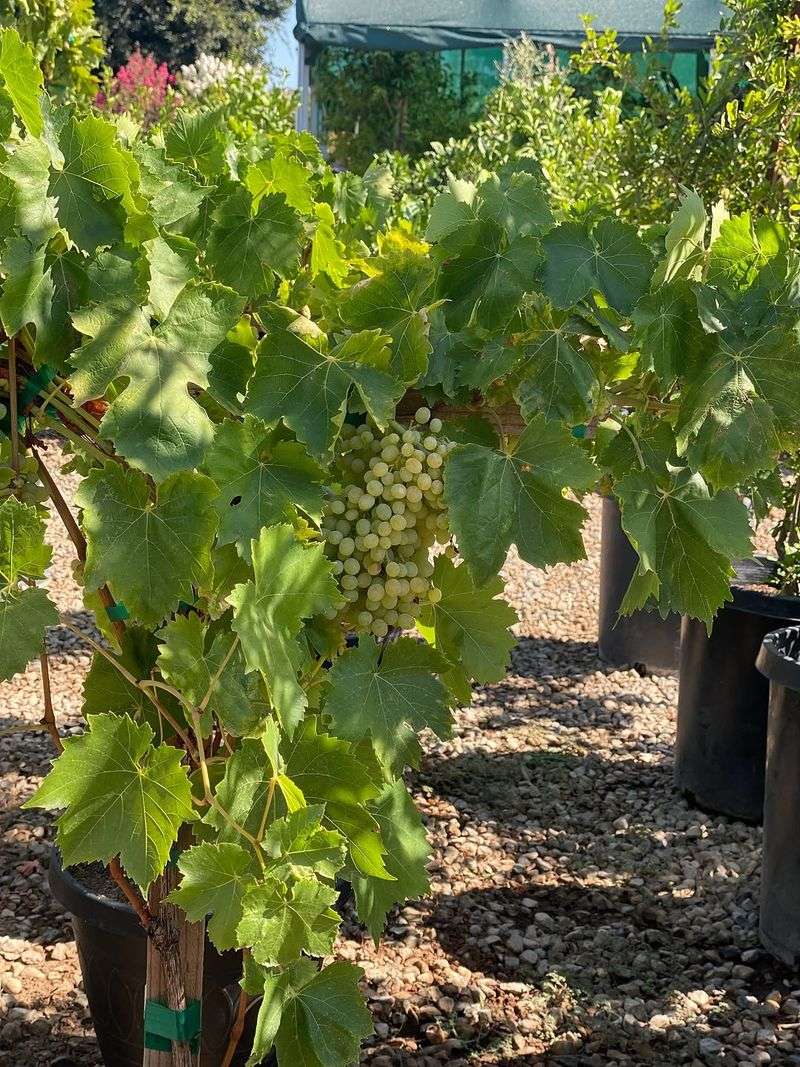
Feeding grapevines too heavily in April is a fast way to end up with a lush, leafy vine that produces disappointing fruit. Nitrogen is the main culprit.
Push too much of it into the soil right before fruit set, and the vine channels that energy into shoot and leaf growth instead of cluster development.
A light application of a balanced fertilizer, something in the range of a 10-10-10 blend, applied in early April is usually enough for most Arizona home vineyards. Spread it evenly under the canopy out to the drip line, then water it in well.
Fertilizing without watering right after leaves nutrients sitting near the surface where they evaporate or wash away without benefiting the roots.
Soil in many parts of Arizona is naturally alkaline, which can lock up nutrients like iron and zinc even when they are present. If your leaves are yellowing between the veins while the veins stay green, that is a sign of iron chlorosis, which is common in Arizona soils.
Adding a chelated iron supplement alongside a light fertilizer application can help, but test your soil first if you are unsure what it actually needs.
4. Shoot Thinning Directs Energy Into Stronger Fruit Clusters
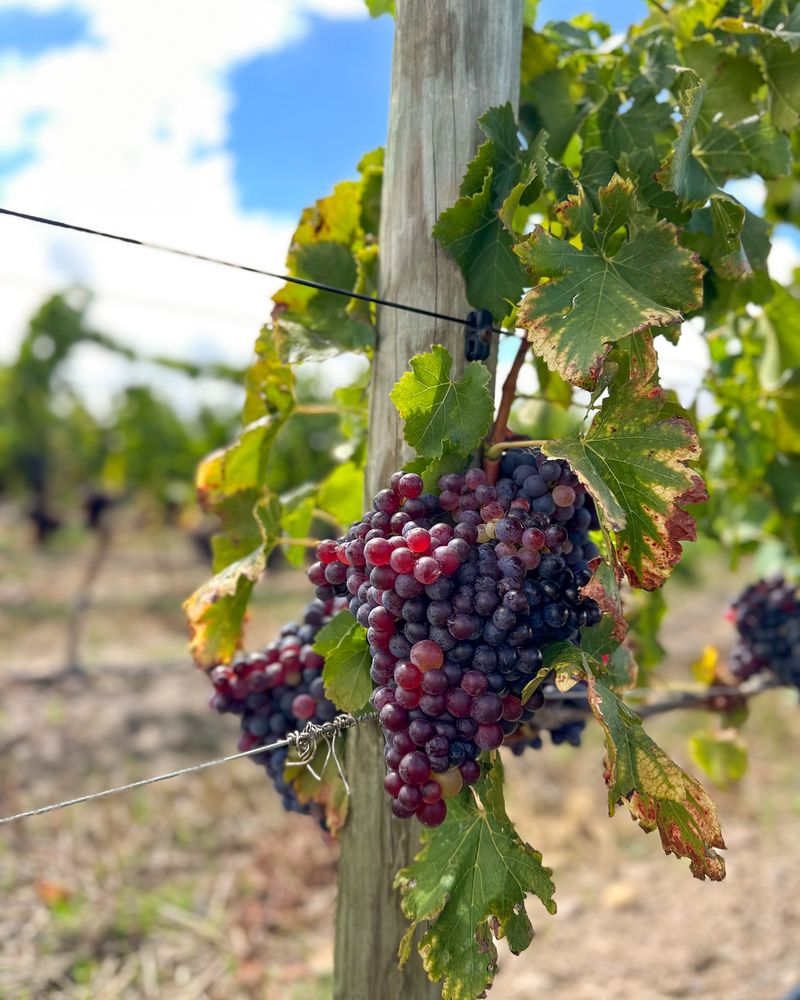
A vine that pushes out forty new shoots in April is not necessarily a healthy vine. It is a vine spreading its energy too thin.
Shoot thinning is about redirecting that energy toward the shoots most likely to carry strong, well-developed fruit clusters.
In Arizona, shoot growth in April can be surprisingly fast once temperatures warm up. New shoots can add several inches in a week under the right conditions.
Waiting too long to thin means you are removing growth that the vine has already invested energy into, which is more disruptive than thinning early when shoots are still short and easy to rub off.
The goal is to leave shoots spaced roughly four to six inches apart along the main cordon or cane. Shoots that grow from below the graft, from old wood with no planned fruiting position, or that are clearly weaker than their neighbors are the first candidates to remove.
Leaving every shoot that emerges results in a crowded canopy that blocks light and airflow around developing clusters.
Thinning does not need to be a major production. A single pass through the vineyard in early to mid-April, removing obvious excess shoots by hand or with clean snips, is often enough.
A second lighter pass two weeks later catches anything that was missed.
5. Proper Trellis Support Keeps Vines Productive And Manageable
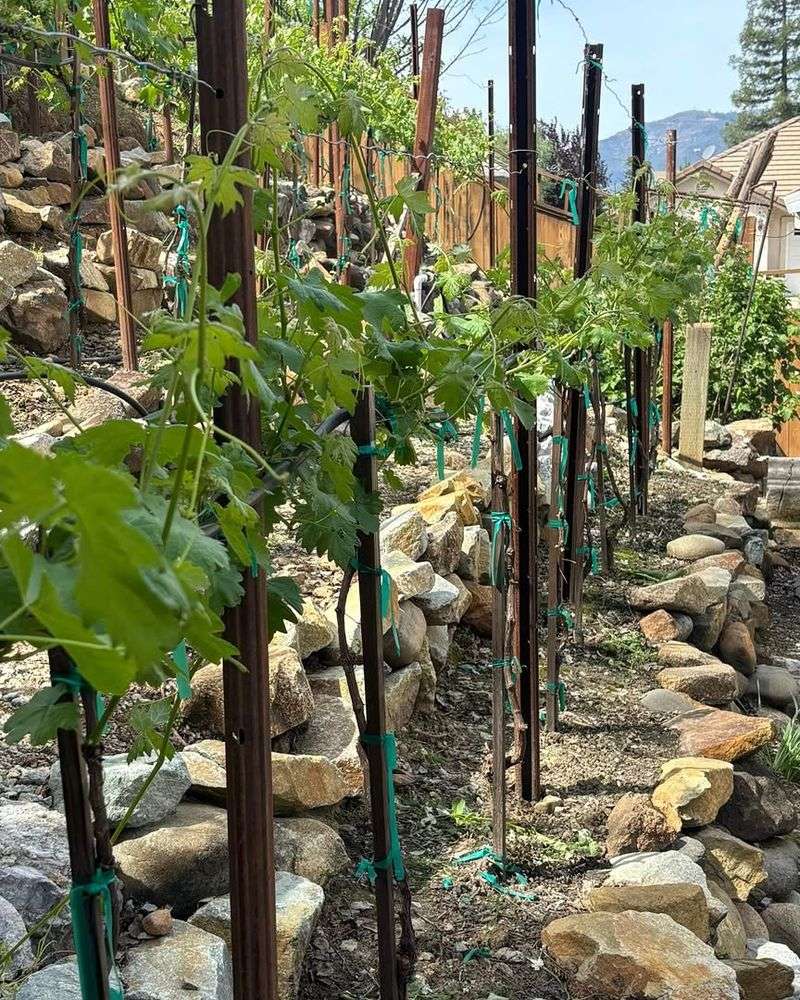
A vine without solid support in April is fighting itself. Shoots that flop over, cross each other, or hang toward the ground spend energy trying to grow around obstacles instead of pushing upward toward light and air.
Getting the trellis in order before growth accelerates makes a real difference in how the season plays out.
Check every wire and post before April growth takes off. Arizona sun and temperature swings are hard on trellis materials.
Wood posts can crack, wires can sag, and wire ties from previous seasons can dig into thickening wood if they were not removed. Replace anything that looks compromised before new shoots start depending on that structure for support.
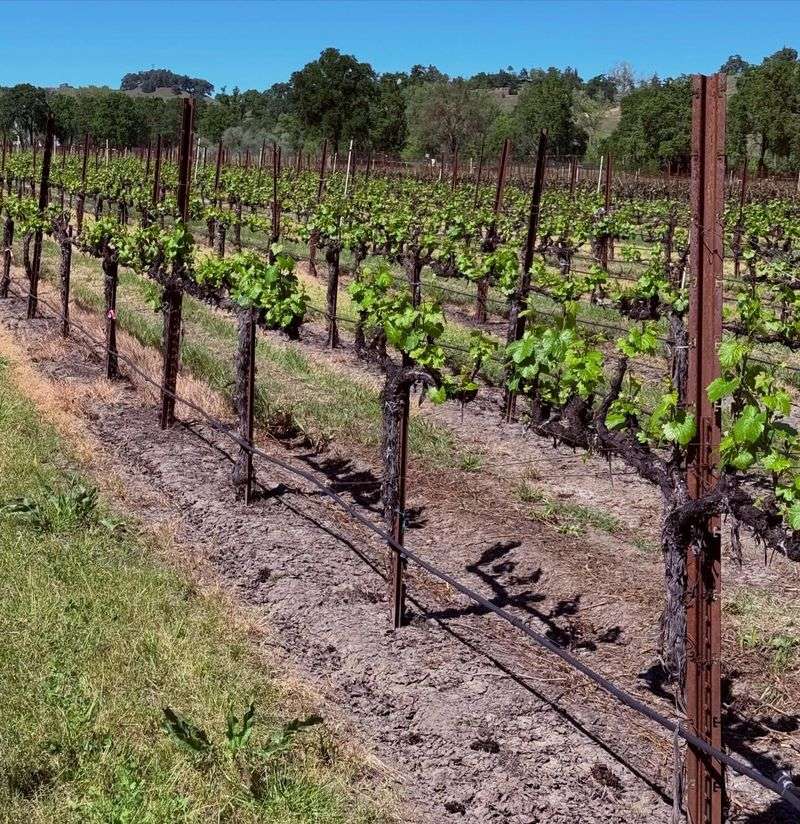
A basic two-wire system works well for most home growers in Arizona. A lower wire at about three feet handles the cordon or cane, and an upper wire at five to five and a half feet supports the growing shoots as they extend upward.
Adding a third wire between those two gives extra support during the rapid April growth phase and helps keep shoots vertical without constant tying.
Tucking new shoots behind the wires every week or so in April keeps the canopy organized without requiring a lot of time.
6. Removing Weak Growth Improves Airflow Around Developing Fruit
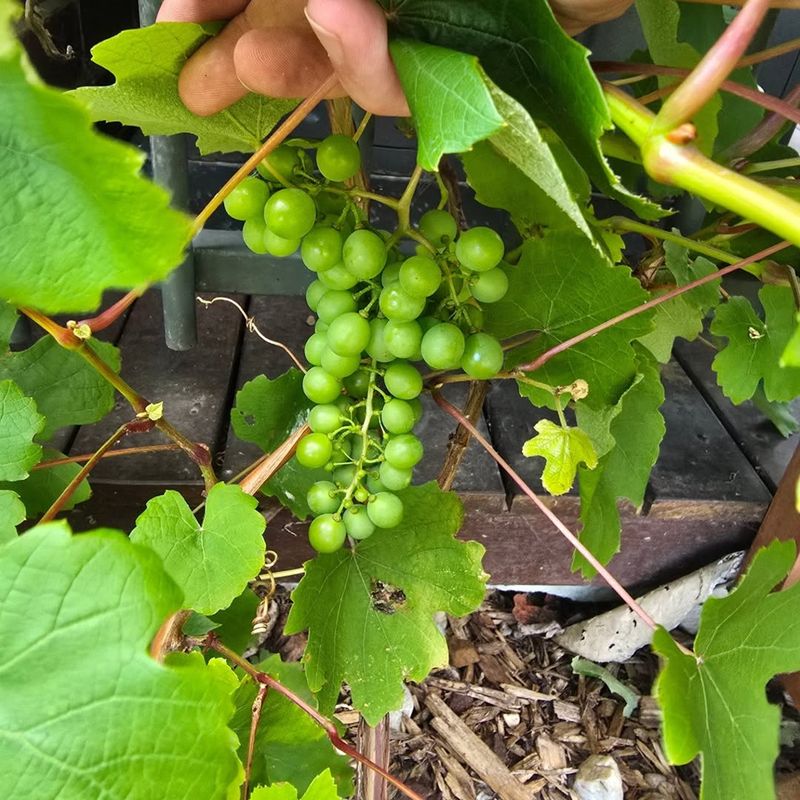
Crowded vines trap humidity, and trapped humidity around developing grape clusters creates the exact conditions that fungal diseases prefer.
In Arizona, the dry climate helps, but dense canopy growth in April can create its own microclimate where moisture lingers longer than it should, especially in the early morning hours.
Weak lateral shoots, suckers growing from the base, and thin shoots with no flower clusters are worth removing in April. These are not contributing to fruit production, but they are competing for water, nutrients, and light.
Cutting them out opens up the interior of the vine so air can move through more freely.
Powdery mildew is one of the more common fungal issues for Arizona grapevines, and it tends to show up on leaves and young clusters when airflow is poor.
Removing crowded growth does not guarantee you avoid it, but it reduces the conditions that allow it to spread.
Good airflow is one of the more practical tools available to a home grower who wants to avoid relying on fungicide sprays throughout the season.
Focus on removing growth from the interior of the canopy rather than the outer edges. Outer shoots contribute to the light-capturing surface of the vine, while interior growth mostly competes without contributing much photosynthesis.
7. Monitoring Pests Early Protects Young Grape Clusters
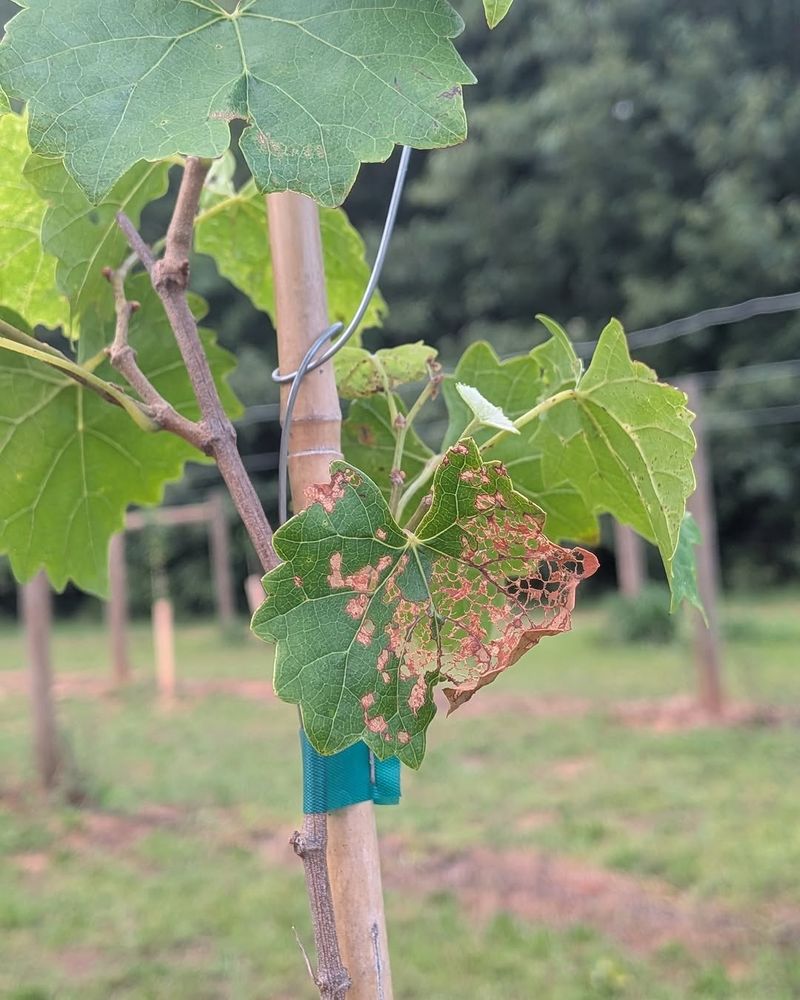
Young grape clusters are vulnerable in ways that mature fruit is not. In April, when clusters are just beginning to form, a pest problem that goes unnoticed for two weeks can set back fruit development significantly.
Catching issues early gives you options that are not available once an infestation gets established.
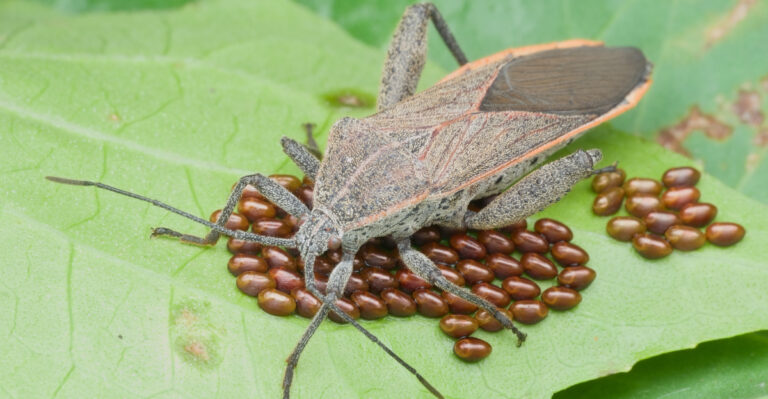
Aphids tend to show up on new shoot tips in Arizona during spring. Check the undersides of young leaves and the tips of actively growing shoots every few days in April.
A small population of aphids can often be managed by knocking them off with a firm stream of water. Larger populations may need an insecticidal soap application, which is effective and does not leave residues that harm beneficial insects when used carefully.
Spider mites are another concern, especially during warm, dry April stretches in the low desert. Check the undersides of older leaves for a dusty or stippled appearance.
Mite populations can build quickly in Arizona’s dry spring conditions, and by the time damage becomes obvious, the population is already large. A miticide or a strong water spray on the undersides of leaves can help keep numbers manageable.
Grape leafhoppers also appear in Arizona vineyards during spring. Check the undersides of leaves for tiny pale insects that jump when disturbed.