Unique Cactus Plants To Grow In North Carolina If You Love Cacti And Succulents
There is something funny about cactus people. Give them one spiky little plant for the windowsill, and before long they are eyeing every unusual shape, every weird rib, every fuzzy pad, and telling themselves they definitely have room for one more.
North Carolina gardeners are no exception, even in a state known for humidity.
That is exactly what makes growing cacti here so interesting. The right kinds can add texture, character, and a totally different look to patios, containers, rock gardens, and sunny corners without making everything feel like a copy of the Southwest.
The real fun starts when you move past the usual picks and look at cacti with unusual forms, flowers, or cold tolerance.
Some are surprisingly well suited to North Carolina conditions, especially with smart placement and sharp drainage.
A few of these choices are likely to send you straight to the plant cart with zero hesitation.
1. Eastern Prickly Pear Brings Tough Beauty Outdoors
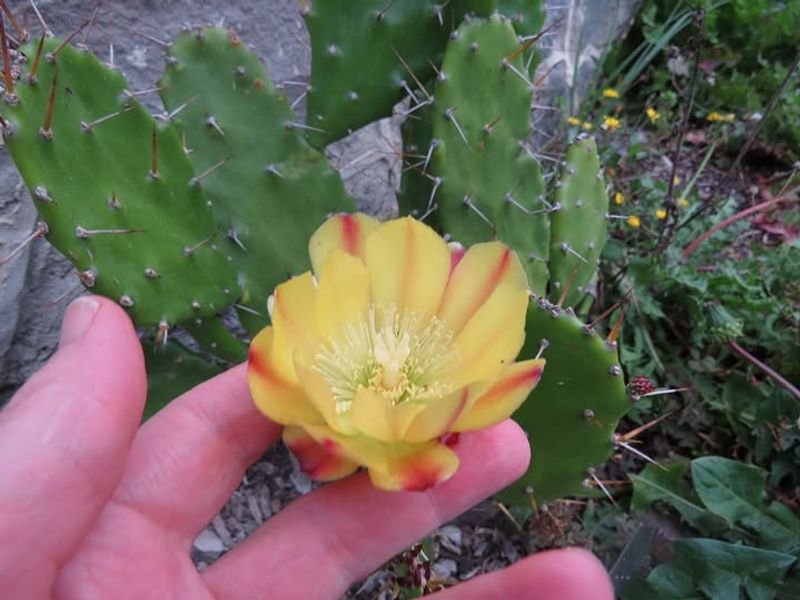
Native to North Carolina and found naturally across the state’s coastal plains and piedmont regions, the Eastern Prickly Pear is one of the toughest and most rewarding cacti you can grow. Known scientifically as Opuntia humifusa, this plant produces wide, flat green pads covered in tiny spine clusters that give it a bold, eye-catching look.
In late spring, it bursts into bloom with gorgeous bright yellow flowers that practically glow in the sunlight.
What makes this cactus especially appealing is how low-maintenance it truly is. Once established in well-drained soil with plenty of sunlight, it can handle dry spells, poor soil, and even cold winters without much help from you.
That drought tolerance makes it a smart choice for gardeners in North Carolina who want a beautiful plant without a heavy watering schedule.
Beyond its flowers, the Eastern Prickly Pear produces edible red fruits, sometimes called tunas, that are sweet and juicy. Many people use them to make jams, juices, and even candy.
Birds and wildlife also love these fruits, so planting one can turn your garden into a lively nature spot.
For best results in North Carolina, plant it in a sunny spot with sandy or rocky soil that drains quickly. Avoid overwatering at all costs, as soggy soil is the one thing this plant struggles with.
It is a fantastic starting point for anyone new to growing cacti in the region.
2. Pincushion Cactus Packs Charm Into A Small Space
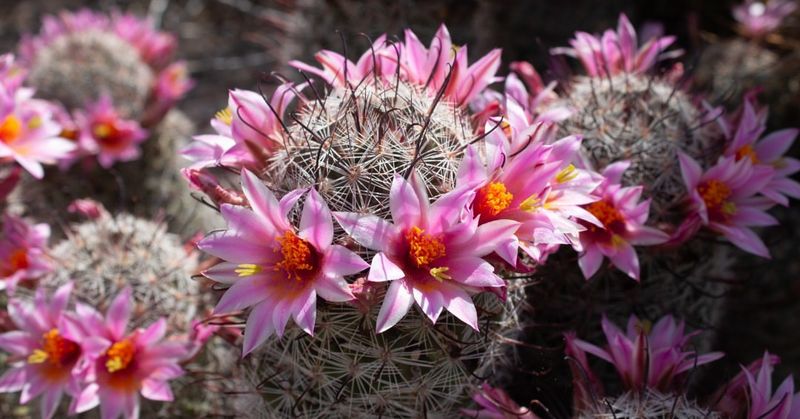
Compact, charming, and completely covered in neat rows of spines, the Pincushion Cactus is the kind of plant that makes you stop and stare. Belonging to the Mammillaria genus, this little cactus looks almost like a living piece of art.
It grows in a round or cylindrical shape and produces rings of tiny, colorful flowers around its crown, usually in shades of pink, red, or white, depending on the variety.
One of the best things about growing a Pincushion Cactus in North Carolina is how well it adapts to container gardening. Since it stays small, usually just a few inches wide, it fits perfectly on a sunny windowsill, porch railing, or patio table.
Your North Carolina Garden Changes Every Week. Your Plan Should Too.
Gardening in North Carolina changes quickly throughout the season. Every Friday you’ll receive a simple weekly plan showing exactly what to plant, prune, fertilize, harvest, and protect so you never miss the right timing.
In North Carolina, it is usually best grown in a container or as a houseplant so it can be protected from winter cold.
Caring for this cactus is straightforward. It loves full sun and needs very little water, especially during the cooler months.
A sandy or gritty potting mix works best to keep its roots healthy and prevent rot. Fertilizing lightly during the spring and summer growing season will encourage those beautiful blooms to appear.
Fun fact: the name Pincushion comes from the way its spines are arranged in clusters across the surface, making it look like a fabric pincushion full of pins. For North Carolina gardeners who want a small but show-stopping cactus, this one is a wonderful choice that never disappoints.
3. Barrel Cactus Adds Bold Desert Style
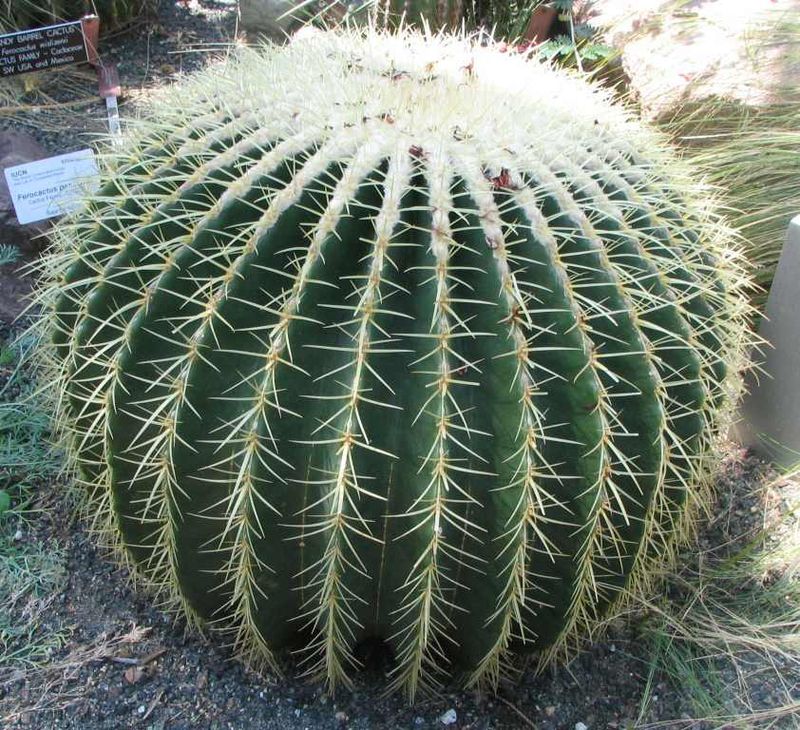
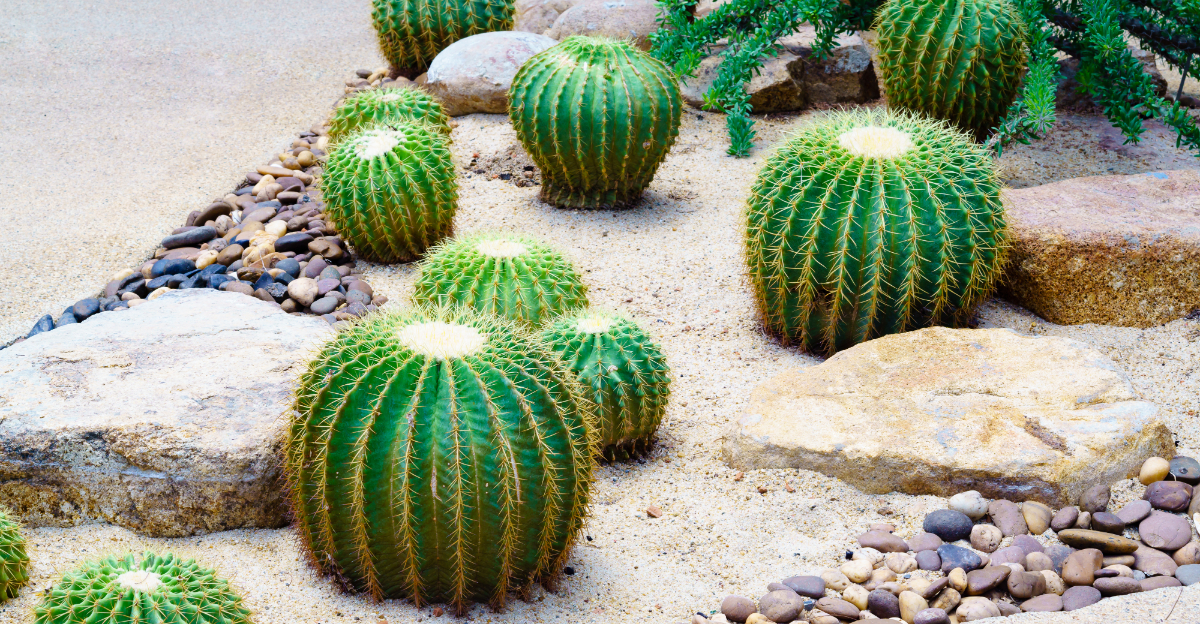
These chunky, cylindrical cacti are known for their deep ribs and strong, often colorful spines that can range from golden yellow to deep red. Some varieties grow quite tall over many years, giving your North Carolina garden a dramatic, sculptural look that is hard to achieve with any other plant.
Growing a Barrel Cactus in North Carolina requires a bit of planning. In North Carolina, Barrel Cactus is generally better suited to containers and protected spots because prolonged freezing temperatures can severely damage the plant.
These plants need full sun exposure and extremely well-drained soil. Raised beds or mounded planting areas work especially well because they prevent water from pooling around the roots during North Carolina’s rainy seasons.
During the spring and summer, Barrel Cacti can produce bright flowers in shades of yellow, orange, or red near the top of the plant. These blooms are short-lived but absolutely stunning when they appear.
After flowering, small yellowish fruits may develop, which are edible and have a slightly tart flavor.
One important tip for North Carolina growers is to protect young Barrel Cacti during unusually cold winters, especially in the Piedmont and mountain foothills. A frost cloth or moving potted plants indoors during cold snaps can make a big difference.
With the right setup, this majestic cactus can thrive and grow for decades in the right North Carolina location.
4. Hedgehog Cactus Delivers Color With Attitude
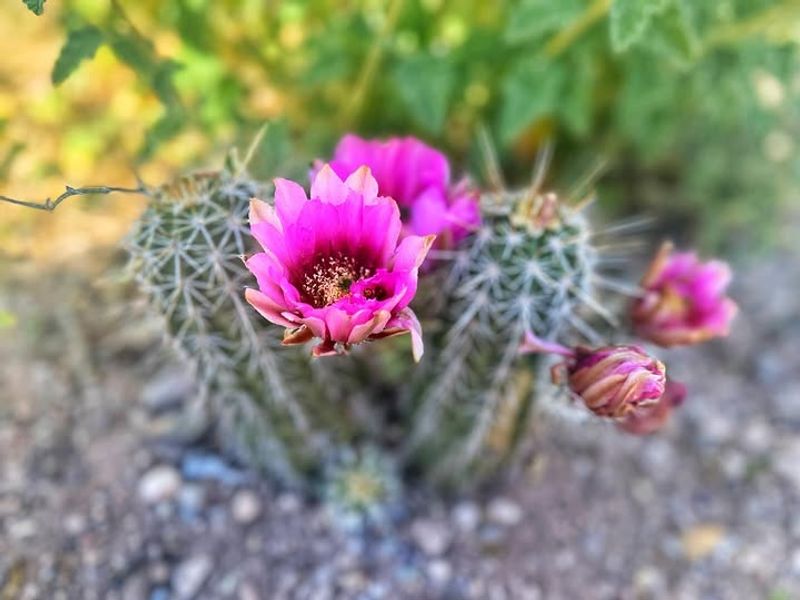
There is something almost magical about watching a Hedgehog Cactus bloom. Known scientifically as Echinocereus, this small but stunning cactus produces some of the most vivid, large flowers of any cactus species.
The blooms come in rich shades of magenta, scarlet, and deep pink, and they are big enough to make the whole plant look like it is wearing a crown. For North Carolina gardeners, this is one of the most rewarding cacti to grow.
Hedgehog Cacti form low, rounded clumps of cylindrical stems covered in neat rows of spines. They stay relatively small, making them perfect for rock gardens, raised beds, or large containers on a sunny porch.
In North Carolina, they perform best in the Piedmont and coastal plain regions where winters are milder and summers are warm and sunny.
Soil drainage is critical for this plant. It will not tolerate sitting in wet soil, so mixing coarse sand or gravel into your planting area is a smart move.
Water sparingly during the growing season and cut back almost completely during winter. These simple steps will keep your Hedgehog Cactus healthy and ready to bloom each spring.
Interestingly, the name Echinocereus comes from the Greek word for hedgehog, referring to the plant’s spiny, rounded shape. Wildlife, particularly hummingbirds, are drawn to the bright flowers, adding another layer of life and color to your North Carolina garden.
It is a small plant that makes a very big impression wherever it grows.
5. Dragon Fruit Cactus Looks Wild And Grows Something Extra
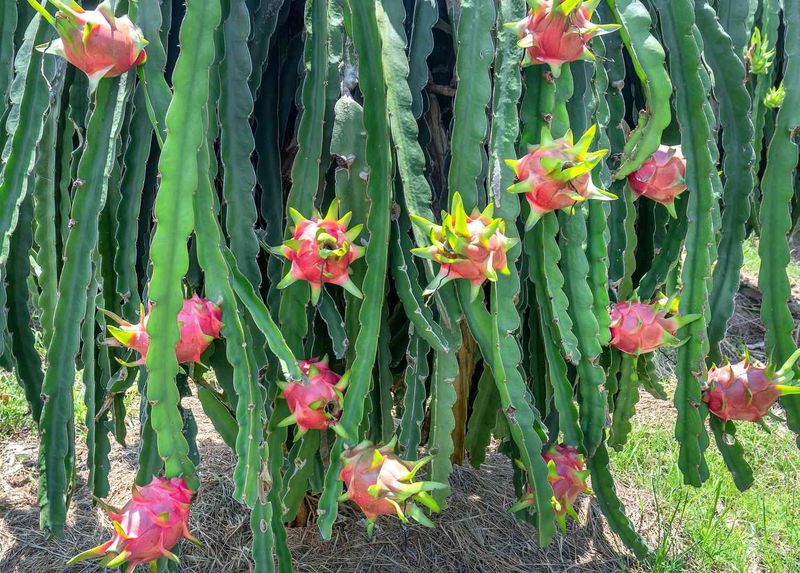
If you want to grow something truly exotic in North Carolina, the Dragon Fruit Cactus is as exciting as it gets. Also known as Hylocereus, this climbing cactus produces one of the most dramatic flowers in the plant world, large white blooms that open only at night and fill the air with a sweet fragrance.
After pollination, the plant produces the famous dragon fruit, a vibrant pink or yellow fruit with a mild, refreshing flavor.
Growing Dragon Fruit in North Carolina is possible, but it is usually safest in containers or protected sites because frost can seriously damage the plant. It thrives in heat and humidity, which North Carolina summers provide in abundance.
Since it is a climbing cactus, giving it a sturdy trellis or fence to grow on will help it reach its full potential and make harvesting the fruit much easier.
Container growing is another great option for North Carolina gardeners who live in cooler zones. A large pot placed on a sunny patio during summer can be moved to a protected area or indoors when temperatures drop in fall and winter.
Well-drained soil and regular watering during active growth periods are key to keeping this plant productive.
Pollination is something to keep in mind, since the flowers open at night, hand-pollinating with a small brush can improve fruit production significantly. Growing Dragon Fruit in North Carolina is a fun project that rewards patient gardeners with one of nature’s most visually stunning fruits.
It is a real conversation starter in any garden setting.
6. Holiday Cactus Brightens The Season Indoors
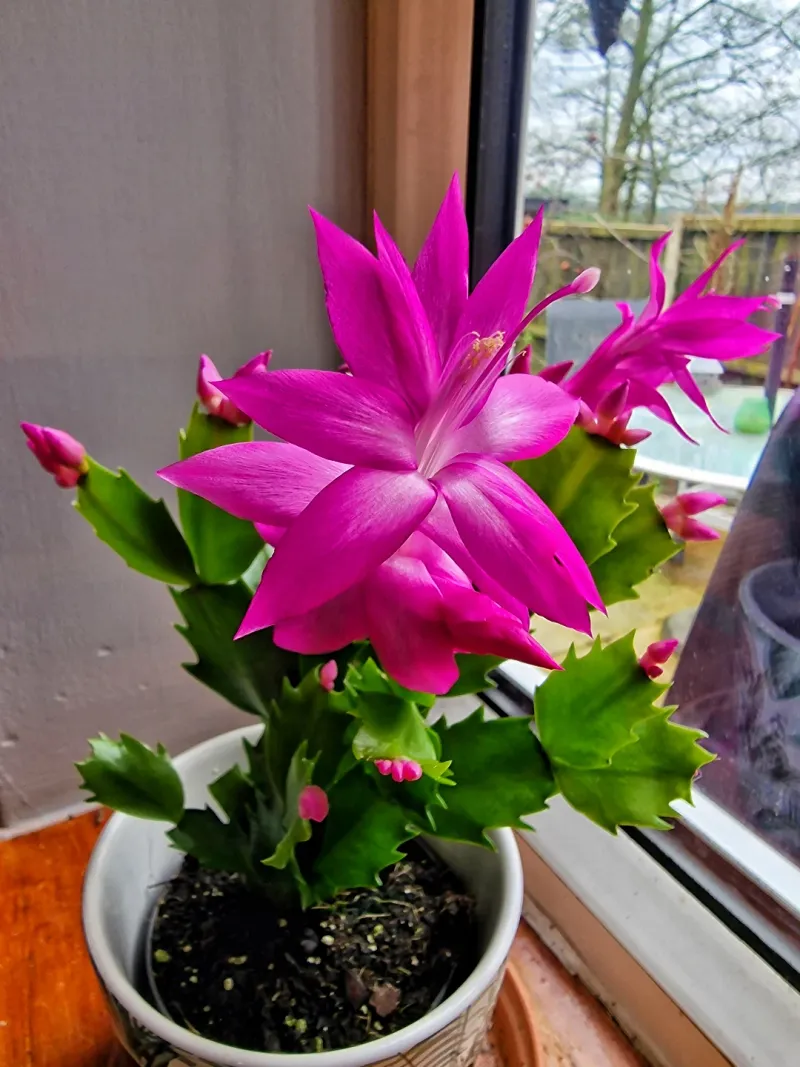
Few plants bring as much indoor cheer during the colder months as the Holiday Cactus. This popular houseplant, which includes Christmas, Thanksgiving, and Easter Cactus varieties from the Schlumbergera and Hatiora families, produces cascading stems with flat, segmented leaves and vibrant tubular flowers in shades of red, pink, orange, white, and purple.
For North Carolina homeowners, it is one of the most rewarding indoor plants you can keep.
Unlike desert cacti, the Holiday Cactus is actually native to the tropical rainforests of Brazil, which means it prefers slightly more moisture and indirect light compared to its spiny cousins. In North Carolina homes, placing it near a bright window that gets indirect sunlight works perfectly.
It appreciates consistent watering during its growing season but should be allowed to dry out a bit between waterings to avoid root problems.
Getting a Holiday Cactus to bloom on schedule requires a little trick called a dark period. About six to eight weeks before you want it to bloom, reduce watering and make sure it gets at least 12 to 14 hours of darkness each night.
North Carolina’s naturally shorter fall days make this process quite easy without much extra effort.
These plants can live for decades and even become family heirlooms passed down through generations. Many North Carolina families have Holiday Cacti that are 20, 30, or even 50 years old, still blooming beautifully every season.
Starting one now could mean giving a future family member a truly special living gift someday.
7. Mistletoe Cactus Gives Cactus Lovers Something Differens
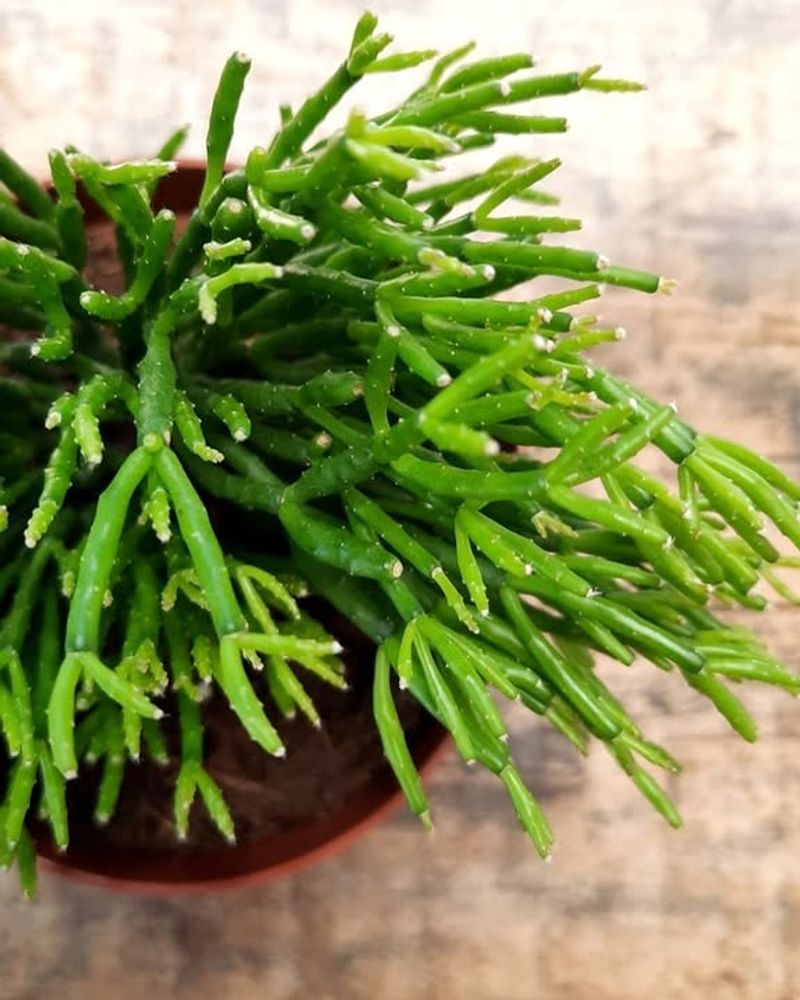
Wispy, elegant, and unlike anything most people picture when they think of a cactus, the Mistletoe Cactus goes by the scientific name Rhipsalis and belongs to a fascinating group of epiphytic cacti. Instead of growing in sandy desert soil, these plants naturally grow on trees in tropical rainforests, hanging down in long, thread-like curtains of green stems.
In North Carolina, they make absolutely stunning hanging basket plants for porches, sunrooms, and bright indoor spaces.
The long, trailing stems of the Mistletoe Cactus can reach several feet in length over time, creating a lush, flowing display that adds a jungle-like feel to any space. Small white or pale yellow flowers appear along the stems, followed by tiny, pearl-like berries that resemble mistletoe, which is exactly how the plant got its common name.
It is a quietly beautiful plant that surprises people who see it up close for the first time.
Care requirements for the Mistletoe Cactus in North Carolina are refreshingly simple. It prefers bright, indirect light rather than harsh direct sun, making it ideal for east or north-facing windows.
Water it moderately and let the soil dry slightly between waterings. Unlike desert cacti, it appreciates a bit more humidity, which North Carolina’s climate naturally provides during warmer months.
For anyone who loves unusual plants that spark curiosity and conversation, the Mistletoe Cactus is a standout choice. It grows happily in North Carolina’s indoor environments and adds a genuinely unique, tropical touch to any plant collection throughout the year.
8. Rose Cactus Breaks The Usual Cactus Look
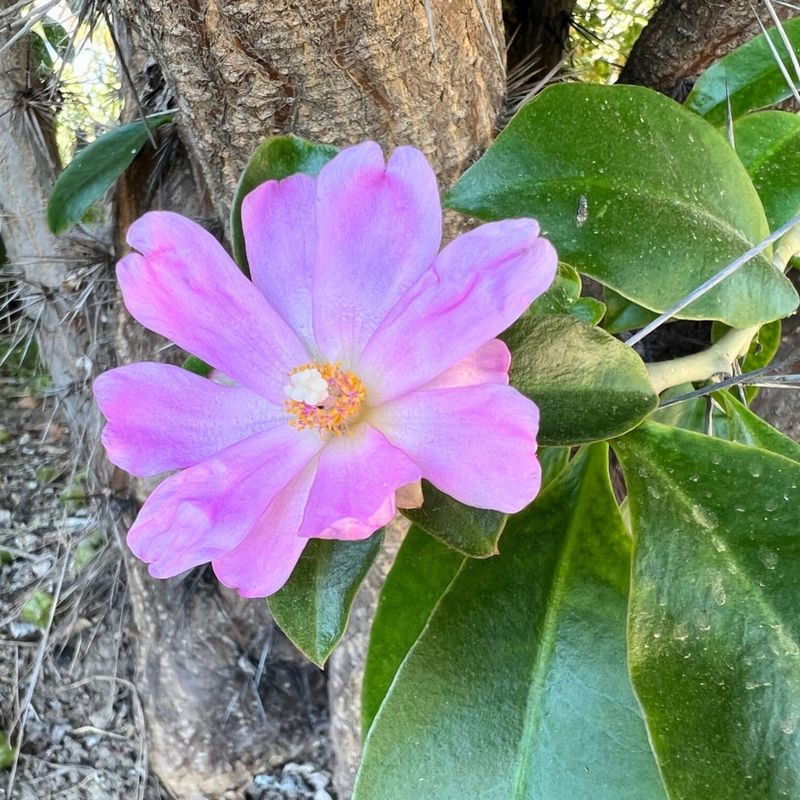
Most people are genuinely surprised to learn that the Rose Cactus is actually a cactus at all. Known scientifically as Pereskia grandiflora, this unusual plant looks more like a flowering shrub than anything you would expect from the cactus family.
It has broad, flat green leaves, woody stems, and clusters of beautiful pink flowers that closely resemble wild roses. Seeing one in bloom for the first time is a truly unexpected and delightful experience.
The Rose Cactus is considered one of the most primitive cacti in existence, retaining features like true leaves that most modern cacti have lost over millions of years of evolution. Growing it in North Carolina is possible, but it is best treated as a container plant or brought indoors for winter protection in most of the state.
In cooler areas, keeping it in a large container that can be brought indoors during cold months works really well.
It loves full to partial sun and well-drained soil with moderate watering during the growing season. As a shrub-like cactus, it can grow quite large, sometimes reaching six feet or more in height when given the right conditions.
Regular light pruning helps keep it manageable and encourages more flowering throughout the warm season.
Growing a Rose Cactus in North Carolina gives you the chance to share a plant story that almost nobody expects. Guests who see it will rarely guess it belongs to the cactus family, making it one of the most conversation-worthy and genuinely fascinating plants you can add to your garden or home collection.