The Best Native Flowers To Plant In Western Pennsylvania This Spring
Ever notice how some plants take off in spring while others struggle to catch up? In Western Pennsylvania, that early-season window can make all the difference.
Cool soil, longer days, and shifting temperatures give native flowers a chance to establish strong roots before summer heat adds extra pressure.
With everything from shady woodland edges to sunny open yards, plant choice matters more than it might seem.
Matching the right native flowers to your specific conditions can set the stage for healthier growth and a garden that looks fuller and more vibrant as the season unfolds.
1. Virginia Bluebells Bring Early Color To Shady Spring Gardens
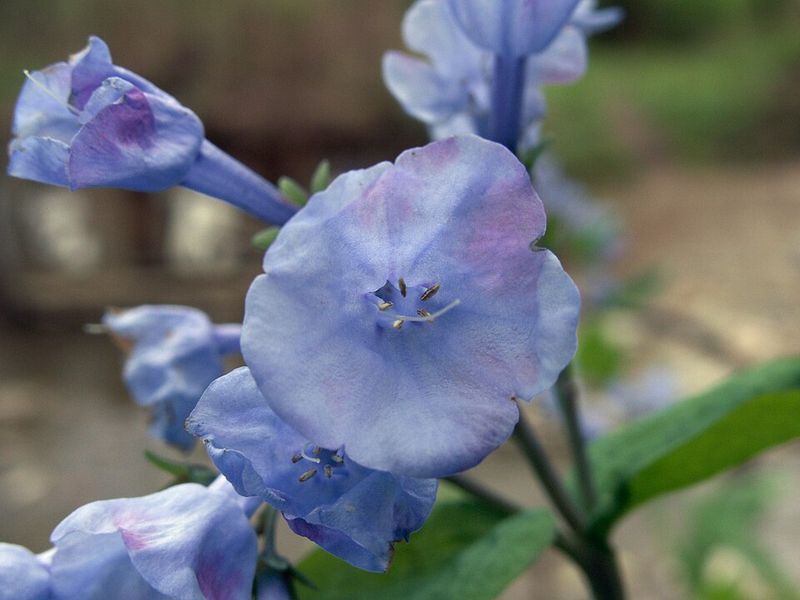
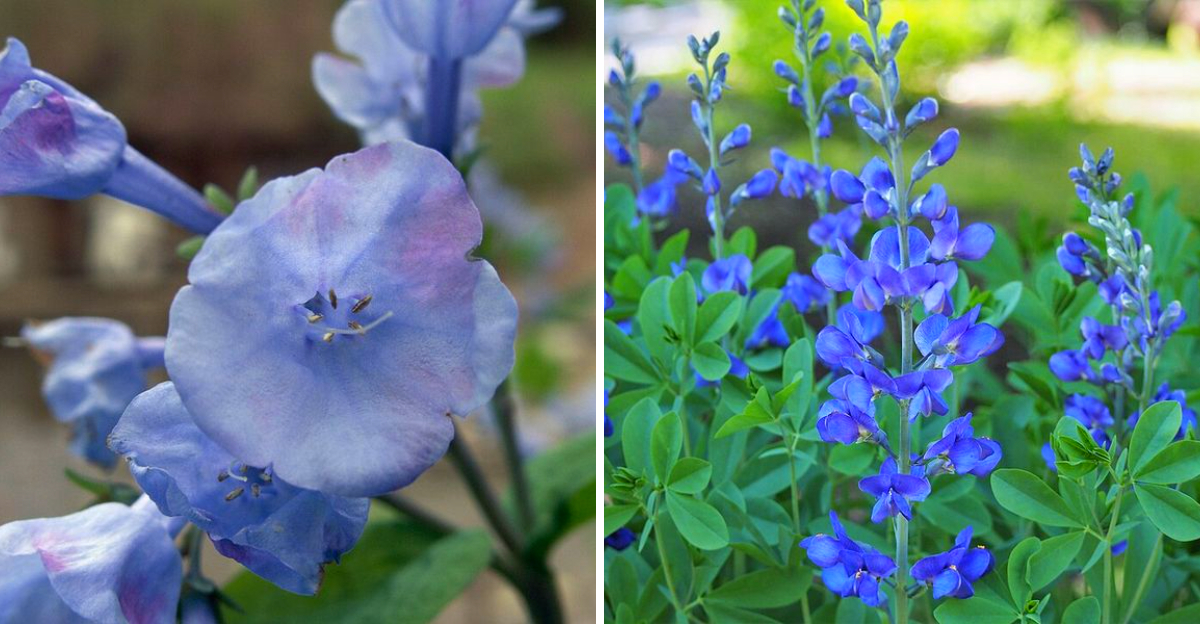
Few sights signal the arrival of spring in Western Pennsylvania quite like a patch of Virginia Bluebells coming into bloom. The soft, sky-blue flowers hang in gentle clusters from arching stems, creating a dreamy display that feels almost too beautiful to be real.
They tend to emerge in late March or early April, making them one of the earliest native wildflowers you can count on.
Virginia Bluebells prefer partially shaded spots with moist, rich soil – conditions that are easy to find along woodland edges and under deciduous trees across Western Pennsylvania.
They pair beautifully with ferns and wild ginger since those plants fill in the space after bluebells go dormant by early summer.
That dormancy is simply part of their natural cycle, so plan your garden layout with companion plants in mind.
Planting them in fall from bulb-like rhizomes is traditional, but young plants established in early spring also settle in well when watered consistently.
Once comfortable in a spot, they spread gradually over the years into impressive colonies.
Pollinators, especially bumblebees and early butterflies, visit the blooms eagerly. For shaded Western Pennsylvania gardens looking for early-season impact, Virginia Bluebells are a rewarding and reliable choice.
2. Wild Columbine Thrives In Both Sun And Light Shade
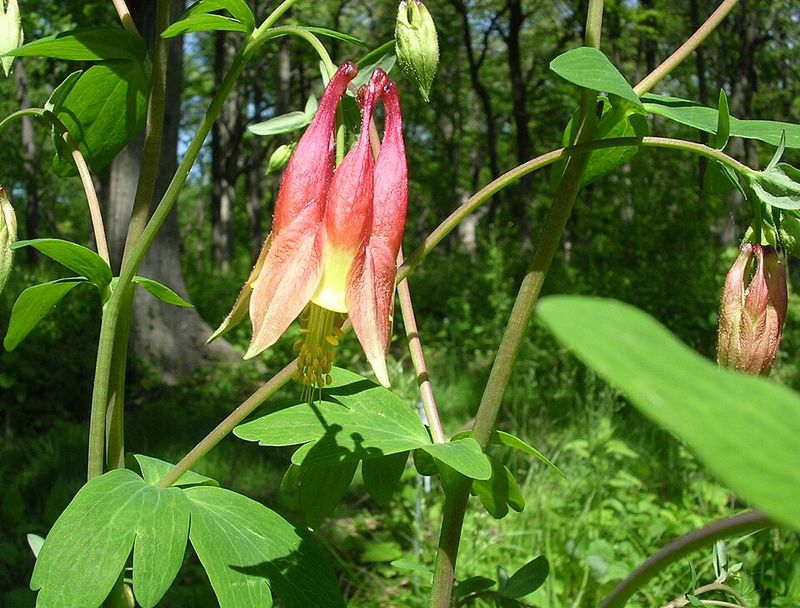
Gardeners who struggle to find plants that work in both sunny beds and lightly shaded spots often discover that Wild Columbine is exactly what they have been missing.
The nodding red and yellow flowers have a distinctive, lantern-like shape that catches the eye from across the garden.
Bloom time usually falls between late April and June in Western Pennsylvania, bridging that gap between early spring ephemerals and summer perennials.
Wild Columbine is remarkably adaptable when it comes to soil. It handles rocky, thin soils as well as average garden beds, which makes it a practical option for Western Pennsylvania landscapes where soil quality can vary quite a bit from one yard to the next.
Good drainage matters more than soil richness for this plant, so raised beds or slopes work especially well.
Hummingbirds are strongly attracted to the tubular flowers, and long-tongued bumblebees also visit regularly. Once established, plants self-seed modestly, allowing small colonies to form naturally over time.
Seedlings can be left in place or gently moved to fill gaps elsewhere in the garden.
Your Pennsylvania Garden Changes Every Week. Your Plan Should Too.
Gardening in Pennsylvania changes quickly throughout the season. Every Friday you’ll receive a simple weekly plan showing exactly what to plant, prune, fertilize, harvest, and protect so you never miss the right timing.
For a low-effort native flower with real visual personality, Wild Columbine earns its place in almost any Western Pennsylvania spring planting plan.
3. Wild Geranium Fits Perfectly Into Woodland Plantings
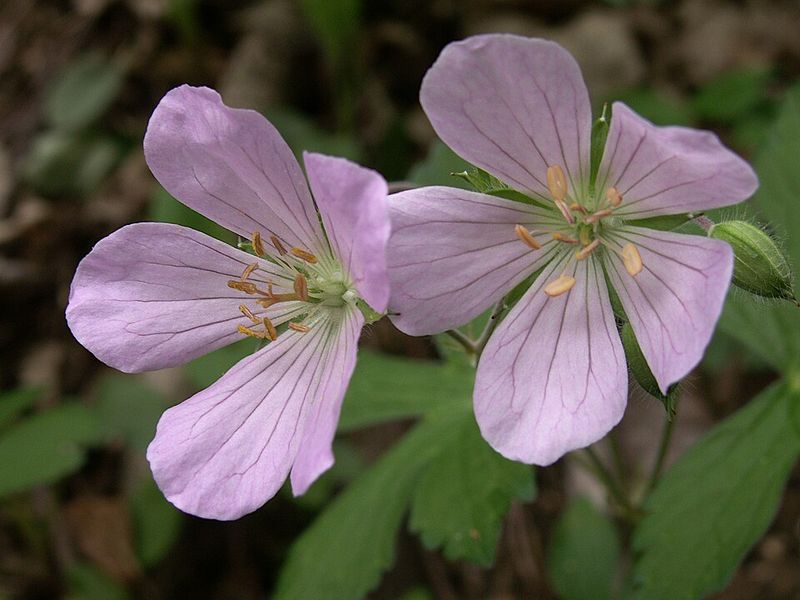
Walk through almost any mature woodland in Western Pennsylvania in May, and there is a good chance you will spot Wild Geranium blooming quietly among the leaf litter.
The soft lavender-pink flowers are modest in size but appear in generous quantities, creating a pleasant carpet effect when plants are grouped together.
It is the kind of flower that rewards a closer look rather than demanding attention from a distance.
Wild Geranium grows well in partial to full shade, making it a natural fit for the kind of dappled light found under oak, maple, and tulip poplar trees that are common across Western Pennsylvania.
Moist, well-drained soil with good organic content suits it well, and it tends to establish quickly when planted in spring.
Regular watering during the first season helps roots develop before summer arrives.
Beyond its blooms, Wild Geranium offers attractive, deeply lobed foliage that holds up well through the growing season and often turns reddish in fall.
Small bees and mining bees are its primary pollinators, making it a useful plant for supporting native bee populations.
It spreads slowly by seed and rhizome, gradually filling in shaded areas without becoming aggressive. It is one of the most dependable woodland natives available to Western Pennsylvania gardeners.
4. Foamflower Adds Texture And Soft Blooms In Shade
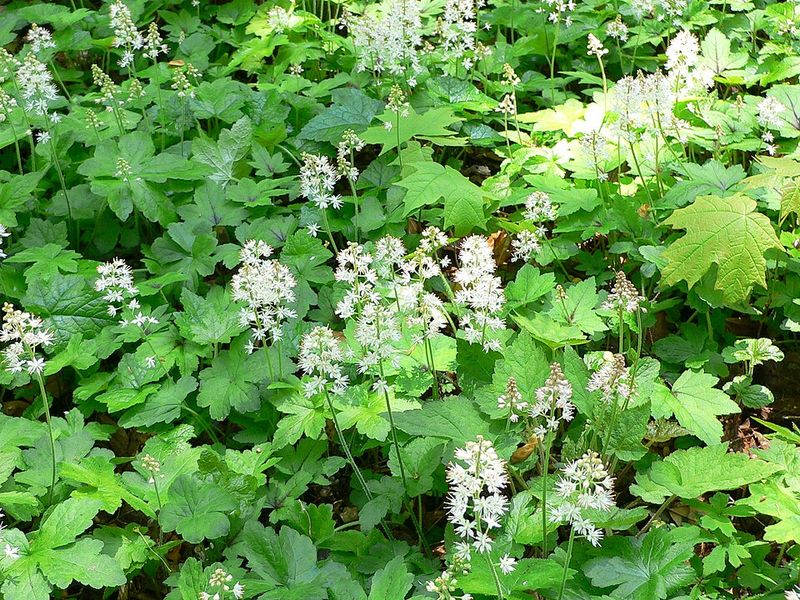
Shaded garden areas in Western Pennsylvania can sometimes feel like a design challenge, but Foamflower is one native plant that genuinely thrives where sunlight is limited.
The common name comes from the frothy appearance of the small white or pale pink flowers, which rise above the foliage on slender spikes in April and May.
Up close, the blossoms have a delicate, lacy quality that adds refinement to naturalistic plantings.
Foamflower prefers cool, moist conditions and rich, humus-filled soil – the type of environment found at the base of slopes or near small woodland streams that are common throughout Western Pennsylvania.
It spreads by short runners, slowly forming a low ground cover that suppresses weeds without overwhelming neighboring plants.
This makes it a practical choice for filling gaps beneath shrubs or along shaded pathways.
The heart-shaped leaves are attractive on their own and often display subtle mottling or reddish veining depending on the variety.
Some selections hold their foliage through winter, adding a bit of interest to the garden even in colder months.
Native bees and small flies visit the blooms for pollen. For gardeners who want a shade-tolerant native with both floral and foliage appeal, Foamflower is a quietly satisfying option worth including in any spring planting.
5. Jacob’s Ladder Prefers Cool, Moist Spring Conditions
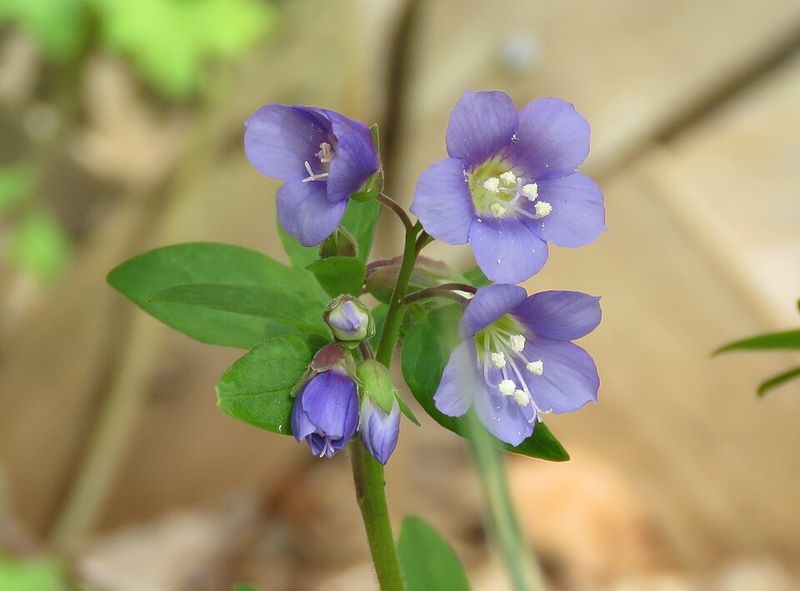
Cool, damp springs in Western Pennsylvania are practically tailor-made for Jacob’s Ladder, a native wildflower that performs at its best when temperatures stay mild.
The clusters of blue-violet, bell-shaped flowers open in April and May, creating a striking display against the plant’s distinctive ladder-like compound leaves.
The foliage alone is worth growing for its neat, architectural quality.
Jacob’s Ladder does well in partial shade and consistently moist soil, conditions that mirror its natural habitat along stream banks and in rich woodland hollows.
It can tolerate more sun in Western Pennsylvania’s cooler spring months, but afternoon shade helps it stay fresh as temperatures climb into summer.
Amending planting areas with compost before planting improves moisture retention and gives roots a healthy start.
Small native bees and bumblebees visit the flowers frequently, drawn in by the accessible, open-faced blooms.
Jacob’s Ladder tends to be a relatively short-lived perennial, but it self-seeds reliably, meaning new plants often appear nearby to replace older ones.
Seedlings are easy to recognize by their ladder-shaped leaves and can be transplanted with little trouble.
For gardeners in Western Pennsylvania working with shaded, moisture-retaining spots, Jacob’s Ladder brings reliable spring color without requiring much fuss or maintenance.
6. Golden Ragwort Spreads Easily In Damp Garden Areas
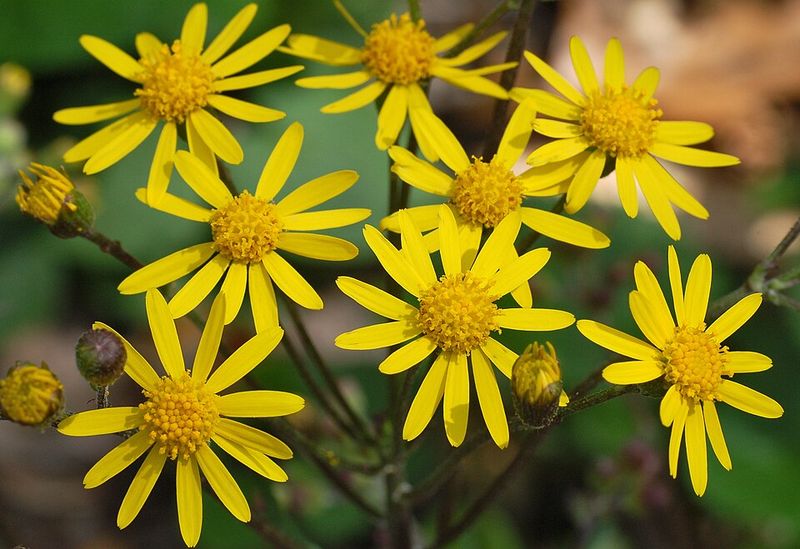
Sunny yellow flowers in a shaded, damp garden might sound like a contradiction, but Golden Ragwort pulls it off with ease.
One of the earliest yellow-blooming natives in Western Pennsylvania, it opens its bright, daisy-like flowers in April and often continues well into May.
The cheerful color is a welcome contrast to the greens and browns that dominate the early spring landscape.
Golden Ragwort thrives in moist to wet soil and handles both partial shade and full sun, though it tends to spread most vigorously in the damp, shaded conditions common near streams and low-lying garden areas across Western Pennsylvania.
It spreads by both seed and underground stolons, forming dense colonies over time that serve as effective ground cover.
In areas prone to erosion along slopes or stream edges, it can help stabilize soil naturally.
The basal leaves are rounded and attractive, staying green through much of the year and providing ground-level interest even outside of bloom season.
Bees, small butterflies, and various native flies visit the flowers for nectar and pollen.
Because it spreads fairly readily, it works best in naturalized areas or larger garden beds where it has room to expand.
For low-maintenance coverage in challenging wet spots, Golden Ragwort is a dependable and colorful native solution.
7. Blue Wild Indigo Stands Out In Sunny Garden Spaces
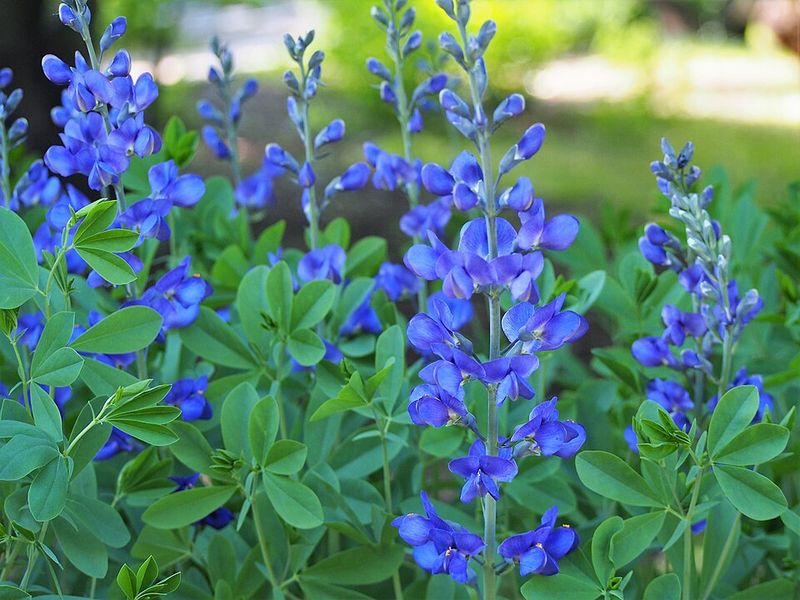
Bold, upright, and visually commanding, Blue Wild Indigo is the kind of plant that makes a statement in a sunny garden without needing much attention from the gardener.
The tall spikes of deep blue-violet, pea-shaped flowers appear in May and June, rising well above the attractive blue-green foliage.
In Western Pennsylvania’s open garden spaces, this plant can become a genuine focal point during late spring.
Full sun and well-drained soil suit Blue Wild Indigo best. It is notably drought-tolerant once established, which is a real advantage during Western Pennsylvania summers when rainfall can be unpredictable.
The deep taproot takes a couple of seasons to develop fully, so patience during the first year or two pays off with a long-lived, increasingly impressive plant.
After flowering, the inflated seed pods turn charcoal gray and persist into fall, adding structural interest to the garden.
The foliage itself remains handsome throughout the growing season, making it a plant that earns its space even when not in bloom.
Bumblebees are enthusiastic visitors, and the plant also supports several specialist native bee species. For Western Pennsylvania gardeners building a sunny native border, Blue Wild Indigo is a standout choice that improves with age.
8. Wild Blue Phlox Adds Fragrance To Spring Landscapes
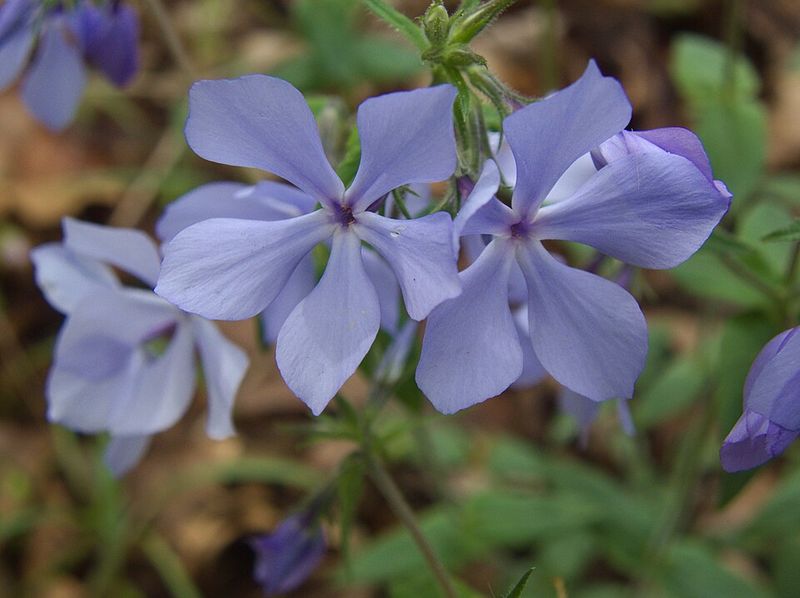
There is something genuinely special about walking through a spring garden and catching the sweet fragrance of Wild Blue Phlox drifting through the air.
The soft lavender-blue flowers open in April and May, forming loose clusters that cover the low, spreading plants in a wash of color.
In Western Pennsylvania gardens, this native wildflower brings both visual appeal and a pleasant scent that few other spring plants can match.
Wild Blue Phlox grows well in partial shade and moist, well-drained soil, making it a natural companion for Virginia Bluebells, Wild Geranium, and other woodland natives.
It also tolerates more sun than many shade-loving natives, especially in the cooler conditions of early spring.
Planting it along pathways or near seating areas lets you enjoy the fragrance up close, which is one of the best ways to experience this plant.
Butterflies, especially swallowtails, are drawn to the flowers, and hummingbirds occasionally visit as well.
Wild Blue Phlox spreads gradually by stem layering, slowly expanding its footprint in a well-behaved way.
It works beautifully as a ground cover beneath deciduous trees where spring sunlight reaches before the canopy fills in.
For Western Pennsylvania gardeners who want fragrance alongside color, this native phlox is a spring highlight worth seeking out.
9. Spiderwort Handles Changing Conditions With Ease
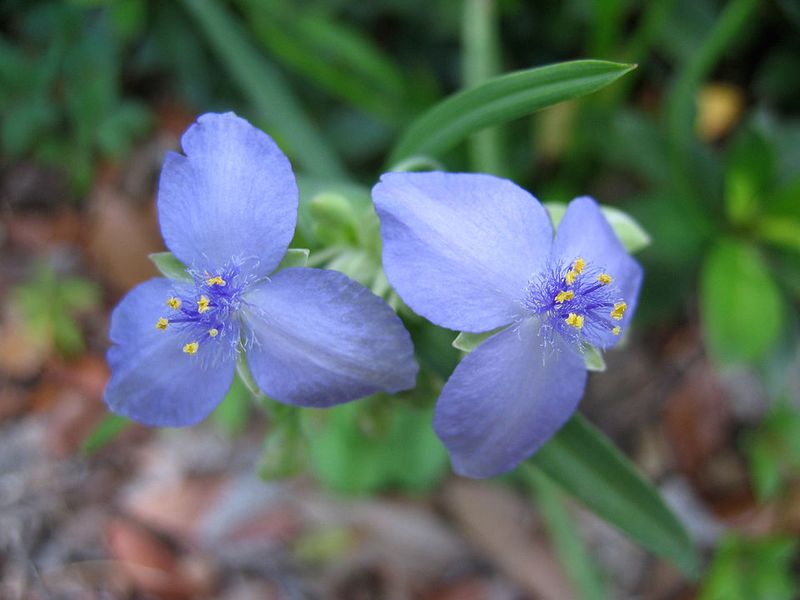
Adaptability is one of the most underrated qualities in a garden plant, and Spiderwort has it in abundance.
The violet-blue, three-petaled flowers open each morning and close by afternoon, a quirk that gives the plant a dynamic, ever-changing quality throughout the bloom season.
In Western Pennsylvania, flowering typically begins in late May and can continue into July, bridging the gap between spring and summer bloomers.
Spiderwort handles a wider range of conditions than most native wildflowers.
It grows in full sun to partial shade and tolerates both moist soils and drier conditions once established, making it practical for the varied garden environments found across Western Pennsylvania.
The long, strap-like leaves give the plant an interesting, grass-like texture that contrasts well with broader-leaved plants nearby.
Bumblebees are the primary pollinators, though many other native bee species also visit. After the main bloom period, cutting plants back by about half encourages fresh foliage and sometimes a second flush of flowers later in summer.
Spiderwort self-seeds freely, so removing spent flower heads can prevent it from spreading beyond its intended area.
For gardeners in Western Pennsylvania looking for a tough, reliable native that works across many site types, Spiderwort is a straightforward and satisfying plant to grow.
10. Golden Alexander Supports Pollinators Early In The Season
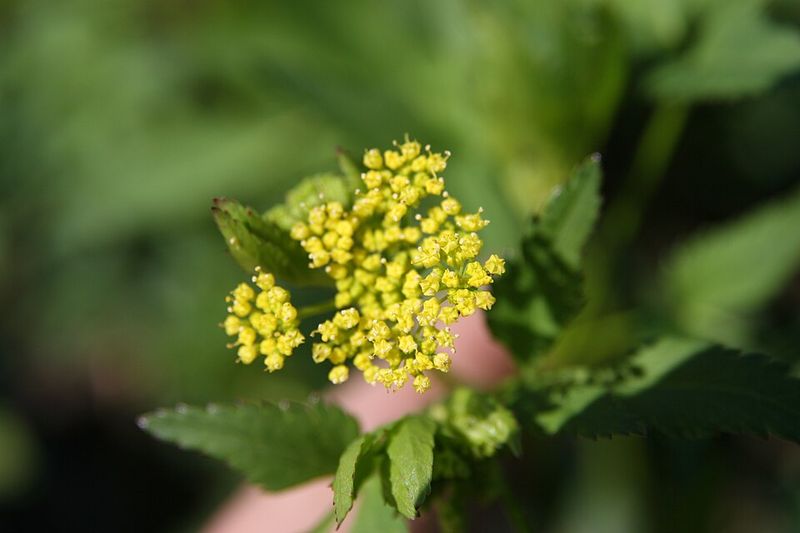
Early-season pollinators in Western Pennsylvania often struggle to find enough food before summer flowers get going, and Golden Alexander is one of the native plants that helps bridge that gap.
The bright yellow, flat-topped flower clusters open in April and May, providing an early nectar and pollen source at a time when many other plants are still leafing out.
The cheerful yellow color also adds a welcome pop of brightness to the spring garden.
Golden Alexander grows well in both full sun and partial shade and tolerates a range of soil moisture levels, from average garden conditions to consistently damp sites.
This flexibility makes it useful in Western Pennsylvania gardens where conditions shift from one area to the next.
It tends to reach two to three feet tall, fitting comfortably into mid-border plantings without overwhelming smaller neighbors.
The plant is a host for the Black Swallowtail butterfly caterpillar, which makes it doubly valuable in a pollinator-friendly garden.
Beyond butterflies, a wide variety of native bees, wasps, and small flies visit the flowers throughout the bloom period.
Golden Alexander spreads modestly by seed and clump division, gradually increasing in size over several seasons.
For Western Pennsylvania gardeners who want a native flower that earns its place by supporting wildlife from the very start of spring, Golden Alexander is a well-rounded and rewarding choice.