What Your Ohio Blueberries Need In April For Better Fruit Production
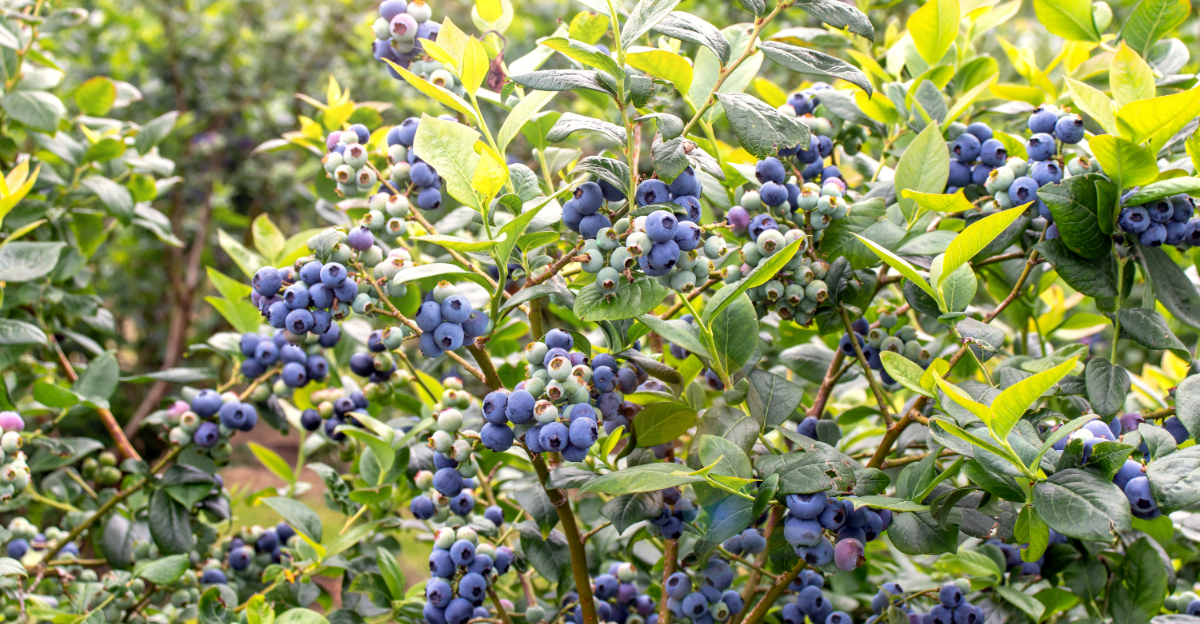
Blueberry bushes can look perfectly healthy in early spring and still leave Ohio gardeners disappointed later. That is what makes them so tricky.
Fresh leaves start showing up, the plants seem to be waking up nicely, and it is easy to think everything is on track. Then harvest season comes around and the berries are sparse, small, or not nearly what you hoped for.
April is often where that outcome starts to shift. In Ohio, blueberries respond strongly this month to details many gardeners brush past, including soil acidity, mulch depth, watering habits, and leftover pruning work.
Small corrections made now can help support better flowering, steadier growth, and stronger fruit set as the season moves along.
This is not about turning spring care into a long chore list. It is about catching the jobs that truly matter before the bushes put their energy somewhere else, because April can quietly shape the whole season.
1. A Soil pH Check
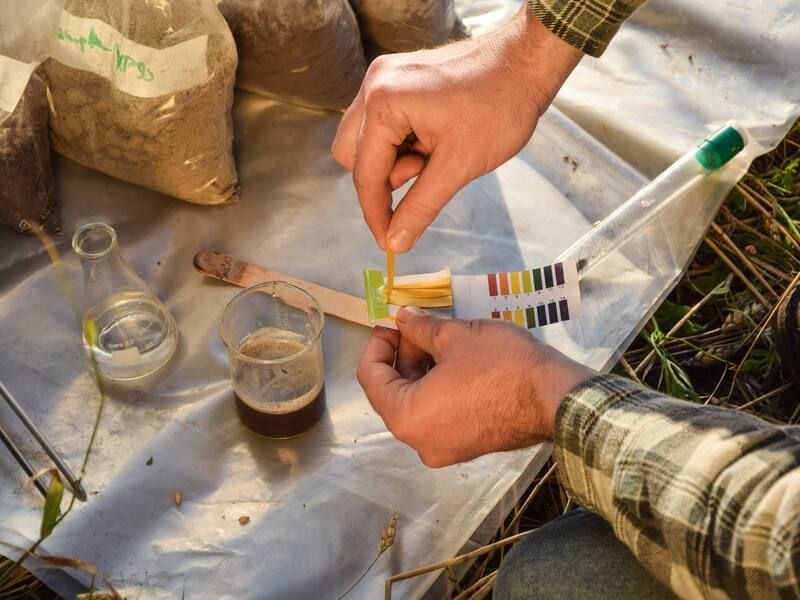
Before anything else goes into the ground or onto your blueberry bushes this April, grab a soil test kit and check your pH. Blueberries are picky about their soil, and Ohio gardeners often discover their native soil is not nearly acidic enough to support strong fruit production.
Knowing your exact pH level gives you a real starting point instead of just guessing.
Soil pH is measured on a scale from 0 to 14, with 7 being neutral. Blueberries need a reading between 4.5 and 5.0, which is quite acidic.
Most Ohio soils naturally fall somewhere between 6.0 and 7.0, meaning many gardens need adjustments before blueberries can truly thrive.
You can pick up a basic soil test kit at most garden centers or send a sample to the Ohio State University Extension for a more detailed report. Testing in April gives you enough time to make corrections before the growing season really kicks in.
Even if your bushes looked fine last year, soil pH can drift over time and silently reduce your harvest without any obvious warning signs. A quick test takes only a few minutes and can save you months of frustration down the road.
2. Soil Acidity Kept In The 4.5 To 5.0 Range
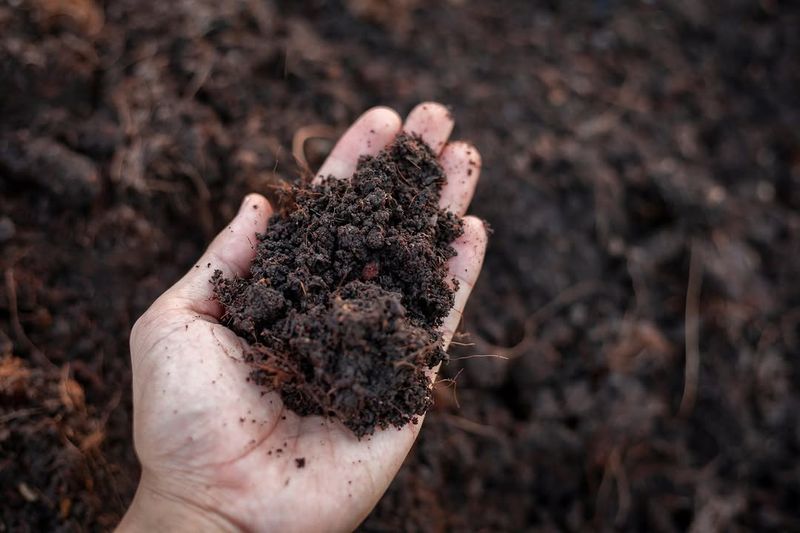
Once you have your soil test results in hand, the next step is making sure the acidity stays within that sweet spot of 4.5 to 5.0. This specific range is not just a suggestion.
It is the window where blueberry roots can actually absorb the nutrients they need to produce full, flavorful fruit. Outside this range, even well-fertilized plants will struggle.
Elemental sulfur is the most common product used to lower soil pH in Ohio blueberry gardens. Apply garden sulfur according to a soil test recommendation, since the amount needed to lower pH can vary a lot by soil type and starting pH.
Work it into the top few inches of soil and water it in well. Keep in mind that sulfur works slowly, so April is actually a great time to apply it since it will have weeks to take effect before heavy fruiting begins.
Your Ohio Garden Changes Every Week. Your Plan Should Too.
Gardening in Ohio changes quickly throughout the season. Every Friday you’ll receive a simple weekly plan showing exactly what to plant, prune, fertilize, harvest, and protect so you never miss the right timing.
Avoid using aluminum sulfate as a long-term solution because it can build up to harmful levels in the soil over time. Stick with elemental sulfur for steady, reliable acidification.
Once you hit the right range, maintaining it with acidic mulches and acid-formulated fertilizers becomes much easier. Checking your pH every spring keeps you ahead of any drift and ensures your Ohio blueberries stay productive year after year.
3. Full Sun
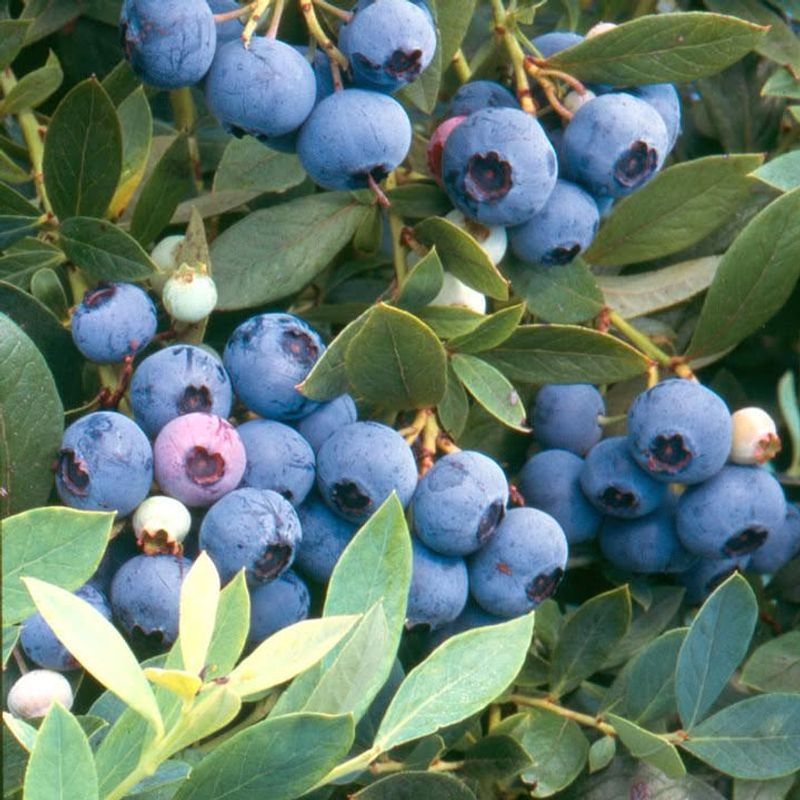
Sunlight is one of the most powerful tools in your fruit-growing toolkit, and blueberries are serious sun lovers. For the best possible harvest, your blueberry bushes need at least six to eight hours of direct sunlight every single day.
In Ohio, April days are getting longer, which is great news, but you still need to make sure nothing is blocking that precious light.
Walk around your garden on a clear April morning and watch how the sun moves across your planting area throughout the day. Tall trees, fences, buildings, and even overgrown shrubs can cast shadows that rob your blueberries of the light they need.
If you notice significant shading, consider trimming back nearby vegetation or relocating younger plants to a sunnier spot while they are still easy to move.
Plants that get enough sun tend to produce sweeter berries, stronger canes, and more flower buds overall. Shaded blueberry bushes, on the other hand, often grow tall and leggy while producing very little fruit.
Ohio summers can be warm and bright, so positioning your bushes in a south or west-facing location usually works well for maximizing light exposure. Getting the sun situation right in spring sets the tone for everything else that follows, making it one of the simplest yet most impactful adjustments you can make for your Ohio blueberry garden.
4. Moist But Well-Drained Soil
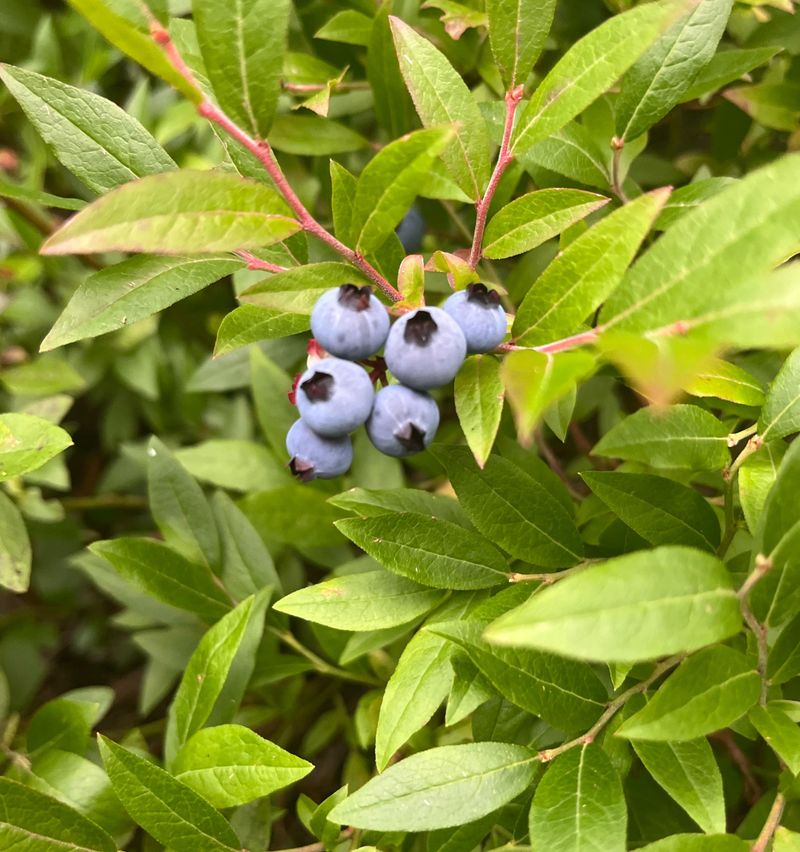
Blueberries have a bit of a reputation for being water lovers, and that is mostly true. They do need consistent moisture to develop healthy fruit.
But here is the catch: soggy, waterlogged soil is just as damaging as dry soil. The roots of blueberry plants are shallow and fine, which means they need moisture without being drowned.
In Ohio, April often brings unpredictable rain, so drainage becomes especially important this time of year. If your garden bed tends to hold standing water after a heavy rain, consider raising your beds or working in organic matter like compost or aged pine bark to improve the soil structure.
Sandy loam soils with good drainage are ideal for blueberries, and they also happen to acidify more easily than heavy clay soils.
A simple way to check your drainage is to dig a hole about twelve inches deep, fill it with water, and see how quickly it drains. If water is still sitting there an hour later, you have a drainage problem worth addressing.
On the flip side, if your Ohio garden tends to dry out fast during warm spells, adding organic matter also helps retain just enough moisture between waterings. Striking this balance in April gives your blueberry roots a healthy environment to support strong flowering and fruit development throughout the season.
5. A 2 To 4 Inch Mulch Layer
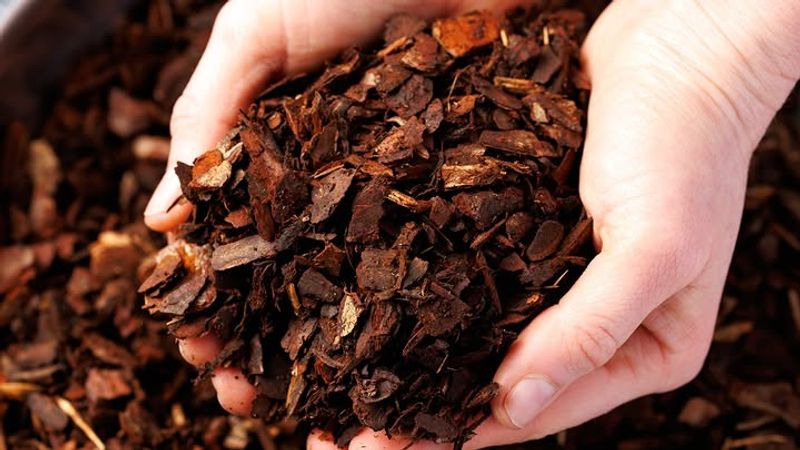
Mulching your blueberry bushes in April might be the single easiest thing you can do for big results. A fresh layer of mulch, applied two to four inches thick around the base of each plant, does several jobs at once.
It holds moisture in the soil, keeps weeds from taking over, and slowly breaks down to add organic matter that naturally lowers soil pH over time.
Wood chips, pine bark, and pine needle mulch are all excellent choices for Ohio blueberry growers. These materials are slightly acidic on their own, which means they work with your pH management efforts rather than against them.
Spread the mulch in a wide circle around the bush, extending out to about the drip line of the branches, but keep it a few inches away from the main stem to prevent any moisture-related rot at the base.
Fresh mulch in spring also insulates the soil during those unpredictable Ohio April nights when temperatures can still dip close to freezing. Flower buds are fragile at this stage, and keeping the root zone stable helps the whole plant stay strong through late cold snaps.
Plan to refresh your mulch layer every spring since it breaks down over the growing season. This small investment of time and material pays off in noticeably healthier, more productive bushes by midsummer harvest time.
6. Ammonium Sulfate Or An Acid-Loving Plant Fertilizer
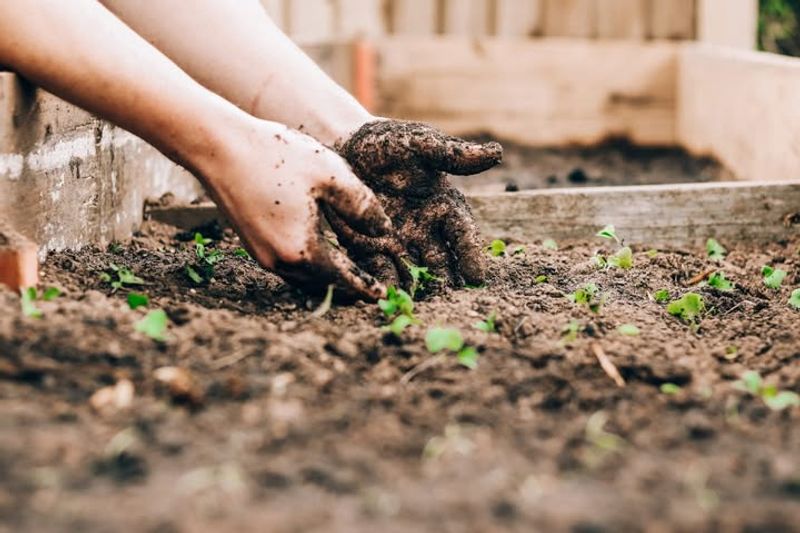
April is the moment to support blueberries with the nutrients that help fuel strong new growth and better fruit development. Ammonium sulfate is a top choice for blueberry growers in Ohio because it provides nitrogen for leafy growth while also contributing to soil acidification at the same time.
It is practical, affordable, and widely available at garden centers across the state.
Apply ammonium sulfate according to the product label and the age of the plant, since the right amount depends on plant size and growing conditions. Sprinkle it evenly around the drip line of the plant rather than right up against the stem, then water it in thoroughly.
For established plants, you can also use fertilizers formulated for acid-loving plants like azaleas or rhododendrons, which are specifically designed to support plants that need lower pH conditions.
One thing to watch out for is over-fertilizing. Dumping too much nitrogen on your blueberry bushes encourages lots of leafy green growth but actually reduces flower and fruit production.
More leaves does not equal more berries. Stick to the recommended amounts and apply only once in early spring and possibly once more in late spring.
Ohio gardeners who follow a careful, measured fertilizing schedule tend to see noticeably better berry yields compared to those who skip feeding or go overboard with it.
7. Blossom Removal On First- And Second-Year Plants
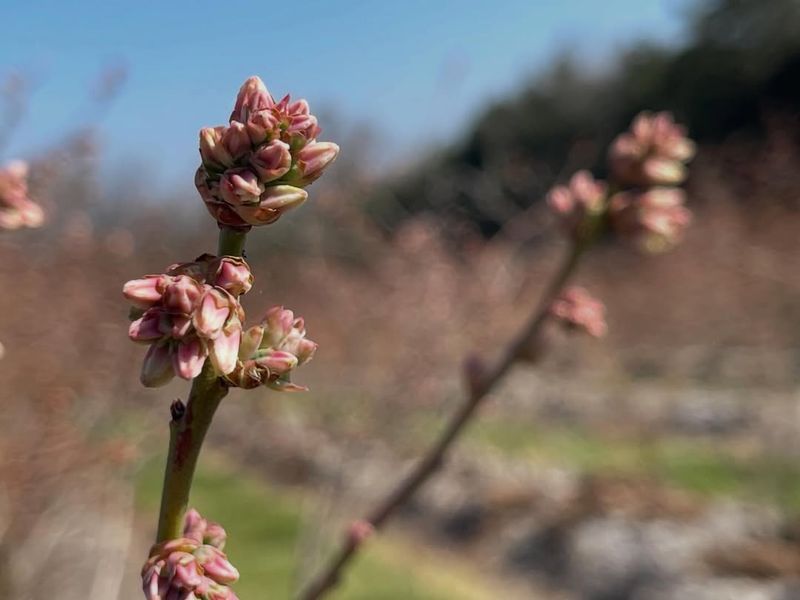
Removing blossoms from young blueberry plants sounds counterproductive, but it is actually one of the smartest things you can do for long-term fruit production. When a first- or second-year plant in your Ohio garden puts energy into making fruit, it pulls resources away from root development and overall plant structure.
A bush with a weak root system will underperform for years to come.
Think of it like building a house. You need a strong foundation before you start decorating the rooms.
By pinching off the flower clusters during the planting year, and sometimes during the second year, you are directing more energy into roots and canes, where it helps build a stronger framework for future harvests. It feels hard to do, but the payoff is real.
By the third year, most blueberry varieties grown in Ohio are ready to be allowed to fruit fully. Some growers leave a small number of blossoms on second-year plants just to get a taste of what is coming, and that is totally fine in moderation.
The key is not letting a young plant exhaust itself trying to produce a full crop before it is physically ready. A little patience in the early years leads to bushes that fruit heavily and consistently for decades, making every pinched blossom absolutely worth it.
8. Supplemental Water During Fruit Formation
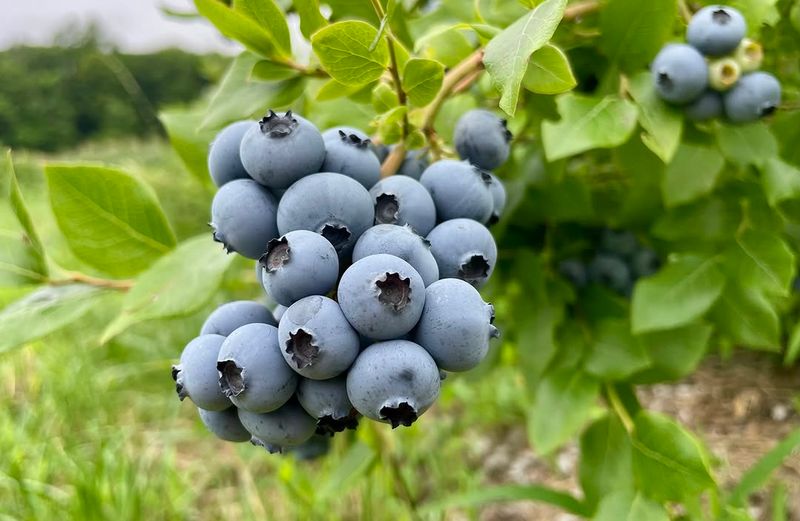
Water is everything when it comes to plump, juicy blueberries. Once those flowers are pollinated and tiny green berries start to form, your plants enter one of their most water-demanding phases.
Any drought stress during fruit formation can lead to small, dry, or poorly flavored berries, which is a real disappointment after all the effort you have put in since April.
Ohio weather in late spring and early summer can be unpredictable. Some years bring plenty of rain, while others turn surprisingly dry just when your berries need moisture most.
Setting up a drip irrigation system or a soaker hose around your blueberry beds is a great way to make sure your plants get consistent water without wetting the foliage, which can encourage fungal problems.
Aim for about one to two inches of water per week during fruit development, adjusting based on rainfall. Stick your finger two inches into the soil near the base of the plant.
If it feels dry, it is time to water. Avoid overhead watering with a sprinkler since wet leaves and fruit can invite disease.
Ohio gardeners who pay close attention to soil moisture during this critical window consistently report larger berry clusters and better overall flavor. A little extra attention to watering from late spring through harvest makes the difference between an average crop and a truly exceptional one.
9. Bird Protection Before Berries Change Color
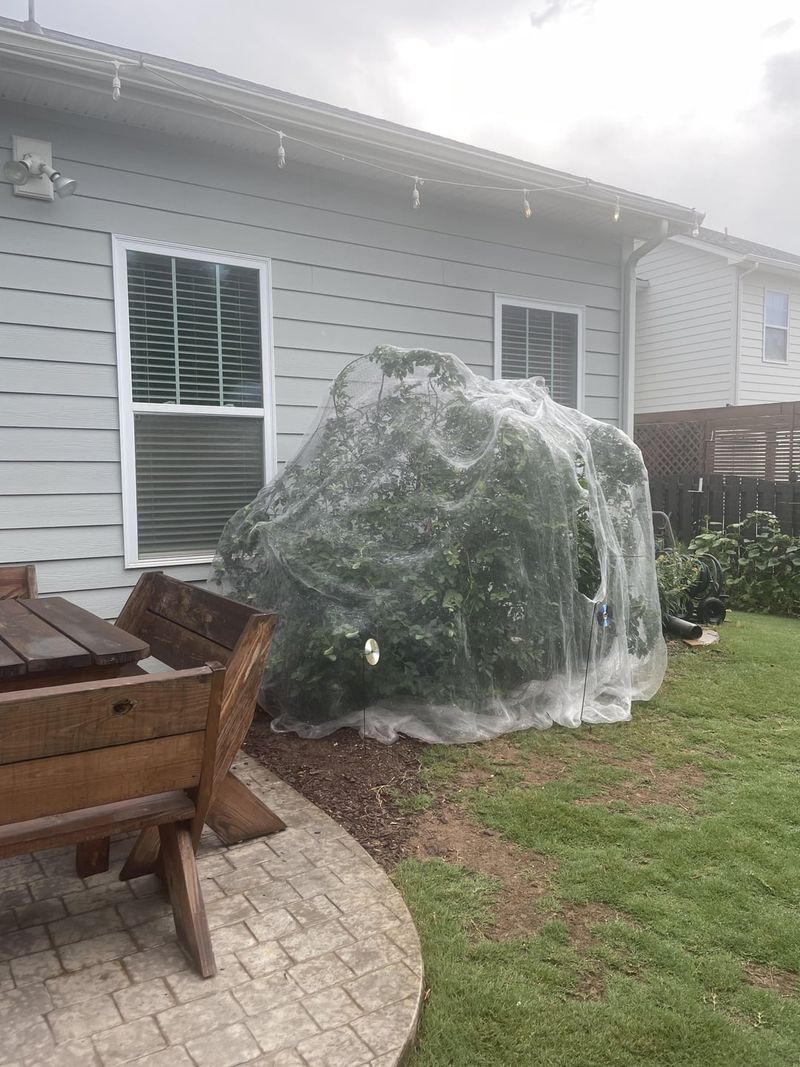
Birds have excellent timing. They seem to know exactly when your blueberries are about to ripen, and they will show up before you even realize the berries are ready.
The trick is to get your bird protection in place before the berries start changing from green to blue, because once that color shift begins, the competition for your harvest gets fierce fast.
Bird netting is the most effective and affordable solution for Ohio home gardeners. Drape it over your bushes and secure the edges to the ground with stakes or rocks so birds cannot sneak underneath.
Choose netting with small enough holes that birds cannot poke their heads through to grab berries while the net is in place. Black or dark-colored netting tends to be less visible from a distance, which keeps your garden looking tidy.
Some gardeners in Ohio also use reflective tape, pinwheels, or fake predator decoys like plastic owls to scare birds away. These can work in the short term, but birds are smart and tend to get used to stationary deterrents quickly.
Netting remains the gold standard because it creates a physical barrier rather than relying on scare tactics. Put it up in late spring while berries are still small and green, and you will protect your entire crop through harvest.
After all the work you have done since April, the last thing you want is to share your bounty with every robin in the neighborhood.