How Georgia Gardeners Can Grow Blackberries In Containers For A Sweet Harvest
Ever bitten into a sun-warmed blackberry and thought, “I wish I could grow these without a massive farm”?
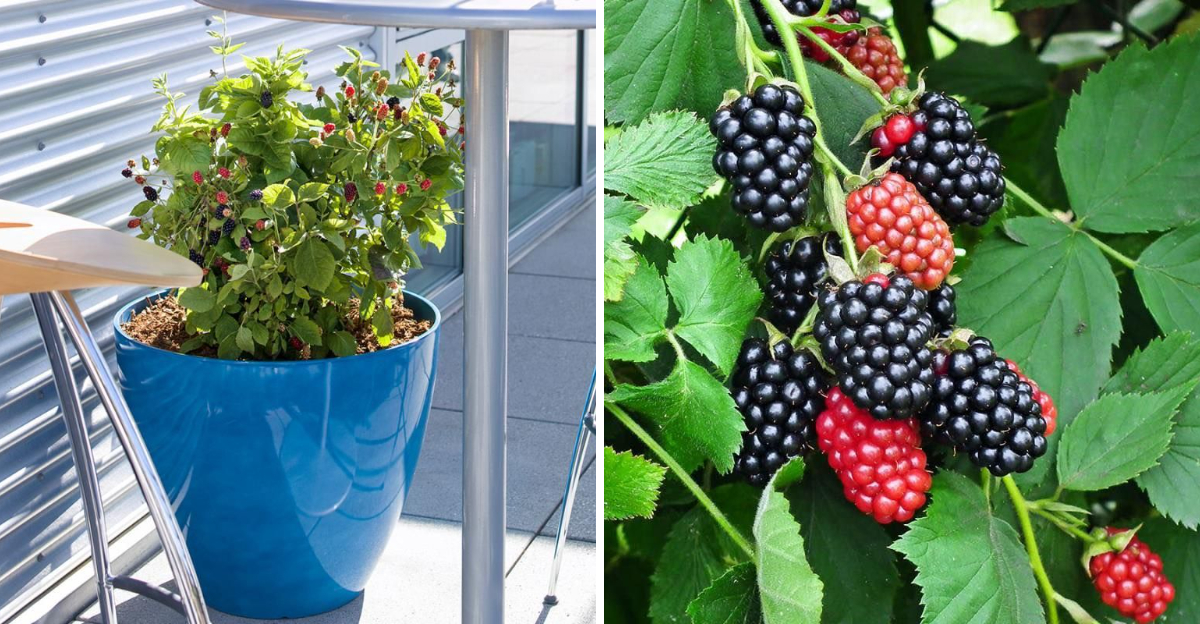
In Georgia, you don’t need a rolling orchard to harvest “black diamonds” by the bucketful – you just need a sunny patio and the right pot.
While our red clay can be a headache, container gardening gives you total control over soil and drainage, turning even the smallest balcony into a fruitful oasis.
With our long, golden growing season and a few smart tips, you can skip the grocery store lines and pluck sweet, juicy berries right from your back door.
Ready to turn your porch into a high-yield berry patch? Let’s get growing.
1. Blackberries Grow Well In Containers Across Georgia
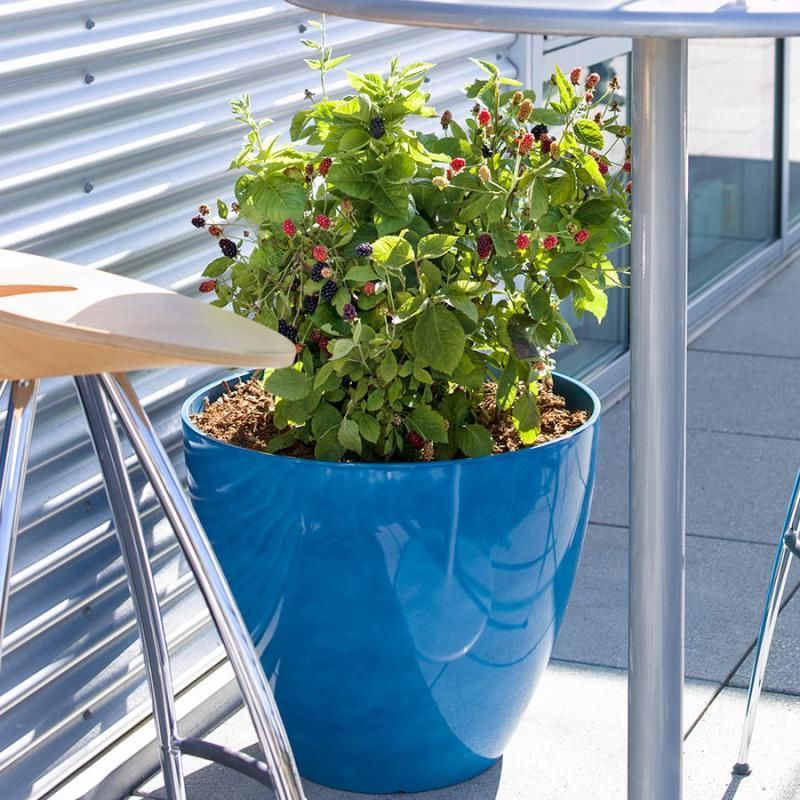
Georgia’s long, warm growing season gives container gardeners a real advantage when it comes to raising blackberries at home.
The state’s mild winters and hot summers closely match the climate conditions blackberries prefer, making it possible to grow productive plants even in small outdoor spaces like patios, decks, and balconies.
Container growing works especially well in Georgia because gardeners can move pots to take advantage of shifting sunlight throughout the season.
During the hottest summer weeks, containers can be shifted to a spot with a bit of afternoon shade, helping plants stay comfortable without sacrificing fruit production.
This kind of flexibility is harder to achieve with in-ground plants.
Georgia gardeners also benefit from a relatively long harvest window. Blackberries in Georgia typically ripen from mid-May through August, depending on the variety.
That extended window means container growers can enjoy fresh berries for weeks rather than just a few days. Pots also make it easier to monitor soil moisture, which is especially helpful during Georgia’s unpredictable summer rain patterns.
Keeping blackberries in containers allows you to fine-tune your growing setup season after season, learning what works best for your specific corner of the state.
2. The Right Blackberry Varieties Make Container Growing Easier
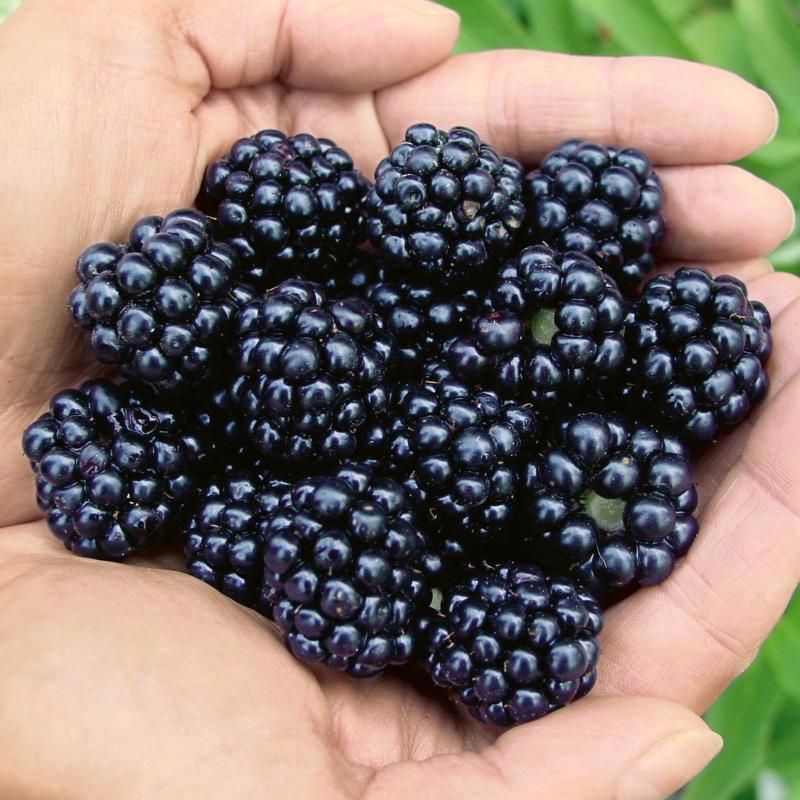
Not every blackberry variety handles container life the same way, and choosing the right one from the start can make a noticeable difference in how your plants perform throughout the season.
Compact, erect, and thornless varieties tend to do best in pots because they are easier to manage and do not require as much space to spread out.
Arapaho is a popular choice among Georgia gardeners because it bears fruit early in the season and produces generous yields on upright canes.
Chester is another strong option, known for producing large, flavorful berries that ripen a bit later, which can extend your overall harvest window when grown alongside an earlier variety.
Both are thornless, which makes pruning and harvesting much more comfortable.
Prime-Ark Freedom is a primocane-fruiting variety, meaning it produces berries on first-year canes. This trait is particularly useful for container growers because it reduces the complexity of managing two-year cane cycles in limited soil volume.
Primocane varieties offer flexibility that suits small-scale and container setups well. When shopping for plants, look for nursery stock labeled as erect or semi-erect, as trailing types can become difficult to manage in pots over time.
Your Georgia Garden Changes Every Week. Your Plan Should Too.
Gardening in Georgia changes quickly throughout the season. Every Friday you’ll receive a simple weekly plan showing exactly what to plant, prune, fertilize, harvest, and protect so you never miss the right timing.
3. Large Containers Support Strong Root Growth And Better Yields
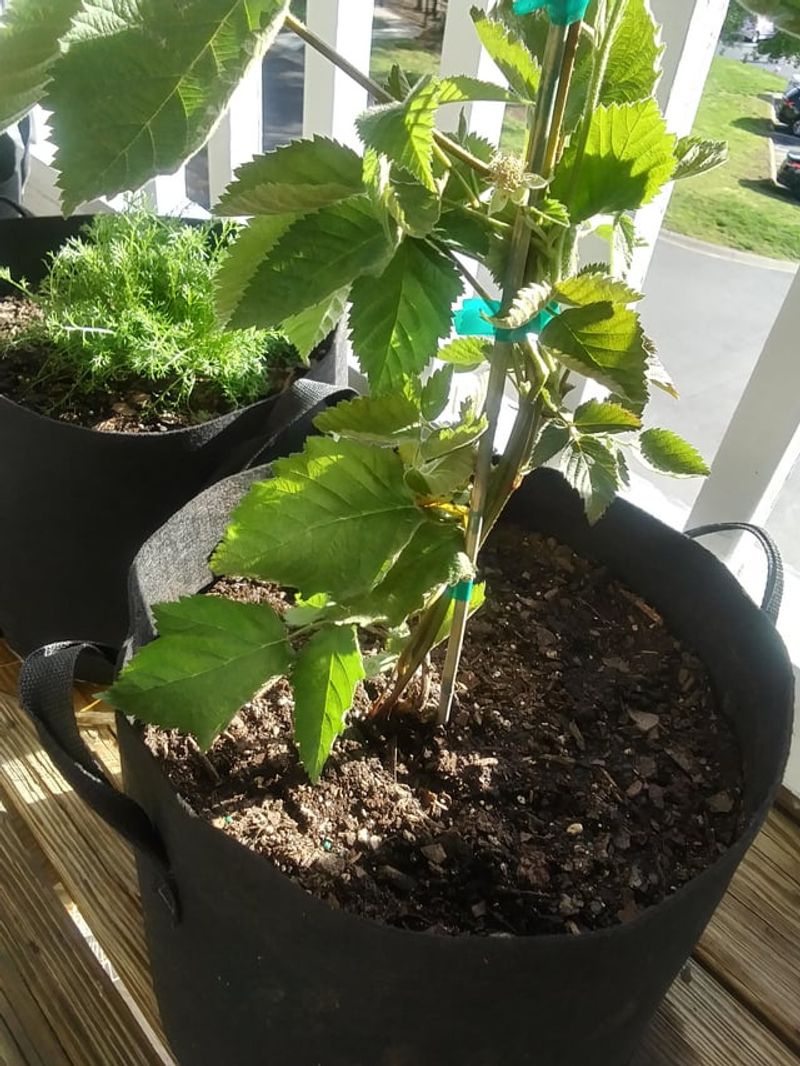
Container size is one of the most important decisions you will make when setting up a blackberry growing space at home. A pot that is too small restricts root development, which directly limits how much fruit the plant can produce.
Starting with the right size container from the beginning saves a lot of trouble down the road.
Most experienced container gardeners recommend using a pot that holds at least 15 to 20 gallons for a single blackberry plant.
A container with a depth of at least 16 to 18 inches gives roots enough room to anchor the plant and access moisture and nutrients through the season.
Shallow pots tend to dry out faster and can stress plants during Georgia’s hot summer months.
Material matters too. Fabric grow bags have become increasingly popular because they allow air to reach the roots and naturally prevent roots from circling the container walls.
Dark plastic pots absorb heat, which can be both helpful in spring and potentially stressful during peak summer temperatures in Georgia. Light-colored or insulated containers help moderate soil temperature on the hottest days.
Whatever material you choose, make sure there are several drainage holes at the bottom, since waterlogged roots are one of the most common problems container fruit growers face in humid climates like Georgia’s.
4. Well-Drained Soil Mix Helps Prevent Root Issues
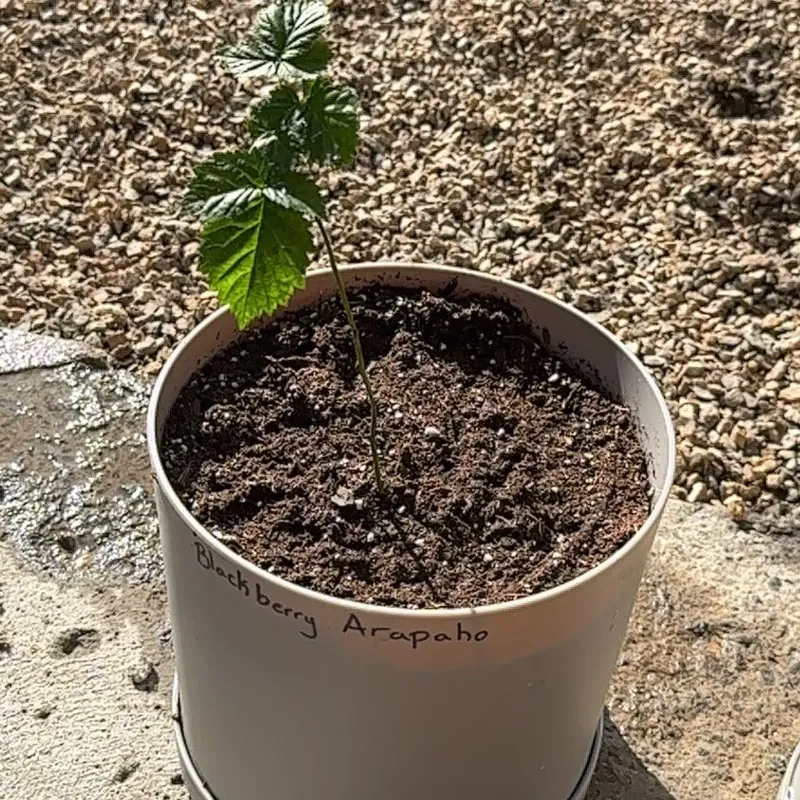
Soil quality inside a container has a much bigger impact on plant health than many new gardeners expect.
Unlike in-ground plants that can send roots deeper in search of better conditions, container plants are entirely dependent on what you put in the pot.
Getting the soil mix right is one of the most effective things you can do to support a productive blackberry plant.
A well-draining potting mix is essential for blackberries grown in pots. A blend of high-quality potting soil, perlite, and a small amount of peat moss or coconut coir creates a texture that holds enough moisture without becoming soggy.
Straight garden soil is not recommended for containers because it tends to compact over time and drains poorly, which can lead to root problems in Georgia’s humid conditions.
Blackberries prefer a slightly acidic soil pH, ideally somewhere between 5.5 and 6.5. Testing your mix with an inexpensive pH meter or test kit can help you know where you stand before planting.
If the pH is too high, adding a small amount of sulfur or using an acidifying fertilizer can bring it into range.
Refreshing the top layer of potting mix each spring also helps replenish nutrients that wash out during regular watering throughout Georgia’s growing season.
5. Full Sun Supports Better Growth And Fruit Production
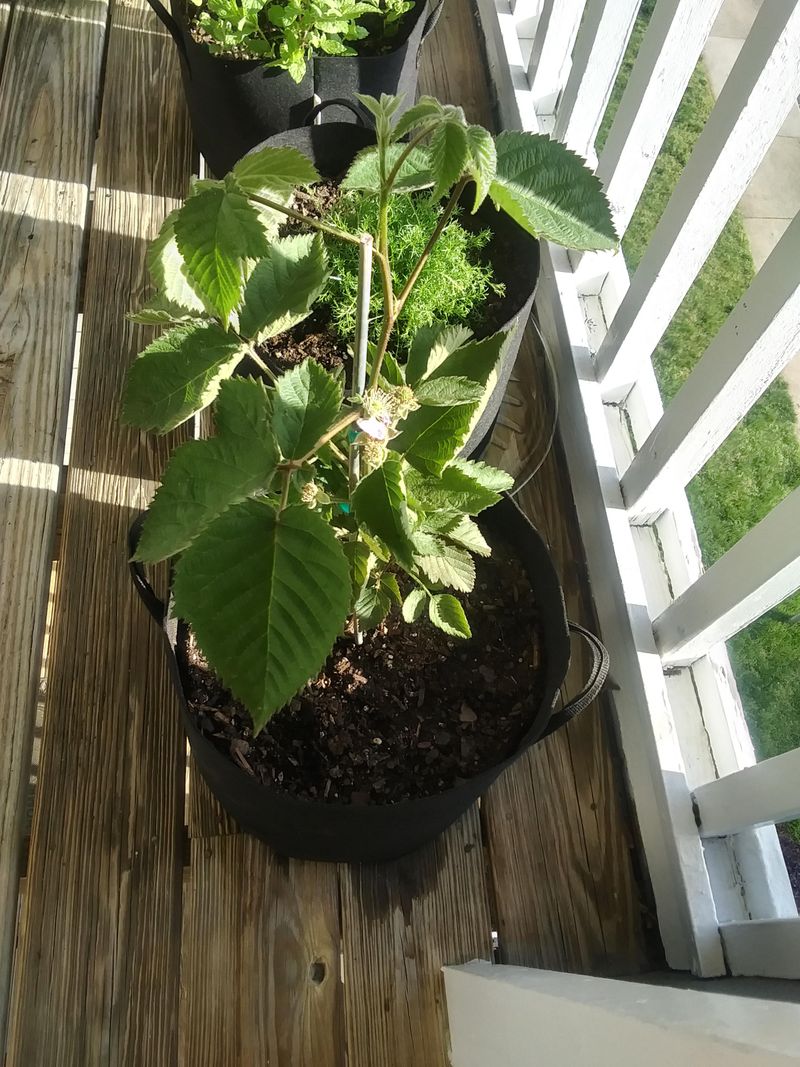
Sunlight is one of the biggest factors that separates a productive blackberry plant from one that barely gets by. Most blackberry varieties need at least six to eight hours of direct sun each day to flower well and set fruit.
One of the real advantages of growing in containers is that you can position your pots in the sunniest spots available on your property.
In Georgia, south-facing patios and driveways tend to receive the most consistent sunlight throughout the day. Placing containers in these spots during spring and early summer gives plants the energy they need to push out strong canes and develop a good fruit crop.
As summer deepens and temperatures climb, some afternoon shade can reduce heat stress without significantly cutting into fruit production, especially in the southern parts of the state.
Rotating containers slightly every few weeks can also help ensure that all sides of the plant receive even light exposure, which encourages more uniform growth and fruiting across the entire cane structure.
If you notice canes leaning heavily toward one direction, that is usually a sign the plant is reaching for more light.
Keeping blackberries in spots that receive consistent morning sun is especially valuable in Georgia because morning light is strong but gentler than the intense afternoon heat that builds through July and August.
6. Consistent Watering And Feeding Keep Plants Productive
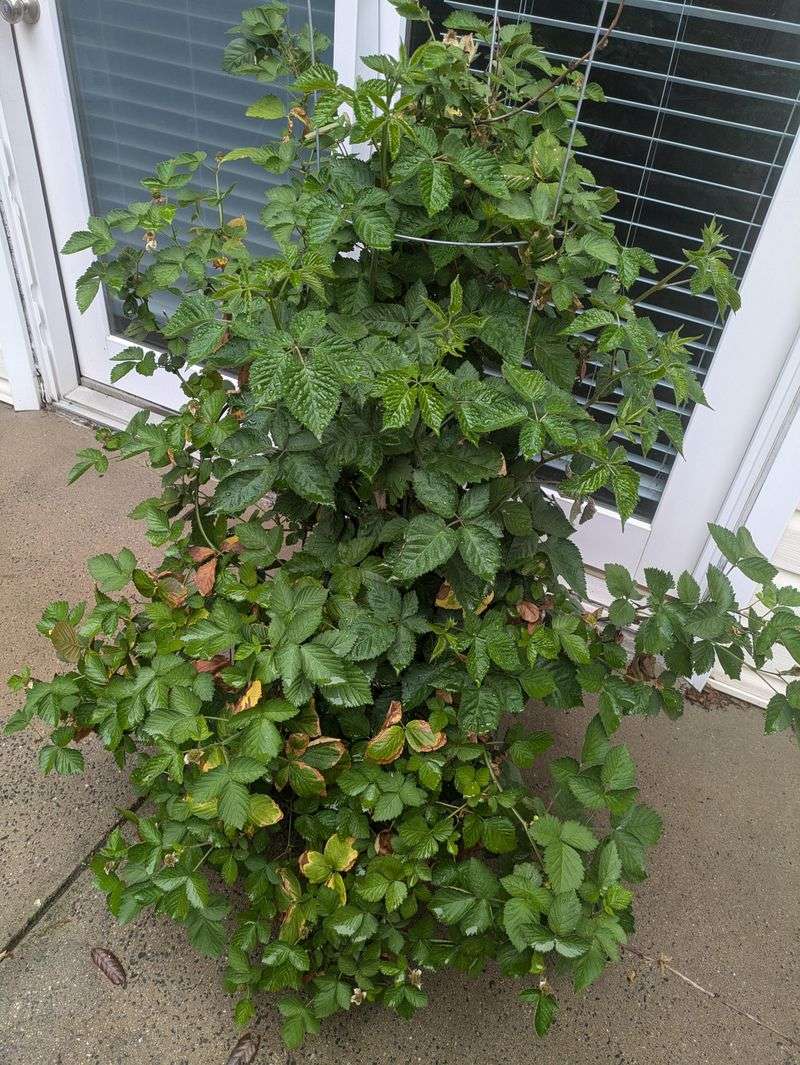
Watering container plants is a bit of an art form, especially during Georgia’s summer season when heat can pull moisture out of pots surprisingly fast. Blackberries in containers need consistent soil moisture, but they do not respond well to sitting in water.
Striking that balance is the key to keeping plants healthy and productive through the growing season.
A general rule of thumb is to water when the top inch of soil feels dry to the touch. During Georgia’s hottest weeks, that might mean watering every day or two.
During cooler stretches or after heavy rain, you can ease back. Mulching the top of the container with wood chips or straw helps slow evaporation and keeps root zone temperatures more stable, which blackberries appreciate.
Feeding container blackberries on a regular schedule also makes a meaningful difference in fruit production. A balanced, slow-release granular fertilizer applied in early spring gives plants a steady nutrient supply as they push new growth.
A follow-up feeding with a water-soluble fertilizer after the first harvest helps plants recover and prepare for any late-season fruiting, particularly if you are growing a primocane variety.
Avoid heavy fertilizer applications in late summer, as pushing tender new growth too late in Georgia’s season can leave plants vulnerable when cooler fall temperatures arrive.
7. Pruning And Training Improve Structure And Harvests
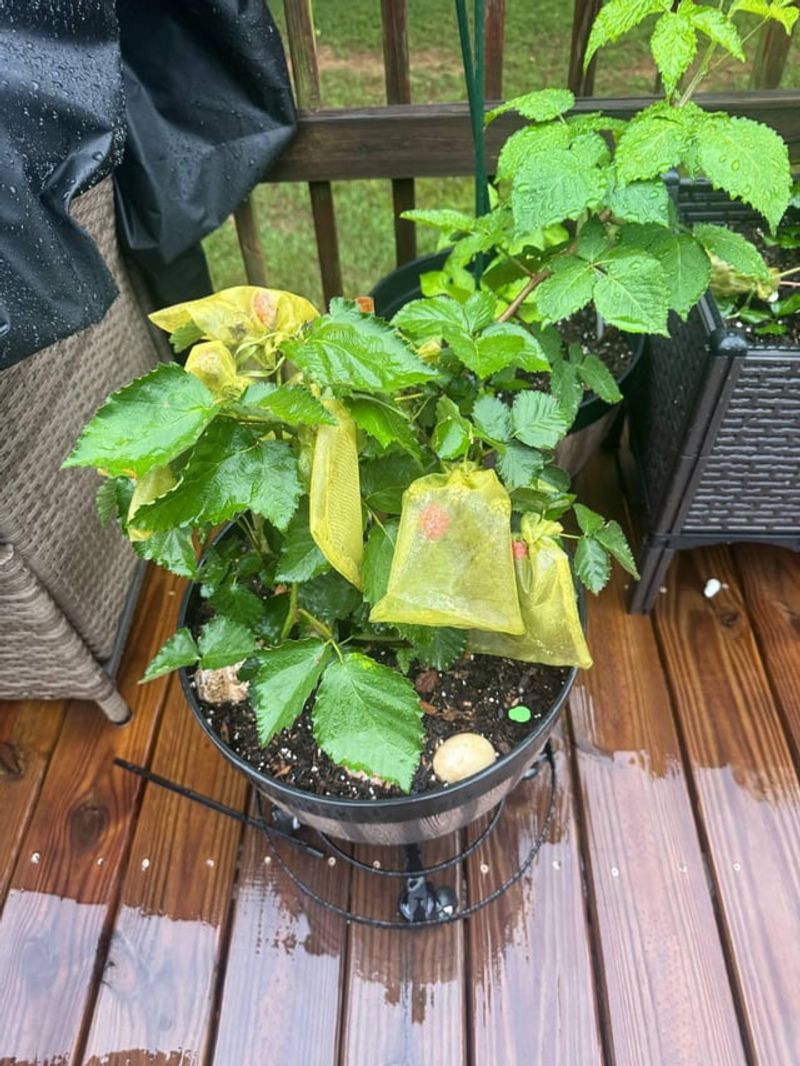
Managing the canes of a container blackberry plant can feel a little intimidating at first, but with a simple routine, it becomes one of the more satisfying parts of the growing process.
Pruning keeps plants tidy, improves air circulation, and redirects the plant’s energy into producing more fruit rather than maintaining excess woody growth.
Blackberries produce fruit on two-year-old canes called floricanes. Once those canes finish fruiting, they will not produce again, so removing them after harvest clears space for the new first-year canes, called primocanes, to develop.
Cutting spent floricanes back to the base of the plant in late summer or early fall is a straightforward task that keeps the container from becoming overcrowded.
Training canes to a small trellis or stake system inside or beside the container improves airflow and makes harvesting much easier. Even a simple two-post setup with horizontal wire or twine works well for erect varieties.
Tipping the growing ends of primocanes when they reach about three to four feet encourages lateral branching, which leads to more fruiting sites the following season.
In Georgia, late winter – typically February or early March – is a good time to do a final cleanup prune before new growth begins pushing in earnest with the warming spring temperatures.
8. Harvest Timing Affects Flavor And Fruit Quality
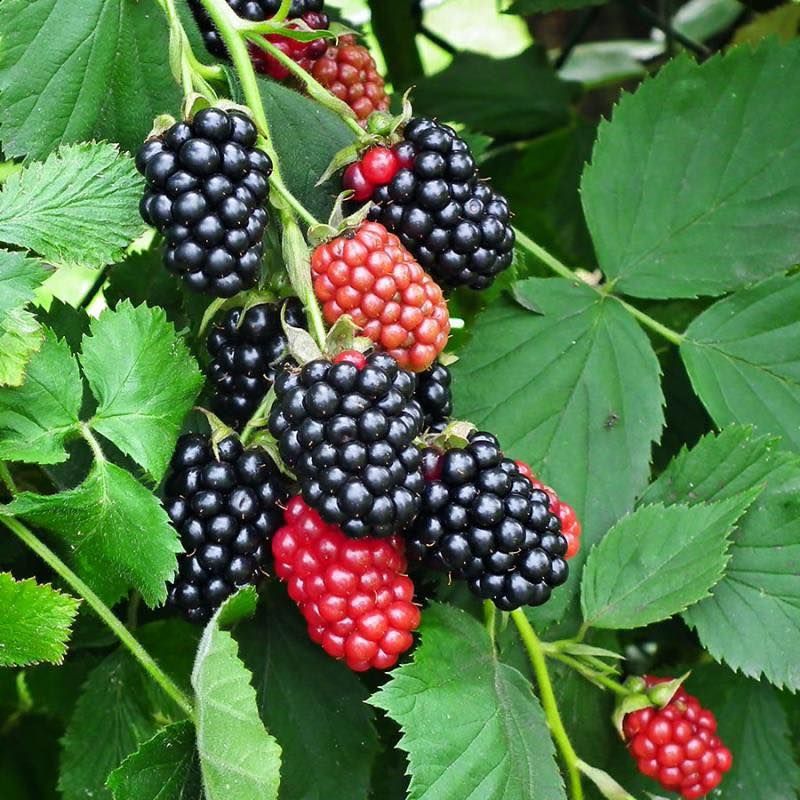
Picking blackberries at exactly the right moment is one of those small details that makes a big difference in how they taste.
A berry that looks black but was picked a day or two too early will often be tart and slightly firm, while one that has had just a little more time on the cane develops a deeper, sweeter flavor that makes all the growing effort worthwhile.
Fully ripe blackberries should be completely black with no red or purple patches remaining. They should feel slightly soft when gently pressed and come off the stem with almost no resistance – a gentle roll or twist is all it should take.
If a berry holds on tight, it likely needs another day or two. Ripe berries do not store long, so plan to harvest every two to three days once the season is in full swing.
In Georgia, the blackberry harvest window typically runs from mid-May through August, depending on the variety and the weather leading up to the season.
Early-bearing varieties like Arapaho tend to ripen first, while later types like Chester come in during the back half of summer.
Picking in the early morning when temperatures are cooler helps preserve berry quality and makes the experience more comfortable during Georgia’s warm, humid summer days.
Store freshly harvested berries in the refrigerator and use them within a few days for the best flavor.