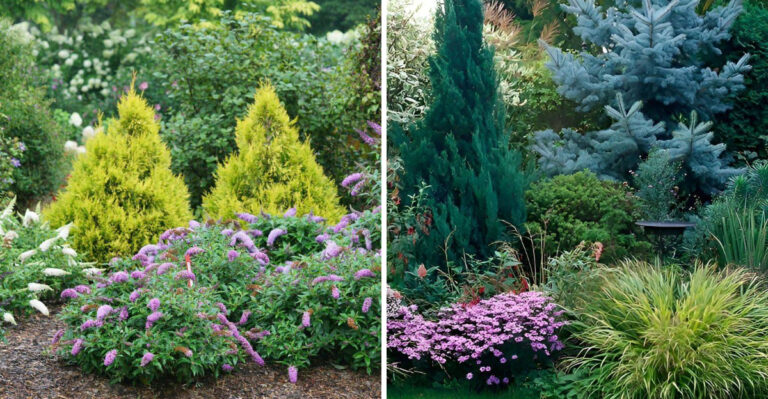
Perennials That Bloom Even During Western Oregon’s Rainy Springs
Spring in Western Oregon has a way of humbling big garden plans. You spot a sunny afternoon, get inspired, and then the clouds roll back in like they never left.
Beds stay wet, the sky stays gray, and plenty of plants act like they would rather wait for July. That is why dependable spring bloomers feel like such a win here.
Some perennials do not mind the cool air, damp soil, or steady drizzle. They push ahead anyway, bringing color when the garden still feels half asleep and the patio chairs are drying off for the third time that week. Those are the plants that earn their place.
The best part is that rainy-spring performers are not all plain, leafy fillers. Some bring long bloom periods, some handle part shade beautifully, and some brighten the whole yard when everything else still looks sleepy.
A few of the strongest picks are not the ones most people think of first.
1. Pacific Bleeding Heart For Soft Woodland Color
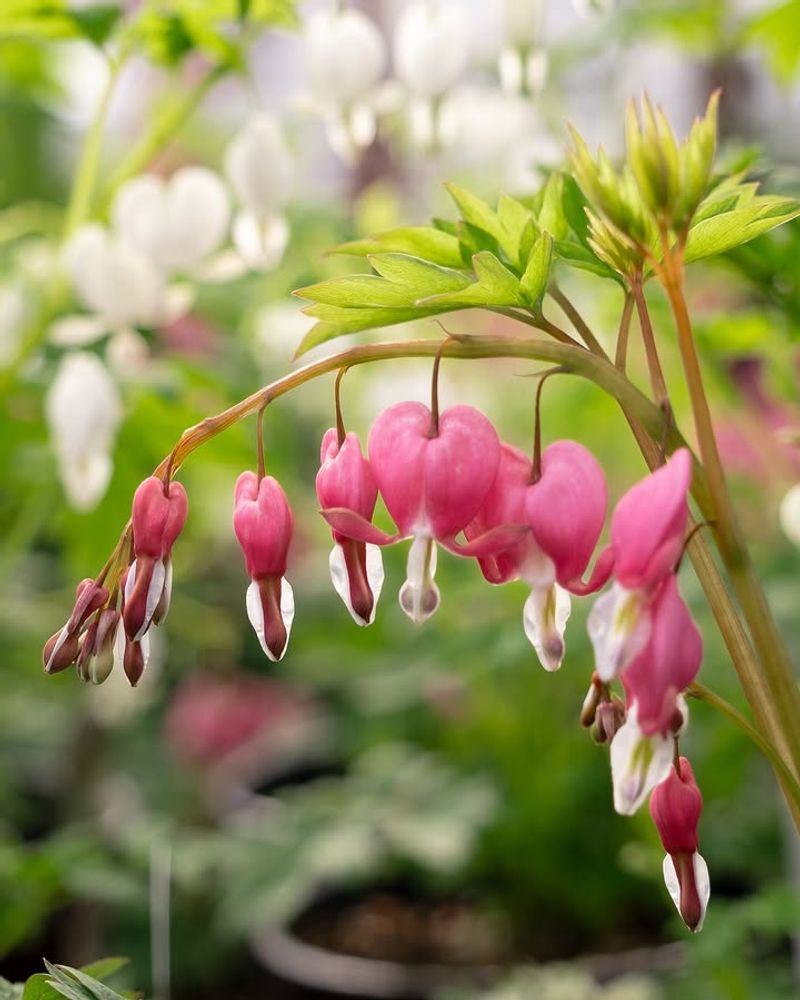
Native to Western Oregon and the broader Pacific Northwest, this perennial produces clusters of drooping, heart-shaped flowers in soft shades of pink, rose, and sometimes white. The blooms dangle from arching stems like tiny pendants, creating a romantic, almost fairy-tale atmosphere in shaded garden beds.
Scientifically known as Dicentra formosa, Pacific Bleeding Heart thrives in moist, well-drained soil under the canopy of trees, making it a natural fit for the shady spots that are so common in Western Oregon gardens. It spreads gradually through underground rhizomes, slowly filling in bare areas with its feathery, fern-like foliage.
Even when not in bloom, the blue-green leaves add lovely texture to the garden floor.
One of its best qualities is resilience. Heavy spring rains do not bother this plant at all.
It actually performs better when moisture is consistent, which is exactly what Western Oregon provides from March through June. Planting it alongside ferns and native mosses creates a lush, layered look that feels completely at home in the region.
Gardeners who want low-maintenance color in difficult shady spots will find Pacific Bleeding Heart to be an outstanding, reliable choice year after year.
2. Western Columbine For Rainy Spring Charm
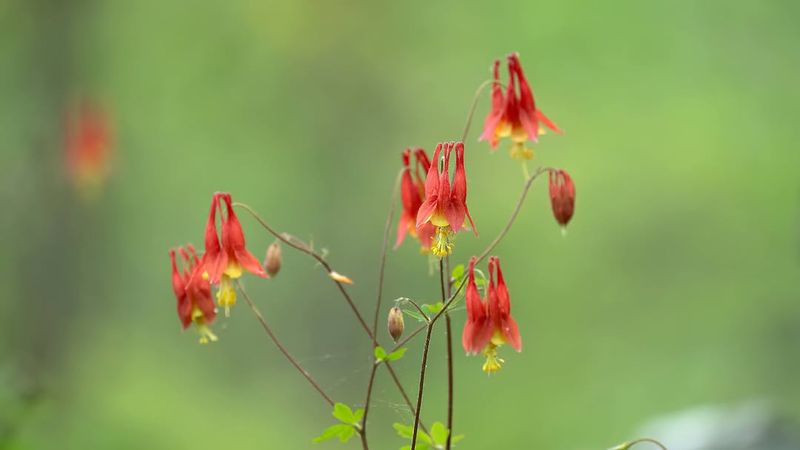
Spotting a hummingbird hovering near a cluster of red and yellow flowers is one of spring’s most exciting moments in Western Oregon, and the Western Columbine is usually responsible for that show. Aquilegia formosa is a native perennial that produces striking, nodding blooms with bright red sepals and golden yellow petals that extend into backward-pointing spurs.
Those spurs are perfectly shaped for hummingbird beaks, making this plant a magnet for pollinators throughout the spring season.
Western Columbine grows naturally along stream banks, forest edges, and moist meadows across Western Oregon, so it is already adapted to the region’s famously wet springs. It prefers partial shade but tolerates full sun if the soil stays consistently moist.
The plant reaches about two to three feet tall, forming loose, airy clumps that sway gracefully in the breeze even on rainy days.
Your Oregon Garden Changes Every Week. Your Plan Should Too.
Gardening in Oregon changes quickly throughout the season. Every Friday you’ll receive a simple weekly plan showing exactly what to plant, prune, fertilize, harvest, and protect so you never miss the right timing.
Starting Western Columbine from seed is surprisingly straightforward. Cold stratification in winter helps speed up germination, and once established, the plants self-seed freely, gradually naturalizing throughout the garden.
Deadheading spent flowers extends the bloom period from April all the way into July in some Western Oregon locations. Because it attracts not just hummingbirds but also native bees and butterflies, adding Western Columbine to a garden means supporting the local ecosystem while enjoying one of the most visually dramatic native wildflowers the Pacific Northwest has to offer.
3. Camas For A Native Spring Show
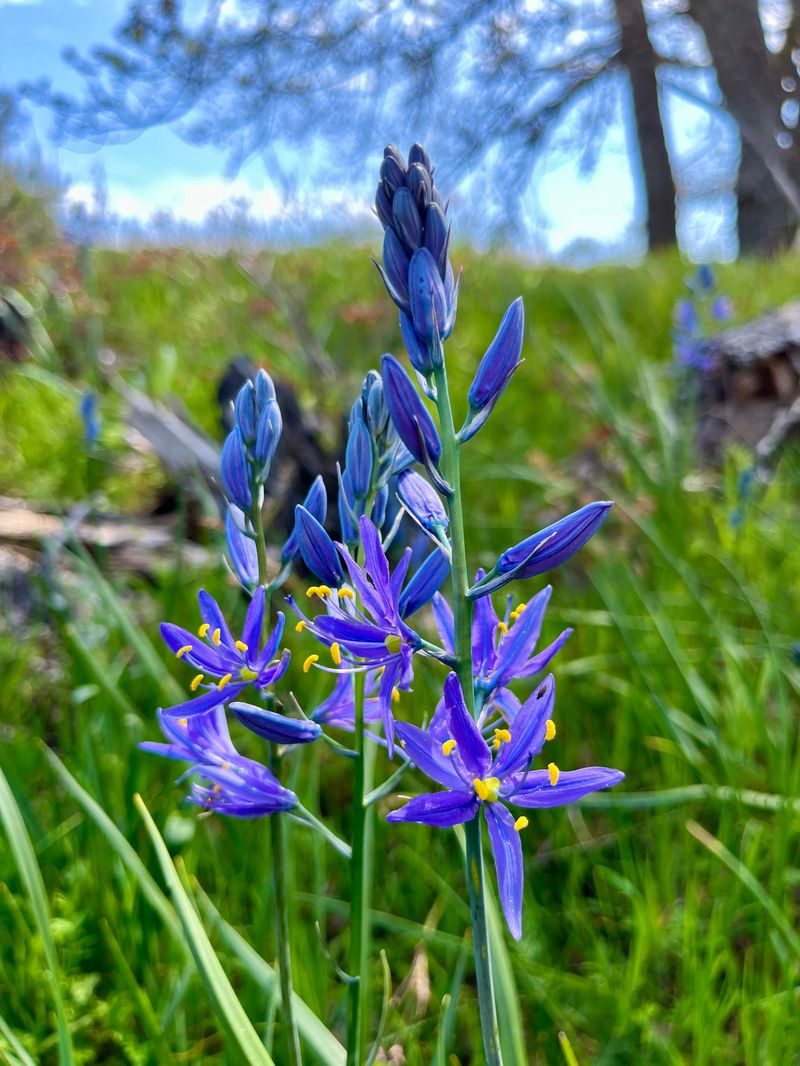
In peak bloom, a Camas field in Western Oregon can turn into a wide sweep of blue-purple color that stops people in their tracks. It is one of those spring scenes that has impressed locals and visitors for generations.
Camassia quamash, commonly called Camas or Common Camas, is one of the most iconic native wildflowers in the Pacific Northwest, with deep cultural significance to Indigenous peoples who relied on the nutritious bulbs as a staple food source.
Camas thrives in seasonally wet meadows and low-lying areas that collect rainwater, which makes it perfectly suited to Western Oregon’s soggy spring conditions. It produces tall, elegant spikes of star-shaped flowers in shades ranging from pale lavender to deep violet-blue, typically blooming from April through June.
The bold vertical form of the flower spikes adds excellent structure to naturalistic garden designs.
In a garden setting, Camas works beautifully planted in large drifts where it can naturalize over time. It pairs wonderfully with other moisture-loving natives like Pacific Bleeding Heart and Oregon Iris, creating a stunning layered planting.
Once the flowers fade, the foliage naturally fades away, so planting Camas among later-emerging perennials helps fill the gap. Gardeners in Western Oregon who embrace wet, low-lying areas of their yard will find Camas an extraordinary, low-effort plant that rewards patience with breathtaking seasonal color.
4. Oregon Iris For Tough Northwest Beauty
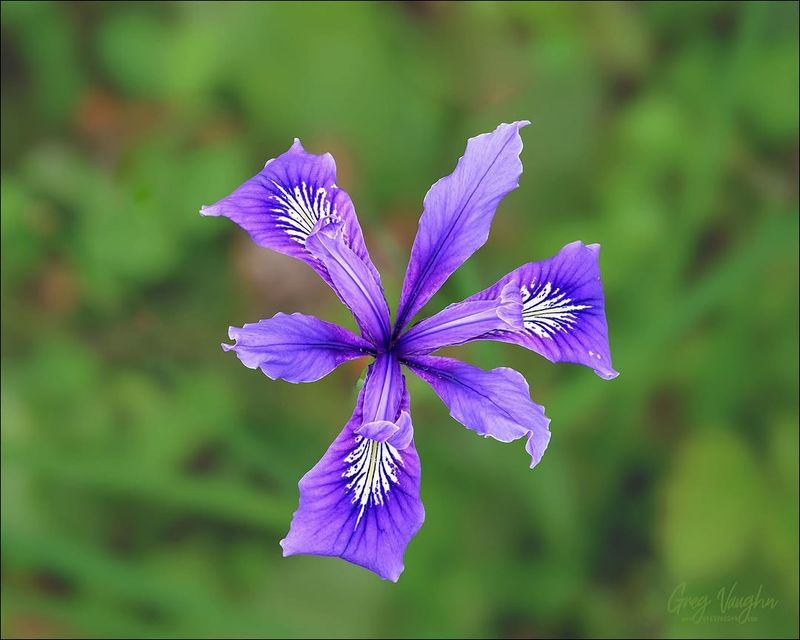
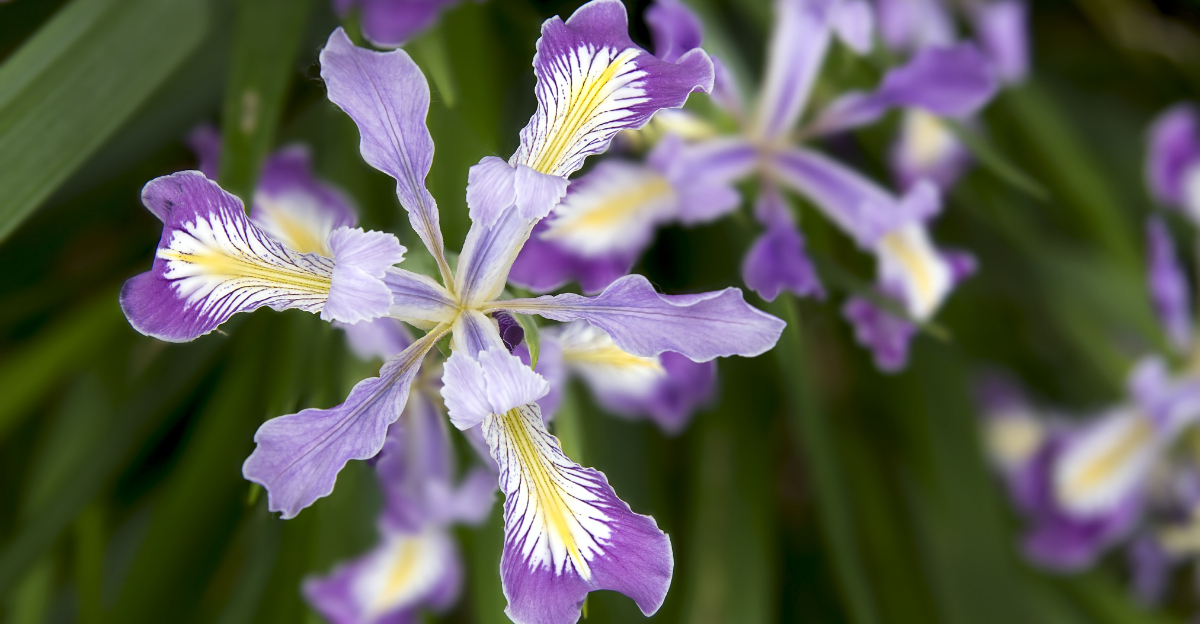
Tough, beautiful, and proudly native, the Oregon Iris is one of the most adaptable wildflowers you can grow in Western Oregon. Iris tenax produces elegant blooms in shades of purple, lavender, and occasionally white, each flower featuring the classic iris form with upright petals and gracefully arching falls.
Blooming from April through June, it shows up right in the heart of Western Oregon’s rainy season and does not miss a beat.
Unlike many irises that demand excellent drainage, Oregon Iris handles the wet springs of the Willamette Valley and surrounding regions with remarkable ease. It grows naturally in open meadows, grassy hillsides, and forest edges throughout Western Oregon, thriving in both full sun and partial shade.
The grass-like foliage stays attractive even after blooming ends, giving the plant year-round visual appeal in the garden border.
Did you know that Indigenous peoples of Western Oregon used the tough, fibrous leaves of Iris tenax to weave strong cords and nets? That historical connection makes growing this plant feel like a small celebration of regional heritage.
In modern gardens, Oregon Iris works well as a border plant, a meadow accent, or even a container specimen. It spreads slowly by rhizomes, forming tidy clumps that are easy to divide and share with fellow gardeners.
For anyone wanting a low-maintenance, rain-tolerant bloom that truly belongs in Western Oregon, this native iris is an excellent starting point.
5. Douglas’ Iris For Coastal-Style Color
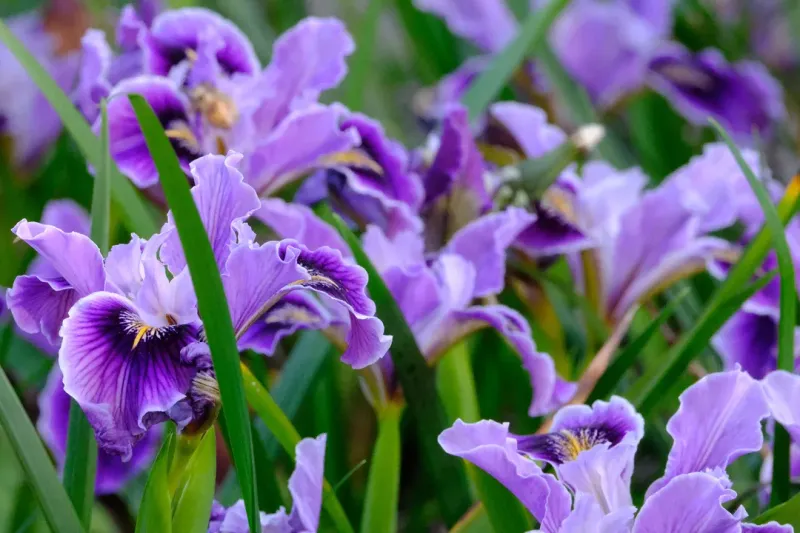
Along the coastal hillsides and grassy bluffs of Western Oregon, Douglas’ Iris puts on one of spring’s most spectacular floral displays. Iris douglasiana is a robust, clump-forming perennial that produces large, showy flowers in an impressive range of colors, from deep purple and lavender to creamy white and pale yellow.
Each bloom has intricate veining that gives it an almost painted appearance, making it a standout in any garden setting.
What sets Douglas’ Iris apart from other native irises is its extraordinary tolerance for tough conditions. It handles heavy rain, coastal winds, and even occasional summer drought without complaint.
In Western Oregon, where spring weather can swing from torrential downpours to brief sunny spells within the same week, that kind of resilience is genuinely valuable. The plant forms dense, evergreen clumps of strap-like leaves that look attractive throughout the year.
Douglas’ Iris blooms from March through May, making it one of the earlier perennials to bring color to the garden after winter. It performs best in well-drained soil with full sun to partial shade, though it adapts to a wide range of conditions across Western Oregon’s varied landscapes.
Planting it on slopes or in rock gardens helps ensure good drainage during heavy rain events. Hybridizers have long used Douglas’ Iris to create the popular Pacific Coast Iris hybrids, which are prized by gardeners worldwide.
Growing the straight species connects you directly to the wild beauty of the Oregon coast.
6. Checker-Mallow For Bright Native Blooms
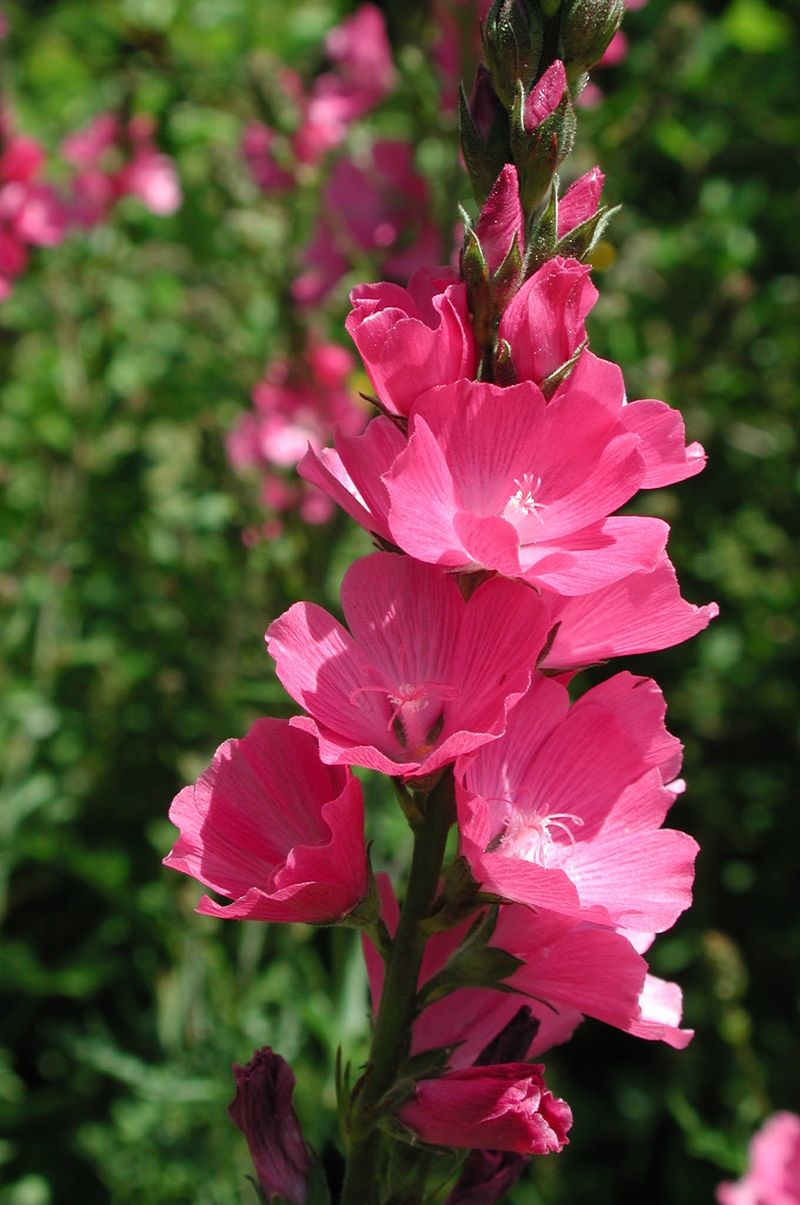
Cheerful, rosy, and surprisingly tough, Checker-Mallow brings a cottage garden charm to native plantings across Western Oregon. Sidalcea oregana, sometimes called Oregon Checker-Mallow, produces tall, slender spikes densely covered in small, cup-shaped flowers in shades of bright pink to pale rose.
The blooms have a delicate, tissue-paper quality that contrasts beautifully with the plant’s sturdy, upright stems, which can reach three to four feet tall during peak growth.
Checker-Mallow is naturally found in wet meadows, stream margins, and seasonally flooded areas throughout Western Oregon, which tells you everything you need to know about its relationship with spring rain. Rather than struggling under heavy moisture, it leans into it, producing its best growth and most abundant blooms when soil stays consistently moist through the spring months.
It is also a host plant for the West Coast Lady butterfly, adding ecological value beyond its good looks.
In the garden, Checker-Mallow works beautifully in naturalistic meadow plantings or alongside other moisture-loving perennials like Camas and Pacific Bleeding Heart. It blooms from late May through July in most Western Oregon locations, bridging the gap between early spring bloomers and summer perennials.
Cutting back spent flower spikes encourages a second flush of blooms in some years. Because it spreads by seed and by rhizomes, it gradually forms generous clumps that make a bold visual statement without requiring much attention from the gardener.
It is a true Pacific Northwest workhorse.
7. Small-Flowered Alumroot For Delicate Spring Interest
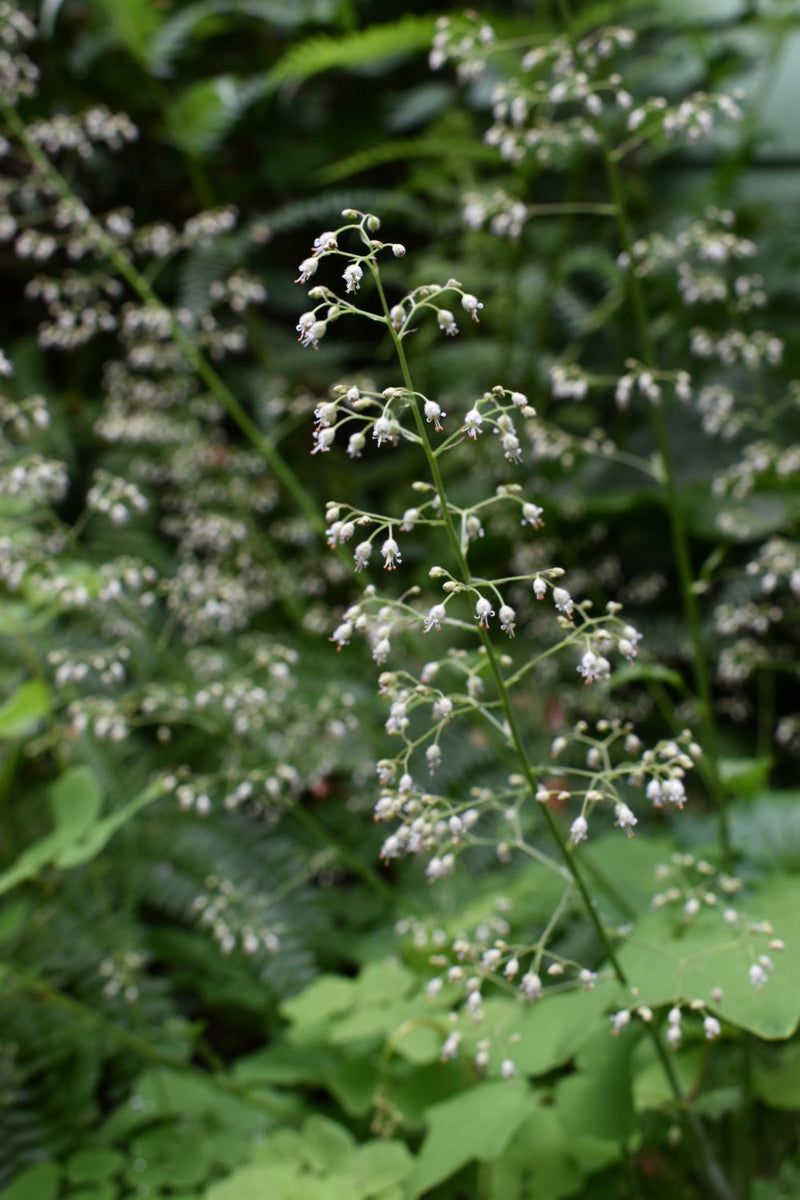
Not every garden star needs giant, showy blooms to make an impression. Small-Flowered Alumroot proves that understated elegance has its own kind of power.
Heuchera micrantha is a native perennial that produces clouds of tiny white to cream-colored flowers on wiry, branching stems above a rosette of attractively lobed, maple-like leaves. The overall effect is airy and graceful, like a botanical lace curtain waving gently in the breeze.
Found naturally on rocky slopes, cliff faces, and shaded stream banks throughout Western Oregon, Small-Flowered Alumroot is well-equipped to handle the region’s wet spring climate. It tolerates both moist soil and periods of shade, making it an excellent choice for the challenging spots under large trees or along the north-facing sides of buildings where many other plants refuse to grow.
The foliage often shows attractive mottling or bronze tinting that adds interest even when the plant is not in flower.
Heuchera micrantha is actually the wild ancestor of many popular garden Heuchera varieties sold in nurseries today. Growing the straight species connects your garden to genuine Pacific Northwest ecology.
It blooms from May through July in Western Oregon, providing a long season of delicate floral interest. Pairing it with bolder plants like Oregon Iris or Western Columbine creates pleasing contrast in mixed borders.
Pollinators, especially small native bees, visit the tiny flowers enthusiastically, making this unassuming plant a quiet but meaningful contributor to the garden ecosystem throughout the rainy season.
8. Blue-Eyed Grass For Easy Low-Growing Color
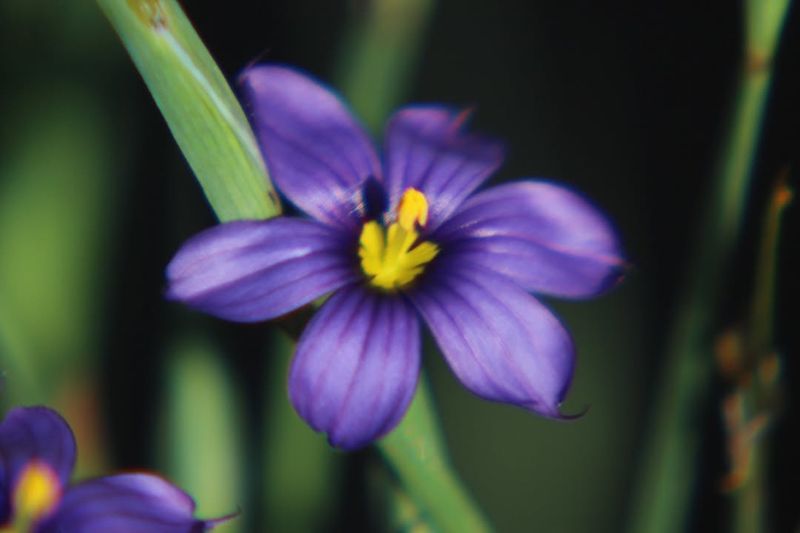
Do not let the name fool you. Blue-Eyed Grass is not actually a grass at all, but a member of the iris family, and its tiny, vivid blooms are one of spring’s most cheerful surprises in Western Oregon.
Sisyrinchium bellum produces small, six-petaled flowers in bright blue-purple with a distinctive yellow eye at the center. The flowers sit atop slender, flattened stems that do resemble grass blades, which explains the common name perfectly.
Blue-Eyed Grass thrives in moist, open meadows and grassy areas throughout Western Oregon, blooming prolifically from March through June right in the heart of the rainy season. It forms tidy, compact clumps that stay only six to twelve inches tall, making it a natural choice for the front of a border, a rock garden, or a naturalized lawn area where mowing is kept to a minimum.
The plant self-seeds freely in favorable conditions, gradually creating charming drifts of color.
One of the nicest things about Blue-Eyed Grass is how easy it is to establish. It asks for very little beyond reasonable sunlight and the kind of consistent moisture that Western Oregon’s spring climate delivers automatically.
The flowers open fully on sunny days and close up during heavy rain or at night, a behavior botanists call nyctinasty. Watching those tiny blooms reopen after a rainstorm feels like a small daily celebration of nature’s resilience.
Pair it with Camas or Checker-Mallow for a stunning native meadow combination that practically takes care of itself.
9. Oregon Sunshine For Cheerful Golden Blooms
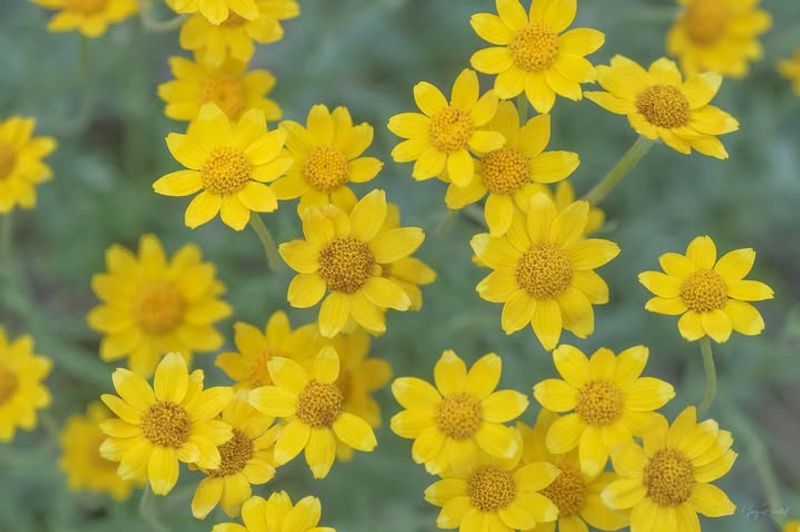
When Western Oregon’s gray spring skies start to feel endless, Oregon Sunshine arrives like a burst of warmth. Eriophyllum lanatum is a native perennial that produces cheerful, golden-yellow, daisy-like flowers above soft, silvery-gray woolly foliage.
The contrast between the bright blooms and the pale leaves gives this plant a luminous quality that stands out even on cloudy days, which is exactly the kind of visual energy a rainy spring garden needs.
Despite its sunny disposition, Oregon Sunshine is a genuinely tough plant. It grows naturally on dry, rocky slopes and open prairies across Western Oregon, but it handles the wet season better than its preference for well-drained soil might suggest.
The key is planting it in a spot where water does not pool around the roots. Raised beds, rocky outcroppings, and slopes are all ideal locations that allow excess moisture to drain away after heavy spring rains.
Oregon Sunshine blooms from May through July, providing color that bridges the late spring and early summer gap in the native garden calendar. It is highly attractive to native bees and butterflies, supporting pollinators at a critical time of year.
The silvery foliage stays attractive even between bloom cycles, giving the plant multi-season appeal. Gardeners across Western Oregon who want a drought-tolerant plant that also manages spring wet spells gracefully will find Oregon Sunshine a brilliant addition to any sunny border or slope planting.
It is one of those rare plants that genuinely earns its poetic common name.