How To Get Bunny Ear Cactus To Bloom In North Carolina Homes
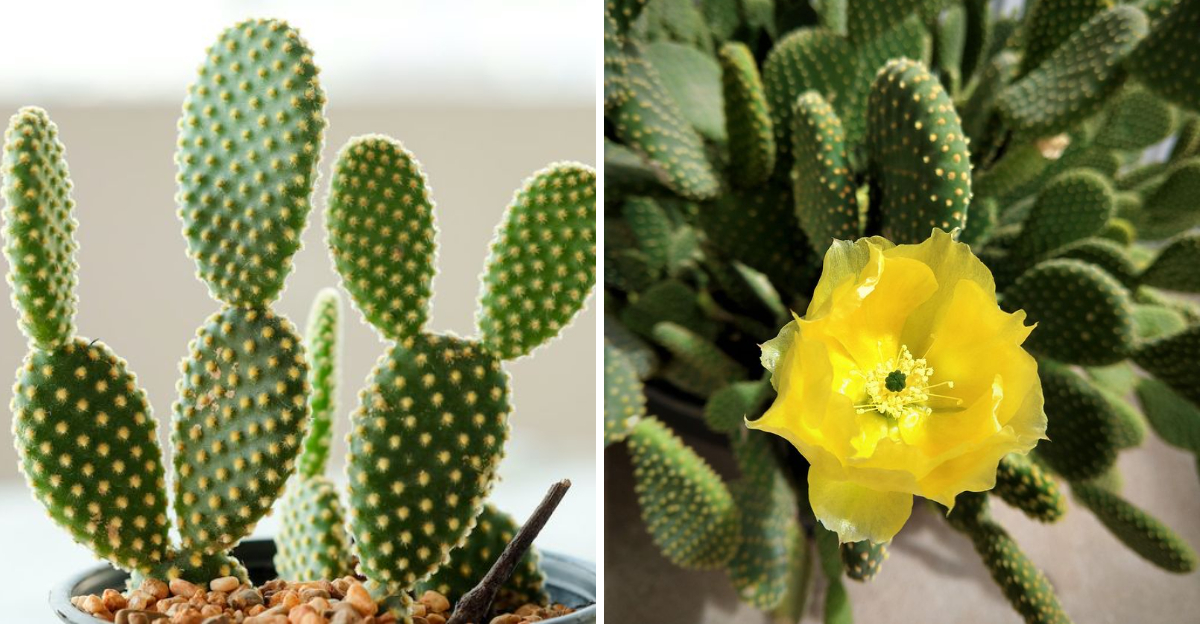
Bunny ear cactus is a fun and eye catching plant, but getting it to bloom inside a North Carolina home can take a little extra effort.
While it grows easily as a houseplant, those bright yellow flowers only appear when the plant gets the right balance of light, warmth, and care.
North Carolina’s climate can help during the warmer months, but indoor conditions still need to be just right for blooming to happen.
Many people keep their cactus healthy for years without ever seeing flowers, which can be frustrating. The key is understanding what triggers blooms and how to recreate those conditions indoors.
Small changes in light exposure, watering habits, and seasonal care can make a big difference.
With the right setup, your bunny ear cactus can do more than just sit on a windowsill and can reward you with blooms that truly stand out.
1. Extremely Bright Light Is Required Year-Round
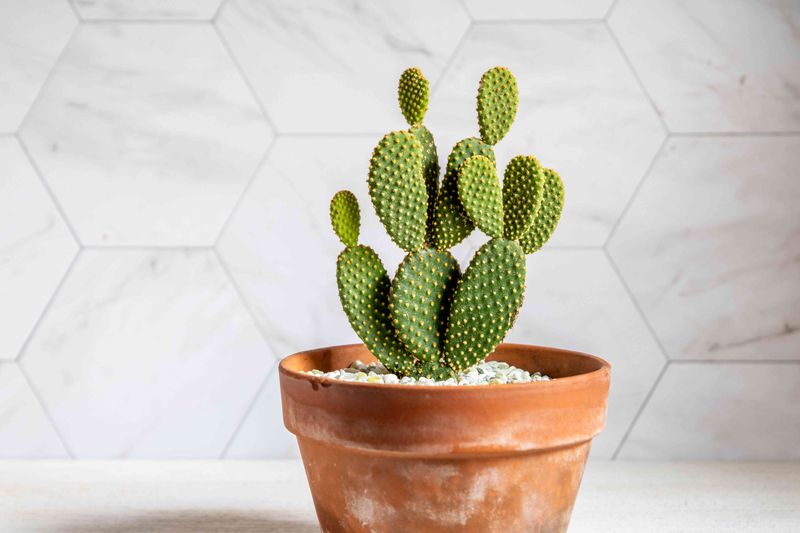
Sunlight is the single most powerful tool you have when trying to get a Bunny Ear Cactus to bloom indoors.
Without enough of it, your plant will simply grow longer, weaker pads and skip flowering altogether.
Most North Carolina homes have decent natural light, but the key is finding the very brightest spot available.
South- or west-facing windows are your best options because they receive the most direct sunlight throughout the day.
Your cactus needs at least six to eight hours of bright, direct light every single day to stay healthy and build up the energy needed for blooming.
A windowsill that gets afternoon sun in a North Carolina living room can make a huge difference.
Winter light in North Carolina is noticeably weaker and shorter than summer light, which makes window placement even more critical during those months.
Moving furniture, trimming outdoor shrubs, or cleaning your windows can all help maximize the sunlight reaching your plant. Some growers even add a grow light during winter months to keep light levels consistent.
Consistent, intense light year-round signals to your cactus that conditions are right, and that is what eventually triggers those cheerful yellow blooms to appear.
2. Outdoor Summer Exposure Helps Trigger Blooming
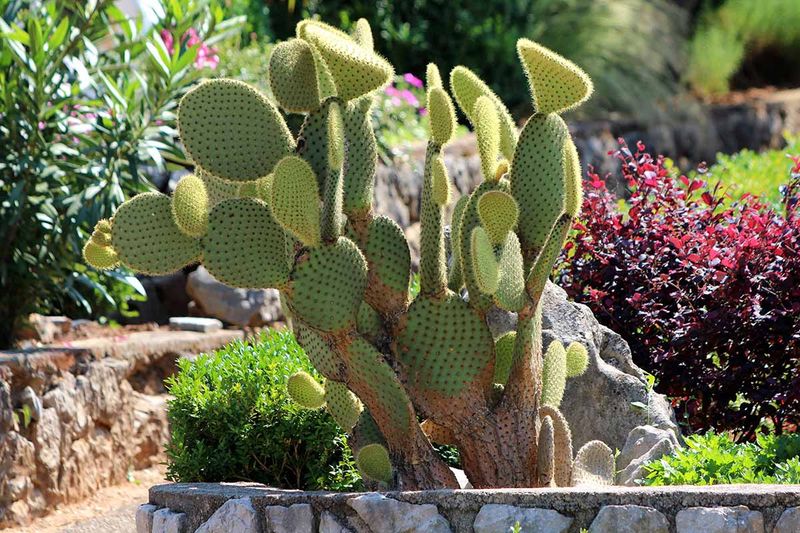
Taking your Bunny Ear Cactus outside during summer is one of the smartest moves a North Carolina gardener can make.
Outdoor sunlight is dramatically stronger than anything coming through a window, and your cactus can absolutely feel the difference.
That burst of intense full sun helps the plant build energy reserves that later fuel flower production.
Wait until the last frost date has passed before moving your plant outside, which in most parts of North Carolina falls somewhere between late March and mid-April.
Once temperatures are consistently warm, find a spot with full morning sun and some afternoon shade to prevent scorching the pads.
Ease the plant into outdoor conditions gradually over about a week so it adjusts without stress.
Your cactus can stay outside comfortably through the warm months, all the way into early fall before nighttime temperatures start dropping below 50 degrees Fahrenheit.
Your North Carolina Garden Changes Every Week. Your Plan Should Too.
Gardening in North Carolina changes quickly throughout the season. Every Friday you’ll receive a simple weekly plan showing exactly what to plant, prune, fertilize, harvest, and protect so you never miss the right timing.
North Carolina summers are long and sunny, which gives your plant plenty of time to soak up the intense light it craves. Bring it back indoors before the first cold snap arrives.
Many growers who follow this outdoor summer routine report that their Bunny Ear Cactus rewards them with blooms the following spring, making the seasonal shuffle absolutely worth the effort.
3. A Cool, Dry Winter Rest Period Is Essential
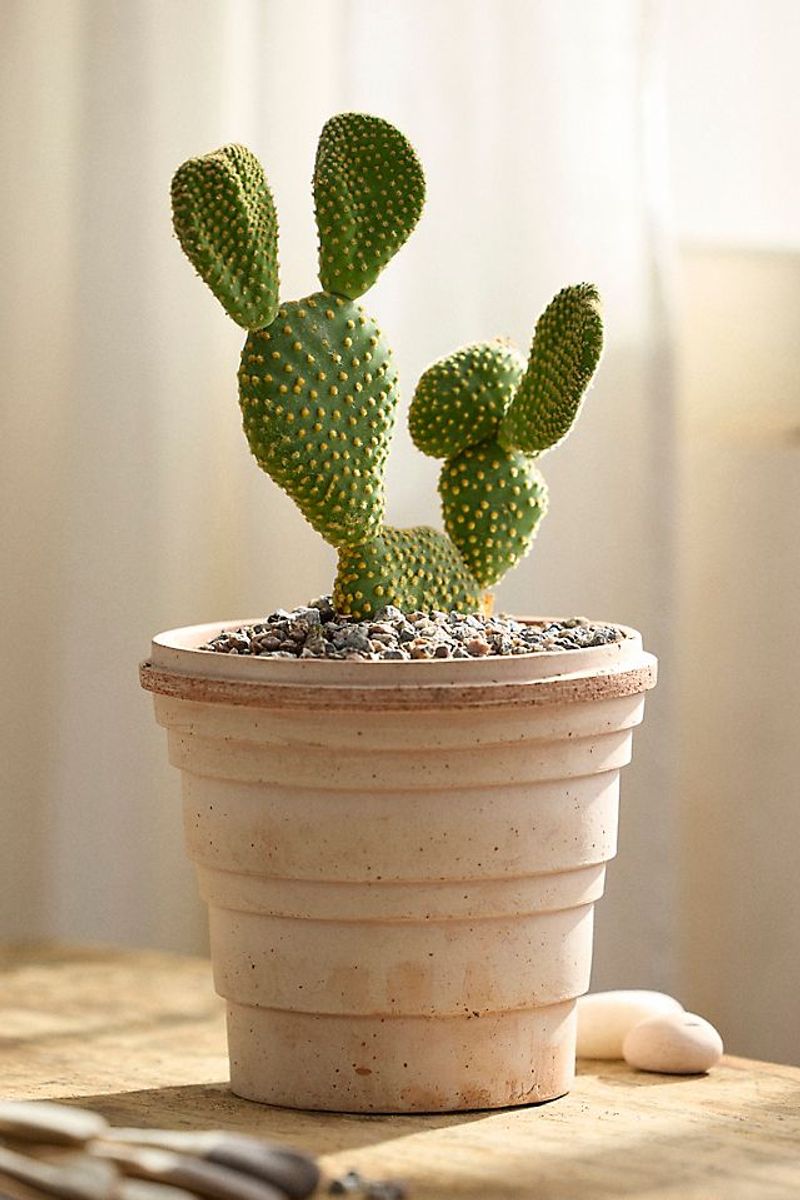
Here is something many indoor gardeners overlook: cacti need a real rest period to bloom, and that rest requires cooler temperatures.
Without a proper dormancy phase in winter, your Bunny Ear Cactus simply will not set flower buds no matter how well you care for it the rest of the year. Think of it as the plant recharging for its big spring performance.
During winter, aim to keep your cactus in a spot where temperatures stay between 50 and 60 degrees Fahrenheit.
An unheated spare bedroom, a cool sunroom, or a spot near a drafty but frost-free window can work well in a North Carolina home.
Most heated living rooms stay too warm for a proper dormancy, so moving the plant to a cooler area is worth the extra effort.
Along with cooler temperatures, reduce watering significantly during this rest period so the soil stays mostly dry.
The combination of cool air and dry soil mimics the natural winter conditions of the cactus’s native Mexican desert habitat.
North Carolina homes tend to run warm in winter thanks to central heating, so being intentional about finding a cooler spot is genuinely important.
Stick with this routine for six to eight weeks and your plant will be primed and ready to bloom when spring warmth returns.
4. Water Less In Winter, More In Active Growth
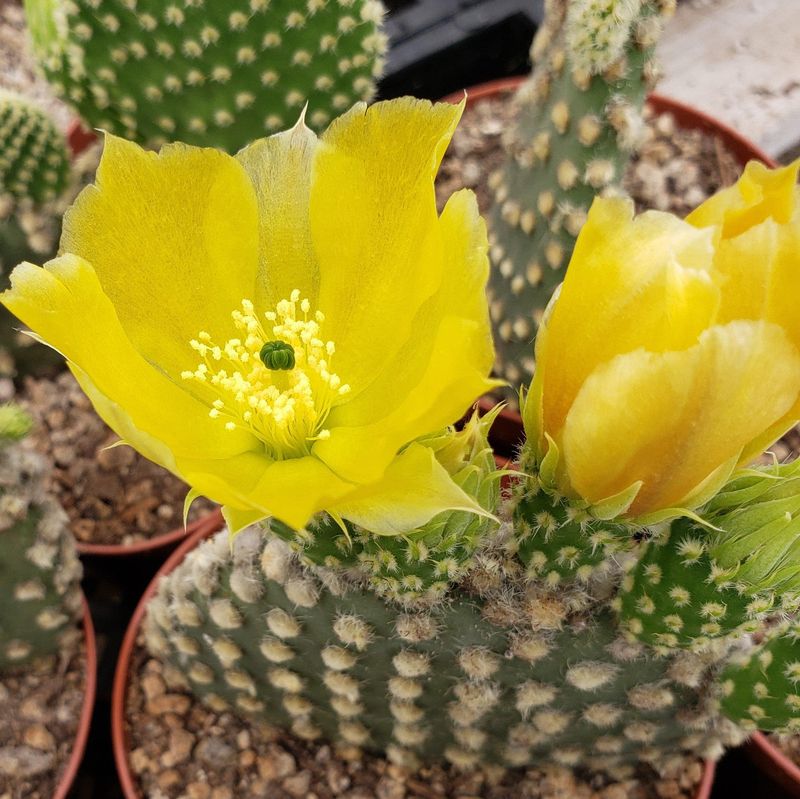
Watering a cactus sounds simple, but getting the timing right is actually one of the trickiest parts of coaxing blooms from a Bunny Ear Cactus.
Overwatering is the number one mistake indoor growers make, and it can completely prevent flowering by keeping the roots too wet to enter proper dormancy.
The good news is that this plant is very forgiving once you understand its rhythm. During spring and summer, water your cactus thoroughly every two to three weeks, letting the water drain completely through the pot each time.
Always check that the soil is bone dry before you water again, because sitting in even slightly damp soil for too long causes problems.
North Carolina summers can be humid, which sometimes slows soil drying indoors, so always check with your finger before reaching for the watering can.
When fall arrives and temperatures cool down, start stretching out the time between waterings.
By mid-winter, watering just once a month or even less is often enough to keep your plant healthy without disrupting its dormancy.
Dry roots during the cool winter months are a key signal that encourages bud formation for the coming spring.
Getting this seasonal watering rhythm right is one of the most reliable ways to boost your chances of seeing those bright blooms appear on your North Carolina windowsill.
5. Fast-Draining Soil Makes A Big Difference
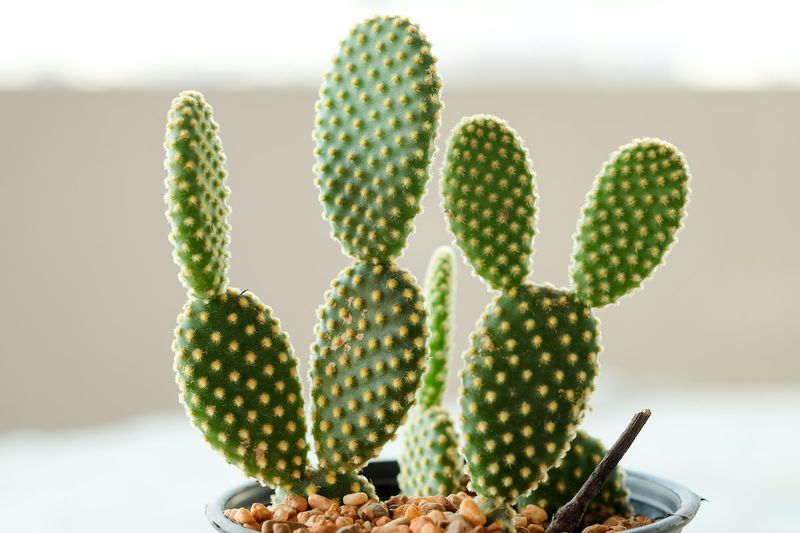
Soil might not seem exciting, but choosing the right mix for your Bunny Ear Cactus can genuinely change whether or not it blooms.
Regular potting soil holds too much moisture for a cactus, and roots that stay wet too long become weak and unhealthy. Healthy, strong roots are essential for the plant to have enough energy to produce flowers.
A quality cactus and succulent potting mix is the easiest starting point, and you can find it at most garden centers across North Carolina.
For even better drainage, mix in about 30 to 50 percent coarse sand or perlite to help water move through quickly.
When you water, the liquid should flow freely out of the drainage holes within seconds rather than pooling at the bottom of the pot.
North Carolina’s indoor humidity levels, especially during summer, can slow down how fast soil dries out compared to drier climates.
This makes excellent drainage even more important here than it might be in a drier state. Always use a pot with drainage holes and never let your cactus sit in a saucer of standing water.
Terracotta pots are especially helpful because they are porous and allow moisture to evaporate through the sides, keeping roots drier and happier between waterings. Good soil setup from the start saves a lot of trouble later on.
6. Light Fertilizing During Active Growth Only
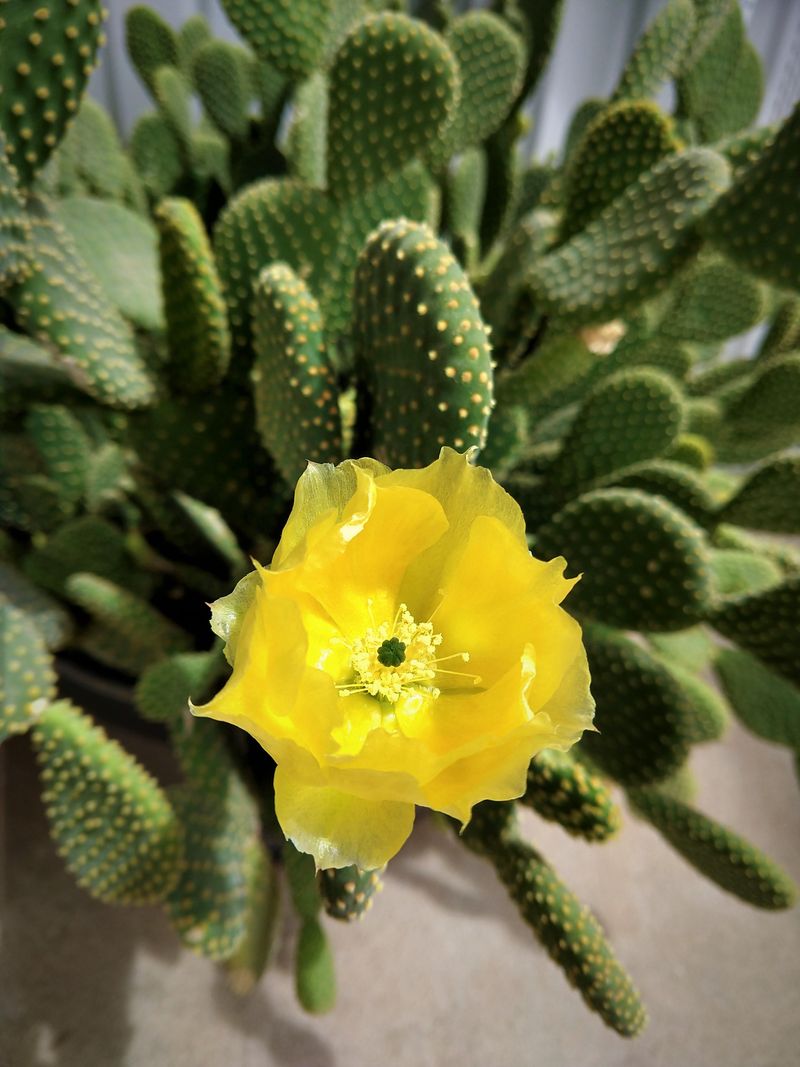
Fertilizer can be a helpful tool for encouraging blooms, but only when used correctly and sparingly.
Many indoor plant lovers in North Carolina tend to overfeed their plants, thinking more nutrients means better growth.
With a Bunny Ear Cactus, too much fertilizer actually pushes the plant to grow more pads instead of putting energy toward producing flowers.
During the active growing season, which runs roughly from spring through early fall, feed your cactus with a diluted cactus fertilizer about once a month.
Look for a fertilizer that is lower in nitrogen and higher in phosphorus, since phosphorus supports root health and flower development.
Always dilute the fertilizer to half the recommended strength to avoid overwhelming the plant with nutrients it cannot use.
Stop fertilizing completely once fall arrives and your cactus begins its winter rest period. Feeding a dormant plant confuses it into trying to grow when it should be resting, which disrupts the bud-setting process entirely.
North Carolina homes are full of enthusiastic plant parents who mean well but accidentally reduce their bloom chances by fertilizing year-round. Less truly is more with this plant.
One light monthly feeding during active growth, paired with zero feeding in winter, gives your Bunny Ear Cactus the clean, balanced nutrition it needs to store energy and eventually reward you with those gorgeous yellow blooms.
7. Mature Plants Bloom Far More Reliably
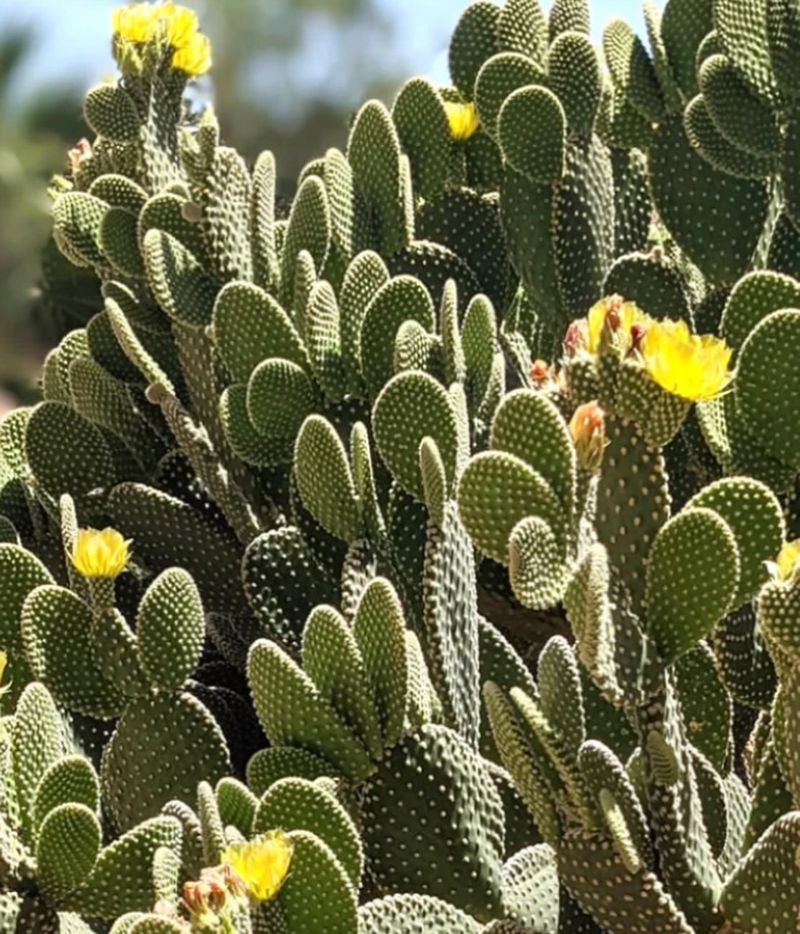
Patience is genuinely one of the most important ingredients in getting a Bunny Ear Cactus to bloom indoors.
Young plants, especially those less than two to three years old, rarely have enough energy stored to produce flowers even under perfect conditions.
The plant simply needs time to grow enough pads and build up the reserves required for flowering.
A mature Bunny Ear Cactus typically has multiple well-developed pads and a strong, established root system.
Once your plant reaches this stage, usually after several years of consistent care, it becomes much more likely to respond to the right light, temperature, and watering cues by setting buds.
Many North Carolina growers are surprised to find their cactus suddenly blooming after years of quiet, steady growth.
If you recently bought a small cutting or a young plant from a nursery, enjoy watching it grow and focus on building good care habits rather than expecting flowers right away. Each new pad that forms is a sign your plant is maturing and gaining strength.
Keeping detailed notes on your care routine can help you track what works and what does not over multiple growing seasons.
North Carolina summers outdoors and cool indoor winters will stack up year after year, gradually preparing your plant for that exciting moment when the first yellow bud finally appears at the edge of a pad.
8. Stable Conditions Prevent Stress And Protect Buds
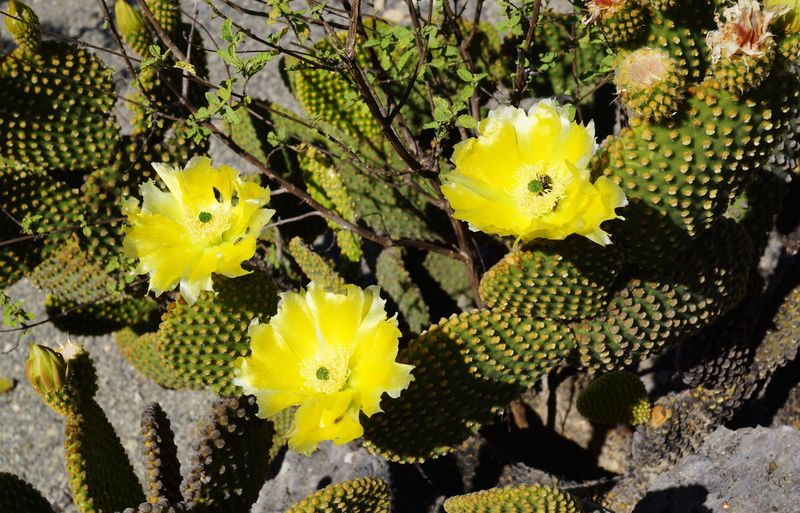
Once your Bunny Ear Cactus starts forming buds, the worst thing you can do is move it.
Cacti are surprisingly sensitive to sudden changes in their environment, and shifting a plant that has just set buds to a new location can cause those buds to drop before they ever open.
Stability is everything at this stage, and North Carolina homes can throw several challenges at your plant if you are not careful.
Keep your cactus away from heating and cooling vents, which blast hot or cold air that creates temperature swings around the plant.
Drafty windows in older North Carolina homes can also stress the plant during winter, even while providing some of the cool temperatures needed for dormancy.
Finding a spot that is both well-lit and sheltered from strong air currents is the sweet spot you are aiming for. Avoid rotating or relocating the plant frequently once it is settled and growing well.
Even small adjustments, like moving it from one side of a windowsill to another, can stress a cactus that is preparing to bloom.
North Carolina seasons bring natural shifts in indoor temperature and humidity throughout the year, so monitor your plant regularly and make only gentle, gradual adjustments when needed.
A calm, consistent environment sends the right signals to your cactus and gives those precious buds the best possible chance of opening into full, beautiful flowers.