The Spring Tasks That Prevent Summer Plant Stress In California
California gardeners know how fast a comfortable spring can turn into a rough summer. One stretch of warm weather, a few dry winds, and suddenly plants that looked perfectly happy in April start crisping at the edges or fading before their time.
Summer stress usually gets blamed on heat alone, but a lot of it starts much earlier.
Spring is when plants build the root strength, moisture habits, and general resilience they will lean on later. That is why a few timely chores can make such a big difference.
They are not flashy jobs, and they do not usually get much attention, but they help plants handle long dry spells, hot afternoons, and sharper sun without falling apart.
This is also where California gardening becomes very regional, because what helps in one part of the state may need tweaking in another. A handful of spring moves can change how the whole yard performs when summer starts pressing hard.
1. Check Your Regional Vegetable Planting Guide
Every region of California plays by its own rules when it comes to planting. What works in San Diego might not work in Sacramento, and the timing for coastal gardens near San Francisco is completely different from gardens in the hot Central Valley.
Checking your regional vegetable planting guide each spring is one of the smartest moves you can make before putting anything in the ground.
Many California counties have UC Master Gardener or UC ANR planting guides and seasonal calendars, but the exact resources vary by county. These guides tell you exactly when to start seeds indoors, when to transplant, and when the last frost date typically falls in your area.
Ignoring this information can lead to planting too early or too late, which stresses plants and reduces your harvest.
Using a regional guide also helps you pick vegetable varieties that are well-suited to your specific climate. Some tomato types, for example, handle the intense inland heat much better than others.
A quick look at your planting guide each spring takes only a few minutes but can make the difference between a thriving California garden and a frustrating one.
2. Prepare Beds Before Planting
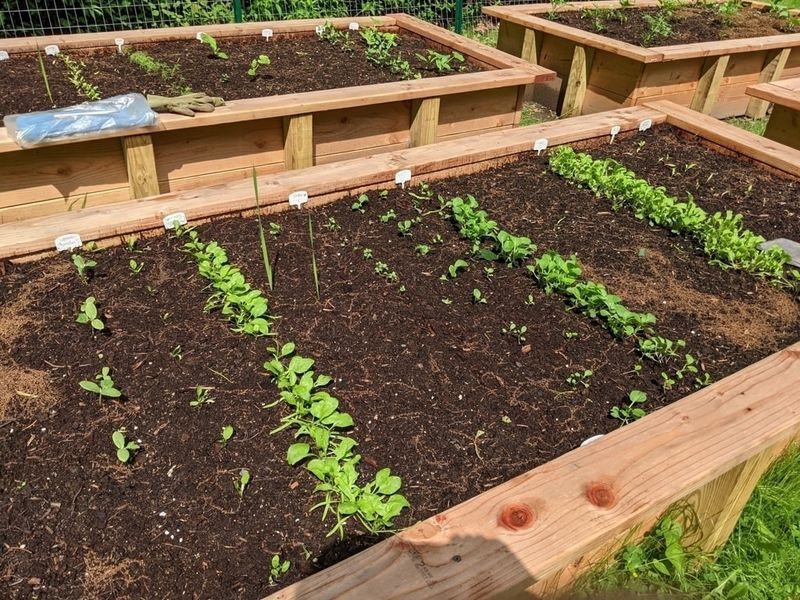
Healthy plants start with healthy soil, and that means getting your beds ready before a single seed or seedling goes in. Compacted soil from winter rains makes it hard for roots to spread out and access the water and nutrients they need.
Loosening the soil with a garden fork or tiller each spring gives roots room to grow deep, which is especially important during California’s hot, dry summers.
Start by clearing out any leftover plant debris, old roots, and weeds from the previous season. These can harbor pests and disease if left in place.
Once the bed is cleared, loosen the soil to a depth of at least 12 inches, being careful not to work the soil when it is too wet, as this can damage its structure.
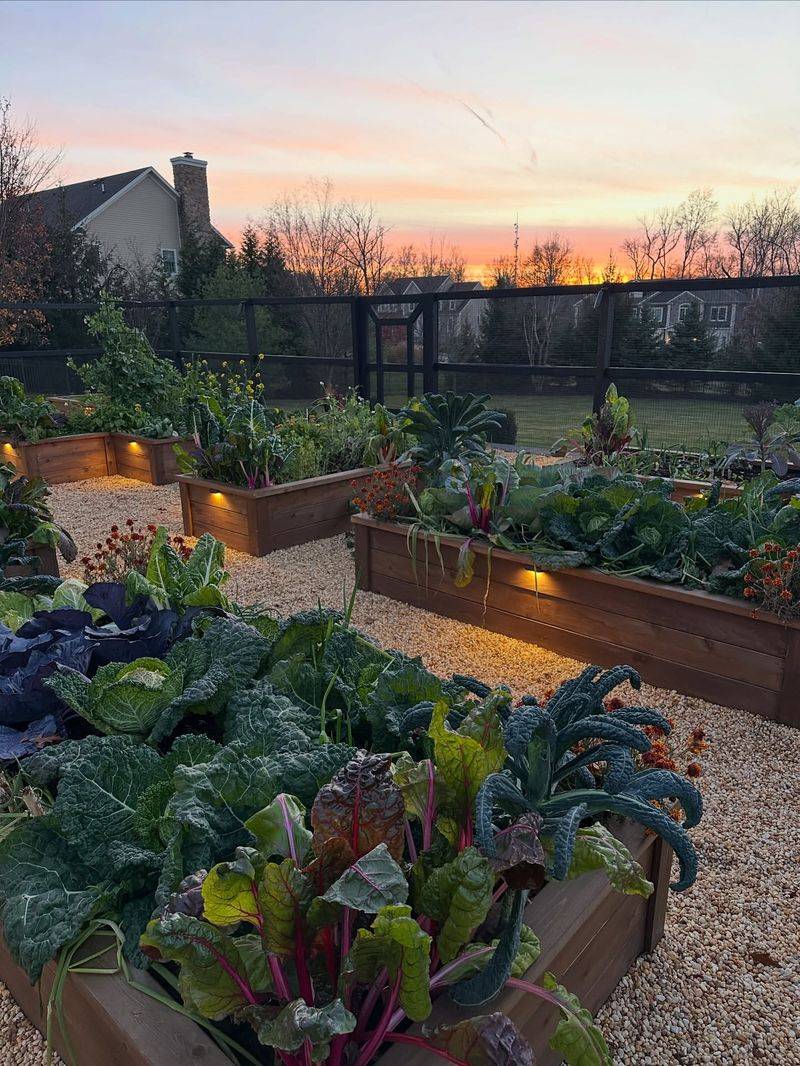
Raised beds are popular across California because they offer excellent drainage and warm up faster in spring. If you are working with native ground soil, consider building up the bed with fresh topsoil mixed with organic matter.
Your California Garden Changes Every Week. Your Plan Should Too.
Gardening in California changes quickly throughout the season. Every Friday you’ll receive a simple weekly plan showing exactly what to plant, prune, fertilize, harvest, and protect so you never miss the right timing.
A well-prepared bed holds moisture more efficiently, which means your plants will handle summer heat with much less stress and need less frequent watering overall.
3. Work In Compost Or Other Organic Matter
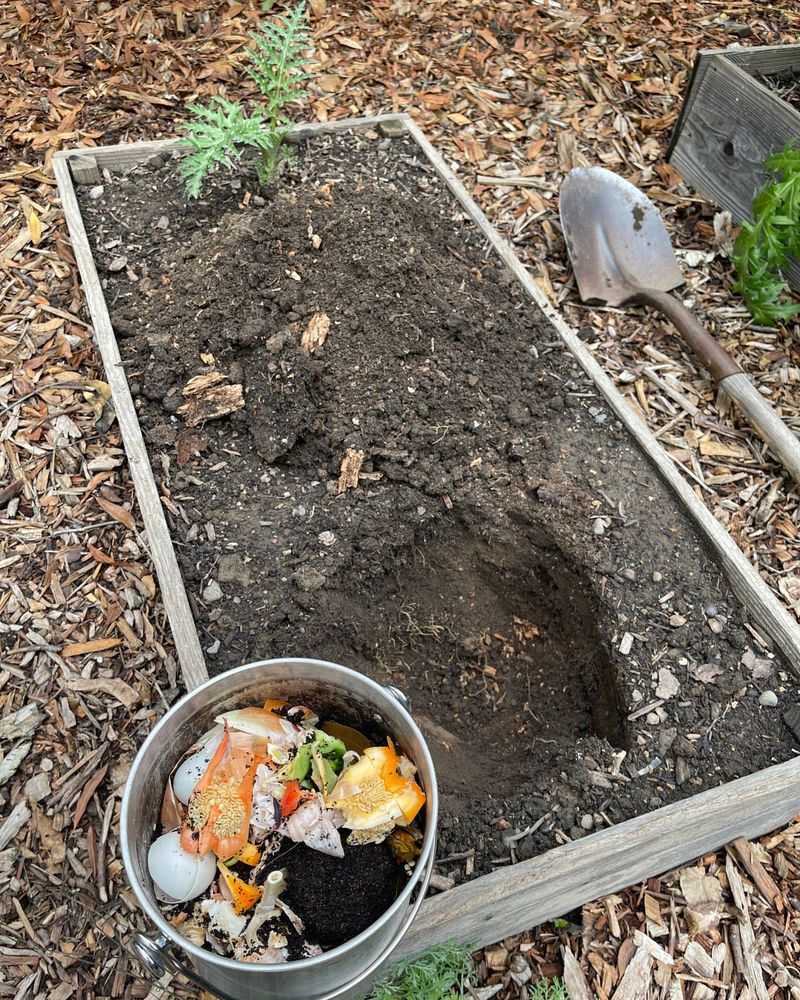
Compost is basically a superfood for your garden soil. Working it into your beds each spring improves the soil’s texture, helps it hold moisture, and feeds the beneficial microbes that keep plants healthy.
In many parts of California, soils tend to be sandy or clay-heavy, and neither type is ideal for growing vegetables without a little help from organic matter.
Sandy soils drain too fast, which means water and nutrients wash away before roots can absorb them. Clay soils hold water too long, which can suffocate roots.
Adding a 2 to 3 inch layer of compost and working it in about 8 to 10 inches deep solves both problems by improving drainage in clay and water retention in sandy soils.
You do not have to buy compost from the store. Many California cities offer free or low-cost compost through municipal composting programs, making it easy and affordable to amend your garden.
You can also make your own compost at home using kitchen scraps and yard waste. Either way, incorporating organic matter into your beds every spring builds soil health over time, giving your plants a strong foundation that helps them stay resilient through the heat of a California summer.
4. Add Organic Fertilizer At Planting Based On Crop Needs
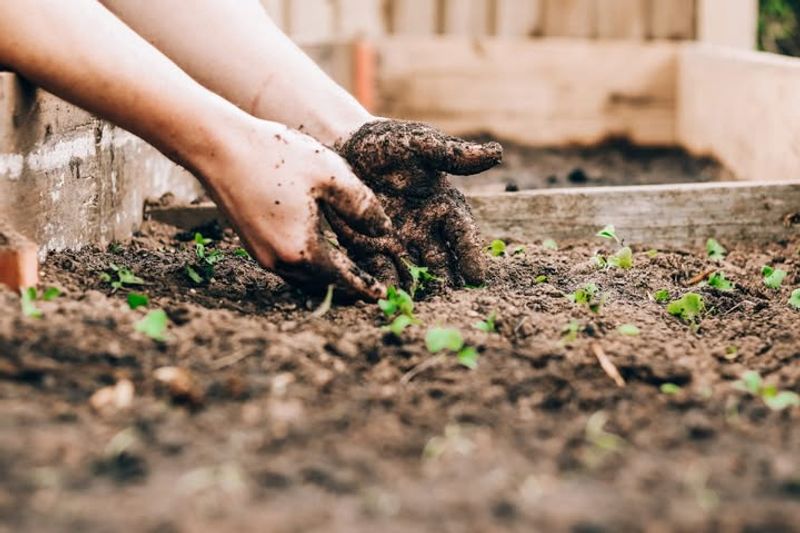
Not all plants are hungry for the same nutrients, and feeding them the right way from the start makes a huge difference. Tomatoes, peppers, and squash are heavy feeders that benefit from a slow-release organic fertilizer worked into the soil at planting time.
Leafy greens like lettuce and spinach need steady nitrogen, while root vegetables like carrots do better with moderate nitrogen and without excess phosphorus.
Organic fertilizers, such as fish meal, bone meal, kelp, and composted manure, release nutrients slowly and steadily. This steady feeding style is much better for plants than a quick chemical surge that fades fast.
Slow-release fertilizers also improve soil biology, which helps your California garden stay productive through the summer months.
Always read the label and follow the recommended application rates. Over-fertilizing can burn young roots and actually make plants more vulnerable to heat stress.
A soil test from a commercial lab can help show what nutrients your soil may be lacking and cut down on guesswork. Matching the fertilizer to the crop’s specific needs right at planting time sets up each plant for steady, healthy growth from day one.
5. Protect Frost-Sensitive Plants And Seedlings
Even though California is known for warm weather, late spring frosts can still sneak up on gardeners, especially in higher elevation areas, the Central Valley, and inland regions. A single cold night can wipe out tomato transplants, pepper seedlings, and tender herbs that have just been planted.
Knowing when your area is past its last frost date is essential before setting out warm-season crops.
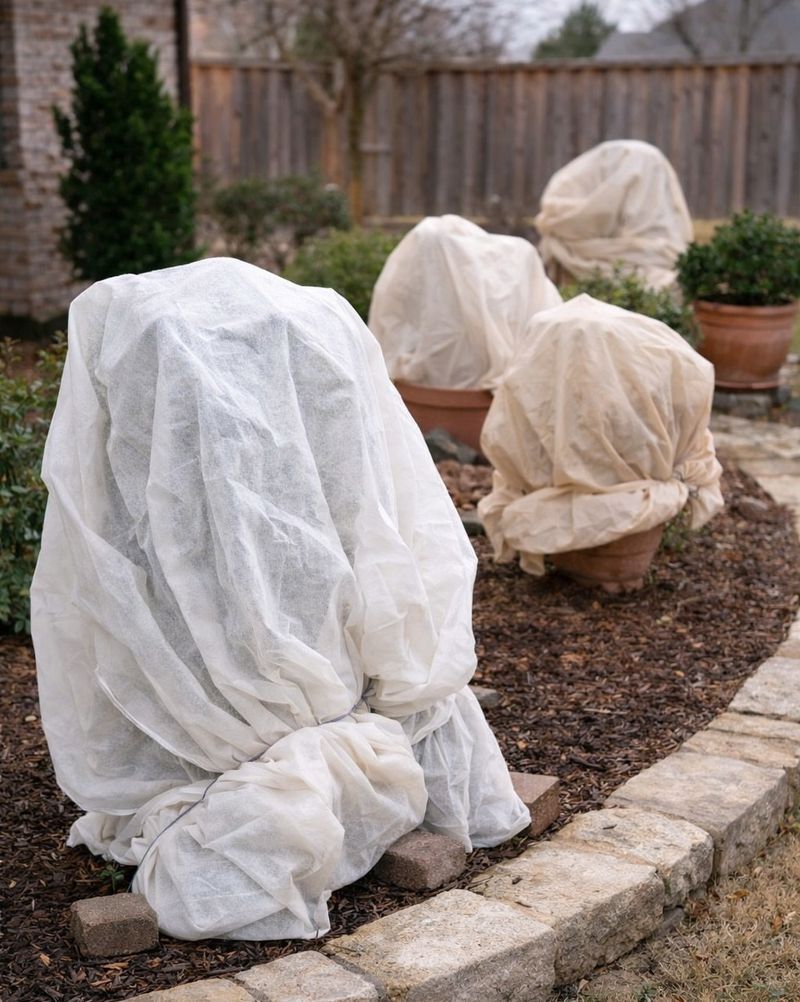
Frost cloth, also called row cover, is one of the best tools you can keep on hand during early spring. It traps warmth around plants on cold nights while still letting in light and air during the day.
For extra protection, water your plants in the late afternoon before a cold night, since moist soil holds heat better than dry soil.
Cold frames and cloches are also great options for protecting individual plants or small seedling groups. Even a simple plastic milk jug with the bottom cut off can shield a young tomato plant from an unexpected frost.
In California, spring weather can swing from warm to cold within a day or two, so staying alert to weather forecasts and having protective covers ready to use saves young plants and keeps your garden on track for a strong summer harvest.
6. Harden Off Transplants Before Setting Them Out
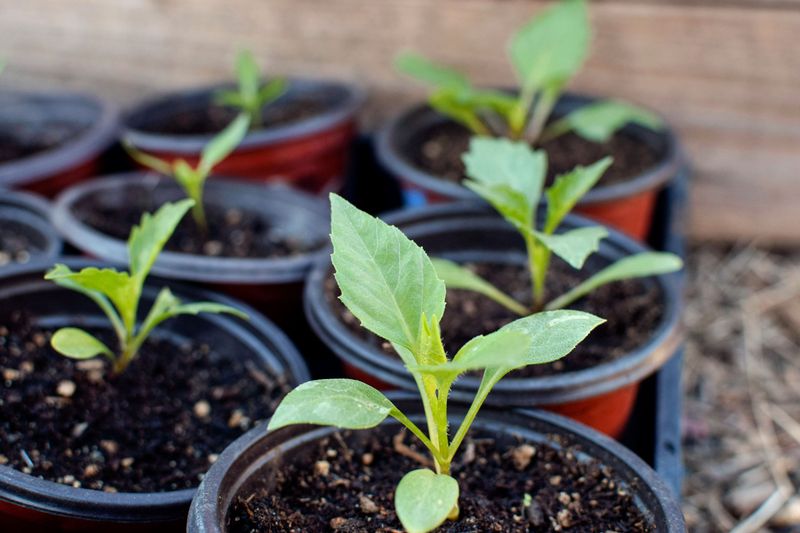
Moving plants from a cozy indoor environment straight into the California sun is a recipe for shock. Seedlings that have been growing under grow lights or in a greenhouse are not ready to handle full sun, wind, and temperature swings right away.
Hardening off is the process of gradually introducing transplants to outdoor conditions over one to two weeks, and it is one of the most important steps you can take to reduce transplant stress.
Start by placing seedlings outside in a shaded, sheltered spot for just a couple of hours each day. Over the following days, gradually increase their time outdoors and move them into more sun.
By the end of the hardening period, they should be able to handle a full day of outdoor conditions without wilting or showing signs of stress.
Skipping this step can cause sunscald, wilting, and stunted growth, all of which weaken the plant before summer even begins. In California, where spring days can already be quite warm and sunny, hardening off is especially important for crops like tomatoes, eggplant, and basil.
Taking those extra few days to ease transplants into their new environment pays off with stronger, more resilient plants that handle summer heat far more effectively.
7. Install Stakes, Cages, Or Trellises At Planting Time
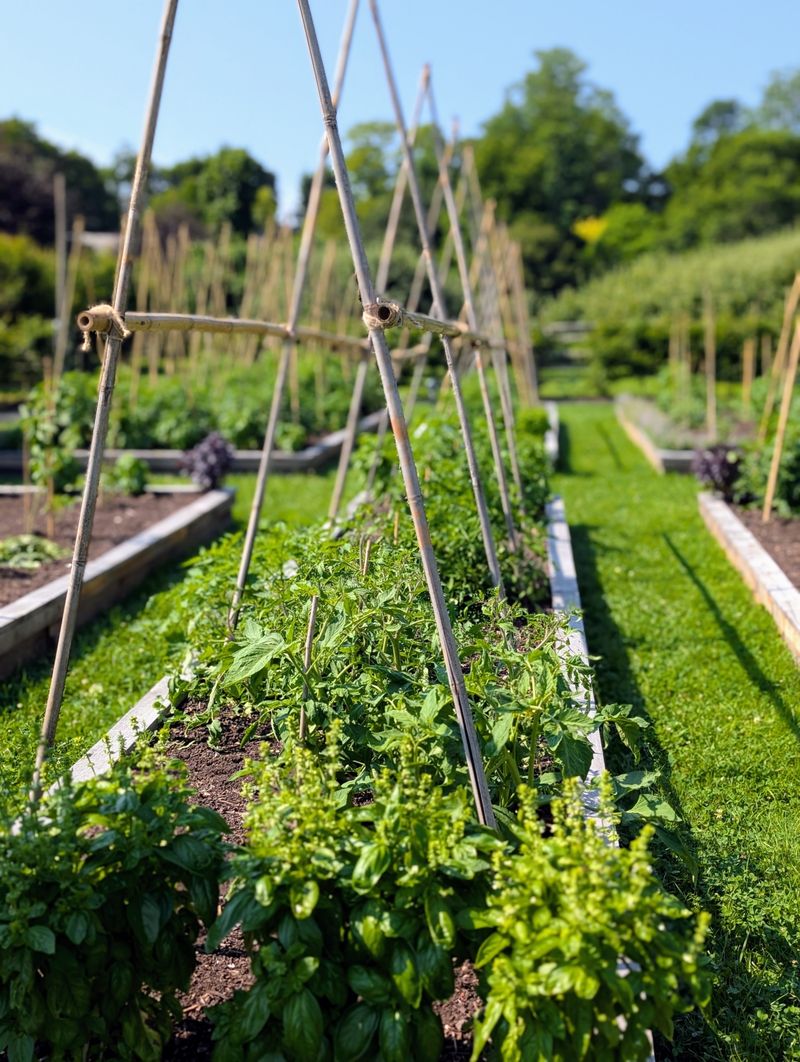
One of the easiest mistakes new gardeners make is waiting too long to install plant supports. By the time a tomato plant is 3 feet tall and loaded with fruit, trying to push a cage around it without breaking stems is nearly impossible.
Setting up stakes, cages, or trellises at planting time is so much easier and causes zero stress to the plant.
In California, summer winds can also be a problem, especially in coastal areas and the Bay Area. A well-supported plant is far less likely to snap or tip over during gusty afternoons.
Cucumbers, beans, and peas grow much better when given a trellis to climb, and vertical growing actually improves airflow around the plant, which reduces fungal disease problems in humid coastal climates.
For tomatoes, use a heavy-duty cage or a strong stake and tie the main stem loosely with soft garden ties as the plant grows. For climbing crops, a simple A-frame trellis made from bamboo poles works beautifully and costs very little.
Installing supports early also makes it easier to mulch around plants and manage irrigation lines. A little planning at planting time saves a lot of wrestling with tangled plants later in the season.
8. Mulch To Hold Moisture And Reduce Heat Stress
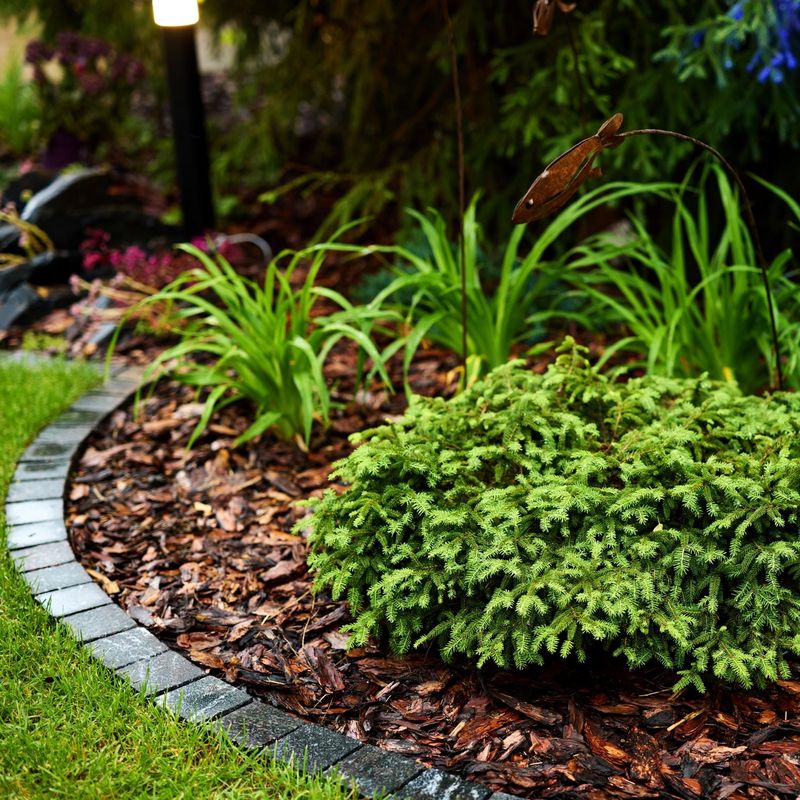
Mulching is one of the single most effective things you can do to prepare your California garden for summer. A 2 to 3 inch layer of organic mulch spread around your plants acts like a blanket over the soil, keeping moisture in and heat out.
In a state where summer temperatures regularly climb past 90 or even 100 degrees, that layer of mulch can mean the difference between a plant that thrives and one that struggles to survive.
Straw, wood chips, shredded leaves, and even grass clippings all work well as mulch materials. Apply mulch after planting and after your first deep watering so the soil already has moisture to hold onto.
Keep mulch a few inches away from plant stems to prevent rot and discourage pests from nesting right at the base of your plants.
Beyond moisture retention, mulch also suppresses weeds, which compete with your vegetables for water during dry California summers. As organic mulch breaks down over time, it adds nutrients back into the soil, slowly improving its quality with every season.
Many experienced California gardeners consider mulching one of the most rewarding spring habits they have developed, and once you see how much less watering your garden needs, you will understand why.
9. Water Well During Heat And Extreme Weather
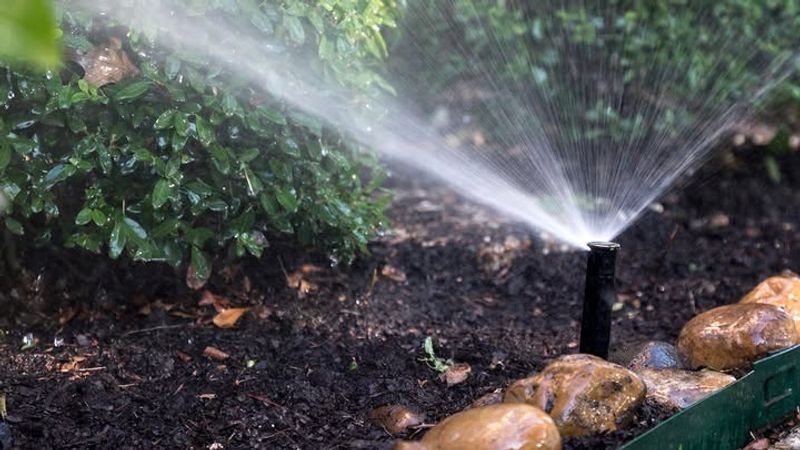
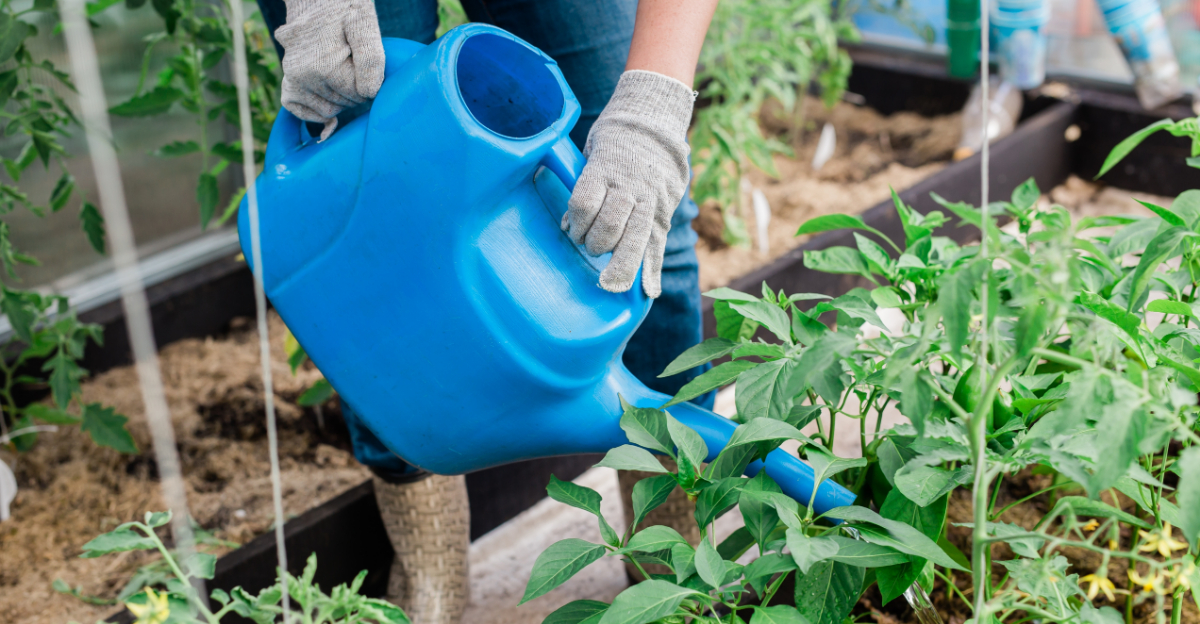
California summers can be brutally hot, and plants need consistent, deep watering to stay healthy when temperatures spike. Shallow, frequent watering encourages roots to stay near the surface, where they are most vulnerable to heat.
Deep, infrequent watering trains roots to grow deeper into the soil, where it stays cooler and moisture lasts longer.
Drip irrigation is widely recommended across California because it delivers water directly to the root zone with minimal evaporation. Setting up a drip system in spring, before the heat arrives, means your plants will have reliable hydration throughout the hottest months.
Soaker hoses are a more affordable alternative that work in a similar way and are easy to install around garden beds.
Water early in the morning when temperatures are still cool, which gives plants time to absorb moisture before the heat of the day causes rapid evaporation. During extreme heat events, which are becoming more common across California, you may need to water more frequently or add a layer of extra mulch to help the soil stay moist.
Watching for signs of wilting in the early afternoon is normal, but if plants are still wilting in the evening, they need more water. Consistent watering during heat keeps plants productive and prevents stress-related problems.
10. Watch Closely For Early Pest Problems
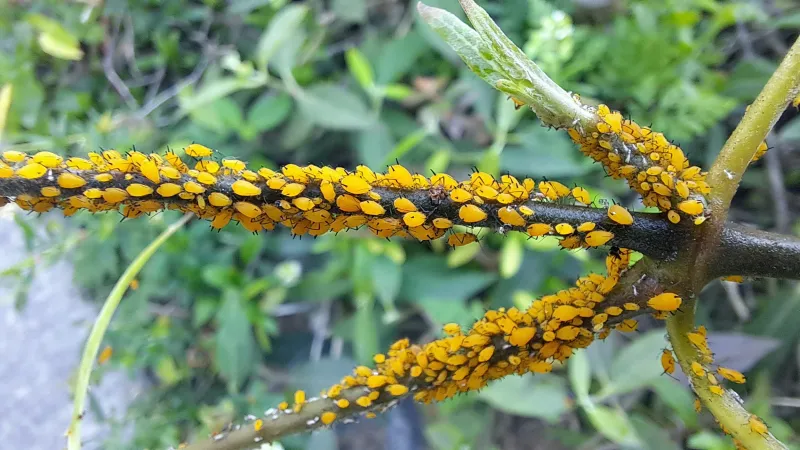
Catching pest problems early is always easier than dealing with a full-blown infestation in the middle of summer. Spring is when many common California garden pests, including aphids, whiteflies, caterpillars, and snails, begin to show up in force.
A quick walk through your garden a few times each week to check leaves, stems, and soil can help you spot trouble before it gets out of hand.
Flip leaves over and look for clusters of eggs or small insects on the undersides, which is where many pests like to hide. Look for chewed edges, sticky residue, yellowing leaves, or trails in the soil that might indicate a pest is feeding on your plants.
Early detection means you can often handle the problem with simple, low-impact solutions like hand-picking, a blast of water from the hose, or an application of insecticidal soap.
Encouraging beneficial insects is also a smart spring strategy across California. Ladybugs, lacewings, and parasitic wasps naturally control many common garden pests.
Planting flowers like marigolds, dill, and yarrow near your vegetables attracts these helpful allies. A garden that starts spring with a healthy balance of beneficial insects is far more resilient against pest pressure as the season heats up.