8 Trees To Plant In Florida This April For A Strong Start
Ever feel like you’re in a race against the Florida sun?
April is that “Goldilocks” moment for your landscape – the soil is perfectly warm, the days are stretching out, and we’re in that sweet spot before the brutal summer sizzle and daily tropical downpours arrive.
Planting a tree right now isn’t just about curb appeal; it’s about giving those roots a crucial head start to survive the humidity ahead.
Between our sandy soil and regional quirks, picking the right species is everything.
Choosing a tree that is actually built for Florida’s unique conditions ensures your investment grows into a lifelong landmark rather than a summer casualty.
1. Live Oak Builds Long-Lasting Shade In Florida Yards
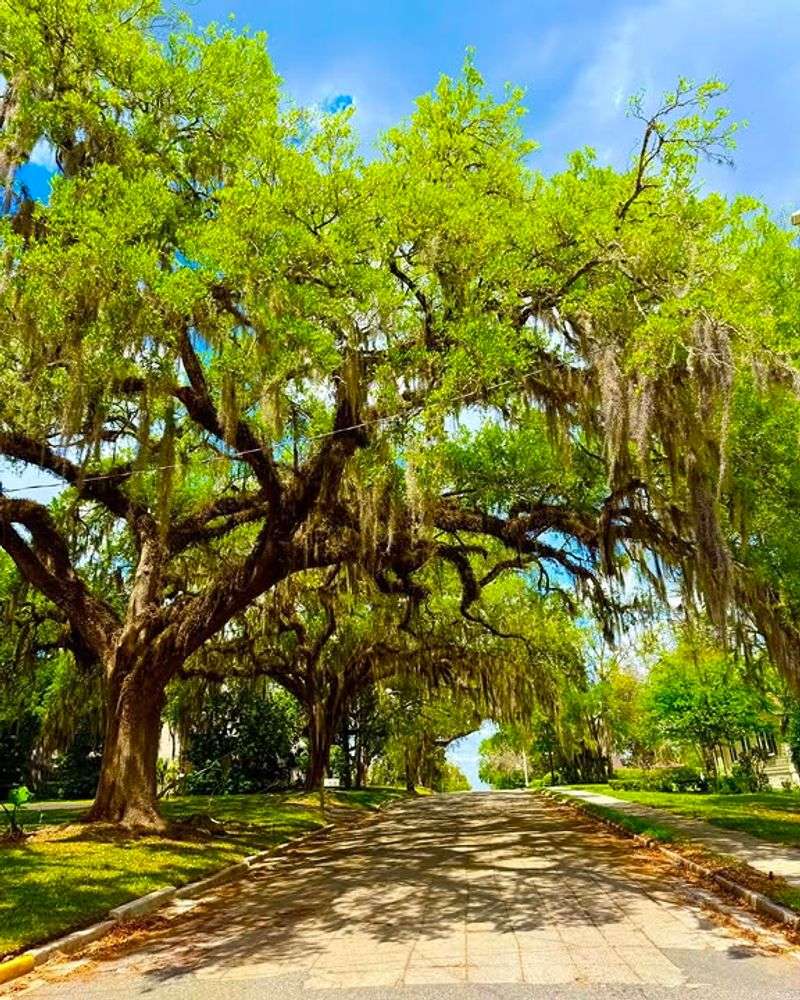
Few trees carry the kind of presence that a Live Oak brings to a Florida landscape.
With its wide, spreading canopy and gnarled branches, this native evergreen has shaded Florida yards for centuries and continues to be one of the most dependable choices for homeowners across the state.
Planting in April gives the tree time to settle its roots before the intense summer heat arrives.
Live Oak (Quercus virginiana) grows well throughout Florida, from the Panhandle all the way down to South Florida. It prefers full sun and does best in well-drained soils, though it shows impressive adaptability across different soil types.
Once established, it handles drought conditions well, which makes it a smart long-term investment for Florida gardeners who want low-maintenance shade.
Expect moderate growth in the first few years as the tree focuses energy underground. Space Live Oaks at least 20 to 25 feet from structures to allow room for the canopy to develop freely.
Water regularly during the first growing season, roughly two to three times per week, then gradually reduce frequency as roots deepen.
Wildlife, including birds and squirrels, rely on Live Oak acorns for food, making this tree a genuine contribution to the local ecosystem.
2. Bald Cypress Handles Wet Areas And Seasonal Changes
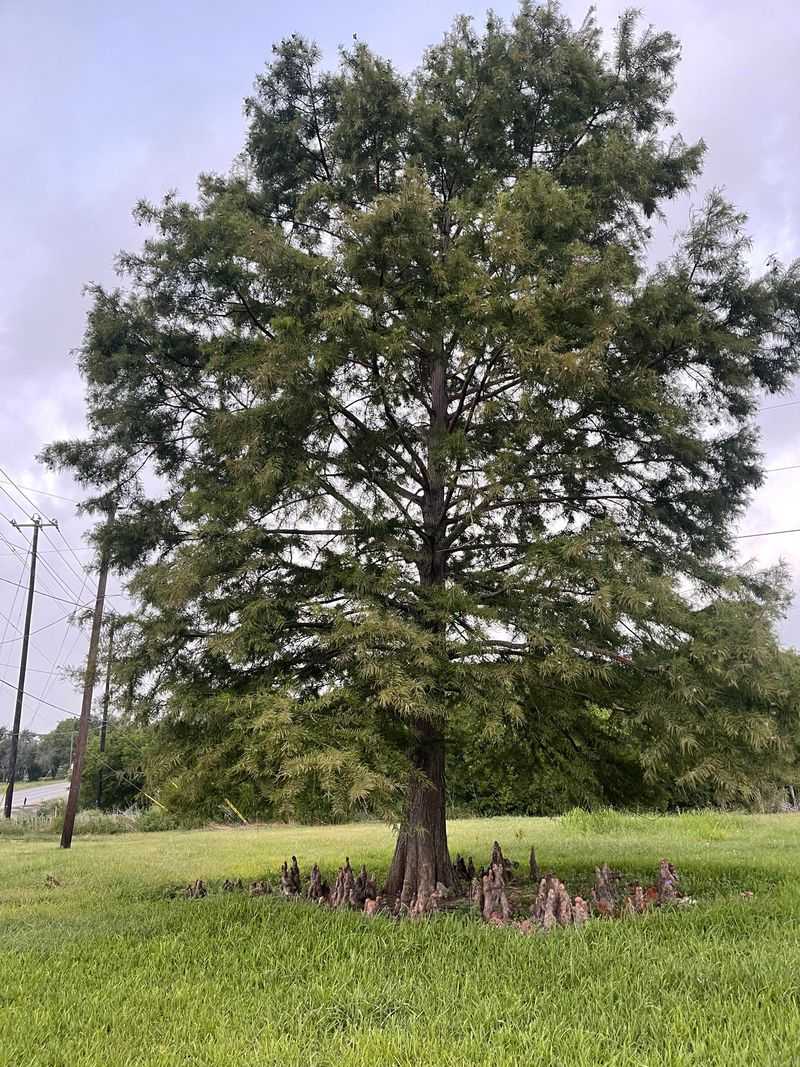
Standing at the edge of a Florida pond or low-lying yard, the Bald Cypress looks like it belongs exactly where it is.
This native deciduous conifer has adapted over thousands of years to Florida’s seasonal flood cycles, making it one of the few large trees that actually thrives in poorly drained or periodically wet areas where other trees struggle to survive.
Taxodium distichum grows naturally across North and Central Florida but performs well in South Florida too when given the right conditions. It does best in full sun and can tolerate both waterlogged soils and dry spells once it gets established.
The feathery, soft needles turn a warm coppery-orange in fall before dropping, offering a seasonal display that feels almost unexpected in a subtropical landscape.
Planting in April gives Bald Cypress the benefit of spring warmth to encourage early root growth before summer rains flood low areas.
Newly planted trees appreciate consistent watering during the first season, even in naturally moist spots, since container roots need time to adjust to native soil.
Your Florida Garden Changes Every Week. Your Plan Should Too.
Gardening in Florida changes quickly throughout the season. Every Friday you’ll receive a simple weekly plan showing exactly what to plant, prune, fertilize, harvest, and protect so you never miss the right timing.
Mature trees can reach 60 to 80 feet tall, so plan spacing accordingly. The distinctive woody knees that emerge around the base are a fascinating structural feature that adds real character to any Florida garden setting.
3. Southern Magnolia Adds Evergreen Structure And Fragrance
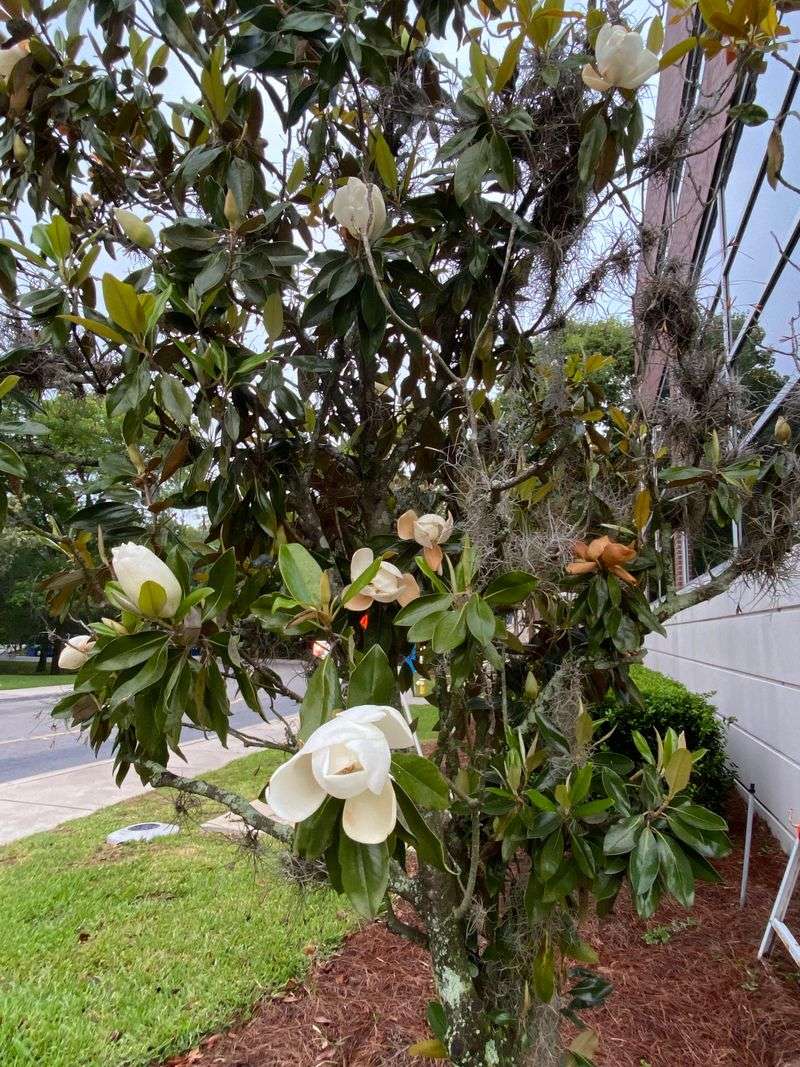
Walking past a Southern Magnolia in bloom is an experience that stays with you.
The large, creamy white flowers carry a rich, lemony fragrance that drifts across the yard on warm spring evenings, and those blooms can appear from late spring well into summer across much of Florida.
This is a tree that earns its place in the landscape through both beauty and substance.
Magnolia grandiflora is an evergreen that holds its glossy, dark green leaves year-round, providing consistent structure even when it is not flowering.
It grows well throughout North and Central Florida, with some success in parts of South Florida when planted in well-drained soils and full sun.
Heights can reach 60 to 80 feet at maturity, so it works best in larger yards or open areas where the canopy can develop without crowding.
April planting allows Southern Magnolia to push new roots through warming soil before summer heat peaks. Water newly planted trees two to three times per week during the first several months, then taper off as the tree establishes.
Mulching around the base helps retain soil moisture and regulate temperature during Florida’s unpredictable summer weather.
One practical note: the tree drops leaves, seed pods, and spent flowers regularly, so plan maintenance accordingly.
The rewards, though, are well worth the seasonal cleanup effort.
4. Crape Myrtle Brings Summer Color With Easy Care
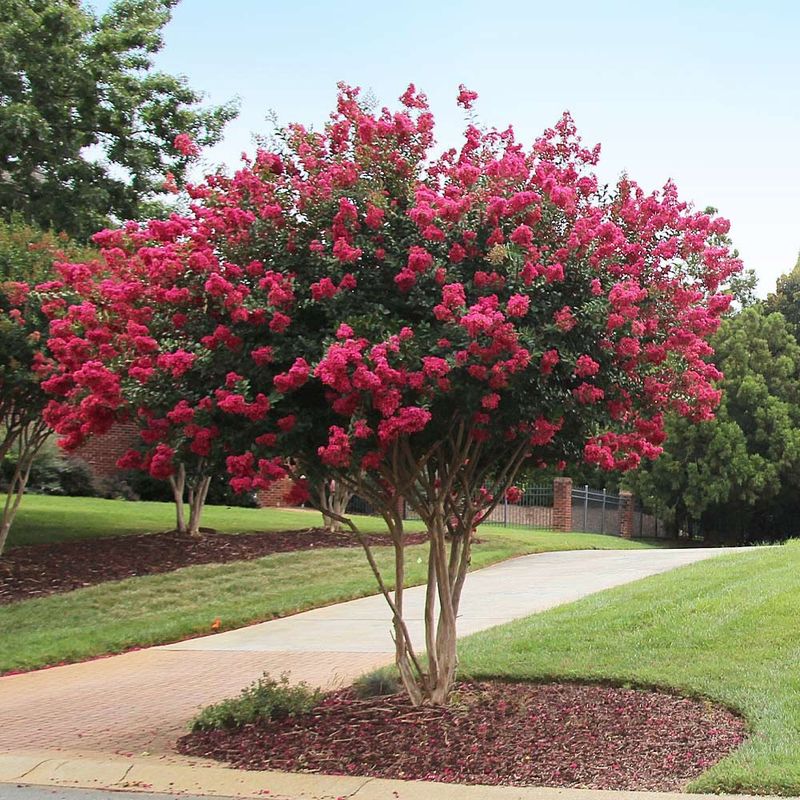
If you want a tree that practically takes care of itself while putting on a brilliant color show all summer long, Crape Myrtle is hard to beat.
Popular across Florida from the Panhandle to Central Florida, this small to medium-sized tree bursts into clusters of ruffled blooms in shades of pink, red, white, lavender, and purple, often starting in June and lasting well into fall.
Planting in April sets the tree up beautifully for its first Florida summer display.
Lagerstroemia species grow best in full sun, which Florida has in abundance, and they prefer well-drained soil with good air circulation to reduce the chance of powdery mildew.
Crape Myrtles are moderately drought-tolerant once established, though regular watering during the first growing season helps roots spread deeper into Florida’s sandy soil.
Sizes range widely depending on variety, from compact shrub forms to trees reaching 25 to 30 feet tall, so choosing the right cultivar for your space matters.
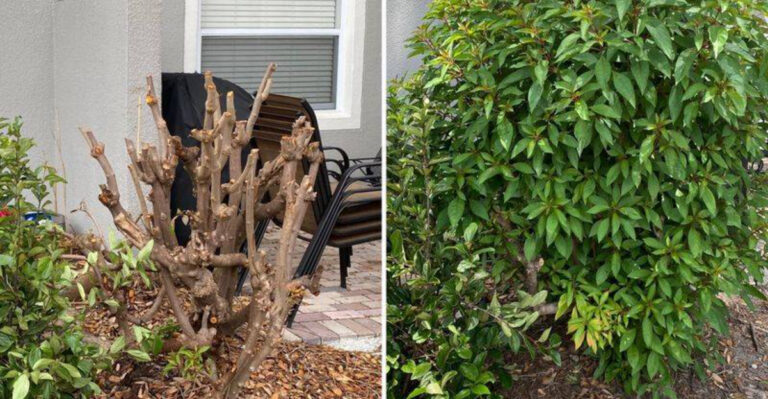
One important tip for Florida gardeners: resist the urge to heavily prune, a practice sometimes called “crape murder,” which weakens the tree’s natural form and reduces bloom quality over time.
Light shaping after the blooming season is enough to maintain a healthy structure.
Fertilize lightly in spring, and let the tree do what it does naturally. Few trees offer this level of seasonal color with so little fuss in a Florida yard.
5. Red Maple Adds Fast Growth And Seasonal Interest
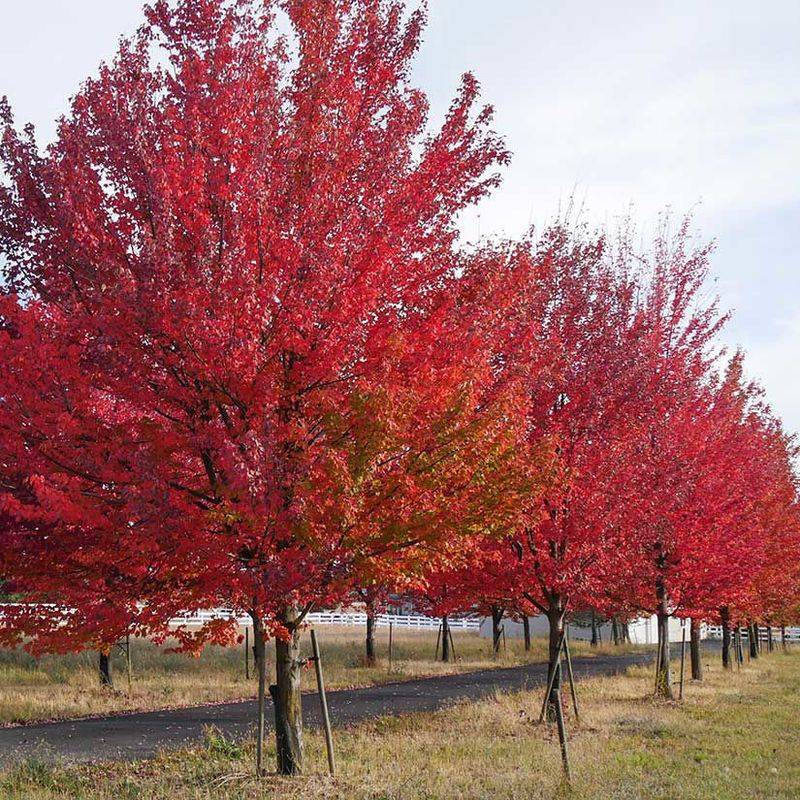
Speed and adaptability are two qualities Florida gardeners appreciate, and Red Maple delivers both.
Acer rubrum is one of the fastest-growing native trees in the eastern United States, capable of putting on two or more feet of height per year under good conditions.
For anyone who wants meaningful canopy coverage within a few seasons rather than waiting a decade, this tree is worth serious consideration.
Red Maple grows naturally across all of Florida, making it one of the few large native trees suited to the entire state. It adapts to a wide range of soils, including the wet, poorly drained conditions that challenge many other species.
In Florida, it tends to thrive near low-lying areas, retention ponds, or spots that stay moist after summer rains.
Full sun to partial shade works well, though full sun generally encourages stronger, more upright growth.
Planting in April takes advantage of warming soil and gives roots time to spread before summer heat builds. Water frequently during the first several months, especially in drier areas of Central and South Florida.
Fall color in Florida may be more subtle than what you see in northern states, but the tree still offers attractive seasonal interest through its red seed clusters in spring and shifting foliage tones in cooler months.
As a native species, Red Maple also provides habitat and food sources for a variety of Florida wildlife throughout the year.
6. Dahoon Holly Provides Native Beauty And Year-Round Structure
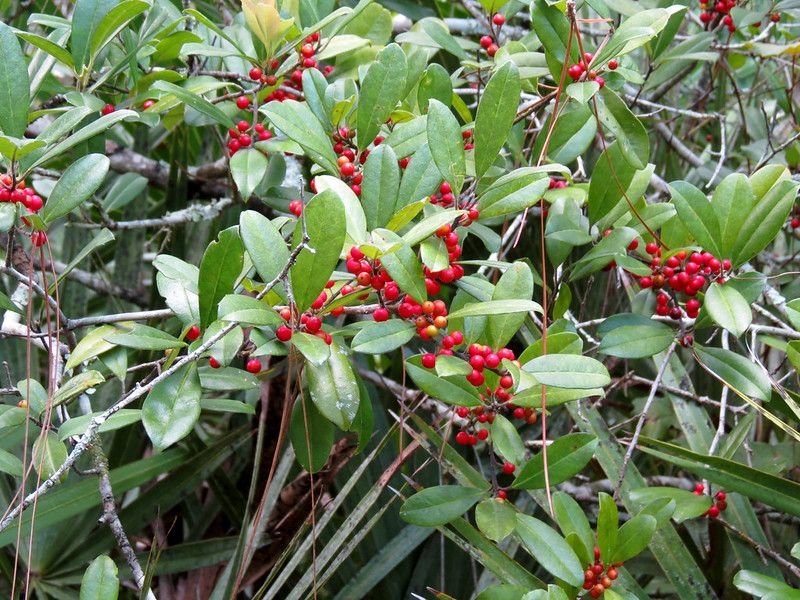
Bright red berries clustered against glossy green leaves make Dahoon Holly one of the most visually striking native trees in Florida, especially during the cooler months when color in the landscape can feel sparse.
Ilex cassine is a natural fit for Florida gardeners who want something that looks polished year-round without requiring constant attention.
Its moderate size and upright form make it versatile for many yard layouts.
Dahoon Holly grows throughout Florida, from North Florida wetlands down into South Florida coastal areas. It tolerates wet, poorly drained soils exceptionally well, which makes it a smart choice for low spots, rain gardens, or areas near water features.
Full sun to partial shade suits this tree, and it handles Florida’s summer humidity without much complaint. Mature trees typically reach 20 to 30 feet tall, fitting comfortably into residential landscapes without overwhelming smaller spaces.
April is an excellent time to plant because the mild temperatures allow roots to establish steadily before summer rains begin.
Water new plantings consistently for the first growing season, and add a layer of mulch around the base to conserve moisture and protect roots during Florida’s warm-weather months.
Female trees produce the showy berries, so if berry production is a priority, confirm the plant’s sex at purchase.
Birds, including cedar waxwings and robins, are drawn to the fruit, making Dahoon Holly a rewarding addition to any Florida wildlife-friendly yard.
7. Gumbo Limbo Thrives In Warm Coastal Conditions
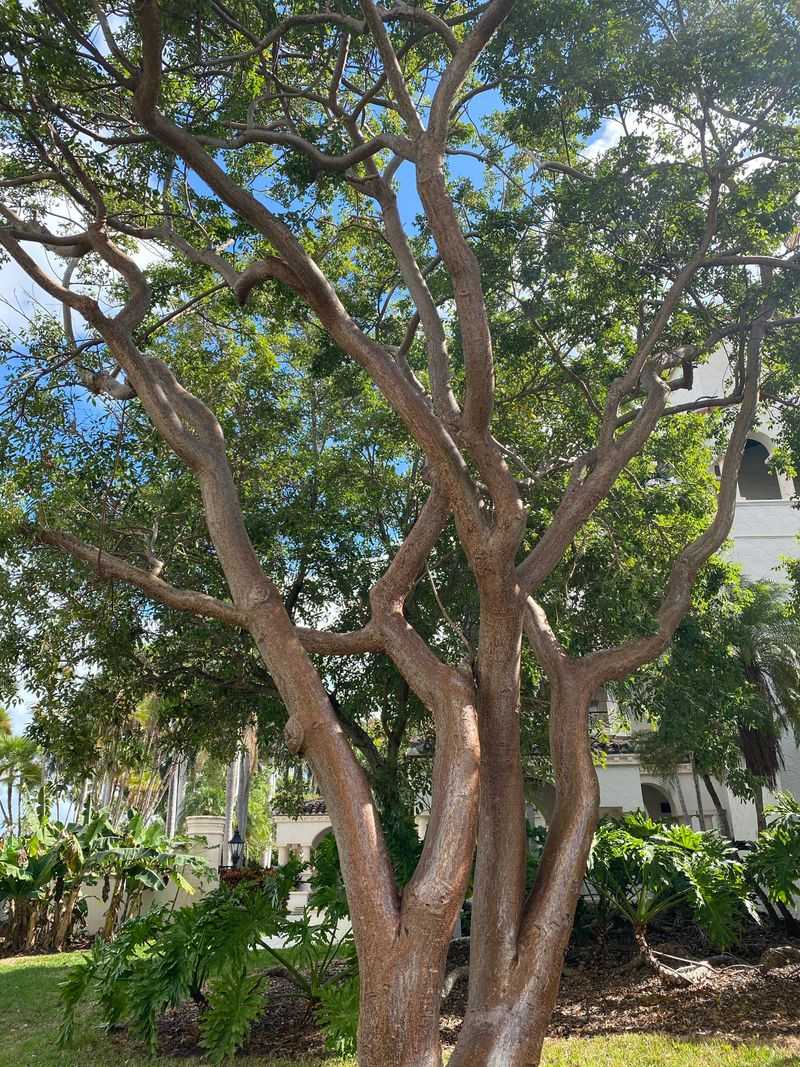
Locals along Florida’s southern coastline sometimes call the Gumbo Limbo the “tourist tree” because its peeling reddish-brown bark looks a lot like sunburned skin.
That nickname aside, Bursera simaruba is genuinely one of the toughest and most interesting trees suited for South Florida and the Florida Keys.
Its unusual bark, rapid growth, and tolerance for coastal conditions make it a standout choice for warm, salt-influenced landscapes.
Gumbo Limbo grows best in full sun to partial shade and prefers well-drained soils, though it adapts to a range of soil conditions found along Florida’s coast.
It handles salt spray and wind exposure better than many other trees, which is a real advantage in waterfront or exposed yard settings.
Growth can be surprisingly fast once established, and mature trees can reach 40 to 60 feet tall with a broad, spreading canopy that provides generous shade.
Planting in April works well for this tree because South Florida’s temperatures are already warm enough to encourage active root development.
Water regularly for the first few months until the tree shows signs of vigorous new growth, then reduce frequency as roots establish.
One of the most interesting things about Gumbo Limbo is that cuttings root easily, meaning a cut branch pushed into moist soil can develop into a new tree.
This trait has made it a popular choice for living fences and natural privacy screens across South Florida properties.
8. Tabebuia Adds Bright Seasonal Blooms To The Landscape
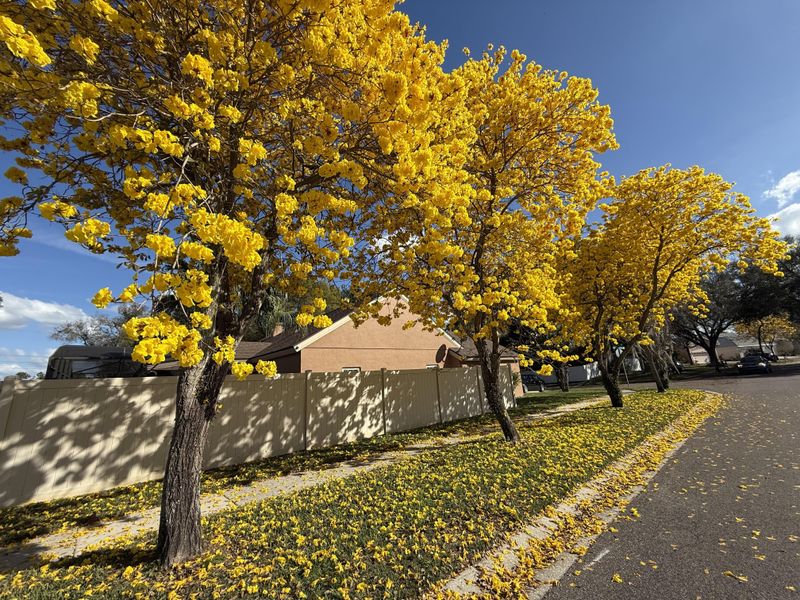
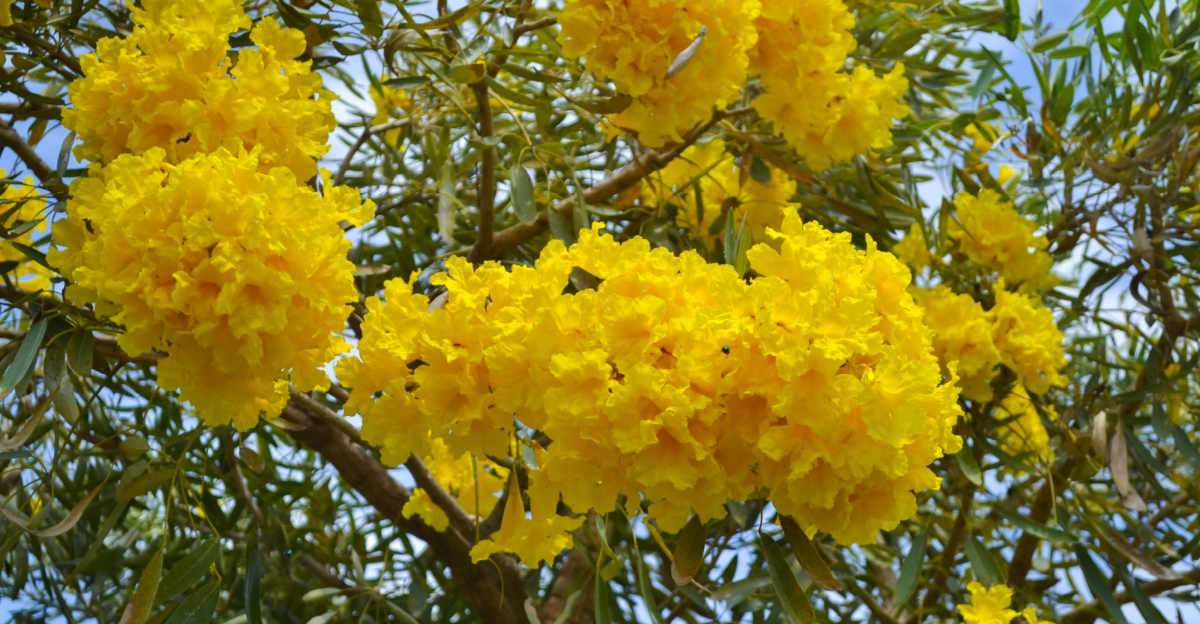
For a few breathtaking weeks each year, Tabebuia trees transform Florida streets and yards into something that looks almost too colorful to be real.
These medium-sized deciduous trees drop their leaves and then explode into dense clusters of trumpet-shaped flowers in shades of yellow, pink, or lavender, creating a display that stops people in their tracks.
Planting in April allows roots to establish through the warm months ahead so the tree can build strength for future bloom seasons.
Tabebuia species, including Tabebuia caraiba (yellow) and Tabebuia heterophylla (pink), grow well in South and Central Florida where winters are mild.
They prefer full sun and well-drained soils, and they show solid tolerance for drought conditions once established.
Florida’s sandy soils suit them well, as long as drainage is reliable. These trees generally reach 20 to 30 feet at maturity, making them a manageable size for residential landscapes without sacrificing visual impact.
New plantings benefit from consistent watering throughout the first growing season, particularly during Florida’s drier spring months before summer rains kick in.
Fertilizing lightly once or twice during the growing season supports steady development without pushing excessive soft growth that could be vulnerable to storm damage.
The blooming period is relatively brief, usually two to three weeks, but the spectacle is so dramatic that gardeners throughout Florida consider it one of the most anticipated seasonal events in the landscape calendar.