What Oregon Lilacs Need Right Now For A More Fragrant Spring Show

Lilacs have a funny way of raising expectations. One week the buds swell and everything looks promising, and the next you are standing there, hoping for that rich spring fragrance to finally drift across the yard.
In Oregon, this is the moment that matters. Right now, a few simple moves can make the difference between a shrub that just flowers and one that fills the whole garden with scent.
Sun, moisture, airflow, and timing all play a bigger role than many gardeners realize, especially after Oregon’s cool, damp spring stretches.
It is also easy to make one small mistake that leads to fewer blooms or weaker fragrance just when lilacs should be putting on their best show.
The good news is that lilacs usually do not need anything complicated. A little attention at the right time goes a long way. Give them what they need now, and spring gets a whole lot more rewarding.
1. Give Lilacs Full Sun
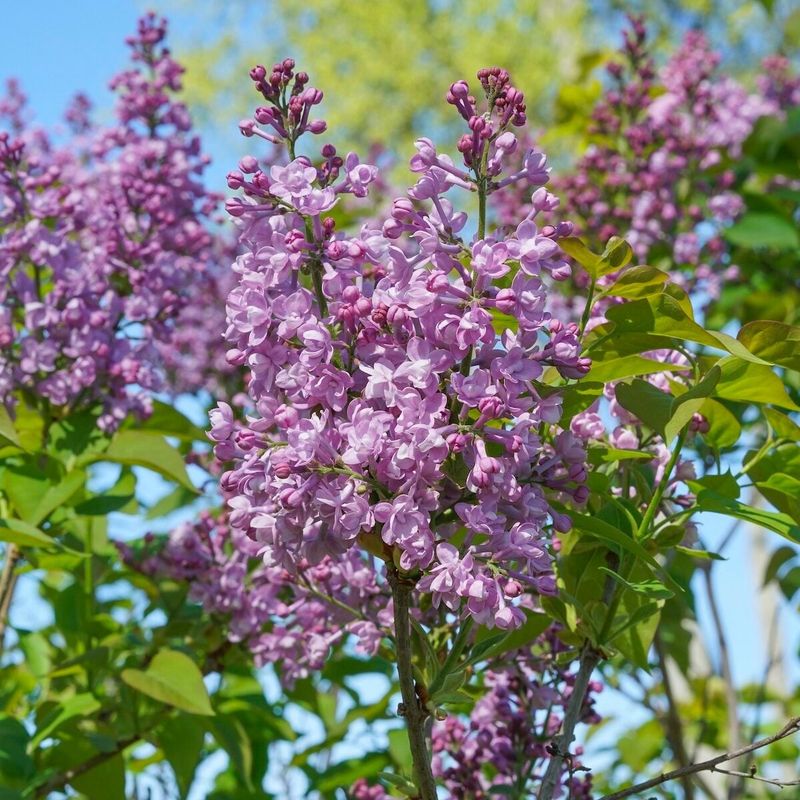
Sunlight is everything when it comes to lilac blooms. In Oregon, where cloudy days are common, making sure your lilacs get enough direct sun is one of the most important things you can do.
Lilacs need at least six hours of full sun every single day to produce those big, fragrant flower clusters you love.
If your plant sits in a shaded spot, it may still grow, but the blooms will be smaller and fewer. Take a look at where your lilac is planted.
Are nearby trees or structures blocking the light? Even partial shade during key morning hours can reduce blooming.
If shade is a problem, consider trimming back nearby branches to open up the canopy. Moving a lilac is possible but tricky, so it is better to fix the light situation where it stands.
Portland-area gardeners especially deal with tall fences and dense plantings that can steal sun from shrubs. Check your lilac’s sun exposure a few times throughout the day.
You want to see bright, direct light hitting the plant for most of the morning and afternoon for the strongest, most fragrant spring show possible.
2. Open Up Crowded Growth

Lilacs love to grow thick and bushy, but too much crowded growth actually works against you. When stems are packed tightly together, air cannot move through the plant freely.
Poor air circulation leads to moisture buildup, which invites fungal problems and weakens the overall health of the shrub.
Right now, before bloom time hits in Oregon, walk around your lilac and look for stems that cross over each other or grow inward toward the center. These are the ones to remove.
You do not need to take out a lot, just enough to let light and air pass through the middle of the plant.
Use clean, sharp pruning shears and make cuts close to the base of each unwanted stem. Removing older, thick woody stems every few years also helps rejuvenate the plant and encourages fresh, productive new growth.
Oregon’s wet winters can make lilacs more prone to disease, so thinning the interior is a smart move each spring. Think of it like giving your lilac room to breathe.
Your Oregon Garden Changes Every Week. Your Plan Should Too.
Gardening in Oregon changes quickly throughout the season. Every Friday you’ll receive a simple weekly plan showing exactly what to plant, prune, fertilize, harvest, and protect so you never miss the right timing.
A less crowded plant puts more energy into producing flowers instead of fighting for space, which means a much better fragrance display when bloom season finally arrives.
3. Feed Lightly In Spring
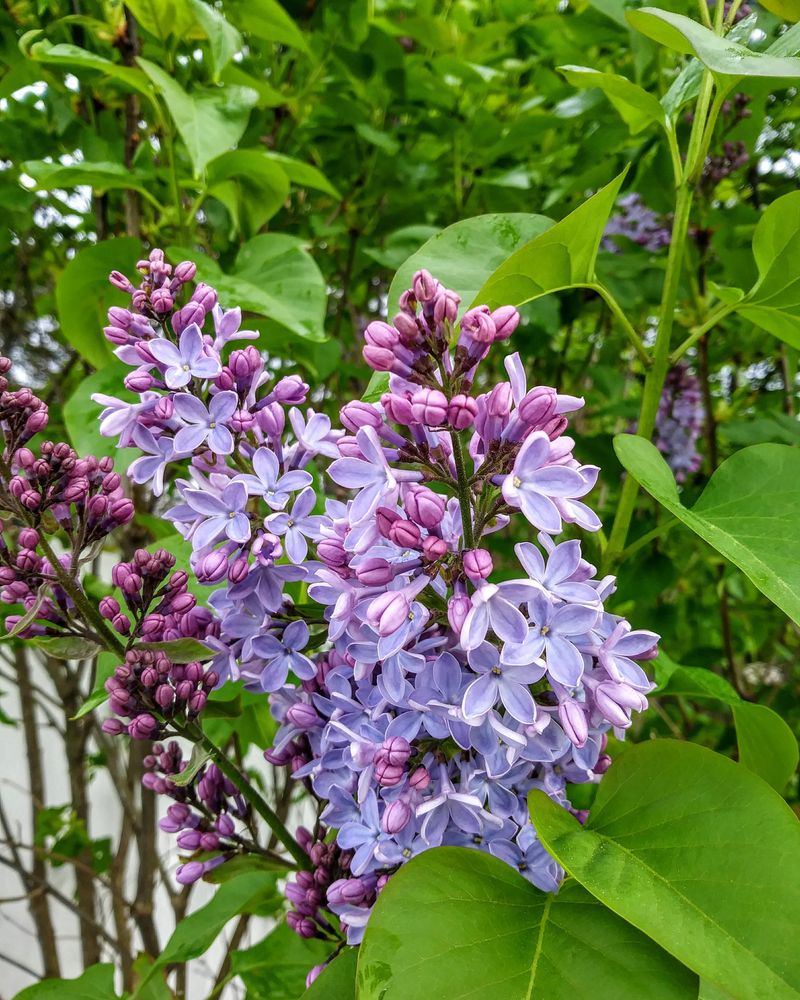
Fertilizing lilacs sounds simple, but doing it wrong can actually reduce flowering. Many gardeners make the mistake of reaching for a high-nitrogen fertilizer, thinking more nutrients means more blooms.
In reality, too much nitrogen pushes the plant to grow lots of leaves instead of flowers.
What lilacs really want is a fertilizer with a higher phosphorus content. Phosphorus supports root development and encourages blooming.
Look for a balanced fertilizer labeled something like 5-10-10, and apply it lightly in early spring just as the plant begins to wake up from winter dormancy.
Sprinkle the fertilizer around the drip line of the plant, which is the outer edge of the branches, not right at the base. Water it in well after applying.
In Oregon, soils can vary quite a bit depending on where you live. If you are in the Willamette Valley, your soil may already be fairly fertile, so go easy on the fertilizer.
A soil test from your local extension office can tell you exactly what your lilac needs. Feeding lightly once a year in spring is usually all it takes to support a strong, fragrant bloom season without overdoing it.
4. Water During Dry Weather

Oregon gets plenty of rain in fall and winter, but spring and summer can turn surprisingly dry, especially east of the Cascades. Once lilacs are well established, they handle drought reasonably well.
But during dry spells, even tough plants like lilacs benefit from a good deep watering.
Young lilac plants, especially those in their first or second year, need consistent moisture to build strong roots. Water them deeply once or twice a week during dry stretches.
For older, established plants, check the soil around the base. If the top two inches feel dry, it is time to water.
Always water at the base of the plant rather than overhead. Wetting the leaves can encourage powdery mildew, which is already a common issue in Oregon’s variable climate.
Soaker hoses or drip irrigation work really well for lilacs because they deliver water slowly and directly to the root zone. Avoid overwatering, as soggy soil around the roots causes more harm than drought stress.
Mulching around the base of the plant helps hold soil moisture between waterings and keeps the roots cool. A two to three inch layer of wood chips or bark works great and also helps suppress weeds at the same time.
5. Skip Heavy Pruning Before Bloom
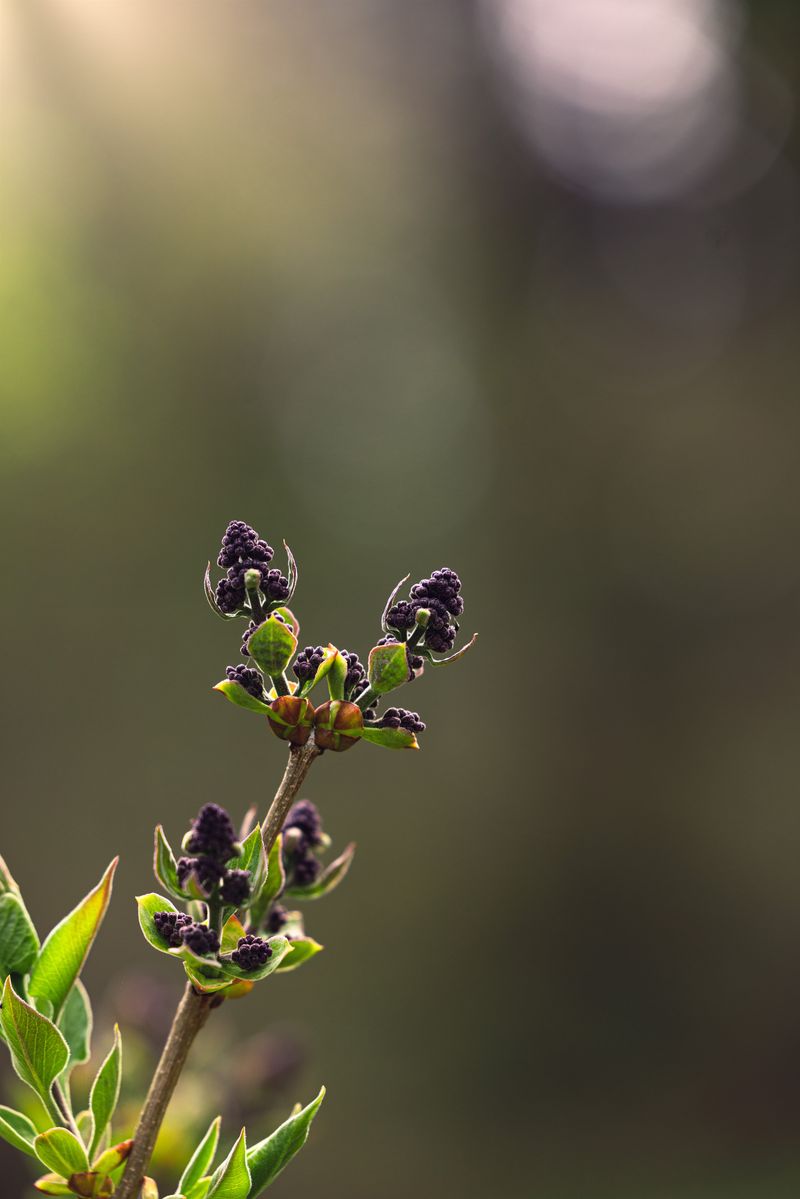
Grabbing the pruning shears before your lilacs bloom might seem like a good idea, but it can seriously hurt your spring flower show. Lilacs set their flower buds for the following year right after they finish blooming in late spring.
So those buds you see swelling on the branches right now? They have been forming since last summer.
Cutting branches heavily before bloom removes those precious buds before they ever get a chance to open. That means fewer flowers, less fragrance, and a disappointing spring display after all your hard work.
If you need to do any shaping or cleanup, keep it minimal right now.
Save the major pruning for immediately after the flowers fade. That timing, which is typically late May or early June in Oregon, gives the plant all summer to set new buds for next year.
Light deadheading and the removal of obviously broken or crossing stems are fine to do at any point. But hold off on any serious reshaping until after bloom.
Oregon State University Extension actually recommends this same approach for keeping lilacs healthy and blooming year after year. Patience pays off big when it comes to lilacs, and waiting just a few more weeks makes all the difference in the world.
6. Watch For Early Disease Problems

Powdery mildew is one of the most common problems lilac growers in Oregon face. It shows up as a white or grayish powder on the surface of leaves and can spread quickly in humid conditions.
Oregon’s cool, damp spring weather creates perfect conditions for this fungal disease to take hold.
The good news is that powdery mildew rarely causes serious long-term harm to a healthy lilac. But it does look unsightly and can weaken the plant over time if left unchecked.
The best defense is good air circulation, which is why thinning crowded growth matters so much.
Start checking your lilacs early in the season, before temperatures warm up fully. Look at both the tops and undersides of leaves for any white powdery coating or unusual spotting.
Catching problems early gives you more options for managing them. Avoid overhead watering, which spreads fungal spores.
If mildew does appear, remove affected leaves and improve airflow around the plant. In severe cases, a fungicide labeled for powdery mildew can help.
Keeping your lilac strong through proper feeding, sunlight, and watering also makes it naturally more resistant to disease. A healthy plant in Oregon can fend off many problems on its own with just a little extra attention from you.
7. Remove Spent Blooms After Flowering
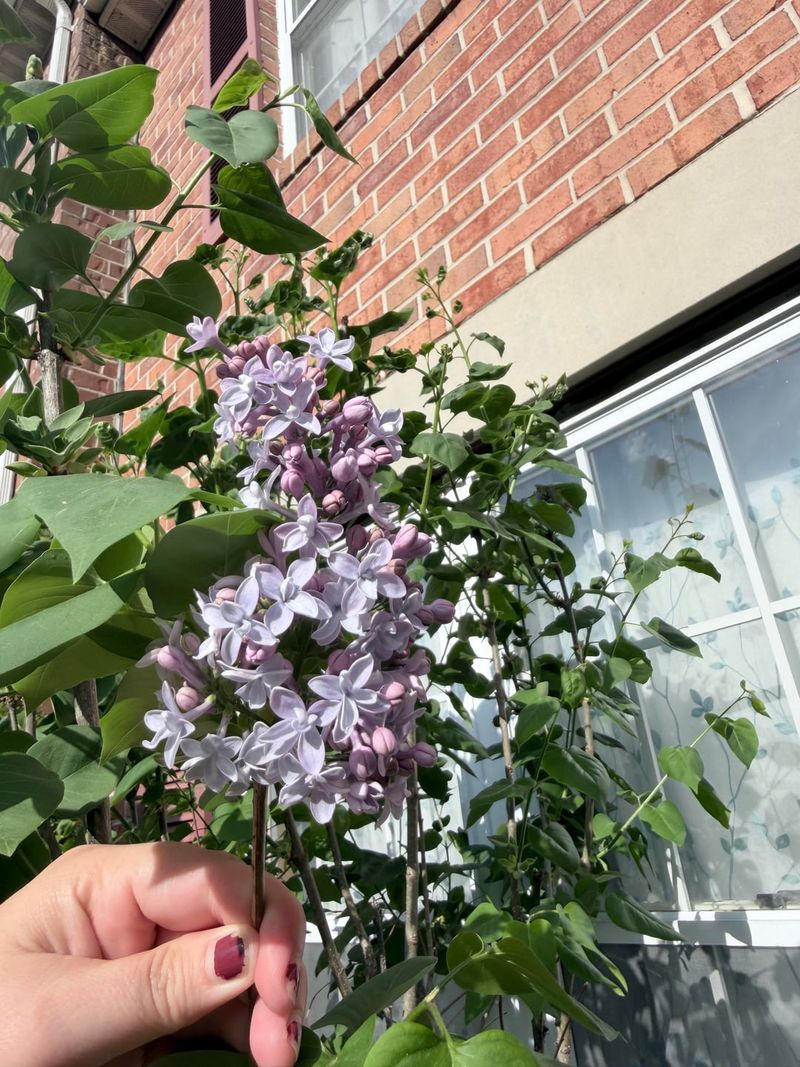
Once your lilacs finish their big spring show, do not just walk away and let those spent blooms hang on the branches. Removing faded flower clusters right after they fade is one of the easiest and most effective things you can do to improve next year’s performance.
When lilacs are allowed to set seed, they pour a lot of energy into that process instead of putting it toward new growth and next year’s flower buds. By snipping off the old blooms before seeds form, you redirect all that energy back into the plant where it belongs.
Use clean pruning shears and cut just below each spent flower cluster, right above the first set of leaves. Be careful not to cut too far down the stem, because the buds for next spring are already starting to form just below that point.
This job goes quickly and makes a real difference in how full and fragrant your lilac will be the following spring. In Oregon, where gardeners are passionate about their spring gardens, this one simple habit can set your lilac apart from neglected plants in the neighborhood.
Deadheading is easy, satisfying, and completely worth the twenty minutes it takes to finish the whole shrub properly.