Why Your Pennsylvania Garden Isn’t Thriving
A garden in Pennsylvania can look like it should be doing well and still feel stuck in place. The plants are technically alive, the leaves are there, something is growing, but nothing looks full, happy, or worth bragging about.
It is the kind of yard that makes you keep buying one more plant, hoping that will somehow fix the whole picture.
A lot of the time, the problem is not bad luck. It is a mismatch between what the garden needs and what it is getting.
Heavy soil, too much shade, poor drainage, planting too early, crowding, weak watering habits, or choosing the wrong plants for the spot can all slow everything down fast in Pennsylvania.
The tricky part is that struggling gardens rarely fail in one dramatic way. They usually send up smaller warning signs first.
Catch those early, and the whole space starts making a lot more sense.
1. Not Enough Sun
Sunlight is basically food for plants, and without enough of it, even the healthiest seedlings will struggle to grow strong. Most vegetables and flowering plants need six to eight hours of direct sun each day to produce well.
If your Pennsylvania garden is tucked under large trees or sits beside a tall fence or building, your plants might simply not be getting what they need.
Walk through your yard at different times of the day and notice where the sun hits and where it doesn’t. Many Pennsylvania homeowners are surprised to find that what looks like a sunny spot in the morning turns into deep shade by noon.
Tracking sunlight patterns for a full day before planting can save you a lot of guesswork later.
If moving your garden isn’t an option, try trimming back overhanging branches to let more light filter through. You can also shift to shade-tolerant plants like lettuce, spinach, or hostas in darker spots.
Choosing the right plant for the right place is one of the smartest moves a Pennsylvania gardener can make.
2. Poor Drainage
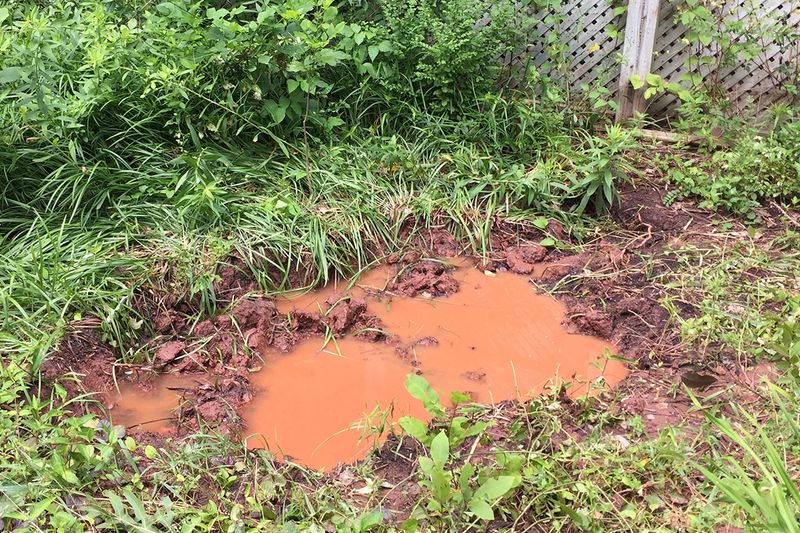
After a heavy rainstorm, does your garden look more like a pond than a planting bed? Poor drainage is one of the most common reasons Pennsylvania gardens underperform, and it often comes down to the state’s notoriously dense clay soil.
When water can’t move through the ground fast enough, roots sit in soggy conditions that cut off oxygen and invite harmful root rot.
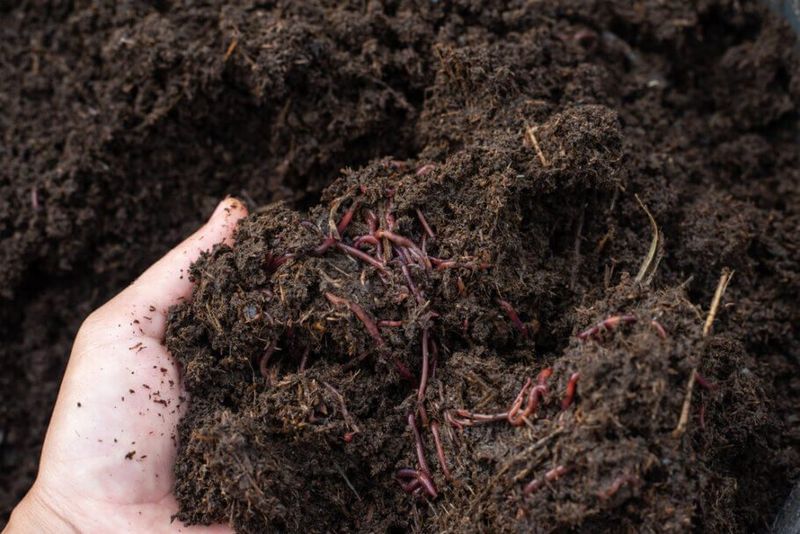
One of the easiest fixes is adding compost or aged organic matter to your soil. Working a few inches of compost into your garden beds improves the soil structure, giving water somewhere to go instead of pooling at the surface.
You’ll often notice a real difference in how your plants look as soil structure improves over time.
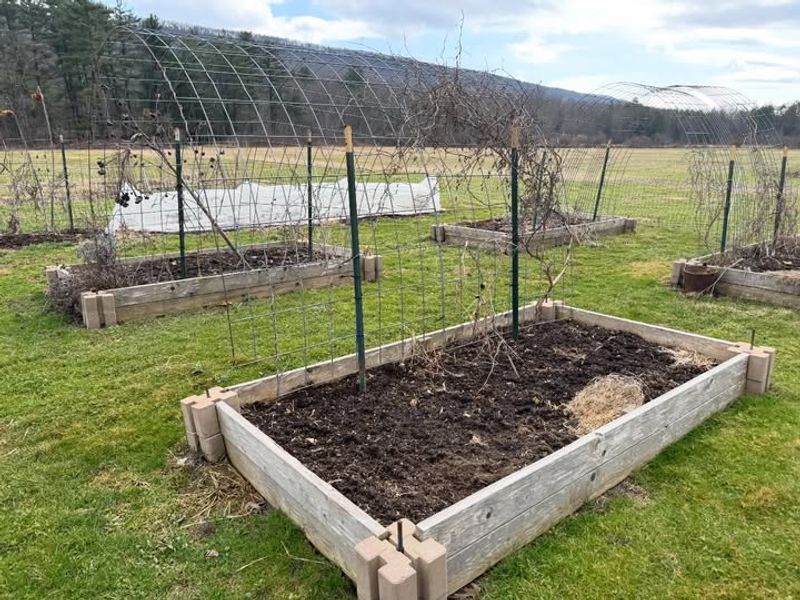
Raised beds are another great solution for Pennsylvania gardeners dealing with persistent drainage problems. By building up the soil level, you create a well-draining environment that roots love.
Avoid working your soil when it’s soaking wet, as this can make compaction worse and actually reduce drainage over time. Starting with good drainage sets the whole garden up for success.
Your Pennsylvania Garden Changes Every Week. Your Plan Should Too.
Gardening in Pennsylvania changes quickly throughout the season. Every Friday you’ll receive a simple weekly plan showing exactly what to plant, prune, fertilize, harvest, and protect so you never miss the right timing.
3. Soil Compaction
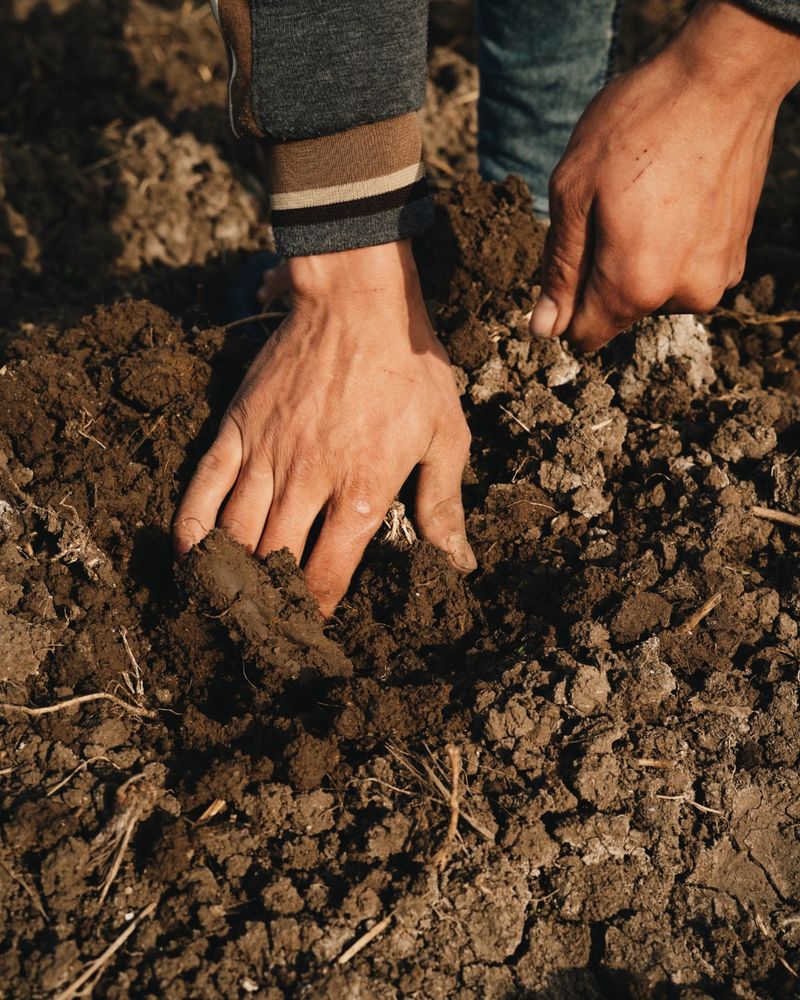
Picture trying to push a straw through concrete. That’s basically what plant roots face when the soil in your Pennsylvania garden has become compacted.
Compacted soil is dense and hard, which means roots can’t spread out, water can’t soak in properly, and air pockets disappear. The result is slow growth and weak plants that can’t stand up to stress.
Compaction often happens when people walk repeatedly across garden beds or work the soil while it’s still wet. In Pennsylvania, where spring rains can keep the ground soggy for weeks, it’s tempting to get out and start planting early.
Resisting that urge and waiting until the soil crumbles easily in your hand can protect the soil structure you’ve worked hard to build.
Adding compost regularly is one of the best long-term solutions for compacted soil. Earthworms and other beneficial organisms move in and naturally loosen things up over time.
You can also use a broadfork to gently aerate beds without flipping the soil layers. Keeping permanent pathways so you’re never stepping in your planting zones is a simple habit that makes a huge difference across a whole growing season.
4. Skipping A Soil Test
Skipping a soil test is a bit like trying to follow a recipe without knowing what ingredients you already have. You might add fertilizer and amendments thinking you’re helping, but without knowing what your soil actually needs, you could be wasting money or even making things worse.
Pennsylvania’s soils vary widely from one county to the next, so guessing rarely works.
Penn State Extension offers affordable soil testing services that give you a detailed breakdown of your soil’s nutrient levels, pH, and organic matter content. The results come with specific recommendations for your garden type, whether you’re growing tomatoes, grass, or perennials.
Getting a test done once every two to three years is generally enough to stay on top of changes.
Many Pennsylvania gardeners are shocked to discover their soil is low in calcium or has too much phosphorus, issues they never would have caught without testing. Armed with that information, you can make targeted improvements that actually move the needle.
A simple soil test costs very little and can completely change how productive your garden becomes. Think of it as the smartest small investment you can make before the growing season begins.
5. Wrong Soil pH
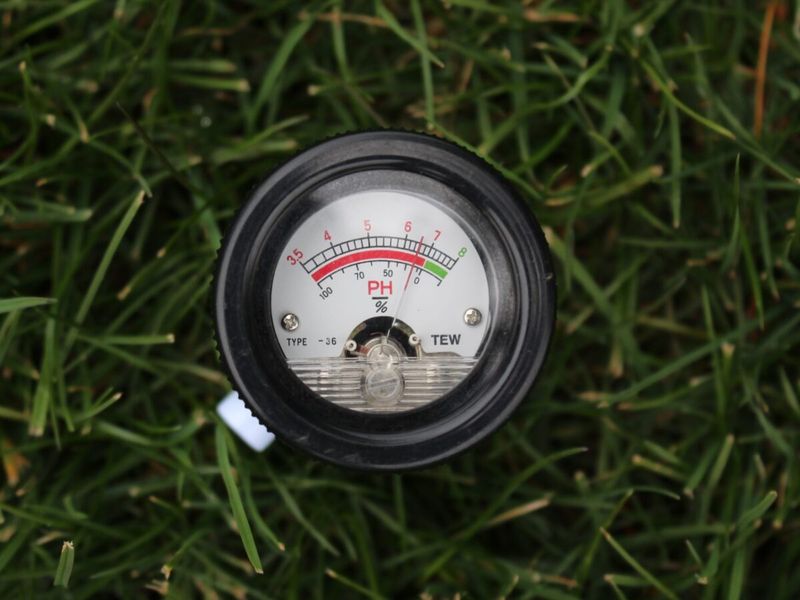
Soil pH is one of those behind-the-scenes factors that quietly controls everything in your garden. Even if you’ve added compost and fertilizer, plants won’t absorb nutrients properly if the pH is off.
Many Pennsylvania soils are acidic, which works well for blueberries but can create problems for vegetables that grow best around a slightly acidic to near-neutral range.
The ideal pH for most vegetable gardens falls between 6.0 and 7.0. When soil dips too far below that, nutrients like phosphorus and calcium become locked up and unavailable to plant roots, no matter how much you’ve added.
Yellowing leaves, poor fruit set, and stunted growth are all classic signs that pH might be the culprit.
Raising pH in Pennsylvania gardens is usually done by adding agricultural lime, which is widely available at local garden centers. Lowering it requires elemental sulfur, applied carefully based on your soil test results.
Changes don’t happen overnight, so plan ahead and apply amendments in the fall for the best results by spring. Matching your soil’s pH to your plants’ preferences is one of the most impactful adjustments any Pennsylvania gardener can make.
6. Low Soil Fertility
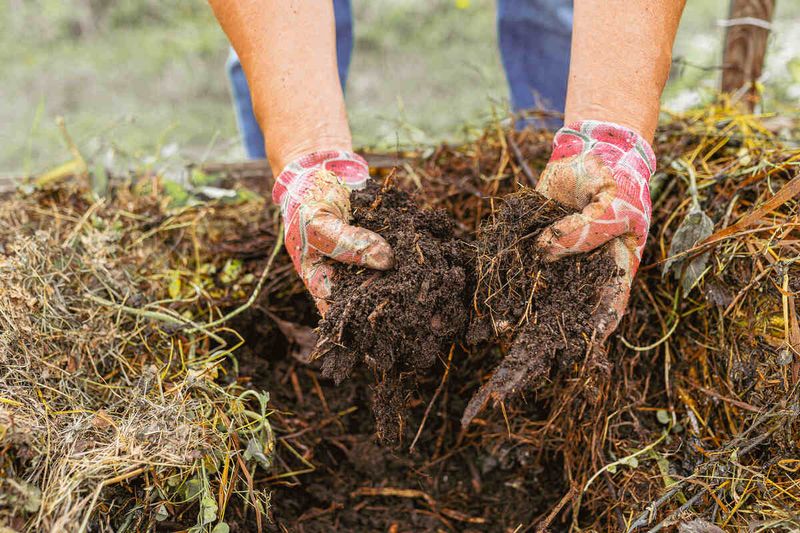
Healthy plants need a steady supply of nutrients to grow strong, flower well, and produce food. When soil fertility is low, plants look pale, grow slowly, and produce less than they should.
Pennsylvania’s sandy or heavily leached soils can lose nutrients quickly, especially after repeated growing seasons without being replenished.
Nitrogen, phosphorus, and potassium are the three main nutrients plants rely on, but they also need smaller amounts of calcium, magnesium, and trace minerals. A depleted garden soil often lacks several of these at once, which is why plants can look generally weak rather than showing one specific symptom.
Compost is one of the best all-around ways to rebuild fertility because it releases nutrients slowly and improves soil biology at the same time.
Cover crops like clover or winter rye are popular with Pennsylvania gardeners who want to build soil between seasons. Clover can fix nitrogen from the air, and both can add organic matter when turned into the soil.
Organic fertilizers like fish emulsion or composted manure are also excellent options that feed both the plants and the soil life. Building soil fertility is a long game, but the results show up clearly in the quality and quantity of what you grow.
7. Inconsistent Watering
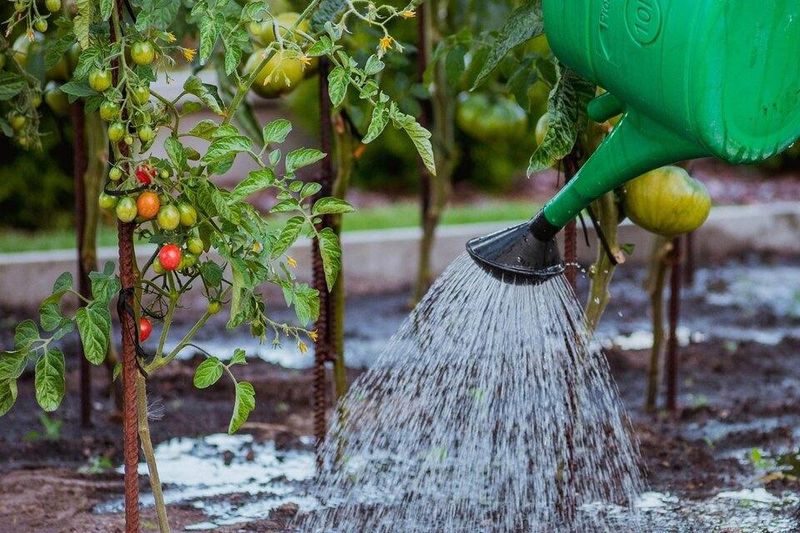
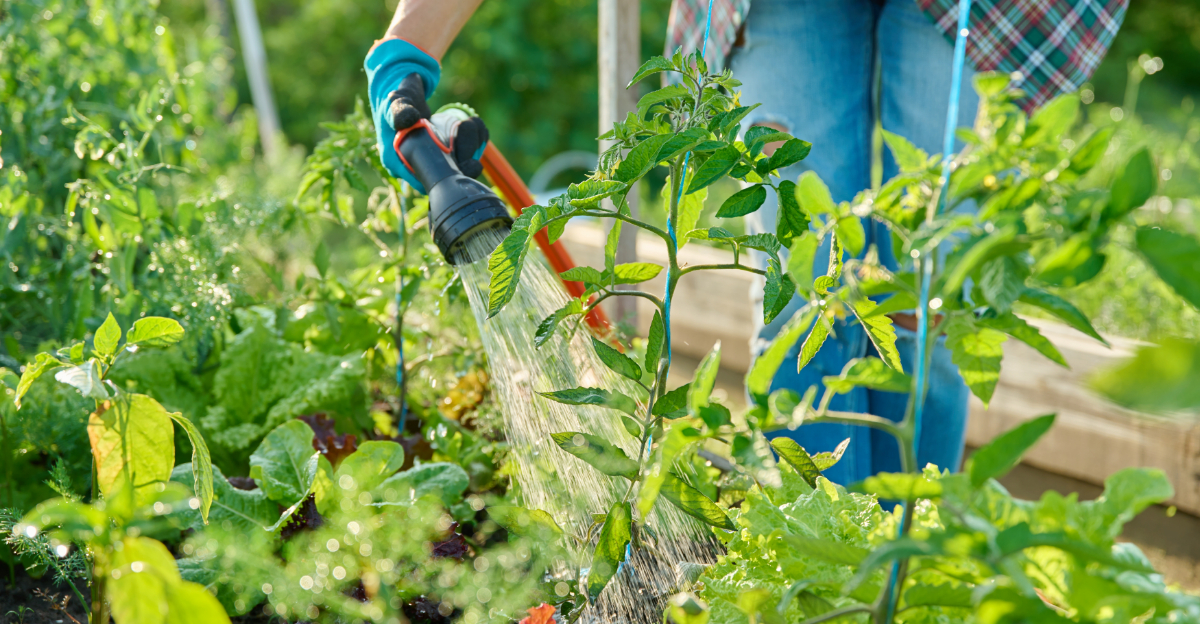
Watering your garden a lot one week and then forgetting about it the next is one of the fastest ways to stress out your plants. Inconsistent moisture causes all kinds of problems, from blossom end rot in tomatoes to cracked carrots and bitter lettuce.
Plants that go through wet and dry cycles repeatedly have a harder time developing strong root systems.
A good rule of thumb for Pennsylvania gardens is to provide about one inch of water per week, either from rainfall or from your hose or irrigation system. Deep, infrequent watering encourages roots to grow downward where moisture stays more stable.
Shallow, frequent watering keeps roots near the surface where they’re more vulnerable to heat and dry spells.
Checking the soil before you water is a simple habit that makes a big difference. Stick your finger about two inches into the ground.
If it feels dry at that depth, it’s time to water. If it still feels moist, hold off for another day.
Soaker hoses and drip irrigation systems are popular choices among Pennsylvania gardeners because they deliver water directly to the root zone and reduce evaporation. Consistency really is the key to keeping plants happy all season long.
8. Too Much Rain And Waterlogged Soil
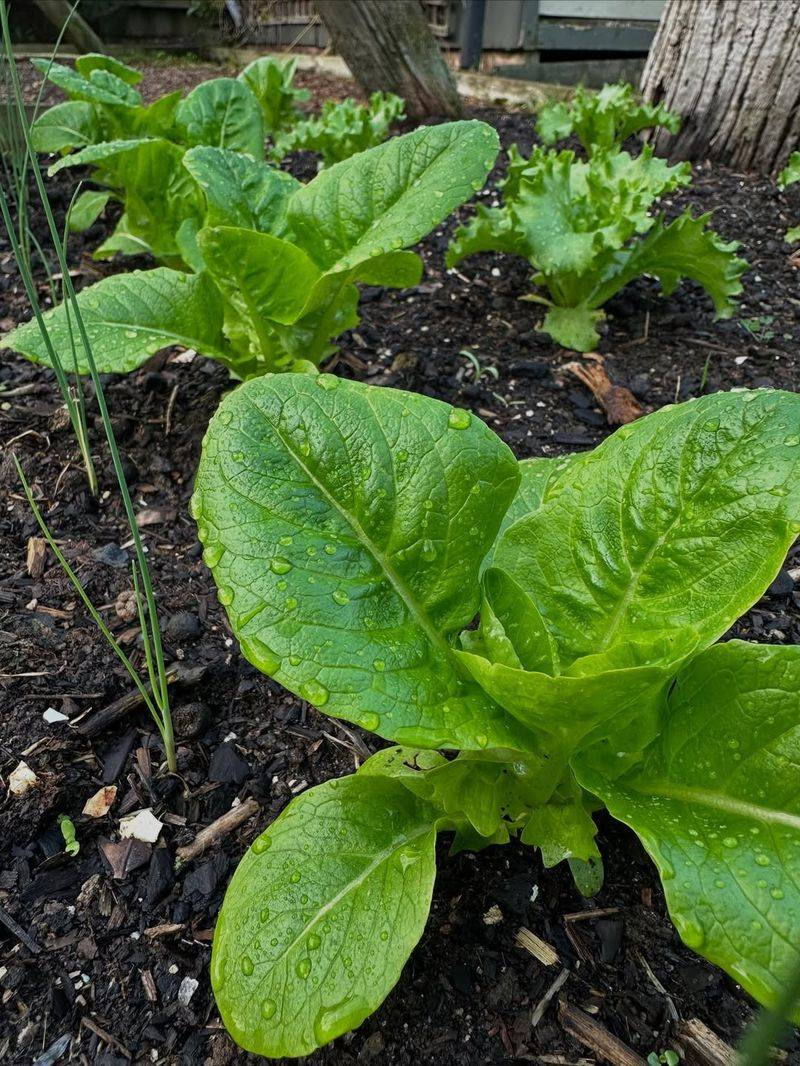
Pennsylvania weather doesn’t always cooperate with gardening plans. Some summers bring stretches of heavy rain that leave garden beds sitting in water for days at a time.
When soil stays waterlogged, roots are cut off from the oxygen they need to function, and plants begin to suffer even though there’s plenty of moisture around them. It’s a frustrating paradox that catches many gardeners off guard.
Waterlogged soil also becomes a breeding ground for fungal diseases like pythium and phytophthora, which spread quickly through wet conditions. You might notice plants wilting despite wet soil, leaves turning yellow from the bottom up, or a foul smell near the root zone.
These are signs that too much water is causing serious harm underground.
Improving drainage before heavy rain seasons hit is the smartest move a Pennsylvania gardener can make. Adding organic matter, building raised beds, or installing French drains in low-lying areas can all help redirect excess water away from plant roots.
Choosing plants that tolerate wet feet, like Joe Pye weed, cardinal flower, or swamp milkweed, is another smart strategy for areas that flood regularly. Working with Pennsylvania’s rainfall patterns rather than against them saves a lot of frustration over time.
9. Weed Pressure
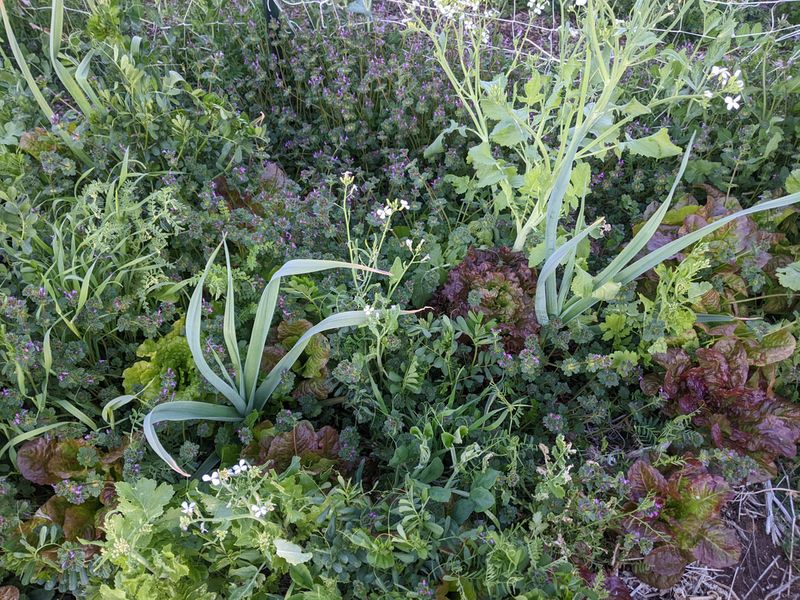
Weeds are relentless competitors, and in Pennsylvania, they seem to grow faster than almost anything you actually plant. Common culprits like crabgrass, bindweed, and Canada thistle spread quickly and steal water, nutrients, and sunlight from your garden plants.
Left unchecked, a heavy weed population can seriously reduce how much your garden produces by the end of the season.
Staying ahead of weeds is much easier than trying to catch up once they’ve taken over. Pulling weeds when they’re small, before they set seed, prevents thousands of future weed problems.
A single dandelion plant can release over 150 seeds, so timing matters a lot. Cultivating the top inch of soil with a hoe on a sunny day is an effective way to knock out young weeds before they get established.
Mulching is one of the best long-term strategies for keeping weeds under control in Pennsylvania gardens. A two to three inch layer of straw, wood chips, or shredded leaves blocks sunlight from reaching weed seeds and dramatically reduces how many germinate.
Some Pennsylvania gardeners also use landscape fabric under mulch in pathways for extra weed suppression. A consistent approach to weed management throughout the season keeps your garden looking clean and your plants growing strong.
10. Bare Soil Without Mulch
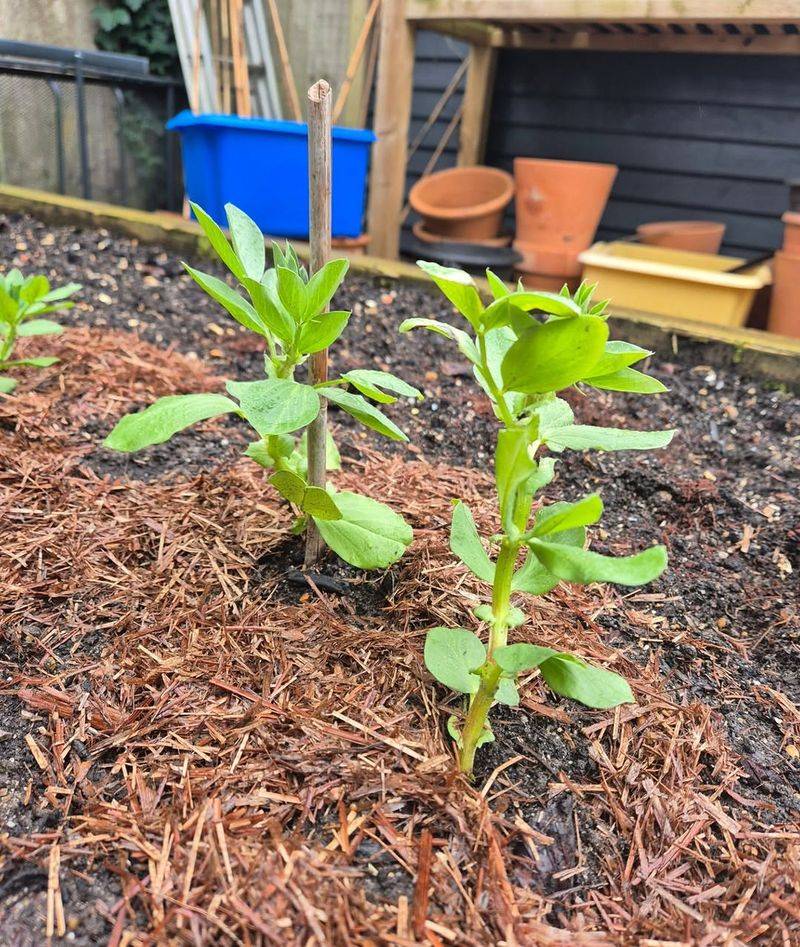
Leaving garden soil bare and uncovered is one of the most common mistakes Pennsylvania gardeners make without even realizing it. Exposed soil loses moisture quickly in summer heat, cracks under the sun, and becomes a welcome mat for weed seeds blowing in on the breeze.
It’s also vulnerable to erosion during Pennsylvania’s heavy spring and summer rainstorms.
Mulch acts like a protective blanket for your soil. A two to three inch layer of organic mulch, such as straw, wood chips, or shredded leaves, keeps moisture locked in, regulates soil temperature, and slowly breaks down to feed soil organisms.
During a hot Pennsylvania summer, mulched soil can stay several degrees cooler than bare soil, which makes a real difference for plant roots trying to stay healthy.
Applying mulch is one of the easiest and most affordable ways to improve your garden’s performance. Fall leaves, which Pennsylvania has in abundance, make excellent free mulch when shredded with a mower.
Just be sure to keep mulch a couple of inches away from plant stems to avoid moisture buildup right at the base. Gardens that stay mulched throughout the season consistently outperform bare-soil gardens in water retention, weed suppression, and overall plant health.